Vaginal Hysterectomy (Open/Laparoscopic/Robotic)
Vaginal Hysterectomy
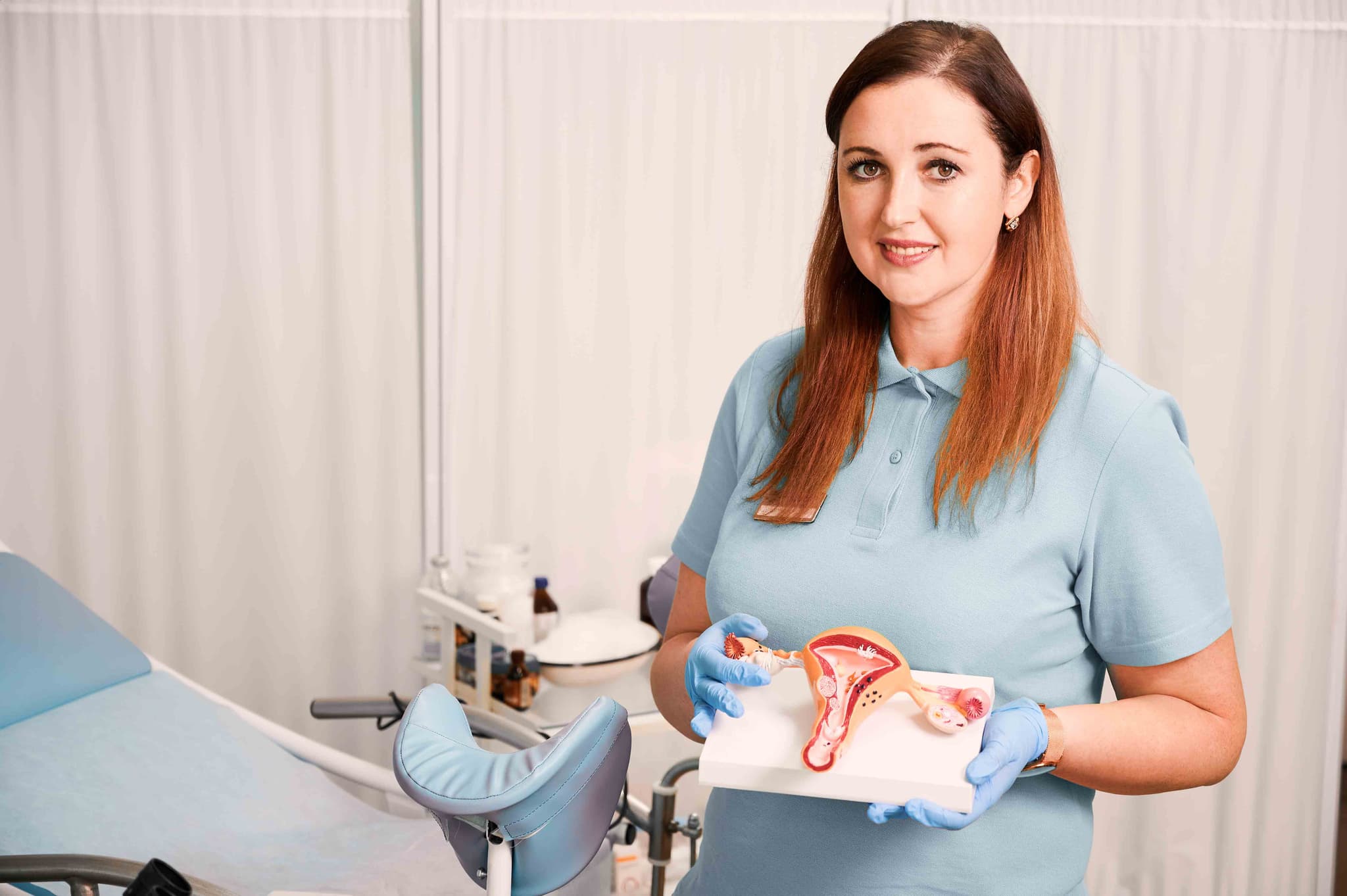
A vaginal hysterectomy is a surgical procedure to remove the uterus through the vaginal canal. Unlike an abdominal hysterectomy, this approach requires no external incisions on the abdomen, which typically results in a shorter hospital stay, lower costs, and a significantly faster recovery. It is a preferred method for treating various non-cancerous gynecological conditions.
When You Should Consider a Vaginal Hysterectomy
Uterine Fibroids: Benign growths in the uterine wall that cause heavy menstrual bleeding, pelvic pressure, or persistent pain.
Uterine Prolapse: When the pelvic floor muscles and ligaments weaken, causing the uterus to slip down into or even out of the vaginal canal.
Adenomyosis: A condition where the uterine lining grows into the muscular wall of the uterus, causing severe cramping and heavy periods.
Endometriosis: When tissue similar to the uterine lining grows outside the uterus, leading to chronic pain and scarring.
Abnormal Uterine Bleeding: When heavy or irregular bleeding cannot be managed with medication or less invasive procedures.
Surgical Approaches
Traditional Vaginal Hysterectomy: The entire procedure is performed through an incision inside the vagina. This is the least invasive method and leaves no visible scars.
Laparoscopically Assisted Vaginal Hysterectomy (LAVH): A thin camera (laparoscope) and micro-instruments are inserted through 3–4 tiny "keyhole" incisions in the belly to detach the upper uterus. The uterus is then removed through the vagina.
Robotic-Assisted Hysterectomy: Similar to the laparoscopic approach, but the surgeon uses a robotic console for superior 3D visualization and enhanced precision, which is ideal for complex cases like extensive endometriosis.
Vaginal Vault Creation: After the uterus is removed, the surgeon sews the top of the vagina closed, creating what is known as a "vaginal cuff."
How Is Performed
Anesthesia: The surgery is performed under general anesthesia or regional anesthesia (spinal/epidural) and typically takes 1 to 2 hours.
Access: The surgeon makes an incision inside the vagina to reach the uterus.
Detachment: Using specialized tools, the surgeon clamps and cuts the blood vessels and ligaments that support the uterus.
Removal: The uterus (and sometimes the fallopian tubes or ovaries) is withdrawn through the vaginal opening.
Closure: The internal incisions are closed with dissolvable stitches. Because there are no abdominal cuts in the traditional approach, there is no external scarring.
Pre-Procedure Preparation
Pelvic Examination: To assess the size of the uterus and ensure it can be safely removed through the vaginal canal.
Fasting: Adhering to strict "nothing by mouth" instructions for at least 8 hours prior to your general anesthesia.
Medication Audit: You may need to stop taking blood thinners, aspirin, or certain herbal supplements 7–10 days before the procedure.
Bowel Prep: In some cases, your surgeon may recommend a mild laxative or a specific diet the day before surgery.
Smoking Cessation: Stopping smoking at least 4 weeks before surgery is vital to promote healthy tissue healing and reduce the risk of infection.
Tests Before Vaginal Hysterectomy
Pelvic Ultrasound: To map the size and location of fibroids and check the health of the ovaries.
Endometrial Biopsy: To rule out any cancerous or precancerous cells within the uterine lining.
Pap Smear: To ensure there are no cervical abnormalities before the uterus and cervix are removed.
Blood Panels: Checking hemoglobin levels and blood type to prepare for the rare possibility of a transfusion.
ECG: A standard heart check to ensure you are healthy enough for the administration of anesthesia.
Life After Vaginal Hysterectomy
Hospital Stay: Most patients are discharged the same day or after one night of observation.
Physical Activity: Walking is encouraged immediately to prevent blood clots, but you must avoid heavy lifting (over 5 kg) and strenuous exercise for 4 to 6 weeks.
Vaginal Health: You must not use tampons or have sexual intercourse for 6 to 8 weeks to allow the vaginal cuff to heal completely.
Hormonal Changes: If the ovaries are left intact, you will not enter menopause prematurely, though you will no longer have periods. If ovaries are removed, menopause begins immediately.
Follow-up Care: A post-operative checkup is typically scheduled for 2 to 6 weeks after surgery to ensure the internal stitches are dissolving correctly.
Why Specialized Treatment Is Highly Effective
Faster Recovery: Patients generally return to normal activities much sooner than those undergoing traditional abdominal surgery.
No Visible Scarring: Because the entry point is internal, there are no cosmetic changes to the abdomen.
Reduced Complication Rates: Vaginal approaches are associated with lower risks of wound infection and less post-operative pain.
Cost-Efficient: Shorter hospital stays and quicker operating times often result in lower overall medical costs.
High Patient Satisfaction: Most women report a significant improvement in quality of life once the symptoms of fibroids or prolapse are resolved.
Vaginal Hysterectomy (Open/Laparoscopic/Robotic) Cost in India
The cost of Vaginal Hysterectomy (Open/Laparoscopic/Robotic) in India is generally affordable compared with many other countries, making India a popular destination for international patients seeking quality medical care. The treatment cost depends on factors such as the hospital, doctor's experience, treatment approach, medical condition, hospital stay, diagnostic tests, medicines, and any additional procedures required. For international patients, the starting cost of Vaginal Hysterectomy (Open/Laparoscopic/Robotic) in India is approximately 500 USD, although the final price may vary based on individual treatment requirements. Patients are advised to obtain a personalized treatment estimate after medical evaluation.