+91 83682 47758
info@medivisorhealth.com
Medivisor India Treatment Logo
  • Home
    • About Us
    • Our Services
    • Our Team
    • Our Safety Measures
    • Loading treatments...
    • Loading hospitals...
    • Loading doctors...
    • Loading tests & diagnoses...
    • Treatment Cost
    • Treatment Process
    • Visa Process
    • Travel Guide
    • FAQs
    • Why Medivisor
    • Success Stories
    • Patient Activities
    • Social Activities
    • News Coverage
    • Blog
  • Become a Partner

Medivisor India Treatment is a trusted New Delhi-based medical travel company assisting international patients with advanced, affordable, and seamless treatment in India.

  • Medivisor House 359, Sector 1, Vaishali, Ghaziabad, (Delhi/NCR) India
  • +91 8368 247 758
  • info@medivisorhealth.com

About Us

  • About Us
  • Our Services
  • Our Team
  • Our Safety Measures
  • Join Our Network
  • Contact Us

India Treatment

  • Hospitals
  • Treatments
  • Treatment Cost
  • Treatment Process
  • Visa Process
  • Travel Guide
  • FAQs
  • Why Medivisor

Gallery

  • Patient Testimonials
  • Patient Activities
  • News Coverage
  • Blog

Get in Touch

© 2026 Medivisor India Treatment. All rights reserved.

Mazumdar Shaw Medical Centre, Narayana Healthcity, Bengaluru
Narayana Health

Mazumdar Shaw Medical Centre, Narayana Healthcity, Bengaluru

#258/A, Hosur Rd, Bommasandra Industrial Area, Anekal, Bengaluru, Karnataka 560099

  1. Home
  2. Hospitals
  3. Mazumdar Shaw Medical Centre, Narayana Healthcity, Bengaluru

Quick Overview

2000

Established

Super

Speciality

770

Beds

560

Doctors

Mazumdar Shaw Medical Centre, Bangalore, India

Mazumdar Shaw Medical Centre (MSMC), located within the expansive Narayana Health City in Bangalore, is a premier multi-specialty institution and a flagship facility of the Narayana Health Group. Recognized for delivering advanced tertiary and quaternary care, it serves as a major healthcare destination that bridges the gap between cutting-edge research and clinical practice. The center is designed to provide international standards of treatment, offering a comprehensive range of medical and surgical interventions focused on superior patient outcomes.

Why Patients Trust Mazumdar Shaw Medical Centre

Patients choose MSMC for its status as one of Asia's largest oncology hubs and its pioneering work in solid organ transplants. The institution is renowned for its unique combination of robotic-assisted surgical expertise and specialized clinical wings. By integrating primary, preventive, and high-complexity medical care, the hospital ensures that patients receive holistic treatment plans. Its reputation for handling the most intricate medical puzzles makes it a trusted referral center for patients from across India and the globe.

Centres of Clinical Excellence (Specialities)

The medical centre provides specialized care through dedicated institutes that utilize a multi-modality treatment approach:

  • Mazumdar Shaw Cancer Centre: One of the largest and most advanced cancer facilities in Asia, providing integrated medical, surgical, and radiation oncology services.

  • Bone Marrow Transplant (BMT) Unit: Features one of India's largest and most sophisticated units for treating leukemia, lymphomas, and other hematological malignancies.

  • Solid Organ Transplants: A leading hub for liver, kidney, and lung transplants, supported by a multidisciplinary team for comprehensive pre- and post-transplant management.

  • Neurosciences: A specialized center for brain and spine care, equipped with a dedicated neuro-intervention cath lab and advanced neuro-critical care units.

  • Gastroenterology and Renal Sciences: Offering advanced therapeutic endoscopy and robotic-assisted urological surgeries for enhanced clinical precision.

  • Maternal and Child Health: Focused on high-risk pregnancies, fetal medicine, and advanced neonatal intensive care for the most vulnerable patients.

World-Class Facilities and Technology

MSMC is defined by its investment in high-end medical infrastructure and "next-gen" therapeutic tools:

  • Robotic Surgery Expertise: A pioneer in minimally invasive procedures utilizing the Da Vinci robotic surgical system across multiple medical disciplines.

  • Precision Radiation Suite: Offers targeted treatments including stereotactic radiosurgery and brachytherapy to target tumors with extreme accuracy.

  • Specialized Medical Banking: Houses a dedicated stem cell bank, blood bank, and unique valve banking facilities to support advanced transplant surgeries.

  • Advanced Imaging and Diagnostics: Equipped with 1.5 T MRI, 64-slice CT scanners, and high-resolution mammography for rapid diagnostic mapping.

  • HIPEC Program: Specialized in Hyperthermic Intraperitoneal Chemotherapy for the advanced management of abdominal cancers.

24/7 Critical Care and Emergency Services

The hospital maintains a robust emergency response network designed to provide life-saving intervention around the clock:

  • 24/7 Emergency and Trauma Care: A high-response unit supported by a dedicated ambulance network to handle critical medical and surgical emergencies.

  • Stroke-Ready Facilities: Specialized protocols and neuro-interventional teams available 24/7 to manage acute neurological crises.

  • Intensive Care Excellence: Modern critical care units managed by experienced intensivists providing continuous monitoring for high-acuity patients.

  • Rapid-Response Laboratory: Fully automated diagnostic services available at all times to facilitate immediate and accurate clinical decision-making.

Mazumdar Shaw Medical Centre at a Glance

Mazumdar Shaw Medical Centre represents the pinnacle of medical innovation and clinical governance in South India:

  • Flagship multi-specialty institution serving as a primary hub for quaternary medical interventions.

  • Global leader in robotic surgery training, reflecting its commitment to advancing modern surgical techniques.

  • The Platinum Wing: Dedicated executive suites and personalized care management for international patients seeking a high level of comfort.

  • Comprehensive care model providing integrated solutions from early-stage screening to advanced post-operative rehabilitation.
Read about Narayana Health

May we help you?

Enter digits only (6-15 digits). We'll add your country code.

Treatments Offered at Mazumdar Shaw Medical Centre, Narayana Healthcity, Bengaluru

VSD Device Closure
VSD Device Closure

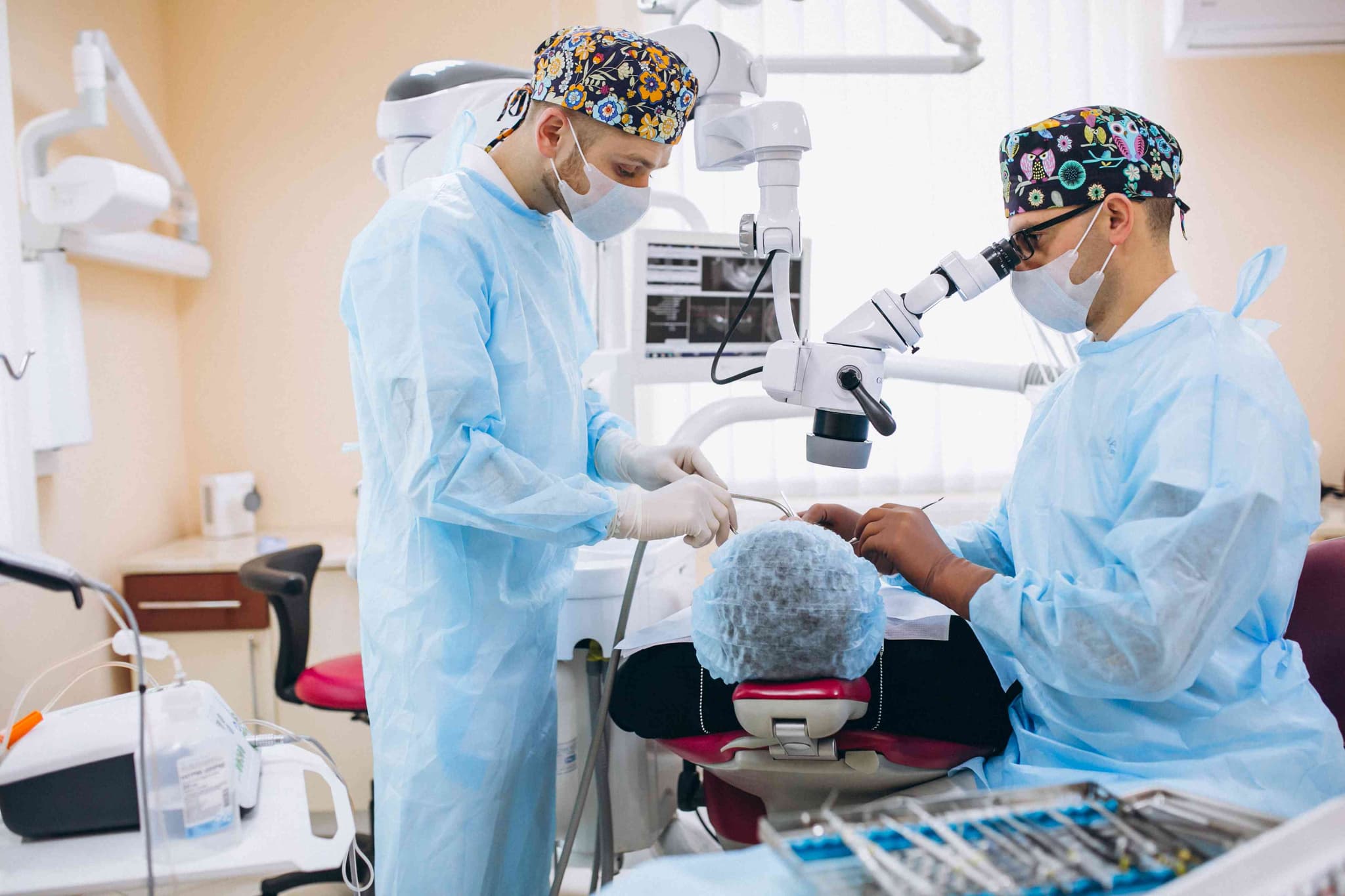
VSD Device Closure VSD (Ventricular Septal Defect) device closure is a minimally invasive, non-surgical procedure used to seal a "hole in the heart" between the two lower chambers (ventricles). Unlike traditional open-heart surgery, this procedure is performed entirely through a catheter, resulting in no chest scars and a significantly faster recovery. This advanced technique allows for the permanent repair of the heart's internal wall without the need for a heart-lung bypass machine. When You Should Consider VSD Device Closure Muscular VSDs: This is the primary treatment for holes located

Carotid Artery Stenting (Stroke Prevention)

Carotid Artery Stenting (CAS) Carotid Artery Stenting (CAS) is a minimally invasive procedure used to open a narrowed carotid artery—the primary blood vessel in the neck that supplies the brain. By using a metal mesh stent to widen the artery, this procedure restores healthy blood flow and significantly reduces the risk of a future stroke. It is often a preferred alternative to open surgery (endarterectomy) for patients with complex anatomy or high-risk medical conditions. When You Should Consider Carotid Artery Stenting Significant Stenosis: Blockage of more than 70% in patients without sy

IVC Filter Placement

Inferior Vena Cava (IVC) Filter Placement Inferior Vena Cava (IVC) Filter Placement is a minimally invasive procedure to insert a small, cage-like metal device into the body's largest vein (the IVC). Its purpose is to trap blood clots traveling from the legs or pelvis before they can reach the heart and lungs, thereby preventing a life-threatening Pulmonary Embolism (PE). While blood thinners remain the standard treatment, this transcatheter technique has expanded significantly for patients who cannot safely take anticoagulants. When You Should Consider IVC Filter Placement Active bleeding

Endovascular Aneurysm Repair

Endovascular Aneurysm Repair (EVAR) Endovascular Aneurysm Repair (EVAR) is a minimally invasive surgical procedure used to treat aortic aneurysms, most commonly Abdominal Aortic Aneurysms (AAA). By placing a stent graft inside the weakened portion of the aorta, the procedure creates a new pathway for blood flow, effectively "re-lining" the vessel to prevent a life-threatening rupture. EVAR is the preferred treatment for patients with suitable anatomy, offering a safer alternative to traditional open surgery. When You Should Consider EVAR Aneurysm Size: When the diameter exceeds 5.5 cm in me

Renal Artery Stenting

Renal Artery Stenting (Vascular Surgery) Renal Artery Stenting is a minimally invasive procedure used to open blockages in the arteries that supply blood to your kidneys. It is primarily used to treat Renal Artery Stenosis (narrowing of the kidney arteries), which can lead to uncontrolled high blood pressure and kidney damage. This procedure remains a critical intervention for preserving kidney function and managing resistant hypertension when medication alone is insufficient. When You Should Consider Renal Artery Stenting High blood pressure that remains uncontrolled despite taking three o

Peripheral Angioplasty (Leg Arteries)

Peripheral Angioplasty (Vascular Surgery) Peripheral Angioplasty, also known as Peripheral Vascular Intervention, is a minimally invasive procedure used to open blocked or narrowed arteries in the legs. This is the primary treatment for Peripheral Artery Disease (PAD), where plaque buildup (atherosclerosis) restricts blood flow, causing leg pain, cramping, or "heavy legs." While bypass surgery remains an option for long-segment blockages, advanced drug-coated balloons and atherectomy devices have significantly improved non-surgical outcomes. When You Should Consider Peripheral Angioplasty P

Balloon Valvotomy (Mitral/Pulmonary)

Balloon Valvotomy Balloon Valvotomy, also known as balloon valvuloplasty, is a minimally invasive, non-surgical procedure used to widen a heart valve that has become narrowed or stiff (stenosis). This procedure remains the primary alternative to open-heart surgery for treating Mitral and Pulmonary valve obstructions. The technique involves using a specialized balloon catheter to stretch the valve leaflets apart, restoring efficient blood flow through the heart. When You Should Consider Balloon Valvotomy Severe Mitral Stenosis, often caused by rheumatic heart disease, limiting physical activ

Left Atrial Appendage (LAA) Closure

Left Atrial Appendage (LAA) Closure Left Atrial Appendage (LAA) Closure is a specialized procedure designed to reduce the risk of stroke in patients with atrial fibrillation (AFib). In AFib, the heart's upper chambers beat irregularly, which can cause blood to pool and form clots in a small, thumb-sized pouch called the left atrial appendage. This procedure serves as a primary alternative for patients who cannot tolerate long-term blood thinners. When You Should Consider LAA Closure Stroke Risk: Increased risk of stroke specifically due to non-valvular atrial fibrillation. Bleeding Histor
PDA Closure
PDA Closure

Patent Ductus Arteriosus (PDA) Closure Patent Ductus Arteriosus (PDA) Closure is a procedure to seal an abnormal opening between the two major blood vessels leading from the heart: the aorta and the pulmonary artery. In a normal heart, this vessel (the ductus arteriosus) closes naturally shortly after birth; if it stays open, it can cause too much blood to flow to the lungs, straining the heart. While surgical ligation remains necessary for specific cases, transcatheter (minimally invasive) techniques have become the gold standard for most children and adults. When You Should Consider PDA Clos

MitraClip (Mitral Regurgitation)

MitraClip Therapy MitraClip therapy, also known as Transcatheter Edge-to-Edge Repair (TEER), is a minimally invasive, catheter-based procedure used to treat Mitral Regurgitation (MR). This is a condition where the heart's mitral valve does not close tightly, causing blood to leak backward into the heart. In 2026, this remains a vital option for patients who are at high risk for traditional open-heart surgery. When You Should Consider MitraClip Severe symptomatic mitral regurgitation that limits daily activity. Heart failure symptoms like shortness of breath or fatigue that persist despite

Chronic Total Occlusion (CTO) Angioplasty

Chronic Total Occlusion (CTO) Angioplasty Chronic Total Occlusion (CTO) Angioplasty, also known as CTO PCI, is a specialized, minimally invasive procedure used to open a coronary artery that has been 100% blocked for three months or longer. Historically considered too complex for standard stenting, advances now allow interventional cardiologists to treat these "final frontier" blockages with high success rates. The procedure restores blood flow to heart muscle that is still viable but "starving" for oxygen. When You Should Consider CTO Angioplasty Lifestyle-limiting chest pain (angina) that

Bifurcation Stenting

Bifurcation Stenting Bifurcation Stenting is a complex procedure used when a coronary artery blockage occurs at a branch point, where a main vessel divides into two. These cases account for approximately 15–20% of all angioplasties and are technically demanding due to the risk of closing the "side branch" while treating the main vessel. While surgical repair remains a "gold standard" for some cases, transcatheter techniques for complex branch points have expanded significantly. When You Should Consider Bifurcation Stenting Blockages located precisely where a main heart artery divides into t

Intravascular Lithotripsy (IVL)

Intravascular Lithotripsy (IVL) Intravascular Lithotripsy (IVL) is an advanced plaque modification technique that uses sonic shockwaves to break up severe coronary artery calcification. It is particularly effective for "stone-like" blockages that standard balloons cannot expand. This technology has expanded significantly for treating complex, hardened defects that were previously difficult to manage with traditional methods. When You Should Consider IVL Severely calcified "stone-like" blockages identified during imaging. Evidence of significant heart overload or left-sided heart enlargeme

Rotablation (Calcified Arteries)

Rotablation (Rotational Atherectomy) Rotablation, also known as Rotational Atherectomy, is a specialized cardiac procedure used to treat coronary arteries that have become "stone-hard" due to severe calcium buildup. When plaque is heavily calcified, standard balloon angioplasty may fail to expand the artery, potentially leading to balloon rupture or inadequate stent deployment. This high-speed drilling technique is essential for modifying plaque to make the artery flexible enough for a stent to be placed successfully. When You Should Consider Rotablation Severely Calcified Arteries: When im

Drug-Eluting Stent (DES) Placement

Drug-Eluting Stent (DES) Placement A Drug-Eluting Stent (DES) is a small, metal mesh tube coated with specialized medication that is permanently placed in a narrowed heart artery. It is the most common type of stent used to treat Coronary Artery Disease (CAD). These devices are designed to provide both mechanical support and controlled drug release to ensure long-term arterial health. When You Should Consider DES Placement Chronic Chest Pain (Angina): Pain or pressure that limits physical activity. Significant Blockages: Evidence of arterial narrowing found during an echocardiogram or str

Echocardiography & Cardiac Catheterization

Echocardiography and Cardiac Catheterization Echocardiography and Cardiac Catheterization are the two primary diagnostic pillars used to evaluate heart health. While both provide essential data on how the heart is functioning, they differ significantly in their approach: one uses sound waves to "see" the heart from the outside, while the other involves navigating a thin tube through the blood vessels to examine the heart from the inside. Together, these tools allow cardiologists to diagnose everything from valve issues to complex arterial blockages with extreme precision. When You Should Consi

ASD Device Closure
ASD Device Closure

Atrial Septal Defect (ASD) Closure Atrial Septal Defect (ASD) closure is a specialized cardiac procedure performed to repair a hole in the septum, which is the wall separating the heart's upper chambers. This treatment is essential for restoring normal blood flow, preventing the heart from overworking, and reducing the risk of long term complications such as pulmonary hypertension or stroke. When You Should Consider ASD Closure Persistent shortness of breath, especially during exercise or physical activity. Frequent respiratory infections or lung issues. Chronic fatigue or low energy le

Coronary Angioplasty (PTCA)

Coronary Angioplasty (PTCA) Coronary Angioplasty, also known as Percutaneous Transluminal Coronary Angioplasty (PTCA), is a minimally invasive procedure used to open clogged heart arteries. While surgical bypass remains an option for multi-vessel disease, transcatheter techniques using drug-eluting stents have expanded to treat even complex blockages, restoring vital blood flow to the heart muscle. When You Should Consider PTCA Refractory Angina: Chest pain that does not improve with standard medication. Exertional Dyspnea: Shortness of breath during physical activity or exercise. Posit

Transcatheter Mitral Valve Replacement (TMVR/TMVI)

TMVI/TMVR (Transcatheter Mitral Valve Replacement) TMVI (Transcatheter Mitral Valve Implantation) and TMVR (Transcatheter Mitral Valve Replacement) are minimally invasive procedures used to replace a diseased mitral valve without the need for traditional open-heart surgery. These procedures are typically reserved for high-risk patients with severe Mitral Regurgitation (a leaking valve) or Mitral Stenosis (a narrowed valve) who may not tolerate a standard sternotomy. When You Should Consider TMVI / TMVR Severe Mitral Regurgitation: When the mitral valve does not close tightly, causing blood

Transcatheter Aortic Valve Replacement (TAVR/TAVI)

TAVI/TAVR (Transcatheter Aortic Valve Replacement) (Cardiology) Transcatheter Aortic Valve Implantation (TAVI), also known as TAVR, is a minimally invasive procedure used to treat severe aortic stenosis. As of 2026, it has become a standard of care for patients across all surgical risk categories—from high-risk to low-risk—offering an alternative to traditional open-heart surgery. When You Should Consider TAVI/TAVR Diagnosis of severe aortic stenosis causing restricted blood flow Chest pain (angina) or tightness during physical activity Frequent shortness of breath or feeling easily win

Bone Marrow Transplant

Bone Marrow Transplant (BMT) A bone marrow transplant (BMT), also called a Hematopoietic Stem Cell Transplant, is a procedure that replaces diseased or damaged bone marrow with healthy stem cells. These stem cells are the "factories" that produce your red blood cells, white blood cells, and platelets. When You Should Consider Bone Marrow Transplant To replace non-functioning marrow in conditions such as Aplastic Anemia. To "rescue" the marrow after high-dose chemotherapy for Leukemia, Lymphoma, or Multiple Myeloma. To replace "broken" or genetically abnormal cells in disorders like Sick

Neck Lift
Neck Lift

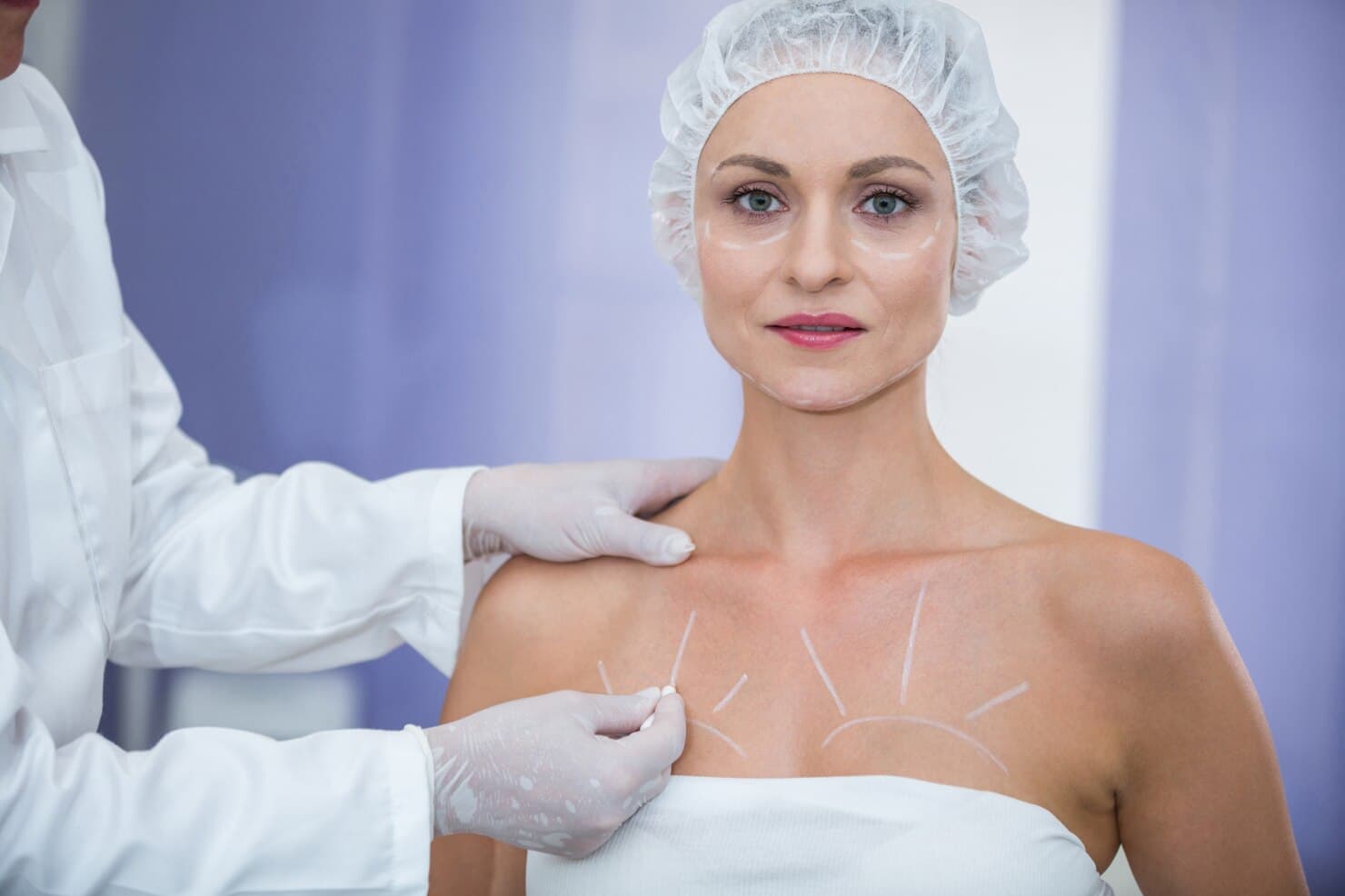
Neck Lift (Lower Rhytidectomy) A neck lift, or lower rhytidectomy, is a surgical procedure designed to enhance the appearance of the neck and jawline by addressing the visible signs of aging. In 2026, it remains a primary solution for those seeking to correct skin laxity, muscle banding, and fat accumulation that does not respond to non-invasive treatments. When You Should Consider a Neck Lift To address loose skin, often referred to as a "turkey wattle," where the skin has lost elasticity and hangs below the jaw. If you have vertical cords or muscle banding caused by the weakening or pro

Injectable Filler / Lip Augmentation

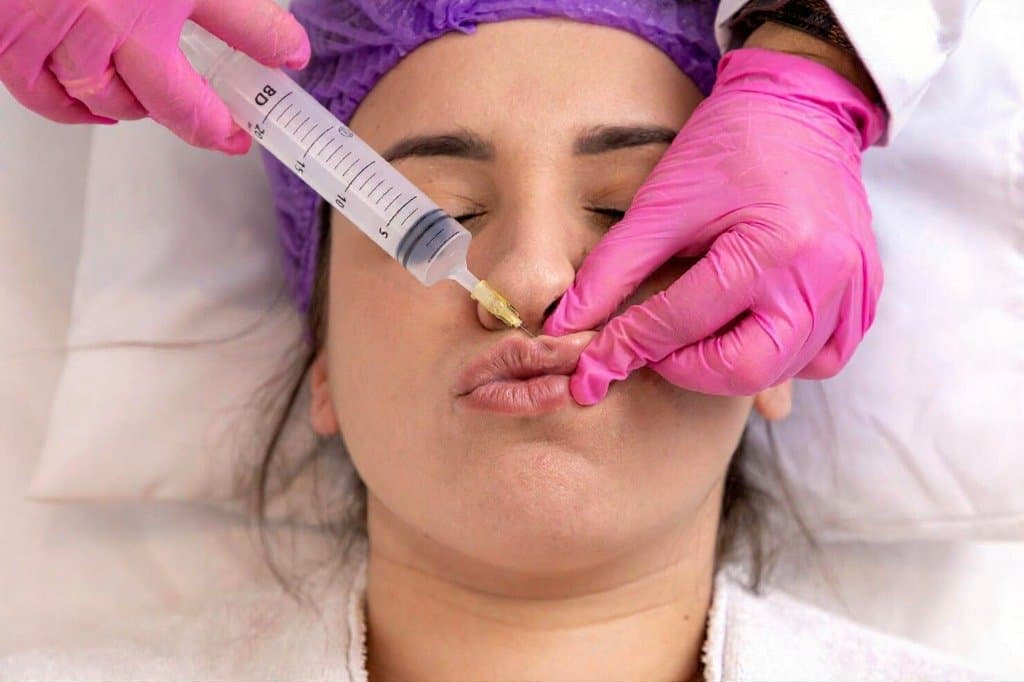
Injectable Fillers (Lip Augmentation) Injectable Fillers are the primary non-surgical method in 2026 for restoring volume, smoothing deep wrinkles, and enhancing facial features. Lip Augmentation remains the most requested filler procedure, focusing on achieving natural "pillowy" textures rather than overfilled results. When You Should Consider Injectable Fillers To add volume to naturally thin or thinning lips. To define the lip borders, also known as the vermillion border. To smooth "marionette lines" around the mouth. To restore volume in the cheeks or under-eye hollows, referred t

Vaginoplasty (Vaginal Tightening)

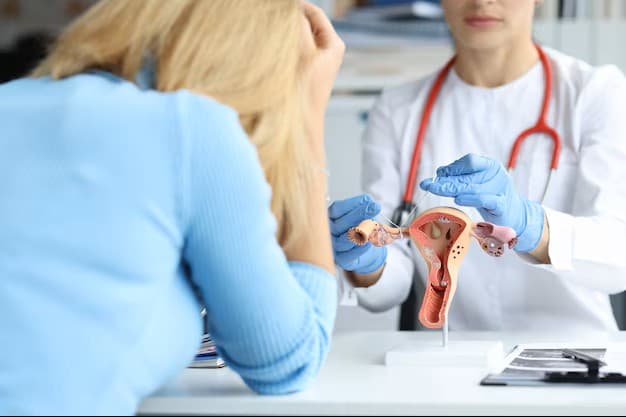
Vaginoplasty (Vaginal Tightening) Vaginoplasty, commonly referred to as vaginal tightening, is a surgical procedure in 2026 designed to tighten the vaginal canal and the surrounding pelvic floor muscles. It is most frequently sought by individuals who have experienced vaginal relaxation or laxity due to childbirth, aging, or significant weight loss. When You Should Consider Vaginoplasty This procedure is ideal for those looking to restore the structural integrity of the pelvic region. Key indications include: Vaginal Laxity: A feeling of "looseness" or relaxation in the vaginal vault. Mus


Pectoral Implant Surgery

Pectoral Implant Surgery Pectoral implant surgery is a surgical procedure in 2026 designed to enhance the size and definition of the chest in men. It is primarily used by individuals who cannot achieve desired chest muscle development through exercise alone, or to correct structural asymmetries and congenital defects such as Poland Syndrome. When You Should Consider Pectoral Implants This procedure is ideal for men seeking a more contoured or athletic chest profile. Key indications include: Inadequate Muscle Projection: Difficulty building chest mass despite consistent strength training.

Chin Augmentation Surgery

Facial Implants (Chin & Cheek Augmentation) In 2026, facial implants are a primary method for structural facial rejuvenation. Chin Augmentation (Genioplasty) focuses on strengthening a "weak" profile and defining the jawline, while Cheek Augmentation restores volume to the mid-face to create higher, more defined cheekbones and a more youthful contour. When You Should Consider Facial Implants Implants are ideal for individuals seeking permanent structural changes rather than temporary volume. Key indications include: Receding Chin: A "weak" chin that makes the nose appear larger or the neck

Body Contouring (Post Bariatric)

Body Contouring After Bariatric Surgery Body Contouring after bariatric surgery is a sequence of reconstructive procedures in 2026 designed to remove massive amounts of redundant skin and residual fat. It is the definitive final step for patients who have lost significant weight (50–100+ lbs), as excess skin can cause persistent hygiene issues, chronic infections, and physical discomfort that exercise alone cannot resolve. When You Should Consider Body Contouring This reconstructive journey is recommended for those who have completed their weight-loss phase and are seeking to improve their qua

Lower Body Lift Surgery

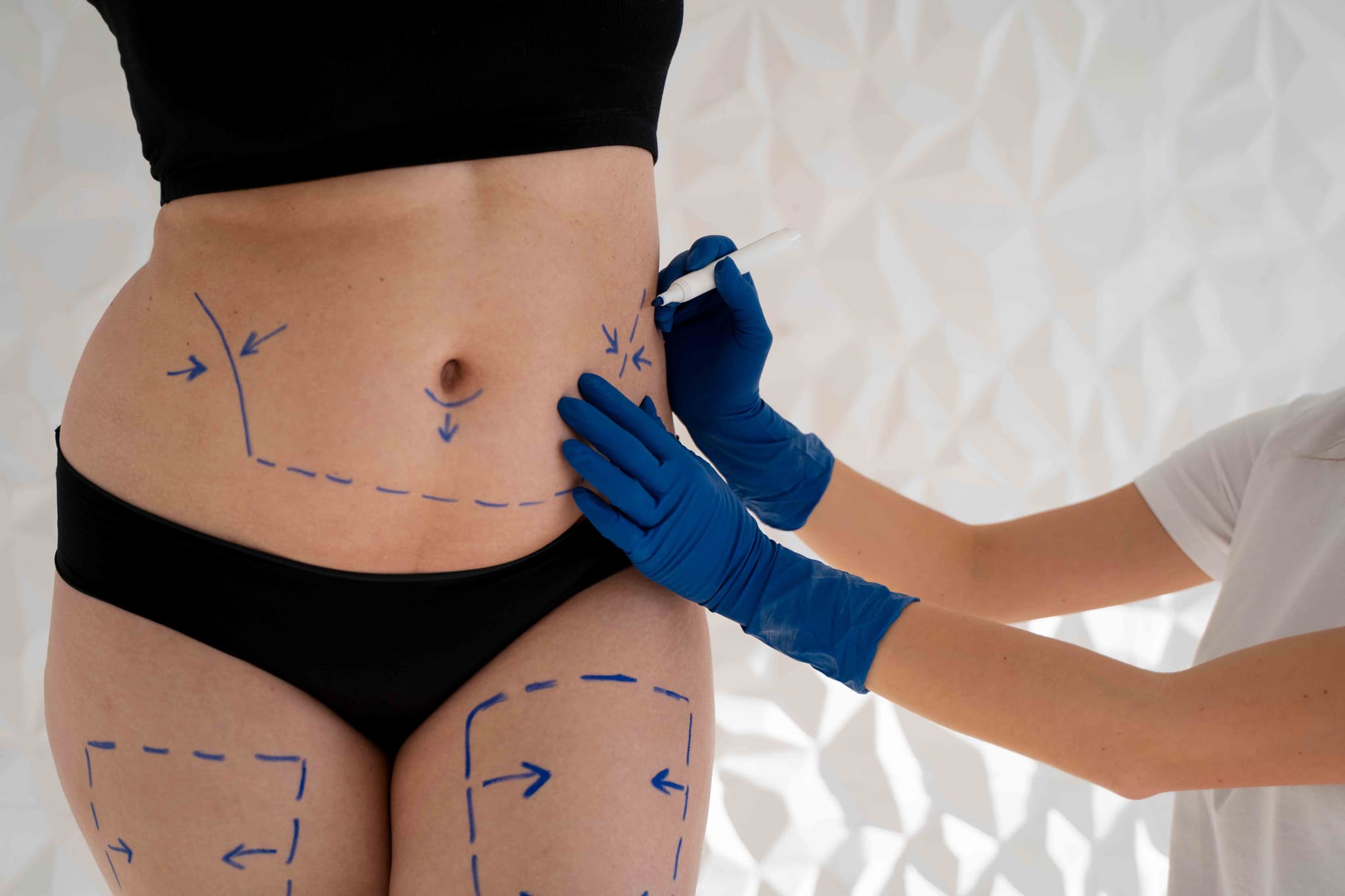
Lower Body Lift (Belt Lipectomy) A Lower Body Lift, or belt lipectomy, is a comprehensive 360-degree surgical procedure in 2026 designed to remove a "belt" of excess skin and fat from the entire midsection. It is considered the gold standard for body contouring following massive weight loss (typically 50–100+ lbs) via bariatric surgery or lifestyle changes, where the skin lacks the elasticity to retract on its own. When You Should Consider a Lower Body Lift This procedure is ideal for patients who have achieved significant weight loss and are left with redundant, sagging skin around their enti

Thigh Lift Surgery
Thigh Lift Surgery

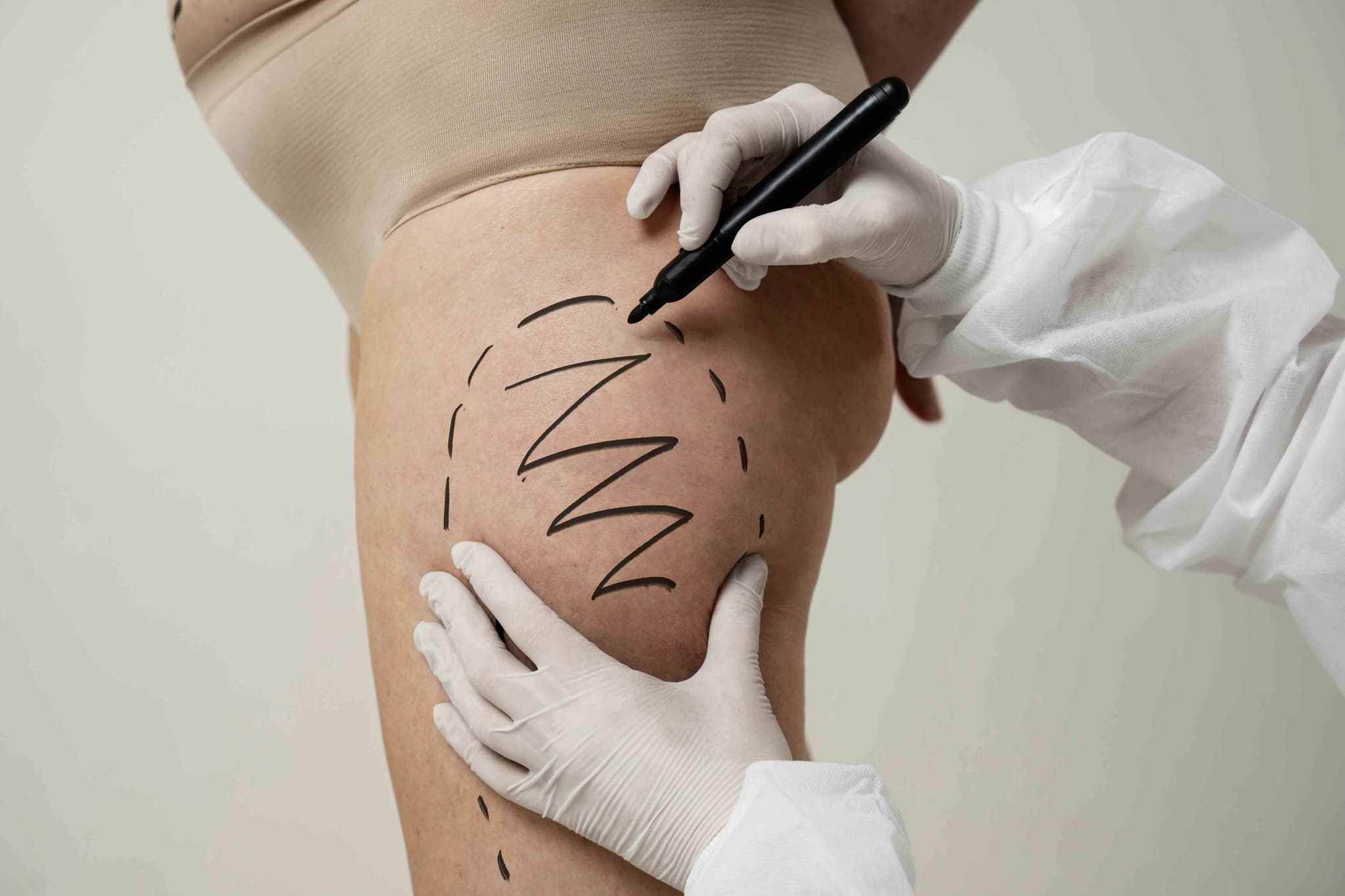
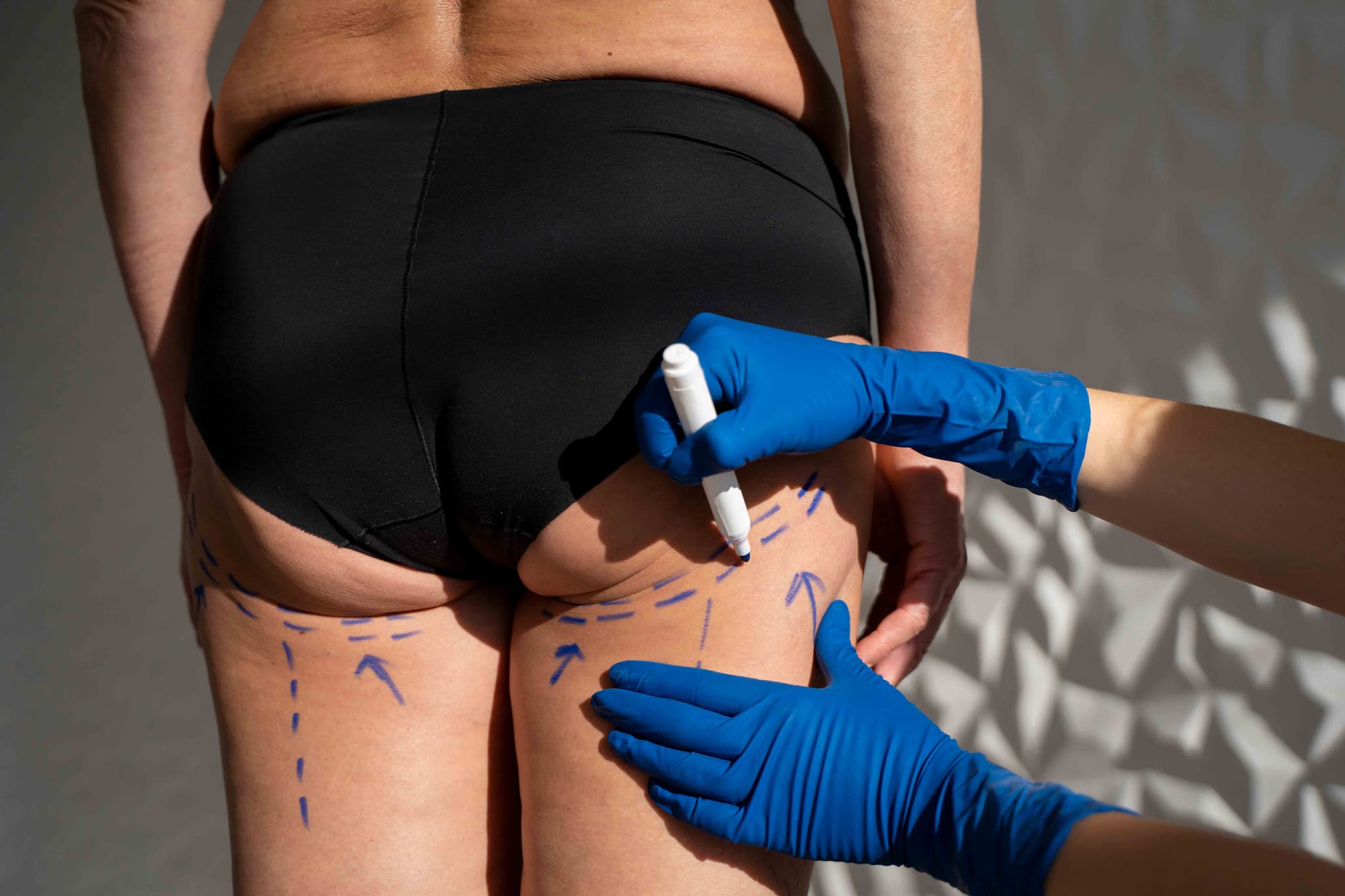
Thigh Lift (Thighplasty) A Thigh Lift, or thighplasty, is a surgical procedure in 2026 designed to remove excess skin and fat from the thigh area. It is a highly effective solution for individuals dealing with skin laxity following significant weight loss or natural aging, where the skin has lost the elasticity required to respond to exercise alone. When You Should Consider a Thigh Lift This procedure is ideal for patients seeking a smoother, firmer lower body contour. Key indications include: Significant Skin Sagging: "Crepey" or loose skin that hangs from the inner or outer thighs. Post

Arm Lift (Brachioplasty)

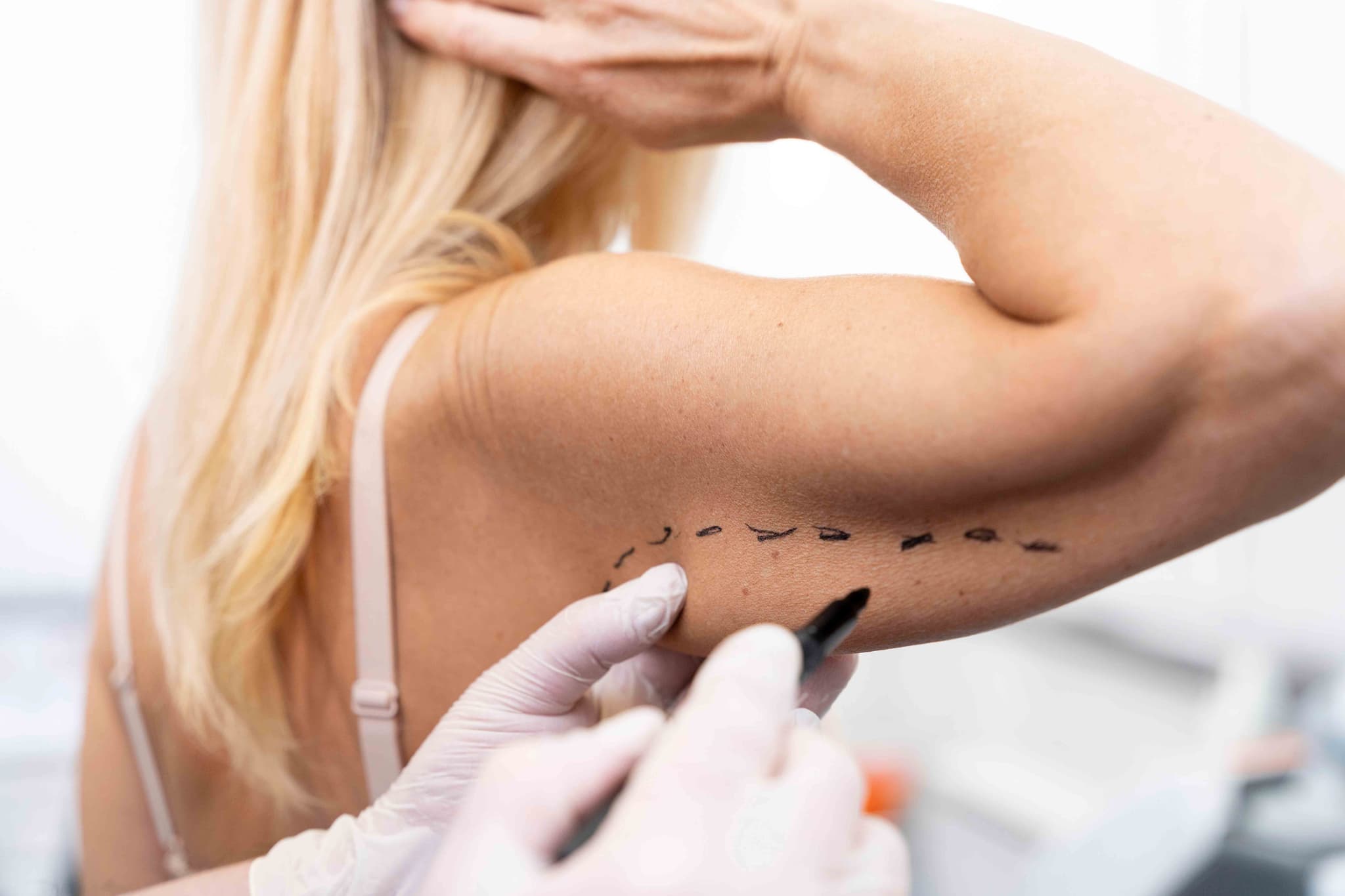
Arm Lift (Brachioplasty) An Arm Lift, or brachioplasty, is a surgical procedure used in 2026 to remove excess, sagging skin and fat from the upper arms. Often referred to as correcting "bat wings," this procedure is most common among individuals who have experienced significant weight loss or natural aging where the skin has lost its ability to retract. When You Should Consider an Arm Lift This procedure is ideal for those who have achieved a stable weight but are left with redundant skin that does not respond to exercise. Key indications include: Significant Skin Laxity: Loose, "crepey" sk

Mommy Makeover
Mommy Makeover

Mommy Makeover A Mommy Makeover is a customized combination of cosmetic procedures in 2026 designed to restore a woman’s body to its pre-pregnancy shape. Rather than a single surgery, it is a tailored surgical plan that typically addresses the "core" areas most affected by childbearing—the breasts and the abdomen—in a single operative session. When You Should Consider a Mommy Makeover This procedure is ideal for women who have finished having children and wish to address multiple physical changes simultaneously. Key indications include: Abdominal Laxity: Loose skin and weakened muscles (dia
Brazilian Butt Lift (BBL)

Brazilian Butt Lift (BBL) A Brazilian Butt Lift (BBL) is a specialized fat transfer procedure that uses a patient's own fat to enhance the size, shape, and contour of the buttocks. This "two-in-one" procedure utilizes liposuction to harvest fat from donor sites—such as the abdomen, hips, or thighs—and re-injects it into the gluteal region to improve overall body proportions. When You Should Consider Brazilian Butt Lift A BBL is ideal for individuals looking for a natural-feeling enhancement and improved body symmetry. Key indications include: Flat or Sagging Buttocks: Lack of volume or defi

Liposuction Surgery
Liposuction Surgery

Liposuction Liposuction is a surgical fat-removal procedure used in 2026 to contour and reshape specific areas of the body. It is designed as a treatment for "stubborn" fat deposits that do not respond to traditional fitness or health-focused efforts, rather than as a primary tool for weight reduction. When You Should Consider Liposuction This procedure is best suited for individuals near their stable goal weight who wish to address localized areas of concern. Key indications include: Stubborn Fat Deposits: Pockets of fat in the abdomen, hips, thighs, or arms that persist despite a healthy


Gynecomastia Treatment (Male Breast Reduction)

Gynecomastia Surgery (Male Breast Reduction) Gynecomastia surgery, or male breast reduction, is a procedure used in 2026 to reduce enlarged breast tissue in men. It addresses the appearance of "man boobs" caused by genetics, hormonal imbalances, certain medications, or weight fluctuations that do not respond to traditional diet or exercise. When You Should Consider Gynecomastia Surgery This procedure is recommended for men who have completed puberty and are looking to achieve a more contoured chest. Key indications include: Excess Glandular Tissue: Firm, rubbery tissue beneath the nipple th

Breast Reduction Surgery

Breast Reduction Surgery (Reduction Mammoplasty) Breast Reduction, or reduction mammoplasty, is a surgical procedure in 2026 designed to remove excess breast fat, glandular tissue, and skin. Unlike many other cosmetic surgeries, it is frequently performed for functional and medical reasons to alleviate physical discomfort and improve a patient's overall quality of life. When You Should Consider Breast Reduction Surgery This procedure is primarily recommended for individuals whose breast size causes physical pain or limits daily activities. Key indications include: Chronic Pain: Persistent b

Breast Implants (Augmentation)

Breast Augmentation Breast Augmentation, or "augmentation mammoplasty," is a surgical procedure to increase breast size, change shape, or improve symmetry. In 2026, the focus has shifted toward "Natural Look" results, utilizing highly cohesive silicone gels and "hybrid" techniques that combine implants with the patient's own fat for a seamless finish. When You Should Consider Breast Augmentation This procedure is ideal for individuals looking to enhance their silhouette or restore volume. Key indications include: Volume Loss: Restoring fullness lost due to pregnancy, breastfeeding, or signi

Breast Lift Surgery (Mastopexy)

Breast Lift Surgery (Mastopexy) A Breast Lift, or mastopexy, is a surgical procedure designed to raise and firm the breasts by removing excess skin and tightening the surrounding tissue. It is primarily used to correct "ptosis" (sagging) caused by pregnancy, breastfeeding, weight fluctuations, or the natural aging process. When You Should Consider Breast Lift Surgery This procedure is ideal for individuals who are satisfied with their breast size but unhappy with the position or shape. Key indications include: Breast Ptosis: Breasts that have lost their youthful shape and begun to sag. Ni

Brow Lift Surgery (Browplasty)

Brow Lift Surgery (Browplasty) A Brow Lift, or forehead lift, is a surgical procedure designed to reposition a sagging or "hooded" brow, reduce forehead wrinkles, and open up the appearance of the eyes. It is frequently combined with blepharoplasty (eyelid surgery) for a complete and harmonious upper-face rejuvenation. When You Should Consider a Brow Lift Surgery A brow lift is ideal for patients who look "tired," "sad," or "angry" even when well-rested. Key indications include: Sagging Brows: Eyebrows that have dropped into a low position, creating a heavy appearance. Hooded Eyes: Excess

Asymmetrical Face (Facial Implant Surgery)

Facelift (Rhytidectomy) A Facelift, or rhytidectomy, is a major surgical procedure in 2026 designed to rejuvenate the face by repositioning skin and tightening the underlying muscles. It is the most comprehensive solution for addressing sagging tissues caused by aging, gravity, and the loss of facial volume. When You Should Consider a Facelift This procedure is ideal for individuals looking to reverse significant signs of facial aging. Key indications include: Formation of Jowls: Loose skin and fat deposits along the jawline. Sagging Cheeks: Loss of mid-face volume and downward displaceme

Rhinoplasty Nose Surgery

Rhinoplasty (Nose Reshaping) Rhinoplasty, or nose reshaping, is a highly individualized surgical procedure designed to enhance facial harmony or improve nasal function. In 2026, modern techniques like preservation rhinoplasty—which maintains the nose's natural framework rather than removing it—are the standard for achieving authentic, long-lasting results. When You Should Consider Rhinoplasty This procedure is recommended for both aesthetic refinement and the correction of functional breathing issues. Key indications include: Facial Imbalance: A nose that is disproportionately large, small,

Abdominoplasty (Tummy Tuck)

Abdominoplasty (Tummy Tuck) Abdominoplasty, or a tummy tuck, is a major surgical procedure designed to remove excess abdominal skin and fat while tightening weakened or separated muscles. It is most commonly sought after pregnancy or significant weight loss when the skin lacks the natural elasticity to retract on its own. When You Should Consider Abdominoplasty This procedure is ideal for individuals who have stabilized their weight but struggle with abdominal concerns that do not respond to diet or exercise. Key indications include: Skin Laxity: Loose, sagging skin on the abdomen following

Conditioning Regimen

Conditioning Regimen The Conditioning Regimen is a critical preparatory phase performed immediately before a bone marrow or stem cell transplant. It involves the administration of high-dose chemotherapy, immunotherapy, or Total Body Irradiation (TBI) to prepare the patient’s body for the incoming donor cells. By neutralizing the existing diseased marrow and suppressing the immune system, the conditioning phase creates the necessary biological environment for the new stem cells to thrive and rebuild the patient’s hematopoietic system. Objectives of Conditioning Marrow Ablation: It destroys t

Donor Search and Matching (HLA Typing)

Donor Search and Matching (HLA Typing) Donor Search and Matching is the critical first step for any allogeneic bone marrow or stem cell transplant. It involves identifying specific genetic markers called Human Leukocyte Antigens (HLA) to ensure the donor's immune system is compatible with the recipient's body. Through high-resolution DNA sequencing and global registry integration, this process minimizes the risk of transplant rejection and Graft-versus-Host Disease (GVHD), providing the foundation for a successful and durable recovery. When You Should Consider HLA Typing Immediately upon di

Umbilical Cord Blood Transplant (UCBT)

Umbilical Cord Blood Transplant (UCBT) Umbilical Cord Blood Transplant (UCBT) is a specialized form of allogeneic stem cell transplantation that utilizes hematopoietic stem cells harvested from the umbilical cord and placenta following a healthy birth. This treatment is a vital alternative for patients who lack a perfectly matched adult donor. Because cord blood cells are immunologically "naïve," they do not require the same stringent HLA (Human Leukocyte Antigen) matching as bone marrow, making this a life-saving option for a diverse range of patients. When You Should Consider UCBT Diagnos

Pericardiocentesis
Pericardiocentesis

Pericardiectomy (Cardiology) Pericardiectomy is a surgical procedure to remove part or all of the pericardium, the thin sac surrounding the heart. This surgery is performed to allow the heart to move and pump freely when the sac has become diseased, scarred, or restrictive. When You Should Consider Pericardiectomy Persistent fatigue or weakness during physical exertion Significant swelling in the legs, ankles, or abdomen (edema) Shortness of breath, especially when lying down or exercising Chronic chest pain that does not improve with medication Signs of heart failure caused by a re

Aortic Aneurysm Repair (Open)
Aortic Valve Replacement (AVR)
Mitral Valve Replacement (MVR)
Lung Biopsy (Surgical)
Mediastinal Lymph Node Dissection (Cancer)
Pleurectomy / Decortication
Pneumonectomy (Cancer)
Thoracoabdominal Aneurysm Repair
Thymectomy
Thymectomy
Video-Assisted Thoracoscopic Surgery (VATS)
Heart Bypass Surgery (CABG)
Tricuspid Valve Repair
Off-Pump Bypass (Beating Heart Surgery)
Bentall Surgery
Bentall Surgery
Fontan Procedure
Fontan Procedure
Glenn Procedure
Glenn Procedure
Tetralogy of Fallot Repair
PDA Surgical Ligation
Complex Congenital Heart Surgery
Redo Bypass Surgery
Redo Bypass Surgery
Double Valve Replacement (DVR)
Cardiac Tumor Removal Surgery
Left Ventricular Aneurysm Repair
Ventricular Septal Rupture Repair
Left Ventricular Assist Device (LVAD) Implantation
ECMO Cannulation
ECMO Cannulation
URS (Ureteroscopy)
URS (Ureteroscopy)
Percutaneous Nephrolithotomy (PCNL)
Extracorporeal Shockwave Lithotripsy (Non-Surgical)
Mini-PCNL / Micro-PCNL
Transurethral Resection of Prostate (TURP)
Laser Prostate Surgery (HoLEP / ThuLEP)
Transurethral Incision of the Prostate (TUIP)
Radical Prostatectomy (Open/Laparoscopic/Robotic)
Partial Nephrectomy (Kidney-Saving Surgery)
Cystoscopy
Cystoscopy
Kidney Cancer Treatment
Breast Cancer Treatment
Thyroid Cancer Treatment
Limb Salvage Surgery
Head and Neck Cancer Treatment
Neck Dissection (Cancer)
Modified Radical Mastectomy
Whipple Surgery (Pancreatic Cancer)
Tongue Resection (Cancer)
Bone & Soft Tissue Tumor Surgery
Gastrointestinal Cancer Surgery
Liver Resection (Cancer)
Esophageal Cancer Treatment
Low Anterior Resection (Rectal Cancer)
Colectomy (Colon Cancer)
Gynecologic Oncology Surgery
Radical Hysterectomy
Oncoplastic Breast Surgery
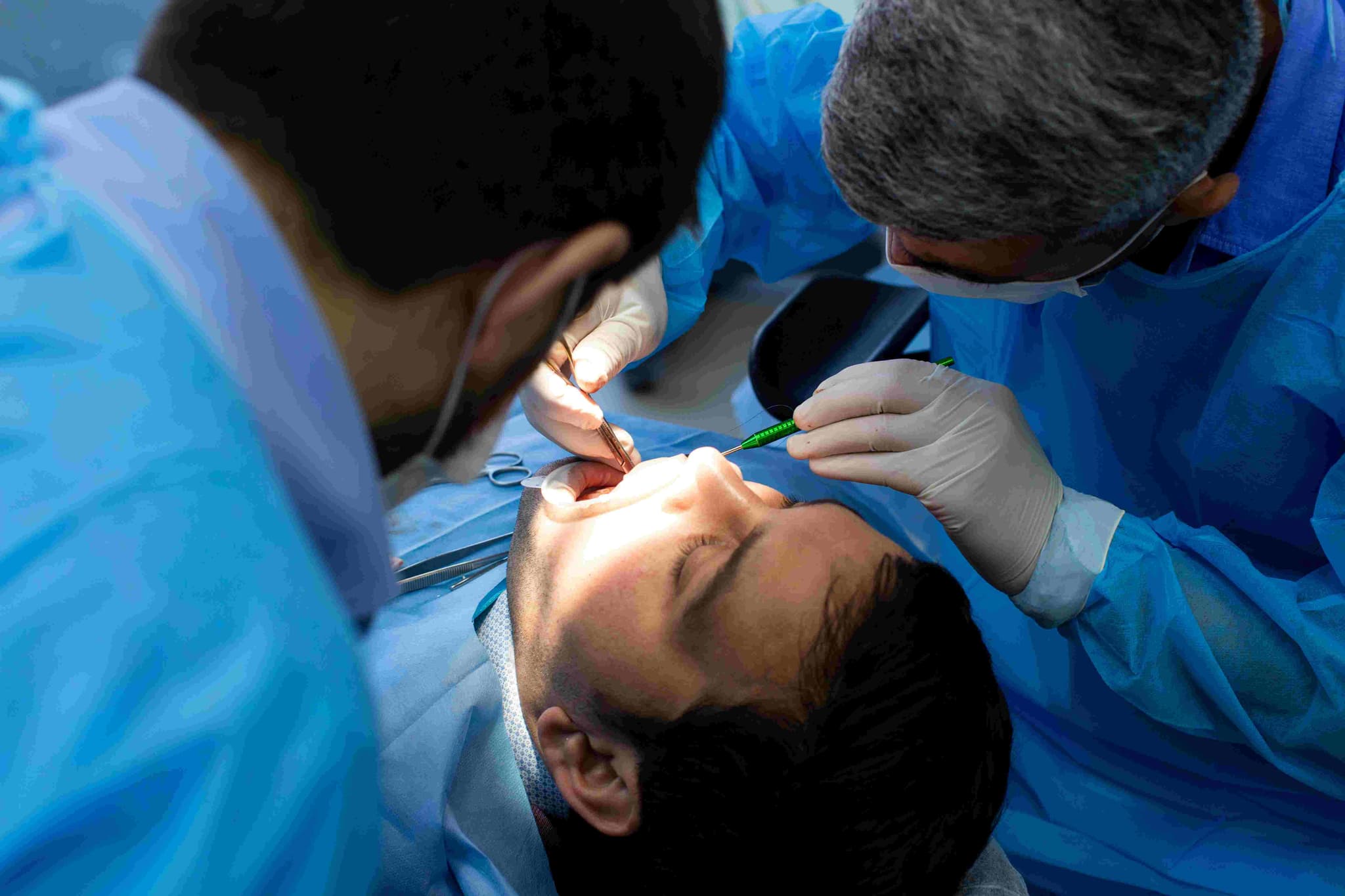
Oral Cancer Surgery
Oral Cancer Surgery
Ovarian Cancer Debulking Surgery
Gastrectomy (Stomach Cancer)
Lumpectomy (Breast-Conserving Surgery)
Cervical Cancer Treatment
Parotid Gland Surgery (Cancer)
Amputation (Cancer)
Amputation (Cancer)
Lung & Thoracic Cancer Surgery
Bladder Cancer Surgery
Prostate Cancer Surgery
Testicular Cancer Surgery
Acute Lymphoid Leukemia
Acute Myeloid Leukemia
Lobectomy (Lung cancer)
Colectomy (Bowel Resection Surgery
Allogeneic Bone Marrow Transplant
Autologous Bone Marrow Transplant (ABMT)
Haploidentical Transplant
Leukemia
Leukemia
Chronic Lymphoid Leukemia
Chronic Myeloid Leukemia
Lymphoma
Lymphoma
Hodgkin Lymphoma
Hodgkin Lymphoma
Non-Hodgkin Lymphoma
Intravenous Chemotherapy
Oral Chemotherapy
Oral Chemotherapy
Adjuvant Chemotherapy (After Surgery)
Neoadjuvant Chemotherapy (Before Surgery)
Palliative Chemotherapy
Targetted Therapy
Targetted Therapy
Immunotherapy
Immunotherapy
Hormone Therapy
Hormone Therapy
Uterine Cancer Treatment
Endovascular Coiling
Stent-Assisted Coiling
Balloon-Assisted Coiling
Intracranial Artery Stenting
Vertebral Artery Stenting
AVM Embolization
AVM Embolization
Dural AV Fistula Embolization
Deep Brain Stimulation (DBS)
External Beam Radiation Therapy
Internal Radiation (Brachytherapy)
Palliative Radiation
CyberKnife (Radiosurgery)
Gamma Knife Surgery (Radiosurgery)

Top Doctors at Mazumdar Shaw Medical Centre, Narayana Healthcity, Bengaluru in India

Dr Animesh Kar
Dr Animesh Kar
Neurologist
Rabindranath Tagore International Institute of Cardiac Sciences, Kolkata
30+years experience
Dr Devi Prasad Shetty
Cardiothoracic & Vascular Surgeon, Pediatric Cardiac Surgeon, Cardiac Surgeon
Narayana Institute of Cardiac Sciences, Bengaluru
43+years experience
Dr Kanika Sood Sharma
Radiation Oncologist
Dharamshila Narayana Superspecialty Hospital, New Delhi
18+years experience
Dr Mayank Gupta
Dr Mayank Gupta
Urologist
Dharamshila Narayana Superspecialty Hospital, New Delhi
24+years experience
Dr Sharat Damodar
Dr Sharat Damodar
Surgical Oncologist, BMT Specialist, Hemato-Oncologist
Manipal Hospital, Millers Road, Bengaluru
30+years experience
Dr Vivek Agarwala
Dr Vivek Agarwala
BMT Specialist, Hemato-Oncologist, Medical Oncologist
Narayana Superspecialty Hospital, Howrah, Kolkata
19+years experience

May we help you?

Enter digits only (6-15 digits). We'll add your country code.