
+91 83682 47758
info@medivisorhealth.com
Medivisor India Treatment Logo
  • Home
    • About Us
    • Our Services
    • Our Team
    • Our Safety Measures
    • Loading treatments...
    • Loading hospitals...
    • Loading doctors...
    • Loading tests & diagnoses...
    • Treatment Cost
    • Treatment Process
    • Visa Process
    • Travel Guide
    • FAQs
    • Feedback
    • Why Medivisor
    • Success Stories
    • Patient Activities
    • Social Activities
    • News Coverage
    • Blog
  • Become a Partner

Medivisor India Treatment is a trusted New Delhi-based medical travel company assisting international patients with advanced, affordable, and seamless treatment in India.

  • Medivisor House 359, Sector 1, Vaishali, Ghaziabad, (Delhi/NCR) India
  • +91 8368 247 758
  • info@medivisorhealth.com

About Us

  • About Us
  • Our Services
  • Our Team
  • Our Safety Measures
  • Join Our Network
  • Contact Us

India Treatment

  • Hospitals
  • Treatments
  • Treatment Cost
  • Treatment Process
  • Visa Process
  • Travel Guide
  • FAQs
  • Feedback
  • Why Medivisor

Gallery

  • Patient Testimonials
  • Patient Activities
  • News Coverage
  • Blog

Get in Touch

© 2026 Medivisor India Treatment. All rights reserved.

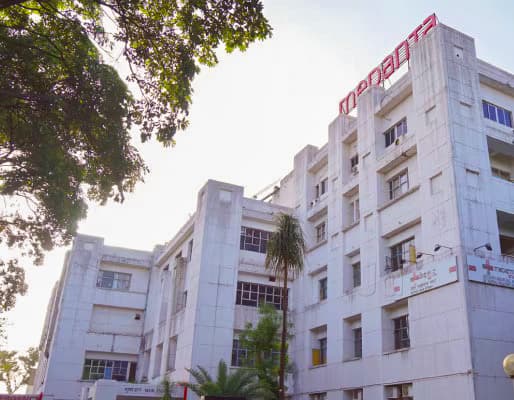
Medanta Abdur Razzaque Ansari Memorial Weavers Hospital, Ranchi
Medanta Hospitals

Medanta Abdur Razzaque Ansari Memorial Weavers Hospital, Ranchi

Medanta Hospital Ranchi, P.O: Irba, P.S: Ormanjhi, NH33, Ranchi, Jharkhand 835217

  1. Home
  2. Hospitals
  3. Medanta Abdur Razzaque Ansari Memorial Weavers Hospital, Ranchi

Quick Overview

1996

Established

Multi-Super

Speciality

200

Beds

95

Doctors

Medanta Hospital, Lucknow - Best Super Speciality Hospital in Lucknow, India

Medanta Hospital, Lucknow, located in Sector A, Pocket 1, Sushant Golf City along Amar Shaheed Path in Lucknow, Uttar Pradesh, spans an impressive 12.58 acres as one of the largest multi-super-specialty tertiary care institutions in North India. Established with a singular vision to deliver world-class, integrated, and accessible medical standards across Uttar Pradesh and neighboring regions, the hospital houses a 950-bed capacity supported by over 500 experienced doctors across 20+ super-specialties. Recognized as the first hospital in Lucknow to achieve JCI (Joint Commission International) accreditation alongside NABH and NABL certifications, Medanta Lucknow combines internationally acclaimed medical leadership with 210+ ICU beds, 20 modular operating theatres, and advanced diagnostic infrastructure.

Key Clinical Differentiators & Quality Benchmarks

Medanta Hospital Lucknow structures its tertiary and quaternary care programs around massive campus scale, elite international quality accreditations, and multidisciplinary clinical governance:

  • First JCI-Accredited Hospital in Lucknow: Holds elite international accreditation from JCI (Joint Commission International) alongside national NABH (hospital safety) and NABL (diagnostic laboratory) certifications.

  • Expansive 12.58-Acre Campus & 950-Bed Scale: Built across 12.58 acres with a planned capacity of 950 beds, 210+ critical care ICU beds, and 20 advanced operating theatres designed to accommodate high-acuity volume with patient privacy.

  • Multidisciplinary Doctor-Led Ecosystem: Brings together over 500 internationally acclaimed specialists and 2,950+ trained nursing and paramedical professionals collaborating under unified clinical protocols.

  • Accessible Metropolitan-Grade Care in UP: Eliminates the need for patients across Uttar Pradesh, Bihar, and neighboring regions to travel to distant metro cities for complex cardiac, neurological, and hepatobiliary interventions.

  • Prime Amar Shaheed Path Connectivity: Positioned strategically in Sushant Golf City, Amar Shaheed Path, Lucknow (PIN 226030), offering seamless arterial highway access and approximately 15–20 kilometers from Chaudhary Charan Singh International Airport, Lucknow (LKO).

Centres of Clinical Excellence & Specialized Treatments

The hospital organizes its 20+ super-specialty departments into integrated Centres of Excellence delivering coordinated medical and surgical care:

  • Cardiology and Cardiac Surgery: Provides expert management of complex heart conditions utilizing advanced interventional cardiology techniques, electrophysiology, and cardiothoracic surgery.

  • Digestive and Hepatobiliary Sciences: Offers advanced diagnostic and therapeutic care for complex liver, biliary tract, pancreatic, and gastrointestinal disorders.

  • Neurosciences: A dedicated center for specialized brain and spine care, featuring advanced neurosurgery, neuro-intervention, and rapid-response stroke management.

  • Orthopaedics & Joint Replacement: Delivers comprehensive musculoskeletal care including total joint replacements, sports medicine, spine surgery, and complex polytrauma recovery.

  • Oncology, Renal Sciences & Multi-Specialty Care: Integrated medical and surgical pathways covering cancer care, nephrology, urology, pediatrics, and high-risk obstetrics.

Diagnostic Infrastructure & Surgical Technology

Medanta Lucknow pairs best-in-class diagnostic and therapeutic equipment with infection-controlled surgical suites and extensive critical care units:

  • 20 Modular Operating Theatres: Ultra-clean surgical environments engineered with strict sterility and laminar airflow protocols to support complex multi-specialty interventions.

  • 210+ Dedicated Critical Care ICU Beds: Extensive intensive care and high-dependency units managed round-the-clock by trained intensivists for high-risk postoperative and emergency monitoring.

  • On-Site Integrated Diagnostic & Imaging Suite: Equipped with high-end radiological imaging systems and NABL-accredited automated pathology laboratories for rapid, accurate diagnosis and treatment planning.

  • Streamlined Patient Navigation: Modern campus layout featuring simplified digital admission processes, electronic medical records, and family-friendly amenities.

Emergency Care & International Patient Coordination

  • 24/7 Specialized Emergency & Trauma Units: Operates round-the-clock emergency and trauma services backed by dedicated critical care teams, rapid triage protocols, and life-support ambulances.

  • End-to-End Care Navigation via Medivisor India Treatment: For international patients and medical travelers arriving in Uttar Pradesh, Medivisor India Treatment coordinates directly with Medanta Lucknow’s International Patient Desk. Support includes pre-arrival specialist case reviews, itemized treatment cost estimates, medical visa invitation letters, Chaudhary Charan Singh International Airport (LKO) transfers, multilingual interpretation, and nearby Lucknow accommodation arrangements.

Medanta Hospital Lucknow at a Glance

Medanta Hospital Lucknow stands as a premier tertiary healthcare landmark in Uttar Pradesh, uniting a sprawling 12.58-acre campus with JCI quality standards and multidisciplinary specialist care:

  • Clinical Scale & Infrastructure: A 12.58-acre multi-super-specialty hospital in Sushant Golf City, Lucknow featuring a 950-bed capacity, 210+ ICU beds, 20 operating theatres, and advanced on-site imaging and pathology labs.

  • Accreditations & Quality Standards: The first hospital in Lucknow accredited by JCI (Joint Commission International), alongside dual NABH and NABL certifications.

  • Core Clinical Footprint: Serves Lucknow, Uttar Pradesh, neighboring states, and international medical travelers across cardiology and cardiac surgery, digestive and hepatobiliary sciences, neurosciences, orthopedics, oncology, and 24/7 emergency trauma.

  • Strategic Location & Transit Access: Located in Sector A, Pocket 1, Sushant Golf City, Amar Shaheed Path, Lucknow, Uttar Pradesh (PIN 226030), with seamless highway links and approximately 15–20 km from Chaudhary Charan Singh International Airport (LKO).

Frequently Asked Questions (FAQs)

Q1: What quality accreditations does Medanta Hospital, Lucknow hold?

A1: Medanta Lucknow is the first hospital in Lucknow to receive international accreditation from JCI (Joint Commission International), alongside national NABH (hospital safety) and NABL (diagnostic laboratory) certifications.

Q2: What are the primary clinical specialties at Medanta Lucknow?

A2: The hospital specializes in Cardiology & Cardiac Surgery, Digestive & Hepatobiliary Sciences, Neurosciences, Orthopaedics & Joint Replacement, alongside comprehensive oncology and renal sciences across 20+ super-specialties.

Q3: Where is Medanta Hospital located in Lucknow?

A3: Located at Sector A, Pocket 1, Sushant Golf City, Amar Shaheed Path, Lucknow, Uttar Pradesh (PIN 226030), the 12.58-acre campus offers direct highway connectivity and is approximately 15 to 20 kilometers from Chaudhary Charan Singh International Airport (LKO).

Q4: How can international patients coordinate their medical treatment at Medanta Lucknow?

A4: International patients can securely share their medical reports with Medivisor India Treatment prior to travel. The coordination team works directly with Medanta’s International Patient Desk to arrange specialist consultations, transparent cost estimates, medical visa invitation letters, airport transfers, language interpretation, and local stay options.
Read about Medanta Hospitals

May we help you?

Enter digits only (6-15 digits). We'll add your country code.

Treatments Offered at Medanta Abdur Razzaque Ansari Memorial Weavers Hospital, Ranchi

VSD Device Closure
VSD Device Closure

VSD Device Closure VSD (Ventricular Septal Defect) device closure is a minimally invasive, non-surgical procedure used to seal a "hole in the heart" between the two lower chambers (ventricles). Unlike traditional open-heart surgery, this procedure is performed entirely through a catheter, resulting in no chest scars and a significantly faster recovery. This advanced technique allows for the permanent repair of the heart's internal wall without the need for a heart-lung bypass machine. When You Should Consider VSD Device Closure Muscular VSDs: This is the primary treatment for holes located

Carotid Artery Stenting (Stroke Prevention)

Carotid Artery Stenting (CAS) Carotid Artery Stenting (CAS) is a minimally invasive procedure used to open a narrowed carotid artery—the primary blood vessel in the neck that supplies the brain. By using a metal mesh stent to widen the artery, this procedure restores healthy blood flow and significantly reduces the risk of a future stroke. It is often a preferred alternative to open surgery (endarterectomy) for patients with complex anatomy or high-risk medical conditions. When You Should Consider Carotid Artery Stenting Significant Stenosis: Blockage of more than 70% in patients without sy

IVC Filter Placement

Inferior Vena Cava (IVC) Filter Placement Inferior Vena Cava (IVC) Filter Placement is a minimally invasive procedure to insert a small, cage-like metal device into the body's largest vein (the IVC). Its purpose is to trap blood clots traveling from the legs or pelvis before they can reach the heart and lungs, thereby preventing a life-threatening Pulmonary Embolism (PE). While blood thinners remain the standard treatment, this transcatheter technique has expanded significantly for patients who cannot safely take anticoagulants. When You Should Consider IVC Filter Placement Active bleeding

Endovascular Aneurysm Repair

Endovascular Aneurysm Repair (EVAR) Endovascular Aneurysm Repair (EVAR) is a minimally invasive surgical procedure used to treat aortic aneurysms, most commonly Abdominal Aortic Aneurysms (AAA). By placing a stent graft inside the weakened portion of the aorta, the procedure creates a new pathway for blood flow, effectively "re-lining" the vessel to prevent a life-threatening rupture. EVAR is the preferred treatment for patients with suitable anatomy, offering a safer alternative to traditional open surgery. When You Should Consider EVAR Aneurysm Size: When the diameter exceeds 5.5 cm in me

Renal Artery Stenting

Renal Artery Stenting (Vascular Surgery) Renal Artery Stenting is a minimally invasive procedure used to open blockages in the arteries that supply blood to your kidneys. It is primarily used to treat Renal Artery Stenosis (narrowing of the kidney arteries), which can lead to uncontrolled high blood pressure and kidney damage. This procedure remains a critical intervention for preserving kidney function and managing resistant hypertension when medication alone is insufficient. When You Should Consider Renal Artery Stenting High blood pressure that remains uncontrolled despite taking three o

Peripheral Angioplasty (Leg Arteries)

Peripheral Angioplasty (Vascular Surgery) Peripheral Angioplasty, also known as Peripheral Vascular Intervention, is a minimally invasive procedure used to open blocked or narrowed arteries in the legs. This is the primary treatment for Peripheral Artery Disease (PAD), where plaque buildup (atherosclerosis) restricts blood flow, causing leg pain, cramping, or "heavy legs." While bypass surgery remains an option for long-segment blockages, advanced drug-coated balloons and atherectomy devices have significantly improved non-surgical outcomes. When You Should Consider Peripheral Angioplasty P

Balloon Valvotomy (Mitral/Pulmonary)

Balloon Valvotomy Balloon Valvotomy, also known as balloon valvuloplasty, is a minimally invasive, non-surgical procedure used to widen a heart valve that has become narrowed or stiff (stenosis). This procedure remains the primary alternative to open-heart surgery for treating Mitral and Pulmonary valve obstructions. The technique involves using a specialized balloon catheter to stretch the valve leaflets apart, restoring efficient blood flow through the heart. When You Should Consider Balloon Valvotomy Severe Mitral Stenosis, often caused by rheumatic heart disease, limiting physical activ

Left Atrial Appendage (LAA) Closure

Left Atrial Appendage (LAA) Closure Left Atrial Appendage (LAA) Closure is a specialized procedure designed to reduce the risk of stroke in patients with atrial fibrillation (AFib). In AFib, the heart's upper chambers beat irregularly, which can cause blood to pool and form clots in a small, thumb-sized pouch called the left atrial appendage. This procedure serves as a primary alternative for patients who cannot tolerate long-term blood thinners. When You Should Consider LAA Closure Stroke Risk: Increased risk of stroke specifically due to non-valvular atrial fibrillation. Bleeding Histor


PDA Closure
PDA Closure

Patent Ductus Arteriosus (PDA) Closure Patent Ductus Arteriosus (PDA) Closure is a procedure to seal an abnormal opening between the two major blood vessels leading from the heart: the aorta and the pulmonary artery. In a normal heart, this vessel (the ductus arteriosus) closes naturally shortly after birth; if it stays open, it can cause too much blood to flow to the lungs, straining the heart. While surgical ligation remains necessary for specific cases, transcatheter (minimally invasive) techniques have become the gold standard for most children and adults. When You Should Consider PDA Clos
MitraClip (Mitral Regurgitation)

MitraClip Therapy MitraClip therapy, also known as Transcatheter Edge-to-Edge Repair (TEER), is a minimally invasive, catheter-based procedure used to treat Mitral Regurgitation (MR). This is a condition where the heart's mitral valve does not close tightly, causing blood to leak backward into the heart. In 2026, this remains a vital option for patients who are at high risk for traditional open-heart surgery. When You Should Consider MitraClip Severe symptomatic mitral regurgitation that limits daily activity. Heart failure symptoms like shortness of breath or fatigue that persist despite

Chronic Total Occlusion (CTO) Angioplasty

Chronic Total Occlusion (CTO) Angioplasty Chronic Total Occlusion (CTO) Angioplasty, also known as CTO PCI, is a specialized, minimally invasive procedure used to open a coronary artery that has been 100% blocked for three months or longer. Historically considered too complex for standard stenting, advances now allow interventional cardiologists to treat these "final frontier" blockages with high success rates. The procedure restores blood flow to heart muscle that is still viable but "starving" for oxygen. When You Should Consider CTO Angioplasty Lifestyle-limiting chest pain (angina) that

Bifurcation Stenting

Bifurcation Stenting Bifurcation Stenting is a complex procedure used when a coronary artery blockage occurs at a branch point, where a main vessel divides into two. These cases account for approximately 15–20% of all angioplasties and are technically demanding due to the risk of closing the "side branch" while treating the main vessel. While surgical repair remains a "gold standard" for some cases, transcatheter techniques for complex branch points have expanded significantly. When You Should Consider Bifurcation Stenting Blockages located precisely where a main heart artery divides into t

Intravascular Lithotripsy (IVL)

Intravascular Lithotripsy (IVL) Intravascular Lithotripsy (IVL) is an advanced plaque modification technique that uses sonic shockwaves to break up severe coronary artery calcification. It is particularly effective for "stone-like" blockages that standard balloons cannot expand. This technology has expanded significantly for treating complex, hardened defects that were previously difficult to manage with traditional methods. When You Should Consider IVL Severely calcified "stone-like" blockages identified during imaging. Evidence of significant heart overload or left-sided heart enlargeme

Rotablation (Calcified Arteries)

Rotablation (Rotational Atherectomy) Rotablation, also known as Rotational Atherectomy, is a specialized cardiac procedure used to treat coronary arteries that have become "stone-hard" due to severe calcium buildup. When plaque is heavily calcified, standard balloon angioplasty may fail to expand the artery, potentially leading to balloon rupture or inadequate stent deployment. This high-speed drilling technique is essential for modifying plaque to make the artery flexible enough for a stent to be placed successfully. When You Should Consider Rotablation Severely Calcified Arteries: When im

Drug-Eluting Stent (DES) Placement

Drug-Eluting Stent (DES) Placement A Drug-Eluting Stent (DES) is a small, metal mesh tube coated with specialized medication that is permanently placed in a narrowed heart artery. It is the most common type of stent used to treat Coronary Artery Disease (CAD). These devices are designed to provide both mechanical support and controlled drug release to ensure long-term arterial health. When You Should Consider DES Placement Chronic Chest Pain (Angina): Pain or pressure that limits physical activity. Significant Blockages: Evidence of arterial narrowing found during an echocardiogram or str

Echocardiography & Cardiac Catheterization

Echocardiography and Cardiac Catheterization Echocardiography and Cardiac Catheterization are the two primary diagnostic pillars used to evaluate heart health. While both provide essential data on how the heart is functioning, they differ significantly in their approach: one uses sound waves to "see" the heart from the outside, while the other involves navigating a thin tube through the blood vessels to examine the heart from the inside. Together, these tools allow cardiologists to diagnose everything from valve issues to complex arterial blockages with extreme precision. When You Should Consi

ASD Device Closure
ASD Device Closure

Atrial Septal Defect (ASD) Closure Atrial Septal Defect (ASD) closure is a specialized cardiac procedure performed to repair a hole in the septum, which is the wall separating the heart's upper chambers. This treatment is essential for restoring normal blood flow, preventing the heart from overworking, and reducing the risk of long term complications such as pulmonary hypertension or stroke. When You Should Consider ASD Closure Persistent shortness of breath, especially during exercise or physical activity. Frequent respiratory infections or lung issues. Chronic fatigue or low energy le

Coronary Angioplasty (PTCA)

Coronary Angioplasty (PTCA) Coronary Angioplasty, also known as Percutaneous Transluminal Coronary Angioplasty (PTCA), is a minimally invasive procedure used to open clogged heart arteries. While surgical bypass remains an option for multi-vessel disease, transcatheter techniques using drug-eluting stents have expanded to treat even complex blockages, restoring vital blood flow to the heart muscle. When You Should Consider PTCA Refractory Angina: Chest pain that does not improve with standard medication. Exertional Dyspnea: Shortness of breath during physical activity or exercise. Posit

Transcatheter Mitral Valve Replacement (TMVR/TMVI)

TMVI/TMVR (Transcatheter Mitral Valve Replacement) TMVI (Transcatheter Mitral Valve Implantation) and TMVR (Transcatheter Mitral Valve Replacement) are minimally invasive procedures used to replace a diseased mitral valve without the need for traditional open-heart surgery. These procedures are typically reserved for high-risk patients with severe Mitral Regurgitation (a leaking valve) or Mitral Stenosis (a narrowed valve) who may not tolerate a standard sternotomy. When You Should Consider TMVI / TMVR Severe Mitral Regurgitation: When the mitral valve does not close tightly, causing blood

Transcatheter Aortic Valve Replacement (TAVR/TAVI)

TAVI/TAVR (Transcatheter Aortic Valve Replacement) (Cardiology) Transcatheter Aortic Valve Implantation (TAVI), also known as TAVR, is a minimally invasive procedure used to treat severe aortic stenosis. As of 2026, it has become a standard of care for patients across all surgical risk categories—from high-risk to low-risk—offering an alternative to traditional open-heart surgery. When You Should Consider TAVI/TAVR Diagnosis of severe aortic stenosis causing restricted blood flow Chest pain (angina) or tightness during physical activity Frequent shortness of breath or feeling easily win

Partial Nephrectomy (Kidney-Saving Surgery)
Kidney Transplant Surgery
URS (Ureteroscopy)
URS (Ureteroscopy)
Percutaneous Nephrolithotomy (PCNL)
Extracorporeal Shockwave Lithotripsy (Non-Surgical)
Mini-PCNL / Micro-PCNL
Transurethral Resection of Prostate (TURP)
Laser Prostate Surgery (HoLEP / ThuLEP)
Transurethral Incision of the Prostate (TUIP)
Radical Prostatectomy (Open/Laparoscopic/Robotic)
Cystoscopy
Cystoscopy
Kidney Cancer Treatment
Bladder Cancer Surgery
Prostate Cancer Surgery
Testicular Cancer Surgery
Lung Transplant Surgery
Lobectomy (Lung cancer)
Pneumonectomy (Cancer)
Lung Biopsy (Surgical)
Mediastinal Lymph Node Dissection (Cancer)
Thymectomy
Thymectomy
Pleurectomy / Decortication
Video-Assisted Thoracoscopic Surgery (VATS)
Thoracoabdominal Aneurysm Repair
Chest Tube Insertion (Tube Thoracostomy)
Lung & Thoracic Cancer Surgery
Trabeculectomy Surgery
Glaucoma Drainage Device Implant
Laser Iridotomy
Laser Iridotomy
Minimally Invasive Glaucoma Surgery (MIGS)
Corneal Transplant (Keratoplasty)
Cross-linking (for Keratoconus)
Corneal Collagen Cross-linking
Phacoemulsifacation
Phacoemulsifacation
Small Incision Cataract Surgery (SICS)
Femtosecond Laser Cataract Surgery
Breast Cancer Treatment
Thyroid Cancer Treatment
Limb Salvage Surgery
Head and Neck Cancer Treatment
Neck Dissection (Cancer)
Modified Radical Mastectomy
Whipple Surgery (Pancreatic Cancer)
Tongue Resection (Cancer)
Bone & Soft Tissue Tumor Surgery
Gastrointestinal Cancer Surgery
Liver Resection (Cancer)
Esophageal Cancer Treatment
Low Anterior Resection (Rectal Cancer)
Colectomy (Colon Cancer)
Gynecologic Oncology Surgery
Radical Hysterectomy
Oncoplastic Breast Surgery
Oral Cancer Surgery
Oral Cancer Surgery
Ovarian Cancer Debulking Surgery
Gastrectomy (Stomach Cancer)
Lumpectomy (Breast-Conserving Surgery)
Cervical Cancer Treatment
Parotid Gland Surgery (Cancer)
Amputation (Cancer)
Amputation (Cancer)
Acute Lymphoid Leukemia
Acute Myeloid Leukemia
Colectomy (Bowel Resection Surgery
Slip Disc (Lumbar Discectomy)
Cervical Discectomy
Cervical Discectomy
Spinal Decompression Surgery
Laminectomy
Laminectomy
Spinal Fusion Surgery
Minimally Invasive Spine Surgery (MISS)
Spine Fracture Fixation
Pedicle Screw Fixation
Vertebroplasty/Kyphoplasty
Spinal Tumor Removal
Intradural Tumor Surgery
Cervical Laminoplasty
Corpectomy (Vertebral Body Removal)
Microdiscectomy Surgery
Scoliosis Correction Surgery
Brain Tumor Removal (Craniotomy)
Glioma Surgery
Glioma Surgery
Meningioma Surgery
Meningioma Surgery
Pituitary Tumor Surgery (Endoscopic)
Aneurysm Clipping
Aneurysm Clipping
AVM Brain Surgery
AVM Brain Surgery
Endoscopic Skull Base Surgery
Acoustic Neuroma Surgery
Brainstem Surgery
Brainstem Surgery
Endoscopic Endonasal Surgery
Chiari Decompression
Deep Brain Stimulation (DBS)
Epilepsy Surgery
Epilepsy Surgery
Gamma Knife Surgery (Radiosurgery)
Microvascular Decompression (MVD)
Spinal Cord Stimulator (SCS) Implantation
Knee Arthroscopy Surgery
ACL Reconstruction Surgery
PCL Reconstruction
PCL Reconstruction
Meniscus Repair
Meniscus Repair
Shoulder Arthroscopy
Rotator Cuff Repair
Rotator Cuff Repair
Bankart Repair (Shoulder Instability)
Ankle Arthroscopy
Ankle Arthroscopy
Open Reduction Internal Fixation (ORIF)
Interlocking Nailing
External Fixator Application
Pelvic Fracture Fixation
Wrist/Ankle Fracture Surgery
Flow Diverter Placement
Arthrocentesis (Joint Aspiration)
Intra-articular Steroid Injection
Total Knee Replacement (TKR)
Bilateral Total Knee Replacement
Revision Knee Replacement
Partial Knee Replacement
Total Hip Replacement (THR)
Hip Replacement (Cemented/Uncemented)
Revision Hip Replacement
Hip Resurfacing
Hip Resurfacing
Total Shoulder Replacement
Reverse Shoulder Replacement
Endovascular Coiling
Stent-Assisted Coiling
Balloon-Assisted Coiling
Intracranial Artery Stenting
Vertebral Artery Stenting
AVM Embolization
AVM Embolization
Dural AV Fistula Embolization
Leukemia
Leukemia
Chronic Lymphoid Leukemia
Chronic Myeloid Leukemia
Lymphoma
Lymphoma
Hodgkin Lymphoma
Hodgkin Lymphoma
Non-Hodgkin Lymphoma
Bone Marrow Transplant
Intravenous Chemotherapy
Oral Chemotherapy
Oral Chemotherapy
Adjuvant Chemotherapy (After Surgery)
Neoadjuvant Chemotherapy (Before Surgery)
Palliative Chemotherapy
Targetted Therapy
Targetted Therapy
Immunotherapy
Immunotherapy
Hormone Therapy
Hormone Therapy
Uterine Cancer Treatment
Peripheral Bypass Surgery (Leg Arteries)
Carotid Endarterectomy
Laser Varicose Vein Treatment
Embolectomy/Thrombectomy
Arteriovenous Fistula Surgery
Aortic Valve Replacement (AVR)
Mitral Valve Replacement (MVR)
Heart Bypass Surgery (CABG)
Off-Pump Bypass (Beating Heart Surgery)
Redo Bypass Surgery
Redo Bypass Surgery
Tricuspid Valve Repair
Double Valve Replacement (DVR)
Cardiac Tumor Removal Surgery
Left Ventricular Aneurysm Repair
Ventricular Septal Rupture Repair
Left Ventricular Assist Device (LVAD) Implantation
ECMO Cannulation
ECMO Cannulation
External Beam Radiation Therapy
Internal Radiation (Brachytherapy)
Palliative Radiation
CyberKnife (Radiosurgery)

Top Doctors at Medanta Abdur Razzaque Ansari Memorial Weavers Hospital, Ranchi in India

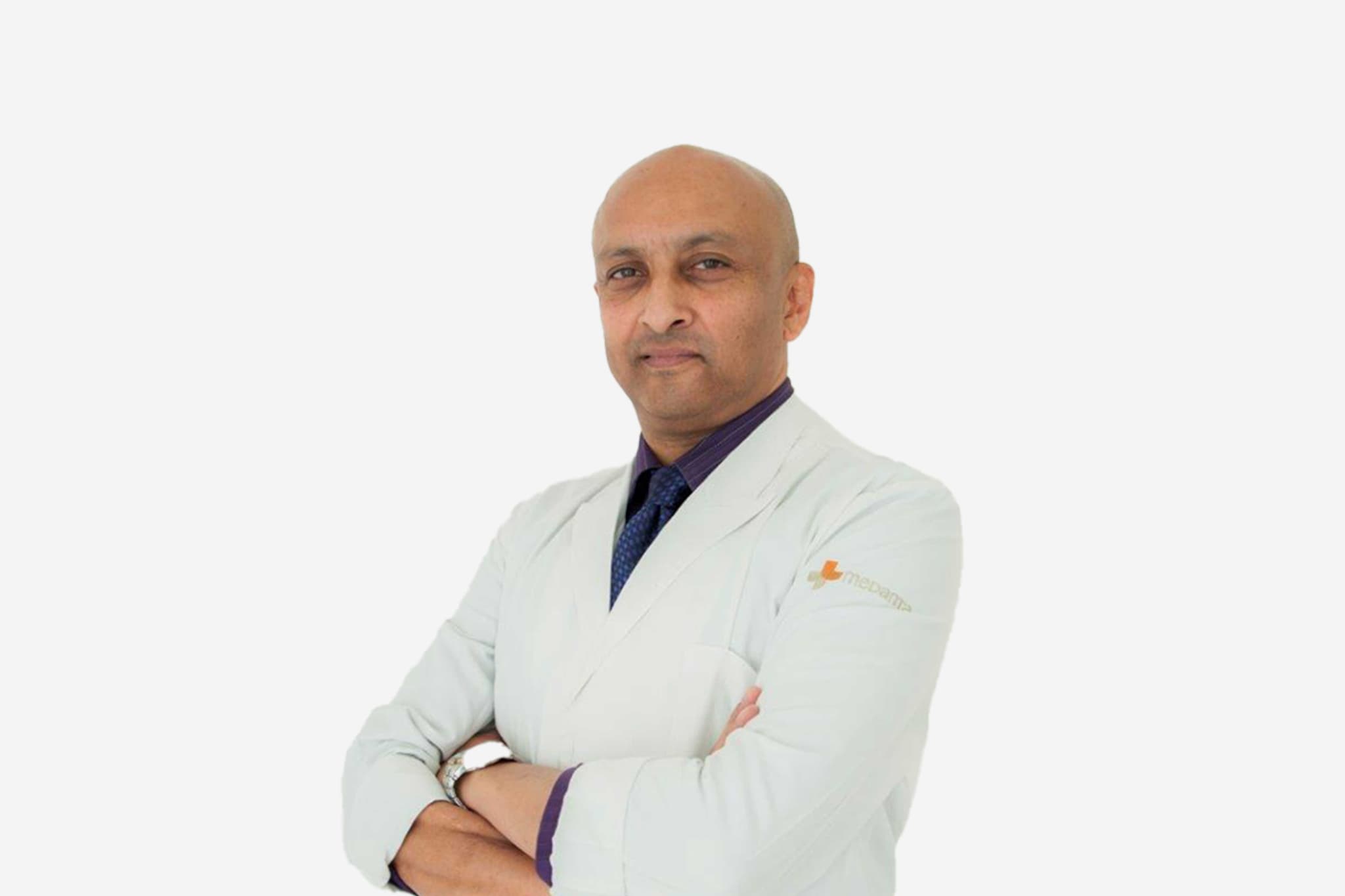
Dr Anil Bhan
Dr Anil Bhan
Cardiac Surgeon
Medanta - The Medicity, Gurugram
45+years experience
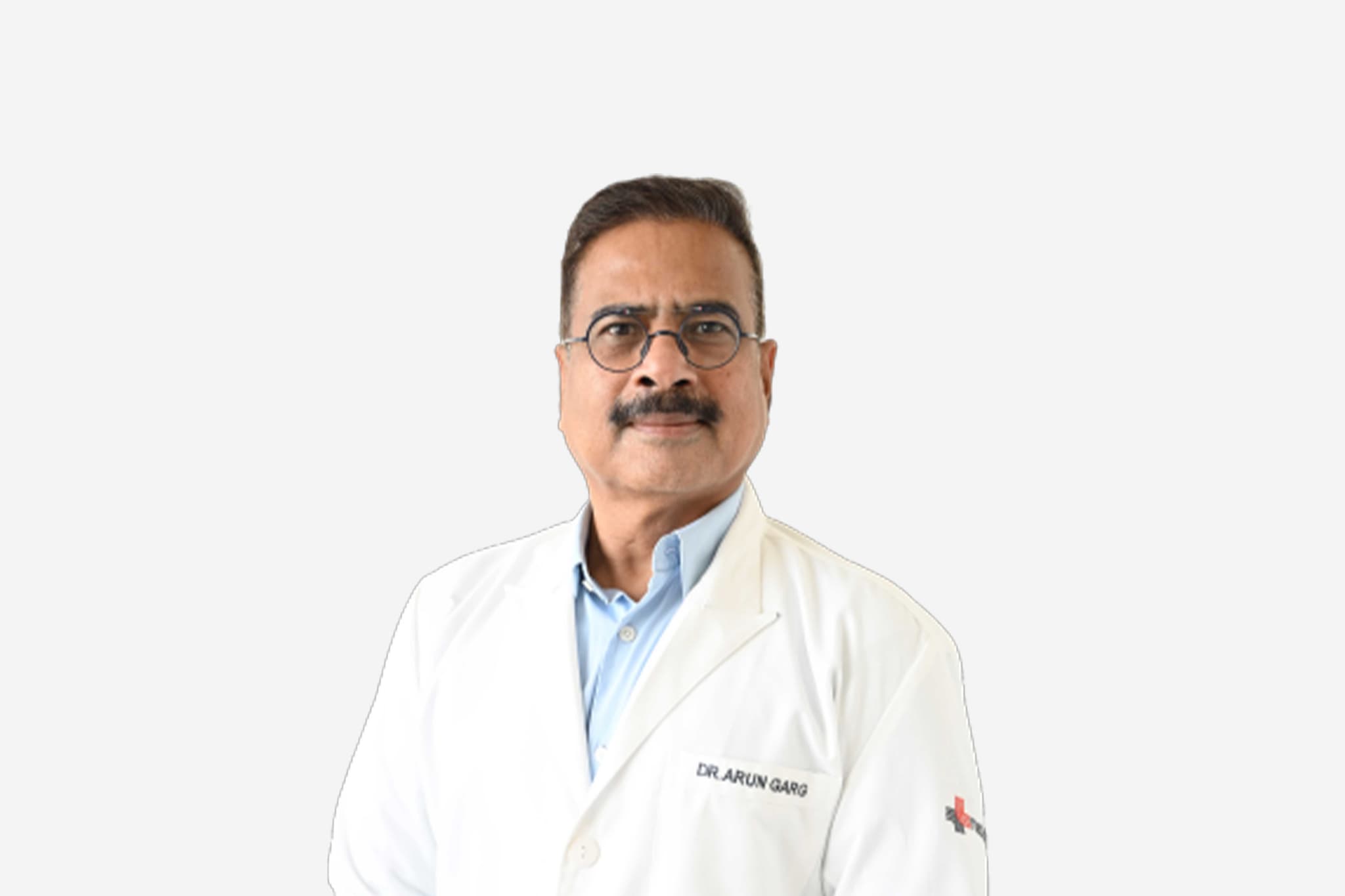
Dr Arun Garg
Dr Arun Garg
Neurologist
Medanta - The Medicity, Gurugram
41+years experience
Dr Arvind Kumar
Dr Arvind Kumar
Lung Transplant Surgeon
Medanta - The Medicity, Gurugram
44+years experience
Dr Ashok Kumar Vaid
Dr Ashok Kumar Vaid
Hemato-Oncologist, Medical Oncologist
Medanta - The Medicity, Gurugram
42+years experience
Dr Ashok Rajgopal
Dr Ashok Rajgopal
Orthopedic Surgeon, Joint Replacement Surgeon
Medanta - The Medicity, Gurugram
50+years experience
Dr Deepak Sarin
Dr Deepak Sarin
Head & Neck Onco-Surgeon
Medanta - The Medicity, Gurugram
32+years experience
Dr Harsh Vardhan Puri
Lung Transplant Surgeon, Thoracic Surgeon, Thoracic Onco-Surgeon
Medanta - The Medicity, Gurugram
20+years experience
Dr Manish Vaish
Dr Manish Vaish
Spine Surgeon, Neurosurgeon
Medanta Super Specialty Hospital, Noida
30+years experience
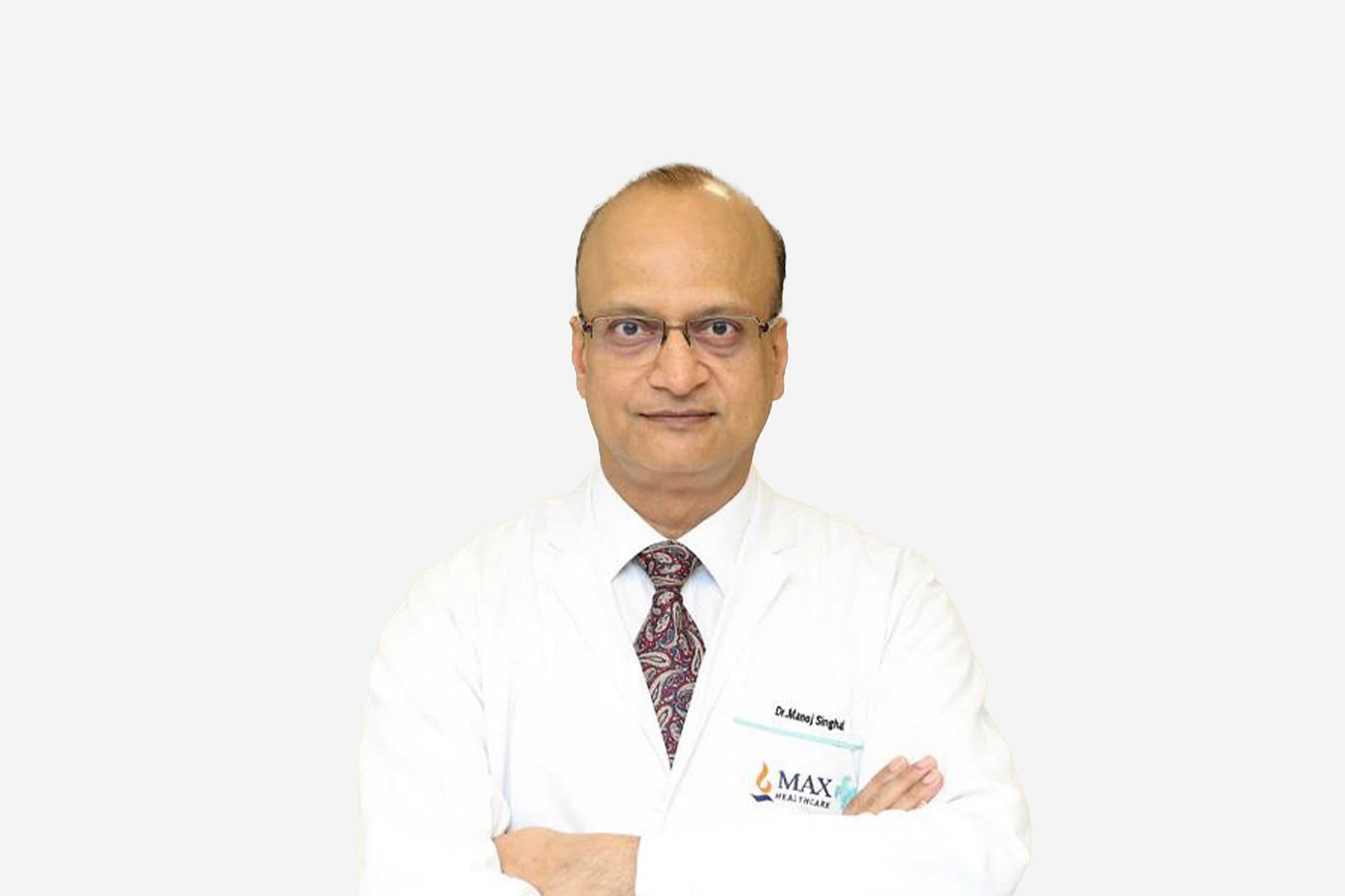
Dr Manoj Kumar Singhal
Nephrologist, Kidney Transplant Surgeon
Medanta Super Specialty Hospital, Noida
39+years experience
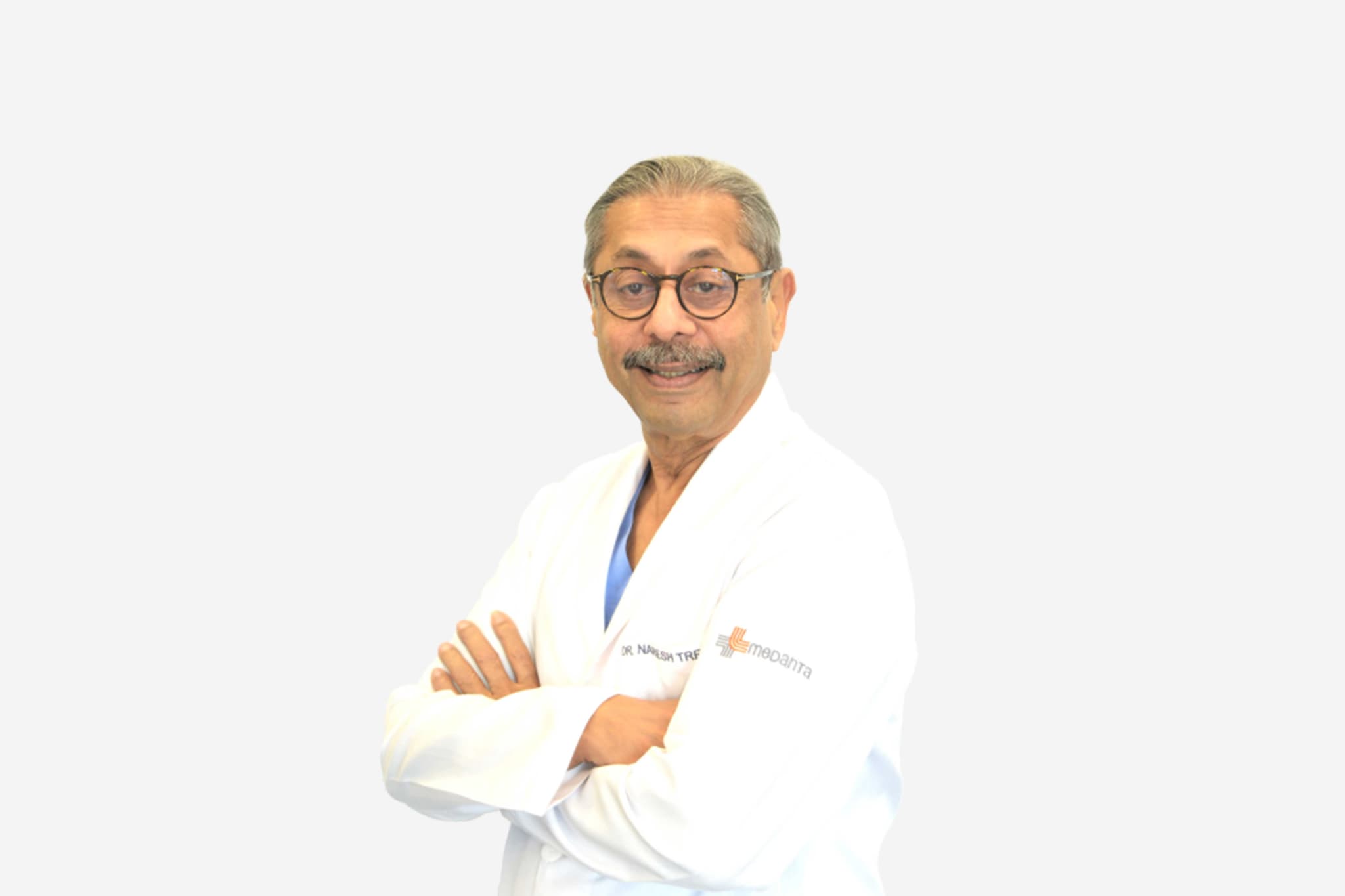
Dr Naresh Trehan
Dr Naresh Trehan
Cardiac Surgeon
Medanta - The Medicity, Gurugram
57+years experience
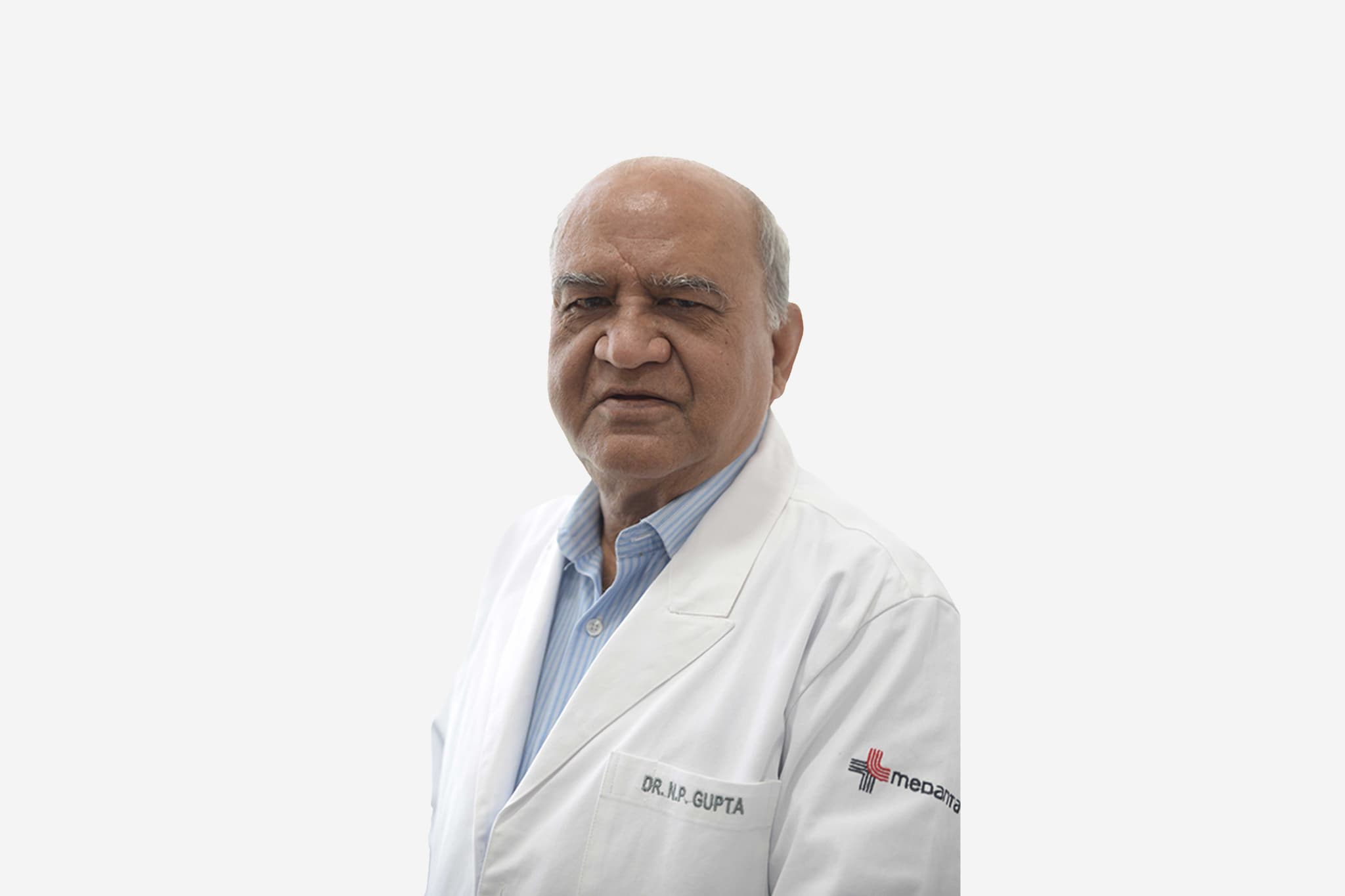
Dr Narmada Prasad Gupta
Urologist
Medanta - The Medicity, Gurugram
56+years experience
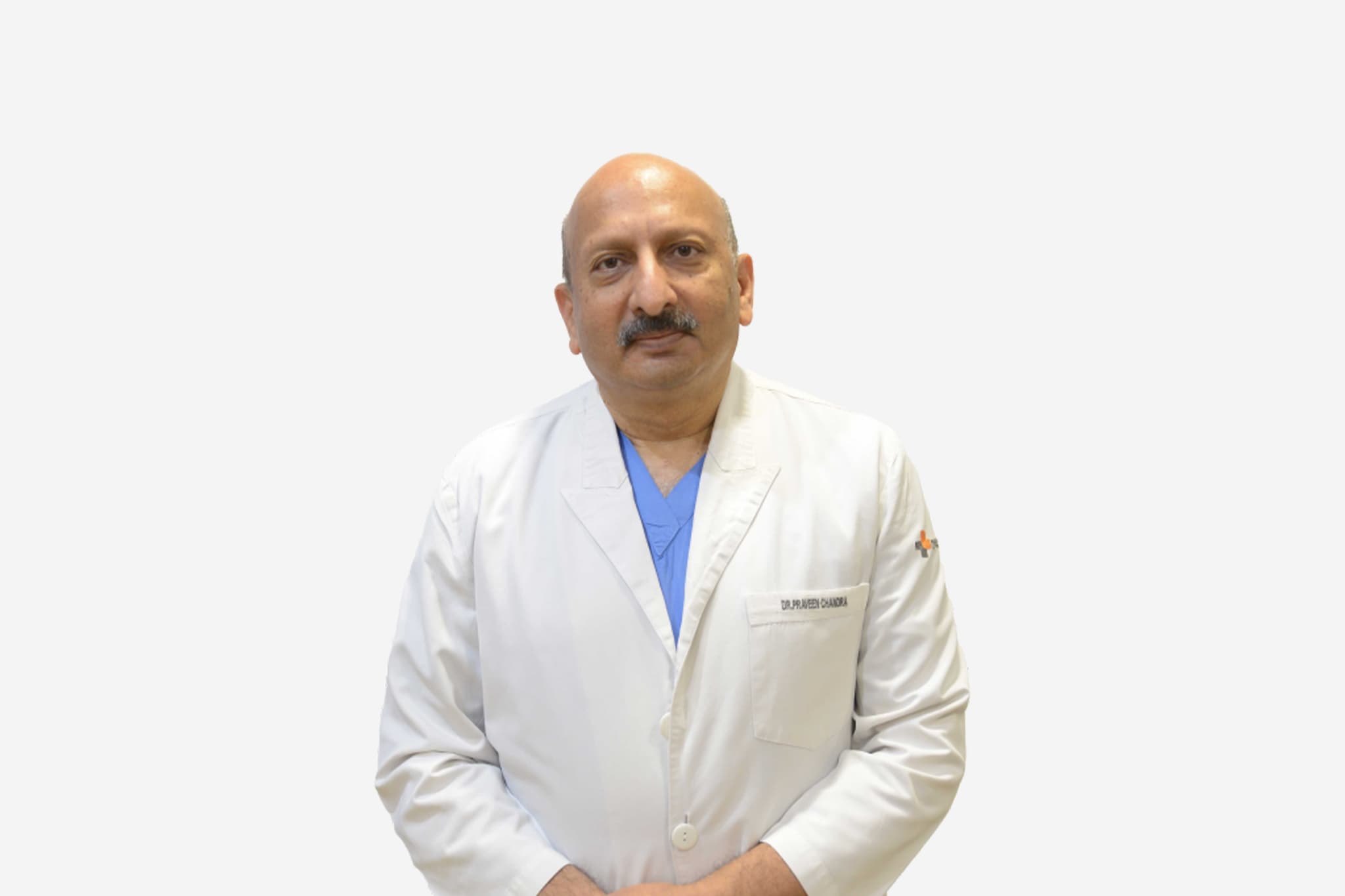
Dr Praveen Chandra
Dr Praveen Chandra
Interventional Cardiologist
Medanta - The Medicity, Gurugram
37+years experience
Dr Rajeev Agarwal
Dr Rajeev Agarwal
Surgical Oncologist
Medanta - The Medicity, Gurugram
47+years experience
Dr Sanjay Gogoi
Dr Sanjay Gogoi
Urologist, Kidney Transplant Surgeon, Uro-Oncologist
Medanta - The Medicity, Gurugram
36+years experience
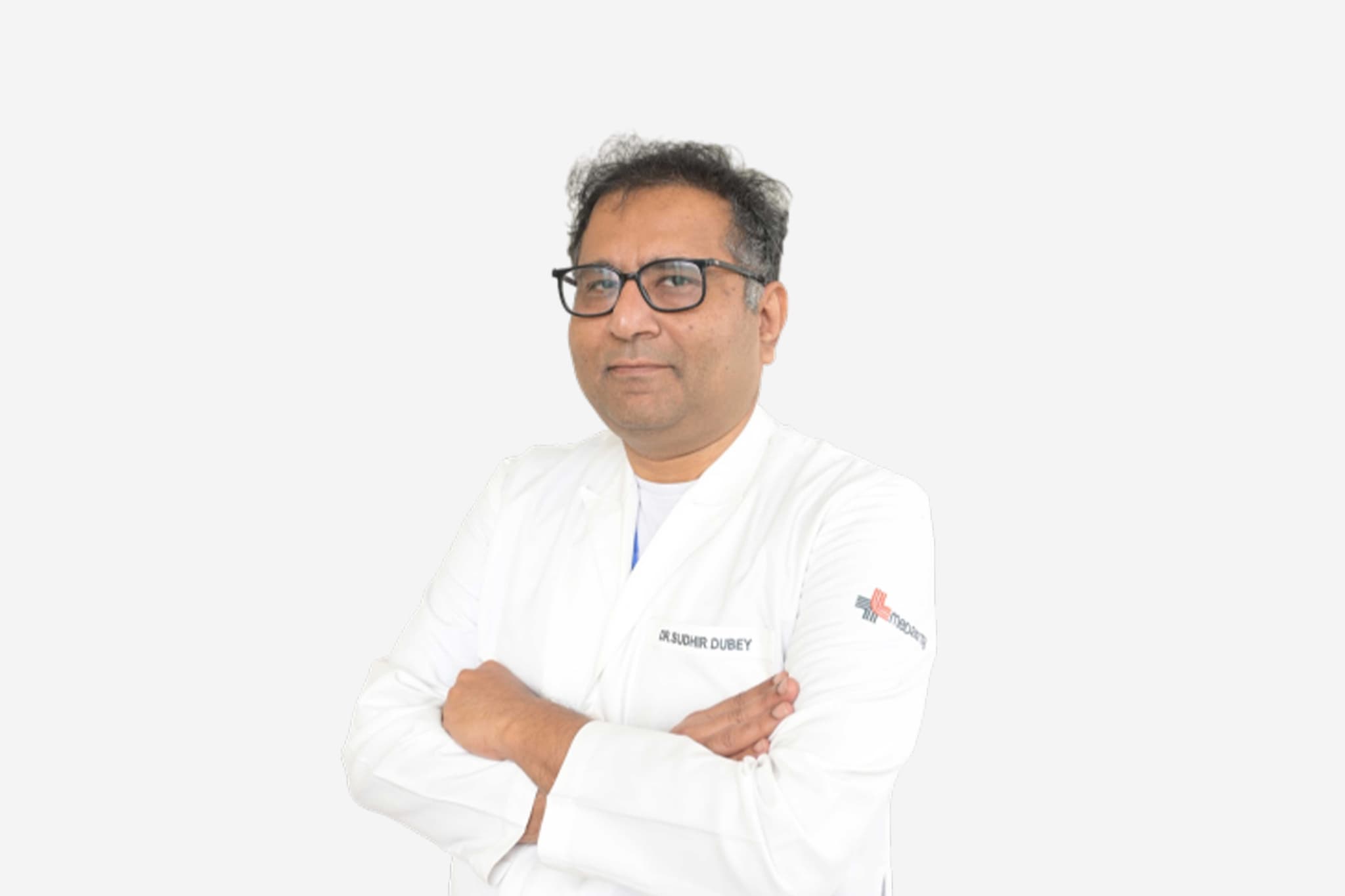
Dr Sudhir Dubey
Dr Sudhir Dubey
Neurosurgeon
Medanta - The Medicity, Gurugram
31+years experience
Dr Sudipto Pakrasi
Dr Sudipto Pakrasi
Glaucoma Specialist, Cornea Specialist, Cataract Surgeon
Medanta - The Medicity, Gurugram
44+years experience
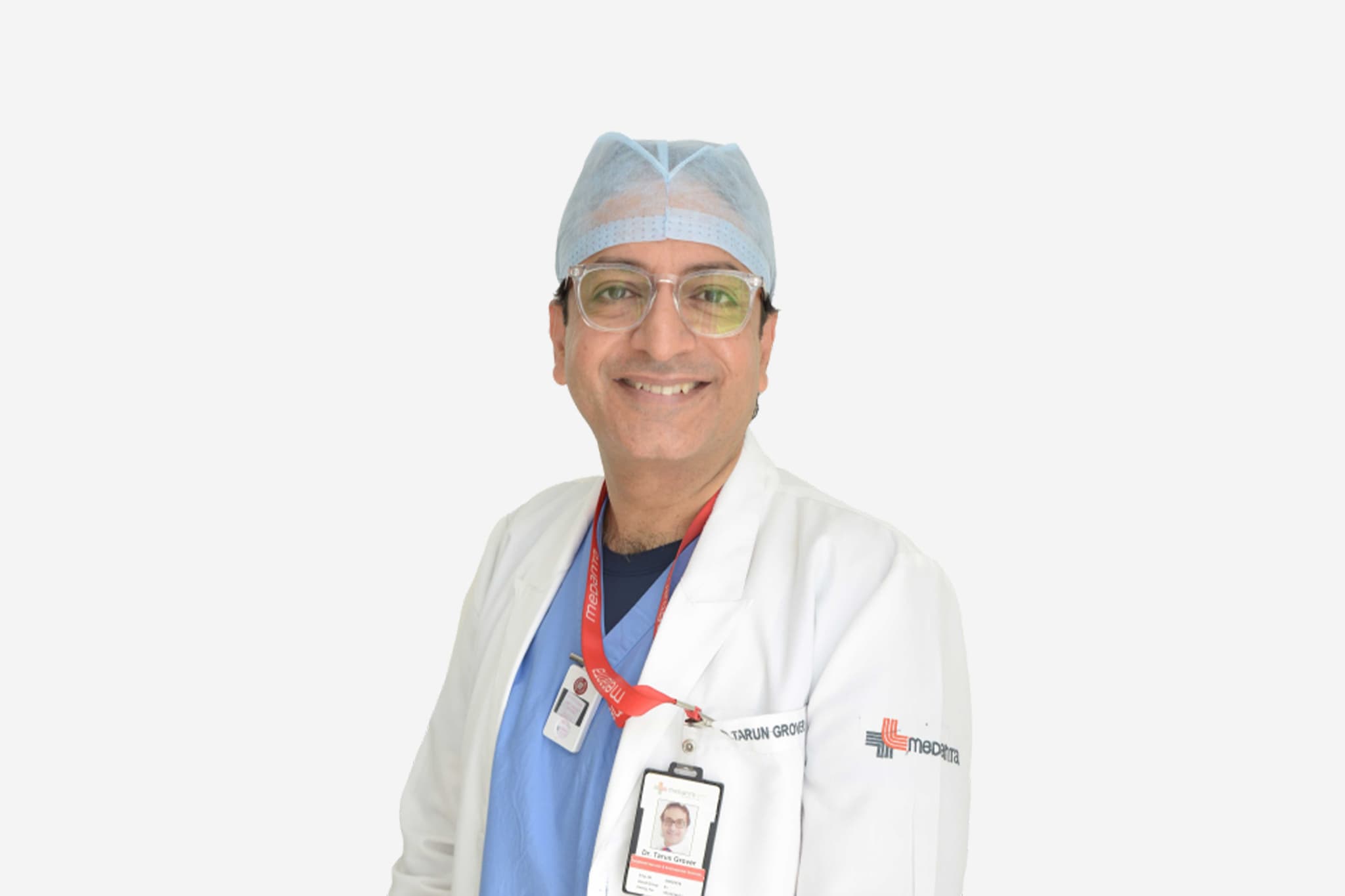
Dr Tarun Grover
Dr Tarun Grover
Vascular Surgeon
Medanta - The Medicity, Gurugram
31+years experience
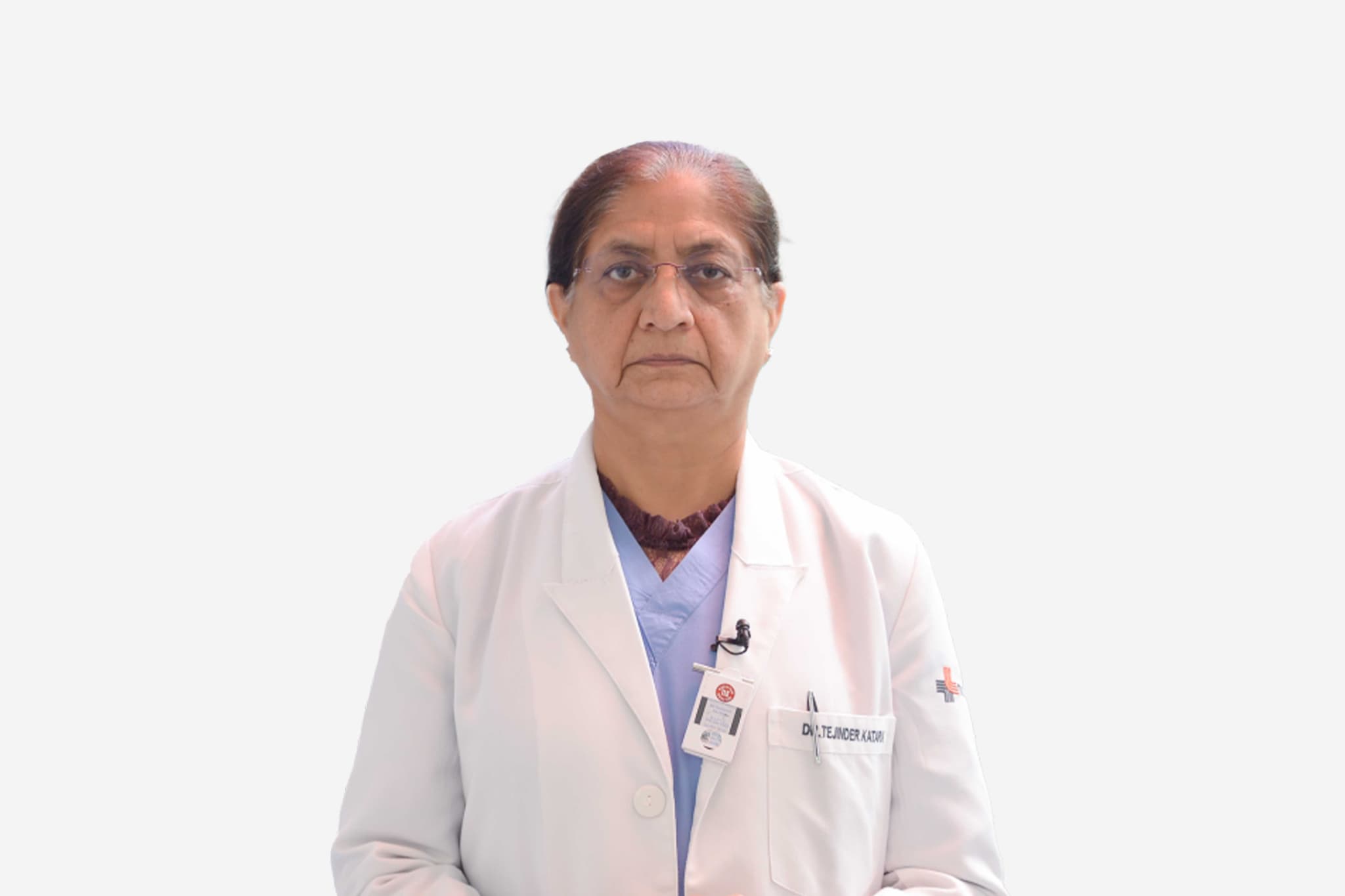
Dr Tejinder Kataria
Dr Tejinder Kataria
Radiation Oncologist
Medanta - The Medicity, Gurugram
42+years experience

May we help you?

Enter digits only (6-15 digits). We'll add your country code.