
+91 83682 47758
info@medivisorhealth.com
Medivisor India Treatment Logo
  • Home
    • About Us
    • Our Services
    • Our Team
    • Our Safety Measures
    • Loading treatments...
    • Loading hospitals...
    • Loading doctors...
    • Loading tests & diagnoses...
    • Treatment Cost
    • Treatment Process
    • Visa Process
    • Travel Guide
    • FAQs
    • Why Medivisor
    • Success Stories
    • Patient Activities
    • Social Activities
    • News Coverage
    • Blog
  • Become a Partner

Medivisor India Treatment is a trusted New Delhi-based medical travel company assisting international patients with advanced, affordable, and seamless treatment in India.

  • Medivisor House 359, Sector 1, Vaishali, Ghaziabad, (Delhi/NCR) India
  • +91 8368 247 758
  • info@medivisorhealth.com

About Us

  • About Us
  • Our Services
  • Our Team
  • Our Safety Measures
  • Join Our Network
  • Contact Us

India Treatment

  • Hospitals
  • Treatments
  • Treatment Cost
  • Treatment Process
  • Visa Process
  • Travel Guide
  • FAQs
  • Why Medivisor

Gallery

  • Patient Testimonials
  • Patient Activities
  • News Coverage
  • Blog

Get in Touch

© 2026 Medivisor India Treatment. All rights reserved.

Medanta Super Specialty Hospital, Lucknow
Medanta Hospitals

Medanta Super Specialty Hospital, Lucknow

Sector - A, Pocket - 1, Sushant Golf City, Amar Shaheed Path, Lucknow, Uttar Pradesh 226030

  1. Home
  2. Hospitals
  3. Medanta Super Specialty Hospital, Lucknow

Quick Overview

2019

Established

Super

Speciality

900

Beds

300

Doctors

Medanta Super Speciality Hospital, Lucknow, India

Spanning an impressive 12.58 acres, Medanta Lucknow stands as a premier healthcare landmark and one of the largest multi-super-specialty institutions in Uttar Pradesh. The hospital was established with a mission to deliver elite tertiary healthcare to the citizens of the state and neighboring regions, ensuring that world-class medical intervention is available without the need for extensive travel.

Why Patients Trust Medanta Lucknow

The hospital has cultivated an ecosystem of excellence by uniting internationally acclaimed doctors with exceptionally trained nursing and paramedical teams. Patients trust the facility for its integrated approach to medicine, which combines state-of-the-art infrastructure with a deeply patient-centric philosophy, making sophisticated healthcare both accessible and affordable.

Excellence in Advanced Care

The institution is designed to provide comprehensive solutions for complex medical conditions through its specialized departments, including:

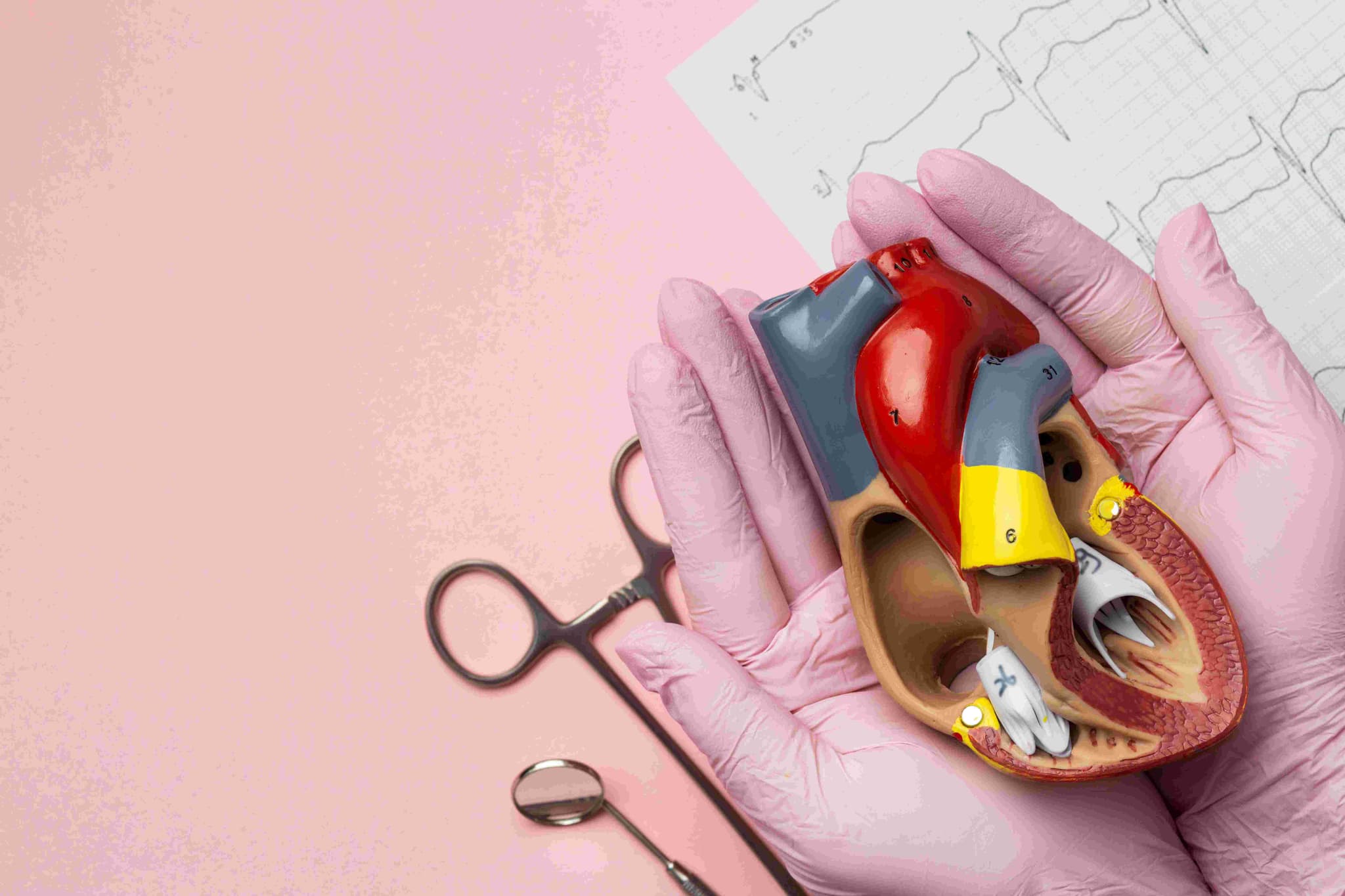
  • Cardiac Sciences: Advanced heart care units offering the latest in interventional cardiology and cardiothoracic surgery.

  • Digestive and Hepatobiliary Sciences: Specialized treatment for complex liver, pancreatic, and gastrointestinal disorders.

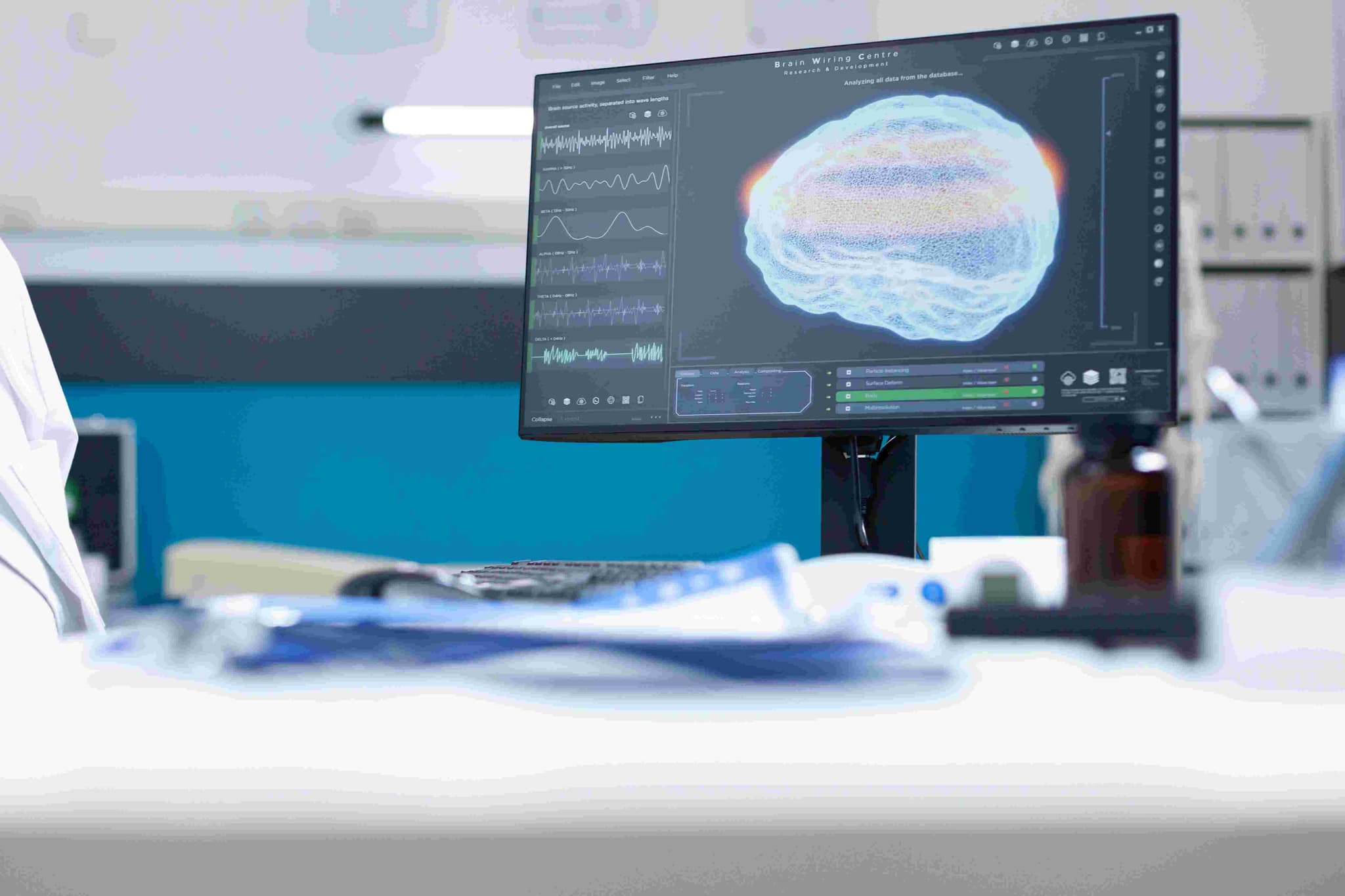
  • Neurosciences: A center of excellence for brain and spine care, featuring advanced stroke and trauma management.

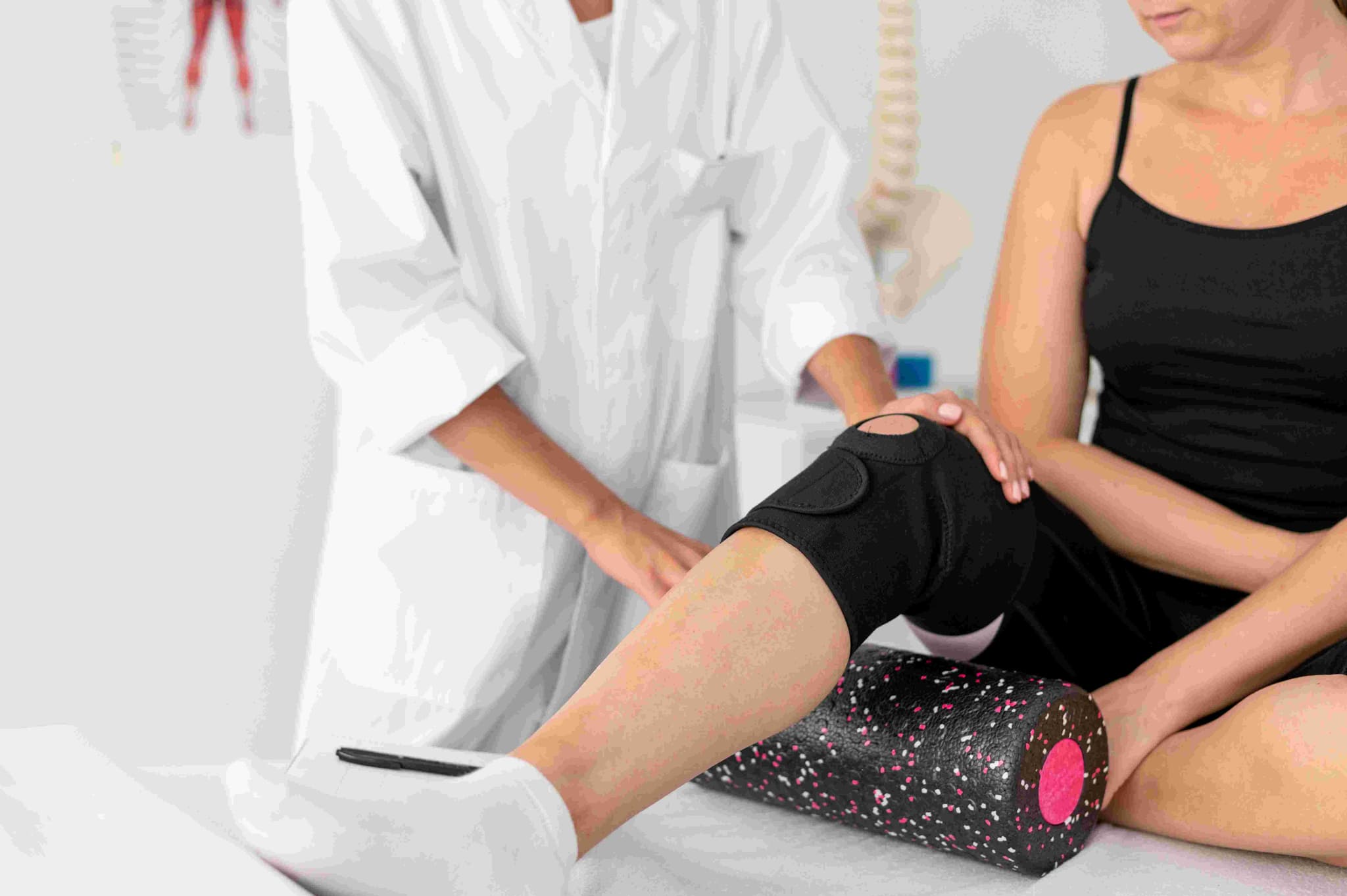
  • Orthopaedics: Comprehensive services for joint replacement, sports medicine, and reconstructive surgery.

World-Class Facilities and Technology

Medanta Lucknow is equipped with the latest generation of medical technology to ensure precision in diagnosis and treatment:

  • Best-in-Class Technology: High-end diagnostic imaging and therapeutic equipment that meet international standards.

  • Advanced Surgical Suites: Modern, infection-controlled operating theaters designed for complex and minimally invasive procedures.

  • Specialized Critical Care: High-capacity ICUs staffed by expert intensivists for round-the-clock patient monitoring.

  • Integrated Diagnostic Hub: Comprehensive on-site laboratory and radiology services for rapid clinical decision-making.

Easy Access for Patients

Located in a high-connectivity zone, the hospital serves as a vital medical hub for North India. The campus is designed for maximum patient comfort, offering streamlined admission processes, various room categories to suit different needs, and a supportive environment for families throughout the recovery process.

Medanta Lucknow at a Glance

  • One of the largest and most advanced multi-super-specialty hospitals in Uttar Pradesh.

  • Expansive 12.58-acre campus designed for high-end tertiary healthcare delivery.

  • Driven by a multidisciplinary team of world-renowned clinicians and healthcare experts.

  • Committed to providing world-class, integrated, and affordable medical solutions.
Read about Medanta Hospitals

May we help you?

Enter digits only (6-15 digits). We'll add your country code.

Treatments Offered at Medanta Super Specialty Hospital, Lucknow

VSD Device Closure
VSD Device Closure

VSD Device Closure VSD (Ventricular Septal Defect) device closure is a minimally invasive, non-surgical procedure used to seal a "hole in the heart" between the two lower chambers (ventricles). Unlike traditional open-heart surgery, this procedure is performed entirely through a catheter, resulting in no chest scars and a significantly faster recovery. This advanced technique allows for the permanent repair of the heart's internal wall without the need for a heart-lung bypass machine. When You Should Consider VSD Device Closure Muscular VSDs: This is the primary treatment for holes located

Carotid Artery Stenting (Stroke Prevention)

Carotid Artery Stenting (CAS) Carotid Artery Stenting (CAS) is a minimally invasive procedure used to open a narrowed carotid artery—the primary blood vessel in the neck that supplies the brain. By using a metal mesh stent to widen the artery, this procedure restores healthy blood flow and significantly reduces the risk of a future stroke. It is often a preferred alternative to open surgery (endarterectomy) for patients with complex anatomy or high-risk medical conditions. When You Should Consider Carotid Artery Stenting Significant Stenosis: Blockage of more than 70% in patients without sy

IVC Filter Placement

Inferior Vena Cava (IVC) Filter Placement Inferior Vena Cava (IVC) Filter Placement is a minimally invasive procedure to insert a small, cage-like metal device into the body's largest vein (the IVC). Its purpose is to trap blood clots traveling from the legs or pelvis before they can reach the heart and lungs, thereby preventing a life-threatening Pulmonary Embolism (PE). While blood thinners remain the standard treatment, this transcatheter technique has expanded significantly for patients who cannot safely take anticoagulants. When You Should Consider IVC Filter Placement Active bleeding

Endovascular Aneurysm Repair

Endovascular Aneurysm Repair (EVAR) Endovascular Aneurysm Repair (EVAR) is a minimally invasive surgical procedure used to treat aortic aneurysms, most commonly Abdominal Aortic Aneurysms (AAA). By placing a stent graft inside the weakened portion of the aorta, the procedure creates a new pathway for blood flow, effectively "re-lining" the vessel to prevent a life-threatening rupture. EVAR is the preferred treatment for patients with suitable anatomy, offering a safer alternative to traditional open surgery. When You Should Consider EVAR Aneurysm Size: When the diameter exceeds 5.5 cm in me

Renal Artery Stenting

Renal Artery Stenting (Vascular Surgery) Renal Artery Stenting is a minimally invasive procedure used to open blockages in the arteries that supply blood to your kidneys. It is primarily used to treat Renal Artery Stenosis (narrowing of the kidney arteries), which can lead to uncontrolled high blood pressure and kidney damage. This procedure remains a critical intervention for preserving kidney function and managing resistant hypertension when medication alone is insufficient. When You Should Consider Renal Artery Stenting High blood pressure that remains uncontrolled despite taking three o

Peripheral Angioplasty (Leg Arteries)

Peripheral Angioplasty (Vascular Surgery) Peripheral Angioplasty, also known as Peripheral Vascular Intervention, is a minimally invasive procedure used to open blocked or narrowed arteries in the legs. This is the primary treatment for Peripheral Artery Disease (PAD), where plaque buildup (atherosclerosis) restricts blood flow, causing leg pain, cramping, or "heavy legs." While bypass surgery remains an option for long-segment blockages, advanced drug-coated balloons and atherectomy devices have significantly improved non-surgical outcomes. When You Should Consider Peripheral Angioplasty P

Balloon Valvotomy (Mitral/Pulmonary)

Balloon Valvotomy Balloon Valvotomy, also known as balloon valvuloplasty, is a minimally invasive, non-surgical procedure used to widen a heart valve that has become narrowed or stiff (stenosis). This procedure remains the primary alternative to open-heart surgery for treating Mitral and Pulmonary valve obstructions. The technique involves using a specialized balloon catheter to stretch the valve leaflets apart, restoring efficient blood flow through the heart. When You Should Consider Balloon Valvotomy Severe Mitral Stenosis, often caused by rheumatic heart disease, limiting physical activ

Left Atrial Appendage (LAA) Closure

Left Atrial Appendage (LAA) Closure Left Atrial Appendage (LAA) Closure is a specialized procedure designed to reduce the risk of stroke in patients with atrial fibrillation (AFib). In AFib, the heart's upper chambers beat irregularly, which can cause blood to pool and form clots in a small, thumb-sized pouch called the left atrial appendage. This procedure serves as a primary alternative for patients who cannot tolerate long-term blood thinners. When You Should Consider LAA Closure Stroke Risk: Increased risk of stroke specifically due to non-valvular atrial fibrillation. Bleeding Histor


PDA Closure
PDA Closure

Patent Ductus Arteriosus (PDA) Closure Patent Ductus Arteriosus (PDA) Closure is a procedure to seal an abnormal opening between the two major blood vessels leading from the heart: the aorta and the pulmonary artery. In a normal heart, this vessel (the ductus arteriosus) closes naturally shortly after birth; if it stays open, it can cause too much blood to flow to the lungs, straining the heart. While surgical ligation remains necessary for specific cases, transcatheter (minimally invasive) techniques have become the gold standard for most children and adults. When You Should Consider PDA Clos

MitraClip (Mitral Regurgitation)

MitraClip Therapy MitraClip therapy, also known as Transcatheter Edge-to-Edge Repair (TEER), is a minimally invasive, catheter-based procedure used to treat Mitral Regurgitation (MR). This is a condition where the heart's mitral valve does not close tightly, causing blood to leak backward into the heart. In 2026, this remains a vital option for patients who are at high risk for traditional open-heart surgery. When You Should Consider MitraClip Severe symptomatic mitral regurgitation that limits daily activity. Heart failure symptoms like shortness of breath or fatigue that persist despite

Chronic Total Occlusion (CTO) Angioplasty

Chronic Total Occlusion (CTO) Angioplasty Chronic Total Occlusion (CTO) Angioplasty, also known as CTO PCI, is a specialized, minimally invasive procedure used to open a coronary artery that has been 100% blocked for three months or longer. Historically considered too complex for standard stenting, advances now allow interventional cardiologists to treat these "final frontier" blockages with high success rates. The procedure restores blood flow to heart muscle that is still viable but "starving" for oxygen. When You Should Consider CTO Angioplasty Lifestyle-limiting chest pain (angina) that

Bifurcation Stenting

Bifurcation Stenting Bifurcation Stenting is a complex procedure used when a coronary artery blockage occurs at a branch point, where a main vessel divides into two. These cases account for approximately 15–20% of all angioplasties and are technically demanding due to the risk of closing the "side branch" while treating the main vessel. While surgical repair remains a "gold standard" for some cases, transcatheter techniques for complex branch points have expanded significantly. When You Should Consider Bifurcation Stenting Blockages located precisely where a main heart artery divides into t

Intravascular Lithotripsy (IVL)

Intravascular Lithotripsy (IVL) Intravascular Lithotripsy (IVL) is an advanced plaque modification technique that uses sonic shockwaves to break up severe coronary artery calcification. It is particularly effective for "stone-like" blockages that standard balloons cannot expand. This technology has expanded significantly for treating complex, hardened defects that were previously difficult to manage with traditional methods. When You Should Consider IVL Severely calcified "stone-like" blockages identified during imaging. Evidence of significant heart overload or left-sided heart enlargeme

Rotablation (Calcified Arteries)

Rotablation (Rotational Atherectomy) Rotablation, also known as Rotational Atherectomy, is a specialized cardiac procedure used to treat coronary arteries that have become "stone-hard" due to severe calcium buildup. When plaque is heavily calcified, standard balloon angioplasty may fail to expand the artery, potentially leading to balloon rupture or inadequate stent deployment. This high-speed drilling technique is essential for modifying plaque to make the artery flexible enough for a stent to be placed successfully. When You Should Consider Rotablation Severely Calcified Arteries: When im

Drug-Eluting Stent (DES) Placement

Drug-Eluting Stent (DES) Placement A Drug-Eluting Stent (DES) is a small, metal mesh tube coated with specialized medication that is permanently placed in a narrowed heart artery. It is the most common type of stent used to treat Coronary Artery Disease (CAD). These devices are designed to provide both mechanical support and controlled drug release to ensure long-term arterial health. When You Should Consider DES Placement Chronic Chest Pain (Angina): Pain or pressure that limits physical activity. Significant Blockages: Evidence of arterial narrowing found during an echocardiogram or str

Echocardiography & Cardiac Catheterization

Echocardiography and Cardiac Catheterization Echocardiography and Cardiac Catheterization are the two primary diagnostic pillars used to evaluate heart health. While both provide essential data on how the heart is functioning, they differ significantly in their approach: one uses sound waves to "see" the heart from the outside, while the other involves navigating a thin tube through the blood vessels to examine the heart from the inside. Together, these tools allow cardiologists to diagnose everything from valve issues to complex arterial blockages with extreme precision. When You Should Consi

ASD Device Closure
ASD Device Closure

Atrial Septal Defect (ASD) Closure Atrial Septal Defect (ASD) closure is a specialized cardiac procedure performed to repair a hole in the septum, which is the wall separating the heart's upper chambers. This treatment is essential for restoring normal blood flow, preventing the heart from overworking, and reducing the risk of long term complications such as pulmonary hypertension or stroke. When You Should Consider ASD Closure Persistent shortness of breath, especially during exercise or physical activity. Frequent respiratory infections or lung issues. Chronic fatigue or low energy le

Coronary Angioplasty (PTCA)

Coronary Angioplasty (PTCA) Coronary Angioplasty, also known as Percutaneous Transluminal Coronary Angioplasty (PTCA), is a minimally invasive procedure used to open clogged heart arteries. While surgical bypass remains an option for multi-vessel disease, transcatheter techniques using drug-eluting stents have expanded to treat even complex blockages, restoring vital blood flow to the heart muscle. When You Should Consider PTCA Refractory Angina: Chest pain that does not improve with standard medication. Exertional Dyspnea: Shortness of breath during physical activity or exercise. Posit

Transcatheter Mitral Valve Replacement (TMVR/TMVI)

TMVI/TMVR (Transcatheter Mitral Valve Replacement) TMVI (Transcatheter Mitral Valve Implantation) and TMVR (Transcatheter Mitral Valve Replacement) are minimally invasive procedures used to replace a diseased mitral valve without the need for traditional open-heart surgery. These procedures are typically reserved for high-risk patients with severe Mitral Regurgitation (a leaking valve) or Mitral Stenosis (a narrowed valve) who may not tolerate a standard sternotomy. When You Should Consider TMVI / TMVR Severe Mitral Regurgitation: When the mitral valve does not close tightly, causing blood

Transcatheter Aortic Valve Replacement (TAVR/TAVI)

TAVI/TAVR (Transcatheter Aortic Valve Replacement) (Cardiology) Transcatheter Aortic Valve Implantation (TAVI), also known as TAVR, is a minimally invasive procedure used to treat severe aortic stenosis. As of 2026, it has become a standard of care for patients across all surgical risk categories—from high-risk to low-risk—offering an alternative to traditional open-heart surgery. When You Should Consider TAVI/TAVR Diagnosis of severe aortic stenosis causing restricted blood flow Chest pain (angina) or tightness during physical activity Frequent shortness of breath or feeling easily win

Partial Nephrectomy (Kidney-Saving Surgery)
Kidney Transplant Surgery
URS (Ureteroscopy)
URS (Ureteroscopy)
Percutaneous Nephrolithotomy (PCNL)
Extracorporeal Shockwave Lithotripsy (Non-Surgical)
Mini-PCNL / Micro-PCNL
Transurethral Resection of Prostate (TURP)
Laser Prostate Surgery (HoLEP / ThuLEP)
Transurethral Incision of the Prostate (TUIP)
Radical Prostatectomy (Open/Laparoscopic/Robotic)
Cystoscopy
Cystoscopy
Kidney Cancer Treatment
Bladder Cancer Surgery
Prostate Cancer Surgery
Testicular Cancer Surgery
Lung Transplant Surgery
Lobectomy (Lung cancer)
Pneumonectomy (Cancer)
Lung Biopsy (Surgical)
Mediastinal Lymph Node Dissection (Cancer)
Thymectomy
Thymectomy
Pleurectomy / Decortication
Video-Assisted Thoracoscopic Surgery (VATS)
Thoracoabdominal Aneurysm Repair
Chest Tube Insertion (Tube Thoracostomy)
Lung & Thoracic Cancer Surgery
Trabeculectomy Surgery
Glaucoma Drainage Device Implant
Laser Iridotomy
Laser Iridotomy
Minimally Invasive Glaucoma Surgery (MIGS)
Corneal Transplant (Keratoplasty)
Cross-linking (for Keratoconus)
Corneal Collagen Cross-linking
Phacoemulsifacation
Phacoemulsifacation
Small Incision Cataract Surgery (SICS)
Femtosecond Laser Cataract Surgery
Breast Cancer Treatment
Thyroid Cancer Treatment
Limb Salvage Surgery
Head and Neck Cancer Treatment
Neck Dissection (Cancer)
Modified Radical Mastectomy
Whipple Surgery (Pancreatic Cancer)
Tongue Resection (Cancer)
Bone & Soft Tissue Tumor Surgery
Gastrointestinal Cancer Surgery
Liver Resection (Cancer)
Esophageal Cancer Treatment
Low Anterior Resection (Rectal Cancer)
Colectomy (Colon Cancer)
Gynecologic Oncology Surgery
Radical Hysterectomy
Oncoplastic Breast Surgery
Oral Cancer Surgery
Oral Cancer Surgery
Ovarian Cancer Debulking Surgery
Gastrectomy (Stomach Cancer)
Lumpectomy (Breast-Conserving Surgery)
Cervical Cancer Treatment
Parotid Gland Surgery (Cancer)
Amputation (Cancer)
Amputation (Cancer)
Acute Lymphoid Leukemia
Acute Myeloid Leukemia
Colectomy (Bowel Resection Surgery
Slip Disc (Lumbar Discectomy)
Cervical Discectomy
Cervical Discectomy
Spinal Decompression Surgery
Laminectomy
Laminectomy
Spinal Fusion Surgery
Minimally Invasive Spine Surgery (MISS)
Spine Fracture Fixation
Pedicle Screw Fixation
Vertebroplasty/Kyphoplasty
Spinal Tumor Removal
Intradural Tumor Surgery
Cervical Laminoplasty
Corpectomy (Vertebral Body Removal)
Microdiscectomy Surgery
Scoliosis Correction Surgery
Brain Tumor Removal (Craniotomy)
Glioma Surgery
Glioma Surgery
Meningioma Surgery
Meningioma Surgery
Pituitary Tumor Surgery (Endoscopic)
Aneurysm Clipping
Aneurysm Clipping
AVM Brain Surgery
AVM Brain Surgery
Endoscopic Skull Base Surgery
Acoustic Neuroma Surgery
Brainstem Surgery
Brainstem Surgery
Endoscopic Endonasal Surgery
Chiari Decompression
Deep Brain Stimulation (DBS)
Epilepsy Surgery
Epilepsy Surgery
Gamma Knife Surgery (Radiosurgery)
Microvascular Decompression (MVD)
Spinal Cord Stimulator (SCS) Implantation
Knee Arthroscopy Surgery
ACL Reconstruction Surgery
PCL Reconstruction
PCL Reconstruction
Meniscus Repair
Meniscus Repair
Shoulder Arthroscopy
Rotator Cuff Repair
Rotator Cuff Repair
Bankart Repair (Shoulder Instability)
Ankle Arthroscopy
Ankle Arthroscopy
Open Reduction Internal Fixation (ORIF)
Interlocking Nailing
External Fixator Application
Pelvic Fracture Fixation
Wrist/Ankle Fracture Surgery
Flow Diverter Placement
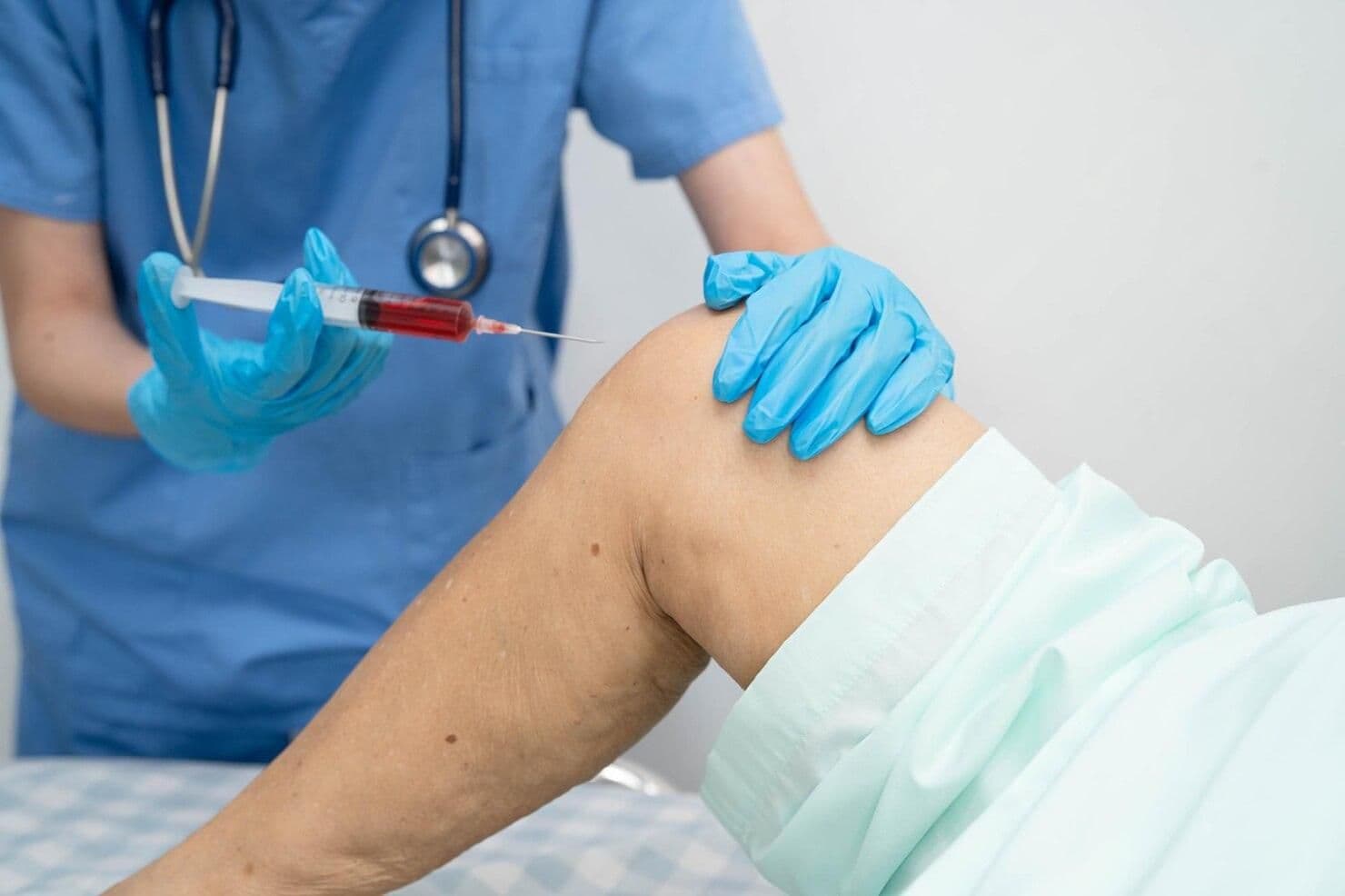
Arthrocentesis (Joint Aspiration)
Intra-articular Steroid Injection
Total Knee Replacement (TKR)
Bilateral Total Knee Replacement
Revision Knee Replacement
Partial Knee Replacement
Total Hip Replacement (THR)
Hip Replacement (Cemented/Uncemented)
Revision Hip Replacement
Hip Resurfacing
Hip Resurfacing
Total Shoulder Replacement
Reverse Shoulder Replacement
Endovascular Coiling
Stent-Assisted Coiling
Balloon-Assisted Coiling
Intracranial Artery Stenting
Vertebral Artery Stenting
AVM Embolization
AVM Embolization
Dural AV Fistula Embolization
Leukemia
Leukemia
Chronic Lymphoid Leukemia
Chronic Myeloid Leukemia
Lymphoma
Lymphoma
Hodgkin Lymphoma
Hodgkin Lymphoma
Non-Hodgkin Lymphoma
Bone Marrow Transplant
Intravenous Chemotherapy
Oral Chemotherapy
Oral Chemotherapy
Adjuvant Chemotherapy (After Surgery)
Neoadjuvant Chemotherapy (Before Surgery)
Palliative Chemotherapy
Targetted Therapy
Targetted Therapy
Immunotherapy
Immunotherapy
Hormone Therapy
Hormone Therapy
Uterine Cancer Treatment
Peripheral Bypass Surgery (Leg Arteries)
Carotid Endarterectomy
Laser Varicose Vein Treatment
Embolectomy/Thrombectomy
Arteriovenous Fistula Surgery
Aortic Valve Replacement (AVR)
Mitral Valve Replacement (MVR)
Heart Bypass Surgery (CABG)
Off-Pump Bypass (Beating Heart Surgery)
Redo Bypass Surgery
Redo Bypass Surgery
Tricuspid Valve Repair
Double Valve Replacement (DVR)
Cardiac Tumor Removal Surgery
Left Ventricular Aneurysm Repair
Ventricular Septal Rupture Repair
Left Ventricular Assist Device (LVAD) Implantation
ECMO Cannulation
ECMO Cannulation
External Beam Radiation Therapy
Internal Radiation (Brachytherapy)
Palliative Radiation
CyberKnife (Radiosurgery)

Top Doctors at Medanta Super Specialty Hospital, Lucknow in India

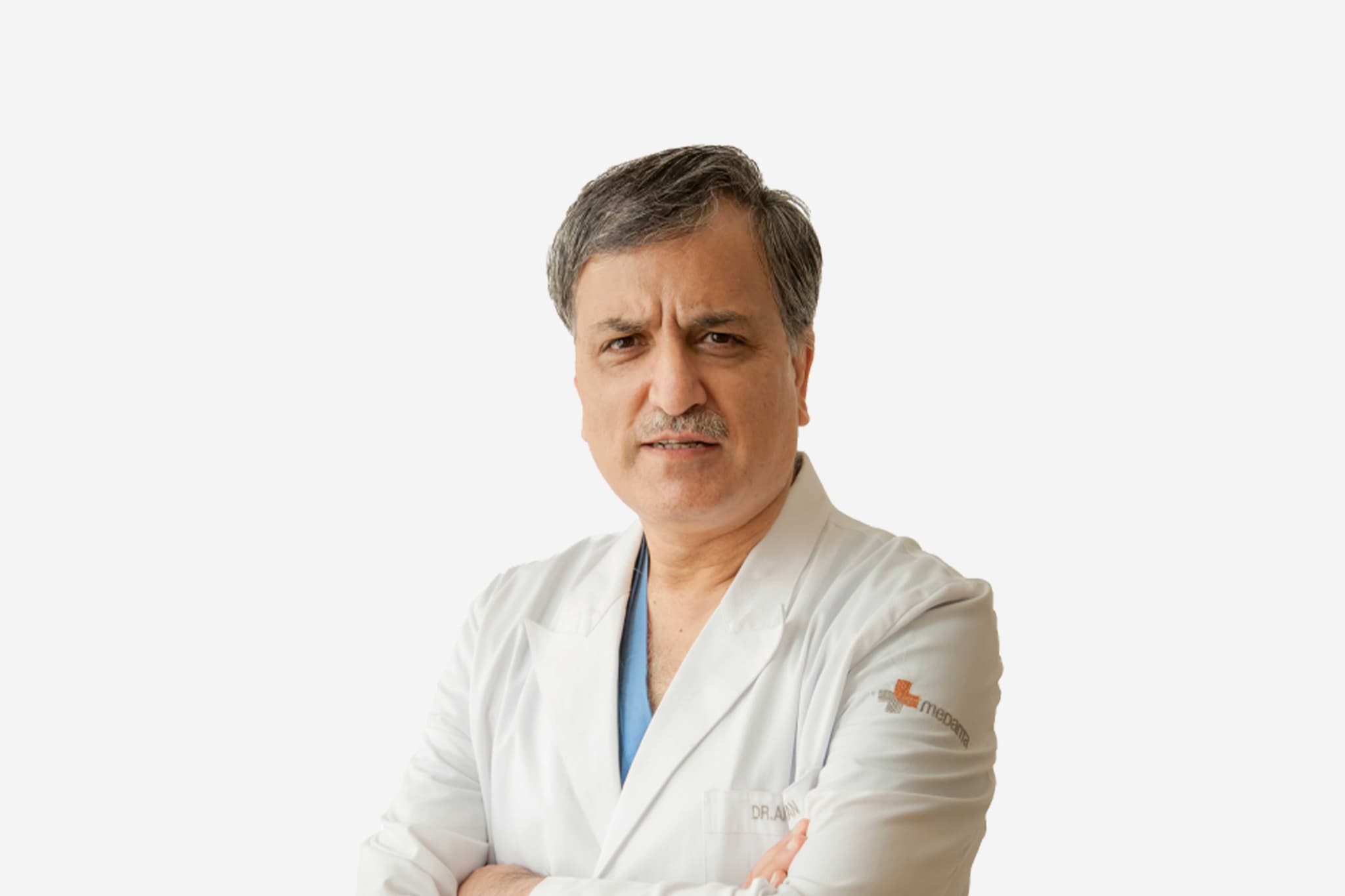
Dr Anil Bhan
Dr Anil Bhan
Cardiac Surgeon
Medanta - The Medicity, Gurugram
45+years experience
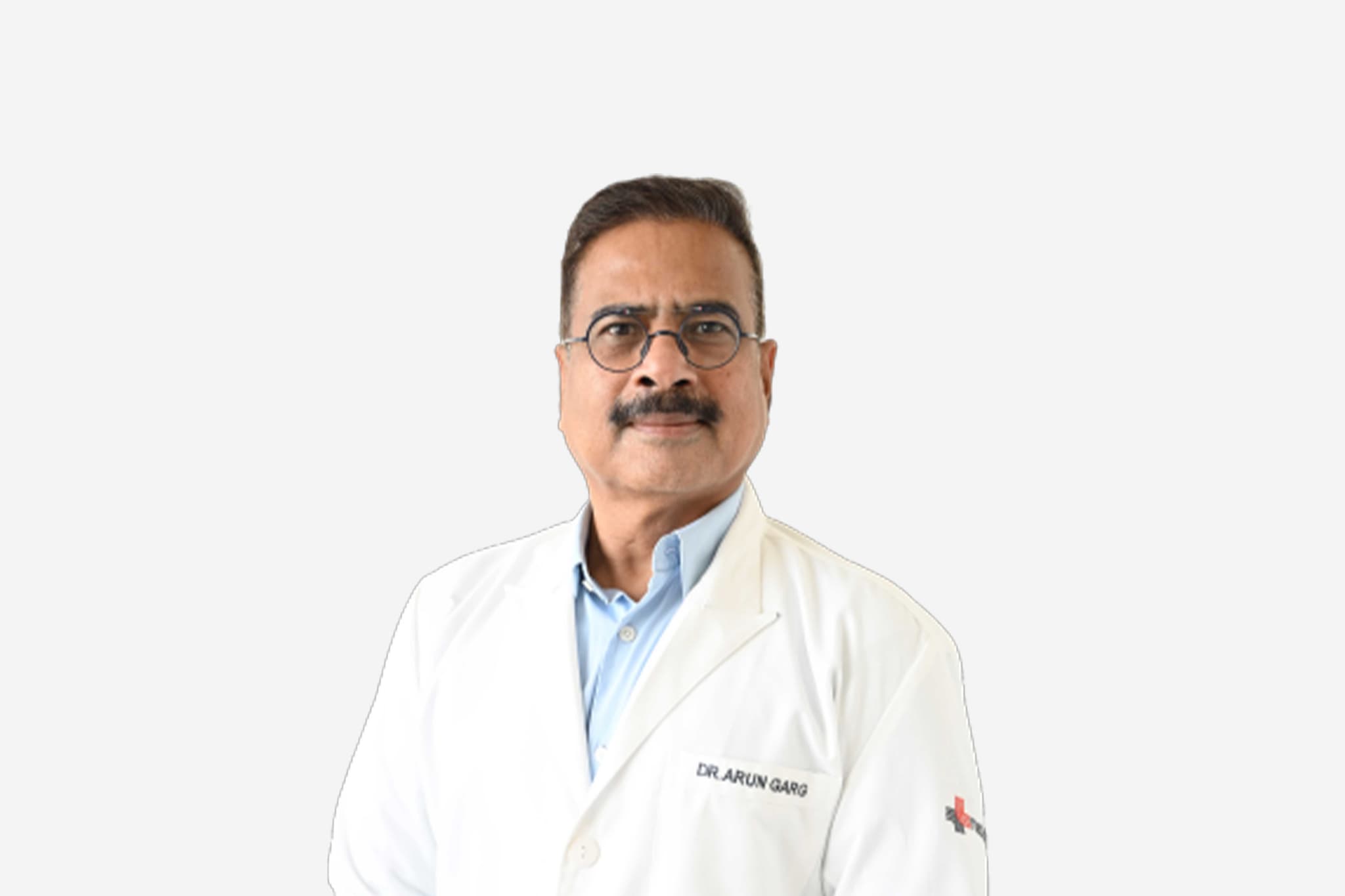
Dr Arun Garg
Dr Arun Garg
Neurologist
Medanta - The Medicity, Gurugram
41+years experience
Dr Arvind Kumar
Dr Arvind Kumar
Lung Transplant Surgeon
Medanta - The Medicity, Gurugram
44+years experience
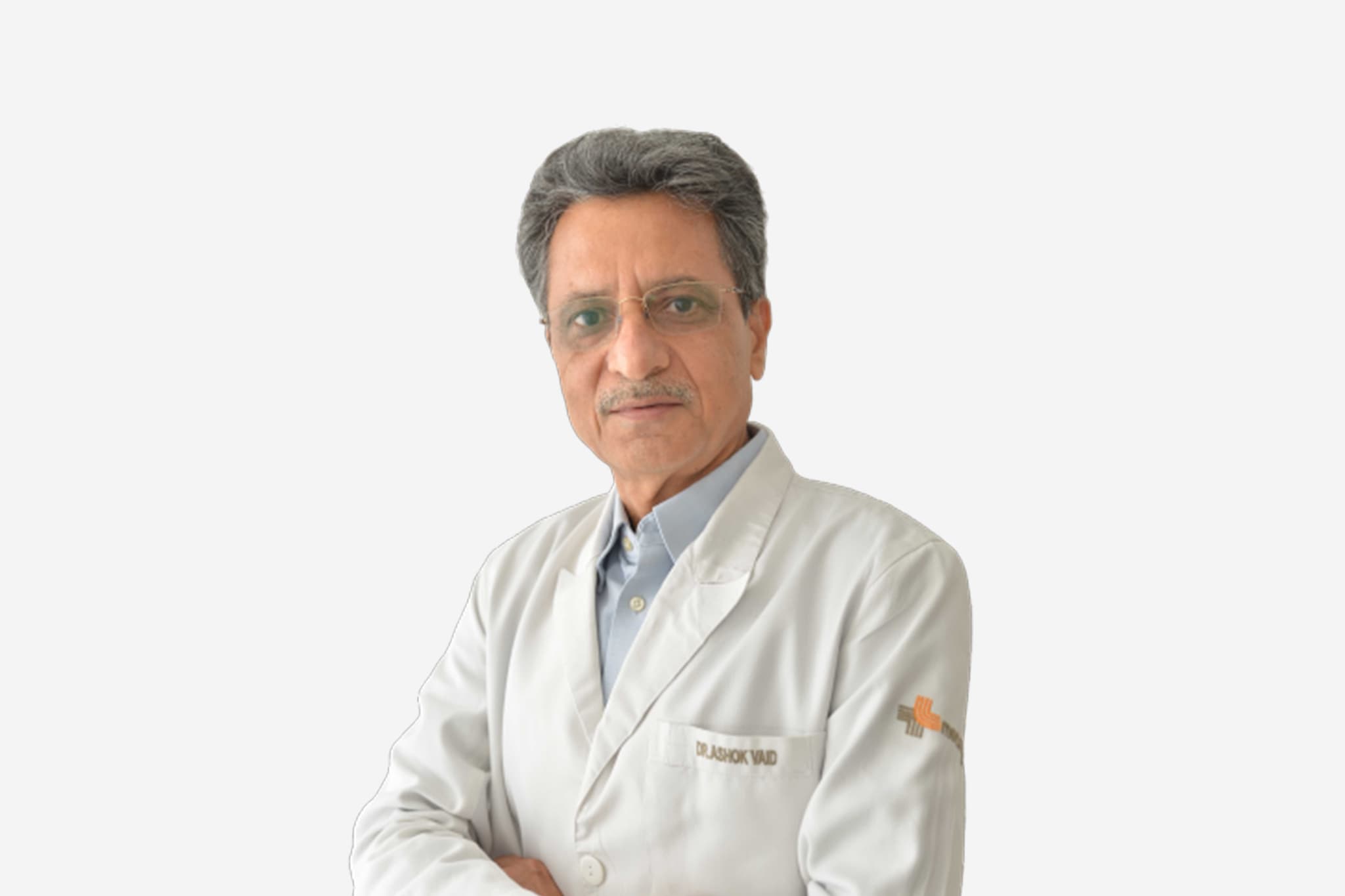
Dr Ashok Kumar Vaid
Dr Ashok Kumar Vaid
Hemato-Oncologist, Medical Oncologist
Medanta - The Medicity, Gurugram
42+years experience
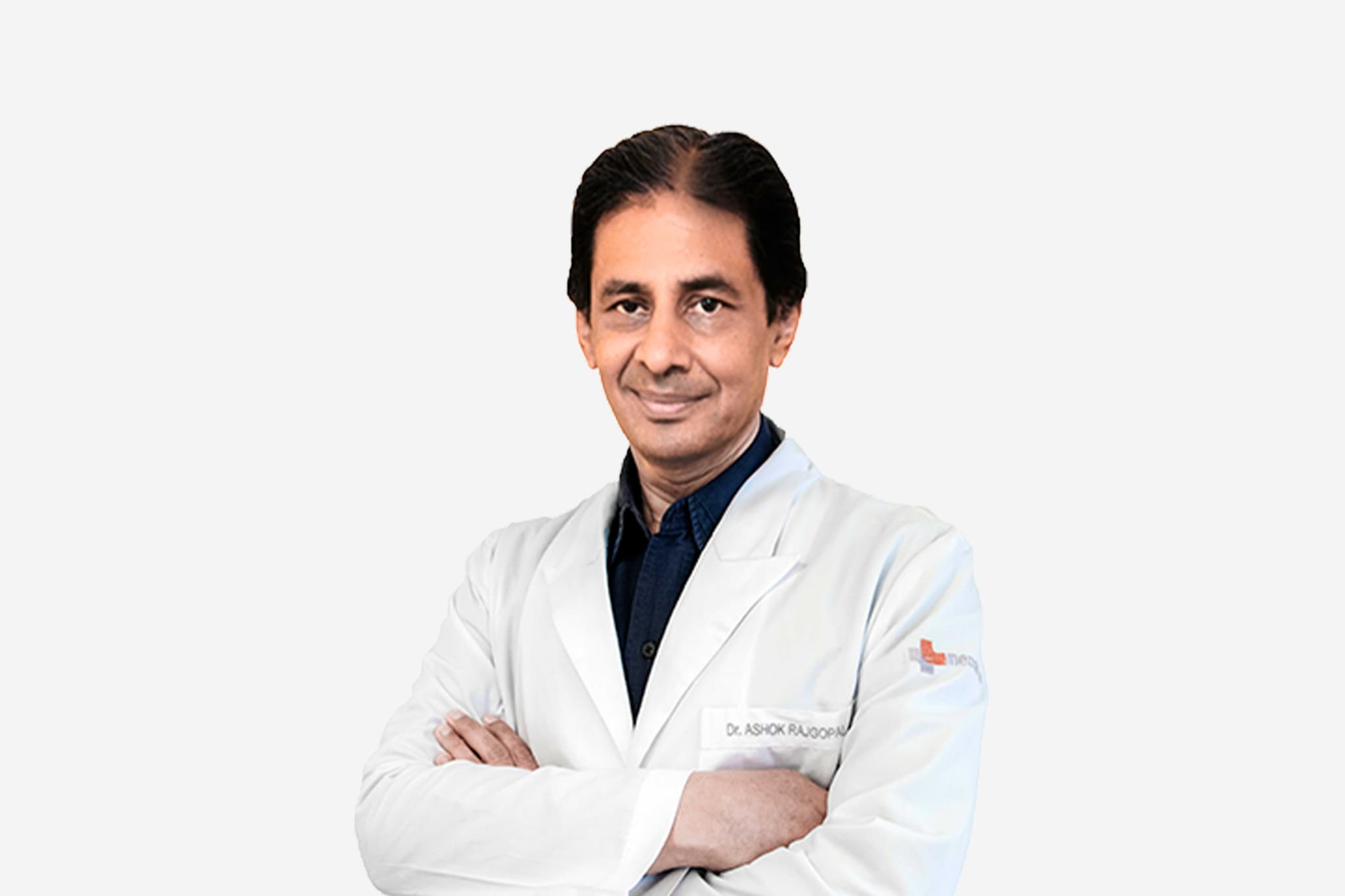
Dr Ashok Rajgopal
Dr Ashok Rajgopal
Orthopedic Surgeon, Joint Replacement Surgeon
Medanta - The Medicity, Gurugram
50+years experience
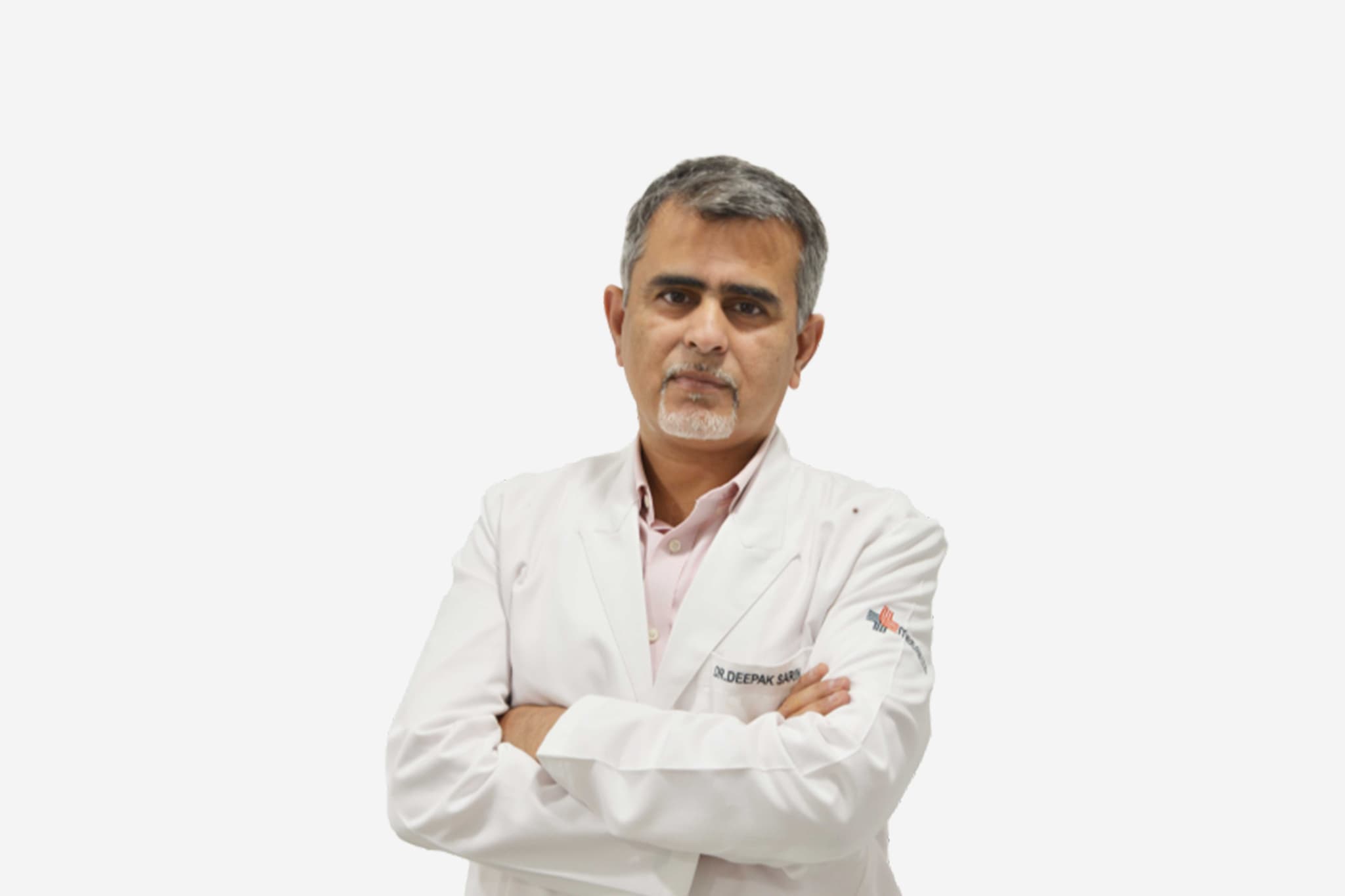
Dr Deepak Sarin
Dr Deepak Sarin
Head & Neck Onco-Surgeon
Medanta - The Medicity, Gurugram
32+years experience
Dr Harsh Vardhan Puri
Lung Transplant Surgeon, Thoracic Surgeon, Thoracic Onco-Surgeon
Medanta - The Medicity, Gurugram
20+years experience
Dr Manish Vaish
Dr Manish Vaish
Spine Surgeon, Neurosurgeon
Medanta Super Specialty Hospital, Noida
30+years experience
Dr Manoj Kumar Singhal
Nephrologist, Kidney Transplant Surgeon
Medanta Super Specialty Hospital, Noida
39+years experience
Dr Naresh Trehan
Dr Naresh Trehan
Cardiac Surgeon
Medanta - The Medicity, Gurugram
57+years experience
Dr Narmada Prasad Gupta
Urologist
Medanta - The Medicity, Gurugram
56+years experience
Dr Praveen Chandra
Dr Praveen Chandra
Interventional Cardiologist
Medanta - The Medicity, Gurugram
37+years experience
Dr Rajeev Agarwal
Dr Rajeev Agarwal
Surgical Oncologist
Medanta - The Medicity, Gurugram
47+years experience
Dr Sanjay Gogoi
Dr Sanjay Gogoi
Urologist, Kidney Transplant Surgeon, Uro-Oncologist
Medanta - The Medicity, Gurugram
36+years experience
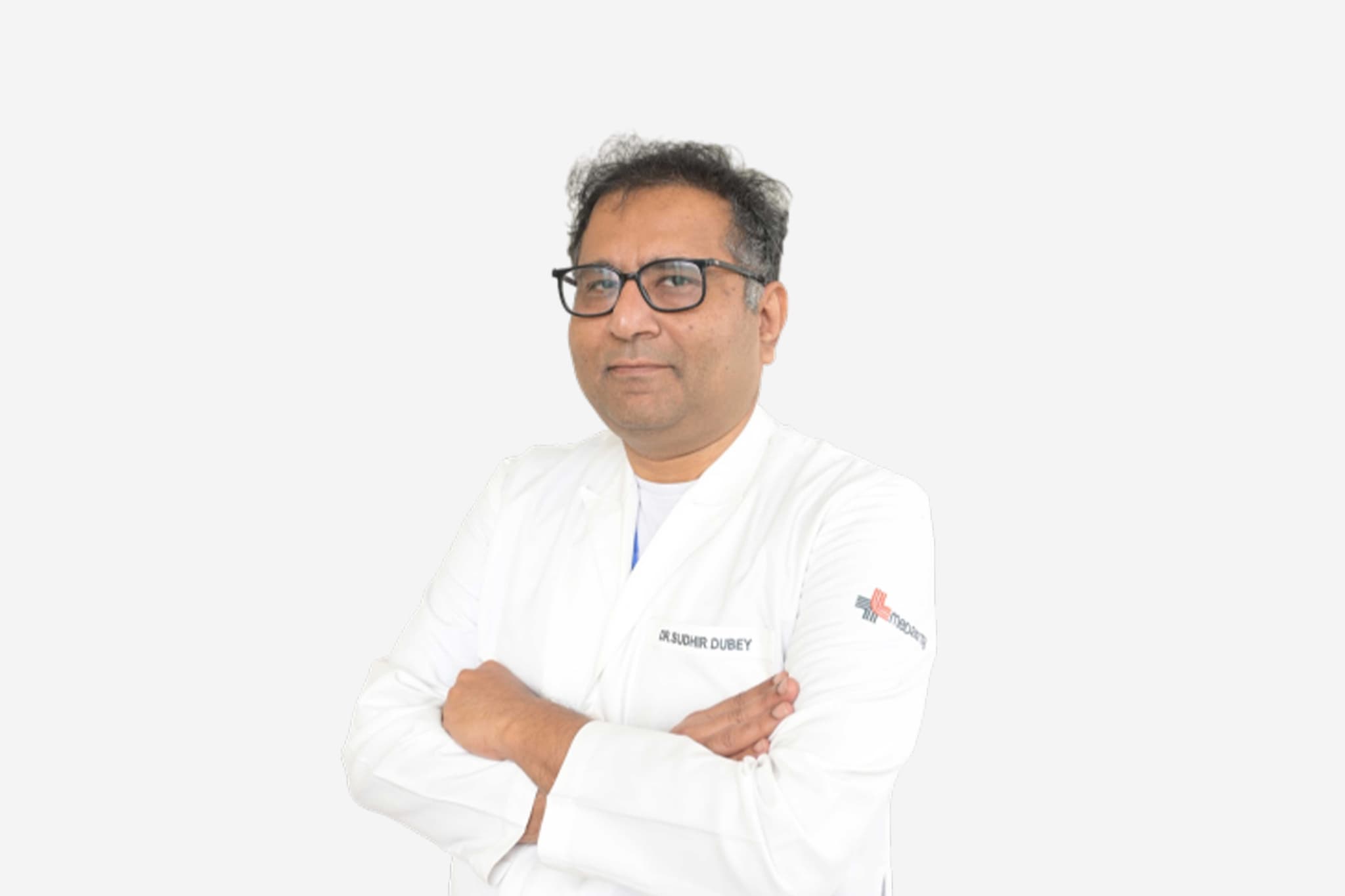
Dr Sudhir Dubey
Dr Sudhir Dubey
Neurosurgeon
Medanta - The Medicity, Gurugram
31+years experience
Dr Sudipto Pakrasi
Dr Sudipto Pakrasi
Glaucoma Specialist, Cornea Specialist, Cataract Surgeon
Medanta - The Medicity, Gurugram
44+years experience
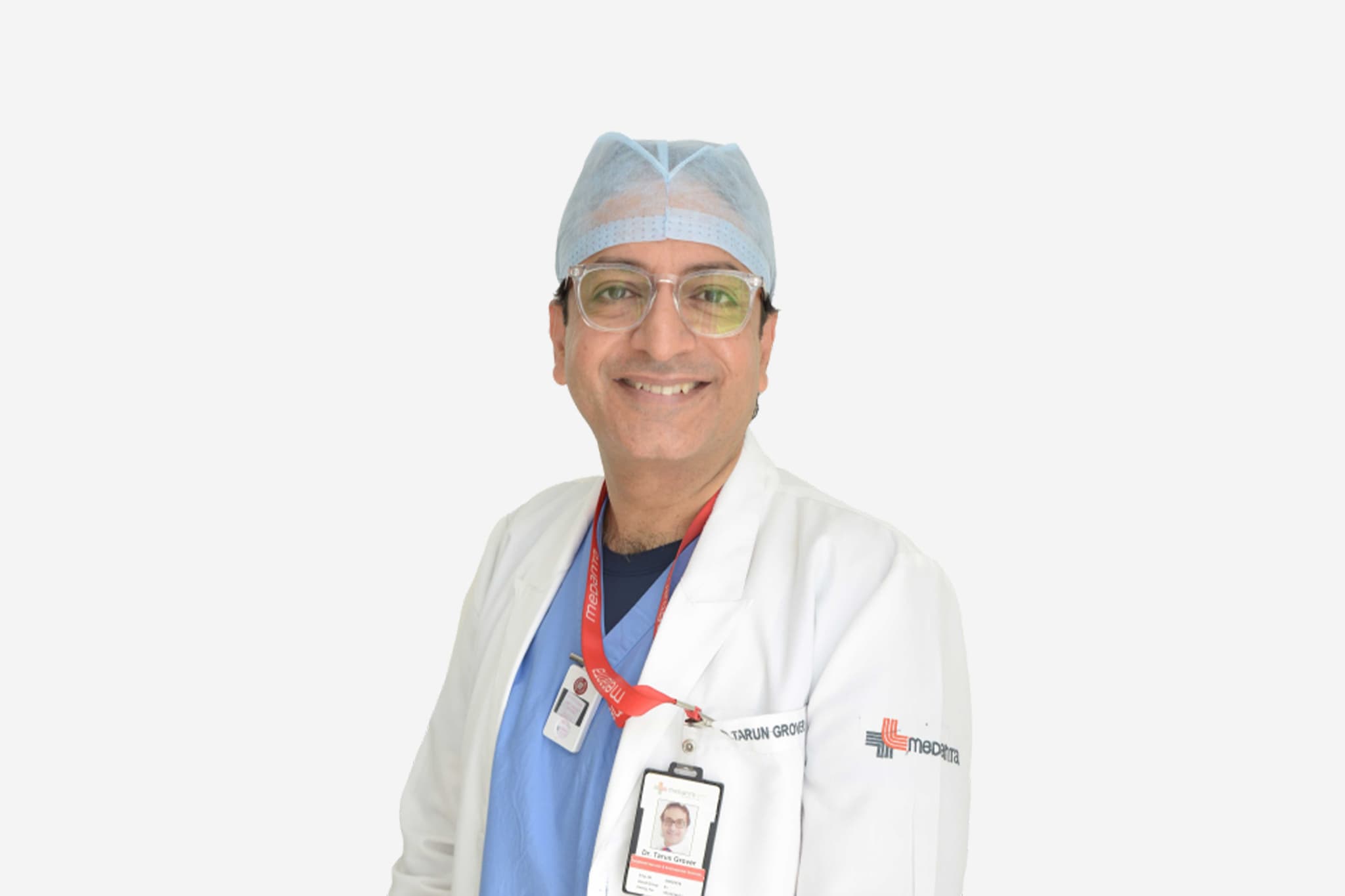
Dr Tarun Grover
Dr Tarun Grover
Vascular Surgeon
Medanta - The Medicity, Gurugram
31+years experience
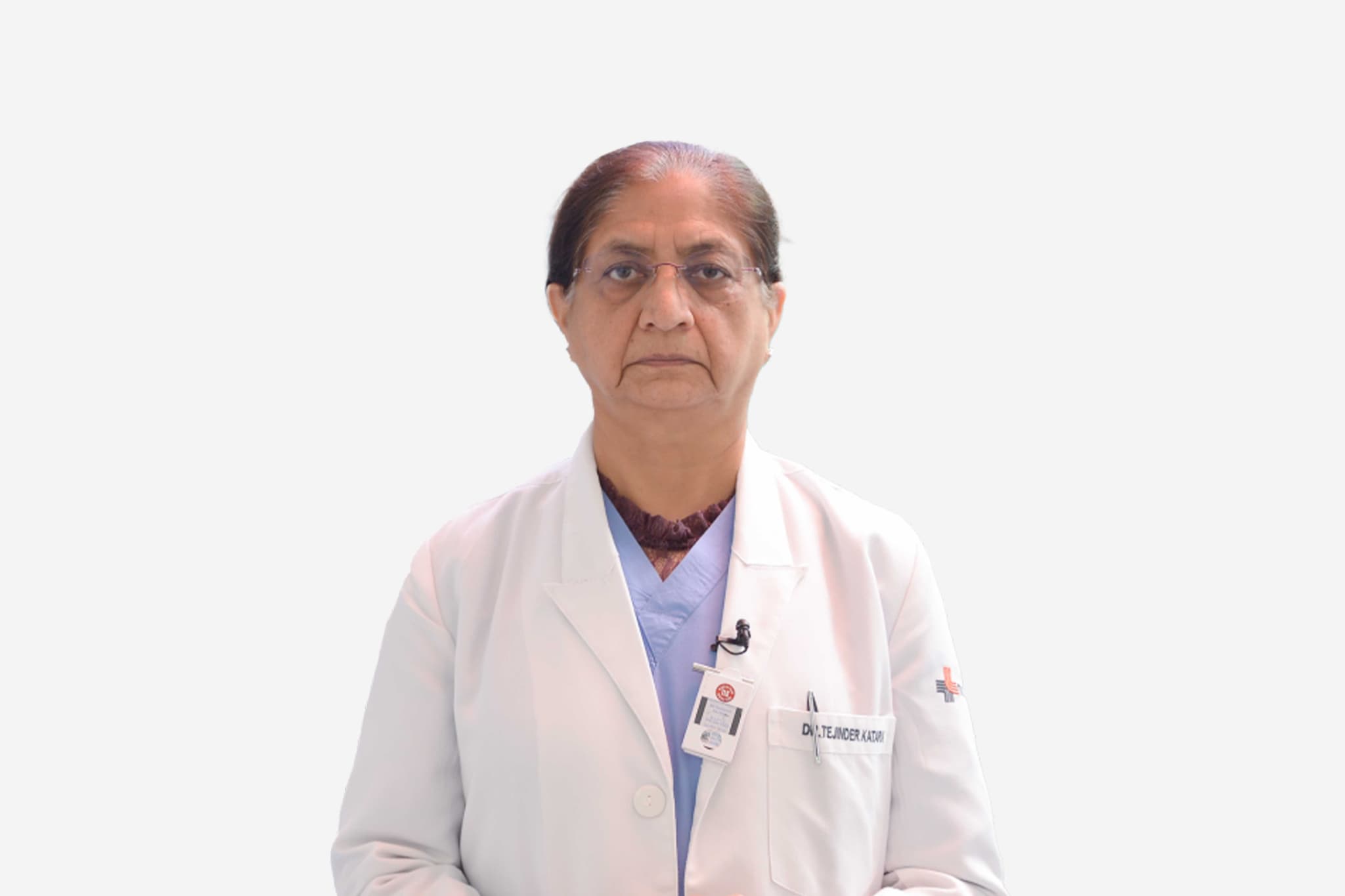
Dr Tejinder Kataria
Dr Tejinder Kataria
Radiation Oncologist
Medanta - The Medicity, Gurugram
42+years experience

May we help you?

Enter digits only (6-15 digits). We'll add your country code.