CT Scan
CT Scan (Computed Tomography)
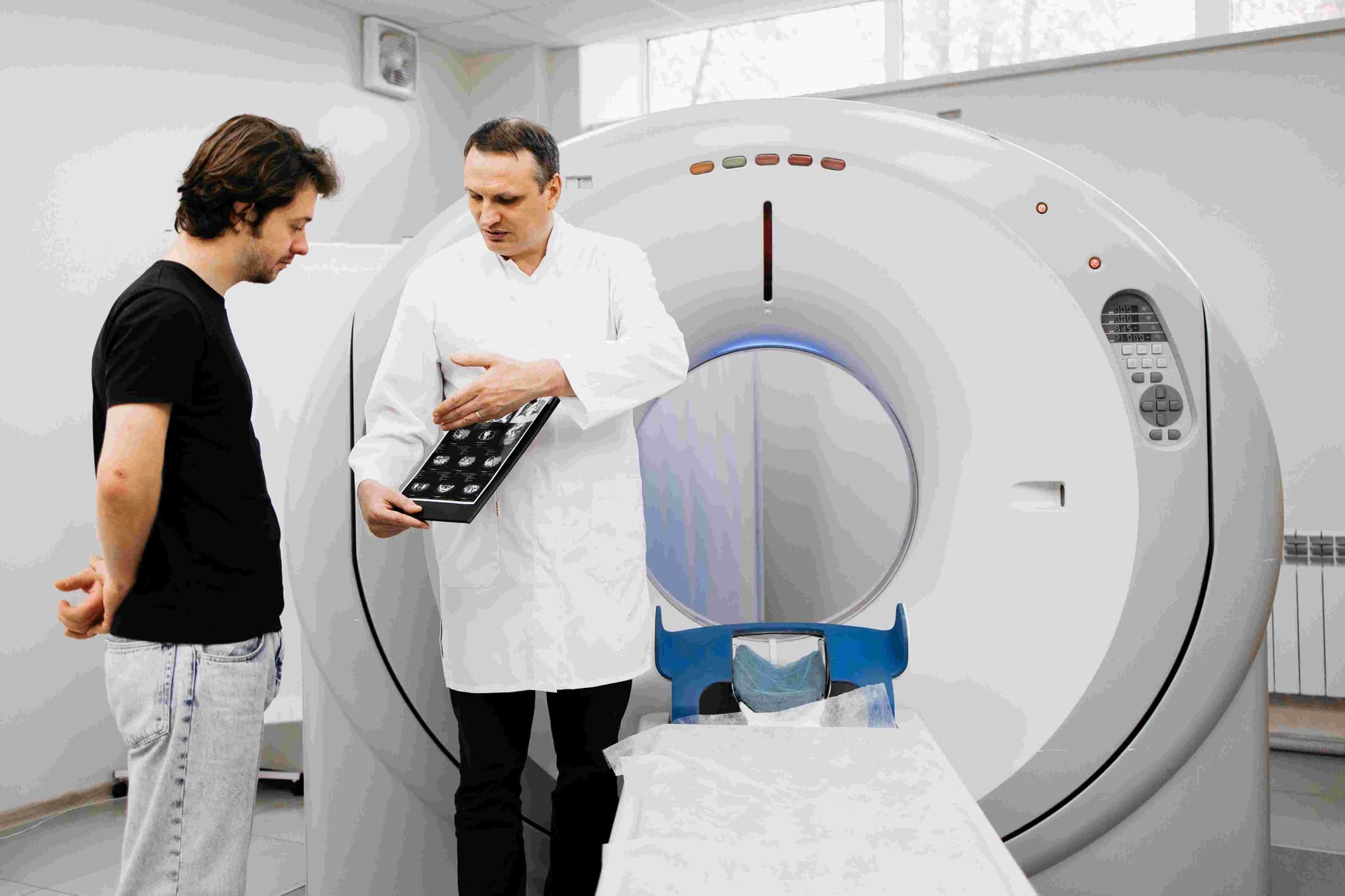
A CT Scan (Computed Tomography) is an advanced, non-invasive imaging test that combines a series of X-ray images taken from different angles with computer processing to create highly detailed, 3D cross-sectional views (slices) of your bones, blood vessels, and soft tissues. It provides far more clarity and detail than a standard flat X-ray.
How a CT Scan Works
Motorized Table Positioning: You lie flat on a motorized table that slowly slides into a large, donut-shaped CT scan machine.
360-Degree X-Ray Rotation: An X-ray tube rotates rapidly around your body inside the ring, emitting narrow beams of radiation.
Digital Slice Processing: Detectors capture the radiation passing through your tissues, and a computer processes this data into detailed virtual CT scan "slices" of your anatomy.
Why a CT Scan Is Done (Indications)
Emergency Medicine: Rapidly detecting internal bleeding, brain injuries, or organ damage after an accident or trauma.
Disease Diagnosis: Spotting tumors, tracking the stage of various cancers, and detecting infections like pneumonia or appendicitis.
Vascular & Heart Health: Identifying blood clots, aneurysms, or blockages in the blood vessels.
Guided Procedures: Helping doctors locate exactly where to perform a tissue biopsy or plan targeted radiation treatments.
CT Scan Contrast Dye Role
Intravenous (IV) Injection: Given through a vein in your arm to highlight the vascular system, liver, or kidneys; it often causes a temporary wave of warmth or a metallic taste.
Oral Administration: A liquid you drink to completely coat and highlight your stomach and digestive tract.
Enema Administration: Instilled directly into the rectum to clearly visualize the lower intestines.
CT Scan Risks & Considerations
Radiation Exposure: While a single CT scan exposes you to minimal radiation, repeated diagnostic scans over time slightly increase lifetime cancer risks.
Contrast Reactions: Mild allergic reactions like hives or itching can occur, though severe reactions are rare and closely monitored.
Kidney Health: Contrast dye can stress the kidneys, requiring a Kidney Function Test before a CT scan for patients with pre-existing kidney conditions.
Pregnancy Precautions: Because radiation can potentially harm a developing fetus, alternative tests like Ultrasound or MRI are typically used instead of a CT scan.
Top Doctors for CT Scan in India




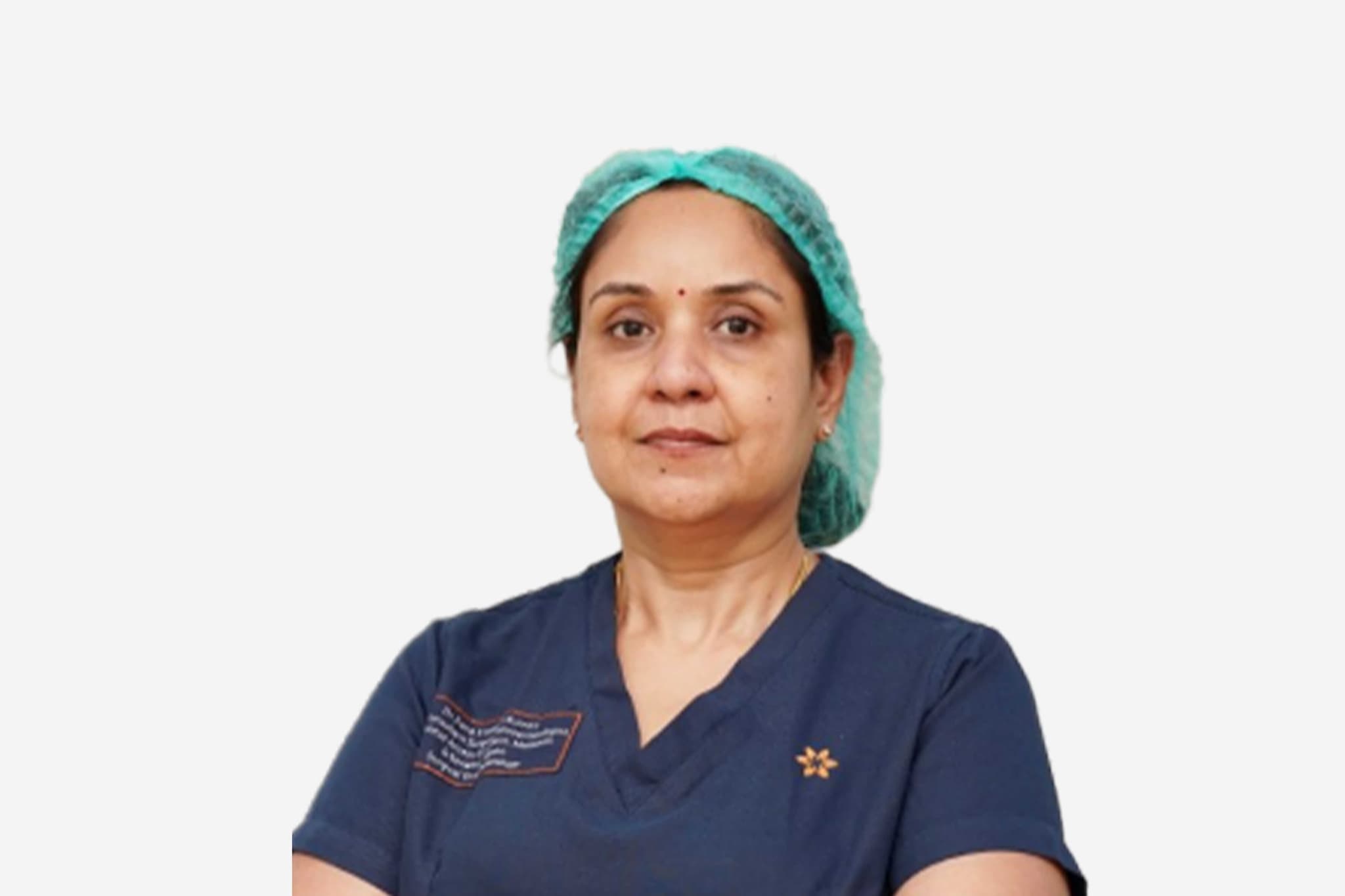

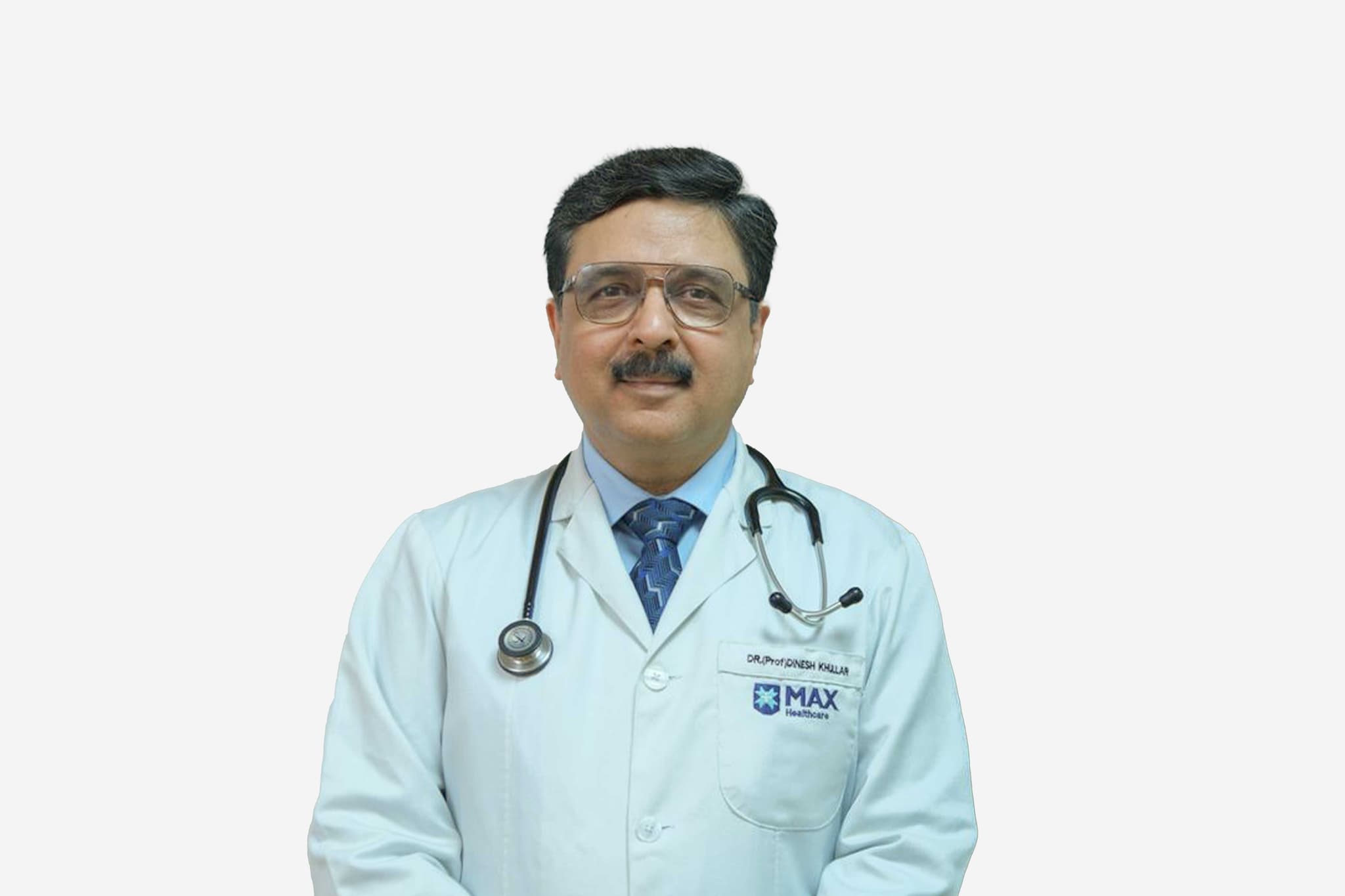
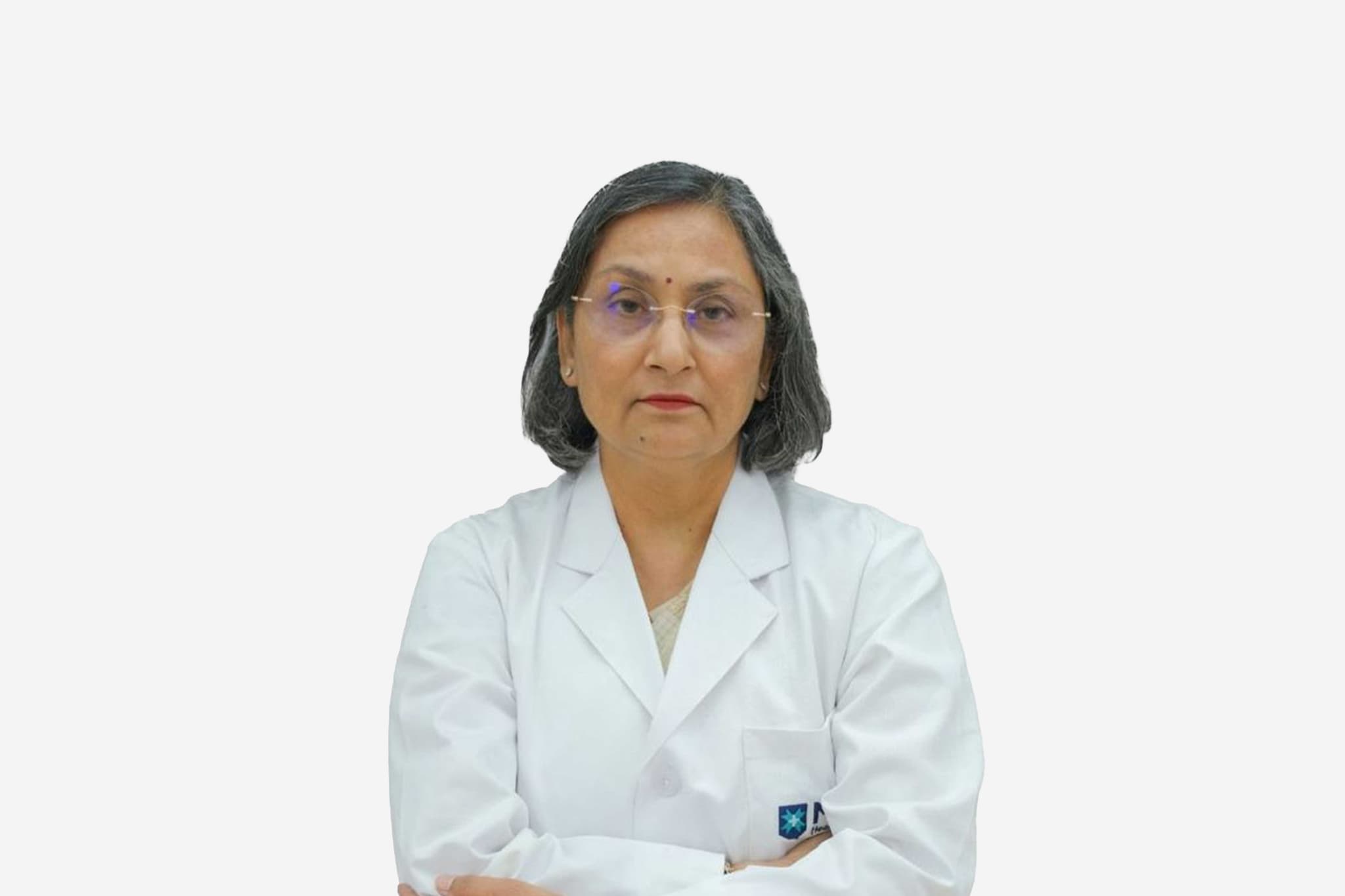






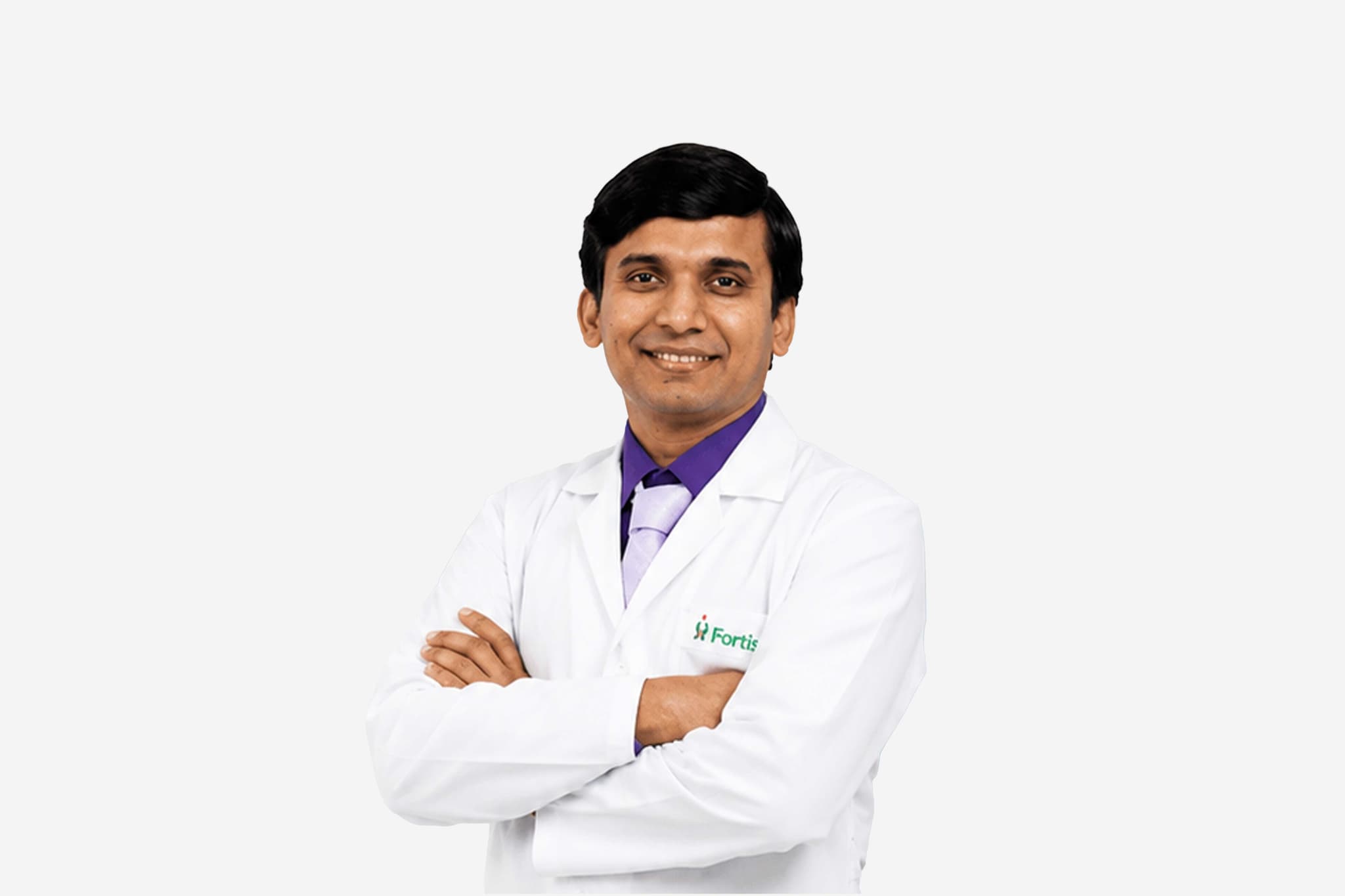
Cardiothoracic & Vascular Surgeon, Cardiac Surgeon
Sakra World Hospital, Bengaluru
16+years experience
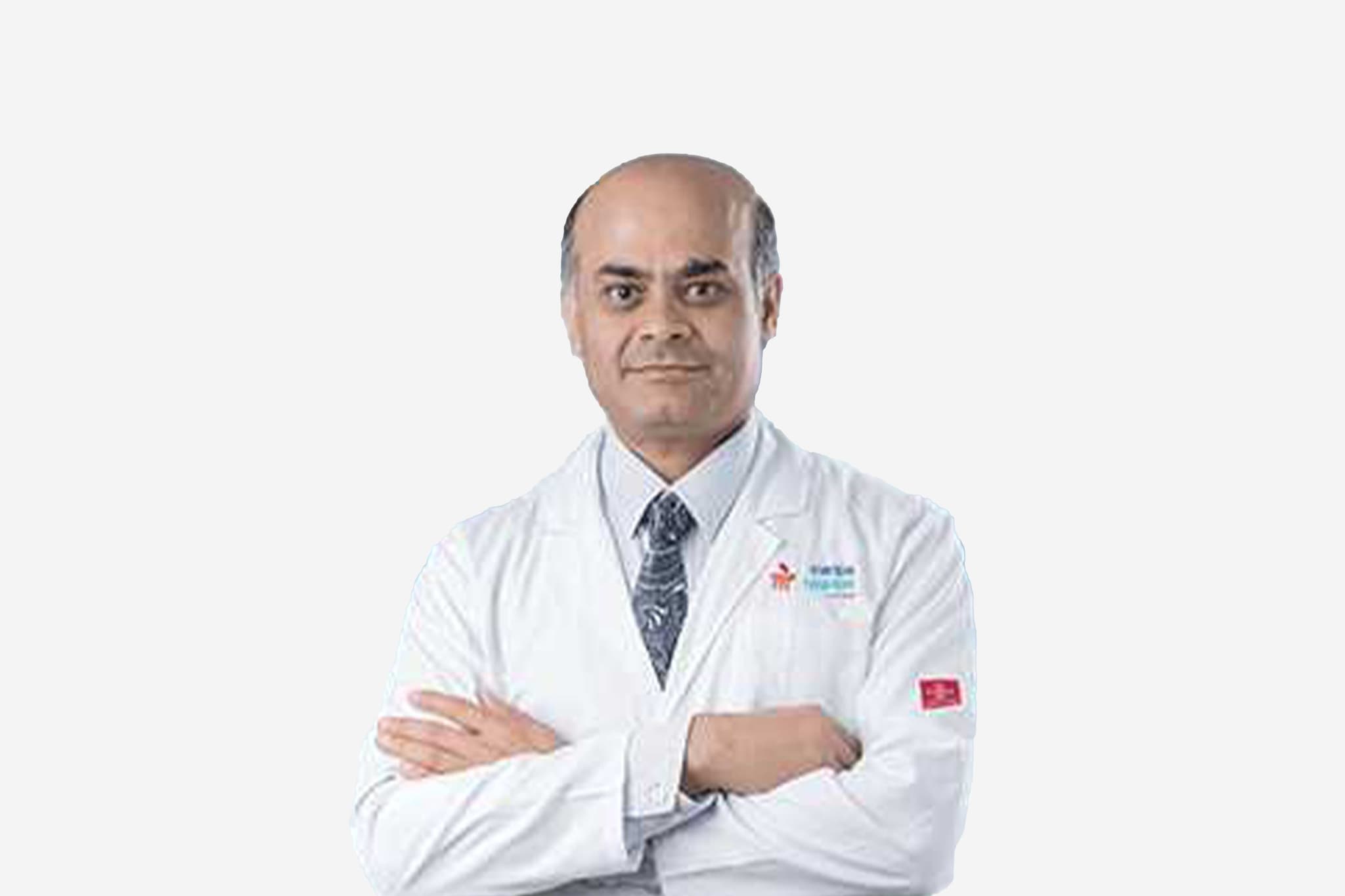









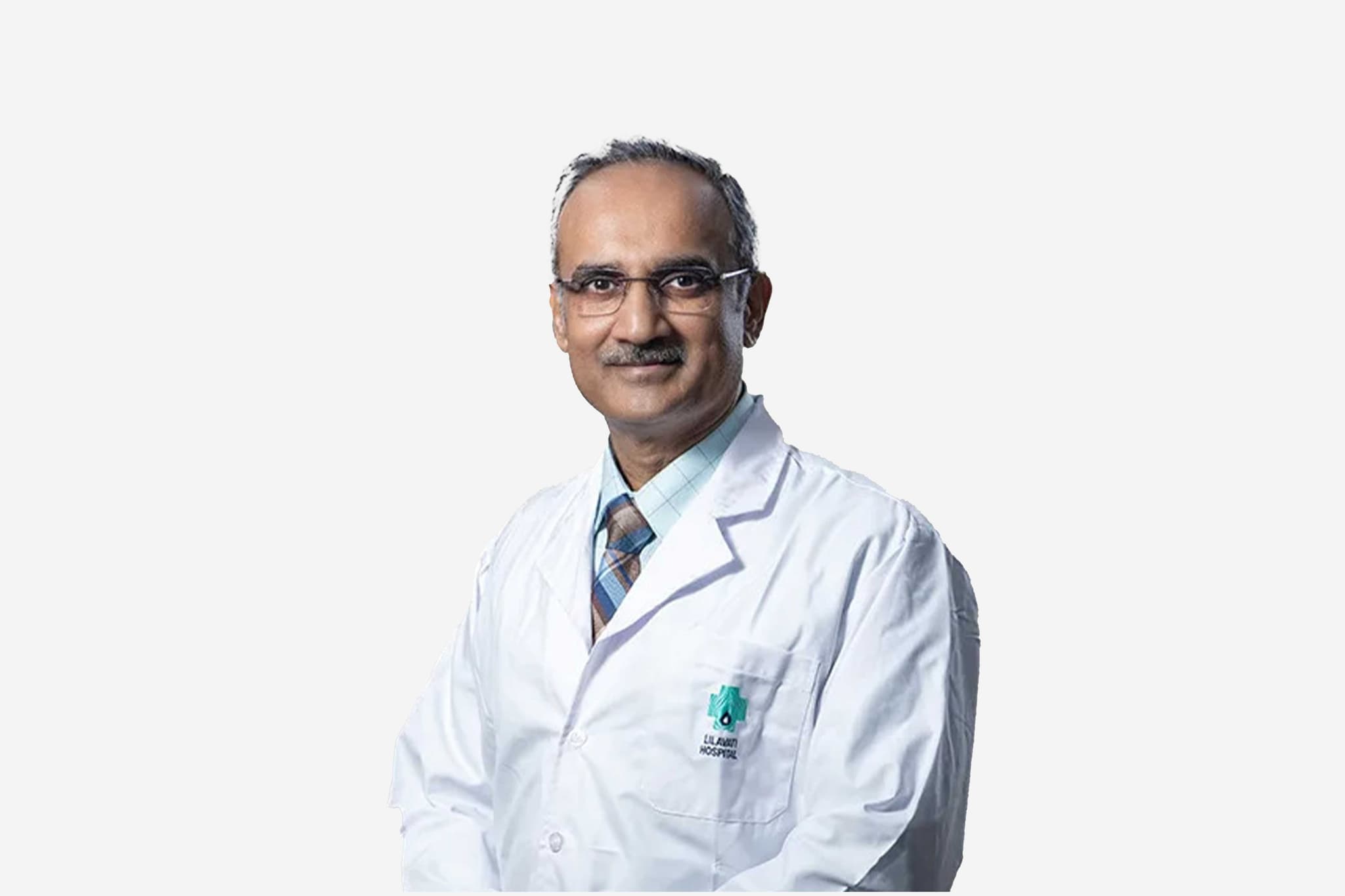





Cardiothoracic & Vascular Surgeon, Lung Transplant Surgeon
MGM Healthcare, Chennai
48+years experience
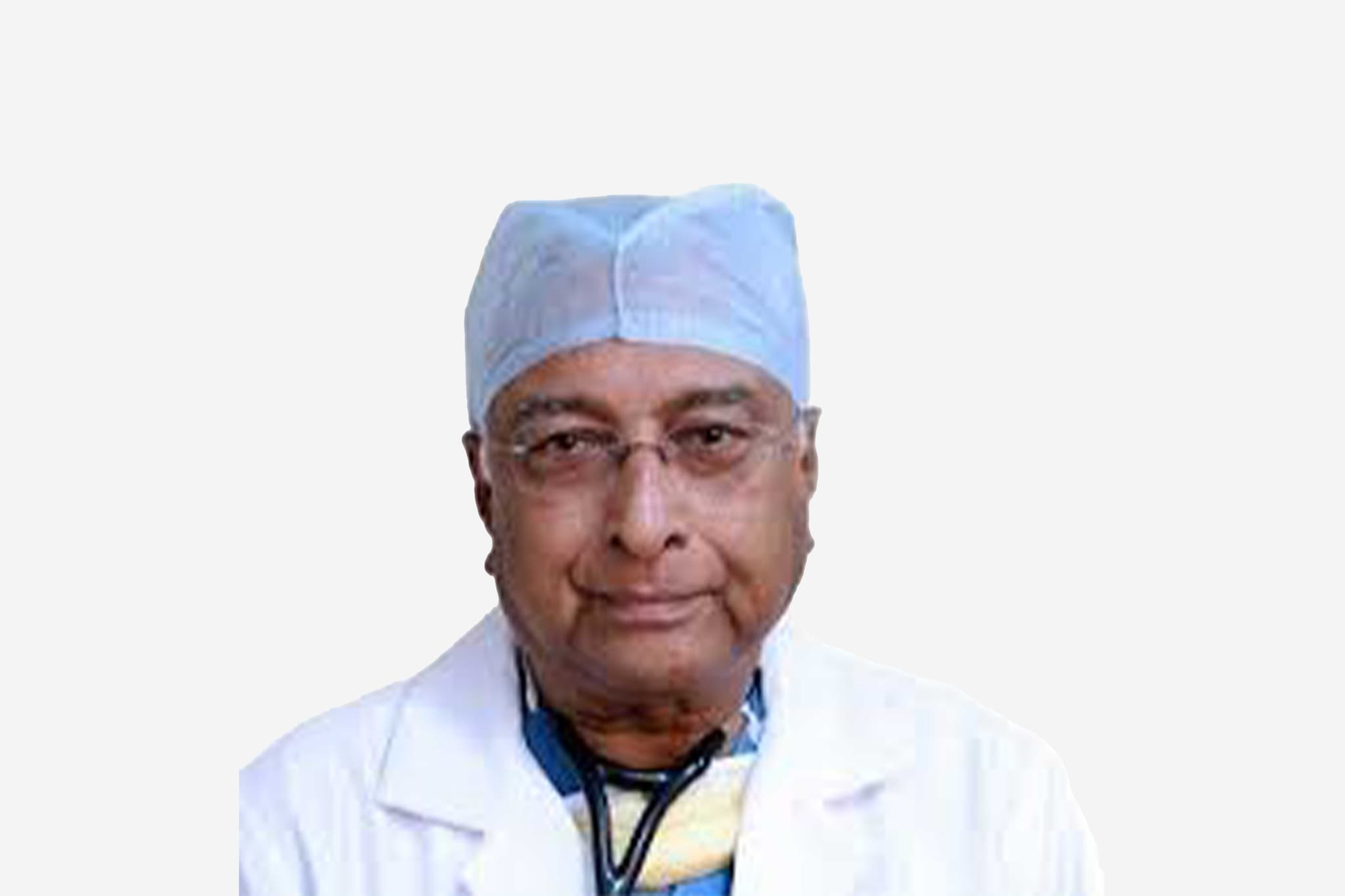
Cardiothoracic & Vascular Surgeon, Heart Transplant Surgeon
SIMS Hospital, Chennai
43+years experience





































































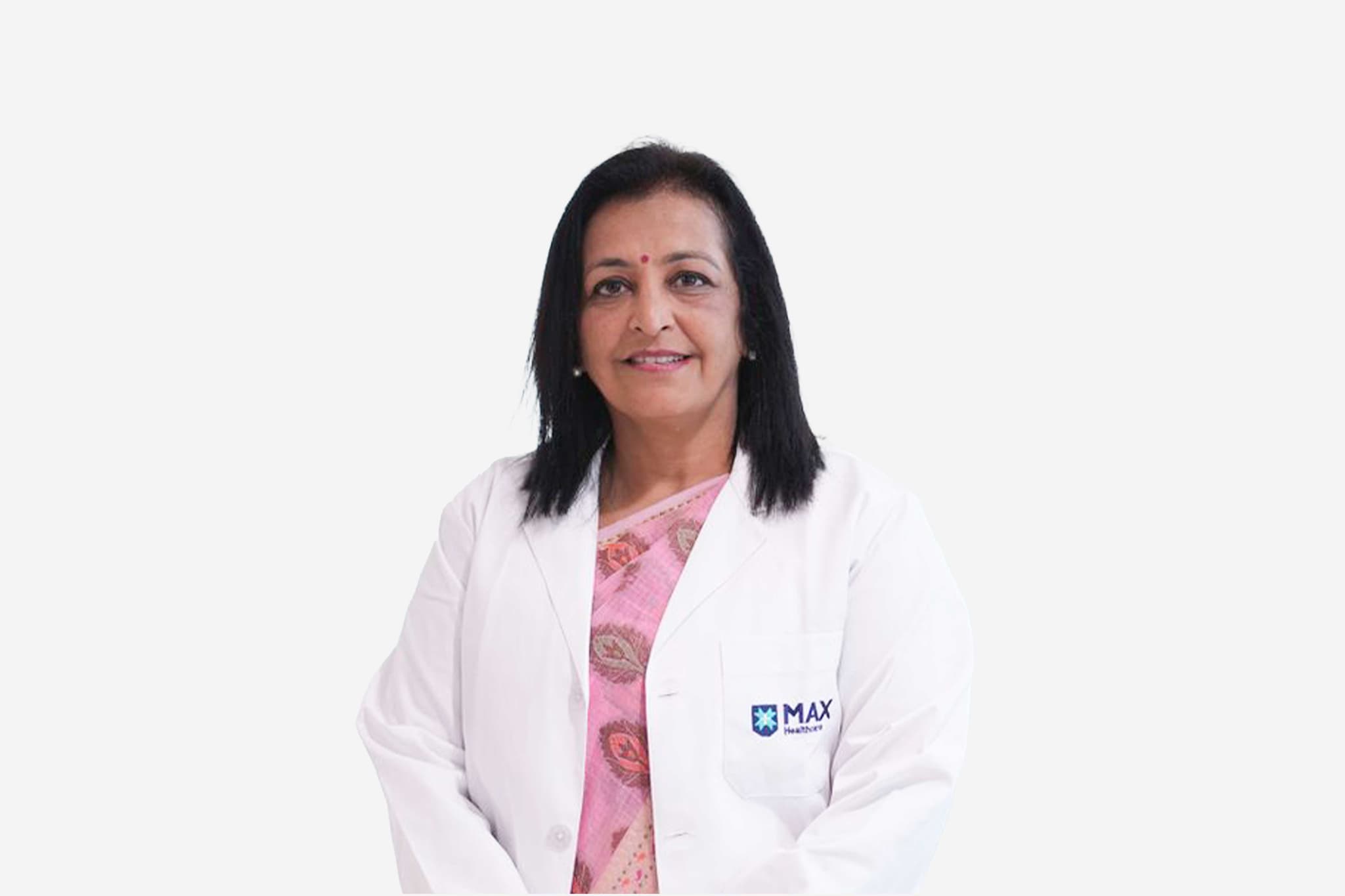


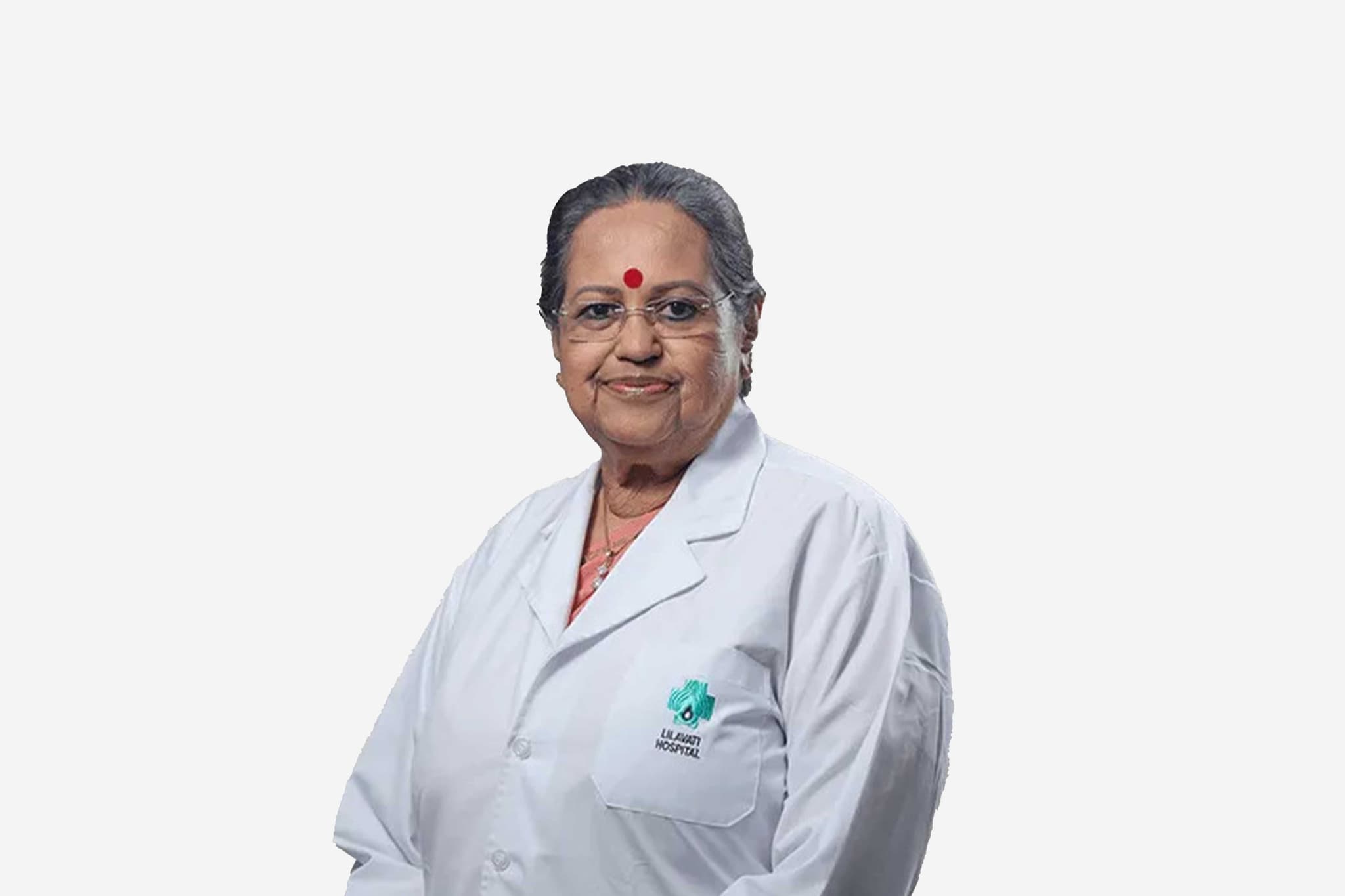






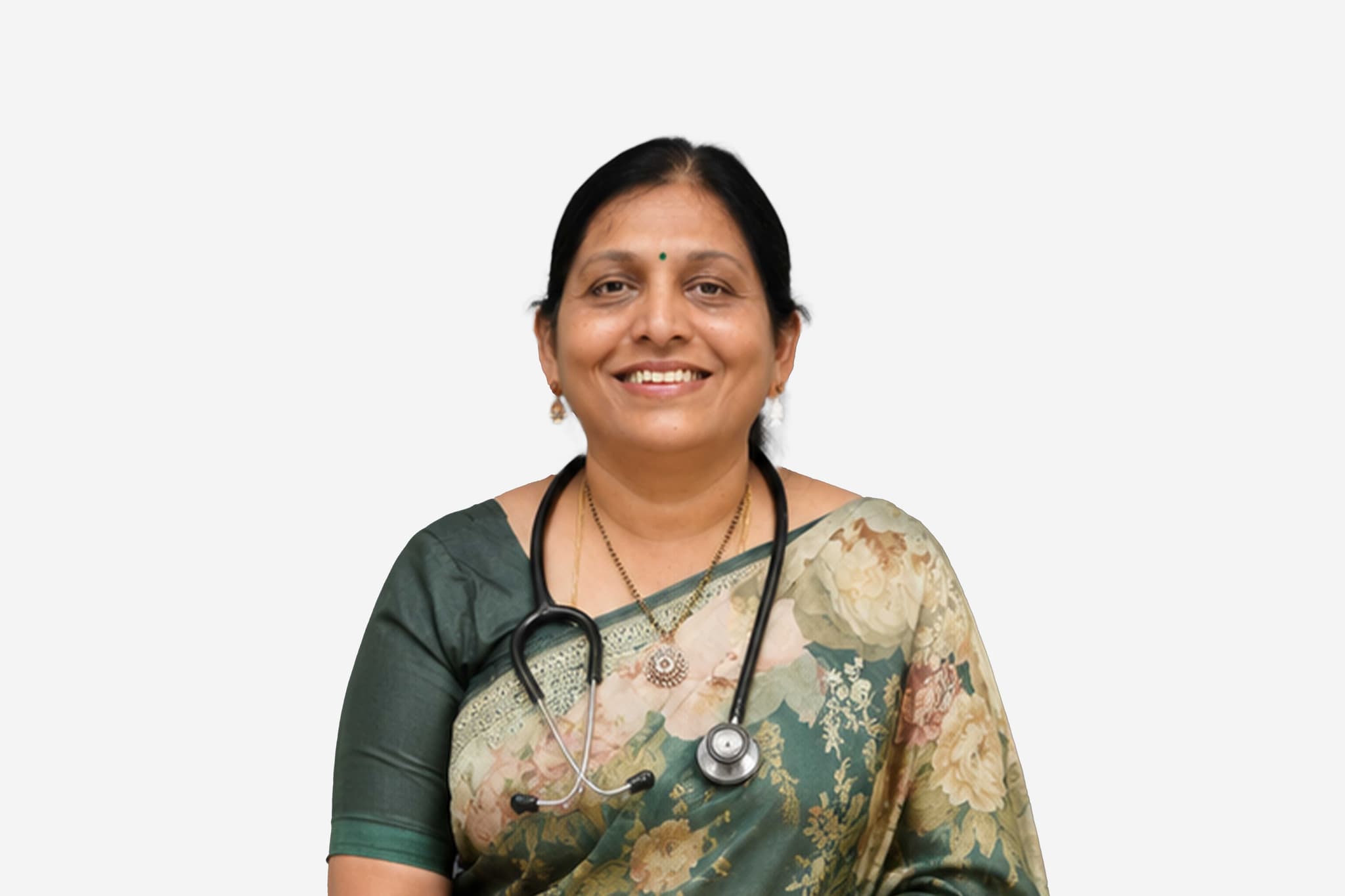
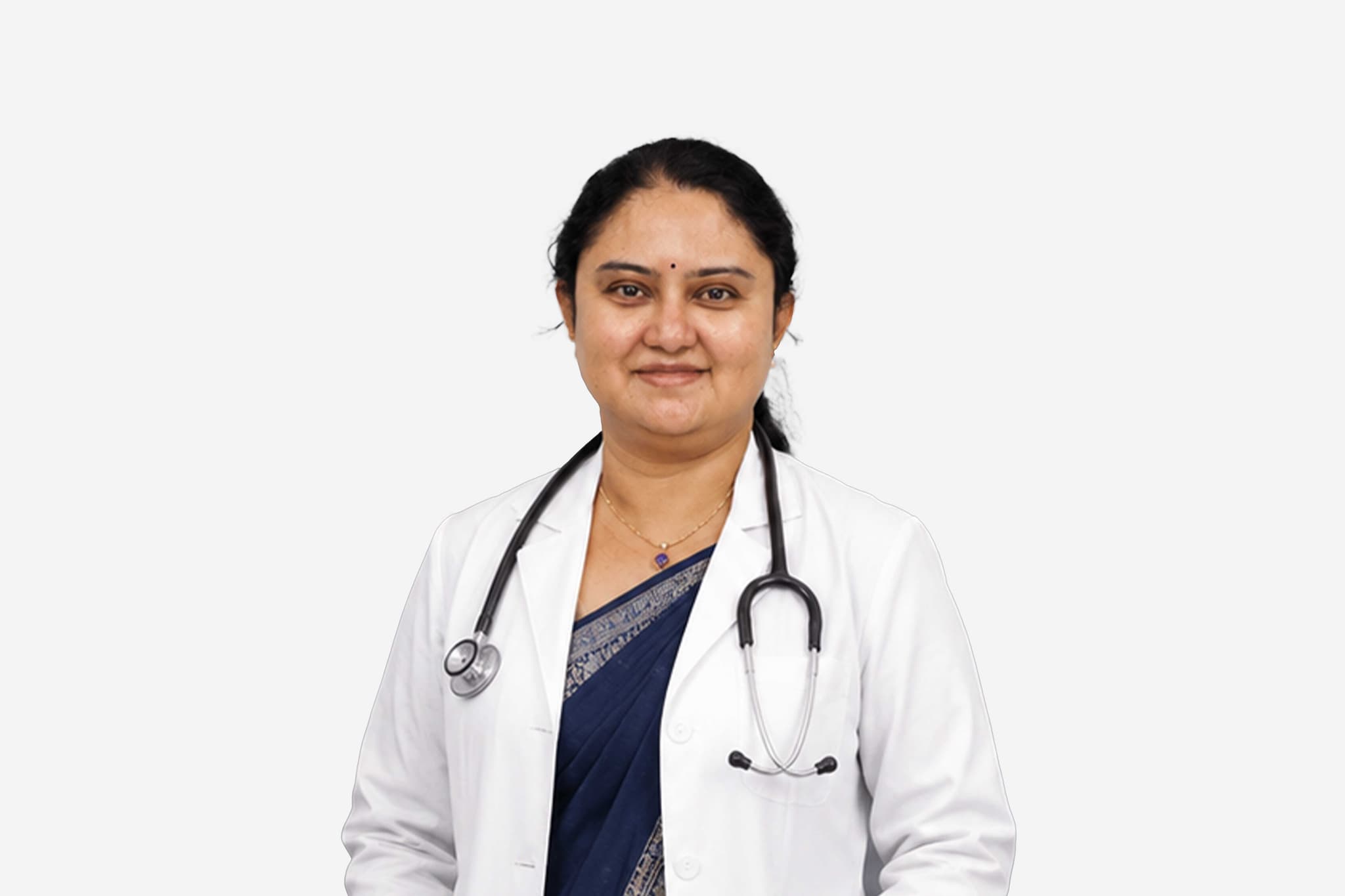






































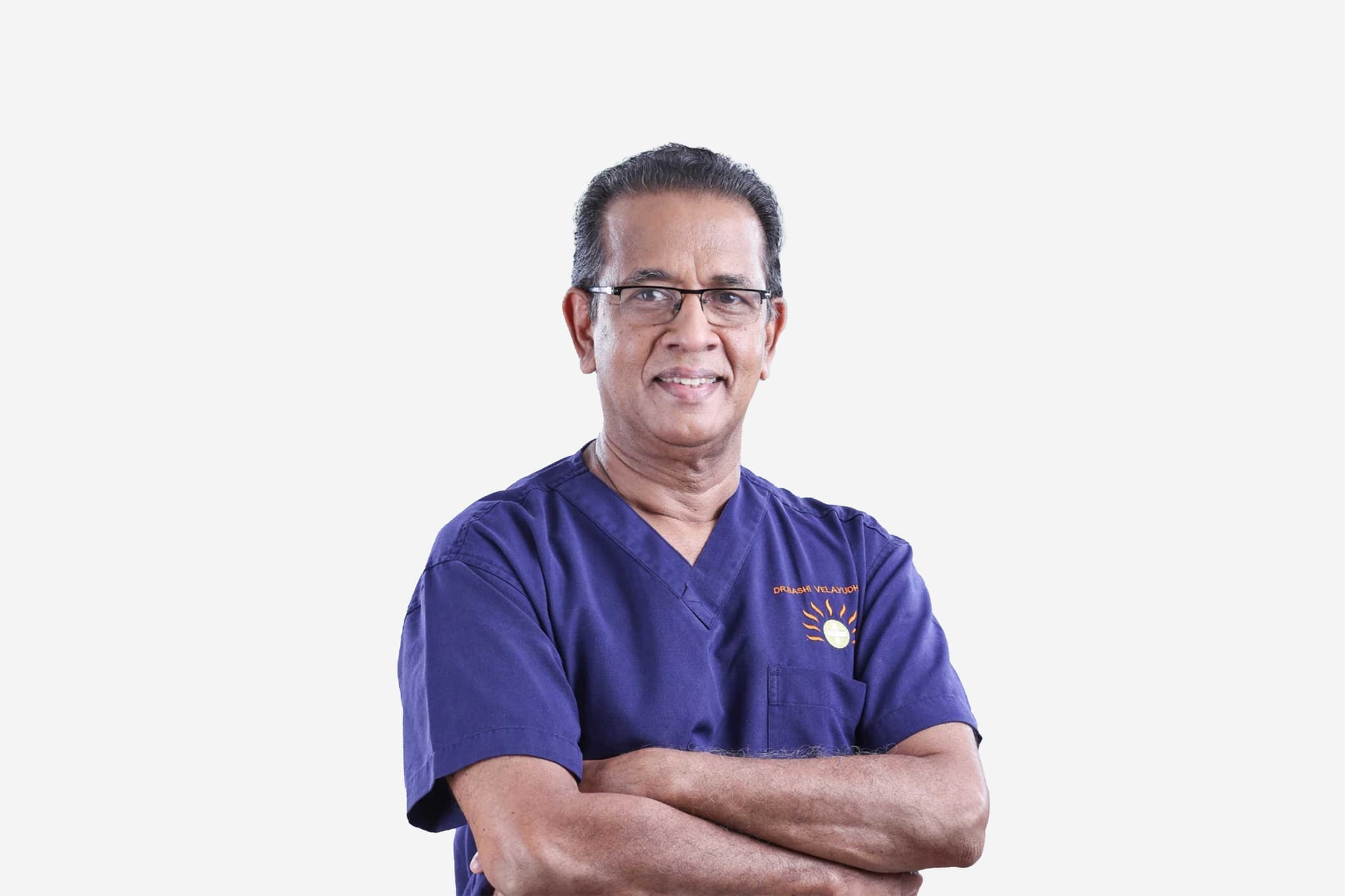
Cornea Specialist, Refractive Surgeon
Apollo Health City, Jubilee Hills, Hyderabad
25+years experience
































































































































Hemato-Oncologist, Medical Oncologist
Fortis Memorial Research Institute, Gurugram
15+years experience