
Medivisor India Treatment Logo
  • Home
  • About Us
    • About Us
    • Our Services
    • Our Team
    • Our Medical Advisors
    • Our Safety Measures
  • India Treatment
    • Hospitals

      Loading...

    • Treatments

      Loading...

    • Treatment Cost
    • Treatment Process
    • Visa Process
    • Travel Guide
    • FAQs
    • Why Medivisor
  • Gallery
    • Patient Testimonials
    • Patient Activities
    • News Coverage
    • Blog
  • Contact Us
Medivisor Logo

Connecting patients worldwide to world-class medical care in India with comprehensive support services.

Services

  • Medical Consultation
  • Hospital Selection
  • Visa Assistance
  • Travel Arrangements
  • Accommodation

Treatments

  • Cardiac Surgery
  • Orthopedics
  • Oncology
  • Neurosurgery
  • Transplants

Contact

  • Medivisor House 359, Sector 1, Vaishali, Ghaziabad, (Delhi/NCR) India
  • +91 8340 780 250
  • info@medivisorhealth.com

© 2026 Medivisor India Treatment. All rights reserved.

Fortis Escorts Hospital, Jaipur hospital
Fortis Hospitals Group

Fortis Escorts Hospital, Jaipur

Sector 5, Malviya Nagar, Jaipur, Rajasthan 302017

Accreditation 1
Accreditation 2
  1. Home
  2. Hospitals
  3. Fortis Escorts Hospital, Jaipur

Quick Overview

2007

Established

Multi-Super

Speciality

275+

Beds

90+

Doctors

Fortis Escorts Hospital, Jaipur

Fortis Escorts Hospital, Jaipur, stands as a premier tertiary-level healthcare institution and a beacon of advanced medical care in Rajasthan. As the first facility in the region to achieve NABH accreditation shortly after its establishment, it has spent nearly two decades defining the standard for clinical excellence. Occupying a sprawling 6.67-acre campus, this multi-super-specialty hospital combines massive scale with a commitment to personalized healing, having served over 25 lakh patients with a focus on high-quality medical outcomes and safety.

Why Patients Trust Fortis Escorts Hospital

The hospital has earned its reputation as the most trusted healthcare provider in Rajasthan through a consistent focus on transparency, ethics, and clinical success. Patients from across the state and beyond choose this facility for its multidisciplinary approach and the presence of highly skilled specialists. Its leadership is reflected in its rankings, consistently being named the best multi-specialty hospital in Rajasthan by prestigious national surveys. This trust is further reinforced by its adherence to rigorous international protocols and its status as a pioneer in nursing excellence and patient safety.

Excellence in Advanced Care

The hospital offers a vast range of specialized medical and surgical services, utilizing a multidisciplinary approach to treat complex health conditions:

  • Cardiac Sciences: A leader in the region for pediatric and adult cardiac surgery, featuring advanced Cath Labs and 3D electro-physiology studies.

  • Orthopedics & Robotics: Home to advanced MAKO robotic-arm assisted surgery and computer navigation for high-precision joint replacements.

  • Neurosciences: A dedicated Brain Stroke Unit with a specialized ICU, utilizing neuro-navigation and high-end neuro-microscopes for intricate surgeries.

  • Oncology: Comprehensive cancer care including specialized Onco-surgery and advanced therapies like HIPEC (Hyperthermic Intraperitoneal Chemotherapy).

  • Renal Sciences: World-class dialysis facilities offering CRRT and SLED for critical kidney care.

  • Mother and Child Health: Featuring Level III Neonatal ICUs (NICU) and specialized pediatric intensive care.

  • Specialized Surgery: Expertise in GI and bariatric surgery, hand and microsurgery, and plastic and reconstructive procedures.

World-Class Facilities and Technology

The infrastructure is meticulously designed to support the highest levels of sterility and surgical precision:

  • State-of-the-Art OTs: 12 modular operation theaters equipped with laminar flow systems and advanced space suits to ensure a sterile environment.

  • Advanced Diagnostics: Equipped with 128-slice CT scans, 1.5 Tesla MRI, EBUS (Endobronchial Ultrasound), and EUS (Endoscopic Ultrasound) for early and accurate diagnosis.

  • Critical Care Infrastructure: A massive 100-bed medical ICU and dedicated units for Neuro, Cardiac, and Pediatric intensive care.

  • Surgical Innovation: Utilizing the 4K Neuro Microscope and 100 Watt Holmium Laser for minimally invasive and high-precision interventions.

  • Comprehensive Triage: 24/7 emergency response units with transport ventilators and fully trained trauma caregivers.

Easy Access for Patients

Located conveniently in Jaipur, the hospital provides a holistic environment designed for the comfort of patients and their families.

  • Round-the-Clock Support: 24/7 in-house pharmacy, blood bank, and advanced life-support ambulance services.

  • Patient Amenities: The campus includes dedicated waiting lounges, prayer rooms, yoga areas, and cafeterias to ensure a supportive healing environment.

  • Specialized Clinics: Focused care through dedicated units like the Heart Failure Clinic, Headache Clinic, and MS Clinic.

  • Community Integration: Extensive outreach through peripheral OPDs, health connect programs, and international patient services.

Fortis Escorts Hospital Jaipur at a Glance

The hospital’s commitment to healthcare leadership is demonstrated by its numerous accolades and high service standards:

  • Top-Tier Rankings: Ranked #1 in Cardiology and Nephrology in Rajasthan by the Outlook Ranking 2023.

  • Prestigious Accreditations: Holds certifications from NABH for the hospital, blood bank, and ethics committee, along with NABL accreditation for laboratory services.

  • Nursing Pioneer: The first hospital in Rajasthan to achieve NABH Nursing Excellence accreditation.

  • Technological Frontrunner: A regional leader in robotic joint replacements and advanced neuro-interventional procedures.


Read about the Fortis Hospitals Group

May we help you?

Enter digits only (6-15 digits). We'll add your country code.

Available Treatments

Abdominoplasty (Tummy Tuck)

Abdominoplasty, or a tummy tuck, is a major surgical procedure designed to remove excess abdominal skin and fat while tightening weakened or separated muscles. It is most commonly sought after pregnancy or significant weight loss when the skin lacks the natural elasticity to retract on its own.


This procedure is ideal for individuals who have stabilized their weight but struggle with abdominal concerns that do not respond to diet or exercise. Key indications include:


  • Skin Laxity: Loose, sagging skin on the abdomen following pregnancy or massive weight loss.


  • Diastasis Recti: Separation of the abdominal muscles, which often causes a persistent protrusion or "bulge."


  • Excess Stubborn Fat: Localized fat deposits in the midsection that resist traditional weight loss methods.


  • Poor Core Stability: Weakened abdominal walls that contribute to back pain or poor posture.


  • Significant Contouring Needs: When a patient is at their goal weight but desires a firmer, flatter midsection.


  • Full (Standard) Abdominoplasty: Addresses both the upper and lower abdomen, involving a hip-to-hip incision and repositioning of the navel.


  • Mini Tummy Tuck: Focuses specifically on the area below the belly button with a smaller incision and no navel repositioning.


  • Extended Tummy Tuck: Targets the abdomen and the flanks (love handles) for a more comprehensive body contour.


  • Fleur-de-lis Abdominoplasty: Utilizes both vertical and horizontal incisions for patients with significant skin redundancy following massive weight loss.


  • Lipo-Abdominoplasty: Combines the skin tightening of a tummy tuck with liposuction for superior contouring and definition.


  • Surgical Access: A horizontal incision is made low on the abdomen, strategically placed to be hidden by swimwear or undergarments.


  • Muscle Repair: The surgeon pulls the weakened or separated abdominal muscles together and stitches them into a tighter, firmer position.


  • Tissue Removal: Excess skin and fat are carefully trimmed away to create a smooth abdominal profile.


  • Navel Repositioning: In full procedures, the belly button is brought through a new opening to maintain a natural appearance.


  • Closure and Drains: The incisions are closed with sutures, and surgical drains may be placed to prevent fluid accumulation during early healing.


  • Fasting: Patients are typically required to fast for 8–12 hours before the surgery.


  • Medical Clearances: Comprehensive blood tests and an ECG are conducted to ensure the patient is fit for general anesthesia.


  • Smoking Cessation: Patients must quit smoking several weeks before and after surgery to prevent tissue necrosis and healing complications.


  • Medication Review: Adjusting medications, specifically blood thinners or certain supplements, as directed by the surgical team.


  • Basic Blood Panel: To check hemoglobin levels and ensure there are no underlying infections.


  • ECG: To monitor the heart's rhythm and ensure safety during a procedure that lasts 2 to 5 hours.


  • Physical Assessment: To measure skin elasticity and the degree of muscle separation (diastasis recti).


  • Pregnancy Test: To ensure the patient is not currently pregnant, as the procedure is not recommended during or immediately before pregnancy.


  • Hospital Stay: Depending on the complexity, patients may go home the same day or stay for 1–2 days for observation.


  • Support Garments: A compression garment or abdominal binder must be worn 24/7 for approximately 6 weeks to reduce swelling.


  • Activity Restrictions: Light walking is encouraged immediately; however, heavy lifting (over 5–10 lbs) and strenuous exercise must be avoided for 6–8 weeks.


  • Long-Term Results: Final contours typically emerge within 3 to 6 months, while scars continue to fade over 12 to 18 months.


  • Improved Core Strength: Tightening the abdominal muscles provides better support for the spine and reduces back pain.


  • Enhanced Body Contour: Removes "overhanging" skin and stubborn fat for a flatter, firmer appearance.


  • Clothing Fit: Patients often find that clothing fits more comfortably and look more tailored to their frame.


  • Long-Term Solution: Provides permanent removal of excess skin and fat, assuming the patient maintains a stable weight.


Accessory Pathway Ablation (WPW)

Accessory pathway ablation is a definitive, minimally invasive procedure used to cure Wolff-Parkinson-White (WPW) syndrome and other forms of supraventricular tachycardia (SVT). The procedure targets a tiny, extra "electrical bridge"—known as an accessory pathway—that allows electrical signals to bypass the heart's normal routing system. This bypass creates a "short circuit," causing the heart to beat at abnormally fast rates, often between 150 and 250+ BPM. This procedure is considered the gold-standard cure, frequently eliminating the need for lifelong heart medication.


  • Wolff-Parkinson-White (WPW) Syndrome: For patients with a confirmed diagnosis who experience symptomatic fast heart rates (tachycardia).


  • Recurrent SVT Episodes: When episodes of supraventricular tachycardia do not respond well to medications or are frequent enough to disrupt daily life.


  • High-Risk ECG Features: The presence of a "Delta Wave" on a routine ECG, which indicates a bypass tract that could lead to dangerous heart rhythms.


  • Occupational Requirements: For individuals in high-risk professions, such as pilots, commercial drivers, or competitive athletes, where a fainting episode could be life-threatening.


  • Medication Avoidance: For patients who wish for a permanent cure to avoid the long-term side effects or the daily burden of anti-arrhythmic drugs.


  • Radiofrequency (RF) Ablation: The most common method, using high-frequency electrical currents to generate heat and cauterize the specific tissue forming the extra pathway.


  • Cryoablation: A technique using extreme cold (freezing) to destroy the pathway; this is often preferred if the pathway is located very close to the heart's natural "pacemaker" wiring to prevent accidental damage.


  • 3D Electroanatomical Mapping: Utilizing advanced software to create a digital 3D map of the heart’s electrical activity, allowing the specialist to pinpoint the "Bundle of Kent" with extreme precision.


  • Transseptal Puncture: A specialized maneuver used to reach pathways on the left side of the heart by crossing the thin wall (septum) between the right and left atria.


  • Electrophysiology (EP) Study: The initial diagnostic phase where catheters are used to "pace" the heart to intentionally trigger and locate the short circuit.


  • Vascular Access: Under local anesthesia and sedation (or general anesthesia), three to four thin catheters are inserted through the femoral veins in the groin and threaded into the heart using X-ray guidance.


  • Electrical Mapping: The electrophysiologist uses the catheters to "pace" the heart, triggering the tachycardia to identify if the pathway is on the right, left, or septal side of the heart.


  • Targeted Ablation: Once the pathway is located, the ablation catheter delivers energy to a tiny area (2–4 mm), creating a small scar that permanently blocks the faulty electrical signal.


  • Wait and Validation: The medical team waits approximately 30 minutes and attempts to re-trigger the fast heart rate using various pacing techniques; if it cannot be restarted, the cure is confirmed.


  • Catheter Removal: The catheters are removed, and firm pressure is applied to the groin entry sites to ensure proper closure and healing of the vessels.


  • Fasting (NPO): No food or drink for 8–12 hours prior to the procedure to ensure safety during sedation or anesthesia.


  • Blood Diagnostics: Standard blood tests to evaluate blood clotting factors (PT/INR) and kidney function (Creatinine) before using any contrast dye.


  • Medication Adjustment: Patients are often asked to stop anti-arrhythmic medications for several days before the procedure so the pathway is "active" and easy to map.


  • Allergy Check: Discussing any known history of allergies to local anesthetics, heparin, or the contrast dye used during imaging.


  • Recovery Planning: Arranging for an overnight hospital stay for observation and ensuring a support person is available to drive you home the following day.


  • Electrocardiogram (ECG): To identify the characteristic "Delta Wave" or other markers of pre-excitation that suggest an accessory pathway.


  • Holter or Event Monitor: To record the heart's rhythm over 24–48 hours (or longer) to capture spontaneous episodes of fast heart rates.


  • Echocardiogram: An ultrasound to ensure the heart's overall structure, valves, and pumping function are normal before the intervention.


  • Cardiac Stress Test: To observe how the accessory pathway behaves during physical exertion, which helps assess the risk of dangerous rhythms.


  • EP Study (Intra-operative): Performed as the very first step of the ablation procedure to confirm the exact coordinates of the short circuit.


  • Hospital Observation: Most patients stay 1 night; you must lie flat for 4–6 hours immediately post-procedure to prevent bleeding at the groin sites.


  • Rapid Recovery: Most patients feel back to normal quickly and can return to work, school, or light daily activities within 3 to 5 days.


  • Activity Restrictions: Avoid strenuous exercise, heavy lifting (over 10 lbs), or immersion in water (baths/pools) for at least one week to allow the puncture sites to heal.


  • Symptom Resolution: Patients typically experience an immediate improvement in quality of life, as the fear of sudden, racing heartbeats is removed.


  • Follow-Up ECG: A repeat ECG is usually performed at 3 months to confirm that the pathway has not "recovered" or reconnected.


  • High Cure Rate: Provides a permanent cure for 95% to 98% of patients, typically requiring only a single procedure.


  • Medication Independence: Eliminates the need for long-term heart medications and prevents their potential side effects, such as fatigue or dizziness.


  • Reduces Cardiac Risk: Significantly lowers the risk of sudden cardiac events, fainting (syncope), or palpitations during exercise.


  • High Safety Profile: The procedure has a very low risk (less than 1%) of requiring a permanent pacemaker, even for pathways in complex locations.


  • Restores Full Activity: Allows patients to return to high-impact sports, demanding careers, and a normal life without physical restrictions.


ACL Reconstruction Surgery

ACL Reconstruction is a specialized surgical procedure to replace a torn Anterior Cruciate Ligament with a high-strength tissue graft to restore stability and rotation to the knee. The clinical focus is on "anatomic reconstruction" and biologic augmentation, utilizing sub-millimeter robotic precision and internal bracing to return athletes to peak performance while minimizing the risk of future joint degeneration.


  • Audible Trauma: A loud "pop" sensation in the knee followed by immediate, severe swelling.


  • Instability: A feeling of the knee "giving way" or extreme instability during pivoting movements.


  • Functional Limitation: Inability to continue playing sports or perform physical labor after a twisting injury.


  • Persistent Pain: Knee pain and a limited range of motion that hinders daily activities.


  • Mechanical Buckling: Recurrent episodes of the knee buckling during simple tasks like walking or climbing stairs.


  • Therapy Failure: Failure of conservative physical therapy to provide the stability required for your desired activity level.


  • High-Grade Tears: Complete or high-grade partial ACL tears identified via MRI.


  • Multi-Ligament Injuries: Complex cases involving the ACL along with the MCL, PCL, or meniscus.


  • Chronic Deficiency: Long-term ACL instability leading to secondary meniscus tears or cartilage damage.


  • High-Pivot Athletes: Individuals in sports like soccer, basketball, or skiing who require maximum rotational stability.


  • Revision Surgery: Failed primary ACL reconstruction requiring a complex revision with specialized graft placement.


  • Quadriceps Tendon Autograft: A modern gold standard offering robust thickness and excellent stability with lower donor-site pain.


  • Patellar Tendon Autograft (BTB): A high-strength option often preferred for elite athletes due to its reliable bone-to-bone healing.


  • Hamstring Tendon Autograft: A traditional, minimally invasive choice that provides a strong, flexible replacement.


  • Internal Brace Reinforcement: The use of high-strength fiber tape to protect the healing graft and allow for earlier rehabilitation.


  • Robotic-Assisted Placement: The use of digital mapping to ensure perfect graft alignment, reducing the risk of long-term failure.


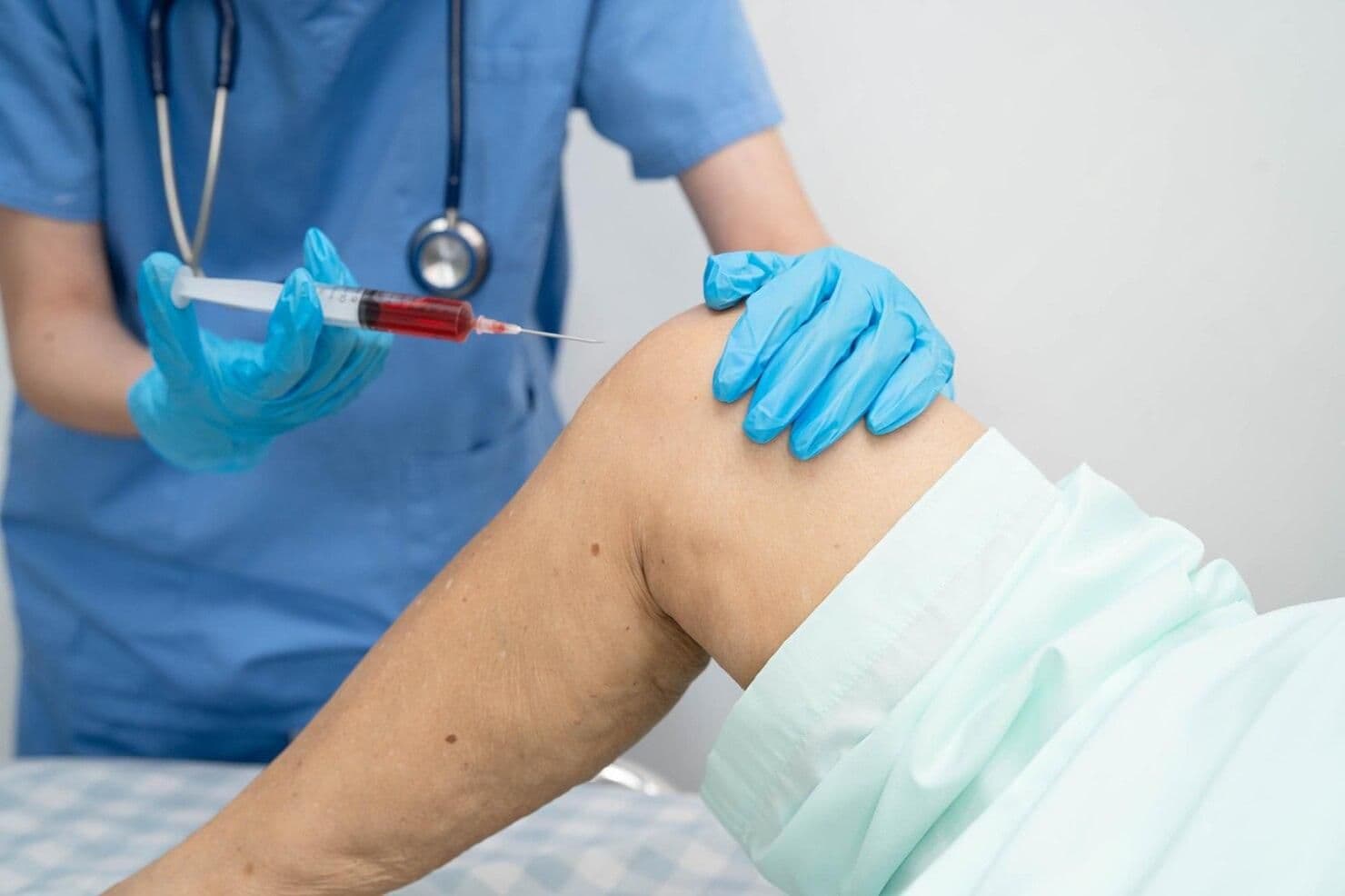
  • Biologic Augmentation: The application of Platelet-Rich Plasma (PRP) during surgery to accelerate the graft’s integration into the bone.


[Image showing different types of ACL grafts: Hamstring, Patellar, and Quadriceps]


  • Arthroscopic Visualization: Small cameras are used to inspect the joint and treat any associated meniscus or cartilage damage.


  • Graft Harvesting: A graft is harvested from the patient’s own tissue (autograft) or prepared from a donor (allograft).


  • Tunnel Drilling: Precision tunnels are drilled into the femur (thigh bone) and tibia (shin bone) using robotic navigation.


  • Graft Fixation: The new graft is pulled through the tunnels and secured with specialized screws or suspensory buttons.


  • Augmentation: An "Internal Brace" or Anterolateral Ligament (ALL) reinforcement may be added for extra stability.


  • Tensioning: Real-time tensioning ensures the graft perfectly mimics the natural ligament's function and tension.


  • "Pre-hab" Therapy: Engaging in physical therapy to reduce swelling and regain full extension before the operation.


  • Muscle Strengthening: Strengthening the quadriceps and hamstrings to provide better support for the joint post-operatively.


  • Recovery Logistics: Arrange for a recovery assistant, as you will likely be on crutches for the first 1 to 2 weeks.


  • Cold Therapy: Prepare a station at home with an ice machine to manage post-surgical inflammation and pain.


  • Anatomical Mapping: Complete all pre-operative imaging to allow the surgeon to map the exact anatomy of your knee.


  • High-Resolution MRI: To confirm the ACL tear and assess for associated meniscus or cartilage involvement.


  • Stress Radiographs: Specialized X-rays to measure the degree of laxity (looseness) in the knee joint.


  • Systemic Health Screening: Complete Blood Count (CBC) and Metabolic Panel to ensure safety for anesthesia.


  • Cardiac Clearance (EKG): A heart check to ensure the patient is fit for surgery, particularly for high-intensity athletes.


  • Laxity Testing: Clinical stability testing to compare the injured knee against the healthy knee.


  • Initial Phase: Focus on the "straightening" of the knee and activation of the quadriceps in the first 4 weeks.


  • Graft Maturation: Strict adherence to a phased 9-to-12-month rehabilitation protocol to allow the graft to fully integrate.


  • Endurance Building: Introduction of low-impact cycling and swimming between months 2 and 4 to build stamina.


  • Agility Training: Sport-specific agility training and "Return to Play" testing typically starting around the 6-month mark.


  • Functional Bracing: Use of a functional knee brace during the early stages of returning to high-impact activities.


  • High Success Rate: Boasts a 90% success rate for returning patients to their pre-injury levels of physical activity.


  • Anatomic Precision: Replicates the original ligament's rotational stability to provide a more "natural" feeling knee.


  • Reduced Re-tear Risk: Significantly lowers re-tear rates when combined with modern reinforcement or internal bracing.


  • Minimally Invasive: Advanced arthroscopic methods lead to less surgical trauma and smaller scars.


  • Joint Longevity: Provides a durable solution that helps protect the knee from early-onset osteoarthritis.


Acoustic Neuroma Surgery

Acoustic neuroma surgery (vestibular schwannoma resection) is a specialized craniotomy performed to remove a benign tumor growing on the hearing and balance nerves. Because these tumors are located in the cerebellopontine angle—a crowded space near the brainstem—the primary goal is to remove the tumor while preserving the facial nerve and, if possible, any remaining hearing. This surgery requires extreme precision to protect the delicate structures that control facial movement and balance.


  • Documented Growth: If follow-up MRI scans show the tumor is enlarging, increasing the risk of future nerve damage.


  • Brainstem Compression: Large tumors that press against the brainstem can become life-threatening and require surgical decompression.


  • Progressive Hearing Loss: When a tumor is still small enough that a hearing-preservation surgical approach is a viable option.


  • Balance Instability: Persistent vertigo or dizziness caused by the tumor’s pressure on the vestibular (balance) nerve.


  • Facial Twitching or Numbness: Signs that the tumor is beginning to impact the adjacent facial or trigeminal nerves.


  • Anesthesia: The surgery is performed under general anesthesia and typically lasts 4 to 10 hours, depending on the tumor's size and the chosen surgical approach.


  • Intraoperative Monitoring: Small electrodes are placed on the face and near the ear to provide real-time nerve monitoring. This provides the surgeon with immediate feedback if the facial or hearing nerves are being stressed.


  • Surgical Approaches:

    Translabyrinthine: The surgeon reaches the tumor through the inner ear bone (mastoid). This provides the best view of the facial nerve but results in permanent, total hearing loss in that ear.

    Retrosigmoid (Sub-occipital): An incision is made behind the ear to reach the tumor from behind. This offers a chance to preserve existing hearing.

    Middle Fossa: An opening is made above the ear, used primarily for very small tumors when the primary goal is to save hearing.


  • Tumor Removal: Using a high-powered microscope and an ultrasonic aspirator, the surgeon meticulously peels the tumor away from the brainstem and cranial nerves.


  • Fat Graft: If the inner ear was opened, a small piece of fat (usually taken from the abdomen) is used to seal the area and prevent cerebrospinal fluid (CSF) leaks.


  • Closing: The bone flap is replaced or the opening is covered with a titanium mesh or plate, and the scalp is closed with stitches.


  • High-Resolution MRI: A dedicated "internal auditory canal" protocol scan to map the tumor’s exact relationship to the nerves.


  • Audiogram and ABR: Detailed hearing tests to establish your baseline hearing level and the health of the auditory nerve.


  • Vestibular Testing: To evaluate how much your balance system has already been affected by the tumor.


  • Fasting: Following "nothing by mouth" instructions for 8 hours prior to your scheduled anesthesia.


  • Medication Audit: You may be asked to stop taking blood thinners or anti-inflammatory medications several days before the procedure.


  • Contrast-Enhanced CT Scan: To provide a detailed map of the bone structures surrounding the inner ear and skull base.


  • Videonystagmography (VNG): A specialized test to record eye movements and determine the extent of balance nerve involvement.


  • Blood Panels: A routine check of your blood count, electrolytes, and clotting factors.


  • ECG: A standard heart check to confirm cardiovascular stability for a multi-hour neurosurgical procedure.


  • Hospital Stay: Typically 3 to 5 days, usually including at least one night in the Neuro-ICU for intensive monitoring.


  • Balance and Vertigo: Since the balance nerve is often removed with the tumor, significant dizziness and vertigo are common for the first few days. The brain usually adapts within a few weeks through "vestibular compensation."


  • Activity Restrictions: No heavy lifting or straining for 6 weeks. Most patients return to professional work within 6–12 weeks.


  • Vestibular Rehabilitation: Specialized balance therapy is often started shortly after surgery to speed up the brain's ability to compensate for the lost balance nerve.


  • Facial Nerve Recovery: If the facial nerve was stretched during surgery, temporary facial drooping may occur; specialized facial exercises and eye care (drops/gels) are necessary during the recovery phase.


  • Advanced Nerve Monitoring: The use of real-time electrical feedback significantly increases the chances of preserving the facial nerve and maintaining your natural appearance.


  • Tailored Surgical Approaches: Surgeons can choose the specific "pathway" to the tumor that best balances tumor removal with the goal of hearing preservation.


  • Microsurgical Precision: Utilizing high-definition operating microscopes allows for the safe separation of the tumor from the delicate brainstem surface.


  • Multidisciplinary Expertise: Care is coordinated between neurosurgeons and neuro-otologists (ear specialists) to manage both the neurological and hearing aspects of the condition.


  • Long-Term Tumor Control: For most benign vestibular schwannomas, a complete surgical resection provides a permanent cure with a very low risk of recurrence.


Acute Lymphoid Leukemia

Acute Lymphoblastic Leukemia (ALL), also known as acute lymphoid or lymphocytic leukemia, is a fast-growing cancer of the blood and bone marrow. It occurs when the body overproduces immature white blood cells, called lymphoblasts, which crowd out healthy red blood cells, platelets, and normal white blood cells.


  • Persistent fatigue or weakness due to low red blood cell counts.


  • Frequent or unexplained fevers and infections.


  • Easy bruising, frequent nosebleeds, or tiny red spots under the skin (petechiae).


  • Bone or joint pain caused by the buildup of lymphoblasts.


  • Swelling in the neck, armpits, or groin (lymph nodes) or a mass in the chest.


  • B-cell ALL: The most common form, accounting for about 85% of childhood cases and 75–80% of adult cases.


  • T-cell ALL: More common in adults (25%) and often associated with a mediastinal (chest) mass.


  • Philadelphia Chromosome-Positive (Ph+ ALL): A high-risk subtype involving a specific genetic translocation that requires specialized targeted therapy.


  • Induction Therapy: Intensive chemotherapy lasting 4–6 weeks aimed at killing most cancer cells to achieve remission.


  • CNS-Directed Therapy: Intrathecal chemotherapy injected into spinal fluid to prevent cancer from hiding in the brain or spinal cord.


  • Consolidation Therapy: High-dose therapy lasting 6–8 months to destroy any remaining "hidden" cells after remission.


  • Maintenance Therapy: Lower-dose oral and IV drugs administered over 2–3 years to prevent the cancer from returning.


  • Advanced Options: Includes Targeted Therapy (blocking specific enzymes), Immunotherapy (monoclonal antibodies), and CAR T-cell Therapy (genetically modified T-cells).


  • Detailed genetic testing and chromosomal analysis to identify specific ALL subtypes like Ph+.


  • Placement of a central venous catheter (port) to facilitate long-term chemotherapy and blood draws.


  • Discussion of fertility preservation options before starting intensive chemotherapy or radiation.


  • Baseline heart and lung function tests to ensure the body can tolerate intensive induction therapy.


  • Bone Marrow Aspiration and Biopsy: To confirm the percentage of lymphoblasts in the marrow.


  • Lumbar Puncture (Spinal Tap): To check if leukemia cells have spread to the central nervous system.


  • Complete Blood Count (CBC): To evaluate the levels of red cells, white cells, and platelets.


  • Flow Cytometry: To determine the exact immunophenotype (B-cell vs. T-cell) of the leukemia cells.


  • Children (Ages 1–10) see the best prognosis, with 5-year survival rates exceeding 90%.


  • Adolescents and young adults have an estimated 5-year survival rate of roughly 65–75%.


  • Regular follow-up for 2 to 3 years is required during the maintenance phase to monitor for relapse.


  • Long-term monitoring for "late effects" of treatment, such as cardiac issues or secondary cancers.


  • Achieves high rates of complete remission through structured therapy phases.


  • Prevents central nervous system involvement through proactive CNS-directed treatments.


  • Offers curative potential for relapsed cases using modern advances like CAR T-cell therapy.


  • Restores normal bone marrow function and healthy blood cell production.


Acute Myeloid Leukemia

Acute Myeloid Leukemia (AML) is a fast-growing cancer where the bone marrow makes abnormal myeloblasts, red blood cells, or platelets. These "leukemia cells" quickly crowd out healthy cells, leading to a high risk of infection, anemia, and easy bleeding.


  • Sudden bruising or tiny red spots on the skin called petechiae.


  • Shortness of breath and extreme pale skin indicating anemia.


  • Persistent fevers that do not respond to standard antibiotics.


  • Evidence of high risk for infection or unexplained, easy bleeding.


  • FLT3 Mutation: Found in about 30% of cases and usually requires specific targeted drugs.


  • IDH1/IDH2 Mutations: Subtypes targeted by newer oral therapies.


  • TP53 Mutation: Often indicates a more resistant form of the disease.


  • APL (Acute Promyelocytic Leukemia): A unique, highly curable subtype treated with non-chemo drugs like arsenic trioxide.


  • Secondary AML: Often found in older adults (60+) arising from previous blood disorders.


  • Induction Therapy: Typically a "7+3" regimen involving 7 days of one chemotherapy and 3 days of another to achieve complete remission.


  • Consolidation (Post-remission): Additional chemotherapy or a Stem Cell Transplant to kill remaining microscopic cells.


  • Targeted Therapy: Use of specific drugs for mutations like FLT3 or IDH1/IDH2.


  • Low-Intensity Options: Use of Venetoclax pills or Hypomethylating Agents (HMA) like Azacitidine for patients who cannot handle high-dose chemo.


  • Non-Chemo Regimens: Use of All-Trans Retinoic Acid (ATRA) specifically for the APL subtype.


  • Cytogenetic profiling to determine the specific genetic mutations and treatment plan.


  • Assessment of age and physical tolerance for intensive chemotherapy.


  • Evaluation of heart or kidney function to determine if low-intensity options like Venetoclax are necessary.


  • Screening for previous blood disorders that may lead to secondary AML.


  • Bone Marrow Analysis: To identify abnormal myeloblasts and clear the marrow of visible blasts.


  • Genetic Testing: To check for FLT3, IDH1/IDH2, or TP53 mutations.


  • Blood Counts: To assess the severity of anemia and low platelet levels.


  • Cytogenetic Profiling: To map the "cytogenetic" profile which dictates the specific therapy.


  • For younger adults (<60), the 5-year survival rate is roughly 40% to 50%.


  • For older adults (60+), survival is lower, typically around 10% to 20%.


  • Patients with the APL subtype enjoy an excellent cure rate of over 90%.


  • Ongoing monitoring is required during the consolidation phase to prevent a relapse.


  • Clears the blood and bone marrow of visible leukemia blasts.


  • Provides "insurance" against relapse through consolidation or transplants.


  • Offers improved survival for older patients through modern low-intensity pill combinations.


  • Restores the production of healthy white blood cells, red cells, and platelets.


Adenoidectomy
Adenoidectomy

Adenoidectomy is a specialized surgical procedure performed to remove the adenoids—small pads of immune tissue located high in the back of the throat, directly behind the nose. While adenoids help infants fight infections, they can become chronically enlarged or infected in childhood. This enlargement can obstruct breathing, interfere with sleep, and block the drainage of the ears and sinuses.


  • Chronic Mouth Breathing: When enlarged adenoids physically block the nasal passage, forcing a child to breathe through their mouth constantly.


  • Obstructive Sleep Apnea (OSA): If a child experiences heavy snoring, gasping, or pauses in breathing during sleep due to airway obstruction.


  • Recurrent Ear Infections: When adenoids block the Eustachian tubes, leading to persistent fluid buildup ("glue ear") or frequent, painful infections.


  • Chronic Sinusitis: If a child suffers from persistent nasal congestion and sinus infections that do not respond to standard antibiotic therapy.


  • Dental or Facial Changes: Long-term mouth breathing (often called "adenoid face") can sometimes affect the development of the jaw and alignment of the teeth.


  • Anesthesia: The surgery is a quick, outpatient procedure performed under general anesthesia, usually taking between 15 to 30 minutes.


  • Access: The surgeon reaches the adenoids entirely through the open mouth. There are no external incisions and no visible facial scars.


  • Removal Techniques:

    Curette: A traditional method using a small, spoon-shaped instrument to precisely scrape the tissue away.

    Electrocautery: Using thermal energy (heat) to remove the tissue while simultaneously sealing blood vessels to stop any bleeding.

    Coblation: An advanced method using low-temperature radiofrequency energy to dissolve the tissue, which often results in less post-operative discomfort.

    Microdebrider: A tiny, rotating suction tool used for highly precise removal of the adenoid tissue.


  • Hemostasis: The surgeon ensures all bleeding has stopped completely before the patient is woken up. Stitches are almost never required for this procedure.


  • Medical History Review: Discussing any family history of bleeding disorders or previous reactions to anesthesia.


  • Medication Audit: You must stop giving your child aspirin or certain herbal supplements for at least 1–2 weeks prior to surgery to minimize bleeding risks.


  • Infection Screen: Ensuring the child does not have a high fever or an active, acute respiratory infection on the day of surgery.


  • Fasting: Following strict "nothing by mouth" instructions for the hours preceding the general anesthesia.


  • Comfort Planning: Preparing soft, cool foods and cold drinks at home to encourage hydration immediately after the procedure.


  • Lateral Neck X-ray: A simple imaging test to visualize the size of the adenoids and the degree of airway narrowing.


  • Nasal Endoscopy: Using a small, flexible camera in the office to get a direct view of the adenoid tissue behind the nose.


  • Tympanometry: To check for fluid behind the eardrums, which often occurs alongside enlarged adenoids.


  • Sleep Study (Polysomnography): May be recommended if the primary concern is severe snoring or suspected sleep apnea.


  • Healing Timeline: Most children recover fully within 7 to 10 days. A nasal-sounding voice and "stinky" bad breath are normal for 1–2 weeks during the healing process.


  • Hydration: This is the most critical part of recovery. Encourage plenty of cool fluids to keep the throat moist and prevent dehydration.


  • Dietary Transition: Start with soft, cool foods (jelly, yogurt, ice cream). You must strictly avoid "scratchy," spicy, or very hot foods (chips, citrus, toast) for at least one week.


  • Pain Management: Mild to moderate throat or ear pain is common. Regular doses of paracetamol or ibuprofen, as directed by your doctor, are usually sufficient.


  • Activity Restrictions: Children should stay home from school or daycare for about one week. Vigorous exercise or swimming should be avoided for 14 days to prevent bleeding.


  • Restores Natural Breathing: Removing the physical obstruction allows the child to return to healthy nasal breathing almost immediately.


  • Improves Sleep Quality: Clearing the airway resolves snoring and sleep apnea, leading to better rest and improved daytime behavior and focus.


  • Protects Ear Health: By unblocking the Eustachian tubes, the surgery allows the ears to drain naturally, often ending the cycle of chronic ear infections.


  • Rapid Recovery: As a short, outpatient procedure with no external cuts, children typically bounce back to their normal energy levels very quickly.


  • Long-Term Solution: While there is a very small chance of partial regrowth in children under age 3, an adenoidectomy generally provides a lifelong solution to upper airway obstruction.


Adjuvant Chemotherapy (After Surgery)

Adjuvant Chemotherapy is the administration of anti-cancer drugs after a primary treatment—usually surgery—to eliminate any microscopic cancer cells that may remain in the body but are too small to be detected by scans. Its goal is to reduce the risk of the cancer returning (recurrence) and to improve long-term survival. Modern protocols are increasingly personalized using "liquid biopsies" that detect circulating tumor DNA (ctDNA) to determine exactly who needs this "cleanup" treatment.


  • Post-Surgical Security: When a surgeon has removed the visible tumor but the pathology report suggests a high risk of "micrometastases" (hidden cells).


  • Lymph Node Involvement: If cancer cells were found in the lymph nodes near the original tumor site, indicating the cancer may have begun to spread.


  • High-Grade Tumors: When the cancer cells look particularly aggressive under a microscope, making them more likely to multiply quickly.


  • Positive ctDNA Status: If a post-operative blood test detects microscopic fragments of tumor DNA in your bloodstream.


  • Genomic Risk: When genetic tests (such as Oncotype DX or MammaPrint) indicate your specific tumor has a high "recurrence score."


  • The "Cleanup Crew": Even with "clear margins" after surgery, individual cells can detach and enter the blood or lymphatic systems. Adjuvant chemo acts as a safety net to destroy these cells.


  • Targeting Rapid Division: Chemo is most effective against cells that are actively dividing; by starting shortly after surgery, it catches any remaining cells before they can form a new mass.


  • The "Window of Opportunity": Adjuvant treatment is most effective when started within 4 to 8 weeks after surgery. Delaying beyond 12 weeks may significantly reduce the treatment's ability to prevent recurrence.


  • Combination Defense: By using 2 or 3 different drugs (like FOLFOX for colon cancer), doctors can attack hidden cells from multiple biological angles at once.


  • Systemic Protection: Unlike radiation, which is local, adjuvant chemo travels throughout the entire body to protect every organ.


  • Fixed Duration: Unlike treatment for advanced cancer, adjuvant therapy has a definite "finish line," typically lasting 3 to 6 months.


  • Cycle-Based Delivery: Treatment is given in cycles (e.g., 1 day of treatment followed by 2 or 3 weeks of rest) to allow your healthy bone marrow to recover.


  • Access Points: Depending on the regimen, it may be delivered via a temporary IV, a PICC line, or a surgically implanted chemo-port.


  • Pre-Medication: You will receive anti-nausea and anti-inflammatory medications before each session to minimize side effects.


  • Dose Calibration: Your oncology team will carefully adjust the dose based on how well you recovered from your recent surgery.


  • Surgical Recovery: You must be sufficiently healed from your operation (usually 4+ weeks) before the body can safely handle chemotherapy.


  • Baseline Labs: A complete blood count (CBC) and metabolic panel are required to ensure your organs are ready for systemic treatment.


  • Dental Clearance: It is vital to address dental issues before starting, as chemo can make oral infections much harder to treat.


  • Nutritional Optimization: Focus on high-protein foods to help repair the tissues stressed by both the recent surgery and the upcoming chemo.


  • Support System: Since you are moving directly from surgical recovery into chemo, arrange for help with household tasks to combat cumulative fatigue.


  • CBC (Complete Blood Count): Frequent monitoring (often weekly) to check for a drop in white blood cells (neutropenia) or platelets.


  • ctDNA Monitoring: Regular blood draws to see if the "circulating tumor DNA" levels are dropping to zero.


  • Kidney & Liver Panels: To ensure these organs are successfully filtering the chemotherapy as they recover from the stress of anesthesia.


  • Heart Monitoring: If using certain drugs (like Herceptin or Anthracyclines), regular echocardiograms are performed to check heart strength.


  • Physical Assessment: Frequent checks of your surgical incision site to ensure the chemotherapy isn't interfering with the final stages of healing.


  • Managing Fatigue: The "double hit" of surgery followed by chemo can cause significant exhaustion. Light, daily walks are the best proven way to maintain energy.


  • Infection Prevention: Your immunity will be lowest about 7–14 days after each dose (the "nadir"). Avoid crowds and people with active illnesses.


  • Wound Care: Keep your surgical scar protected from the sun, as chemo can make healing skin extra sensitive to UV rays.


  • Brain Health: Some patients experience "chemo-brain" (mild fogginess). Using planners and organizers can help manage daily tasks.


  • The Goal in Mind: Remember that adjuvant therapy is often the bridge between "remission" and a permanent cure.


  • Reduced Recurrence Risk: Significantly lowers the chance of the cancer returning in the same spot or elsewhere in the body.


  • Improved Overall Survival: Clinical data shows that for many cancers (Stage II/III breast, colon, and lung), adjuvant chemo adds years to life expectancy.


  • Peace of Mind: Provides the reassurance that every possible measure has been taken to eliminate the disease.


  • Disease-Free Survival: Increases the amount of time you can live without any active signs of cancer.


  • Precision Medicine: Modern genomic tools ensure that adjuvant chemo is only given to those who will truly benefit, sparing others unnecessary treatment.


AF Ablation (Pulmonary Vein Isolation)

Atrial Fibrillation (AF) Ablation, specifically Pulmonary Vein Isolation (PVI), is a minimally invasive procedure designed to stop irregular heart rhythms by targeting the area where they most often begin: the pulmonary veins. In AFib patients, extra electrical signals (ectopic beats) originate from the muscle sleeves within these veins. By creating a barrier of scar tissue—which does not conduct electricity—abnormal signals are blocked from reaching the rest of the heart.


  • Paroxysmal (occasional) AFib that is symptomatic and not well-controlled by medication.


  • Persistent (continuous) AFib where restoring a normal rhythm would improve heart function.


  • Intolerance to anti-arrhythmic drugs or a desire to avoid long-term medication side effects.


  • Heart failure patients where AFib is significantly reducing the heart's pumping efficiency.


  • High-risk features where uncontrolled AFib could lead to heart enlargement or tachycardia-induced cardiomyopathy.


  • Radiofrequency (RF) Ablation: Using point-by-point heat energy to "cauterize" the tissue around the vein openings.


  • Cryoablation: A specialized balloon is inflated in the vein and uses extreme cold to freeze the tissue in a "single shot."


  • Pulsed Field Ablation (PFA): A newer, non-thermal method using ultra-rapid electrical fields to selectively target heart cells while sparing surrounding structures.


  • 3D Electro-anatomical Mapping: Creating a "GPS-like" digital view of the heart's unique anatomy and electrical activity.


  • Transseptal Puncture: A controlled technique to reach the left atrium by crossing the wall between the heart's upper chambers.


  • Access: Catheters are inserted through the femoral vein in the groin and guided up to the heart under X-ray guidance.


  • Navigation: The doctor performs a transseptal puncture to move the catheters from the right atrium into the left atrium.


  • Mapping: A detailed 3D map identifies the pulmonary vein openings (ostia) and the source of triggers.


  • Ablation: Energy (Heat, Cold, or Electrical Fields) is applied to create a circumferential ring of scar tissue around each of the four pulmonary veins.


  • Verification: The clinical team checks that the veins are electrically disconnected ("acute isolation") before removing the catheters.


  • Fasting for 8–12 hours is required as the procedure is usually performed under general anesthesia.


  • Blood tests to check kidney function and ensure blood clotting levels are within a safe range.


  • Continuous use (or brief adjustment) of blood thinners (anticoagulants) as directed by the electrophysiologist.


  • A Transesophageal Echo (TEE) or CT scan is often performed right before the procedure to ensure no blood clots are in the heart.


  • Arranging for an overnight hospital stay and a support person for the recovery period.


  • Echocardiogram (TTE): To measure the size of the left atrium and evaluate overall heart valve and muscle function.


  • CT or MRI of the Heart: To provide a detailed anatomical map of the pulmonary veins for the 3D navigation system.


  • ECG and Holter Monitoring: To document the frequency and duration of AFib episodes.


  • Blood Tests: Comprehensive metabolic panel including thyroid function, as thyroid issues can trigger AFib.


  • Pulse Oximetry: To assess baseline oxygen levels and lung health.


  • Hospital Stay: Most patients stay overnight for observation and are discharged the next morning.


  • Initial Recovery: You must lie flat for 4–6 hours post-procedure; avoid heavy lifting and strenuous exercise for 5–7 days.


  • "Blanking Period": For the first 3 months, minor irregular beats are common while the scars fully form and inflammation subsides.


  • Medication: Blood thinners are typically continued for at least 3–6 months, even if the rhythm feels normal.


  • Follow-up: Regular rhythm monitoring (ECG or mobile monitors) to confirm long-term freedom from AFib.


  • High initial success: Over 95% achieve electrical isolation of the veins during the procedure.


  • Significantly improves quality of life by reducing or eliminating palpitations, fatigue, and shortness of breath.


  • Reduces the long-term risk of heart failure and stroke associated with uncontrolled AFib.


  • Often allows patients to reduce or stop potent anti-arrhythmic medications.


  • High success rates for paroxysmal AFib (70%–80% at one year) with modern 2026 techniques.


Allogeneic Bone Marrow Transplant

Allogeneic Bone Marrow Transplant—also known as an allogeneic stem cell transplant—is a life-saving procedure where a patient receives healthy stem cells from a donor to replace their own diseased or damaged marrow. Primarily used for aggressive blood cancers and non-malignant conditions like Thalassemia, this procedure introduces a new immune system into the patient’s body. Modern clinical protocols and advanced matching technologies have made this a highly successful intervention for patients with complex hematological disorders.


  • Diagnosis of Acute Myeloid Leukemia (AML) or Acute Lymphoblastic Leukemia (ALL) with high-risk features.


  • Severe Aplastic Anemia where the bone marrow has stopped producing enough blood cells.


  • Presence of inherited blood disorders such as Thalassemia Major or Sickle Cell Anemia.


  • Myelodysplastic Syndromes (MDS) that show signs of progressing toward leukemia.


  • Certain types of aggressive Lymphoma that have relapsed after an autologous transplant.


  • Chronic Myeloid Leukemia (CML) that has become resistant to standard targeted therapies.


  • High-risk Leukemia requiring a powerful "Graft-versus-Tumor" effect to prevent relapse.


  • Pediatric Thalassemia requiring permanent correction of hemoglobin production.


  • Rare primary immunodeficiency disorders where the patient lacks a functional immune system.


  • Bone marrow failure syndromes requiring a complete replacement of the hematopoietic system.


  • Metabolic disorders that can be corrected by introducing healthy donor enzymes via stem cells.


  • A donor search is conducted to find a close Human Leukocyte Antigen (HLA) match.


  • The patient undergoes "Conditioning" with high-dose chemotherapy or radiation to suppress their immune system.


  • Healthy stem cells are collected from the donor's bone marrow or peripheral blood.


  • On the day of the transplant, donor cells are infused into the patient’s bloodstream through a central venous catheter.


  • The patient remains in a sterile, HEPA-filtered isolation room to prevent infection during the "neutral" phase.


  • Infused donor cells migrate to the marrow space and begin producing new, healthy blood cells (Engraftment).


  • Haploidentical (Half-Match) ProtocolsAdvanced techniques that allow parents or children to serve as donors with success rates comparable to full matches.


  • T-Cell Depletion & ModulationPrecision laboratory methods that remove specific donor cells responsible for GVHD while keeping those that fight cancer.


  • Next-Generation Sequencing (NGS) HLA MatchingUltra-high-resolution DNA matching that identifies the most compatible donor at the molecular level.


  • Reduced Intensity Conditioning (RIC)"Mini-transplants" that use lower doses of chemo, making the procedure safer for older or more fragile patients.


  • Microbiome-Preserving ProtocolsSpecialized nutritional and antibiotic strategies that protect the gut health to reduce the risk of post-transplant complications.


  • Post-Transplant Cyclophosphamide (PTCy)A breakthrough medication protocol that significantly lowers the incidence of Graft-versus-Host Disease in mismatched cases.


  • Matched Related Donor (MRD)The gold standard, typically a sibling who shares identical genetic markers (10/10 HLA match).


  • Matched Unrelated Donor (MUD)A compatible volunteer identified through international bone marrow registries.


  • Haploidentical DonorA biological parent or child who is a 50% genetic match, now widely used due to improved safety protocols.


  • Umbilical Cord BloodRich in stem cells, cord blood can be used for patients who cannot find a suitable adult donor.


  • Rigorous HLA testing of the patient and potential family donors to find the best possible match.


  • Evaluation by a multidisciplinary team including hematologists, infectious disease specialists, and nutritionists.


  • Placement of a multi-lumen central venous catheter for chemotherapy, cell infusion, and blood sampling.


  • Extensive counseling on the long-term recovery process and the management of a new immune system.


  • Dental and sinus clearances to ensure there are no dormant infections prior to the conditioning phase.


  • High-resolution HLA typing (Class I and II) to confirm donor compatibility.


  • Bone marrow aspiration and biopsy to establish the baseline disease status.


  • Organ function tests including Echocardiogram, PFTs (Lungs), and Kidney function panels.


  • Comprehensive viral screening for CMV, EBV, HIV, and Hepatitis for both donor and recipient.


  • Cross-matching and donor-specific antibody (DSA) testing to prevent graft rejection.


  • Provides a "Graft-versus-Tumor" (GVT) effect, where the new immune system actively hunts and kills cancer cells.


  • Offers the only potential cure for many aggressive forms of leukemia and bone marrow failure.


  • Successfully cures pediatric Thalassemia in a high majority of cases, eliminating the need for lifelong transfusions.


  • Modern supportive care has significantly reduced the historical risks of infection and organ damage.


  • Technological advances allow for successful transplants even without a perfectly matched sibling.


  • The "Engraftment" period (2–3 weeks) requires intensive monitoring for fever and blood count recovery.


  • Patients remain on immunosuppressant medications for several months to prevent Graft-versus-Host Disease (GVHD).


  • Full immune system reconstitution typically takes 6 to 12 months, during which special precautions are needed.


  • Frequent blood tests and chimeric studies are done to ensure the donor cells have successfully "taken over."


  • Gradual re-introduction to social environments occurs as white blood cell levels stabilize.


  • Long-term remission and potential cure from previously fatal blood disorders.


  • A personalized re-vaccination schedule to rebuild immunity from the "donor's" perspective.


  • Regular monitoring for chronic GVHD, which can affect the skin, eyes, or liver.


  • Return to a full, active life, including school or work, once the immune system is mature.


  • Ongoing partnership with the transplant team to ensure long-term wellness and disease-free survival.


Amputation (Cancer)
Amputation (Cancer)

Amputation for cancer is a definitive surgical procedure to remove all or part of a limb when a malignant tumour, such as a bone or soft tissue sarcoma, cannot be safely or functionally treated with limb-salvage surgery. While limb salvage is now the gold standard (successful in up to 95% of cases), amputation remains a critical life-saving or palliative option for specific advanced scenarios. The focus has shifted toward "Pre-prosthetic Surgery," where nerves are rewired during the amputation to minimize phantom pain and improve control over high-tech bionic limbs.


  • Neurovascular Involvement: When the cancer has invaded the major nerves and blood vessels, meaning a functional limb cannot be preserved even if the tumour is removed.


  • Failed Limb Salvage: When previous attempts to save the limb have failed to achieve clear (negative) margins or the cancer has reoccurred multiple times.


  • Extensive Tissue Loss: If removing the tumour would require taking so much bone or muscle that the remaining limb would be non-functional or a source of chronic pain.


  • Palliative Management: To relieve intractable pain, manage severe bleeding, or treat an infected, "fungating" tumour in advanced metastatic disease.


  • Infection Risks: When a tumour is associated with a deep-seated infection that makes the use of internal metal implants (for limb salvage) too dangerous.


The level of amputation is determined by the need to achieve clear surgical margins while preserving the best possible site for a future prosthesis.


Lower Limb:


  • Transtibial (Below-Knee): Preserves the natural knee joint, offering significantly better functional outcomes and lower energy expenditure for walking.


  • Transfemoral (Above-Knee): Performed through the thigh bone; requires more energy for mobility due to the loss of the natural knee joint.


  • Hip Disarticulation: Removal of the entire leg at the hip joint.


  • Hemipelvectomy (Hindquarter): A radical procedure involving the removal of the entire leg and part of the pelvis, usually for tumours involving the pelvic bone itself.


Upper Limb:


  • Transradial / Transhumeral: Amputation below or above the elbow.


  • Forequarter Amputation: Removal of the entire arm, including the shoulder blade (scapula) and collarbone (clavicle), for advanced shoulder or chest wall tumours.


  • Anaesthesia: Performed under general anaesthesia, typically combined with a regional nerve block or epidural to "numb" the nerves before they are cut, which helps prevent future phantom pain.


  • Margin Verification: The surgeon identifies the highest point of the tumour and moves a safe distance (usually 5–10 cm) above it to ensure the bone is cut through a completely healthy area.


  • TMR (Targeted Muscle Reinnervation): A 2026 standard technique where severed nerves are "plugged" into nearby muscles. This prevents painful "neuromas" and allows for the future use of mind-controlled bionic prosthetics.


  • Myoplasty / Myodesis: The remaining muscles are carefully attached to the end of the bone or to each other to create a stable, well-padded "cushion" for the prosthesis.


  • Skin Flap Design: Surgeons create a "long flap" of healthy skin and fat to wrap around the end of the stump, ensuring the surgical scar is not located on a weight-bearing surface.


  • Prosthetic Consultation: Meeting with a prosthetist before surgery to discuss the types of artificial limbs available and how the amputation level will affect your future mobility.


  • Psychological Support: Connecting with peer support groups or counselors who specialize in limb loss to prepare for the emotional transition.


  • Upper Body Strengthening: If a lower-limb amputation is planned, focusing on arm and core strength to prepare for using crutches or a wheelchair.


  • Phantom Pain Education: Learning about "Mirror Therapy" and other techniques to manage neurological sensations after surgery.


  • VTE Prophylaxis: Starting blood-thinning protocols to prevent clots, as amputation involves major blood vessel management.


  • Contrast-Enhanced MRI or CT: To determine the exact "proximal" extent of the tumour and ensure the planned amputation level is high enough to achieve clear margins.


  • Angiography: To assess the blood flow in the limb and ensure the remaining "stump" will have enough circulation to heal the surgical flaps.


  • Bone Scan or PET-CT: To rule out any other tumours in the same limb (skip lesions) that might require a higher level of amputation.


  • Baseline CBC and Nutrition: Checking for anaemia or low protein (albumin) levels, which are critical for healing a large surgical wound.


  • Cardiovascular Stress Test: To ensure the heart can handle the increased energy demands of walking with a prosthesis.


  • Wound Healing: Focuses on shaping the residual limb (stump) using elastic bandages or "shrinkers" to reduce swelling and prepare for a prosthesis.


  • Prosthetic Fitting: A temporary prosthesis may be used within weeks, followed by a permanent, custom-fitted device once swelling has subsided (usually 8–12 weeks).


  • Physical Therapy: Vital for gait training and strengthening remaining muscles. Walking with an above-knee prosthesis can require 60–100% more energy than natural walking.


  • Phantom Limb Pain: The feeling of pain or sensation in the missing part of the limb. 2026 treatments include nerve-mapping, specialized medications, and virtual reality therapy.


  • Activity Rules: You will work with occupational therapists to adapt your home and car to ensure you can return to independence as quickly as possible.


  • Definitive Disease Control: Amputation provides the highest possible level of local cancer clearance for tumours that are too large for limb-sparing techniques.


  • Faster Return to Activity: For some complex sarcomas, a well-performed amputation and modern prosthesis allow a patient to return to walking and daily life faster than a multi-year limb-reconstruction process.


  • Advanced Bionics: 2026 prosthetic technology includes microprocessors and sensors that allow for a near-natural gait and even the restoration of some "touch" sensations.


  • TMR Integration: By performing Targeted Muscle Reinnervation during the initial surgery, 2026 surgeons have significantly reduced the incidence of chronic, debilitating phantom pain.


  • Multidisciplinary 2026 Care: The combination of oncology surgeons, prosthetists, and specialized physical therapists ensures a holistic recovery aimed at "total mobility."


Aneurysm Clipping
Aneurysm Clipping

Aneurysm clipping is a specialized neurosurgical procedure used to treat a brain aneurysm by placing a small metal clip across its "neck." This prevents blood from entering the weakened, bulging area of the artery, effectively eliminating the risk of a life-threatening rupture or re-bleeding. Unlike endovascular coiling, which treats the aneurysm from the inside, clipping is an open surgical approach that provides a definitive, mechanical seal.


  • Ruptured Aneurysm: Performed as an emergency procedure to stop a subarachnoid hemorrhage (brain bleed) and prevent a second, often fatal, rupture.


  • Large Unruptured Aneurysms: A preventative measure for aneurysms that are growing or have reached a size where the risk of bursting outweighs the risk of surgery.


  • Complex Aneurysm Shape: For wide-necked or irregular aneurysms that may not be suitable for endovascular coiling.


  • Younger Patients: Clipping is often favored for younger patients as it typically offers a highly durable, lifelong solution with a very low rate of recurrence.


  • Mass Effect: When a large aneurysm is pressing on nearby cranial nerves, causing symptoms like double vision or facial pain.


  • Craniotomy: A precise incision is made in the scalp, usually behind the hairline. A small section of the skull (bone flap) is temporarily removed to provide the surgeon access to the brain's protective layers.


  • Anesthesia: The surgery is performed under general anesthesia and typically lasts 3 to 5 hours, depending on the aneurysm's location.


  • Microdissection: Using a high-powered operating microscope, the neurosurgeon carefully navigates the natural folds and fluid-filled spaces of the brain to locate the aneurysm without disturbing healthy tissue.


  • Clip Application: A tiny, permanent titanium clip is placed precisely across the neck of the aneurysm. This seals the bulge while allowing blood to flow normally through the main (parent) artery.


  • Flow Verification: Surgeons often use intraoperative fluorescence (ICG dye) or micro-Doppler ultrasound to confirm the aneurysm is completely closed and that all surrounding vessels remain open and healthy.


  • Closure: The bone flap is secured back in place with small titanium plates and screws, and the scalp is closed with stitches or surgical staples.


  • Cerebral Angiography: The "gold standard" diagnostic test to map the exact size, shape, and orientation of the aneurysm relative to other blood vessels.


  • Neurological Assessment: A detailed baseline exam of your motor skills, speech, and vision.


  • Steroid/Anti-Seizure Protocol: In some cases, medications are started before surgery to reduce brain irritation or the risk of a seizure.


  • Fasting: Following "nothing by mouth" instructions for 8 hours prior to your scheduled anesthesia.


  • Medication Audit: You will be asked to stop taking blood thinners or anti-inflammatory medications (like aspirin or ibuprofen) several days before the procedure.


  • CTA or MRA Scan: High-resolution 3D imaging used to plan the surgical trajectory and identify the best "angle" for clip placement.


  • Blood Panels: A routine check of your blood count, electrolytes, and clotting factors to ensure a safe surgical experience.


  • ECG and Chest X-ray: Standard checks to confirm your heart and lungs are healthy enough for a multi-hour neurosurgical procedure.


  • Cerebrospinal Fluid (CSF) Analysis: For ruptured cases, this helps determine the extent of the initial bleed.


  • Hospital Stay: Patients with unruptured aneurysms typically stay 2 to 5 days. For ruptured cases, the stay often extends to 2 to 3 weeks in a specialized Neuro-ICU for intensive monitoring.


  • Initial Symptoms: Headaches, fatigue, and "clicking" or "popping" sensations in the scalp are common as the bone flap heals.


  • Activity Restrictions: No heavy lifting, straining, or vigorous exercise for 6 to 8 weeks. Most patients can return to driving and light desk work within one month.


  • Follow-up Imaging: While the clip is a permanent solution, periodic imaging (MRA or CTA) is performed to monitor the surgical site and ensure no new aneurysms develop.


  • Vasospasm Monitoring: For those who experienced a rupture, the team will monitor closely for "vasospasm" (narrowing of brain vessels) for up to 14 days following the initial bleed.


  • Definitive Mechanical Seal: Once clipped, the risk of the aneurysm ever bleeding again is extremely low, providing long-term peace of mind.


  • Preserves Parent Artery: Advanced micro-surgical techniques ensure that the "hammock" of the clip seals the bulge while maintaining 100% of the normal blood flow to the brain.


  • Real-Time Verification: Intraoperative dye (ICG) allows the surgeon to see blood flow through the vessels in real-time, ensuring the clip is perfectly positioned before the surgery ends.


  • Durability: Titanium clips are MRI-safe and designed to stay in place for a lifetime without needing adjustment or replacement.


  • Addresses Complex Cases: Surgery remains the gold standard for aneurysms that are technically difficult to treat via the "inside" catheter-based methods.


Angular Deformity Correction

Angular deformity correction is a surgical process used to straighten bones that are abnormally bowed or twisted, such as knock-knees (genu valgum) or bow-legs (genu varum). When performed alongside limb lengthening, it ensures the mechanical axis of the leg is correctly aligned as the bone grows. This procedure is critical for distributing weight-bearing forces evenly across the joints to prevent long-term wear and arthritis.


  • Genu Varum (Bow-legs): When the knees stay wide apart even when the feet and ankles are touching.


  • Genu Valgum (Knock-knees): When the knees touch but the ankles remain far apart.


  • Mechanical Axis Deviation: When a full-length X-ray shows the weight-bearing line from the hip to the ankle passes outside the center of the knee.


  • Joint Pain: Persistent discomfort in the hip, knee, or ankle caused by uneven loading of the joint surfaces.


  • Combined Deformity: When a limb requires both straightening and lengthening to restore symmetry.


  • Deformity Analysis: Surgeons identify the Center of Rotation of Angulation (CORA), the precise "apex" where the bone is bent.


  • The Osteotomy: A precise bone cut is made, ideally at the CORA, to allow for realignment without shifting the bone segments sideways.


  • Acute Correction: The bone is cut and immediately moved into a straight position during surgery, then secured with internal plates and screws.


  • Gradual Correction: Used for larger deformities, an external fixator slowly adjusts the angle by roughly 1 degree per day.


  • Fixation: Advanced systems like the Taylor Spatial Frame use adjustable struts to correct angulation, rotation, and length simultaneously based on a computer-generated "prescription."


  • Opening Wedge Osteotomy: A single cut is made and "pried open" to create a gap that corrects the angle; this gap eventually fills with new bone.


  • Closing Wedge Osteotomy: A triangular wedge of bone is removed and the remaining ends are brought together, providing high stability.


  • Dome Osteotomy: A curved, circular cut allows the bone to rotate like a ball-and-socket joint to the correct angle without changing length.


  • Fixator-Assisted Nailing (FAN): A hybrid technique where a temporary external fixator achieves alignment during surgery before an internal rod is inserted to lock the position.


  • Long-Film Radiography: Surgeons use full-length X-rays to calculate the mechanical axis and identify the exact CORA for planning.


  • Software Simulation: Entering bone measurements into computer programs to map out the daily adjustments required for hexapod fixators.


  • Joint Assessment: Evaluating the range of motion and stability of the hip and ankle to ensure they can accommodate the new alignment.


  • Hardware Selection: Determining whether internal plates, specialized nails, or external frames are best suited for the specific deformity.


  • Full-Length Standing X-rays: The primary tool for measuring the deviation of the mechanical axis from the center of the knee.


  • CT Scan with Rotational Profile: Used to measure "torsion" or twisting in the bone that may not be fully visible on standard X-rays.


  • Gait Analysis: To document how the deformity affects walking patterns and joint loading before the intervention.


  • Bone Quality Assessment: Ensuring the bone is healthy enough to support the hardware and the healing process.


  • Unloading the Joint: Bow-leg correction typically unloads the inner (medial) knee, while knock-knee correction unloads the outer (lateral) knee.


  • Daily Adjustments: For gradual correction, patients must follow a strict schedule of turning fixator struts to move the bone into alignment.


  • Physical Therapy: Crucial for maintaining joint flexibility as the surrounding muscles and ligaments adapt to the new leg structure.


  • Hardware Removal: Internal plates or rods may be removed in a minor procedure once the bone has fully consolidated in its new position.


  • Precise Realignment: Using CORA planning ensures the bone is straightened with mathematical accuracy.


  • Prevents Degeneration: By restoring the mechanical axis, surgery protects the knee cartilage from premature wear and arthritis.


  • Multi-Planar Correction: Modern hexapod frames can fix bowing, twisting, and shortening all at once.


  • Stable Fixation: Modern internal and external systems allow for early mobility while the bone heals in the corrected position.


Ankle Arthroscopy
Ankle Arthroscopy

Ankle Arthroscopy (keyhole surgery) is a minimally invasive procedure used to diagnose and treat issues inside the ankle joint using a tiny camera and specialized tools. It is widely preferred over open surgery because it allows for high-precision joint repair with faster recovery times and a lower risk of wound-related complications.


  • Persistent Impingement: Pain or limited motion caused by inflamed soft tissue or bone spurs (osteophytes) that have not responded to physical therapy.


  • Mechanical Symptoms: Feeling the joint "lock," "catch," or "click," often due to free-floating fragments of bone or cartilage.


  • Cartilage Damage: Treatment of Osteochondral Lesions of the Talus (OLT) where the smooth surface of the joint has been chipped or worn down.


  • Chronic Synovitis: Recurring inflammation of the joint lining caused by trauma, overuse, or rheumatoid arthritis.


  • Joint Instability: Evaluation and repair of torn ligaments (such as the ATFL) when the ankle feels "loose" or gives way frequently.


  • Debridement: Trimming away inflamed tissue or smoothing out frayed cartilage to reduce pain and friction.


  • Microfracture: Making tiny holes in the bone to stimulate a healing response and the growth of new fibrocartilage.


  • Synovectomy: Removing the diseased or inflamed lining of the joint.


  • Ligament Stabilization: Using arthroscopic techniques to tighten or reattach torn ligaments to restore joint stability.


  • Bone Spur Removal: Shaving down bony growths that pinch the joint during movement (anterior or posterior impingement).


  • Portal Creation: The surgeon makes 2–3 tiny incisions (less than 1 cm each), typically at the front of the ankle (anteromedial and anterolateral portals).


  • Joint Distention: The ankle is expanded with sterile saline or a mechanical distraction device to create a clear workspace for the camera.


  • Visualization: A miniature high-definition camera (arthroscope) is inserted to project live images of the joint internal structures onto a monitor.


  • Surgical Intervention: Miniature shavers, burrs, and graspers are inserted through the other portals to repair or remove damaged tissue.


  • Closure: Once the repair is complete, the fluid is drained and the tiny portals are closed with a single stitch or sterile tape.


  • Diagnostic confirmation through physical exams and imaging to identify the specific source of joint pain.


  • Fasting (NPO) as directed by the surgical team prior to the procedure.


  • Evaluation for regional anesthesia, which numbs the leg and provides several hours of pain relief after the surgery.


  • Arrangement for a post-operative walking boot or splint, depending on the anticipated type of repair.


  • Ankle MRI: The primary tool for assessing soft tissue damage, ligament tears, and cartilage lesions.


  • X-rays: Used to identify bone spurs or loose bone fragments that may be contributing to mechanical joint issues.


  • CT Scan: Occasionally used to provide a detailed view of complex bone anatomy or "bony" impingement.


  • Blood Panels: Routine testing to ensure the patient is fit for general anesthesia and outpatient surgery.


  • Almost always an outpatient (daycare) procedure, with patients returning home the same day.


  • Strict elevation of the ankle above the heart for the first 2–3 days is critical to minimize swelling and pain.


  • Weight-bearing status varies: simple trimming allows immediate walking, while cartilage repairs may require crutches for 4–8 weeks.


  • Physical therapy typically begins around 2 weeks post-op to regain range of motion and ankle strength.


  • Return to desk work is often possible in 1–2 weeks, while high-impact sports usually take 3 to 6 months.


  • Minimally invasive nature results in significantly less post-operative pain and swelling than traditional open incisions.


  • Tiny incisions lead to a lower risk of infection and faster overall healing of the surgical site.


  • Provides a dynamic and comprehensive view of the joint, allowing the surgeon to address multiple issues in one session.


  • High success rates for resolving mechanical symptoms like locking or catching in the ankle.


Aortic Aneurysm Repair (Open)

Open Aortic Aneurysm Repair is a major surgical procedure used to treat a life-threatening bulge in the aorta, the body's main artery. Unlike minimally invasive endovascular repair (EVAR), this traditional "open" approach involves a large incision to directly access the aorta, remove the diseased section, and replace it with a synthetic graft. It remains the "gold standard" for its durability and for treating complex aneurysms that are not suitable for stenting.


  • Abdominal Aortic Aneurysm (AAA): When a bulge in the abdominal portion of the aorta reaches a critical size (typically 5.0–5.5 cm) or shows rapid growth.


  • Thoracic Aortic Aneurysm (TAA): For aneurysms located in the chest cavity that carry a high risk of rupture or dissection.


  • Complex Anatomy: When the shape or location of the aneurysm is too close to vital branching vessels, such as the renal (kidney) arteries, making a stent unfeasible.


  • Younger, Fit Patients: Due to the graft's long-term durability, younger patients with a longer life expectancy often benefit from a one-time permanent repair.


  • Ruptured Aneurysm: Open surgery remains a primary life-saving intervention for patients experiencing active internal bleeding from a burst aorta.


  • Transperitoneal Approach: A long vertical incision made from the breastbone to below the belly button to access the abdominal aorta.


  • Retroperitoneal Approach: A side incision often used for patients with previous abdominal surgeries or specific anatomical needs to reach the aorta from behind.


  • Dacron Graft Interposition: The standard method of sewing a durable, woven polyester tube into the healthy parts of the aorta to replace the weakened section.


  • Bifurcated Grafting: A specialized "Y-shaped" graft used when the aneurysm extends down into the iliac arteries that lead to the legs.


  • Thoracoabdominal Repair: An extensive procedure involving both the chest and abdomen for aneurysms that span across the diaphragm.


  • Surgical Access: Under general anesthesia, the surgeon makes a large incision (chest or abdomen) to provide direct visualization of the diseased aorta.


  • Aortic Clamping: To stop blood flow during the repair, the surgeon places specialized clamps on the aorta above and below the aneurysm site.


  • Organ Protection: During the clamping phase, techniques like mild hypothermia or selective perfusion are used to protect the kidneys and intestines from a lack of oxygen.


  • Graft Insertion: The surgeon cuts open the weakened aortic wall and sews a synthetic tube (the graft) into the healthy tissue above and below the bulge.


  • Aortic Wrap: The original, weakened aortic wall is often wrapped around the new synthetic graft to provide an extra layer of protection and support.


  • Restoring Flow: The clamps are carefully removed to allow blood to flow through the new synthetic lining, and the surgeon checks all suture lines for leaks.


  • Cardiac Clearance: Extensive heart testing, such as a stress test or echocardiogram, is mandatory to ensure the heart can handle the stress of aortic clamping.


  • Advanced Imaging: High-resolution CT Angiography (CTA) is used to create a precise 3D map of the aneurysm and the branching arteries.


  • Kidney Function Check: Blood tests to evaluate renal health, as the kidneys are temporarily affected by the change in blood flow during surgery.


  • Smoking Cessation: Stopping smoking at least 4 weeks prior is critical to reduce the risk of postoperative lung complications and promote graft healing.


  • Fasting (NPO): No food or drink for 8–12 hours prior to the procedure to ensure safety under general anesthesia.


  • CT Angiogram (CTA): The primary tool for measuring the aneurysm's diameter and identifying its relationship to the renal and mesenteric arteries.


  • Electrocardiogram (EKG): To check baseline heart rhythm and rule out underlying conditions before the major operation.


  • Complete Blood Count (CBC): To ensure adequate hemoglobin levels and check for any signs of infection.


  • Coagulation Profile: To confirm the blood's ability to clot normally, as this procedure carries a risk of significant blood loss.


  • Hospital Stay: Expect to spend 5 to 10 days in the hospital, typically starting with the first 24–48 hours in the Intensive Care Unit (ICU).


  • Pain Management: Significant abdominal or chest wall soreness is expected; patients are managed with IV pain relief initially, transitioning to oral medications.


  • Incentive Spirometry: Deep breathing exercises are essential to prevent pneumonia, especially after a large abdominal or chest incision.


  • Activity Restrictions: Walking is encouraged within 24 hours to prevent blood clots, but heavy lifting (over 10 lbs) is restricted for 6 to 12 weeks.


  • Long-term Monitoring: Unlike EVAR, which requires annual scans, open repair usually requires less frequent follow-up imaging (often every 5 years) once the graft is secure.


  • Proven Durability: The synthetic graft is permanently sewn into place and is designed to last for the remainder of the patient's life.


  • Lower Re-intervention Rate: Patients who undergo open repair are much less likely to need follow-up "fix-it" procedures compared to those with stents.


  • Total Removal of Risk: By replacing the diseased section, the threat of a future rupture at that specific site is virtually eliminated.


  • Versatility: Can treat complex aneurysms that are too tortuous or involve too many branching vessels for minimally invasive technology.


  • Peace of Mind: Provides long-term security with a significantly lower requirement for frequent, life-long radiation-heavy CT surveillance.


Aortic Valve Replacement (AVR)

Aortic Valve Replacement (AVR) is an advanced cardiac procedure that replaces a damaged, stiff, or leaking aortic valve with a new mechanical or tissue valve. This restores healthy blood flow, improves heart pumping capacity, reduces symptoms, and prevents long-term heart failure or life-threatening complications.


  • Severe or persistent shortness of breath that limits walking, climbing stairs, or daily activity.


  • Chest pain, pressure, or heaviness due to the heart struggling to push blood through a narrowed valve.


  • Extreme tiredness or low energy even during simple tasks.


  • Dizziness or fainting episodes, especially during exertion.


  • Irregular heartbeat or noticeable palpitations, indicating the heart is under stress.


  • Swelling in the feet, legs, or ankles, a sign of poor blood circulation or early heart failure.


  • Severe Aortic Stenosis – the valve becomes narrowed and heavily calcified, restricting blood flow.


  • Severe Aortic Regurgitation – the valve leaks and allows blood to flow backward into the heart.


  • Congenital valve abnormalities, including bicuspid valves.


  • Infection-related valve damage (endocarditis) that weakens or destroys the valve.


  • Aged, stiff, or heavily calcified aortic valve due to long-term wear and tear.


  • General anesthesia is given to ensure a pain-free and comfortable procedure.


  • The surgeon makes either a full chest incision or a minimally invasive cut depending on your case.


  • The damaged aortic valve is carefully removed.


  • A new mechanical or biological valve is implanted to restore proper blood flow.


  • The heart is restarted, and valve function is tested to ensure smooth operation.


  • You are shifted to the ICU for continuous monitoring and early recovery.


  • Mechanical Valve Replacement

    Long-lasting artificial valve; ideal for younger patients. Requires lifelong blood thinners to prevent clots.


  • Biological (Tissue) Valve Replacement

    Made from natural tissue. Offers natural blood flow and usually requires minimal blood thinner use.


  • Minimally Invasive AVR

    Smaller incisions, less pain, reduced blood loss, and faster healing.


  • Robotic AVR

    Performed using robotic precision tools for high accuracy, minimal scars, and quicker recovery.


  • TAVR (Transcatheter Aortic Valve Replacement)

    A non-surgical, catheter-based procedure performed through the groin. Ideal for elderly or high-risk patients.


  • Quit smoking at least 2–3 weeks before surgery for better lung function.


  • Keep blood pressure, diabetes, and heart rate well controlled.


  • Follow fasting instructions before the procedure.


  • Stop blood thinners only if your cardiologist advises.


  • Complete all required heart and blood tests before the surgery date.


  • ECG to check heart rhythm.


  • 2D Echocardiography to evaluate valve structure and pumping strength.


  • CT scan or MRI for detailed imaging when needed.


  • Coronary Angiography to detect any artery blockages.


  • Chest X-ray to assess lung health.


  • Routine blood tests including CBC, kidney/liver function, and clotting profile.


  • Restores normal forward blood flow from the heart.


  • Reduces breathlessness and chest discomfort.


  • Prevents the heart from becoming enlarged or weak.


  • Improves daily stamina, energy levels, and activity tolerance.


  • Provides long-lasting results with modern valve technology.


  • ICU stay: Usually 1–2 days for close monitoring.


  • Early walking begins within 24 hours.


  • Tubes and drains are removed in 48–72 hours.


  • Home recovery: Typically 4–8 weeks depending on the surgery type.


  • Return to work: Usually within 6–10 weeks.


  • Avoid smoking permanently to protect the new valve.


  • Follow a heart-healthy, low-salt diet for lifelong cardiac wellness.


  • Exercise daily with light walking, avoid heavy lifting initially.


  • Take medications regularly, especially blood thinners if you have a mechanical valve.


  • Join a cardiac rehabilitation program for guided recovery and long-term heart strength.


Appendectomy (Open/Laparoscopic)

An Appendectomy is the surgical removal of the appendix, a small, finger-shaped pouch attached to the large intestine. It is the standard treatment for appendicitis, an inflammation of the organ that can lead to a life-threatening rupture if left untreated.


  • Pain that starts near the belly button and moves to the lower right abdomen.


  • "Rebound tenderness" or sharp pain in the lower right abdomen when pressure is released.


  • Fever and chills accompanying abdominal discomfort.


  • Nausea, vomiting, or loss of appetite.


  • High white blood cell counts detected during blood testing.


  • Laparoscopic Appendectomy: The modern minimally invasive standard using three small incisions and a camera (laparoscope).


  • Open Appendectomy: A traditional approach using a single 2- to 4-inch incision, typically reserved for ruptured cases.


  • Emergency Appendectomy: Immediate surgical intervention performed to prevent or treat an appendix rupture.


  • Interval Appendectomy: A delayed surgery performed after a severe infection has been initially managed with antibiotics.


  • Insufflation: In laparoscopic cases, carbon dioxide gas is used to inflate the abdomen for better visibility.


  • Appendix Identification: The surgeon locates the appendix and carefully ties off its base to separate it from the large intestine.


  • Irrigation: If the appendix has ruptured, the abdominal cavity is washed with saline to remove bacteria and pus.


  • Drainage: A small tube may be placed in the incision site for a few days to allow excess fluid to escape in complex cases.


  • Closure: Incisions are secured using absorbable sutures, surgical glue, or sterile strips.


  • Maintaining NPO (nothing by mouth) status for several hours prior to the operation.


  • Starting Intravenous (IV) fluids to ensure proper hydration.


  • Administration of prophylactic antibiotics to reduce the risk of surgical site infection.


  • Undergoing general anesthesia to remain completely unconscious throughout the procedure.


  • Physical Examination: To check for localized pain and abdominal wall tension.


  • Ultrasound or CT Scan: Imaging used to confirm the inflammation or see if the appendix has burst.


  • Complete Blood Count (CBC): To identify signs of infection through elevated white blood cell levels.


  • Urine Test: Often performed to rule out a urinary tract infection or kidney stones which can mimic appendicitis symptoms.


  • For uncomplicated cases, hospital discharge usually occurs within 24 hours.


  • Recovery for laparoscopic surgery includes avoiding heavy lifting (over 5kg) for 1–2 weeks.


  • Recovery for open surgery requires avoiding strenuous exercise for 4–6 weeks to prevent hernia.


  • Diet begins with clear liquids and progresses as bowel function returns to normal.


  • Patients should monitor for signs of abscess, such as new fevers or persistent bloating.


  • Provides a permanent cure for appendicitis by removing the source of inflammation.


  • Prevents life-threatening complications associated with an appendix rupture or peritonitis.


  • Minimal scarring and faster recovery times when performed using laparoscopic techniques.


  • Rapidly alleviates severe abdominal pain and restores normal digestive health.


Arm Lift (Brachioplasty)

An Arm Lift, or brachioplasty, is a surgical procedure used in 2026 to remove excess, sagging skin and fat from the upper arms. Often referred to as correcting "bat wings," this procedure is most common among individuals who have experienced significant weight loss or natural aging where the skin has lost its ability to retract.


This procedure is ideal for those who have achieved a stable weight but are left with redundant skin that does not respond to exercise. Key indications include:


  • Significant Skin Laxity: Loose, "crepey" skin that hangs from the underside of the upper arm.


  • Post-Weight Loss: Excess tissue remaining after losing a significant amount of weight.


  • Stubborn Arm Fat: Localized fat deposits combined with loose skin that create a heavy arm appearance.


  • Ineffective Toning: When strength training has built muscle, but it remains hidden under sagging tissue.


  • Personal Comfort: Difficulty finding clothing that fits or feeling self-conscious in short-sleeved or sleeveless attire.


  • Traditional Brachioplasty: The most common method, involving an incision from the armpit to the elbow to remove significant amounts of skin.


  • Mini Arm Lift: Utilizes a smaller, crescent-shaped incision hidden in the armpit for patients with minimal sagging.


  • Extended Brachioplasty: The incision continues from the arm onto the side of the chest to address sagging lateral chest tissue.


  • Lipo-Brachioplasty: A 2026 hybrid approach using aggressive liposuction first to protect nerves and lymphatics, followed by skin removal.


  • Non-Surgical Skin Tightening: Radiofrequency or ultrasound treatments for very mild cases (not a substitute for surgery).


  • Surgical Access: The surgeon makes an incision along the underside or back of the arm, strategically placed to be as discrete as possible.


  • Fat Removal: Liposuction is often used first to thin the fat layer and contour the arm.


  • Tissue Tightening: The underlying supportive tissues are reshaped and tightened with internal sutures.


  • Skin Excision: The excess skin is trimmed away, and the remaining skin is smoothed over the new, toned contour.


  • Closure: The incisions are closed with multi-layered sutures, and the arms are wrapped in sterile dressings and compression sleeves.


  • Fasting: Patients must fast for 8–12 hours before the procedure.


  • Medical Clearances: Standard blood tests and an ECG are required to ensure the patient is fit for anesthesia.


  • Weight Stability: Ideal candidates should have maintained a stable weight for at least 6 months.


  • Medication Review: Patients must avoid medications that increase bleeding, such as aspirin or certain herbal supplements, for 2 weeks prior.


  • Basic Blood Panel: To evaluate hemoglobin levels, white blood cell count, and clotting ability.


  • ECG: Performed to monitor heart health during the 2 to 3-hour procedure under general anesthesia.


  • Physical Assessment: To measure the amount of excess skin versus fat and determine the most effective incision pattern.


  • Nicotine Test: In 2026, many surgeons require a nicotine-free test to ensure optimal wound healing and minimize scar widening.


  • Hospital Stay: Usually performed as an outpatient procedure; patients return home the same day.


  • Initial Milestones: Most patients return to light desk work and basic self-care within 1 week.


  • Compression Therapy: Specialized compression sleeves must be worn 24/7 for the first 3 to 4 weeks to manage swelling.


  • Activity Restrictions: No heavy lifting (over 5–10 lbs) or reaching over the head for 6 weeks to protect the incisions.


  • Toned Appearance: Creates a slender, more defined arm profile that reflects the patient’s actual fitness level.


  • Improved Mobility: Removes heavy, excess skin that can cause discomfort or chafing during physical activity.


  • Clothing Confidence: Allows for a wider range of clothing options, including sleeveless tops and well-fitted jackets.


  • Permanent Skin Removal: Once the excess skin is surgically removed, it does not return, provided a stable weight is maintained.


Arteriovenous (AV) Fistula Surgery

An Arteriovenous (AV) Fistula is a surgically created connection between an artery and a vein, designed to provide a reliable, long-term access point for hemodialysis. It remains the "gold standard" for vascular access because it is constructed entirely from the patient's own biological tissue. Compared to synthetic grafts or temporary catheters, an AV fistula offers a significantly lower risk of infection, fewer instances of clotting, and the longest functional lifespan, making it the foundation of high-quality renal care.


  • End-Stage Renal Disease (ESRD): When kidney function has declined to the point where regular hemodialysis is necessary to filter waste from the blood.


  • Long-Term Dialysis Planning: For patients expected to be on dialysis for several years, as the fistula provides the most durable access.


  • Vessel Health: When a patient has healthy, adequately sized veins and arteries in the arm that can support the increased blood flow.


  • Infection Prevention: For individuals who are highly susceptible to infections or have had complications with synthetic grafts or central venous catheters.


  • Home Hemodialysis: It is often the preferred access for patients performing their own treatments at home due to its reliability and safety profile.


  • Radiocephalic Fistula: Created at the wrist by joining the radial artery and cephalic vein; usually the first choice to preserve upper arm veins.


  • Brachiocephalic Fistula: Created at the elbow; often used when wrist veins are too small or have been damaged by previous medical procedures.


  • Brachiobasilic Transposition: A more complex surgery where a deep vein in the upper arm is moved closer to the skin to make it reachable for needles.


  • Endovascular (Percutaneous) Fistula: A modern, "no-scalpel" approach using radiofrequency energy to join vessels through a tiny needle stick, leaving no surgical scar.


  • Gracz Fistula: A specific type of elbow connection involving the perforating vein, often used when other elbow options are limited.


  • Vessel Mapping: Before surgery, an ultrasound is used to find the healthiest artery and vein to ensure the highest chance of success.


  • Anesthesia: The procedure is performed under local anesthesia with light sedation, or a regional "block" that numbs the entire arm.


  • The Connection: The surgeon makes a small incision and carefully stitches the side of the vein to the side (or end) of the artery.


  • Immediate Flow Check: Once the connection is made, the surgeon can usually feel a "thrill" (vibration), indicating arterial blood is successfully entering the vein.


  • Incision Closure: The skin is closed with small sutures or surgical glue, and a light protective dressing is applied.


  • Endovascular Alternative: If using a "no-scalpel" system, the vessels are fused using a specialized catheter under X-ray or ultrasound guidance.


  • Vein Preservation: The chosen arm must be "protected"—meaning no blood draws, IVs, or blood pressure checks should be performed on that arm once a fistula is planned.


  • Early Planning: Specialists recommend creating the fistula 3 to 6 months before you expect to start dialysis to ensure it is ready for use on day one.


  • Diagnostic Imaging: Undergoing a formal "vessel map" ultrasound to confirm the diameter and depth of the target vessels.


  • Fasting (NPO): Depending on the type of sedation used, you may be asked to fast for 8 hours prior to the procedure.


  • Duplex Ultrasound: To measure the size of the arteries and veins and check for any existing blockages or clots.


  • Allen's Test: A manual clinical test to ensure the hand has adequate blood supply from both the radial and ulnar arteries.


  • Blood Panels: Routine labs to check for anemia, electrolyte balance, and clotting factors before the minor surgical intervention.


  • Cardiac Evaluation: In some cases, to ensure the heart can handle the increased workload created by the new "shunt" in the circulation.


  • The "Ripening" Phase: A fistula needs 6 to 12 weeks to mature. During this time, the vein thickens and toughens so it can safely handle dialysis needles.


  • Fistula Exercises: Patients are often taught "stress ball" or "grip" exercises to strengthen the arm and encourage the vein to enlarge.


  • Daily Monitoring: Patients are taught to touch their fistula daily to feel for a constant vibration (the thrill) and listen for the whooshing sound (the bruit).


  • Arm Protection: 1. Never let anyone take blood pressure on the fistula arm. 2. Never let anyone draw blood or start an IV in that arm. 3. Avoid wearing tight jewelry or restrictive sleeves.


  • Activity: Once the initial surgical wound heals, patients can return to normal activities, though they should avoid sleeping with the fistula arm tucked under their body.


  • Superior Durability: Once matured, a fistula can last for many years, often outperforming all other types of dialysis access.


  • Lower Infection Rates: Since no foreign material is implanted, the risk of life-threatening bloodstream infections is significantly reduced.


  • High Blood Flow: It provides the robust, high-volume blood flow necessary for the dialysis machine to clean the blood effectively.


  • Better Health Outcomes: Studies consistently show that patients with a functioning AV fistula have better overall survival rates on dialysis.


  • Natural Healing: Because it is made of your own tissue, the site heals itself after each dialysis session, reducing the need for long-term maintenance.


Arthrocentesis (Joint Aspiration)

Arthrocentesis, commonly known as joint aspiration, is a medical procedure used to collect synovial fluid from a joint capsule for diagnostic or therapeutic purposes. It is an essential tool in orthopedics and rheumatology for evaluating joint health. The use of ultrasound-guided techniques has become a clinical benchmark for increasing accuracy, particularly in smaller or medium-sized joints like the wrist, ankle, or elbow, significantly improving success rates compared to traditional landmark-guided methods.


  • Diagnostic Investigation: Identifying the root cause of joint swelling (effusion) by analyzing the synovial fluid's chemistry and cell count.


  • Septic Arthritis Detection: Serving as the "gold standard" to rule out or confirm joint infections, which are considered medical emergencies.


  • Crystal-Induced Arthritis: Confirming the presence of uric acid or calcium crystals to diagnose gout or pseudogout.


  • Therapeutic Relief: Providing immediate pain relief by removing excess fluid that causes internal pressure and restricts mobility.


  • Intra-articular Injection: Using the aspiration site to deliver therapeutic medications, such as corticosteroids or hyaluronic acid, directly into the joint space.


  • Preparation: The skin over the joint is thoroughly sterilized with medical-grade antiseptic to maintain a sterile field and prevent the introduction of bacteria.


  • Ultrasound Mapping: Providers use real-time ultrasound imaging to visualize the joint space, identify the largest pocket of fluid, and map a safe needle path that avoids nerves and blood vessels.


  • Anesthesia: A local anesthetic is injected to numb the skin and the deeper soft tissues, ensuring the patient feels only pressure during the aspiration.


  • Aspiration: A hollow needle is carefully inserted into the joint space. The provider may gently "milk" the joint or apply external pressure to help drain the maximum volume of fluid.


  • Analysis: The collected fluid is placed in sterile tubes and sent to a laboratory for microscopic examination of cell counts, crystal analysis, and bacterial cultures.


  • Completion: Once the needle is removed, a small bandage is applied. If a therapeutic injection was performed, the joint may be moved through its range of motion to distribute the medication.


  • Real-Time Ultrasound GuidanceProviding a "live" view of the needle tip to ensure 100% accuracy in fluid removal and medication placement, even in deep or complex joints.


  • Point-of-Care Synovial AnalysisPortable diagnostic devices that can detect signs of infection or gout crystals in the office within minutes, allowing for immediate treatment.


  • Automated Aspiration DevicesAdvanced syringes that maintain consistent pressure, making fluid collection faster and less traumatic for the surrounding tissue.


  • Bio-Inductive InjectionsUtilizing the arthrocentesis site to deliver platelet-rich plasma (PRP) or stem cell therapies designed to promote the natural healing of joint cartilage.


  • Micro-Needle TechnologyThe use of ultra-fine, specialized needles that reduce the sensation of the procedure, making it more tolerable for patients with needle anxiety.


  • Infection Prevention: While rare, clinicians take extreme care to avoid passing a needle through infected skin (cellulitis) to prevent spreading bacteria into the joint.


  • Bleeding (Hemarthrosis): Minor bleeding into the joint can occur, particularly in patients taking blood-thinning medications; this is typically managed with rest and ice.


  • Post-Injection Flare: A temporary increase in localized pain or swelling may occur following a steroid injection, usually subsiding within 24–48 hours.


  • Recovery Timeline: Patients are generally advised to rest the joint for 24 to 48 hours to allow the puncture site to heal and the medication to settle.


  • Warning Signs: Patients should monitor for fever, chills, or severe worsening of pain, which may indicate a rare post-procedure complication.


  • Definitive Diagnostics: It is the only way to distinguish between an infection, an autoimmune flare, and a crystal-induced injury with absolute certainty.


  • Instant Mechanical Relief: Removing even a few milliliters of fluid can significantly restore the joint's range of motion and reduce pain.


  • High Precision: Ultrasound guidance ensures that medications are delivered exactly where they are needed, maximizing the drug's effectiveness.


  • Minimally Invasive: Offers a fast, office-based alternative to more invasive surgical explorations of the joint.


  • A rapid reduction in joint swelling and a return to improved mobility and comfort.


  • A clear diagnostic roadmap, allowing your specialist to prescribe the correct medication for your specific type of arthritis.


  • The ability to return to daily activities within a short period, supported by a personalized joint-health maintenance plan.


  • Long-term protection of joint surfaces by removing inflammatory fluids that can cause cartilage breakdown over time.


ASD Device Closure
ASD Device Closure

Atrial Septal Defect (ASD) closure is a specialized cardiac procedure performed to repair a hole in the septum, which is the wall separating the heart's upper chambers. This treatment is essential for restoring normal blood flow, preventing the heart from overworking, and reducing the risk of long term complications such as pulmonary hypertension or stroke.


  • Persistent shortness of breath, especially during exercise or physical activity.


  • Frequent respiratory infections or lung issues.


  • Chronic fatigue or low energy levels during simple daily tasks.


  • Heart palpitations or the sensation of a skipped heartbeat.


  • Swelling in the legs, feet, or abdomen caused by fluid buildup.


  • Detection of a heart murmur during a routine physical checkup.


  • Secundum ASD which is the most common form located in the middle of the atrial wall.


  • Primum ASD which occurs in the lower part of the septum and may affect heart valves.


  • Sinus Venosus ASD located near the entry points of the large veins into the right atrium.


  • Coronary Sinus ASD which involves a defect in the wall between the coronary sinus and the left atrium.


  • Large defects that cause significant blood shunting and heart chamber enlargement.


  • General anesthesia is administered to ensure the patient is comfortable and pain free.


  • For transcatheter closure, a thin tube is guided through a vein in the groin to the heart.


  • For surgical repair, a chest incision is made to provide direct access to the heart wall.


  • A specialized mesh device or a surgical patch is placed to permanently seal the hole.


  • The heart function is tested using real time imaging to ensure the defect is fully closed.


  • Patients are moved to a specialized recovery unit for continuous monitoring.


  • Transcatheter Device Closure A minimally invasive method using a catheter to deliver a permanent sealing device to the heart.


  • Open Heart ASD Repair The traditional surgical approach used for very large or complex defects involving a chest incision.


  • Minimally Invasive ASD Surgery Performed through small incisions between the ribs to minimize scarring and speed up healing.


  • Robotic Assisted Repair Uses advanced robotic systems for high precision closure with the smallest possible incisions.


  • Stop smoking at least two to three weeks before the procedure for better lung recovery.


  • Ensure blood pressure and blood sugar levels are well controlled.


  • Follow specific fasting instructions provided by your Medivisor India Treatment coordinator.


  • Adjust or pause blood thinning medications only as advised by your cardiologist.


  • Complete all required cardiac imaging and blood work before the scheduled surgery date.


  • ECG to monitor the electrical activity and rhythm of the heart.


  • 2D or 3D Echocardiography to visualize the size and location of the defect.


  • Transesophageal Echo (TEE) for a more detailed view of the heart structures.


  • Chest X ray to evaluate the size of the heart and the condition of the lungs.


  • Routine blood panels including CBC, liver function, and clotting profiles.


  • Restores normal blood circulation and prevents oxygen rich blood from mixing with poor blood.


  • Eliminates symptoms like breathlessness and chronic fatigue within weeks.


  • Prevents the right side of the heart from becoming enlarged or failing.


  • Significantly improves daily stamina and long term quality of life.


  • Provides a permanent solution with high success rates in both children and adults.


  • ICU or recovery room stay for one to two days for close observation.


  • Early mobilization and walking are encouraged within twenty four hours.


  • For transcatheter patients, discharge is often possible within forty eight hours.


  • Surgical patients typically require four to seven days of hospital care.


  • Most patients return to school or work within one to four weeks depending on the method.


  • Exercise tolerance often improves significantly within two to three months of the repair.


  • Follow a heart healthy diet and stay hydrated to support the healing process.


  • Take daily aspirin or blood thinners for six months as prescribed to prevent clots.


  • Use antibiotics before dental procedures for six months to prevent heart infections.


  • Attend regular follow up appointments with a cardiologist to monitor heart health.


Asymmetrical Face (Facial Implant Surgery)

A Facelift, or rhytidectomy, is a major surgical procedure in 2026 designed to rejuvenate the face by repositioning skin and tightening the underlying muscles. It is the most comprehensive solution for addressing sagging tissues caused by aging, gravity, and the loss of facial volume.


This procedure is ideal for individuals looking to reverse significant signs of facial aging. Key indications include:


  • Formation of Jowls: Loose skin and fat deposits along the jawline.


  • Sagging Cheeks: Loss of mid-face volume and downward displacement of cheek tissues.


  • Loose Neck Skin: Often referred to as "turkey neck" or prominent vertical bands in the neck.


  • Deep Nasolabial Folds: Deepening creases running from the nose to the corners of the mouth.


  • Facial Tissue Laxity: General sagging that does not respond to non-surgical fillers or skin tightening treatments.


  • Full Facelift: The standard approach for significant aging, addressing the lower face, jawline, and neck.


  • Mini Facelift: A less invasive option focusing on the jawline and jowls, ideal for moderate sagging with shorter recovery times.


  • Deep Plane Facelift: An advanced technique that lifts the muscle and skin as one unit for superior mid-face rejuvenation.


  • SMAS (Superficial Musculoaponeurotic System) Lift: Focuses on tightening the muscular layer beneath the skin to ensure a natural, long-lasting look.


  • Neck Lift: Specifically targets the area under the chin and the neck muscles, often performed in conjunction with a facelift.


  • Surgical Access: Incisions are strategically placed in the hairline at the temples and continue around the ear to ensure scars are hidden in natural folds.


  • Muscle Repositioning: The surgeon lifts and tightens the SMAS layer (the underlying muscle) to provide a structural foundation for the face.


  • Skin Redraping: The skin is carefully draped over the newly contoured facial structures, and excess skin is trimmed away.


  • Closing the Incisions: Fine sutures are used to close the incisions, and the head is typically wrapped in a compression bandage to manage swelling.


  • Verification: The surgeon ensures facial symmetry and a natural "un-pulled" appearance before concluding the procedure.


  • Fasting: Patients are typically required to fast for 8–12 hours before the surgery.


  • Medical Clearances: Comprehensive blood tests and a physical exam are conducted to ensure fitness for general anesthesia.


  • Smoking Cessation: Patients must quit smoking and vaping several weeks before and after surgery to prevent tissue necrosis and ensure healthy blood flow.


  • Medication Review: Avoiding aspirin and blood-thinning supplements to minimize the risk of hematoma or excessive bruising.


  • Basic Blood Panel: To evaluate health markers and clotting ability.


  • ECG: To monitor heart rhythm and ensure safety during a 3 to 6-hour procedure.


  • Physical Assessment: To evaluate skin elasticity, bone structure, and the degree of tissue laxity.


  • 3D Facial Imaging: Often used to simulate potential outcomes and plan the surgical trajectory.


  • Hospital Stay: Usually performed as an outpatient procedure, though some patients may stay 1 day for observation.


  • Initial Milestones: Compression bandages are typically removed within 48 hours; sutures are removed by the end of the first week.


  • Activity Timeline: Most patients return to work or social settings within 2 to 3 weeks; light exercise is generally permitted after 1 month.


  • Long-Term Care: Scars must be protected from sun exposure for 6 to 12 months, and results typically remain effective for 10 to 15 years.


  • Natural Rejuvenation: Modern techniques avoid the "wind-tunnel" look by focusing on muscle tightening rather than just skin stretching.


  • Long-Lasting Results: Provides a decade or more of improved facial contour compared to temporary non-surgical options.


  • Comprehensive Correction: Addresses the face and neck simultaneously for a harmonious and youthful appearance.


  • Enhanced Jawline Definition: Effectively eliminates jowls and tightens the neck for a sharper, more defined profile.


Autologous Bone Marrow Transplant (ABMT)

Autologous Bone Marrow Transplant—also known as an autologous stem cell transplant—is a sophisticated procedure used to treat various blood cancers and severe autoimmune diseases. This treatment involves using the patient's own healthy stem cells to "rescue" the bone marrow after it has been cleared of disease by high-dose chemotherapy or radiation. By utilizing the patient's own biological material, this procedure eliminates the risk of donor-related complications and provides a powerful pathway to remission.


  • Diagnosis of Multiple Myeloma where transplant is recommended as a primary frontline therapy.


  • Relapsed or refractory Hodgkin’s or Non-Hodgkin’s Lymphoma that has not responded to standard chemotherapy.


  • Certain germ cell tumors that have returned after initial treatment.


  • Severe, treatment-resistant autoimmune diseases such as Multiple Sclerosis (MS) or Systemic Sclerosis.


  • Presence of high-risk neuroblastoma in pediatric cases where aggressive therapy is required.


  • Recommendation for high-dose "conditioning" therapy that would otherwise permanently damage bone marrow function.


  • Multiple Myeloma requiring long-term marrow stabilization and disease control.


  • Relapsed Lymphoma where the goal is to achieve deep, durable remission.


  • Severe Crohn's Disease or other autoimmune conditions that have failed all standard biologic therapies.


  • Amyloidosis, a rare protein disorder that can affect organ function.


  • Specific types of leukemia that are in remission but carry a high risk of recurrence.


  • Stem cells are mobilized from the bone marrow into the bloodstream using growth factor injections.


  • Healthy stem cells are harvested via Apheresis, where blood is filtered through a specialized machine.


  • The collected stem cells are cryopreserved (frozen) and safely stored in a laboratory.


  • The patient undergoes high-dose "Conditioning" (chemotherapy or radiation) to eliminate remaining cancer cells.


  • The frozen stem cells are thawed and reinfused into the bloodstream, much like a standard blood transfusion.


  • The infused cells migrate to the bone marrow (Engraftment) and begin producing new, healthy blood cells.


  • Advanced Apheresis TechnologyHigh-efficiency cell separators that maximize the yield of healthy stem cells while reducing the time spent on the machine.


  • Next-Generation Mobilization AgentsThe use of precision medications that more effectively push stem cells into the bloodstream, even for "poor mobilizers."


  • Real-Time CD34+ TrackingSophisticated laboratory monitoring that identifies the exact hour of peak stem cell concentration for optimal harvesting.


  • Targeted Conditioning RegimensRefined chemotherapy protocols designed to maximize cancer cell death while minimizing damage to healthy organs.


  • Rapid Engraftment MonitoringMolecular tools that detect the earliest signs of new blood cell production, allowing for faster discharge from the hospital.


  • Automated Thawing SystemsDigitally controlled warming devices that protect the delicate cell membranes during the transition from ice to infusion.


  • Extensive physical evaluation to ensure the heart, lungs, and kidneys can tolerate high-dose therapy.


  • Dental clearance to eliminate any hidden sources of infection before the immune system is suppressed.


  • Placement of a central venous catheter (PICC or Hickman line) for easy blood access and infusion.


  • Coordination of a 3-to-6-week hospital stay in a specialized, HEPA-filtered isolation room.


  • Nutritional optimization and psychological counseling to prepare for the intensive recovery period.


  • Bone Marrow Aspiration and Biopsy to confirm the status of the underlying disease.


  • High-resolution PET/CT scans to map the location and extent of any remaining cancer cells.


  • Echocardiogram or MUGA scan to assess cardiac output and heart health.


  • Pulmonary Function Tests (PFTs) to ensure the lungs can handle systemic treatment.


  • Comprehensive blood panels, including viral markers and organ function profiles.


  • Eliminates the risk of Graft-versus-Host Disease (GVHD), as the body recognizes the cells as its own.


  • Allows for the use of "curative" doses of chemotherapy that would be impossible without a stem cell rescue.


  • Features high success rates, with durable remission seen in a significant majority of Multiple Myeloma patients.


  • Significantly improves survival outcomes and quality of life in relapsed lymphoma cases.


  • Offers a potential "reset" for the immune system in patients with aggressive autoimmune disorders.


  • The "Engraftment" phase typically takes 10 to 14 days, during which the patient is closely monitored for infections.


  • Daily blood counts are performed to track the rise of white blood cells, red blood cells, and platelets.


  • Supportive care, including blood transfusions and IV antibiotics, is provided until the new marrow is functional.


  • Patients remain in a protective environment until their absolute neutrophil count reaches a safe level.


  • Long-term follow-up involves monitoring for "late effects" and ensuring the disease remains in remission.


  • Gradual return to daily activities as the immune system slowly recovers over several months.


  • Long-term disease management, which may include maintenance therapy to prevent recurrence.


  • Re-vaccination protocols, as the transplant often "wipes out" previous immunity to childhood diseases.


  • Regular oncology or hematology check-ups with advanced imaging and blood markers.


  • Empowerment through the successful completion of one of the most intensive and effective medical treatments available


AV Node Ablation
AV Node Ablation

Atrioventricular (AV) Node Ablation is a "last-resort" procedure for patients with atrial fibrillation (AFib) or other supraventricular tachycardias whose heart rates cannot be controlled by medications or standard ablation. It involves intentionally destroying the heart's central electrical "bridge" (the AV node) to stop irregular signals from reaching the pumping chambers. Because the heart can no longer beat on its own at a functional rate, this is always paired with a permanent pacemaker.


  • Persistent or Permanent AFib: When the heart rate remains dangerously high despite multiple trials of medication.


  • Medication Intolerance: Patients who experience severe side effects from beta-blockers, calcium channel blockers, or amiodarone.


  • Failed Previous Ablations: When "rhythm-control" procedures like Pulmonary Vein Isolation (PVI) have not been successful.


  • Tachycardia-Induced Cardiomyopathy: When a chronic fast heart rate has begun to weaken the heart muscle, leading to heart failure.


  • Elderly Patients: Often preferred in older patients where the primary goal is symptom relief rather than a complex "cure" for AFib.


  • Radiofrequency (RF) Ablation: The most common method, using heat energy to cauterize and permanently block the AV node.


  • Cryoablation: Using extreme cold to freeze the node, though less common for this specific "last-resort" procedure.


  • The "Ablate and Pace" Strategy: A two-part management plan where a pacemaker is implanted (either weeks before or during the same session) to ensure a steady heart rate once the node is destroyed.


  • Conduction System Pacing (2026 Standard): Modern pacing techniques like His-bundle pacing or Left Bundle Branch Area Pacing (LBBAP) are often used to mimic a more natural heartbeat than traditional pacemakers.


  • Vascular Access: A catheter is inserted through the femoral vein in the groin under local anesthesia and sedation.


  • Mapping: Using electrical sensors, the electrophysiologist (EP) locates the AV node, the narrow tissue bridge between the upper (atria) and lower (ventricles) chambers.


  • Destruction: RF energy is applied for several seconds to destroy the node, creating a complete electrical disconnect.


  • Validation: The clinical team confirms that the ventricles are no longer responding to the chaotic atrial signals and are solely following the pacemaker's lead.


  • Final Checks: The pacemaker is programmed to a slightly higher rate (e.g., 80-90 BPM) initially to allow the heart to adjust to its new rhythm.


  • Fasting for 8–12 hours before the procedure; most patients are given light sedation or general anesthesia.


  • Blood tests to check kidney function and electrolytes.


  • Pacemaker Check: If you already have a pacemaker, it will be checked to ensure the battery and wires (leads) are functioning perfectly.


  • Medication: Blood thinners (anticoagulants) are typically continued, but your doctor will advise on stopping other heart-rate medications.


  • Coordination: Confirming that a specialized technician is present to program the pacemaker during the ablation.


  • Echocardiogram: To assess the baseline pumping function and check for any existing heart failure.


  • Electrocardiogram (ECG): To record the current heart rhythm and ensure the patient is in the targeted arrhythmia.


  • Holter Monitoring: To document the "burden" of high heart rates during daily activities.


  • Device Interrogation: A detailed electronic check of any previously implanted pacemaker or ICD.


  • Blood Panels: Including thyroid function and coagulation profiles to ensure safe procedural conditions.


  • Hospital Stay: Usually one night for observation; some centers allow same-day discharge if the pacemaker is already well-established.


  • Pacemaker Dependency: You will be 100% dependent on the pacemaker for every heartbeat. Modern 2026 devices are extremely reliable with 10+ year battery lives.


  • Activity: Resume walking immediately; avoid heavy lifting (over 5 kg) for 1–2 weeks to allow the groin site to heal (and longer if the pacemaker was just implanted).


  • Symptom Improvement: Most patients feel an immediate relief from palpitations and "heart racing" sensations.


  • Ongoing Care: You must continue taking blood thinners for stroke prevention, as the upper chambers (atria) will still be in AFib.


  • Dramatic Symptom Relief: Effectively stops palpitations, dizziness, and fatigue caused by a racing heart.


  • High Success Rate: Nearly 100% successful at stopping irregular signals from reaching the ventricles.


  • Heart Protection: Prevents further weakening of the heart muscle, often allowing heart failure symptoms to reverse.


  • Simplified Medication: Many patients can stop taking complex heart-rate control drugs that have difficult side effects.


  • Predictable Rhythm: The heart rhythm becomes regular and synchronized, as dictated by the pacemaker's programming.


AVM (Arteriovenous Malformation) Surgery

AVM (Arteriovenous Malformation) surgery, clinically known as surgical resection, is a major neurosurgical procedure to physically remove an abnormal tangle of blood vessels from the brain or spinal cord. The primary goal is to eliminate the risk of a life-threatening brain hemorrhage. Unlike other treatments that may take years to work, surgical resection provides an immediate and definitive "cure" by removing the malformation entirely in a single session.


  • Preventing Hemorrhage: AVMs carry a 2–4% annual risk of bursting; surgery is often the most definitive way to permanently eliminate this risk.


  • Ruptured AVM: Performed as an emergency to remove the malformation and any resulting blood clot (hematoma) to relieve life-threatening pressure on the brain.


  • Seizure Control: If the AVM is irritating the brain's surface and causing frequent seizures that are difficult to manage with medication.


  • Accessible Location: Surgery is highly effective for AVMs located on or near the surface of the brain where they can be reached without disturbing deep, critical structures.


  • Vascular Steal Syndrome: When the AVM "steals" blood from healthy surrounding brain tissue, leading to progressive neurological weakness or cognitive decline.


  • Craniotomy: The surgeon makes a precise incision in the scalp, usually behind the hairline, and temporarily removes a small section of the skull (bone flap) to access the brain.


  • Anesthesia: The surgery is performed under general anesthesia and typically lasts 4 to 8 hours depending on the size and complexity of the AVM.


  • Microdissection: Using a high-powered operating microscope, the neurosurgeon carefully separates the AVM from the surrounding healthy brain tissue with sub-millimeter precision.


  • Vessel Ligation: The "feeding" arteries that bring high-pressure blood into the AVM are identified and closed with tiny permanent clips or cautery. The "draining" veins are left for last to ensure blood does not back up and cause a rupture during the procedure.


  • Resection: Once the blood supply is completely cut off, the entire malformed tangle is lifted out of the brain cavity.


  • Closing: After confirming there is no remaining bleeding, the bone flap is replaced and secured with small titanium plates, and the scalp is closed with stitches or surgical staples.


  • Digital Subtraction Angiography (DSA): A detailed "road map" of the brain's blood vessels to identify every feeding artery and draining vein.


  • Functional MRI (fMRI): To map critical areas of the brain near the AVM responsible for speech, movement, or vision.


  • Pre-Surgical Embolization: In some cases, a catheter procedure is done a day or two before surgery to "glue" some of the vessels, making the final resection safer and reducing blood loss.


  • Fasting: Following "nothing by mouth" instructions for 8 hours prior to your scheduled anesthesia.


  • Anti-Seizure Medication: Often started before the procedure to stabilize the brain's electrical activity.


  • CT and MRI Scans: To provide a 3D view of the AVM's volume and its exact relationship to the surrounding healthy brain tissue.


  • Diffusion Tensor Imaging (DTI): A specialized MRI that shows the white matter "wiring" near the AVM to help the surgeon avoid important pathways.


  • Blood Panels: A routine check of your blood count, electrolytes, and clotting factors to ensure a safe surgical experience.


  • ECG: A standard heart check to confirm cardiovascular stability for a multi-hour neurosurgical procedure.


  • Hospital Stay: Typically 3 to 7 days. For a ruptured AVM, the stay may extend to 2 or 3 weeks in a specialized Neuro-ICU for intensive recovery.


  • Initial Symptoms: Headaches, fatigue, and "brain fog" are common for the first few weeks. Some patients may also experience temporary scalp numbness or "clicking" sensations as the bone flap heals.


  • Activity Restrictions: No heavy lifting, straining, or vigorous exercise for 6 to 8 weeks. Most patients can return to light work or school within 1–2 months.


  • Final Confirmation: A follow-up angiogram is usually performed before discharge or a few months later to prove the AVM is 100% gone.


  • Rehabilitation: If the AVM was in a functional area, physical or occupational therapy may be recommended to help regain strength or coordination.


  • Immediate Risk Elimination: Once the AVM is removed, the risk of a future brain hemorrhage is effectively reduced to zero.


  • Definitive Cure: Unlike radiation therapy, which can take 2–3 years to close an AVM, surgical resection provides an instant resolution.


  • Advanced Micro-Neurosurgery: The use of high-definition microscopes and neuronavigation allows surgeons to navigate the brain's natural folds with minimal impact on healthy tissue.


  • Reduces Brain Irritation: Removing the physical tangle of vessels often leads to a significant reduction in chronic headaches and seizure activity.


  • Integrated Care Teams: Patients benefit from a multidisciplinary team including neurosurgeons, interventional neuroradiologists, and specialized nurses to manage every stage of the journey.


AVM (Arteriovenous Malformation) Surgery

AVM (Arteriovenous Malformation) surgery, clinically known as surgical resection, is a major neurosurgical procedure to physically remove an abnormal tangle of blood vessels from the brain or spinal cord. The primary goal is to eliminate the risk of a life-threatening brain hemorrhage. Unlike other treatments that may take years to work, surgical resection provides an immediate and definitive "cure" by removing the malformation entirely in a single session.


  • Preventing Hemorrhage: AVMs carry a 2–4% annual risk of bursting; surgery is often the most definitive way to permanently eliminate this risk.


  • Ruptured AVM: Performed as an emergency to remove the malformation and any resulting blood clot (hematoma) to relieve life-threatening pressure on the brain.


  • Seizure Control: If the AVM is irritating the brain's surface and causing frequent seizures that are difficult to manage with medication.


  • Accessible Location: Surgery is highly effective for AVMs located on or near the surface of the brain where they can be reached without disturbing deep, critical structures.


  • Vascular Steal Syndrome: When the AVM "steals" blood from healthy surrounding brain tissue, leading to progressive neurological weakness or cognitive decline.


  • Craniotomy: The surgeon makes a precise incision in the scalp, usually behind the hairline, and temporarily removes a small section of the skull (bone flap) to access the brain.


  • Anesthesia: The surgery is performed under general anesthesia and typically lasts 4 to 8 hours depending on the size and complexity of the AVM.


  • Microdissection: Using a high-powered operating microscope, the neurosurgeon carefully separates the AVM from the surrounding healthy brain tissue with sub-millimeter precision.


  • Vessel Ligation: The "feeding" arteries that bring high-pressure blood into the AVM are identified and closed with tiny permanent clips or cautery. The "draining" veins are left for last to ensure blood does not back up and cause a rupture during the procedure.


  • Resection: Once the blood supply is completely cut off, the entire malformed tangle is lifted out of the brain cavity.


  • Closing: After confirming there is no remaining bleeding, the bone flap is replaced and secured with small titanium plates, and the scalp is closed with stitches or surgical staples.


  • Digital Subtraction Angiography (DSA): A detailed "road map" of the brain's blood vessels to identify every feeding artery and draining vein.


  • Functional MRI (fMRI): To map critical areas of the brain near the AVM responsible for speech, movement, or vision.


  • Pre-Surgical Embolization: In some cases, a catheter procedure is done a day or two before surgery to "glue" some of the vessels, making the final resection safer and reducing blood loss.


  • Fasting: Following "nothing by mouth" instructions for 8 hours prior to your scheduled anesthesia.


  • Anti-Seizure Medication: Often started before the procedure to stabilize the brain's electrical activity.


  • CT and MRI Scans: To provide a 3D view of the AVM's volume and its exact relationship to the surrounding healthy brain tissue.


  • Diffusion Tensor Imaging (DTI): A specialized MRI that shows the white matter "wiring" near the AVM to help the surgeon avoid important pathways.


  • Blood Panels: A routine check of your blood count, electrolytes, and clotting factors to ensure a safe surgical experience.


  • ECG: A standard heart check to confirm cardiovascular stability for a multi-hour neurosurgical procedure.


  • Hospital Stay: Typically 3 to 7 days. For a ruptured AVM, the stay may extend to 2 or 3 weeks in a specialized Neuro-ICU for intensive recovery.


  • Initial Symptoms: Headaches, fatigue, and "brain fog" are common for the first few weeks. Some patients may also experience temporary scalp numbness or "clicking" sensations as the bone flap heals.


  • Activity Restrictions: No heavy lifting, straining, or vigorous exercise for 6 to 8 weeks. Most patients can return to light work or school within 1–2 months.


  • Final Confirmation: A follow-up angiogram is usually performed before discharge or a few months later to prove the AVM is 100% gone.


  • Rehabilitation: If the AVM was in a functional area, physical or occupational therapy may be recommended to help regain strength or coordination.


  • Immediate Risk Elimination: Once the AVM is removed, the risk of a future brain hemorrhage is effectively reduced to zero.


  • Definitive Cure: Unlike radiation therapy, which can take 2–3 years to close an AVM, surgical resection provides an instant resolution.


  • Advanced Micro-Neurosurgery: The use of high-definition microscopes and neuronavigation allows surgeons to navigate the brain's natural folds with minimal impact on healthy tissue.


  • Reduces Brain Irritation: Removing the physical tangle of vessels often leads to a significant reduction in chronic headaches and seizure activity.


  • Integrated Care Teams: Patients benefit from a multidisciplinary team including neurosurgeons, interventional neuroradiologists, and specialized nurses to manage every stage of the journey.


AVM Embolization
AVM Embolization

AVM (Arteriovenous Malformation) Embolization is a minimally invasive, catheter-based procedure used to block or reduce blood flow to an abnormal tangle of blood vessels. It is most commonly used to treat brain AVMs but can also address malformations in the spine or other parts of the body. By plugging the "feeding" arteries of the malformation, the procedure stabilizes the vascular structure and reduces the risk of life-threatening hemorrhages.


  • Pre-Surgical Preparation: To shrink the AVM and block deep, hard-to-reach feeding vessels, making surgical removal (resection) safer by significantly reducing blood loss.


  • Pre-Radiosurgical Adjunct: To reduce the total volume of the AVM, making it a better candidate for targeted Stereotactic Radiosurgery (SRS).


  • Vascular Steal Syndrome: When the AVM "steals" blood from healthy brain tissue, causing chronic headaches, seizures, or progressive neurological deficits.


  • High Rupture Risk: If diagnostic imaging shows weakened vessel walls (aneurysms) within the AVM that are at high risk of bleeding.


  • Inoperable AVMs: For malformations located in "eloquent" or deep areas of the brain where traditional open surgery is too risky.


  • Access: A thin, flexible tube called a catheter is inserted into a major artery, usually in the groin (femoral) or the wrist (radial). No skull incisions are required.


  • Anesthesia: The procedure is typically performed by a neurointerventional specialist under general anesthesia and lasts between 2 to 3 hours.


  • Guidance: Using real-time X-ray imaging (fluoroscopy) and contrast dye, the surgeon threads the micro-catheter through the vascular system directly to the AVM's feeding vessels.


  • Blocking (Embolization): A specialized "embolic agent" is injected through the catheter to seal the vessels. Common agents include:

    Liquid Glues (Onyx or NBCA): Medical-grade substances that harden quickly to permanently seal the abnormal vessels.

    Microcoils: Tiny platinum or steel coils that trigger the body's natural clotting process.

    Particles: Small medical grains that physically plug the smaller, intricate vessels of the AVM.


  • Completion: Once the desired blood flow reduction is achieved, the catheter is removed, and the access site is closed with a pressure device.


[Image showing the "Onyx" embolic agent filling the AVM nest]


  • Cerebral Angiography: A detailed "road map" of your brain's blood vessels to identify the exact feeders of the AVM.


  • Neurological Baseline: A comprehensive exam to document your current motor skills, speech, and vision before the procedure.


  • Kidney Function Tests: To ensure your body can safely clear the contrast dye used during the imaging process.


  • Fasting: Following "nothing by mouth" instructions for 8 hours prior to your scheduled anesthesia.


  • Medication Audit: You may be asked to stop taking blood thinners several days before the procedure to minimize the risk of bleeding at the access site.


  • CT or MRI Scan: To visualize the relationship between the AVM and the surrounding healthy brain tissue.


  • Functional MRI (fMRI): Occasionally used to map critical areas of the brain (like speech or movement centers) near the AVM.


  • Blood Panels: A routine check of your blood count and coagulation profile to ensure a safe surgical experience.


  • ECG: A standard heart check to confirm you are healthy enough for the administration of anesthesia.


  • Hospital Stay: Most patients stay at least one night for close observation. If the AVM has previously ruptured, a longer stay in a neuro-intensive care unit (ICU) may be required.


  • Immediate Symptoms: It is normal to experience mild headaches, nausea, or temporary fatigue for a few days following the procedure.


  • Activity Restrictions: Avoid heavy lifting and strenuous exercise for about 5 to 7 days to allow the artery access site (groin or wrist) to heal completely.


  • Follow-up Imaging: A repeat angiography is typically performed within 6 to 12 months to check for recanalization (vessels reopening) or new blood flow pathways.


  • Multidisciplinary Care: Embolization is often just one step; you will continue to be monitored by a team including neurosurgeons and radiation oncologists.


  • Minimally Invasive Access: Treating complex brain vascular issues through a tiny puncture in the wrist or groin avoids the need for a craniotomy.


  • Enhanced Surgical Safety: By "turning off" the high-pressure blood flow to the AVM, surgeons can remove the remaining malformation with much higher precision and lower risk.


  • Immediate Pressure Reduction: Successfully blocking feeding vessels reduces the immediate strain on fragile AVM walls, lowering the risk of a sudden hemorrhage.


  • Precision Delivery: Modern micro-catheters can navigate deep into the brain's smallest vessels, allowing for highly targeted treatment of even the most complex malformations.


  • Symptom Resolution: Many patients find that redirected blood flow to healthy brain tissue alleviates chronic seizures and headaches.


Balloon Valvotomy (Mitral / Pulmonary)

Balloon Valvotomy, also known as balloon valvuloplasty, is a minimally invasive, non-surgical procedure used to widen a heart valve that has become narrowed or stiff (stenosis). This procedure remains the primary alternative to open-heart surgery for treating Mitral and Pulmonary valve obstructions. The technique involves using a specialized balloon catheter to stretch the valve leaflets apart, restoring efficient blood flow through the heart.


  • Severe Mitral Stenosis, often caused by rheumatic heart disease, limiting physical activity.


  • Congenital Pulmonary Stenosis identified in newborns, children, or adults.


  • Symptoms of heart failure such as shortness of breath, fatigue, or persistent coughing.


  • Evidence of high pressure in the lung arteries or right-sided heart strain.


  • Patients with pliable, non-calcified valves who are ideal candidates for non-surgical repair.


  • Mitral Balloon Valvotomy (BMV/PTMC): The treatment of choice for narrowing of the mitral valve between the left chambers.


  • Pulmonary Balloon Valvotomy (BPV): A first-line procedure for opening the valve between the right ventricle and the pulmonary artery.


  • Transseptal Puncture: A specialized technique used in mitral cases to reach the left side of the heart through a tiny hole in the septum.


  • Percutaneous Transvenous Mitral Commissurotomy (PTMC): A specific approach using a groin catheter to treat rheumatic valve disease.


  • Balloon Dilation: The mechanical stretching of fused valve leaflets to increase the valve's opening area.


  • Catheter Access: A thin tube is guided through a vein in the groin (femoral vein) or occasionally the arm.


  • Navigation: For Mitral valves, a needle creates a tiny septal hole; for Pulmonary valves, the catheter moves directly into the right side.


  • Balloon Inflation: Once positioned across the stiff valve, the balloon is inflated to split the fused "commissures" or flaps.


  • Real-time Monitoring: Imaging (Fluoroscopy and Echo) ensures the valve is sufficiently opened without causing excessive leaks.


  • Finalization: The balloon is deflated and removed, leaving the widened valve to function naturally without a permanent implant.


  • Fasting for 8-12 hours before the scheduled cardiac catheterization.


  • Blood tests, ECG, and chest X-rays to assess overall cardiac health and clotting levels.


  • Adjusting current heart medications or blood thinners as directed by the cardiology team.


  • Discussing any allergies, particularly to contrast dye or sedation medications.


  • Arranging for an overnight hospital stay (for BMV) or a support person for same-day discharge (for BPV).


  • Echocardiogram (TTE or TEE) to evaluate the valve's pliability and check for blood clots in the heart.


  • Cardiac Catheterization to measure the pressure gradient across the narrowed valve.


  • Chest X-ray to look for signs of heart enlargement or fluid backup in the lungs.


  • ECG to monitor the heart's electrical rhythm and detect any atrial fibrillation.


  • Pulse oximetry to evaluate oxygen saturation levels during physical exertion.


  • Short hospital stay, typically ranging from same-day discharge to one night of observation.


  • Fast recovery, with most patients returning to their normal routine within one week.


  • Avoid strenuous activity and heavy lifting for the first few days post-procedure.


  • Regular follow-up visits with a cardiologist to monitor the valve's function over time.


  • Immediate improvement in breathing, stamina, and overall energy levels.


  • Avoids the need for open-heart surgery and the use of a heart-lung bypass machine.


  • High success rates, often exceeding 90% to 95% for achieving a wider valve opening.


  • Results are long-lasting, particularly in children, often spanning 10 to 20 years.


  • Requires only local anesthesia and sedation, leading to less pain and no major surgical scarring.


  • Protects the heart and lungs from permanent damage caused by chronic valve obstruction.


Balloon-Assisted Coiling

Balloon-Assisted Coiling (BAC), also known as the remodeling technique, is a minimally invasive endovascular procedure used to treat brain aneurysms, particularly those with a wide neck or complex shape. It utilizes a temporary balloon to provide a protective barrier while platinum coils are packed into the aneurysm, ensuring the main artery remains clear.


  • Wide-Neck Aneurysms: Aneurysms where the opening is too wide to hold coils on their own (dome-to-neck ratio < 2), preventing them from falling into the bloodstream.


  • Acute Rupture: Often the preferred choice for recently ruptured aneurysms because, unlike stents, it does not require long-term dual antiplatelet therapy, which is dangerous during an active brain bleed.


  • Bifurcation Aneurysms: Useful for aneurysms located where blood vessels branch off, as the balloon helps keep those vital side branches open during the coiling process.


  • Emergency Salvage: When a sudden rupture occurs during a standard coiling procedure, the balloon can be instantly inflated to stop the bleeding.


  • Avoidance of Permanent Hardware: Ideal for patients who cannot tolerate or do not want a permanent metal stent left inside their artery.


  • Standard Remodeling: A single balloon is used to cover the neck of the aneurysm while a second microcatheter delivers the coils.


  • Double-Balloon Technique: Used for extremely complex or wide-base aneurysms, involving two balloons to protect multiple branching vessels simultaneously.


  • Dual-Lumen Ballooning: Utilizing a specialized catheter that can both inflate a balloon and deliver coils through the same device.


  • Temporary Stenting Effect: The balloon is used to "mold" the coil mass into a specific shape that conforms to the aneurysm wall before the balloon is removed.


  • Vascular Navigation: A catheter is inserted, usually through the femoral artery (groin) or radial artery (wrist), and guided to the brain using real-time X-ray imaging (fluoroscopy).


  • Balloon Placement: A specialized balloon microcatheter is positioned in the main artery, directly across the opening (neck) of the aneurysm.


  • Inflation and "Remodeling": The balloon is temporarily inflated with a mixture of saline and contrast dye to create a temporary wall across the aneurysm's neck.


  • Coil Packing: While the balloon is inflated, soft platinum coils are packed into the aneurysm sac. The balloon prevents the coils from protruding into the main artery.


  • Stability Verification: The balloon is periodically deflated to check if the coils remain stable and in place. If they shift, the balloon is reinflated for further packing.


  • Catheter Removal: Once the aneurysm is densely filled and the coils are stable without support, the balloon is deflated and all catheters are removed. No hardware is left in the artery.


  • Diagnostic mapping via Digital Subtraction Angiography (DSA) to determine the exact width of the aneurysm neck.


  • Fasting (NPO) for 8–12 hours prior to the procedure.


  • Administration of heparin (a short-term blood thinner) during the procedure to prevent clots from forming while the balloon is inflated.


  • Baseline neurological assessment to monitor the patient's speech, motor, and sensory functions before and after the surgery.


  • Digital Subtraction Angiography (DSA): The gold standard for measuring the "dome-to-neck" ratio to decide if a balloon is necessary.


  • CT or MRI Scan: To assess the brain for any signs of recent hemorrhage or structural abnormalities.


  • Kidney Function Tests: To ensure the patient's kidneys can safely filter the contrast dye used during the X-ray process.


  • Blood Coagulation Profile: Checking the patient's natural clotting ability before introducing surgical blood thinners.


  • Hospital Stay: Patients are typically monitored for 1 to 2 days for unruptured aneurysms. For ruptured cases, the stay extends to 2 to 3 weeks in a Neuro-ICU.


  • Immediate Post-Op: Strict bed rest is required for 6 hours to prevent bleeding at the catheter insertion site (groin or wrist).


  • Medication: Most patients only require short-term aspirin (2–4 weeks), which is a significant benefit over the months of intense blood thinners required for stents.


  • Activity: Most patients return to normal light activities within 1 to 3 weeks.


  • Follow-up: Mandatory MRA or Angiography scans are performed at 6 and 12 months to ensure the coils haven't settled and the aneurysm remains sealed.


  • No Permanent Implant: Unlike stent-assisted coiling, no metal is left in the main artery, reducing the long-term risk of blood clots or "clogging" (restenosis).


  • Superior Safety in Ruptures: Allows for the treatment of wide-necked aneurysms without the high risk of bleeding complications associated with long-term blood thinners.


  • Immediate Hemorrhage Control: Provides a "safety net" that can immediately stop internal bleeding if the aneurysm ruptures during the procedure.


  • Improved Packing Density: Allows the surgeon to pack more coils into the aneurysm than would be possible without the balloon's support, potentially reducing recurrence.


Bankart Repair (Shoulder instability)

Bankart Repair is a surgical procedure used to treat recurrent shoulder dislocation by reattaching the torn labrum—the cuff of cartilage that lines the shoulder socket—to the bone. This injury typically occurs during an anterior shoulder dislocation, where the humerus (ball) pops out of the glenoid (socket) and rips the labrum away from the front-bottom of the joint.


  • Chronic Instability: The shoulder feels "loose" or has dislocated multiple times, hindering daily activities.


  • Recurrent Subluxation: Frequent episodes where the joint partially slips out of place and snaps back.


  • Younger, Active Patients: Individuals who participate in sports or physically demanding jobs that require a stable shoulder.


  • Failure of Physical Therapy: Persistent instability despite 3–6 months of targeted strengthening of the rotator cuff.


  • Confirmed Bankart Lesion: A specific tear at the bottom-front of the socket identified via diagnostic imaging.


  • Arthroscopic Bankart Repair: The most common minimally invasive approach, using tiny incisions, a camera, and suture anchors.


  • Open Bankart Repair: A traditional surgical approach involving a larger incision, sometimes preferred for patients with very high-impact needs or specific bone defects.


  • Arthroscopic Capsular Shift: A technique performed alongside the repair to "tuck" or tighten a loose joint capsule.


  • Thermal Capsulorrhaphy: A historical technique using heat to shrink the capsule, though largely replaced by mechanical tightening (suturing).


  • Joint Debridement: The surgeon cleans the edge of the glenoid (socket) to create a "bleeding bone" surface, which is essential for the cartilage to knit back to the bone.


  • Anchor Placement: Small, screw-like suture anchors (made of biocomposite or fiber) are drilled into the rim of the bone socket.


  • Labral Reattachment: High-strength sutures from the anchors are looped through the torn labrum.


  • Cinching the Joint: The threads are tied down, pulling the labrum firmly against the bone to restore the deep "cup" shape of the socket.


  • Capsular Tightening: The surgeon may "pleat" the joint capsule (capsulorrhaphy) to reduce overall joint laxity and further stabilize the shoulder.


  • Diagnostic confirmation via an MRI Arthrogram, where dye is injected into the joint to highlight the Bankart lesion.


  • Assessment for bone loss; if the socket is significantly worn down, a different procedure (such as a Latarjet) may be recommended.


  • Fasting (NPO) for 8–12 hours prior to the procedure.


  • Coordination of an Interscalene Nerve Block to provide localized numbness and pain relief for the first day after surgery.


  • MRI Arthrogram: The primary imaging tool used to visualize the specific detachment of the labrum from the glenoid.


  • CT Scan: Used if the surgeon suspects "Bony Bankart" (where a piece of bone broke off with the labrum) or other socket defects.


  • Apprehension and Relocation Tests: Physical exams where the surgeon moves the arm to reproduce the sensation of instability.


  • Blood Panels: Routine testing to ensure the patient is fit for general anesthesia and outpatient surgery.


  • This is almost always an outpatient procedure, allowing patients to return home the same day.


  • A shoulder sling must be worn 24/7 for 4 to 6 weeks to protect the repair while the tissue knits to the bone.


  • Initial physical therapy (weeks 1–6) focuses on "passive" motion only; "external rotation" (turning the hand outward) is strictly forbidden to avoid tearing the new stitches.


  • Active strengthening of the rotator cuff and shoulder blade muscles begins around week 6 to 8.


  • Return to non-contact sports typically occurs at 3 to 4 months, while contact sports (football, rugby) require 6 to 9 months of rehabilitation.


  • Excellent success rates for preventing future dislocations and restoring confidence in the joint.


  • Restores the natural anatomy of the shoulder socket, providing a more stable "cradle" for the humerus.


  • Minimally invasive techniques lead to smaller scars and less post-operative pain than open surgery.


  • Significantly reduces the long-term risk of developing shoulder arthritis caused by repeated dislocations.


Bentall Surgery
Bentall Surgery

Bentall surgery is a specialized heart procedure that replaces the aortic valve, aortic root, and the ascending aorta with a single composite graft. It is performed to treat severe aortic valve disease, aneurysm, or life-threatening aortic root dilation. This surgery restores normal blood flow, prevents aortic rupture, and significantly improves long-term heart function.


  • Severe aortic valve regurgitation or stenosis


  • Enlarged aortic root or ascending aorta (aneurysm)


  • Marfan syndrome or connective tissue disorders


  • Aortic dissection that threatens the aorta


  • Chest pain, breathlessness, or fainting caused by valve/aortic disease


  • Rapid increase in aortic root size on imaging


  • Aortic root aneurysm (dilated aortic root)


  • Severe aortic valve leakage or narrowing


  • Genetic conditions like Marfan, Loeys-Dietz, or bicuspid aortic valve disease


  • Acute or chronic aortic dissection


  • Aortic root infection or previous failed valve surgery


  • General anesthesia is administered


  • A chest incision is made to access the heart


  • The damaged aortic root, valve, and ascending aorta are removed


  • A composite graft with an artificial valve is attached


  • Coronary arteries are reimplanted into the new graft


  • Heart function is tested before closing the chest


  • You are shifted to the ICU for monitored recovery


  • Mechanical Bentall (mechanical valve + graft; long-lasting, lifelong blood thinners)


  • Biological Bentall (tissue valve + graft; suitable for older patients or those not wanting blood thinners)


  • Valve-sparing root replacement (Modified) – preserves patient’s own valve if possible


  • Stop smoking 2–3 weeks prior


  • Control blood pressure and heart rate


  • Follow fasting instructions before surgery


  • Stop blood thinners only if instructed


  • Complete required imaging and blood tests


  • ECG to assess heart rhythm


  • 2D/3D echocardiography for valve and aortic root evaluation


  • CT angiography for detailed aorta imaging


  • Chest X-ray to check heart and lung health


  • Blood tests including CBC, kidney/liver function, coagulation profile


  • Prevents aortic rupture or dissection


  • Restores normal blood flow from the heart


  • Treats valve and aortic root disease in one procedure


  • Improves long-term survival and quality of life


  • Reduces future risks of heart failure


  • ICU stay: 1–2 days


  • Walking begins within 24–48 hours


  • Drains removed within 48–72 hours


  • Total recovery: 6–8 weeks


  • Full return to routine activities: 8–12 weeks


  • Lifelong follow-up and imaging to monitor aorta and valve


  • Avoid smoking permanently


  • Follow a heart-healthy, low-salt diet


  • Take medications regularly, including blood thinners if needed


  • Keep blood pressure under control


  • Join cardiac rehabilitation for long-term heart care


Bifurcation Stenting

Bifurcation Stenting is a complex procedure used when a coronary artery blockage occurs at a branch point, where a main vessel divides into two. These cases account for approximately 15–20% of all angioplasties and are technically demanding due to the risk of closing the "side branch" while treating the main vessel. While surgical repair remains a "gold standard" for some cases, transcatheter techniques for complex branch points have expanded significantly.


  • Blockages located precisely where a main heart artery divides into two branches.


  • Shortness of breath or chest pain caused by multi-vessel narrowing.


  • Evidence of left-sided heart enlargement or significant heart overload.


  • High pressure in the lung arteries or decreased blood flow to the heart muscle.


  • Cases where a single stent may not adequately support both the main and side branches.


  • Provisional Stenting: A single stent is placed in the main vessel across the side branch as the default approach.


  • Side Branch Protection: The side branch is only stented if it remains significantly narrowed or blocked after the first stent.


  • Planned Two-Stent Strategy: Used for "true" bifurcation lesions where both branches have significant, long blockages (>10mm).


  • Full Vessel Coverage: A strategy that ensures both vessel openings are supported from the start of the procedure.


  • Simple Approach: Preferred for most cases as it is faster and has fewer long-term complications.


  • DK-Crush (Double Kissing Crush): One of the most effective two-stent techniques, particularly for left main artery blockages.


  • Stent Crushing: Involves "crushing" part of the side branch stent against the wall to ensure the opening is perfectly scaffolded.


  • Culotte Technique: Best for cases where the two branches are nearly the same size, layering stents like "trouser legs".


  • TAP (T and Small Protrusion): A simpler method where the side branch stent protrudes slightly to ensure no gap at the fork.


  • Hybrid Approach: A combination of techniques used for complex, hard-to-reach branch defects.


  • POT (Proximal Optimization Technique): A mandatory step using a high-pressure balloon to expand the stent to match the larger vessel diameter.


  • Kissing Balloon Inflation (KBI): Two balloons are inflated simultaneously in both branches to re-shape the fork.


  • Strut Clearing: KBI is used to clear any metal struts that might be blocking the side branch opening.


  • Real-time Imaging: Monitoring ensures the device or patch is perfectly positioned before finishing.


  • Device Deployment: Specialized occluder-like stents are expanded across the hole or blockage to seal it permanently.


  • Fasting for 8-12 hours before the catheterization or surgery.


  • Blood tests, ECG, and chest X-rays to assess overall cardiac health.


  • Adjusting current medications, specifically blood thinners, as directed by the cardiology team.


  • Discussing any allergies, particularly to nickel used in some stents or contrast dye.


  • Arranging for post-operative care and a support person for the recovery period.


  • Echocardiogram (TTE or TEE) to determine the size and location of the branch blockages.


  • Cardiac Catheterization to measure lung pressures and map the arterial branches.


  • Cardiac MRI or CT scan for detailed 3D mapping of complex bifurcation defects.


  • ECG to monitor the heart's electrical rhythm and check for conduction issues.


  • Pulse oximetry to evaluate oxygen saturation levels in the blood.


  • Short hospital stay, usually 1-2 days for device closure or observation.


  • Avoid strenuous activity and heavy lifting for a few weeks post-procedure.


  • Take prescribed antiplatelet medications to prevent blood clots on the multiple layers of metal.


  • Regular follow-up visits with a cardiologist to monitor the repair site.


  • Immediate improvement in breathing, energy levels, and physical stamina.


  • Restores normal blood flow to both the main artery and its side branches.


  • Protects the heart from damage caused by complex branch-point blockages.


  • Reduces the risk of heart failure and enlargement of the heart's chambers.


  • Provides a long-term cure with high technical success rates in experienced hands.


  • Prevents oxygen-rich and poor blood from mixing inefficiently due to restricted flow.


Bilateral Total Knee Replacement

Bilateral Total Knee Replacement (BTKR) involves the surgical replacement of both knee joints with advanced prosthetic implants during a single clinical episode or a closely staged sequence. This procedure is optimized through robotic-assisted mapping and "Single-Stage" simultaneous protocols, allowing patients with severe bilateral arthritis to achieve symmetrical alignment and a faster, consolidated return to an active lifestyle.


  • Severe pain in both knees that interferes with daily activities like walking or climbing stairs.


  • Persistent joint stiffness in both legs, especially after waking up or sitting for long periods.


  • Visible bowing or "knock-knee" deformity affecting both legs.


  • Inadequate relief from non-surgical treatments like injections, physical therapy, or NSAIDs.


  • Chronic inflammation and swelling that does not improve with rest or medication.


  • A significant decline in quality of life due to the inability to bear weight on either leg.


  • Advanced Bilateral Osteoarthritis resulting in "bone-on-bone" contact in both joints.


  • Severe Rheumatoid Arthritis causing systemic joint destruction.


  • Post-traumatic arthritis affecting both knees following prior injuries.


  • Complex joint deformities that require simultaneous correction for proper gait alignment.


  • Chronic end-stage joint disease in patients who prefer a single anesthesia and recovery event.


  • 3D CT mapping or robotic software is used to create a digital blueprint of both knee joints.


  • Simultaneous or Sequential surgery is performed under a single general or spinal anesthetic.


  • Damaged bone and cartilage are precisely removed from the femur, tibia, and patella.


  • High-grade metal and plastic prosthetic components are securely fixed to the bone surfaces.


  • Real-time balancing is conducted to ensure both knees have symmetrical tension and range.


  • Immediate post-operative mobilization begins within 24 hours to promote blood flow.


  • Simultaneous Bilateral TKR Both knees are replaced during a single surgery, offering the convenience of one hospital stay and one rehab period.


  • Staged Bilateral TKR Two separate surgeries performed at least 90 days apart, reducing initial cardiovascular strain and allowing one leg to heal first.


  • Sequential Same-Day TKR Both knees are replaced one after the other on the same day during a single hospital admission.


  • Robotic-Assisted BTKR The use of robotic arms (like Mako or ROSA) to achieve millimeter-level precision in implant alignment for both legs.


  • Patient-Specific Implants (Conformis) Custom-made implants designed from a patient’s CT scan to fit their unique anatomy perfectly.


  • Minimally Invasive Quad-Sparing Surgery Techniques designed to bypass the major thigh muscles, potentially reducing early post-operative pain.


  • Strengthen the upper body to prepare for using a walker or crutches without a "strong" leg for support.


  • Optimize cardiovascular and renal health, as simultaneous BTKR is physically demanding.


  • Arrange for a 2–3 week stay at a rehabilitation facility or intensive home-care support.


  • Modify your home environment by removing rugs and installing grab bars or a raised toilet seat.


  • Stock up on prepared meals and ensure a dedicated caregiver is available for the first few weeks.


  • Standing Weight-Bearing X-rays to assess the full extent of joint narrowing and misalignment.


  • 3D CT Scan for robotic planning or customized implant manufacturing.


  • Electrocardiogram (EKG) and Cardiac Clearance to ensure the heart can handle a longer surgery.


  • Complete Blood Count (CBC) and Metabolic Panel to screen for anemia or underlying infections.


  • Nasal swab screening for MRSA to implement pre-emptive infection control protocols.


  • Eliminates the risk of a "bad" leg hindering the recovery of a "new" leg, ensuring symmetrical healing.


  • Reduces overall healthcare costs by 18% to 36% compared to two separate staged surgeries.


  • Accelerates the total return to normal life by approximately 3 months through a single rehab cycle.


  • Corrects bilateral deformities simultaneously, resulting in a more natural and balanced gait.


  • Features a high patient satisfaction rate for those who meet the 2026 strict "ideal candidate" criteria.


  • Early mobilization in the hospital using a walker, focusing on achieving a 70–90° knee bend.


  • Intensive inpatient or outpatient physical therapy to manage pain and prevent joint stiffness.


  • Use of ice machines and elevation "above the heart" for 40 minutes each hour to control swelling.


  • Gradual transition from a walker to a cane, typically occurring between weeks 3 and 6.


  • Monitoring for signs of blood clots (DVT) through compression stockings and prescribed blood thinners.


  • Resumption of low-impact activities like swimming, cycling, or golfing within 3 to 6 months.


  • Significant reduction in chronic pain and a dramatic increase in walking distance and mobility.


  • Requirement for a lifelong commitment to low-impact exercise to maintain muscle strength and joint health.


  • Annual follow-up appointments with the orthopedic team to monitor the wear of the implants.


  • Notification of security personnel at airports, as metal implants will likely trigger detectors.


Bladder Cancer Surgery

Bladder cancer surgery ranges from minimally invasive procedures designed to preserve the organ to major reconstructive operations when the bladder must be removed. The specific surgical approach depends on the cancer's stage, its aggressiveness, and whether it has invaded the muscle layer of the bladder wall. These procedures are the primary treatment for eliminating tumors and preventing the spread of the disease to other organs.


  • Non-Muscle Invasive Bladder Cancer (NMIBC): For early-stage tumors that are located on the inner lining of the bladder and have not yet grown into the muscle.


  • Muscle-Invasive Bladder Cancer (MIBC): When the cancer has penetrated the deeper muscle layer of the bladder wall, requiring a more aggressive surgical approach.


  • Recurrent Tumors: If cancer returns after previous treatments or if the tumor grade is high (very aggressive).


  • Localized Muscle-Invasive Cancer: When the tumor is confined to a specific area that allows for partial removal while saving the rest of the bladder.


  • Diagnostic Necessity: A surgical biopsy is often the first step to accurately stage the cancer and determine the best long-term treatment plan.


  • Transurethral Resection of Bladder Tumor (TURBT): The most common procedure for early-stage cancer. A surgeon inserts a thin, lighted tool called a resectoscope through the urethra. An electric wire loop or laser is used to cut away or burn the tumor without any external incisions.


  • Partial Cystectomy: A specialized approach where only the cancerous portion of the bladder is removed. This is an option if the cancer is localized to one small area that can be removed without compromising the bladder's ability to hold urine.


  • Radical Cystectomy: The entire bladder is removed, along with nearby lymph nodes. In men, this often includes the prostate; in women, it may include the uterus and ovaries. This is the gold standard for treating muscle-invasive cancer.


  • Urinary Diversion (Reconstruction): If the entire bladder is removed, the surgeon creates a new way for the body to store and pass urine:

    Ileal Conduit (Urostomy): A piece of the small intestine creates a tube to carry urine to a stoma (opening) on the abdomen, draining into an external bag.

    Continent Urinary Reservoir: An internal pouch is made from the intestine. The patient empties the pouch several times a day using a thin catheter, avoiding an external bag.

    Neobladder Reconstruction: A new "bladder" is created from the intestine and connected to the urethra, allowing for more natural urination.


[Image showing the reconstruction of a neobladder using a segment of the intestine]


  • Cystoscopy: A visual inspection of the bladder using a camera to map the tumor's location and size.


  • Imaging (CT or MRI): Detailed scans to determine if the cancer has spread to nearby lymph nodes or other organs.


  • Bowel Prep: For radical surgery involving intestinal reconstruction, you may be required to follow a liquid diet and take laxatives a day before.


  • Fasting: Following "nothing by mouth" instructions for 8 hours prior to your scheduled anesthesia.


  • Anesthesia Consultation: A meeting to discuss general anesthesia or spinal blocks used during the procedure.


  • Urinalysis and Cytology: Testing urine for blood, infection, and the presence of microscopic cancer cells.


  • Blood Panels: A routine check of your blood count, electrolytes, and kidney function (creatinine levels).


  • Chest X-ray: To ensure the lungs are clear and the cancer hasn't spread to the chest area.


  • ECG: A standard heart check to confirm cardiovascular stability for the duration of the surgery.


  • Hospital Stay: TURBT patients often go home the same day. Radical cystectomy requires a hospital stay of approximately one week for monitoring and recovery.


  • Immediate Symptoms: You may experience blood in the urine (hematuria), frequent urges to go, or a burning sensation during urination for a few days.


  • Recovery Timeline: Full recovery from major surgery can take several weeks to months. Most patients return to light activities within 4–6 weeks.


  • Follow-up Care: Regular check-ups with a urologist and oncologist are essential. This includes periodic cystoscopies and scans to ensure the cancer has not returned.


  • Adjusting to Diversion: Patients with a neobladder or stoma will receive specialized training from a wound and ostomy nurse to manage their new urinary system.


  • Organ Preservation: Modern techniques like TURBT allow many patients to keep their natural bladder while effectively removing early-stage cancer.


  • Definitive Cancer Control: Radical cystectomy offers the highest chance of long-term survival for muscle-invasive bladder cancer by removing the primary source of the disease.


  • Reconstructive Excellence: Advanced neobladder surgery allows many patients to maintain a high quality of life with natural urinary function.


  • Minimally Invasive Options: Many bladder surgeries can now be performed robotically or laparoscopically, leading to less pain and faster healing.


  • Personalized Pathways: Surgeons can tailor the approach—from partial removal to complete reconstruction—based on the specific grade and location of your tumor.


Body Contouring (Post-Bariatric)

Body Contouring after bariatric surgery is a sequence of reconstructive procedures in 2026 designed to remove massive amounts of redundant skin and residual fat. It is the definitive final step for patients who have lost significant weight (50–100+ lbs), as excess skin can cause persistent hygiene issues, chronic infections, and physical discomfort that exercise alone cannot resolve.


This reconstructive journey is recommended for those who have completed their weight-loss phase and are seeking to improve their quality of life. Key indications include:


  • Redundant Skin Folds: Excessive skin on the abdomen, arms, or thighs that interferes with movement or clothing.


  • Chronic Skin Irritation: Recurring rashes or infections (intertrigo) within the skin folds.


  • Functional Limitations: Heavy skin that causes back pain, postural issues, or prevents a return to active fitness.


  • Stabilized Weight: Successful maintenance of a stable weight for at least 6 to 12 months.


  • Psychological Closure: A desire to have one's physical appearance reflect their health and weight-loss achievements.


  • Phase 1 (The Core): Typically involves a Lower Body Lift or a Fleur-de-lis Abdominoplasty to stabilize the midsection.


  • Phase 2 (The Upper Body): Focuses on a Breast Lift (Mastopexy) and an Arm Lift (Brachioplasty).


  • Phase 3 (The Lower Extremities & Face): Includes a Thigh Lift or a Face and Neck Lift to address remaining laxity.


  • Auto-Augmentation: A 2026 standard where redundant tissue is used to rebuild volume in the breasts or buttocks, avoiding the need for synthetic implants.


  • Fleur-de-lis Technique: A specialized approach using both vertical and horizontal incisions to address massive skin redundancy in both directions.


  • Staged Planning: Due to the extensive nature of these surgeries, procedures are spaced 4–6 months apart to allow the body to recover and ensure patient safety.


  • Incision & Removal: The surgeon makes precise incisions to remove wide sections of skin and fat, carefully repositioning the remaining tissue for a natural look.


  • Muscle & Tissue Repair: Weakened muscles (especially in the abdomen) are tightened to provide structural support for the new body shape.


  • Refined Contouring: Targeted liposuction is used to smooth the transitions between the areas where skin was removed.


  • Closure: Complex, multi-layered suturing is used to manage tension on the long incisions, and surgical drains are placed to prevent fluid buildup.


  • Nutritional Optimization: Surgeons require comprehensive blood panels to ensure protein, iron, and B12 levels are optimized, as post-bariatric patients often have deficiencies.


  • Weight Maintenance: Patients must demonstrate a stable "plateau" weight for at least 6 months prior to the first stage.


  • Mental Health Assessment: In 2026, professional support is often encouraged to help patients adjust to their changing body image.


  • Smoking/Vaping Cessation: Strict abstinence is mandatory for several weeks before and after to ensure tissue survival and wound healing.


  • Comprehensive Metabolic Panel: To check electrolyte balance, kidney function, and liver health.


  • Protein & Micronutrient Testing: To confirm the patient has the nutritional reserves (especially albumin) needed for massive tissue healing.


  • ECG & Cardiac Clearance: Essential due to the multiple, lengthy surgical sessions required.


  • Standard Blood Panel: To evaluate hemoglobin and clotting factors to minimize the risk of post-operative anemia.


  • High-Intensity Healing: The first week of each stage requires around-the-clock assistance and careful drain management.


  • Compression Support: Heavy-duty medical compression garments are worn for 6–8 weeks to support the tissues and minimize swelling.


  • Total Timeline: A full body transformation typically takes 12 to 18 months to complete all stages and see the final settled results.


  • Scar Management: While scars are extensive and permanent, 2026 protocols include advanced topical treatments and laser therapies to help them fade over time.


  • Elimination of Skin Issues: Directly resolves chronic rashes, infections, and hygiene struggles associated with skin folds.


  • Restored Mobility: Dramatically improves the ability to exercise, run, and move without the hindrance of heavy skin.


  • Permanent Tissue Correction: Once the redundant skin is surgically removed, it does not return if weight remains stable.


  • Complete Transformation: Provides the physical and emotional "finish line" to a significant weight-loss journey.


Bone & Soft Tissue Tumor Surgery

Surgery for bone and soft tissue tumors (primarily sarcomas) is a highly specialized field where the goal is to remove the cancer completely while preserving as much physical function and appearance as possible. Because these tumors often grow near major nerves, blood vessels, and joints, the surgery requires meticulous planning. The standard of care involves using 3D-printed models and computer-assisted navigation to achieve precise "clear margins" while sparing the limb.


  • Primary Bone Cancer: For malignancies such as osteosarcoma, Ewing sarcoma, or chondrosarcoma.


  • Soft Tissue Sarcoma: When a cancerous mass is identified in the muscle, fat, nerves, or connective tissues (e.g., liposarcoma or synovial sarcoma).


  • Benign but Aggressive Tumors: For non-cancerous growths like Giant Cell Tumors (GCT) that can destroy local bone if not removed.


  • Metastatic Bone Disease: When cancer from another organ (like the lung or breast) has spread to a bone and threatens to cause a fracture.


  • Recurrent Tumors: When a previously treated tumor returns in the same anatomical compartment.


The "margin" is the area of healthy tissue removed along with the tumor. Surgeons use specific classifications to define how much tissue to take:


  • Intralesional (Curettage): The tumor is scraped out from the inside. This is generally used only for benign (non-cancerous) bone tumors.


  • Marginal Excision: The tumor is removed exactly at its edge (pseudocapsule). This is often used for benign soft tissue tumors like lipomas.


  • Wide Excision: The tumor is removed with a continuous "cuff" of healthy tissue surrounding it. This is the standard of care for malignant tumors (sarcomas) to ensure no microscopic cells are left behind.


  • Radical Resection: Removal of the entire anatomical compartment (the whole bone or muscle group) containing the tumor.


Once a tumor is removed, the resulting gap must be rebuilt to restore strength and mobility:


  • Biological Reconstruction: Uses the body's own ability to heal.

    Allograft: Uses donated bone from a bone bank to act as a scaffold.

    Autograft: Uses the patient's own bone, such as the fibula (calf bone), often moved with its blood vessels intact.


  • Mechanical Reconstruction: Uses artificial megaprostheses (large metal implants) to replace joints or long sections of bone. These allow for immediate weight-bearing.


  • Distraction Osteogenesis: Using devices like the Ilizarov fixator to slowly "grow" new bone to fill a gap.


Because children's bones are still growing, surgery requires unique solutions to prevent leg-length discrepancies:


  • Expandable Prostheses: Metal implants that can be lengthened non-invasively using magnets as the child grows to keep the legs equal in length.


  • Rotationplasty: A specialized procedure where the middle of the leg is removed, and the lower leg is rotated 180° and reattached to the thigh. The ankle then functions as a knee joint.


  • Growth Plate Sparing: Advanced 3D navigation allows surgeons to remove tumors while saving the natural growth plates whenever possible.


[Image showing an expandable "growing" prosthesis for a pediatric patient]


  • Anesthesia: Performed under general anesthesia. Advanced nerve blocks are often used to provide long-term pain relief to the limb.


  • Computer-Assisted Navigation: Surgeons use "GPS for surgery" to follow a pre-planned 3D map, ensuring they cut exactly where the cancer ends and healthy bone begins.


  • Multidisciplinary Collaboration: If the tumor involves major blood vessels or leaves a large skin defect, vascular and plastic surgeons work simultaneously to perform bypasses or skin flaps.


  • 3D-Printed Cutting Guides: Custom-made templates are placed on the bone during surgery to guide the saw blade with sub-millimeter precision.


  • Intraoperative Imaging: Using O-arm or C-arm technology to verify the placement of implants and the completeness of the resection before the patient leaves the OR.


  • Tumor Board Review: Your case is reviewed by a team of radiologists, pathologists, and oncologists to determine the best sequence of treatment.


  • 3D Virtual Planning: Surgeons use MRI/CT scans to create a virtual 3D model of your limb to practice the surgery before the actual procedure.


  • Physical Therapy Baseline: Establishing a baseline for your limb's strength and range of motion to guide your post-operative recovery.


  • Nutritional Optimization: Ensuring high protein intake to support the extensive bone and tissue healing required.


  • "Pre-hab" Exercise: Strengthening the healthy limbs to prepare for the period of restricted weight-bearing on the operated side.


  • High-Resolution MRI: The most critical test for visualizing the tumor's relationship to muscles, nerves, and blood vessels.


  • Systemic CT Scan: To rule out "skip lesions" or spread to the lungs, which is common with certain sarcomas.


  • PET-CT Scan: To identify any other areas of metabolic activity that might indicate the cancer has moved elsewhere.


  • Core Needle Biopsy: To confirm the exact grade and type of the sarcoma, which dictates how wide the surgical margins must be.


  • Angiography: To map out the blood supply of the limb, especially if a vascularized bone graft (autograft) is planned.


  • Hospital Stay: Typically 5 to 10 days depending on the complexity of the reconstruction and the level of pain management needed.


  • Rehabilitation: This is the most critical phase. Physical therapy usually begins within 24–48 hours and can continue for 6 to 12 months.


  • Weight-Bearing Rules: Depending on the type of bone graft or prosthesis, you may need to use crutches or a walker for 3 to 6 months while the bone heals.


  • Mechanical Wear: Over many years, metal megaprostheses can wear out or loosen, potentially requiring a revision surgery.


  • Infection Monitoring: Large implants and pre-operative chemotherapy can increase the risk of infection, requiring long-term monitoring.


  • Limb Salvage Success: Over 90% of sarcoma patients can have their limbs saved rather than amputated, with no loss in survival rates.


  • Precise Margin Control: Advanced 3D navigation has significantly lowered the risk of local recurrence by ensuring no microscopic cells are missed.


  • Functional Recovery: Modern megaprostheses and biological grafts allow many patients to return to walking, swimming, and an active lifestyle.


  • Growth Management: Expandable technology ensures that children can reach their full height without the need for multiple major open surgeries.


  • Integrated Care: When surgery is combined with modern immunotherapy and targeted radiation, the long-term cure rates for sarcomas are higher than ever before.


Bone Marrow Transplant

A bone marrow transplant (BMT), also called a Hematopoietic Stem Cell Transplant, is a procedure that replaces diseased or damaged bone marrow with healthy stem cells. These stem cells are the "factories" that produce your red blood cells, white blood cells, and platelets.


  • To replace non-functioning marrow in conditions such as Aplastic Anemia.


  • To "rescue" the marrow after high-dose chemotherapy for Leukemia, Lymphoma, or Multiple Myeloma.


  • To replace "broken" or genetically abnormal cells in disorders like Sickle Cell Disease or Thalassemia.


  • When other primary treatments have failed and a transplant offers the only curative option.


  • Following the identification of a matched donor or the successful collection of own healthy stem cells.


  • Autologous Transplant: A procedure using the patient's own stem cells, which are collected and frozen before intensive treatment.


  • Allogeneic Transplant: A transplant using stem cells from a matched relative or an unrelated volunteer donor.


  • Matched Sibling Donor: Using a brother or sister who has the same human leukocyte antigen (HLA) type.


  • Haploidentical Transplant: A type of allogeneic transplant using a donor who is a "half-match," such as a parent or child.


  • Umbilical Cord Blood Transplant: Using stem cells harvested from the umbilical cord and placenta after a baby is born.


  • Conditioning: Administration of high-dose chemotherapy or radiation over 5–7 days to clear out old marrow.


  • Stem Cell Infusion: Healthy cells are infused through a central venous catheter (PICC or Hickman line), similar to a blood transfusion.


  • Engraftment: A 2–4 week period where the new cells travel to the bones and begin producing new blood cells.


  • Immune Reset: The process of the new immune system gradually maturing and learning to protect the body.


  • Continuous Monitoring: Intensive observation in the hospital to manage the high risk of infection during the recovery phase.


  • Extensive work-up testing of the heart, lungs, and kidneys to ensure the body can handle the procedure.


  • Placement of a central venous catheter for the infusion of cells and administration of medications.


  • Coordination of stem cell collection (apheresis) for autologous patients or donor matching for allogeneic patients.


  • Understanding the "Point of No Return" during the conditioning phase where the old marrow is destroyed.


  • HLA Typing: A specialized blood test used to match patients with the most compatible donors.


  • Bone Marrow Biopsy: To assess the current state of the marrow and the presence of any remaining cancer cells.


  • Organ Function Screens: Detailed evaluations including ECGs, lung function tests, and kidney filtration checks.


  • Infectious Disease Screening: Comprehensive testing for viruses or bacteria that could become dangerous during recovery.


  • Most patients remain hospitalized for 3–5 weeks following the infusion.


  • Long-term recovery is a gradual process requiring close medical supervision for up to a year.


  • Patients must follow strict infection-prevention protocols while their immune system is "reset" to zero.


  • Ongoing management may include anti-rejection medications to prevent Graft-vs-Host Disease (GVHD).


  • Provides a curative pathway for many blood cancers that are resistant to standard chemotherapy.


  • Restores the body's ability to produce healthy, functional red blood cells, white blood cells, and platelets.


  • Corrects the underlying genetic "blueprints" in patients with hereditary blood disorders.


  • Offers a chance for long-term remission and the restoration of a healthy immune system.


Brain Tumor Removal (Craniotomy)

A craniotomy is the primary surgical procedure used to remove a brain tumor. It involves carefully removing a section of the skull, known as a "bone flap," to provide the surgeon direct access to the brain. Once the tumor is addressed, the bone flap is typically replaced and secured with small titanium plates and screws. This procedure is the cornerstone of neurosurgical oncology, allowing for both the removal of the mass and the acquisition of tissue for a precise diagnosis.


  • Primary Brain Tumors: For tumors that originate in the brain, such as gliomas or meningiomas, where removal can reduce pressure and slow progression.


  • Metastatic Tumors: When cancer from another part of the body has spread to the brain and is causing neurological symptoms or is surgically accessible.


  • Diagnostic Biopsy: When a tumor's type is unknown, a craniotomy allows for a larger tissue sample than a needle biopsy, leading to a more accurate treatment plan.


  • Intracranial Pressure Relief: To alleviate the "mass effect" caused by a tumor that is compressing healthy brain tissue, which can cause severe headaches, nausea, or vision loss.


  • Symptom Management: To stop or reduce seizures and focal neurological deficits (like weakness or speech issues) caused by the tumor’s location.


  • Mapping: Surgeons use Neuronavigation—a high-tech system similar to GPS for the brain—and pre-operative MRI scans to pinpoint the tumor's exact coordinates before making an incision.


  • Anesthesia: The surgery is performed under general anesthesia and can take anywhere from 3 to 7 hours depending on the tumor's location and complexity.


  • The Opening: A precise incision is made in the scalp, and a specialized surgical drill (craniotome) is used to remove a piece of the skull.


  • Tumor Removal (Resection):

    Gross Total Resection: The surgeon removes the entire visible tumor.

    Subtotal Resection: If the tumor is too close to critical areas (eloquent brain) controlling speech or movement, only a portion is removed to preserve function.


  • Advanced Tools: Surgeons may use an ultrasonic aspirator to break up the tumor or fluorescent dye (5-ALA), which makes tumor cells glow under a special light to help distinguish them from healthy tissue.


  • Closing: After the tumor is removed, the bone flap is put back in its original position, and the scalp is closed with stitches or surgical staples.


  • Awake Craniotomy: The patient is woken up during the middle of surgery to perform tasks like talking or moving fingers. This allows the surgeon to map and avoid "eloquent" areas responsible for speech or motor skills in real-time.


  • Endoscopic Craniotomy: A minimally invasive approach using a small hole and a camera (endoscope), often used for tumors located in the ventricles or deep within the brain.


  • Keyhole Craniotomy: A smaller, more targeted opening (often behind the ear or above the eyebrow) used to access specific areas with minimal disruption to surrounding tissue.


  • High-Resolution Imaging: Detailed MRI or CT scans with contrast to map the tumor’s size, vascularity, and relationship to functional brain zones.


  • Steroid Protocol: You may be started on medications like dexamethasone a few days before surgery to reduce brain swelling (edema) caused by the tumor.


  • Anti-Seizure Medication: Often prescribed preventatively to reduce the risk of a seizure during or after the procedure.


  • Fasting: Adhering to "nothing by mouth" instructions for 8 hours prior to your scheduled anesthesia.


  • Scalp Preparation: The surgical area may be washed with a specialized antiseptic, and a small amount of hair may be trimmed along the incision line.


  • Functional MRI (fMRI): To identify specific areas of the brain used for speech, movement, and sensation relative to the tumor.


  • Diffusion Tensor Imaging (DTI): A specialized MRI that maps the white matter "wiring" of the brain to help the surgeon avoid critical pathways.


  • Blood Panels: A routine check of your blood count, electrolytes, and clotting factors to ensure a safe surgical experience.


  • ECG: A standard heart check to confirm cardiovascular stability for a multi-hour procedure.


  • Hospital Stay: Typically 3 to 7 days. You will likely spend the first night in the Neuro-ICU for intensive monitoring of your neurological status.


  • Initial Symptoms: It is common to experience headaches, fatigue, and "brain fog." You may also notice temporary swelling around the eyes or scalp.


  • Activity Restrictions: No heavy lifting or strenuous exercise for 6 to 8 weeks. Most patients can return to light desk work within 4–6 weeks.


  • Stitch Removal: Scalp stitches or staples are typically removed by the surgical team 10–14 days after the procedure.


  • Follow-up Treatment: Depending on the biopsy results (pathology), further treatments such as radiation or chemotherapy may begin a few weeks after the brain has had time to heal.


  • Maximum Safe Resection: The combination of neuronavigation and intraoperative mapping allows surgeons to remove the largest amount of tumor possible while protecting your personality and physical abilities.


  • Immediate Pressure Relief: Removing the tumor mass often leads to a rapid improvement in headaches and other symptoms caused by brain compression.


  • Precision Technology: Tools like fluorescent dyes and ultrasonic aspirators allow for cleaner margins and less trauma to the surrounding healthy brain tissue.


  • Multidisciplinary Expertise: Care is coordinated between neurosurgeons, neuro-oncologists, and rehabilitation specialists to provide a comprehensive path from surgery to recovery.


  • Definitive Diagnosis: A craniotomy provides the highest quality tissue samples, ensuring that follow-up treatments (like targeted therapy) are based on the exact molecular profile of the tumor.


Brainstem Surgery
Brainstem Surgery

Brainstem surgery is one of the most complex and delicate procedures in neurosurgery. The brainstem controls vital life functions—including breathing, heart rate, and consciousness—and acts as the "highway" for all nerve signals traveling between the brain and the body. Because the brainstem is packed with critical nuclei and fiber tracts in a very small space, the surgical goal is usually Maximal Safe Resection or decompression while strictly avoiding these "high-rent" areas.


  • Focal Brainstem Gliomas: Specific types of tumors that can be safely separated from the surrounding healthy brainstem tissue.


  • Cavernous Malformations (Cavernomas): Small clusters of abnormal blood vessels that have bled or pose a high risk of future hemorrhage within the brainstem.


  • Brainstem Hemangioblastomas: Highly vascular tumors, often associated with Von Hippel-Lindau disease, that cause progressive pressure.


  • Symptomatic Cysts or Abscesses: Collections of fluid or infection that are causing life-threatening pressure on the body's respiratory or cardiac centers.


  • Tectal Plate Tumors: Lesions located in the back of the midbrain that can block the flow of cerebrospinal fluid, causing hydrocephalus.


  • Anesthesia: The surgery is performed under general anesthesia and typically lasts 6 to 10 hours due to the extreme precision required.


  • Surgical Approaches: The entry point is tailored to the exact location of the lesion:

    Suboccipital/Telovelar: Accessing the back of the brainstem (medulla or pons) through an incision at the very base of the skull.

    Retrosigmoid: Reaching the side of the brainstem, often used for issues near the cranial nerves.

    Endoscopic Endonasal: For specific lesions at the very front of the brainstem, surgeons may access the area through the nose.


  • Intraoperative Neuromonitoring (IONM): This is the most critical safety feature. Electrodes continuously monitor motor pathways, sensory pathways, and cranial nerves (eye movement, swallowing, and facial sensation) to warn the surgeon if they are near vital tissue.


  • Microsurgical Dissection: Using a high-powered microscope and specialized lasers or ultrasonic aspirators, the surgeon removes the lesion through "safe entry zones"—specific areas where the density of critical nerve fibers is lowest.


  • Closing: After ensuring all bleeding is controlled, the skull opening is meticulously closed with titanium plates or mesh, and the scalp is stitched.


  • Advanced Neuroimaging: Utilizing specialized MRI sequences like Tractography (DTI) to map the exact location of the "wiring" inside your brainstem.


  • Steroid Protocol: You will likely be started on high doses of Dexamethasone before surgery to minimize brainstem swelling (edema).


  • Neurological Baseline: A comprehensive assessment of your current motor strength, coordination, and cranial nerve function (swallowing, vision, facial movement).


  • Fasting: Following "nothing by mouth" instructions for 8 hours prior to your scheduled anesthesia.


  • Medication Audit: You must stop all blood thinners and anti-inflammatory medications several days before the procedure to prevent bleeding.


  • Brainstem Auditory Evoked Response (BAER): To check the integrity of the hearing pathways through the brainstem.


  • Somatosensory Evoked Potentials (SSEP): To monitor the sensory pathways that travel from your limbs to your brain.


  • Cerebrospinal Fluid (CSF) Study: To rule out active infection or check for specific tumor markers if the diagnosis is unclear.


  • ECG and Chest X-ray: Standard checks to ensure your heart and lungs can handle a long, intensive surgical procedure.


  • Hospital Stay: Typically 7 to 14 days. Most patients spend the first several days in a specialized Neuro-ICU for intensive monitoring of breathing and heart rate.


  • Initial Symptoms: Temporary "cranial nerve palsies" (double vision, facial numbness, or swallowing difficulty) are common as the brainstem heals from surgical manipulation.


  • Post-Op Steroids: Continued use of Dexamethasone is essential to manage swelling within the tight confines of the skull base.


  • Inpatient Rehabilitation: Most patients transition to specialized physical, occupational, and speech therapy for several weeks to regain coordination and strength.


  • Long-term Monitoring: Regular MRI scans and neurological check-ups are mandatory to monitor healing and ensure no recurrence of the lesion.


  • Protects Vital Functions: The use of real-time IONM monitoring provides an unparalleled safety net, allowing surgeons to stop immediately if vital pathways are at risk.


  • Targeted "Safe Zones": Advanced anatomical knowledge allows surgeons to enter the brainstem through areas that do not contain critical nerve centers, preserving your quality of life.


  • Immediate Decompression: For lesions causing pressure, surgery provides the fastest way to relieve strain on the centers that control breathing and heart rate.


  • Precision Technology: Ultrasonic aspirators allow for the gentle removal of tumor tissue without the "pulling" or "tugging" that can damage delicate brainstem fibers.


  • Multidisciplinary ICU Care: Recovery is managed by a team of neuro-intensivists and specialized nurses trained specifically to handle the unique needs of brainstem surgery patients.


Brazilian Butt Lift (BBL)

A Brazilian Butt Lift (BBL) is a specialized fat transfer procedure that uses a patient's own fat to enhance the size, shape, and contour of the buttocks. This "two-in-one" procedure utilizes liposuction to harvest fat from donor sites—such as the abdomen, hips, or thighs—and re-injects it into the gluteal region to improve overall body proportions.


A BBL is ideal for individuals looking for a natural-feeling enhancement and improved body symmetry. Key indications include:


  • Flat or Sagging Buttocks: Lack of volume or definition in the gluteal area.


  • Asymmetrical Contour: Significant differences in shape or size between the two sides.


  • Body Proportionality: A desire for a "snatched" waist and a more rounded, hourglass silhouette.


  • Post-Weight Loss: Restoring fullness and shape lost after significant weight reduction.


  • Avoidance of Implants: Preference for using natural tissue (autologous fat) rather than synthetic foreign objects.


  • Subcutaneous Injection: Modern safety protocols strictly require fat to be injected into the space above the muscle to prevent serious complications.


  • Ultrasound-Guided BBL: The use of real-time ultrasound imaging to guide the cannula, ensuring precise fat placement and avoiding deep blood vessels.


  • Puregraft/Purification Systems: Advanced filtering technologies used to isolate the healthiest fat cells for a higher "take" or survival rate.


  • "Skinny BBL": A specialized technique for leaner patients that focuses on high-definition harvesting and targeted, smaller-volume transfer.


  • Hybrid BBL: Combining fat transfer with specialized skin-tightening technologies at the donor sites for a more sculpted result.


  • Fat Harvesting: The surgeon performs liposuction on pre-determined donor areas (like the "love handles" or stomach) to collect fat.


  • Purification: The harvested fat is processed to remove impurities, oils, and excess fluids, leaving only viable fat cells.


  • Fat Injection: The purified fat is injected into the buttocks through tiny incisions at various depths within the subcutaneous layer.


  • Sculpting: The surgeon carefully shapes the buttocks and the transition to the waist/thighs to create a harmonious, natural look.


  • Closure: Liposuction and injection sites are closed (often with a single stitch), and a medical-grade compression garment (Faja) is applied.


  • Fasting: Patients are required to fast for 8–12 hours before the surgery.


  • Medical Clearances: Comprehensive blood work, an ECG, and a physical exam are necessary to ensure surgical safety.


  • Nutrition & Health: Patients should be at a stable weight and maintain a healthy, nutrient-rich diet to ensure high fat-cell viability.


  • Nicotine Cessation: Stopping all nicotine products several weeks before and after is mandatory, as smoking significantly reduces fat survival.


  • Basic Blood Panel: To evaluate hemoglobin levels, kidney function, and blood clotting factors.


  • ECG: Performed to monitor heart health during the 2 to 4-hour procedure under general anesthesia.


  • BMI Assessment: To ensure the patient has sufficient donor fat and falls within a safe weight range for elective surgery.


  • Skin Elasticity Check: To assess how well the skin will retract at the liposuction donor sites.


  • The "No-Sit" Phase: For the first 2–3 weeks, patients must avoid sitting or lying directly on the buttocks to ensure fat survival.


  • Support Tools: Specialized BBL pillows are used when sitting is absolutely necessary to shift pressure to the thighs.


  • Compression Therapy: Fajas (compression garments) must be worn for 6–8 weeks to support the donor sites and minimize swelling.


  • Activity Timeline: Light walking is encouraged immediately; desk work can typically be resumed after 2 weeks, and exercise after 6–8 weeks.


  • Natural Results: Uses the patient’s own tissue, providing a more natural look and feel than silicone implants.


  • Dual Transformation: Simultaneously contours problem areas (via liposuction) while enhancing the buttocks.


  • Permanent Enhancement: While some fat is absorbed, the 60–80% that survives is permanent as long as weight remains stable.


  • Improved Silhouette: Creates a more defined waist-to-hip ratio, enhancing both the front and side profiles.


Breast Cancer Treatment

Breast Cancer Treatment involves a multidisciplinary approach to identify and eliminate abnormal cell growth within the breast tissue. Modern oncology focuses on precision medicine to target tumors in the milk ducts or lobules, aiming to restore physical health, maintain aesthetics, and prevent the spread of cancer cells to other parts of the body.


  • Discovery of a new lump or thickened tissue in the breast or underarm area.


  • Visible changes in the size, shape, or symmetry of the breast.


  • Skin abnormalities such as dimpling, redness, or a texture resembling orange peel.


  • Nipple inversion or persistent pain in the nipple area.


  • Spontaneous discharge other than breast milk.


  • Persistent swelling or localized discomfort that does not correlate with the menstrual cycle.


  • HR-Positive breast cancer fueled by estrogen or progesterone hormones.


  • HER2-Positive or HER2-Low cancers with specific protein over-expression.


  • Triple-Negative Breast Cancer (TNBC) requiring aggressive systemic intervention.


  • Inflammatory Breast Cancer characterized by rapid skin changes and swelling.


  • Metastatic conditions where cells have migrated to the lymph nodes or distant organs.


  • Advanced imaging and biopsy are used to determine the tumor’s molecular profile.


  • Surgical intervention is performed to remove the tumor while preserving as much healthy tissue as possible.


  • Targeted drug therapies are administered to interrupt specific growth signals of cancer cells.


  • Systematic treatment like immunotherapy is used to enhance the body's natural defenses.


  • Precision radiation is applied to the affected area to eliminate any microscopic remnants.


  • Ongoing monitoring and hormonal therapy are utilized to prevent future recurrence.


  • Lumpectomy (Breast-Conserving Surgery) The surgical removal of the tumor and a small margin of surrounding healthy tissue.


  • Mastectomy The removal of the entire breast tissue, often accompanied by immediate oncoplastic reconstruction.


  • Antibody-Drug Conjugates (ADCs) Advanced "smart" chemotherapy that delivers medication directly to the cancer cells to minimize side effects.


  • Targeted Therapy Medications designed to attack specific genetic mutations or proteins like HER2 or ESR1.


  • Immunotherapy Treatment that assists the immune system in identifying and destroying aggressive cancer cells.


  • Precision Radiation Therapy High-energy beams focused on the tumor site using shortened, highly effective schedules.


  • Discuss surgical options and reconstruction preferences with the oncoplastic team.


  • Undergo a complete physical evaluation to ensure readiness for anesthesia.


  • Follow specific instructions regarding the cessation of certain medications or supplements.


  • Arrange for post-operative support and home care during the initial recovery phase.


  • Complete all pre-treatment mapping and diagnostic scans as scheduled.


  • Diagnostic Mammography to provide detailed views of the breast tissue.


  • Breast MRI for high-resolution imaging of the tumor's extent and location.


  • Ultrasound-guided biopsy to determine the specific molecular subtype of the cancer.


  • Blood chemistry panels including tumor markers and organ function tests.


  • Genetic testing to identify inherited mutations that may influence treatment choices.


  • Utilizes real-time biomarkers to match patients with the most effective medications.


  • Minimizes damage to healthy cells through the use of targeted delivery systems.


  • Offers high survival rates through early detection and rapid intervention.


  • Integrates aesthetic considerations with life-saving surgical procedures.


  • Provides a personalized roadmap to recovery based on the unique biology of the tumor.


  • Specialized post-operative care to manage incision sites and physical comfort.


  • Early physical therapy to maintain range of motion in the arm and shoulder.


  • Transition from hospital care to home recovery within the recommended timeframe.


  • Gradual return to daily activities guided by the clinical oncology team.


  • Scheduled follow-up visits to monitor healing and long-term wellness.


  • Regular surveillance through imaging to ensure continued remission.


  • Adherence to long-term hormonal or maintenance therapies as prescribed.


  • Participation in nutritional and lifestyle programs to support overall health.


  • Engagement with survivor support networks for emotional and psychological well-being.


  • Consistent physical activity to improve energy levels and metabolic health.


Breast Implants (Augmentation)

Breast Augmentation, or "augmentation mammoplasty," is a surgical procedure to increase breast size, change shape, or improve symmetry. In 2026, the focus has shifted toward "Natural Look" results, utilizing highly cohesive silicone gels and "hybrid" techniques that combine implants with the patient's own fat for a seamless finish.


This procedure is ideal for individuals looking to enhance their silhouette or restore volume. Key indications include:


  • Volume Loss: Restoring fullness lost due to pregnancy, breastfeeding, or significant weight loss.


  • Micromastia: Addressing naturally small breast size to achieve desired body proportions.


  • Asymmetry: Correcting significant differences in size or shape between the two breasts.


  • Cosmetic Refinement: Enhancing the "cleavage" area or improving the overall contour of the breast mound.


  • Reconstructive Needs: Following previous surgeries or injuries to restore a balanced appearance.


  • Silicone Gel Implants: The 2026 standard "gummy bear" implants that maintain their shape and provide a natural feel.


  • Saline Implants: Filled with sterile salt water; these allow for smaller incisions as they are filled after placement.


  • Hybrid Breast Augmentation: A modern technique combining a smaller implant with fat grafting (liposuction) to create softer edges.


  • Submuscular Placement: Placing the implant under the chest muscle for better coverage and a more natural look.


  • Subglandular Placement: Placing the implant over the muscle, typically offering a shorter initial recovery time.


  • Surgical Access: Incisions are made in discrete locations, such as the breast crease (inframammary), around the nipple (periareolar), or the armpit (transaxillary).


  • Pocket Creation: The surgeon creates a space either above or below the pectoral muscle to house the implant.


  • Implant Insertion: The selected implant is carefully placed and positioned to ensure optimal symmetry and contour.


  • "Internal Bra" Support: In some 2026 cases, surgical mesh (ADMs) is used to provide extra internal support and prevent the implant from shifting.


  • Closure: The incisions are closed with multi-layered sutures, and a surgical support bra is applied to stabilize the new volume.


  • Fasting: Patients are typically required to fast for 8–12 hours before the surgery.


  • Medical Clearances: Standard blood tests, an ECG, and a baseline mammogram are required to ensure patient safety.


  • Nicotine Cessation: Stopping all nicotine products several weeks before and after surgery is essential to prevent healing complications.


  • Medication Review: Avoiding medications like aspirin or ibuprofen that can increase the risk of post-operative bruising.


  • Mammogram: Essential for documenting breast health and ensuring no underlying masses are present before surgery.


  • Basic Blood Panel: To evaluate overall health, hemoglobin levels, and clotting function.


  • ECG: Performed to monitor heart health during the 1 to 2-hour procedure under general anesthesia.


  • Pregnancy Test: To ensure the patient is not currently pregnant before undergoing anesthesia and surgery.


  • Hospital Stay: Usually performed as an outpatient procedure; patients return home the same day.


  • Initial Milestones: Most patients return to non-strenuous desk work within 1 week.


  • Activity Restrictions: Upper-body workouts and heavy lifting are restricted for 4 to 6 weeks.


  • Long-Term Settling: Implants typically "drop and fluff" (settle into their natural position) over a period of 3 to 6 months.


  • Enhanced Body Proportion: Creates a balanced silhouette and improves the fit of clothing and swimwear.


  • Restored Fullness: Effectively addresses "deflated" breast tissue following life events like pregnancy or weight loss.


  • High Safety Standards: Modern 2026 cohesive gel implants and smooth surfaces offer high durability and lower complication rates.


  • Boosted Self-Confidence: Resolves long-standing concerns regarding breast size or symmetry with immediate, visible results.


Breast Lift Surgery (Mastopexy)

A Breast Lift, or mastopexy, is a surgical procedure in 2026 designed to raise and firm the breasts by removing excess skin and tightening the surrounding tissue. It is primarily used to correct "ptosis" (sagging) caused by pregnancy, breastfeeding, weight fluctuations, or the natural aging process.


This procedure is ideal for individuals who are satisfied with their breast size but unhappy with the position or shape. Key indications include:


  • Breast Ptosis: Breasts that have lost their youthful shape and begun to sag.


  • Nipple Position: Nipples that point downward or fall below the breast crease.


  • Stretched Skin: Loss of skin elasticity leading to a "heavy" or pendulous appearance.


  • Large Areolas: Enlarged areolas that have stretched over time and are out of proportion with the breast.


  • Post-Weight Loss/Pregnancy: Changes in breast volume and skin tightness following significant life events.


  • Crescent Lift: A minor lift involving a small incision along the top half of the areola.


  • Peri-Areolar (Donut) Lift: A circular incision around the entire areola, ideal for mild sagging.


  • Vertical (Lollipop) Lift: An incision around the areola and a vertical line down to the breast crease, used for moderate sagging.


  • Inverted-T (Anchor) Lift: The most comprehensive technique for major sagging, involving incisions around the areola, vertically down, and along the breast crease.


  • Internal Bra Technique: A 2026 trend using specialized mesh or sutures to provide extra internal support and long-term stability.


  • Surgical Access: Incisions are made based on the chosen technique (Crescent, Lollipop, or Anchor) to access the underlying tissue.


  • Reshaping: The surgeon lifts and reshapes the breast tissue to create a firmer, more youthful contour.


  • Nipple Repositioning: The nipple and areola are moved to a higher, more centered position on the breast mound.


  • Skin Removal: Excess, stretched skin is carefully trimmed away to tighten the remaining envelope.


  • Closure: Incisions are closed with fine sutures, and a specialized surgical support bra is typically applied immediately.


  • Fasting: Patients are typically required to fast for 8–12 hours before the surgery.


  • Medical Clearances: Standard blood tests, an ECG, and often a baseline mammogram are required for patients over a certain age.


  • Medication Review: Avoiding aspirin, anti-inflammatory drugs, and certain supplements that can increase bleeding risks.


  • Nicotine Cessation: Stopping all nicotine products several weeks before and after surgery is mandatory to ensure proper wound healing.


  • Mammogram: To ensure breast health and establish a baseline before changing the breast architecture.


  • Basic Blood Panel: To evaluate overall health, hemoglobin levels, and clotting function.


  • ECG: Performed to monitor heart health during the 2 to 3-hour procedure under general anesthesia.


  • Physical Assessment: To determine the grade of ptosis and select the appropriate incision technique.


  • Hospital Stay: Usually performed as an outpatient procedure, with patients returning home the same day.


  • Initial Milestones: Most patients return to desk work and light daily activities within 1 week.


  • Activity Restrictions: No heavy lifting or high-impact exercise (like running) for 4 to 6 weeks.


  • Support Garments: A surgical bra must be worn initially, followed by a supportive sports bra; underwire bras must be avoided for at least 6 to 8 weeks.


  • Youthful Contour: Restores a firmer, higher, and more aesthetically pleasing breast shape.


  • Improved Body Proportion: Repositions the nipples and reshapes the breast mound to better suit the patient's frame.


  • Clothing Fit: Allows for a wider range of clothing and swimwear styles to fit more comfortably and attractively.


  • Long-Term Transformation: Provides a durable correction that can be further enhanced when combined with implants (Mastopexy-Augmentation).


Breast Reduction Surgery

Breast Reduction, or reduction mammoplasty, is a surgical procedure in 2026 designed to remove excess breast fat, glandular tissue, and skin. Unlike many other cosmetic surgeries, it is frequently performed for functional and medical reasons to alleviate physical discomfort and improve a patient's overall quality of life.


This procedure is primarily recommended for individuals whose breast size causes physical pain or limits daily activities. Key indications include:


  • Chronic Pain: Persistent back, neck, and shoulder pain caused by the weight of large breasts.


  • Shoulder Grooving: Deep indentations in the shoulders caused by bra straps.


  • Skin Irritation: Chronic rashes or infections in the fold beneath the breasts (intertrigo).


  • Restricted Activity: Difficulty participating in sports or physical exercise due to breast size.


  • Postural Issues: Noticeable slumping or spinal discomfort caused by a heavy chest.


  • Vertical (Lollipop) Incision: An incision around the areola and a vertical line down to the breast crease; used for moderate reductions.


  • Inverted-T (Anchor) Incision: The most common technique for significant reductions, involving an incision around the areola, a vertical line, and a horizontal line along the breast fold.


  • Liposuction-Assisted Reduction: Sometimes used in 2026 as a standalone for fatty breast tissue or in combination with traditional methods to refine the lateral contours.


  • Nipple-Areola Repositioning: Shifting the nipple to a higher, more youthful position while maintaining its blood and nerve supply.


  • Areola Reduction: Reducing the diameter of the areola to ensure it is in proportion with the new breast size.


  • Surgical Access: Incisions are made following the chosen pattern (Lollipop or Anchor) to allow the surgeon to reach the underlying tissue.


  • Tissue Removal: The surgeon removes excess glandular tissue, fat, and skin to achieve the target weight and volume.


  • Reshaping and Lifting: The remaining breast tissue is reshaped and lifted into a higher, firmer position on the chest wall.


  • Nipple Relocation: The nipple-areola complex is moved upward to the center of the new breast mound.


  • Closure: The incisions are closed with multi-layered sutures, and surgical drains may be placed to prevent fluid accumulation during the initial 48 hours.


  • Fasting: Patients are typically required to fast for 8–12 hours before the surgery.


  • Medical Clearances: Standard blood tests, an ECG, and a baseline mammogram are mandatory for surgical safety.


  • Documentation of Symptoms: In 2026, many insurance providers require documented proof of chronic pain or rashes to approve coverage.


  • Nicotine Cessation: Patients must stop all nicotine use several weeks before and after surgery to ensure proper blood flow and wound healing.


  • Mammogram: Essential to confirm breast health and identify any abnormalities before the tissue is modified.


  • Basic Blood Panel: To assess overall health markers, including hemoglobin and clotting function.


  • ECG: Performed to monitor the heart's rhythm during the 2 to 4-hour procedure under general anesthesia.


  • Tissue Weight Calculation: Surgeons often estimate the weight of tissue to be removed (in grams) to meet insurance requirements for medical necessity.


  • Hospital Stay: Often performed as an outpatient procedure, though some patients may stay 1 day for observation.


  • Initial Milestones: Most patients return to light daily activities and desk work within 1 week.


  • Activity Restrictions: No lifting heavier than 5–10 lbs (including groceries or children) for the first 3 to 4 weeks.


  • Long-Term Healing: Breasts settle into their permanent shape over 6 to 12 months, and scars continue to fade and flatten over the first year.


  • Physical Pain Relief: Significant and often immediate reduction in back, neck, and shoulder pain.


  • Improved Posture: Relieves the strain on the spine, allowing for a more upright and comfortable stance.


  • Increased Mobility: Makes physical exercise and sports significantly more comfortable and accessible.


  • Enhanced Body Proportion: Creates a balanced silhouette that better fits the patient's frame and clothing.


Brow Lift Surgery / Browplasty

A Brow Lift, or forehead lift, is a surgical procedure designed to reposition a sagging or "hooded" brow, reduce forehead wrinkles, and open up the appearance of the eyes. In 2026, it is frequently combined with blepharoplasty (eyelid surgery) for a complete and harmonious upper-face rejuvenation.


A brow lift is ideal for patients who look "tired," "sad," or "angry" even when well-rested. Key indications include:


  • Sagging Brows: Eyebrows that have dropped into a low position, creating a heavy appearance.


  • Hooded Eyes: Excess skin from the brow area weighing down the upper eyelids.


  • Forehead Furrows: Deep horizontal wrinkles across the forehead that do not respond to non-surgical treatments.


  • Frown Lines: Vertical creases between the eyebrows (glabellar lines).


  • Asymmetrical Brows: When one eyebrow is significantly lower than the other.


  • Endoscopic Brow Lift: The most common modern technique, utilizing a tiny camera and specialized tools through small incisions hidden within the hair.


  • Temporal (Lateral) Brow Lift: Focuses specifically on lifting the outer corners or "tails" of the eyebrows.


  • Trichophytic Brow Lift: An incision is made at the hairline, specifically designed for patients who wish to lift the brow while lowering a high hairline.


  • Coronal Brow Lift: The traditional method involving an ear-to-ear incision; reserved for severe sagging cases.


  • Non-Surgical Brow Lift: Using neurotoxins or thread lifts for temporary elevation without surgery.


  • Surgical Access: Depending on the technique, small incisions are made within the hair or along the hairline to ensure scars remain hidden.


  • Tissue Repositioning: The surgeon lifts the skin and underlying tissues of the forehead to a more youthful, elevated position.


  • Muscle Modification: The muscles that cause deep frown lines are weakened or released to smooth the forehead surface.


  • Securing the Lift: Specialized sutures, screws, or absorbable devices are used to hold the brow in its new position during the healing process.


  • Closure: The incisions are closed with sutures or surgical staples, and the head is typically wrapped in a supportive bandage.


  • Fasting: Patients are typically required to fast for 8–12 hours before the surgery.


  • Medical Clearances: Comprehensive blood tests and a physical exam are conducted to ensure fitness for anesthesia.


  • Hair Care: Patients may be asked to wash their hair with antimicrobial soap but avoid any chemical treatments (dyes/perms) several days prior.


  • Medication Review: Avoiding aspirin and anti-inflammatory drugs for 2 weeks to minimize the risk of bruising and bleeding.


  • Basic Blood Panel: To evaluate overall health and ensure proper blood clotting.


  • ECG: Performed for older patients to monitor heart rhythm during the 1 to 2-hour procedure.


  • Physical Assessment: To evaluate the degree of brow ptosis (sagging) and forehead skin elasticity.


  • 3D Facial Mapping: Often used to plan the desired height and arch of the brow for a natural result.


  • Hospital Stay: Usually performed as an outpatient procedure; patients return home the same day.


  • Initial Milestones: Bandages are removed within 1–3 days; sutures or staples are typically removed by the end of the first week.


  • Scalp Management: Temporary numbness or itching on the scalp is common and usually resolves within a few months.


  • Activity Timeline: Most patients return to work within 2 weeks; strenuous exercise can typically be resumed after 1 month.


  • Refreshed Appearance: Eliminates the "tired" or "angry" look by opening up the eye area.


  • Smoother Forehead: Significantly reduces deep horizontal furrows and frown lines for a more youthful look.


  • Long-Lasting Results: Provides a durable correction that typically remains effective for 10 to 12 years.


  • Natural-Looking Scars: Advanced endoscopic techniques ensure that surgical marks are completely concealed within the hairline.


Cardiac Tumour Removal Surgery

Cardiac Tumour Removal Surgery is a specialized procedure to excise abnormal growths from within or on the heart. While the majority of primary heart tumours (75–80%) are benign (non-cancerous), such as myxomas, they can still be life-threatening. These growths can obstruct blood flow, damage heart valves, or lead to strokes if pieces of the tumour break off and travel to the brain. Advanced imaging and robotic techniques allow for highly precise removal of these rare growths.


  • Benign Myxomas: The most common heart tumour, typically found in the left atrium, which requires removal to prevent blood flow obstruction.


  • Papillary Fibroelastomas: Small growths on heart valves that carry a high risk of causing a stroke or heart attack.


  • Symptoms of Obstruction: If a tumour causes dizziness, fainting, or sudden shortness of breath by blocking a heart valve.


  • Embolic Events: If pieces of a suspected tumour have already broken off and caused "mini-strokes" (TIAs) or blood clots in the limbs.


  • Malignant Sarcomas: Rare, aggressive cancers that require surgery to relieve symptoms or as part of a multi-stage treatment plan involving chemotherapy.


  • Open-Heart Surgery (Median Sternotomy): The traditional approach providing the most direct view, necessary for large, complex, or malignant tumours.


  • Minimally Invasive Surgery: Uses small incisions (3–5 cm) between the ribs, often assisted by a 3D endoscope to reduce pain and scarring.


  • Robotically Assisted Surgery: A standard for precision, where surgeons use robotic arms to remove tumours in tight spaces within the heart.


  • Cardiopulmonary Bypass (CPB): Using a heart-lung machine to maintain circulation while the heart is stopped for the safe excision of the growth.


  • Reconstructive Surgery: Using a patch (synthetic or from the patient’s own pericardium) to repair any holes left in the heart wall after the tumour is removed.


  • Access: The surgeon reaches the heart via a sternotomy or a minimally invasive port-access between the ribs.


  • Bypass: The patient is connected to the heart-lung machine, allowing the surgeon to open the heart chambers in a bloodless environment.


  • Excision: The tumour is meticulously removed, usually along with a small "margin" of healthy tissue to ensure no cells are left behind to regrow.


  • Repair: If the tumour was attached to a valve, the surgeon performs a valve repair or replacement during the same session.


  • Verification: The heart is closed and restarted, and an intraoperative echocardiogram is performed to ensure the tumour is gone and the valves are functioning perfectly.


  • Fasting: Required for at least 8–12 hours before surgery, as the procedure is performed under general anesthesia.


  • Blood Work: Extensive blood work and cross-matching for blood transfusions, which are common in complex cardiac resections.


  • Dental Clearance: To ensure no bacteria from the mouth could infect the surgical site or any repair patches.


  • Medication Adjustment: Stopping certain medications, particularly blood thinners, several days before the operation.


  • Logistics: Arranging for a hospital stay of roughly one week and a support person for the multi-week recovery at home.


  • Echocardiogram (TTE/TEE): The primary tool used to identify the tumour's size, mobility, and attachment point.


  • Cardiac MRI: Provides high-definition 3D tissue characterization to help distinguish between benign and malignant growths.


  • Cardiac CT Scan: Used to evaluate the tumour’s relationship with the coronary arteries and the chest wall.


  • Coronary Angiogram: Performed in older patients to check for blockages that may need to be bypassed during the same surgery.


  • PET Scan: Occasionally used if a malignant tumour is suspected, to check if the cancer has spread elsewhere in the body.


  • ICU Stay: Patients spend 1–2 days in the Intensive Care Unit for constant monitoring of heart rhythm and oxygen levels.


  • Hospital Discharge: Most patients go home after 5 to 10 days, depending on whether the approach was open or minimally invasive.


  • Activity Restrictions: No heavy lifting (over 4 kg) for 6 to 12 weeks to allow the breastbone or rib incisions to heal fully.


  • Cardiac Rehabilitation: Supervised exercise is strongly recommended to rebuild physical strength and cardiovascular endurance.


  • Long-term Monitoring: Annual echocardiograms are usually required for several years to ensure the tumour does not recur.


  • Cure for Benign Growths: For tumours like myxomas, surgery is often completely curative with excellent long-term results.


  • Stroke Prevention: Removing highly mobile tumours significantly reduces the risk of life-altering strokes or organ damage.


  • Restores Blood Flow: Eliminates heart failure symptoms caused by tumours obstructing the heart valves.


  • Specialized Outcomes: In-hospital mortality is relatively low (approximately 3%) for such a specialized and complex procedure.


  • Symptom Relief: Most patients experience an immediate improvement in energy levels and a reduction in fainting or palpitations.


Carotid Artery Stenting (stroke prevention)

Carotid Artery Stenting (CAS) is a minimally invasive procedure used to open a narrowed carotid artery—the primary blood vessel in the neck that supplies the brain. By using a metal mesh stent to widen the artery, this procedure restores healthy blood flow and significantly reduces the risk of a future stroke. It is often a preferred alternative to open surgery (endarterectomy) for patients with complex anatomy or high-risk medical conditions.


  • Significant Stenosis: Blockage of more than 70% in patients without symptoms, or more than 50% in those with a history of mini-strokes (TIAs).


  • High Surgical Risk: Patients with severe heart or lung disease who may not tolerate the stress of traditional open neck surgery.


  • Difficult Anatomy: When the blockage is located too high or too low in the neck for a surgeon to reach safely with an incision.


  • Restenosis: For patients whose artery has narrowed again after a previous carotid endarterectomy.


  • Radiation-Induced Stenosis: When the narrowing is a result of prior radiation therapy to the neck, making the tissue difficult to operate on traditionally.


  • Vascular Access: A small puncture is made in the femoral artery (groin) or radial artery (wrist) to serve as the entry point for the catheters.


  • Embolic Protection Device (EPD): A tiny filter, shaped like an umbrella, is positioned past the blockage. This "safety net" catches any loose plaque fragments before they can travel to the brain.


  • Predilation (Angioplasty): A small balloon is guided to the site of the narrowing and inflated to prepare the area for the stent.


  • Stent Deployment: A self-expanding metal mesh tube is released across the blockage. It acts as a permanent scaffold, pressing the plaque against the artery walls to keep the vessel open.


  • Post-Dilation: The surgeon may inflate a balloon inside the newly placed stent to ensure it is fully expanded and snug against the artery wall.


  • Filter Removal: Once the stent is secure, the protection filter—along with any captured debris—is folded and removed from the body.


  • Diagnostic Imaging: Confirmation of the blockage via Carotid Ultrasound, CT Angiogram (CTA), or MR Angiogram (MRA).


  • Dual Antiplatelet Therapy (DAPT): Taking Aspirin and Clopidogrel (Plavix) for 3–5 days prior is mandatory to prevent blood clots from forming on the new stent.


  • Fasting (NPO): No food or drink for 8–12 hours before the procedure.


  • Neurological Baseline: A thorough exam of speech, vision, and motor skills is conducted so the team can monitor for changes during the surgery.


  • Carotid Duplex Ultrasound: A non-invasive test using sound waves to measure the speed of blood flow and the degree of narrowing.


  • CT Angiogram (CTA): Provides a detailed 3D view of the calcium and plaque buildup to help the surgeon select the correct stent size.


  • Electrocardiogram (EKG): To ensure the heart is stable, as manipulating the carotid artery can sometimes affect heart rate.


  • Blood Panels: Routine screens to check kidney function (for processing contrast dye) and blood clotting levels.


  • Hospital Stay: Typically 24 hours for close monitoring of blood pressure and neurological status.


  • Immediate Recovery: Patients must remain on bed rest for about 6 hours post-op to ensure the access site in the groin or wrist heals without bleeding.


  • Medication Adherence: This is the most critical step; missing blood thinners in the first 3 to 6 months can cause the stent to clog (stent thrombosis). Lifetime aspirin is usually required.


  • Activity: Heavy lifting and strenuous exercise are restricted for 1 week, though most patients return to normal light activities within a few days.


  • Follow-up Schedule: Ultrasound scans are mandatory at 1 month, 6 months, and then annually to ensure the artery remains open.


  • Minimally Invasive: Avoids a large incision in the neck, reducing the risk of local nerve damage and scarring.


  • Faster Recovery: Most patients return to their normal routine much sooner than those undergoing open surgery.


  • Real-time Monitoring: Since it is usually performed under local anesthesia, the medical team can communicate with the patient throughout the procedure to ensure brain function remains perfect.


  • Effective Stroke Prevention: Long-term studies show that CAS is highly effective at keeping the carotid artery open and preventing future strokes.


Carotid Endarterectomy

Carotid Endarterectomy (CEA) is a major surgical procedure used to remove fatty deposits (plaque) from the carotid artery in the neck. This is the primary surgical method for stroke prevention when the artery is significantly narrowed (stenosis). By cleaning out the artery, the surgery restores healthy blood flow to the brain and removes the source of potential blood clots.


  • Significant Stenosis: When the carotid artery is blocked by more than 70%, even if you have not experienced symptoms.


  • Symptomatic Narrowing: When the artery is blocked by more than 50% and you have already experienced a stroke or a Transient Ischemic Attack (TIA/mini-stroke).


  • TIA (Mini-Stroke): Warning signs such as sudden numbness, facial drooping, or speech difficulty that resolve within 24 hours but indicate high stroke risk.


  • Amaurosis Fugax: Temporary loss of vision in one eye, often described as a "shade being pulled down," caused by a small piece of plaque blocking a retinal artery.


  • Failed Medical Management: When plaque continues to build up despite the use of blood thinners and high-dose cholesterol medications.


  • Traditional CEA: The standard method where the artery is opened vertically to peel out the plaque and then closed with a patch to widen the vessel.


  • Eversion CEA: A technique where the internal carotid artery is cut at its base, turned inside out to remove the plaque, and then reattached to the main artery.


  • CEA under Local/Regional Anesthesia: Performing the surgery while the patient is awake to allow the surgeon to monitor neurological function (speech and grip) in real-time.


  • CEA with Shunting: Using a temporary plastic tube to reroute blood to the brain while the artery is being cleaned, ensuring continuous oxygen delivery.


  • Patch Angioplasty: The use of a synthetic (Dacron) or biological (vein) patch during closure to prevent the artery from narrowing again.


  • Exposure: A vertical incision (approx. 7–10 cm) is made along the side of the neck, following a natural skin crease to minimize scarring.


  • Control: The surgeon identifies the common, internal, and external carotid arteries and places temporary surgical clamps to pause blood flow to the treatment site.


  • Plaque Removal: A vertical cut is made in the artery, and the surgeon meticulously "peels" out the yellow, waxy plaque from the inner lining of the vessel.


  • Widening: To ensure the artery remains wide and open, a patch made of synthetic material or a vein harvested from the leg is stitched over the incision.


  • Flushing and Restoration: The surgeon carefully flushes the artery to remove any debris before removing the clamps and restoring full blood flow to the brain.


  • Closure: A small drain may be left in the neck for 24 hours to prevent fluid buildup, and the skin is closed with fine sutures or surgical glue.


  • Vascular Mapping: Diagnosis is confirmed via Carotid Ultrasound, CT Angiography (CTA), or MR Angiography (MRA) to determine the exact location and "hardness" of the plaque.


  • Cardiac Clearance: Because carotid disease often coexists with heart disease, a cardiology evaluation is often required to ensure the heart is stable for surgery.


  • Medication Review: Patients are typically instructed to continue taking aspirin but may need to adjust other blood thinners under surgical guidance.


  • Fasting (NPO): No food or drink for 8–12 hours before the procedure to ensure safety during anesthesia.


  • Carotid Duplex Ultrasound: A non-invasive test that uses sound waves to measure the speed of blood flow and the degree of narrowing.


  • CT Angiography (CTA): Provides a detailed 3D map of the neck arteries and identifies calcified (hard) vs. soft plaque.


  • Electrocardiogram (EKG): To assess heart rhythm and check for underlying coronary artery disease before the stress of surgery.


  • Neurological Assessment: A baseline exam of speech, vision, and motor strength to allow for accurate post-operative comparisons.


  • Hospital Stay: Typically 24 to 48 hours; intensive blood pressure monitoring is critical during the first 12 hours to prevent stress on the repair.


  • Immediate Recovery: Soreness and numbness around the neck incision are common and can last for several weeks or months.


  • Activity Resumption: Most patients return to normal light activities within 1 to 2 weeks. Driving is usually restricted for one week until full neck rotation is comfortable.


  • Lifelong Medication: Daily Aspirin and Statins (cholesterol medication) are mandatory to prevent new plaque from forming in the repaired artery.


  • Long-Term Surveillance: A follow-up Carotid Ultrasound is typically performed at 1 month, 6 months, and then annually to ensure the artery remains open.


  • Significant Stroke Prevention: Reduces the risk of a future stroke on the operated side by over 60–80% compared to medication alone.


  • Restores Cerebral Blood Flow: Increases the volume of oxygenated blood reaching the brain, which can improve cognitive clarity and reduce "mini-stroke" symptoms.


  • Long-Term Durability: The artery remains open in approximately 95% of cases over a 10-year period.


  • Minimal Scarring: The use of skin-crease incisions and fine suturing techniques ensures a subtle cosmetic result once fully healed.


Cervical Cancer Treatment

Cervical Cancer Treatment refers to a comprehensive range of medical and surgical protocols aimed at eliminating malignant cells within the tissues of the cervix. The focus is on highly precise interventions that target tumors while prioritizing the preservation of reproductive health. Advanced immunotherapies and Antibody-Drug Conjugates (ADCs) are now standard for managing advanced cases, ensuring long-term remission and the prevention of recurrence.


  • Abnormal Bleeding: Unusual vaginal bleeding occurring between menstrual periods or specifically after intercourse.


  • Postmenopausal Bleeding: Any vaginal bleeding that begins after the onset of menopause.


  • Unusual Discharge: Persistent vaginal discharge that may have an unusual color, consistency, or odor.


  • Pelvic or Back Pain: Chronic pelvic discomfort or unexplained pain in the lower back region.


  • Dyspareunia: Pain or discomfort experienced during sexual activity.


  • Systemic Signs: General fatigue or persistent swelling in the lower extremities (legs).


  • Squamous Cell Carcinoma: Affecting the thin, flat cells lining the outer part of the cervix (most common type).


  • Adenocarcinoma: Originating in the glandular cells of the cervical canal that produce mucus.


  • Recurrent Cervical Cancer: Cancer that has returned after an initial period of successful remission.


  • Metastatic Disease: Advanced cancer that has spread to the pelvic lymph nodes or distant organs like the lungs or liver.


  • High-Risk Precancerous Lesions (CIN III): Lesions that require immediate removal to prevent them from turning into invasive malignancy.


  • Radical Trachelectomy: A specialized fertility-sparing surgery that removes the cervix and upper vagina while leaving the uterus intact, allowing for future pregnancy.


  • Hysterectomy: The surgical removal of the uterus and cervix; used for cases where fertility preservation is not a priority or the cancer is more advanced.


  • Antibody-Drug Conjugates (ADCs): Precision medications like Tisotumab Vedotin that deliver potent treatment directly to tumor proteins.


  • Immunotherapy: The use of checkpoint inhibitors (like Pembrolizumab) to help the immune system recognize and eliminate HPV-related cancer cells.


  • Brachytherapy (Internal Radiation): A procedure where radioactive material is placed directly into the cervix for high-dose, localized treatment.


  • Concurrent Chemoradiation: The strategic combination of chemotherapy and radiation given together to maximize the "kill rate" of cancer cells.


[Image showing the process of Brachytherapy with a radiation source placed near the cervix]


  • Diagnostic Mapping: Primary HPV DNA testing and specialized pelvic imaging are completed to determine the tumor's exact boundaries.


  • Surgical Intervention: Depending on the stage, surgeons remove either the lesion (Cone Biopsy), the cervix (Trachelectomy), or the entire reproductive structure.


  • Targeted Delivery: If the cancer is advanced, ADCs or targeted drugs are administered via IV to seek out specific markers on the cancer cells.


  • Radiation Application: High-precision external beams or internal "seeds" are used to destroy cells in the pelvic area while sparing the bladder and bowel.


  • Immune Stimulation: Systematic immunotherapy is used to "unmask" HPV-driven cells so the body's natural defenses can attack them.


  • Surveillance: Rigorous follow-up including co-testing (Pap + HPV) is conducted to monitor cellular health.


  • Fertility Consultation: Discuss long-term goals regarding reproductive health; options like egg freezing may be considered.


  • Physical Optimization: Follow recommended guidelines for nutrition and light activity to ensure the body is prepared for anesthesia.


  • Medication/Fasting Audit: Adhere to strict fasting (NPO) protocols and stop any blood-thinning supplements as directed.


  • Recovery Logistics: Arrange for a supportive home environment and a caregiver to assist during the initial 2-week healing phase.


  • Multidisciplinary Review: Ensure the case has been reviewed by a specialized team, including surgeons, radiation oncologists, and pathologists.


  • Primary HPV DNA Test: To identify the specific high-risk strain of the virus driving the cellular changes.


  • Colposcopy & Biopsy: A microscopic exam of the cervix with a targeted tissue sample to confirm the depth of the cancer.


  • Pelvic MRI: The standard for determining if the cancer has affected surrounding ligaments or moved toward the vaginal wall.


  • PET-CT Scan: To check for any increased metabolic activity in the lymph nodes or distant organs.


  • Renal & Immune Panels: Comprehensive blood work to ensure the kidneys can handle contrast dyes and the immune system is prepared for treatment.


  • Rigorous Follow-up: Adherence to a schedule involving regular HPV testing and physical exams every 3–6 months for the first few years.


  • Lifestyle Shifts: Commitment to a healthy lifestyle, including absolute smoking cessation, as smoking significantly increases the risk of recurrence.


  • Pelvic Health: Engagement with pelvic floor physical therapy to manage any changes in bladder, bowel, or sexual function.


  • Family Prevention: Continued education for family members regarding the benefits of the HPV vaccine.


  • Emotional Wellness: Participation in support programs to manage the psychological impact of a cancer diagnosis and potential fertility changes.


  • Root Cause Targeting: Addresses the underlying HPV-driven changes rather than just treating the tumor surface.


  • Fertility Preservation: Modern surgical pathways prioritize keeping the uterus intact for young women whenever oncologically safe.


  • Reduced Toxicity: Targeted ADCs and precision radiation reduce the "collateral damage" to healthy pelvic organs like the bladder.


  • Prevention Standards: Benefit from standardized protocols designed to achieve high cure rates and prevent recurrence.


  • Individualized Care: Every treatment plan is biologically mapped to the specific genetic profile of the tumor.


Cervical Cerclage
Cervical Cerclage

In 2026, Cervical Cerclage—often called a "cervical stitch"—is a critical preventative procedure used during pregnancy to treat cervical insufficiency (an incompetent cervix). This condition occurs when the cervical tissue weakens and begins to open (dilate) too early, which can lead to late-term miscarriage or premature birth.


  • Prophylactic (History-Based): For women with a history of previous second-trimester losses or preterm births, usually performed between 12 and 14 weeks.


  • Therapeutic (Ultrasound-Based): When an ultrasound identifies a significantly shortening cervix (typically less than 25mm) in high-risk patients.


  • Emergency (Rescue): When the cervix has already begun to dilate and fetal membranes are visible, serving as a high-stakes intervention to save the pregnancy.


  • Cervical Insufficiency: Diagnosed weakness in the cervical tissue that cannot support the weight of a growing pregnancy.


  • Failed Progesterone Therapy: When hormonal treatments are insufficient to prevent cervical shortening.


  • McDonald Technique: The most common vaginal approach where a permanent stitch is placed around the mid-portion of the cervix.


  • Shirodkar Technique: A slightly more complex vaginal method where the stitch is placed higher up, closer to the internal opening of the cervix.


  • Transabdominal Cerclage (TAC): Performed via laparoscopy or robotic surgery at the very top of the cervix; usually reserved for cases where vaginal stitches have failed.


  • Robot-Assisted Cerclage: Utilizing advanced robotic systems for high-precision placement in complex anatomical cases.


  • Emergency Stitching: Specialized "rescue" techniques used to carefully reposition membranes before sealing the cervix.


  • Anesthesia: The procedure is typically performed under regional anesthesia (spinal or epidural) to ensure the patient is pain-free.


  • Positioning: The surgeon accesses the cervix through the vaginal canal while the patient is in a relaxed state.


  • Drawstring Suture: A strong, synthetic thread is woven around the cervical tissue and pulled tight, similar to a drawstring bag.


  • Monitoring: The surgical team monitors for uterine contractions or signs of preterm labor immediately following the stitch placement.


  • Duration: The vaginal procedure is relatively quick, often taking between 20 to 45 minutes to complete.


  • Fasting: Patients must fast for 8–12 hours before the surgery to ensure safety during anesthesia.


  • Fetal Assessment: An ultrasound is performed immediately before the procedure to confirm the baby's health and position.


  • Infection Screening: Swabs and blood tests are taken to rule out any active vaginal or pelvic infections.


  • Medication Review: Discussing any history of uterine contractions or sensitivity to anesthesia.


  • Recovery Planning: Arranging for a support person to assist with transport and initial home monitoring.


  • Transvaginal Ultrasound: To measure the length and shape (funneling) of the cervix.


  • Blood Tests (CBC): To check for signs of infection or inflammation that could complicate the surgery.


  • Urinalysis: To ensure there is no urinary tract infection (UTI) present.


  • Fetal Heart Rate Monitoring: To establish a baseline of the baby's well-being.


  • Amniotic Fluid Assessment: In emergency cases, checking for the presence of the amniotic sac in the vaginal canal.


  • Hospital Stay: Most patients go home the same day or after one night of observation for contractions.


  • Immediate Symptoms: Mild cramping and light spotting are considered normal for 48–72 hours post-op.


  • Pelvic Rest: Strict avoidance of intercourse, tampons, and douching for the remainder of the pregnancy.


  • Stitch Removal: The suture is typically removed in-office at 36 or 37 weeks to allow for a normal vaginal delivery.


  • Activity Management: While strict bed rest is rarely mandated in 2026, patients are advised to avoid heavy lifting and high-impact exercise.


  • Pregnancy Prolongation: Highly effective at extending gestation, with success rates between 70% and 90%.


  • Reduced Prematurity Risk: Lowers the likelihood of extremely early preterm birth (before 28 weeks).


  • Life-Saving Intervention: Acts as a critical "rescue" for pregnancies where the cervix begins to open prematurely.


  • Future Planning: Transabdominal options provide a long-term solution for women with recurring cervical issues.


  • Minimally Invasive: Most techniques involve no external incisions and allow for a quick physical recovery.


Cervical Discectomy
Cervical Discectomy

Cervical Discectomy is a surgical procedure to remove a herniated or degenerative disc in the neck (cervical spine). It is performed to relieve pressure on the spinal cord or nerve roots, which typically causes neck pain, radiating arm pain (brachialgia), or weakness. By removing the damaged disc, the surgeon creates more space for the neural structures to function properly.


  • Radiculopathy: Persistent arm pain, numbness, or "electric shock" sensations that have not improved with 6–12 weeks of conservative therapy.


  • Cervical Myelopathy: Urgent signs of spinal cord compression, such as clumsiness in the hands, loss of fine motor skills, or difficulty walking/balance issues.


  • Failed Conservative Care: When physical therapy, activity modification, and anti-inflammatory medications fail to provide adequate relief.


  • Progressive Weakness: Measurable loss of strength in the arms, shoulders, or grip due to sustained nerve compression.


  • Disc Degeneration: Severe wear and tear that leads to spinal instability or significant narrowing of the spinal canal (stenosis).


  • Anterior Cervical Discectomy and Fusion (ACDF): The most common method, reaching the disc from the front of the neck and fusing the vertebrae together for stability.


  • Cervical Disc Replacement (Arthroplasty): Inserting a mechanical artificial disc to maintain neck motion and potentially protect the surrounding discs from extra wear.


  • Posterior Cervical Discectomy: Approaching the disc from the back of the neck, typically used for specific types of "lateral" herniations that do not require a fusion.


  • Minimally Invasive Discectomy: Using specialized retractors and microscopes to minimize tissue damage and speed up recovery time.


  • Hybrid Surgery: A combination of fusion at one level and disc replacement at another for multi-level cervical disease.


  • Approach: For the common anterior (front) approach, a 2–3 cm horizontal incision is made in a skin fold on the front of the neck.


  • Pathway: The surgeon gently moves the windpipe (trachea) and esophagus to the side to gain a direct view of the front of the spine.


  • Discectomy: The entire damaged disc is removed, and the surgeon uses a microscope to ensure all bone spurs or fragments are cleared from the nerves.


  • Stabilization (ACDF): A bone graft or synthetic cage is placed into the empty disc space. A small titanium plate and screws are usually attached to hold the bones steady.


  • Stabilization (Replacement): A specialized metal and plastic joint is secured into the space to allow for continued flexion, extension, and rotation.


  • Closure: The internal tissues return to their natural positions, and the skin is closed with dissolvable sutures or surgical glue.


  • Confirmation of the specific disc level (most commonly C5-C6 or C6-C7) using high-resolution MRI and X-ray imaging.


  • Smoking cessation is mandatory for 4–6 weeks prior to surgery; nicotine significantly prevents the bone from fusing and increases the risk of complications.


  • Fasting (NPO) for at least 8 hours prior to the procedure to ensure safety under general anesthesia.


  • Pre-operative screening to ensure the patient can safely tolerate the retraction of the esophagus and neck tissues.


  • Cervical MRI: The gold standard for identifying disc herniations and the degree of spinal cord or nerve root compression.


  • X-rays (Static and Dynamic): Used to assess overall spinal alignment and check for any abnormal movement (instability) between vertebrae.


  • CT Scan: Sometimes required to better visualize "hard" bone spurs (osteophytes) that may be contributing to the compression.


  • Electromyography (EMG): Performed to confirm that the arm symptoms are originating from the neck and not from other sites like the elbow or wrist.


  • Many patients undergo the procedure as a same-day surgery or require only a single overnight stay for observation.


  • Depending on the surgeon’s preference and the complexity of the case, a soft or hard neck brace may be worn for 2 to 6 weeks.


  • Walking is encouraged immediately after surgery; however, lifting is strictly limited to less than 2–3 kg for the first 6 weeks.


  • Temporary hoarseness or a "lump in the throat" sensation when swallowing is common and usually fades within 2–4 weeks.


  • Driving is typically restricted for 2 weeks or until the patient can comfortably turn their head to check blind spots without pain.


  • Extremely high success rates (over 90–95%) for the permanent relief of radiating arm pain and "electric shock" sensations.


  • Prevents the progression of permanent spinal cord damage and neurological deficits in patients with myelopathy.


  • Restores the ability to perform daily tasks, such as writing, buttoning clothes, and walking, by decompressing the neural pathways.


  • Provides significant stabilization to the neck, reducing the chronic "deep" ache associated with degenerative disc disease.


Cervical Laminoplasty

A Cervical Laminoplasty is a non-fusion, decompression surgical procedure performed in the neck to relieve pressure on the spinal cord and nerves. By expanding the spinal canal—which may be narrowed due to age-related changes or arthritis—this procedure effectively treats compression while preserving the natural motion of the spine.


This surgery is primarily recommended for patients with multi-level compression of the spinal cord who maintain a healthy natural neck curvature. Key indications include:


  • Cervical Spondylotic Myelopathy (CSM): Inadequate spinal cord function due to bone spurs or degenerative changes.


  • Ossification of the Posterior Longitudinal Ligament (OPLL): A condition where spinal ligaments harden into bone, pressing on the cord.


  • Congenital Narrowing: Being born with a naturally narrow spinal canal.


  • Fine Motor Skill Loss: Difficulty buttoning shirts, changes in handwriting, or loss of coordination.


  • Balance Issues: Noticeable gait disturbances or difficulty walking.


  • Open-Door Laminoplasty: The most common technique where one side of the lamina is hinged and the other is opened like a door.


  • French-Door Laminoplasty: A technique where the midline of the lamina is split and both sides are hinged to create an opening in the center.


  • Titanium Plate Fixation: Using tiny, specialized plates and screws to securely hold the "door" in its new, expanded position.


  • Bone Graft Wedging: Inserting small wedges of bone graft material to maintain the widened canal space during healing.


  • Surgical Access: A 3-to-4-inch incision is made in the back of the neck, and muscles are moved aside to expose the lamina (the back of the vertebrae).


  • Creating the Hinge: The surgeon carefully cuts a groove on one side of the lamina to act as a flexible hinge.


  • Opening the Canal: The opposite side of the lamina is cut through, allowing the bone to be "swung" outward, widening the canal by up to 30%.


  • Securing the Gap: Small titanium plates or bone wedges are placed in the gap to keep the canal permanently open.


  • Verification: Real-time imaging ensures the spinal cord is fully decompressed before the incision is closed.


  • Fasting: Patients are typically required to fast for 8–12 hours before the surgery.


  • Medical Clearances: Blood tests, ECG, and chest X-rays are conducted to assess overall surgical health.


  • Medication Review: Discussing current medications with the surgical team to manage blood thinners or anti-inflammatory drugs.


  • Recovery Planning: Arranging for a support person to assist with home care during the initial weeks of recovery.


  • MRI Scan: The gold standard for visualizing the extent of spinal cord compression and soft tissue health.


  • CT Scan: Provides a detailed view of bony changes, such as OPLL or bone spurs.


  • X-rays: Used to evaluate the natural curvature (lordosis) of the neck, which is a key factor for surgical success.


  • EMG/Nerve Conduction Study: To confirm the specific nerve levels affected and rule out other neurological conditions.


  • Hospital Stay: Most patients remain in the hospital for 1 to 3 days, with walking encouraged just hours after surgery.


  • Short-Term Recovery: A return to light activities or desk work is typically possible within 1 to 4 weeks.


  • Activity Restrictions: Strenuous activities should be avoided for 6 to 12 weeks to allow for proper bone healing.


  • Long-Term Rehabilitation: Physical therapy is often initiated to rebuild neck muscle strength and maintain flexibility.


  • Motion Preservation: Unlike spinal fusion, this procedure maintains the natural movement and flexibility of the neck.


  • Extensive Decompression: Effectively treats multiple levels of the spine through a single approach.


  • Reduced Risk of Adjacent Segment Disease: By avoiding fusion, it reduces the extra stress placed on the discs above and below the surgical site.


  • Improved Neurological Function: Offers significant relief from radiating pain and helps prevent the progression of spinal cord damage.


Chest Tube Insertion (Tube Thoracostomy)

Chest tube insertion, or tube thoracostomy, is a critical medical procedure used to drain air, blood, pus, or fluid from the pleural space—the narrow area between the lungs and the chest wall. By removing these abnormal collections, the procedure relieves pressure on the lung tissue, allowing it to fully re-expand and restore normal respiratory function. This is a life-saving intervention frequently performed in trauma centers, emergency departments, and post-surgical intensive care units.


  • Pneumothorax: Relieving a collapsed lung by draining air that has leaked into the pleural space.


  • Hemothorax: Removing blood accumulation, typically resulting from blunt or penetrating chest trauma.


  • Pleural Effusion: Draining excess fluid caused by systemic conditions such as heart failure, infection, or malignancy.


  • Empyema: Clearing a collection of pus caused by severe pulmonary infections like pneumonia.


  • Chylothorax: Removing lymphatic fluid that has leaked into the chest cavity.


  • Post-Surgical Drainage: Providing prophylactic drainage after open-heart or thoracic surgery to prevent fluid buildup.


  • The "Safety Triangle": To minimize the risk of injury to internal organs, surgeons target an area bordered by the pectoralis major, the latissimus dorsi, and the nipple line (usually the 4th or 5th intercostal space).


  • Positioning: The patient is positioned with the arm on the affected side raised above the head to widen the spaces between the ribs.


  • Anesthesia: A local anesthetic is injected to numb the skin, the underlying intercostal muscles, and the sensitive pleural lining.


  • Surgical Entry: * Open Technique: A small incision is made, and blunt instruments are used to create a path to the pleural space. A "digital sweep" (using a finger) is often performed to ensure no adhesions are present.

    Percutaneous Technique: For smaller tubes, a guidewire (Seldinger) method is used to thread the tube into place with minimal tissue disruption.


  • Securing the Tube: The tube is advanced into the chest, sutured to the skin for stability, and covered with an airtight dressing.


  • Drainage Connection: The tube is attached to a one-way water-seal drainage system, which allows air and fluid to escape the chest while preventing outside air from entering.


  • Digital Drainage SystemsElectronic monitoring devices that provide precise, real-time data on air leaks and fluid volume, allowing for more objective decisions on when to remove the tube.


  • Ultrasound-Guided PlacementThe standard use of bedside ultrasound to identify fluid pockets and avoid the diaphragm or liver during insertion, significantly increasing safety.


  • Small-Bore "Pigtail" CathetersSmaller, more flexible tubes that provide the same drainage capacity for air and thin fluids as traditional large tubes but with significantly less patient discomfort.


  • Valved Chest Drains (Heimlich Valves)One-way mobile valves that allow stable patients to move around or even be discharged home while the lung continues to drain.


  • Fibrinolytic Therapy IntegrationUsing the chest tube as a port to deliver specialized medications that "break up" thick, infected fluid or blood clots that are difficult to drain.


  • Smart-Suture KitsAdvanced wound closure materials that provide a more secure, "purse-string" seal once the tube is removed to prevent air from leaking back in.


  • Immediate Complications: Potential for minor bleeding from intercostal vessels or localized pain at the insertion site.


  • Infection Management: Risks of "tube-associated" infections are managed through sterile insertion techniques and proactive antibiotic use.


  • Subcutaneous Emphysema: A condition where air becomes trapped under the skin; while usually harmless, it is monitored closely as the lung heals.


  • Re-expansion Pulmonary Edema: A rare fluid buildup in the lung that can occur if it is re-inflated too rapidly; clinicians manage this by controlling the rate of drainage.


  • Monitoring Protocol: Healthcare teams continuously monitor the drainage system for "swinging" (respiratory oscillations) and "bubbling" (active air leaks).


  • Instant Respiratory Relief: By removing the "tension" in the chest, it immediately resolves life-threatening shortness of breath.


  • Definitive Fluid Clearance: Provides a continuous way to remove blood or pus that could otherwise lead to permanent lung scarring.


  • Objective Lung Assessment: Allows doctors to measure exactly how much fluid is being lost, which is critical for patients with trauma or post-surgical bleeding.


  • Facilitates Healing: By keeping the pleural space empty, the two layers of the pleura can touch and heal together, preventing a recurrence of the collapse.


  • The "Breath-Hold" Removal: The tube is removed quickly during a specific breathing maneuver to ensure no air enters the chest during the split second the hole is open.


  • Radiological Confirmation: A follow-up chest X-ray is typically performed to ensure the lung has remained fully expanded.


  • Wound Healing: The small incision usually heals within a week, leaving a minimal scar.


  • Full Recovery: Most patients return to full physical activity within 3 to 4 weeks, depending on the severity of the underlying condition that required the tube.


Chiari Decompression

Chiari decompression is a specialized neurosurgical procedure performed to treat Chiari malformation, a condition where the cerebellum extends into the foramen magnum. In the 2026 medical landscape, this surgery focuses on restoring the natural flow of cerebrospinal fluid and relieving pressure on the brainstem. By utilizing precision bone-sparing technology and advanced intraoperative imaging, the procedure aims to halt neurological progression and eliminate chronic pain.


  • Severe headaches at the base of the skull that intensify during coughing, sneezing, or straining.


  • Chronic neck pain that radiates into the shoulders or upper back.


  • Loss of fine motor skills or frequent episodes of dizziness and imbalance.


  • Persistent numbness or a tingling sensation in the hands and feet.


  • Difficulty swallowing or frequent choking episodes caused by brainstem compression.


  • New onset of weakness in the extremities that interferes with daily mobility.


  • Type I or Type II Chiari Malformation with documented descent of the cerebellar tonsils.


  • Syringomyelia, characterized by the formation of fluid-filled cysts within the spinal cord.


  • Hydrocephalus resulting from the obstruction of cerebrospinal fluid at the base of the skull.


  • Scoliosis or spinal curvature related to abnormal fluid pressure in the spinal canal.


  • Basilar invagination or other complex craniovertebral junction abnormalities.


[Image Placeholder: A sagittal Cine-MRI view showing the cerebellar tonsils protruding through the foramen magnum and obstructing fluid flow]


  • Pre-operative 3D surgical planning using high-definition MRI to map the exact anatomy of the posterior fossa.


  • Administration of general anesthesia with continuous neuro-monitoring of the brainstem and spinal cord.


  • A small vertical incision is made at the back of the head to access the base of the skull.


  • Precise removal of a small section of the occipital bone using ultrasonic bone-cutting tools.


  • Performance of a C1 laminectomy if the cerebellar tonsils have descended past the first cervical vertebra.


  • Application of a dural graft to expand the protective lining of the brain and ensure long-term decompression.


  • Ultrasonic Piezoelectric Surgery: Using high-frequency vibrations to selectively remove bone while protecting the delicate dura and neural tissues.


  • Intraoperative Color Doppler Ultrasound: Providing real-time visualization of cerebrospinal fluid pulse waves during the procedure to confirm successful decompression.


  • Synthetic Biomimetic Dural Grafts: Utilizing 2026 bio-engineered materials that integrate seamlessly with natural tissue and reduce the risk of leaks.


  • Cine-MRI Flow Analysis: Using movie-like imaging sequences to quantify the velocity and volume of fluid movement before and after surgery.


  • Endoscopic-Assisted Decompression: Employing micro-cameras to allow for smaller incisions and improved visualization of the cerebellar tonsils.


  • Laser-Assisted Duraplasty: Using precision laser technology to seal dural grafts, significantly lowering the incidence of post-operative fluid leaks.


[Image Placeholder: A neurosurgeon utilizing an intraoperative ultrasound probe to verify fluid circulation during a decompression procedure]


  • Comprehensive baseline neurological assessment to document existing motor and sensory function.


  • Participation in a 2026 pre-surgical optimization program to manage systemic inflammation and nutrition.


  • Discontinuation of anti-platelet medications or herbal supplements that may affect blood clotting.


  • Pre-surgical imaging using advanced flow-sensitive MRI sequences to identify the primary points of obstruction.


  • Coordination with a specialized neuro-rehabilitation team to plan for post-operative recovery milestones.


  • High-resolution Cine-MRI to evaluate the dynamic movement of cerebrospinal fluid around the brainstem.


  • CT scan of the craniovertebral junction to assess bone structure and potential anatomical variants.


  • Formal swallow evaluation to determine if brainstem compression is affecting the lower cranial nerves.


  • Standard 2026 pre-operative blood panels including metabolic and hematologic screening.


  • Audiology and vestibular testing to establish a baseline for balance and coordination.


  • Success rates for headache relief in 2026 range from 80% to 90% through optimized surgical techniques.


  • Early intervention effectively prevents the expansion of a syrinx and subsequent spinal cord damage.


  • Real-time intraoperative imaging ensures that the decompression is anatomically sufficient before the patient leaves the operating room.


  • Minimally invasive bone-sparing approaches lead to reduced post-operative neck pain and faster recovery times.


  • Improved dural sealants and graft materials have nearly eliminated the historical risk of cerebrospinal fluid leaks.


  • Hospitalization for 2 to 4 days for close monitoring of neurological status and wound healing.


  • Implementation of a specialized neck-strengthening program starting 4 to 6 weeks after the procedure.


  • Short-term use of modern non-narcotic pain management protocols to address post-operative stiffness.


  • Avoidance of high-impact activities or heavy lifting for at least 8 weeks to allow the bone and dura to heal.


  • First post-operative Cine-MRI at 3 months to verify the restoration of normal fluid dynamics.


  • Significant reduction or total elimination of "tussive" headaches triggered by physical exertion.


  • Stabilization or shrinkage of spinal cord syrinxes, leading to improved sensory and motor function.


  • Regular annual monitoring with non-invasive imaging to ensure continued spinal stability.


  • Resumption of most recreational activities and professional duties with improved focus and coordination.


  • Ongoing connection with 2026 digital health platforms for symptom tracking and long-term wellness support.


Chin Augmentation Surgery

In 2026, facial implants are a primary method for structural facial rejuvenation. Chin Augmentation (Genioplasty) focuses on strengthening a "weak" profile and defining the jawline, while Cheek Augmentation restores volume to the mid-face to create higher, more defined cheekbones and a more youthful contour.


Implants are ideal for individuals seeking permanent structural changes rather than temporary volume. Key indications include:


  • Receding Chin: A "weak" chin that makes the nose appear larger or the neck look less defined.


  • Mid-face Flatness: Lack of definition in the cheekbones due to genetics or age-related volume loss.


  • Facial Asymmetry: Significant differences in bone structure between the two sides of the face.


  • Desire for a Sharper Jawline: Seeking a more masculine or feminine "chiseled" look that fillers cannot achieve.


  • Permanent Solution: When a patient is tired of the maintenance and recurring costs associated with injectable fillers.


  • Silicone Implants: Smooth, flexible implants that are easy to place and remove if necessary.


  • Medpor (Porous Polyethylene): A material that allows your own tissue to grow into the implant, providing exceptional long-term stability.


  • Custom 3D-Printed Implants: Utilizing CT scans to create patient-specific implants tailored to your unique bone anatomy.


  • Sliding Genioplasty: A surgical alternative where the chin bone itself is cut and moved forward rather than using a synthetic implant.


  • Hybrid Contouring: Combining an implant with fat grafting to soften the transition between the implant and natural tissue.


  • Surgical Access: Incisions are made in discrete locations—either inside the mouth (lip area) or in the natural crease under the chin—to ensure no visible scarring.


  • Pocket Creation: The surgeon creates a precise space directly over the facial bone to house the implant.


  • Placement & Fixation: The implant is carefully inserted and, in some cases, secured with tiny titanium screws to prevent shifting.


  • Refinement: The surgeon assesses facial symmetry from multiple angles to ensure the new structure complements the nose and jaw.


  • Closure: Incisions are closed with dissolvable sutures, and a supportive bandage or "strap" may be applied to minimize initial swelling.


  • Dental Check-up: Because many incisions are made inside the mouth, your oral health must be excellent to prevent infection.


  • Fasting: Patients must fast for 8–12 hours before the procedure if general anesthesia or deep sedation is used.


  • Imaging: High-resolution CT scans or 3D photos are often taken to map the bone structure and select the correct implant size.


  • Medication Review: Avoiding blood thinners and specific supplements for 2 weeks prior to reduce the risk of hematoma.


  • 3D Facial Mapping: To simulate the aesthetic outcome and ensure the implant size provides a balanced look.


  • Basic Blood Panel: To evaluate overall health and clotting function.


  • ECG: Performed for patients over 40 or those with health conditions to ensure safety under anesthesia.


  • CT Scan: Often used for custom-made implants to provide an exact "blueprint" of the facial skeleton.


  • Initial Days: Expect significant swelling and a "tight" or "heavy" sensation. A soft-food diet is mandatory if internal mouth incisions were used.


  • Oral Care: Frequent use of antiseptic mouthwash is required for 7–10 days to keep internal incisions clean.


  • Activity Restrictions: Contact sports must be avoided for 6–8 weeks to prevent the implant from shifting before it is fully anchored.


  • Settling Period: While the new structure is visible immediately, it takes 3–6 months for the implant to fully "settle" and for residual swelling to vanish.


  • Permanent Enhancement: Provides a lifelong solution for facial structure without the need for touch-ups.


  • Improved Facial Harmony: Balances the proportions of the nose, chin, and forehead for a more attractive profile.


  • No Visible Scars: Using internal mouth incisions ensures that the surgical path is completely hidden.


  • Versatile Results: Implants can be customized in size and shape to achieve everything from subtle rejuvenation to dramatic sculpting.


Cholecystectomy (Open/Laparoscopic)

A Cholecystectomy is the surgical removal of the gallbladder, a small organ located under the liver that stores bile. It is primarily performed to treat gallstones (cholelithiasis), gallbladder inflammation (cholecystitis), or biliary colic, which is intense pain caused by stones blocking the bile ducts.


  • Sudden and rapidly intensifying pain in the upper right portion of the abdomen.


  • Nausea or vomiting following high-fat meals.


  • Yellowing of the skin and the whites of the eyes (jaundice).


  • Fever or chills, which may indicate a gallbladder infection.


  • Confirmation of gallstones or a non-functional gallbladder through diagnostic testing.


  • Laparoscopic Cholecystectomy: The modern "gold standard" minimally invasive approach used in over 90% of cases, involving four small incisions.


  • Open Cholecystectomy: A traditional surgical method using a larger incision, typically reserved for complex cases or severe scarring.


  • Emergency Cholecystectomy: Immediate removal performed when acute inflammation or infection poses a significant health risk.


  • Single-Incision Laparoscopic Surgery (SILS): A specialized technique where the gallbladder is removed through one small incision in the umbilicus.


  • Pneumoperitoneum: During laparoscopic surgery, the abdomen is inflated with carbon dioxide gas to provide a clear workspace for the surgeon.


  • Duct and Artery Clipping: The surgeon identifies the cystic duct and cystic artery and secures them with permanent clips before separation.


  • Gallbladder Detachment: The organ is carefully separated from the liver bed using specialized surgical instruments.


  • Organ Extraction: The gallbladder is placed in a sterile bag and removed through one of the small abdominal incisions.


  • Drainage: In open or complex cases, a Jackson-Pratt (JP) drain may be placed temporarily to remove excess fluid or bile.


  • Fasting (NPO) for at least 6 to 8 hours prior to the operation.


  • Discontinuing blood-thinning medications several days before surgery as directed by the surgical team.


  • Receiving general anesthesia and the placement of a breathing tube for the duration of the procedure.


  • Undergoing a pre-operative evaluation to check liver enzymes and white blood cell counts.


  • Abdominal Ultrasound: The "gold standard" imaging test used to identify gallstones and gallbladder wall thickening.


  • HIDA Scan: A specialized nuclear medicine test used to evaluate the functional emptying of the gallbladder.


  • Blood Panels: To check for elevated liver enzymes or signs of infection (leukocytosis).


  • MRCP or ERCP: Advanced imaging or endoscopic procedures used to check for stones that may have moved into the common bile duct.


  • Most laparoscopic patients return home the same day or after one overnight stay.


  • Recovery for open surgery involves a hospital stay of 3 to 5 days and restricted activity for 4 to 6 weeks.


  • A low-fat diet is recommended for the first few weeks as the body adjusts to bile flowing directly into the small intestine.


  • Patients may experience temporary shoulder pain or bloating due to the gas used during laparoscopic procedures.

  • Monitoring for Post-Cholecystectomy Syndrome (PCS), which affects 10–15% of patients and involves lingering indigestion or nausea.


  • Provides permanent relief from the recurring pain of biliary colic and gallstones.


  • Prevents serious complications such as gallbladder rupture, gangrene, or severe pancreatitis.


  • Minimally invasive techniques result in smaller scars, less post-operative pain, and a faster return to daily activities.


  • Eliminates the risk of future gallbladder infections and inflammation.


Chronic Lymphoid Leukemia

Chronic Lymphocytic Leukemia (CLL) is the most common type of leukemia in adults. It is a slow-growing cancer of B-lymphocytes (a type of white blood cell) that originates in the bone marrow and spreads to the blood and lymph nodes. Unlike acute leukemias, many people with CLL live for years or even decades without needing immediate treatment.


  • Extreme fatigue, drenching night sweats, or unexplained weight loss.


  • Massive or painful swelling of the spleen or lymph nodes.


  • Worsening anemia (low red cells) or thrombocytopenia (low platelets) indicating bone marrow failure.


  • Rapid lymphocyte doubling, where the white blood cell count doubles in less than 6 months.


  • Active Surveillance (Watch and Wait): The standard of care for early-stage, asymptomatic patients where starting chemotherapy early has not shown to increase lifespan.


  • BTK Inhibitors: Daily oral pills, such as Ibrutinib, Acalabrutinib, or Zanubrutinib, that block survival signals in B-cells.


  • BCL-2 Inhibitors: Targeted drugs like Venetoclax that trigger "cell death" in leukemia cells.


  • Monoclonal Antibodies: IV treatments like Obinutuzumab or Rituximab that "tag" cancer cells for the immune system to destroy.


  • IVIG Infusions: Regular immunoglobulin infusions to manage high infection risks for pneumonia or shingles.


  • Regular Testing: Patients typically undergo blood tests and physical exams every 3 to 6 months.


  • Disease Progression Checks: Doctors monitor for signs of "active disease" that would necessitate a shift from surveillance to therapy.


  • Immune System Screening: Watching for autoimmune issues where the body attacks its own red blood cells (AIHA) or platelets (ITP).


  • Transformation Monitoring: Screening for Richter’s Transformation, where CLL evolves into an aggressive large B-cell lymphoma.


  • Understanding the "Watch and Wait" approach and why immediate intervention is often avoided to prevent unnecessary side effects.


  • Comprehensive baseline blood work and physical assessments to establish a comparison for future monitoring.


  • Discussion of potential long-term risks, including a weakened immune system and increased infection susceptibility.


  • Evaluation of age and overall health, as the average age at diagnosis is 70.


  • Complete Blood Count (CBC): To track white blood cell doubling time and levels of red cells and platelets.


  • Physical Examination: To check for organ issues like swelling of the spleen or lymph nodes.


  • Genetic Testing: To determine if specific mutations are present that might respond better to targeted oral therapies.


  • Clinical Trials Review: Assessment of trial data regarding the timing of treatment for stable patients.


  • The overall 5-year survival rate for CLL is high, approximately 88%.


  • Many patients live for years or decades with the disease, eventually dying from causes unrelated to leukemia.


  • Patients must remain vigilant for complications like pneumonia, shingles, or the sudden onset of aggressive lymphoma.


  • Ongoing active surveillance remains the primary "lifestyle" for many early-stage patients.


  • Avoids the toxicity and side effects of traditional chemotherapy through targeted oral therapies.


  • Provides a structured monitoring system to ensure treatment begins only when clinically necessary.


  • Utilizes modern medications that are more effective and less toxic than historical options.


  • Maintains a high quality of life for stable patients through the "Watch and Wait" strategy.


Chronic Myeloid Leukemia

Chronic Myeloid Leukemia (CML) is a slow-growing cancer of the bone marrow that results in the overproduction of white blood cells. It is unique because nearly all cases (approx. 95%) are caused by a specific genetic abnormality known as the Philadelphia chromosome.


  • Persistent fatigue or weakness.


  • Drenching night sweats.


  • Fullness or discomfort on the left side of the abdomen due to an enlarged spleen.


  • Unexplained weight loss or mild fevers.


  • Many patients have no symptoms and are diagnosed during routine blood tests.


  • Chronic Phase: The most common stage at diagnosis (85–90% of patients) where symptoms are mild and the disease responds well to standard treatment.


  • Accelerated Phase: The cancer grows faster with blast counts rising to 10–19%, and symptoms become more noticeable.


  • Blast Phase (Blast Crisis): An aggressive stage with 20% or more blasts that behaves like acute leukemia and is harder to treat.


  • Genetic Cause: Driven by the BCR-ABL gene, created when pieces of chromosomes 9 and 22 swap places.


  • TKI Therapy: Daily oral pills such as Imatinib (Gleevec), Dasatinib (Sprycel), or Nilotinib (Tasigna) that specifically "turn off" the BCR-ABL protein.


  • Hematologic Management: Normalizing blood counts, which typically occurs within the first few weeks of treatment.


  • Molecular Monitoring: Using sensitive PCR tests to measure and reduce the level of the BCR-ABL gene in the blood.


  • Treatment-Free Remission (TFR): For eligible patients who maintain a deep response, stopping medication under strict medical supervision.


  • Understanding that CML is now a manageable chronic condition requiring consistent, long-term medication.


  • Establishing a baseline through physical exams and medical history to check for an enlarged spleen.


  • Discussing the importance of adherence to daily oral therapy to achieve a Major Molecular Response.


  • Planning for frequent initial monitoring to ensure the "genetic switch" is being effectively turned off.


  • Bone Marrow Biopsy: To confirm the diagnosis and determine the phase of the disease.


  • FISH or PCR Testing: Highly sensitive blood tests used to detect the Philadelphia chromosome and the BCR-ABL gene.


  • Complete Blood Count (CBC): To evaluate the levels of abnormal white blood cells.


  • Cytogenetic Analysis: To identify the physical exchange of genetic material between chromosomes 9 and 22.


  • Life expectancy for those in the chronic phase is now approaching that of the general population.


  • The 5-year survival rate is currently over 90%, compared to roughly 20% before the year 2000.


  • Patients require lifelong monitoring to ensure the disease remains in molecular remission.


  • Most patients can maintain a normal lifestyle while taking daily oral targeted therapy.


  • Revolutionizes the prognosis from a once-fatal disease to a manageable chronic condition.


  • Specifically targets the genetic "stuck switch" (BCR-ABL) without the need for traditional intensive chemotherapy.


  • Achieves Major Molecular Response, making the cancer gene nearly undetectable in the blood.


  • Offers the potential for treatment-free remission in patients with deep, sustained responses.


Cleft Lip Palate Surgery

Cleft Lip and Palate Reconstruction is a specialized series of surgical procedures designed to correct congenital gaps in the upper lip and the roof of the mouth. By 2026, the management of these conditions has evolved into a highly coordinated "Cleft Protocol" that begins in infancy and continues through adolescence. The primary goals are to restore a natural facial appearance, ensure clear speech development, and allow for normal feeding and dental growth.


  • Newborn Diagnosis: When a cleft lip or palate is identified at birth or via prenatal ultrasound.


  • Feeding Difficulties: Infants struggling to create a seal for breastfeeding or bottle-feeding due to a palate gap.


  • Speech Impediments: Toddlers exhibiting "hypernasal" speech or difficulty forming specific letter sounds.


  • Chronic Ear Infections: Persistent fluid buildup in the middle ear, a common complication of palate issues.


  • Dental and Jaw Misalignment: When the cleft affects the gum line, preventing permanent teeth from erupting correctly.


  • Nasal Deformity: Asymmetry of the nostrils or nasal bridge associated with the initial cleft.


  • Nasoalveolar Molding (NAM): Before the first surgery, infants may wear a 3D-printed plate to gently reshape the gums and nostrils.


  • Cleft Lip Repair (Cheiloplasty): Usually performed between 3–6 months of age, surgeons join the separated skin and muscle of the lip to create a natural "Cupid’s bow."


  • Cleft Palate Repair (Palatoplasty): Performed around 9–12 months, the tissue of the hard and soft palate is rearranged to close the roof of the mouth.


  • Alveolar Bone Grafting: At ages 7–9, bone is taken from the hip or a synthetic source to stabilize the gum line for adult teeth.


  • Precision Suturing: Surgeons use microscopic or robotic-assisted techniques to align delicate muscles, ensuring minimal scarring and maximal function.


  • Multistage Monitoring: Frequent evaluations by a team of surgeons, orthodontists, and speech therapists guide the timing of each step.


  • 3D-Printed Pre-Surgical OrthopedicsCustom-fit plates that are digitally designed and printed to provide a more comfortable and precise fit than traditional manual molding.


  • Robotic-Assisted PalatoplastyThe use of specialized robotic arms to provide high-definition 3D visualization and extreme dexterity when repairing the narrow space of a baby’s palate.


  • Virtual Surgical Planning (VSP)Software that allows surgeons to simulate the entire operation on a 3D digital model of the child's face before the first incision is made.


  • Stem Cell Bone RegenerationResearch into using dental stem cells or growth factors to fill gum gaps, potentially eliminating the need for bone grafts from the hip.


  • Absorbable "Internal" SplintsInnovative materials that support the new shape of the nose or palate and are slowly absorbed by the body, reducing the need for post-operative dressing changes.


  • Tele-Speech Therapy AIApps and platforms that use AI to analyze a child’s speech patterns at home, providing real-time feedback and progress tracking for the medical team.


  • The "Rule of 10s": Ensuring the infant is at least 10 weeks old, weighs at least 10 lbs, and has a hemoglobin level of 10 g/dL for safety.


  • Specialized Feeding Support: Using "cleft-friendly" bottles or nipples to ensure the baby reaches weight milestones before surgery.


  • Anesthetic Clearance: A thorough pediatric cardiac and respiratory review to ensure the infant can safely undergo general anesthesia.


  • Audiology Screening: Testing the child's hearing, as palate issues are closely linked to middle ear health.


  • Caregiver Education: Training on how to manage "No-No" arm splints, which prevent the baby from touching the new stitches.


  • Feeding Assessment: Monitoring weight gain and caloric intake to ensure the infant is thriving.


  • Speech Evaluation: Assessing velopharyngeal function to ensure the soft palate is effectively closing against the back of the throat.


  • Orthodontic Mapping: Regular X-rays and 3D scans to track the development of the jaw and the eruption of permanent teeth.


  • Hearing Tests: Routine screenings to determine if "ear tubes" (tympanostomy) are needed alongside palate repair.


  • Aesthetic Evaluation: Assessing the symmetry of the nose and lip as the child’s facial features mature.


  • Comprehensive Functional Restoration: Enables normal eating, breathing, and speaking, which are vital for a child's development.


  • Minimal Long-Term Scarring: Modern surgical techniques and advanced wound care result in highly discreet, natural-looking results.


  • Prevents Social Stigma: Early intervention allows children to enter school with confidence and clear communication skills.


  • High Success Rates: Most children require only the standard protocol of surgeries to achieve excellent lifelong outcomes.


  • Team-Based Accuracy: The "Multidisciplinary Team" approach ensures that dental, surgical, and speech needs are all met simultaneously.


  • Initial recovery involves a 1-to-3-day hospital stay for observation of breathing and hydration.


  • A soft or liquid diet is mandatory for several weeks after palate surgery to protect the delicate internal stitches.


  • Arm splints are often used for 10–14 days to keep the infant's hands away from the surgical site.


  • Speech therapy typically begins around age two to help the child master sounds that were previously difficult.


  • Dental and orthodontic work often continues into the teenage years to ensure a healthy, functional bite.


  • A natural facial appearance with minimal evidence of the initial cleft.


  • Clear, intelligible speech and normal hearing, allowing for success in school and social settings.


  • A healthy smile with correctly aligned teeth and a functional bite.


  • Freedom from the feeding and respiratory complications associated with untreated clefts.


  • The resilience and confidence that come from completing a successful, life-changing medical journey.


Clubfoot Correction
Clubfoot Correction

Clubfoot correction via surgery is typically reserved for severe cases or when non-surgical methods, such as the Ponseti method (casting), fail. The surgery aims to realign the foot by releasing or lengthening tight tissues to allow for a functional, pain-free position. While the procedure is highly effective, the affected foot and calf may remain slightly smaller than the unaffected side throughout the child's life.


  • Severe Deformity: For cases where the foot is rigidly fixed in an abnormal position.


  • Failed Casting: When traditional serial casting (Ponseti method) does not achieve the necessary correction.


  • Relapsed Clubfoot: If the deformity returns after initial successful non-surgical treatment.


  • Late Diagnosis: In older children where the bones and tissues are less flexible and require structural realignment.


  • Anesthesia: Most clubfoot surgeries are performed under general anesthesia to ensure the child is comfortable.


  • Incision & Release: The surgeon makes one or two incisions, usually on the back and inside of the foot, to access tight structures.


  • Tissue Lengthening: Surgeons meticulously lengthen tight tendons, such as the Achilles, and release tight ligaments around the joints.


  • Stabilization: In complex cases, small metal pins, screws, or plates may be inserted to hold bones in their new, correct positions during healing.


  • Duration: The surgical procedure typically takes between 2 and 3 hours to complete.


  • Medical Evaluation: The healthcare provider performs a physical exam, reviews medical history, and orders X-rays of the foot.


  • Blood Tests: Standard tests, including a complete blood count (CBC) and checks for clotting factors, are required.


  • Medication Audit: Parents are typically instructed to stop giving the child blood-thinning medications, such as ibuprofen, roughly 10 days before the operation.


  • Fasting (NPO): The child must not eat or drink anything for 4 to 6 hours before surgery to minimize anesthesia risks.


  • Hygiene: Bathe the child with antiseptic soap the night before or the morning of the surgery to reduce infection risks.


  • Foot X-rays: To visualize the alignment of the tarsal bones and plan the surgical correction.


  • Physical Assessment: To document the range of motion and the flexibility of the foot structures.


  • Complete Blood Count (CBC): To ensure there are no underlying infections or issues with blood cell levels.


  • Clotting Profile: To confirm the blood can clot properly during and after the surgical incisions.


  • Hospital Stay: Depending on complexity, the child may stay in the hospital for 1 to 3 days for monitoring.


  • Casting Phase: A long-leg cast is applied initially; these are changed every few weeks for a total of 6 to 12 weeks.


  • Pin Removal: If metal pins were used for stabilization, they are typically removed in the office 4 to 6 weeks after surgery.


  • Bracing Phase: Once the final cast is removed, a brace (orthosis) is required to prevent the foot from returning to the clubfoot position.


  • Physical Therapy: A therapist guides the family through exercises to strengthen the repaired foot and improve its range of motion.


  • Structural Realignment: Directly addresses the tight ligaments and tendons that prevent the foot from sitting flat.


  • Long-Term Function: Most children achieve a functional foot and can lead active, athletic lives.


  • Customized Bracing: Post-operative bracing plans are tailored to the child's growth to maintain the correction.


  • Comprehensive Care: Involves a multidisciplinary team of surgeons and therapists to manage healing and strength


Cochlear Implant Surgery (Hearing Restoration)

Cochlear implant surgery is a specialized procedure that restores a sense of sound by bypassing damaged parts of the inner ear and directly stimulating the auditory nerve. Unlike hearing aids, which amplify sound, cochlear implants convert sound into electrical signals that the brain interprets as speech and environmental noise.


  • Severe-to-Profound Hearing Loss: When high-power hearing aids no longer provide enough clarity for speech understanding in one or both ears.


  • Poor Speech Recognition: For adults who score poorly on speech recognition tests (typically less than 50%) even with well-fitted hearing aids.


  • Early Childhood Intervention: Children as young as 9 to 12 months who are born with profound hearing loss to support near-normal speech and language development.


  • Hybrid Candidacy: For individuals who have some residual low-frequency hearing but suffer from profound high-frequency hearing loss.


  • Sensorineural Loss: When the tiny hair cells in the cochlea are damaged or missing, but the auditory nerve remains functional.


  • Anesthesia: The surgery is an outpatient procedure performed under general anesthesia and typically lasts between 1.5 and 2.5 hours.


  • Incision and Access: The surgeon makes a small, discreet incision behind the ear and creates a tiny opening in the mastoid bone to reach the inner ear.


  • Electrode Insertion: A thin, flexible electrode array is carefully threaded into the cochlea—the spiral-shaped hearing organ.


  • Internal Component Placement: The receiver-stimulator is secured under the skin against the skull, where it will communicate with the external processor.


  • Verification: Surgeons use intraoperative tests or X-rays to confirm the electrodes are correctly positioned before closing the incision with sutures.


  • Same-Day Discharge: Most patients are monitored for a few hours and then allowed to return home the same day.


  • Comprehensive Audiological Evaluation: Detailed testing to ensure hearing aids are no longer providing sufficient benefit.


  • CT or MRI Imaging: High-resolution scans to confirm the cochlea is shaped correctly and the auditory nerve is present.


  • Vaccination Review: Recipients are often recommended to receive meningitis vaccinations prior to surgery as a standard safety precaution.


  • Expectation Setting: Discussing the "rehabilitation" phase, as the brain requires time and practice to interpret the new electrical signals.


  • Transportation: Arranging for a ride home, as you will be drowsy from the anesthesia and may experience temporary dizziness.


  • Speech-in-Noise Testing: Measuring your ability to understand sentences in a noisy environment while wearing hearing aids.


  • Promontory Stimulation: In some cases, a small test to confirm the auditory nerve responds to electrical pulses.


  • Vestibular Testing: Assessing your balance system, as the inner ear is responsible for both hearing and equilibrium.


  • Otoacoustic Emissions (OAEs): To check the function of the outer hair cells in the cochlea.


  • Initial Healing (1–2 weeks): Stitches are typically removed after 7–14 days. You may experience mild swelling, temporary changes in taste, or a "full" feeling in the ear.


  • Activation (2–4 weeks post-op): Hearing is not immediate. Once the site has healed, an audiologist fits the external processor and "switches on" the device for the first time.


  • Mapping and Rehabilitation: Initial sounds often seem "robotic" or "mechanical." You will undergo multiple "mapping" sessions to fine-tune the device settings.


  • Brain Training: Consistent participation in auditory therapy is essential to help the brain learn to interpret these new signals into recognizable speech.


  • Activity Restrictions: Avoid heavy lifting or strenuous exercise for the first 1–2 weeks to allow the internal components to settle.


  • Direct Nerve Stimulation: By bypassing damaged hair cells, the implant provides a clear signal directly to the brain, overcoming severe biological barriers.


  • Proven Success in Children: Early implantation allows children to attend mainstream schools and develop complex language skills alongside their peers.


  • Restores Social Connection: Significantly improves the ability to communicate in groups, use the telephone, and enjoy music.


  • Advanced Technology: Modern implants are "MRI-safe" and offer water-resistant processors, allowing for a highly active lifestyle.


  • Lifelong Support: Once implanted, the internal device is designed to last for decades, while the external processor can be upgraded as technology improves.


Colectomy (Bowel Resection Surgery

A Colectomy is a major surgical procedure performed to remove all or part of the colon (large intestine). As a critical intervention for both life-threatening emergencies and chronic conditions, it is used to treat colon cancer, severe inflammatory bowel diseases, and obstructive disorders. By 2026, advances in surgical technology have transformed the colectomy from a traditional open surgery into a high-precision procedure, often utilizing robotic assistance to improve patient recovery and preserve as much natural bowel function as possible.


  • Colorectal Cancer: To remove malignant tumors and the surrounding lymph nodes to prevent the spread of disease.


  • Inflammatory Bowel Disease (IBD): When Crohn’s disease or Ulcerative Colitis no longer responds to medication.


  • Severe Diverticulitis: To remove segments of the colon that have become chronically inflamed or have developed abscesses.


  • Bowel Obstruction: An emergency scenario where a blockage prevents the passage of waste and threatens blood flow to the tissue.


  • Gastrointestinal Bleeding: Uncontrolled bleeding in the large intestine that cannot be stopped via endoscopy.


  • Familial Adenomatous Polyposis (FAP): A preventive measure for patients with a genetic predisposition to developing hundreds of precancerous polyps.


  • Partial Colectomy (Hemicolectomy): Removal of the diseased portion of the colon on either the right or left side.


  • Total Colectomy: Removal of the entire large intestine.


  • Proctocolectomy: Removal of both the colon and the rectum, often requiring a specialized internal reservoir or an ostomy.


  • Total Abdominal Colectomy: Removal of the colon while leaving the rectum intact, typically used in specific Crohn’s or FAP cases.


  • Surgical Access: Depending on the case, the surgeon uses either a traditional open incision or several "keyhole" laparoscopic ports.


  • Resection: The diseased segment of the bowel is carefully detached from its blood supply and the surrounding supportive tissue (mesentery).


  • Lymph Node Mapping: In cancer cases, the surrounding lymph nodes are removed along with the colon segment for pathological testing.


  • Anastomosis (Reconnection): The healthy ends of the remaining intestine are sewn or stapled back together to allow for normal waste passage.


  • Stoma Creation (Optional): If a safe reconnection is not possible, the end of the intestine is brought through the abdominal wall (a colostomy or ileostomy).


  • Robotic Dexterity: Surgeons often utilize robotic platforms to perform delicate suturing in the deep pelvic cavity with 3D high-definition visualization.


  • Robotic-Assisted ResectionAdvanced platforms that provide 3D visualization and wristed instruments, allowing for more precise nerve preservation and faster suturing.


  • Fluorescence-Guided AngiographyThe use of an injectable dye that glows under infrared light, allowing the surgeon to ensure the new connection has a perfect blood supply.


  • ERAS (Enhanced Recovery After Surgery)A standardized pathway involving pre-operative "carb loading," non-opioid pain management, and early mobilization to speed up bowel recovery.


  • Stapling Technology with AISmart surgical staplers that measure tissue thickness and adjust the firing pressure to create more consistent, leak-resistant connections.


  • Intraoperative Pathological Margin AssessmentRapid testing techniques that ensure all cancer cells have been removed before the surgeon closes the incision.


  • Bio-Luminescent Nerve MarkingExperimental technology that makes autonomic nerves visible, helping the surgeon avoid damage that could impact bladder or sexual function.


  • Bowel Prep: A strict regimen of clear liquids and laxatives to empty the colon, reducing the risk of infection.


  • Nutritional Optimization: Ensuring the patient has adequate protein and vitamin levels to support the complex healing of the intestinal wall.


  • Cardiac and Pulmonary Clearance: A thorough review to ensure the patient can safely undergo a lengthy surgical procedure.


  • Ostomy Education: Meeting with a Wound, Ostomy, and Continence (WOC) nurse to discuss the potential for a temporary or permanent stoma.


  • Medication Adjustment: Pausing certain blood thinners or immunosuppressants that could interfere with the healing of the reconnection site.


  • Anastomotic Leak Detection: Monitoring for signs of fever, abdominal rigidity, or elevated white blood cell counts following the reconnection.


  • Bowel Function Tracking: Watching for the return of "flatus" (gas) or bowel movements, which indicate the digestive system has restarted.


  • C-Reactive Protein (CRP) Trends: Tracking inflammatory markers to identify potential internal complications before they become symptomatic.


  • Electrolyte Surveillance: Monitoring sodium and potassium levels, which can fluctuate rapidly after bowel surgery.


  • Cancer Cure Potential: In many cases, a colectomy is the only way to achieve a complete cure for localized colon cancer.


  • Resolution of Chronic Pain: Removes the source of recurring, debilitating pain for patients with severe divertiverticulitis or IBD.


  • Emergency Stabilization: Provides a life-saving solution for bowel perforations or complete obstructions.


  • Improved Quality of Life: For many with Ulcerative Colitis, removing the diseased colon eliminates the daily burden of urgency and bleeding.


  • Precision and Safety: Modern minimally invasive techniques have significantly reduced the risk of large-scale infections and long-term scar tissue.


  • The hospital stay typically ranges from 3 to 7 days, depending on whether the surgery was laparoscopic or open.


  • Early walking (within 24 hours) is essential to prevent blood clots and encourage the "waking up" of the digestive tract.


  • Patients transition from clear liquids to a "low-residue" (low-fiber) diet for several weeks to allow the internal staples to heal.


  • Heavy lifting and strenuous abdominal exercises are restricted for 6 to 8 weeks to prevent the formation of an incisional hernia.


  • If a stoma was created, specialized nursing care is provided to teach the patient how to manage their external pouching system.


  • Most patients return to a varied, healthy diet once the initial healing phase (about 6–8 weeks) is complete.


  • For many, the surgery results in a significant reduction in medication dependence and a return to active professional and social life.


  • Regular follow-up colonoscopies and imaging are scheduled to ensure continued health and monitor for any recurrence.


  • The body's digestive patterns may change, but most individuals adapt successfully to their "new normal" over time.


  • Empowerment through the resolution of a chronic or life-threatening gastrointestinal condition.


Colectomy (Colon Cancer)

Colon Cancer Treatment involves a combination of specialized surgical, medical, and radiological interventions to remove malignant tumors from the large intestine. As of 2026, clinical standards emphasize a precision-based approach, utilizing robotic surgery for localized tumors and advanced immunotherapy for cases with specific genetic biomarkers (MSI-H/dMMR), aiming to achieve long-term remission while preserving bowel function.


  • Persistent changes in bowel habits, such as diarrhea, constipation, or narrowing of the stool.


  • Presence of bright red blood or dark, tarry stools during bowel movements.


  • Ongoing abdominal discomfort, including persistent cramps, gas, or localized pain.


  • A frequent feeling that the bowel does not empty completely after a movement.


  • Unexplained weight loss accompanied by chronic fatigue or weakness.


  • Signs of anemia, such as paleness and lack of energy, due to hidden internal bleeding.


  • Adenomatous Polyps that show signs of high-grade dysplasia or early transformation.


  • Localized Colon Adenocarcinoma confined to the inner layers of the intestinal wall.


  • Hereditary Syndromes including Lynch Syndrome or Familial Adenomatous Polyposis (FAP).


  • Inflammatory Bowel Disease (IBD) such as long-term Ulcerative Colitis or Crohn’s disease.


  • Advanced or metastatic colon cancer that has spread to the liver, lungs, or peritoneum.


  • Diagnostic colonoscopy is utilized to visualize the colon and remove precancerous polyps.


  • High-resolution CT, MRI, or PET scans are performed to map the tumor’s size and spread.


  • A partial or total colectomy is surgically performed to remove the malignant section of the colon.


  • Adjuvant chemotherapy is administered after surgery to eliminate any remaining microscopic cells.


  • Systematic immunotherapy is introduced for tumors with specific genetic MSI-H or dMMR markers.


  • Targeted drug therapy is used to block the proteins that allow cancer cells to grow and spread.


  • Laparoscopic or Robotic Colectomy A minimally invasive surgery to remove the cancerous part of the colon through small abdominal incisions.


  • Polypectomy The removal of small, early-stage cancerous growths directly through a colonoscope without external incisions.


  • Immunotherapy (Pembrolizumab/Nivolumab) Advanced biological treatments that help the immune system identify and attack cancer cells.


  • Targeted Therapy (Bevacizumab/Cetuximab) Precision medications that target specific growth factors or blood vessel formation in the tumor.


  • Cytoreductive Surgery with HIPEC A specialized procedure where the abdominal cavity is bathed in heated chemotherapy after tumor removal.


  • Colostomy or Ileostomy A surgical procedure to create a stoma (opening) in the abdomen to allow waste to exit the body temporarily or permanently.


  • Complete a "bowel prep" to thoroughly clear the colon of stool before the procedure.


  • Consult with a dietitian to establish a low-residue diet in the days leading up to surgery.


  • Adjust or stop blood-thinning medications as instructed by the surgical oncology team.


  • Undergo a preoperative physical to ensure readiness for general anesthesia and recovery.


  • Meet with an ostomy nurse if there is a possibility of needing a temporary or permanent stoma.


  • Colonoscopy with biopsy to confirm the specific pathology and grade of the cancer.


  • CT Scan of the chest, abdomen, and pelvis to determine the clinical stage of the disease.


  • CEA (Carcinoembryonic Antigen) Blood Test to establish a baseline for post-treatment monitoring.


  • MSI/dMMR Biomarker Testing to identify if the tumor will respond to modern immunotherapies.


  • Complete Blood Count (CBC) to check for anemia or other blood-related issues before surgery.


  • Features a 91% five-year survival rate for localized cases through early detection and surgery.


  • Utilizes 2026 precision medicine to match treatments to the tumor's unique genetic profile.


  • Offers minimally invasive robotic options that significantly reduce recovery time and pain.


  • Employs neoadjuvant therapies to shrink large tumors, making them easier to remove safely.


  • Integrates multidisciplinary care to manage complex cases that have spread to other organs.


  • In-hospital monitoring for 3–5 days to ensure the return of normal bowel function.


  • Personalized pain management and early mobilization to prevent blood clots and lung issues.


  • Gradual transition from a liquid diet to soft foods as the digestive tract heals.


  • Specialized wound care and training for patients who require a temporary or permanent stoma.


  • Follow-up visits with the surgical and oncology teams to monitor healing and plan next steps.


  • Regular surveillance through colonoscopies and blood tests every 6–12 months for the first few years.


  • Adoption of a high-fiber diet rich in fruits, vegetables, and whole grains to support colon health.


  • Commitment to regular physical activity and maintaining a healthy weight to reduce recurrence risk.


  • Avoidance of tobacco products and limiting alcohol consumption as part of a cancer-prevention lifestyle.


  • Participation in survivorship programs to manage the emotional and physical transition after treatment.


Colonoscopy
Colonoscopy

A colonoscopy is the definitive medical procedure used to examine the health of the large intestine (colon) and rectum. By using a colonoscope—a long, thin, flexible tube equipped with a high-definition camera and a light source—physicians can visualize the entire length of the colon in real-time. In 2026, this procedure is recognized globally as the "gold standard" for both the prevention of colorectal cancer through polyp removal and the diagnosis of complex inflammatory bowel conditions.


  • Routine Cancer Screening: Medical guidelines now recommend that individuals at average risk begin regular screenings at age 45.


  • Rectal Bleeding: Investigating the source of bright red blood or dark, tarry stools.


  • Changes in Bowel Habits: Evaluating persistent diarrhea, chronic constipation, or a change in stool consistency that lasts more than a few weeks.


  • Unexplained Abdominal Pain: Searching for structural issues, inflammation, or growths that cause chronic discomfort.


  • Unexplained Weight Loss or Anemia: Identifying potential malabsorption issues or hidden internal blood loss.


  • High-Risk Surveillance: Frequent monitoring for those with a family history of colorectal cancer or genetic syndromes like Lynch Syndrome.


  • Inflammatory Bowel Disease (IBD): Patients with Ulcerative Colitis or Crohn’s disease who require "dye-spraying" (chromoendoscopy) to spot subtle tissue changes.


  • Large or Complex Polyps: Cases where polyps are located in difficult-to-reach folds, requiring advanced "Endoscopic Mucosal Resection" (EMR).


  • Previous Abdominal Surgery: Individuals with significant scar tissue (adhesions) that may require the use of a specialized "pediatric" or ultra-slim colonoscope.


  • Diverticulosis: Monitoring for complications in patients with multiple small pouches in the colon wall.


  • Chronic Anticoagulation: Patients on high-strength blood thinners who require a coordinated plan to manage bleeding risks during polyp removal.


[Image showing the path of the colonoscope through the entire length of the large intestine]


  • The "Prep": To ensure total visibility, patients follow a clear liquid diet and consume a laxative solution the day before to completely empty the colon.


  • Sedation: Most procedures utilize "monitored anesthesia care," ensuring the patient is in a deep sleep and feels no discomfort throughout the exam.


  • Insertion and Inflation: The scope is gently inserted through the rectum. Small amounts of carbon dioxide or air are used to inflate the colon, smoothing out folds for a better view.


  • AI-Assisted Detection: Modern monitors utilize Artificial Intelligence (CADe) that acts as a "second set of eyes," highlighting potential polyps in real-time with high accuracy.


  • Polypectomy: If a precancerous growth (polyp) is found, the doctor passes a wire loop through the scope to "snare" and remove it instantly.


  • Biopsy: Small samples of tissue can be taken from inflamed areas to be analyzed for microscopic diseases.


  • AI-Powered Polyp CharacterizationBeyond just finding polyps, AI software now helps doctors determine in real-time if a polyp is likely to be precancerous, helping them decide the best removal technique.


  • Low-Volume "Palatable" PrepsThe development of concentrated, smaller-dose bowel preparations that are much easier to consume compared to the large-volume solutions of the past.


  • Water-Exchange ColonoscopyA technique that uses water instead of air to navigate the colon, which can reduce post-operative bloating and improve the success rate of the exam.


  • Self-Propelled Robotic ScopesExperimental "crawling" scopes that can navigate the colon with minimal pressure on the intestinal walls, potentially reducing the need for deep sedation.


  • High-Link 4K ImagingUltra-high-definition camera systems that allow doctors to see the microscopic "pit patterns" of the colon lining.


  • Green-Light FluorescenceUsing specialized light filters to make the blood vessels of a tumor stand out against healthy tissue, ensuring no suspicious areas are missed.


  • Dietary Restriction: Switching to a low-fiber diet 3 days prior, followed by a 24-hour clear liquid diet (broth, plain gelatin, clear juices).


  • Hydration: Drinking plenty of clear fluids during the prep process to prevent dehydration and ensure the colon is thoroughly cleaned.


  • Medication Coordination: Discussing diabetes medications and blood thinners with the physician to safely manage dosages on the day of the procedure.


  • Transportation Arrangement: Because sedation is used, patients must have a designated driver to take them home after the procedure.


  • Prep Timing: Many clinics now recommend a "split-dose" prep (half the night before, half the morning of) for the cleanest possible results.


  • Adenoma Detection Rate (ADR): A quality metric tracked by physicians to ensure they are finding and removing polyps at or above national benchmarks.


  • Cecal Intubation Check: Confirmation that the doctor reached the very beginning of the colon (the cecum) to ensure a complete exam.


  • Withdrawal Time: Ensuring the doctor spends at least 6 to 10 minutes carefully inspecting the colon wall as the scope is removed.


  • Vital Sign Tracking: Constant monitoring of heart rate and oxygen levels by an anesthesiology professional throughout the procedure.


  • Prevents Cancer: Unlike other tests that only "find" cancer, a colonoscopy can actually prevent it by removing polyps before they turn into cancer.


  • Long-Term Protection: For average-risk patients with a "clean" exam, the protective benefits can last for up to 10 years.


  • Highest Accuracy: It is more sensitive and specific than stool-based tests or "virtual" CT colonographies for finding small or flat polyps.


  • Immediate Intervention: Diagnosis and treatment happen at the same time; if a problem is seen, it can often be fixed right then and there.


  • Direct Tissue Sampling: It provides the only way to get physical tissue samples for a definitive diagnosis of IBD or colitis.


  • Immediate Post-Op: Patients rest in a recovery room for 30–60 minutes until the effects of the anesthesia have faded.


  • Managing Gas: It is normal to feel "gassy" or bloated for a few hours as the body naturally expels the air used during the procedure.


  • Return to Diet: Most patients can eat their regular meals immediately after the procedure, though starting with a light meal is often recommended.


  • Activity: No driving or operating machinery for 24 hours. Most people return to work and full activity the very next day.


  • Result Reporting: Visual findings are shared immediately, while results from biopsies or removed polyps usually take 5–7 business days.


  • The peace of mind that comes from a comprehensive, high-definition internal health check.


  • A significantly reduced risk of ever developing colorectal cancer thanks to the removal of precancerous growths.


  • A clear roadmap for future health, with a personalized schedule for when the next screening should occur.


  • For those with chronic bowel issues, the start of a targeted treatment plan based on the biopsy and visual data.


  • Empowerment to maintain digestive health through proactive, preventative medicine.


Colposcopy and Biopsy

In 2026, a colposcopy is a standard diagnostic procedure used to closely examine the cervix, vagina, and vulva for signs of disease. It is most commonly performed as a follow-up after an abnormal Pap smear or a positive HPV test to provide a more detailed assessment of cellular health.


  • Abnormal Pap Smear: Following results that indicate atypical or precancerous cells.


  • Positive HPV Test: When high-risk strains of Human Papillomavirus are detected.


  • Unexplained Bleeding: To investigate bleeding after intercourse or between periods.


  • Visible Abnormalities: When a physician notices unusual growths or lesions during a pelvic exam.


  • Monitoring CIN: To follow up on previously diagnosed low-grade cervical changes (CIN 1).


  • Visual Examination: Using a colposcope—a magnifying instrument that remains outside the body—to view the tissue in high detail.


  • Acetic Acid Swabbing: Applying a mild vinegar solution to highlight abnormal areas by turning them white.


  • Iodine Solution (Schiller’s Test): An alternative staining method used to further identify suspicious cell clusters.


  • Targeted Biopsy: The removal of a tiny tissue sample from suspicious areas for laboratory analysis.


  • Cervical Mapping: A systematic check of the cervix, vagina, and vulva to identify the extent of any abnormalities.


  • Positioning: The patient lies on an exam table with feet in stirrups, similar to a standard pelvic exam.


  • Magnification: The doctor positions the colposcope at the opening of the vagina to light and magnify the view.


  • Solution Application: A mild solution is swabbed onto the cervix, which may cause a slight stinging or burning sensation.


  • Tissue Sampling: If needed, a biopsy is taken, during which the patient may feel a sharp pinch or mild cramping.


  • Duration: The entire procedure is relatively quick, typically taking between 10 to 20 minutes in a clinical setting.


  • Timing: Schedule the exam for a time when you are not having your period for the clearest view.


  • Pelvic Rest: Avoid sexual intercourse, tampons, and vaginal medications for 24 to 48 hours before the test.


  • Pain Management: Discuss taking an over-the-counter pain reliever shortly before the appointment to minimize cramping.


  • Medical History: Inform the doctor if you are pregnant, as this may affect the decision to perform a biopsy.


  • Support: While the procedure is minor, some patients prefer to have a support person accompany them.


  • Pap Smear: The initial screening test that often leads to the recommendation of a colposcopy.


  • HPV Typing: To identify the specific strain of the virus present.


  • Biopsy Analysis: Laboratory testing of tissue samples to determine the grade of cellular changes.


  • Endocervical Curettage (ECC): A specialized sample taken from the cervical canal if the transformation zone is not fully visible.


  • Follow-up Imaging: In rare cases, further imaging may be required if abnormalities extend beyond the cervix.


  • Immediate Activity: Most women can return to work or normal routines immediately following the procedure.


  • Recovery Timeline: Light spotting or a dark, grainy discharge is normal for 2 to 5 days.


  • Exercise Restrictions: It is often recommended to avoid heavy or strenuous exercise for 24–48 hours.


  • Pelvic Rest: If a biopsy was taken, avoid tampons, douching, and sexual intercourse for at least one week to allow healing.


  • Results Waiting Period: Final biopsy results typically take 1 to 2 weeks to be finalized by the laboratory.


  • Early Detection: Identifies precancerous changes long before they develop into cervical cancer.


  • Accuracy: Provides a far more detailed view of the cervix than a standard pelvic exam.


  • Targeted Treatment: Allows the doctor to identify the exact location for a biopsy, ensuring more accurate results.


  • Minimally Invasive: Performed in-office without the need for general anesthesia or significant downtime.


  • Clear Guidance: Provides a definitive roadmap for whether further treatment (like a LEEP) or simple monitoring is required.


Complex Congenital Heart Surgery

Complex Congenital Heart Surgery refers to a group of highly specialized operations performed to treat severe, often life-threatening structural heart defects present from birth. Unlike "simple" repairs, such as closing a small hole, complex surgeries often involve rearranging the entire circulatory system. These procedures are frequently performed in multiple stages over several years to allow the heart and lungs to adapt to new blood flow patterns.


  • Hypoplastic Left Heart Syndrome (HLHS): When the left side of the heart is severely underdeveloped and cannot pump enough blood to the body.


  • Transposition of the Great Arteries (TGA): A critical condition where the two main arteries leaving the heart are "switched," sending oxygen-poor blood to the body.


  • Tricuspid Atresia: When a missing heart valve prevents blood from flowing from the right atrium to the right ventricle, resulting in a "single ventricle" circulation.


  • Total Anomalous Pulmonary Venous Return (TAPVR): A defect where the veins bringing blood from the lungs attach to the wrong place in the heart.


  • Truncus Arteriosus: When a single large blood vessel stems from the heart instead of the separate aorta and pulmonary artery.


  • The Norwood Procedure (Stage 1 of 3): The first step in treating HLHS; the right ventricle is converted into the main pumping chamber, and the aorta is reconstructed to ensure the body receives blood.


  • Arterial Switch Operation (ASO): Performed for TGA; the aorta and pulmonary artery are disconnected and reattached to the correct ventricles, including the delicate transfer of coronary arteries.


  • The Fontan Procedure (Stage 3 of 3): The final stage for single-ventricle defects; oxygen-poor blood from the lower body is connected directly to the pulmonary artery, bypassing the heart.


  • The Glenn Procedure (Stage 2 of 3): Connects the large vein from the upper body (SVC) directly to the pulmonary artery to reduce the workload on a single working ventricle.


  • Ross Procedure: A sophisticated valve replacement where the patient’s own healthy pulmonary valve is moved to the aortic position, allowing it to grow as the child grows.


  • Median Sternotomy: Under general anesthesia, a midline incision is made through the breastbone to allow the surgical team full access to the heart and great vessels.


  • Advanced Cardiopulmonary Bypass: The patient is connected to a heart-lung machine designed to manage the tiny blood volumes of newborns while maintaining oxygenation to the brain and organs.


  • Deep Hypothermic Circulatory Arrest (DHCA): For the most intricate repairs, the body temperature is lowered to approximately 18°C, and circulation is briefly stopped to provide a still, bloodless field for the surgeon.


  • Anatomical Reconstruction: Using the patient's own tissue or synthetic patches (Dacron/Gore-Tex), the surgeon "re-plumbs" the heart, enlarging vessels and closing internal defects.


  • Coronary Re-implantation: In "switch" procedures, the tiny coronary arteries—often the size of a needle—are meticulously moved to the new aortic root to ensure the heart muscle receives blood.


  • Delayed Chest Closure: In some newborn cases, the chest is left "open" for 2–3 days with a sterile covering to allow the heart to recover from swelling before the final closure.


  • 3D Anatomical Modeling: Surgeons often use 3D-printed models of the patient's specific heart anatomy to "rehearse" and plan the complex reconstruction before surgery.


  • Prostaglandin Infusion: Many newborns are kept on a continuous IV medication (Alprostadil) to keep the ductus arteriosus open, ensuring survival until surgery can be performed.


  • Nutritional Optimization: Infants may require specialized high-calorie feeding or TPN (IV nutrition) to reach a stable weight and strength for the operation.


  • Cardiac Catheterization: A detailed study to measure internal heart pressures and resistance in the lung vessels, which is critical for planning "staged" procedures.
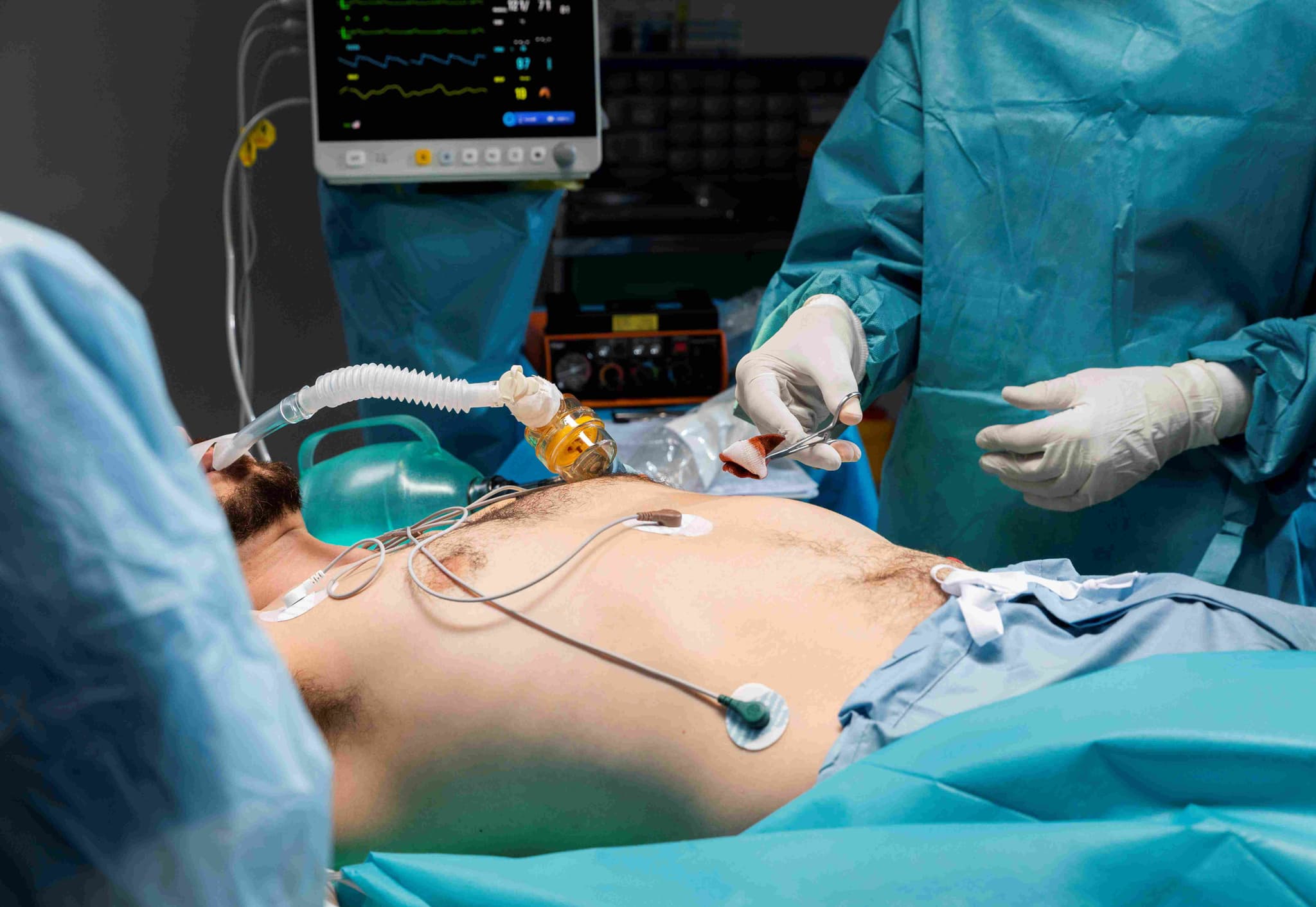

  • Fasting (NPO): Strict adherence to fasting guidelines is required to ensure safety during the induction of general anesthesia.


  • Fetal and Neonatal Echocardiogram: The primary diagnostic tool used to visualize the internal structures of the heart and the origin of the great vessels.


  • Cardiac MRI or CT: Provides high-resolution, three-dimensional images of the heart's relationship to the lungs and chest wall.


  • Genetic Screening: To check for associated syndromes (such as DiGeorge Syndrome) that may impact the child's overall surgical risk and recovery.


  • Cross-match Blood Work: Because these surgeries involve significant blood volumes, several units of specifically typed and screened blood are prepared in advance.


  • Cardiac ICU (CICU): Patients spend 7 to 21 days in a specialized ICU where heart function, rhythm, and oxygen levels are monitored second-by-second.


  • Inotropic Support: High doses of IV medications are often used for several days to help the "re-plumbed" heart pump effectively as it adapts to the new circulation.


  • Neurological Monitoring: Given the use of bypass and circulatory arrest, the medical team closely monitors for seizures or developmental milestones during recovery.


  • Wound and Bone Healing: For children, the breastbone typically heals within 6 to 8 weeks; parents are taught specific "lifting" techniques to protect the chest.


  • Lifelong CHD Specialist Care: These patients are considered "repaired" rather than "cured" and require lifelong surveillance to monitor for valve issues or rhythm changes.


  • Life-Saving Intervention: Provides a definitive chance at survival for infants born with defects that would otherwise be fatal within days or weeks.


  • Improved Oxygenation: Corrects "cyanosis" (blueness), allowing the child’s brain and organs to receive the oxygen necessary for normal development.


  • Restores Physical Potential: Many children grow up to lead active lives, attend school, and participate in sports that would have been impossible without repair.


  • Growth and Development: Relieving the heart's workload allows the body to redirect energy toward physical growth and cognitive milestones.


  • Staged Success: The multi-stage approach (Norwood/Glenn/Fontan) allows the heart to grow and the lungs to mature, leading to better long-term outcomes in single-ventricle patients.


Conditioning Regimen

The Conditioning Regimen is a critical preparatory phase performed immediately before a bone marrow or stem cell transplant. It involves the administration of high-dose chemotherapy, immunotherapy, or Total Body Irradiation (TBI) to prepare the patient’s body for the incoming donor cells. By neutralizing the existing diseased marrow and suppressing the immune system, the conditioning phase creates the necessary biological environment for the new stem cells to thrive and rebuild the patient’s hematopoietic system.


  • Marrow Ablation: It destroys the patient's existing, diseased bone marrow to "clear space" for the new healthy stem cells to grow.


  • Disease Eradication: It aims to eliminate any remaining cancer cells (leukemia, lymphoma, etc.) that may have survived previous rounds of standard treatment.


  • Immunosuppression: It suppresses the patient’s immune system so it does not attack or reject the donor's cells, which is vital for the success of allogeneic transplants.


  • Niche Preparation: It optimizes the bone marrow microenvironment to support the successful "homing" of infused stem cells.


  • Myeloablative Conditioning (MAC): Uses maximum doses of chemotherapy or radiation to completely destroy the marrow. It offers the lowest risk of relapse but is physically demanding, typically reserved for younger or highly fit patients.


  • Reduced-Intensity Conditioning (RIC): Uses lower doses of chemotherapy. It does not completely destroy the marrow but provides enough immunosuppression for donor cells to take hold, making transplants accessible to older patients.


  • Non-Myeloablative Regimens: The mildest form of conditioning, relying primarily on the "Graft-versus-Tumor" effect where the new donor cells eventually kill the remaining cancer cells over time.


  • Sequential Conditioning: A modern approach that combines a cytoreductive phase with a traditional conditioning phase for patients with high disease burden.


  • The regimen typically takes place over a period of 5 to 10 days leading up to "Day 0" (the day of transplant).


  • Medications such as Busulfan, Fludarabine, or Cyclophosphamide are administered via a central venous catheter.


  • Total Body Irradiation (TBI) may be performed in specialized radiology suites to ensure systemic coverage.


  • Pharmacokinetic monitoring is utilized to measure blood levels of chemotherapy in real-time, allowing for precision dosing.


  • Targeted therapies and monoclonal antibodies are often integrated to focus treatment on cancer cells while sparing healthy tissue.


  • Supportive medications are given simultaneously to protect the kidneys, liver, and bladder from high-dose therapy.


  • Precision PharmacokineticsReal-time blood analysis that allows doctors to adjust chemotherapy doses based on an individual's unique metabolism, reducing toxicity.


  • Targeted RadiotherapyAdvances in radiation delivery that focus on the bone marrow and lymph nodes while shielding sensitive organs like the lungs and heart.


  • Immunotherapy IntegrationThe use of specialized antibodies that tag cancer cells, making the chemotherapy phase more efficient and targeted.


  • Toxicity Mitigation ToolsNewer supportive agents that prevent common side effects like severe mouth sores (mucositis) or liver complications.


  • Bio-Marker Guided DosingUsing genetic markers to predict how a patient will respond to specific conditioning agents, allowing for a personalized regimen.


  • Cryotherapy ProtocolsThe use of controlled cooling during certain chemotherapy infusions to protect the oral mucosa and hair follicles.


  • Comprehensive organ function testing to ensure the heart, lungs, and liver can tolerate high-dose medications.


  • Placement of a multi-lumen central venous catheter (Hickman or PICC line) for safe administration of the regimen.


  • Nutritional counseling to prepare the body for the metabolic demands of the conditioning phase.


  • Dental check-ups to treat any potential sources of infection that could become dangerous during the period of low immunity.


  • Psychological preparation for the isolation period required once the immune system begins to decline.


  • Echocardiogram or MUGA scan to verify cardiac output and heart health.


  • Pulmonary Function Tests (PFTs) to ensure the respiratory system is strong enough for systemic therapy.


  • Baseline blood panels for kidney and liver function (BUN, Creatinine, Bilirubin).


  • PET/CT imaging to document the current extent of the disease before the regimen begins.


  • Pregnancy testing for female patients of reproductive age due to the intensive nature of the drugs.


  • Dramatically reduces the risk of relapse by reaching cancer cells that standard-dose chemotherapy cannot.


  • Ensures the "Graft-versus-Host" effect can initiate by preventing the body from immediately rejecting donor cells.


  • Modern "Reduced Intensity" protocols allow older patients to receive curative treatment with significantly improved safety.


  • Precision dosing techniques have lowered the incidence of long-term organ damage compared to traditional methods.


  • Provides a "clean slate" for the new immune system to build a disease-free hematopoietic environment.


  • Intensive monitoring for side effects like nausea, hair loss, or fatigue begins during the regimen.


  • Prophylactic antibiotics and anti-virals are started to protect the patient as their white blood cell counts drop.


  • Specialized mouth rinses and laser therapies are used to manage and prevent oral mucositis.


  • Intravenous fluids and electrolytes are carefully balanced to maintain hydration and organ health.


  • The transition to the transplant phase (Day 0) occurs immediately following the final dose of the conditioning regimen.


  • Reconstitution of a healthy, cancer-free blood system through the successful engraftment of donor cells.


  • Potential for long-term remission from aggressive blood disorders that were previously resistant to treatment.


  • Gradual recovery of physical strength and immune function over the months following the procedure.


  • Ongoing monitoring to manage any "late effects" of the conditioning agents.


  • The satisfaction of knowing every scientific measure was taken to prepare the body for a successful cure.


Congenital Brain Malformations

Congenital brain malformations are structural abnormalities present at birth, typically occurring during the early stages of fetal development. These anomalies can be caused by genetic mutations, environmental factors (such as maternal infections or folic acid deficiency), or specific disruptions during pregnancy. Because the brain is the control center for the body, these malformations can range from mild structural variations to severe conditions that impact motor function, cognition, and overall survival.


  • Neural Tube Defects (NTDs): Occur when the precursor to the brain and spine fails to close properly; includes Anencephaly (absence of major brain portions) and Encephalocele (sac-like protrusions through the skull).


  • Chiari Malformations: Structural defects in the base of the skull where brain tissue (cerebellar tonsils) is pushed down into the spinal canal, often obstructing fluid flow.


  • Dandy-Walker Malformation: A defect affecting the cerebellum and the fluid-filled spaces around it, typically characterized by an enlarged fourth ventricle and high intracranial pressure.


  • Migration Disorders: Conditions like Lissencephaly ("smooth brain") or Heterotopia, where nerve cells fail to move to their proper positions during gestation, often leading to epilepsy.


  • Holoprosencephaly: A failure of the forebrain to divide into two distinct hemispheres, which can cause significant facial and brain structure abnormalities.


  • Agenesis of the Corpus Callosum (ACC): The partial or complete absence of the "bridge" of nerve fibers that connects the left and right sides of the brain.


  • Hydrocephalus: A very common complication where cerebrospinal fluid (CSF) builds up within the brain's ventricles, causing increased pressure and head swelling.


  • Seizures and Epilepsy: Often seen in migration disorders (like Schizencephaly or Heterotopia) where abnormal brain "wiring" triggers electrical storms.


  • Developmental Delays: Delays in reaching milestones such as sitting up, walking, or speaking due to the structural impact on the motor and cognitive cortex.


  • Microcephaly or Macrocephaly: Abnormalities in head size (either significantly smaller or larger than average) reflecting the underlying brain development.


  • Motor Impairment: Difficulty with coordination, muscle tone (spasticity), or balance, particularly in malformations involving the cerebellum.


  • VP Shunt Surgery: The most common treatment for associated hydrocephalus, involving a tube that drains excess fluid from the brain to the abdomen.


  • Chiari Decompression: A procedure where a small piece of bone is removed from the back of the skull (posterior fossa) to create more room for the brain and restore fluid circulation.


  • Encephalocele Repair: A delicate surgery to place protruding brain tissue back into the skull and surgically close the opening in the bone.


  • Endoscopic Third Ventriculostomy (ETV): A minimally invasive alternative to a shunt where a tiny hole is made in the floor of a brain ventricle to bypass a blockage.


  • Spina Bifida Closure: Closing the opening in the spine to protect exposed nerves; in some advanced centers, this is performed in utero (before the baby is born).


  • Anti-Seizure Medications: Critical for managing epilepsy and preventing further neurological injury from frequent seizures.


  • Physical and Occupational Therapy: Long-term therapies designed to improve muscle strength, coordination, and the ability to perform daily tasks.


  • Speech-Language Pathology: To assist children with communication difficulties or swallowing issues that may arise from brainstem or cortical defects.


  • Early Intervention Programs: Specialized educational and developmental support provided during the first years of life to maximize cognitive potential.


  • Fetal Ultrasound: Often the first tool used to detect structural issues like ventriculomegaly or neural tube defects during routine pregnancy screenings.


  • Fetal MRI: Provides high-resolution images of the developing fetal brain when an ultrasound suggests an abnormality, allowing for precise surgical planning.


  • Postnatal MRI or CT: The gold standard for confirming a diagnosis after birth and monitoring the brain for changes in fluid pressure or growth.


  • Genetic Testing (Microarray/Exome): Used to identify specific chromosomal or gene mutations that may have caused the malformation, which is helpful for family planning.


  • Multidisciplinary Care: Patients typically require a team including neurosurgeons, neurologists, pediatricians, and various therapists.


  • Lifelong Monitoring: Regular imaging is often needed to ensure that shunts remain functional and that no new issues, like syrinx (fluid in the spinal cord), develop.


  • Varied Outcomes: The "pathway" for each child is unique; while some malformations require intensive support, others may result in near-normal cognitive and physical function with early intervention.


Corneal Collagen Cross-linking

Corneal Collagen Cross-linking (CXL) is a specialized medical treatment designed to stop the progression of Keratoconus and other corneal thinning disorders. Unlike most laser eye surgeries, its goal is not to improve vision, but to strengthen and stabilize the cornea's structure. By creating new chemical bonds between corneal fibers, CXL acts as a support system to prevent the eye from bulging further.


  • Progressive Keratoconus: When regular eye exams show that the cornea is continuing to thin or the "cone" shape is becoming more pronounced.


  • Post-LASIK Ectasia: A rare condition where the cornea becomes unstable and begins to thin following previous refractive surgery.


  • Pellucid Marginal Degeneration: A specific type of corneal thinning that typically affects the lower portion of the cornea.


  • Rapidly Changing Vision: When your eyeglass or contact lens prescription is shifting frequently due to structural changes in the eye.


  • Early Diagnosis: It is most effective when performed early to "lock" the cornea in place before significant vision loss occurs.


  • Numbing: Anesthetic eye drops are applied so the patient remains comfortable and feels no pain throughout the process.


  • Epithelium Management:

    Epi-off Method: The thin outer layer (epithelium) is gently removed to allow the riboflavin medicine to penetrate the deeper layers more effectively.

    Epi-on (Trans-epithelial): The outer layer is left intact, which may lead to less post-operative discomfort but sometimes slower saturation.


  • Riboflavin Loading: Vitamin B2 (riboflavin) drops are applied every few minutes for about 30 minutes until the cornea is fully saturated.


  • UVA Activation: The eye is exposed to a precise, controlled beam of Ultraviolet-A light.


  • The Cross-linking: The UV light reacts with the riboflavin to create new "cross-links" (chemical bonds) between the collagen fibers, making the cornea stiffer.


  • Protection: A clear, soft bandage contact lens is placed on the eye to protect the surface while the epithelium regrows.


  • Duration: The entire treatment typically takes between 30 and 60 minutes.


  • Baseline Mapping: Detailed 3D scans (topography) are taken to document the current shape and thickness of the cornea.


  • Contact Lens Holiday: Patients must stop wearing hard or gas-permeable contact lenses for several weeks before the procedure to ensure the cornea is in its natural state.


  • Medication Audit: Reviewing any history of slow healing, dry eyes, or chronic eye infections with the surgical team.


  • Transportation Planning: Arranging for a ride home, as the eye will be sensitive to light and vision may be blurry immediately following the UV exposure.


  • Pachymetry: To measure the thickness of the cornea at its thinnest point; a safe minimum thickness is required for the UV light phase.


  • Corneal Topography/Tomography: To identify the "apex" of the cone and track the exact rate of disease progression over time.


  • Slit-Lamp Examination: A microscopic check for any pre-existing corneal scarring or inflammation that might impact the outcome.


  • Visual Acuity Test: Establishing the current level of corrected vision to monitor stability after the procedure.


  • Initial Discomfort: Especially in "Epi-off" cases, the eye may feel sore, gritty, or highly light-sensitive for the first 3–5 days.


  • Vision Fluctuations: It is normal for vision to be "hazy" or slightly worse than before surgery for a few weeks while the surface heals.


  • Medication Regimen: Patients must strictly follow the schedule for prescribed antibiotic and steroid drops for several weeks.


  • Stabilization Timeline: While the surface heals within a week, the full strengthening effect and final vision stabilization can take 3 to 6 months.


  • Follow-up Care: Regular checkups are essential to monitor "corneal haze" (temporary cloudiness) and confirm the epithelium has fully regrown.


  • Stops Disease Progression: CXL is highly successful at preventing the cornea from bulging further and worsening the condition.


  • Prevents Major Surgery: By stabilizing the cornea early, most patients can avoid the need for a full corneal transplant later in life.


  • Permanent Strengthening: The new chemical bonds provide a long-term increase in corneal rigidity and structural integrity.


  • Preserves Vision Quality: While it may not eliminate the need for glasses, it "locks" the vision in place and prevents further loss of sight.


  • Minimally Invasive: It is an outpatient procedure that requires no incisions into the inner eye and no stitches.


Corneal Transplant (Keratoplasty)

Corneal transplant surgery, or keratoplasty, is a specialized procedure to replace damaged or diseased corneal tissue with healthy tissue from a human donor. Modern surgical techniques allow for "component surgery," where surgeons replace only the specific damaged layers of the eye, significantly improving success rates and recovery times.


  • Keratoconus: When progressive thinning causes the cornea to bulge into a cone shape and specialty lenses no longer restore vision.


  • Fuchs’ Dystrophy: If you experience persistent swelling or cloudiness due to the deterioration of the innermost cell layers.


  • Corneal Scarring: To restore vision lost to physical trauma, chemical burns, or severe infections like herpes keratitis.


  • Graft Failure: When a previous donor transplant has been rejected by the body or has stopped functioning.


  • Advanced Thinning: When medical treatments like cross-linking can no longer provide structural integrity or relieve chronic eye pain.


  • Anesthesia: Typically performed as an outpatient procedure under either local or general anesthesia, depending on the complexity.


  • Tissue Removal: The surgeon uses high-precision tools to carefully remove the diseased or damaged layers of the patient's cornea.


  • Methods of Transplant:

    Penetrating Keratoplasty (PKP): A full-thickness transplant where the entire central cornea is replaced and secured with microscopic sutures.

    Deep Anterior Lamellar Keratoplasty (DALK): Replaces the front and middle layers while preserving the patient's own healthy inner lining.

    Endothelial Keratoplasty (DMEK/DSAEK): Minimally invasive procedures to replace only the innermost layer (endothelium).


  • Securing the Graft: In full-thickness surgeries, fine sutures are used. In endothelial transplants, a specialized Air Bubble Tamponade is used to hold the new tissue in place against the eye.


  • Duration: The surgical procedure typically lasts between 1 to 2 hours.


  • Comprehensive Eye Examination: To determine exactly which layers of the cornea need replacement (full-thickness vs. lamellar).


  • Graft Matching: Sourcing high-quality donor tissue from an eye bank and reviewing success rates, which often exceed 90%.


  • Recovery Planning: Preparing for post-operative requirements, such as strict face-up positioning for several days.


  • Medication Review: Discussing the necessity of long-term or life-long steroid eye drops to inhibit immune rejection.


  • Anesthesia Assessment: Evaluating overall health to determine the safest sedation method for the patient.


  • Pachymetry: To measure corneal thickness and identify specific areas of extreme thinning or fluid buildup (edema).


  • Specular Microscopy: A detailed evaluation of the health and density of the endothelial cell layer.


  • Corneal Topography: Creating a 3D map of the curvature and surface irregularities of the diseased cornea.


  • Visual Acuity Test: Establishing a clear baseline of current vision impairment to measure post-surgical improvement.


  • Positioning Requirements: For DMEK or DSAEK, patients must maintain a face-up position for several days to allow the air bubble to support the graft.


  • Steroid Regimen: A committed long-term schedule of steroid eye drops is required to prevent the immune system from attacking the new tissue.


  • Rejection Monitoring: Patients must immediately report "RSVP" symptoms: Redness, Sensitivity to light, Vision blurriness, or Pain.


  • Recovery Timeline: Healing varies by procedure—weeks for endothelial transplants (DMEK) and 6 to 12 months for full-thickness (PKP) procedures.

  • Follow-up Care: Regular appointments are necessary to manage the sutures and monitor for potential risks like glaucoma or astigmatism.


  • Restores Transparency: Effectively clears vision by replacing opaque or scarred tissue with crystal-clear donor tissue.


  • Reduced Rejection Risk: Modern "component" surgery (DALK/DMEK) leaves more of the patient's own tissue intact, lowering the chance of an immune response.


  • Last-Resort Solutions: For patients who cannot receive human donor tissue, an Artificial Cornea (Keratoprosthesis) offers a high-tech synthetic alternative.


  • Eliminates Chronic Pain: Resolves the significant discomfort associated with corneal surface diseases and recurring erosions.


  • Proven Success: Keratoplasty remains the most common and successful type of human organ transplant worldwide.


Coronary Angioplasty (PTCA)

Coronary Angioplasty, also known as Percutaneous Transluminal Coronary Angioplasty (PTCA), is a minimally invasive procedure used to open clogged heart arteries. While surgical bypass remains an option for multi-vessel disease, transcatheter techniques using drug-eluting stents have expanded to treat even complex blockages, restoring vital blood flow to the heart muscle.


  • Refractory Angina: Chest pain that does not improve with standard medication.


  • Exertional Dyspnea: Shortness of breath during physical activity or exercise.


  • Positive Stress Test: Significant blockages identified during a cardiac stress test.


  • Emergency Intervention: Performed during a heart attack to rapidly restore flow and limit heart muscle damage.


  • Cardiac Strain: Evidence of reduced blood flow causing heart enlargement or visible strain on imaging.


  • Balloon Angioplasty: A small, medical-grade balloon is inflated at the blockage site to push plaque against the artery walls.


  • Stent Placement: A tiny mesh tube is inserted and expanded to act as a permanent scaffold to keep the artery open.


  • Drug-Eluting Stents (DES): Stents coated with specialized medication that is slowly released to prevent the buildup of scar tissue (restenosis).


  • Rotational Atherectomy: Using a high-speed, diamond-tipped drill to break up heavily calcified or "hardened" plaque.


  • Laser Angioplasty: Utilizing precise laser energy to vaporize blockages within the coronary arteries.


  • Catheter Access: Under local anesthesia and sedation, a thin, flexible tube is guided through the radial artery (wrist) or femoral artery (groin) to the heart.


  • Real-time Imaging: Contrast dye is injected, and X-ray imaging (fluoroscopy) is used to ensure tools are perfectly positioned at the blockage.


  • Balloon Expansion: The balloon is inflated at the site of the narrowing to widen the passage for blood flow.


  • Stent Deployment: The mesh stent is expanded against the artery wall; the balloon is then deflated and removed, leaving the stent in place.


  • Final Validation: Heart rhythm and blood flow are monitored via an angiogram to confirm the artery is fully open before removing the catheters.


  • Fasting (NPO): No food or drink for 8–12 hours before the catheterization to ensure safety during sedation.


  • Baseline Diagnostics: Blood tests, ECG, and chest X-rays to assess overall cardiac health and kidney function.


  • Medication Adjustment: Reviewing all current prescriptions; blood thinners or certain diabetes medications may be adjusted by the clinical team.


  • Allergy Check: Discussing any known history of allergies, particularly to iodine-based contrast dye or metals like nickel.


  • Recovery Logistics: Arranging for a support person to drive you home and assist during the initial recovery period.


  • Echocardiogram (TTE): An ultrasound to determine the heart's pumping efficiency and valve function.


  • Cardiac Angiogram: The primary diagnostic mapping tool used to identify the exact location and severity of blockages.


  • Cardiac MRI or CT Scan: For detailed 3D mapping of the coronary anatomy in complex cases.


  • ECG: To monitor the heart's electrical rhythm and check for signs of current or past ischemia.


  • Pulse Oximetry: To evaluate baseline oxygen saturation levels in the blood.


  • Short Observation: Most patients require a short hospital stay, often 1–2 days, to monitor the access site and heart rhythm.


  • Activity Restrictions: Avoid strenuous activity, heavy lifting, or immersion in water (baths/pools) for several days post-procedure.


  • Medication Compliance: Strict adherence to prescribed antiplatelet medications (like Aspirin or Clopidogrel) is vital to prevent blood clots from forming on the new stent.


  • Follow-up Care: Regular visits with a cardiologist to monitor the treated site and manage underlying cardiovascular risk factors.


  • Symptom Relief: Most patients experience an immediate improvement in breathing, energy levels, and physical stamina.


  • Restored Perfusion: Immediately restores normal blood flow to the oxygen-starved heart muscle.


  • Muscle Preservation: Protects the heart from permanent damage or scarring caused by chronic ischemia.


  • Improved Mobility: Allows patients to return to physical activities and maintain an active, healthy lifestyle.


  • Risk Reduction: Significantly reduces the long-term risk of heart failure and enlargement of the heart's chambers.


  • High Success Rates: Provides a durable, long-term solution with exceptionally high technical success rates.


Corpectomy (Vertebral Body Removal)

A Corpectomy, also known as a vertebrectomy, is a major spinal surgery involving the removal of all or part of a vertebral body to relieve significant pressure on the spinal cord and nerves. Unlike a discectomy, which only removes disc material, a corpectomy is used when disease or damage extends into the bone of the vertebra itself.


Surgeons typically recommend this procedure for severe conditions that cannot be treated with less invasive methods. Indications include:


  • Severe Spinal Stenosis: Confluent narrowing that extends behind the vertebral body.


  • Vertebral Tumors: Primary or metastatic tumors that destroy the bone and compress the spinal cord.


  • Spinal Fractures: Traumatic burst fractures where bone fragments are pushed into the spinal canal.


  • Bone Infections: Conditions like osteomyelitis or tuberculosis that cause vertebral collapse.


  • Cervical Myelopathy: Compression of the spinal cord in the neck causing loss of coordination or bladder control.


  • Anterior Cervical Corpectomy: Performed through the front of the neck to access the cervical spine.


  • Side-Access Lumbar Corpectomy: Approached from the side of the body for issues in the lower back.


  • Reconstruction with Strut Grafts: Using bone from the patient (autograft) or a donor (allograft) to fill the gap.


  • Reconstruction with Expandable Cages: Using titanium or synthetic mesh cages packed with bone graft for structural support.


  • Surgical Access: The surgeon makes an incision, most commonly through the front or side, depending on the location of the affected vertebra.


  • Vertebral Removal: The surgeon removes the damaged vertebral body along with the discs directly above and below it.


  • Reconstruction: To fill the resulting gap, the "anterior column" is rebuilt using a graft or a specialized expandable cage.


  • Stabilization: Metal plates and screws are attached to the remaining vertebrae to hold the reconstruction in place while the bones fuse.


  • Fasting: Patients must fast for 8–12 hours prior to the procedure.


  • Medical Clearances: Extensive blood tests, ECG, and chest X-rays are required to assess fitness for major surgery.


  • Medication Review: Guidance from the cardiology or surgical team on adjusting medications that may affect bleeding or healing.


  • Recovery Planning: Arranging for significant post-operative support and home modifications for the initial recovery phase.


  • MRI Scan: Essential for visualizing spinal cord compression and soft tissue involvement.


  • CT Scan: Provides detailed mapping of the bony structures and the extent of vertebral damage.


  • X-rays: Used to evaluate overall spinal alignment and stability.


  • Cardiac Catheterization or Stress Test: May be required for older patients or those with high-risk factors to measure heart health before major surgery.


  • Hospital Stay: Typically requires 1 to 3 days, though complex lumbar cases may stay longer.


  • Initial Restrictions: Patients often wear a cervical collar or back brace for 4 to 8 weeks to protect the fusion site.


  • Activity: Desk work and light daily activities can often be resumed within 3 to 6 weeks.


  • Long-term Healing: Complete bony fusion between the graft and the vertebrae typically takes 6 months to 1 year.


  • Spinal Cord Protection: Stops the progression of neurological damage and protects the lungs and body from further disability.


  • Structural Stability: Restores the integrity of the spinal column following trauma or tumor-related destruction.


  • Long-term Cure: Provides a definitive treatment for complex bone-related nerve compression with high success rates.


  • Functional Improvement: Significant improvement in coordination, strength, and overall physical stamina.


Craniosynostosis Surgery

Surgery is the primary treatment for craniosynostosis, a condition where the sutures (fiber-like joints) between the bones of an infant's skull close prematurely. The procedure is designed to release these fused sutures, relieve pressure on the developing brain, and reshape the skull to allow for normal, symmetrical growth. The specific surgical approach is typically determined by the child’s age, which sutures are involved, and the overall severity of the skull deformity.


  • Sagittal Synostosis: The most common form, causing a long, narrow head shape (scaphocephaly). Surgery is needed to widen the skull.


  • Coronal Synostosis: Fusion of the suture running from ear to ear, which can cause a flattened forehead and a shifted eye socket on one or both sides.


  • Metopic Synostosis: Results in a triangular-shaped forehead (trigonocephaly) and eyes that appear too close together.


  • Lambdoid Synostosis: A rare form causing flattening at the back of the head, requiring surgery to distinguish it from positional flattening.


  • Increased Intracranial Pressure (ICP): When the fused skull prevents the brain from expanding, leading to headaches, developmental delays, or vision changes.


  • Syndromic Craniosynostosis: Complex cases associated with genetic conditions (like Apert or Crouzon syndromes) where multiple sutures are fused.


  • Endoscopic Strip Craniectomy: A minimally invasive method for infants under 6 months, using small incisions and a camera to remove the fused bone strip.


  • Cranial Vault Remodeling (CVR): The traditional "open" surgery where the skull bones are removed, reshaped, and repositioned to create an immediate correction.


  • Fronto-Orbital Advancement (FOA): A specialized open procedure focused on reshaping the forehead and the upper rim of the eye sockets.


  • Spring-Mediated Cranioplasty: Following an endoscopic release, stainless steel springs are inserted to gradually push the bone segments apart as the brain grows.


  • Cranial Distraction Osteogenesis: Using internal metal "distractor" devices that are turned daily to slowly expand the skull over several weeks.


  • Surgical Access: Depending on the method, the surgeon makes either small "keyhole" incisions (endoscopic) or a larger zigzag incision from ear to ear (open) to hide the future scar within the hairline.


  • Suture Release: The fused bone at the suture line is carefully cut or removed to "unlock" the skull.


  • Bone Reshaping: In open surgery, the bones are removed and manually reshaped by the surgeon to create a more natural head contour.


  • Hardware Fixation: Absorbable plates and screws—which dissolve naturally within 1–2 years—are used to hold the new skull shape in place.


  • Expansion Device Placement: If using springs or distractors, these are tensioned or installed at the bone edges to allow for ongoing expansion.


  • Scalp Closure: The skin is closed with dissolvable sutures; in some cases, a small drain may be left for 24 hours to prevent fluid buildup.


  • 3D CT Scan: A specialized high-resolution scan is used to create a 3D reconstruction of the skull, allowing the surgeon to "map" the fusion exactly.


  • Ophthalmology Exam: A baseline eye exam to check for swelling of the optic nerve (papilledema), which is a sign of high brain pressure.


  • Hematology Consult: Because bone surgery can involve significant blood loss, a "type and cross-match" for blood is performed to have a transfusion ready if needed.


  • Genetic Testing: To determine if the synostosis is part of a syndrome, which may influence the timing of future facial surgeries.


  • Fasting (NPO): Infants must stop feeding several hours before the procedure to ensure safety under general anesthesia.


  • 3D Cranial Imaging: The gold standard for confirming which sutures are fused and assessing the volume of the intracranial space.


  • Baseline Developmental Screen: To assess motor and cognitive milestones before the brain is "released."


  • Complete Blood Count (CBC): To check hemoglobin levels, ensuring the child is strong enough for a procedure where blood loss is expected.


  • EKG or Echo: Occasionally performed if a genetic syndrome is suspected that might also affect the heart.


  • Hospital Stay: Endoscopic patients typically stay 1 night, while open surgery patients stay 3 to 7 days, often including a night in the Pediatric ICU.


  • Helmet Therapy: If the child had an endoscopic strip craniectomy, they must wear a custom-molded orthotic helmet for up to 23 hours a day for several months.


  • Swelling Management: Significant facial and eyelid swelling is normal for 3–5 days after open surgery; the head is often kept elevated to help this resolve.


  • Activity Restrictions: Most children return to normal play in 2–3 weeks, but contact sports or rough play must be avoided for at least 3 months while the bone heals.


  • Long-Term Monitoring: Follow-up appointments occur every few months for the first year, then annually to ensure the skull continues to grow at the same rate as the brain.


  • Protects Brain Development: Relieving pressure allows the brain to expand and develop without the risk of cognitive or motor delays.


  • Restores Head Symmetry: Corrects the visible deformity, providing a more natural appearance and improving the alignment of the ears and eyes.


  • Permanent Correction: In most non-syndromic cases, a single surgery provides a lifelong fix for the fused suture.


  • Minimally Invasive Options: Early detection allows for endoscopic surgery, which features smaller scars and a much faster recovery time.


  • Reduces Future Complications: Prevents the development of chronic headaches, vision loss, or social difficulties related to head shape later in life.


Cross-linking (for Keratoconus)

Corneal Collagen Cross-linking (CXL) is a specialized medical procedure used to treat Keratoconus, a progressive condition where the cornea thins and bulges into a cone shape. Unlike LASIK or SMILE, which are designed to correct vision, the primary goal of CXL is to strengthen the corneal tissue to stop the disease from worsening and prevent future vision loss.


  • Progressive Keratoconus: When repeat eye exams show that the cornea is continuing to thin or the "cone" shape is becoming more pronounced.


  • Post-LASIK Ectasia: A rare complication where the cornea becomes unstable and thins following refractive surgery.


  • Pellucid Marginal Degeneration: A similar corneal thinning condition that affects the lower part of the cornea.


  • Fluctuating Vision: When your eyeglass or contact lens prescription is changing rapidly due to corneal instability.


  • Early Diagnosis: It is highly effective when performed early to stabilize the cornea before significant vision loss occurs.


  • Numbing: Anesthetic eye drops are applied so the patient remains comfortable and feels no pain during the process.


  • Epithelium Management:

    Epi-off Method: The thin outer layer (epithelium) is gently removed to allow the medication to saturate the deeper layers more effectively.

    Epi-on (Trans-epithelial): The outer layer is left intact, which may reduce post-operative discomfort.


  • Riboflavin Saturation: Vitamin B2 (riboflavin) drops are applied to the eye every few minutes for about 30 minutes until the cornea is fully saturated.


  • UV Light Exposure: The eye is exposed to a controlled amount of Ultraviolet A (UVA) light for several minutes.


  • The Chemical Reaction: The interaction between the Riboflavin and UV light creates new "cross-links" (chemical bonds) between the collagen fibers, making the cornea stiffer and more stable.


  • Bandage Lens: A clear, soft contact lens is placed on the eye to protect the surface while it heals.


  • Duration: The entire treatment typically takes 30 to 60 minutes.


  • Corneal Mapping: Detailed scans (topography) are taken to document the current shape and thickness of the cornea as a baseline.


  • Contact Lens Holiday: Patients must stop wearing hard or gas-permeable contact lenses for several weeks before the procedure to allow the cornea to settle.


  • Medication Review: Discussing any history of slow healing or eye infections with your specialist.


  • Transportation: Arranging for a ride home, as the eye may be sensitive to light and vision may be blurry immediately after the UV exposure.


  • Pachymetry: To measure the thinnest point of the cornea; a minimum thickness is often required to safely perform the UV light stage.


  • Corneal Topography/Tomography: To identify the "apex" of the cone and track the rate of disease progression.


  • Slit-Lamp Examination: To check for any pre-existing corneal scarring that might affect the treatment outcome.


  • Visual Acuity: Establishing the current level of corrected and uncorrected vision.


  • Initial Discomfort: Especially in "Epi-off" cases, the eye may feel sore, gritty, or highly light-sensitive for the first 3–5 days.


  • Vision Fluctuations: It is normal for vision to be slightly "foggy" or worse immediately after the procedure before it stabilizes over several weeks.


  • Medication Regimen: Patients must use prescribed antibiotic and steroid drops for several weeks to prevent infection and manage inflammation.


  • Healing Timeline: While the surface heals within a week, the full strengthening effect of the cross-linking takes 3 to 6 months to reach maximum stability.


  • Follow-up Care: Regular checkups are essential to monitor the "haze" (temporary cloudiness) and ensure the epithelium has regrown properly.


  • Prevents Disease Progression: CXL has a success rate of over 90% in stopping Keratoconus from getting worse.


  • Avoids Major Surgery: By stabilizing the cornea early, the vast majority of patients can avoid the need for a full corneal transplant later in life.


  • Long-Term Stability: The new chemical bonds created between collagen fibers provide a permanent increase in corneal rigidity.


  • Preserves Vision: While it does not eliminate the need for glasses, it "locks" the vision in place and prevents further deterioration.


  • Minimally Invasive: It is an outpatient procedure that does not require stitches or a long hospital stay.


CRT (Cardiac Resynchronization Therapy)

Cardiac Resynchronization Therapy (CRT), also known as biventricular pacing, is a specialized treatment for heart failure patients whose heart's lower chambers (ventricles) do not beat in sync. In a healthy heart, both ventricles contract simultaneously; however, in many heart failure patients, a delay in the electrical system causes one ventricle to beat after the other, leading to poor blood flow. By using a sophisticated pacemaker to send timed electrical pulses to both ventricles, CRT restores their coordinated pumping action and improves overall efficiency.


  • Moderate to severe heart failure symptoms (NYHA Class II, III, or ambulatory IV) that persist despite optimal medication.


  • Low Ejection Fraction, where the heart's pumping capacity is 35% or less.


  • Evidence of an electrical delay, such as a wide "QRS complex" on an ECG (usually >120–150ms).


  • Documented Left Bundle Branch Block (LBBB) indicating uncoordinated ventricular contractions.


  • Evidence of significant heart enlargement or heart overload caused by inefficient pumping.


  • Biventricular Pacing: The core mechanism of sending timed electrical signals to both ventricles to resynchronize their "closing fist" contraction.


  • CRT-P (Pacemaker): A device that focuses solely on resynchronization and treating slow heart rates.


  • CRT-D (Defibrillator): A combination device providing resynchronization plus the life-saving shock functions of an ICD to stop dangerously fast rhythms.


  • Coronary Sinus Lead Placement: A specialized technique to reach and pace the left ventricle's lateral wall through the heart's venous system.


  • Real-time Fluoroscopy: High-definition X-ray guidance used to navigate the complex placement of three separate heart leads.


  • Surgical Access: A small incision is made below the collarbone to create a "pocket" for the pulse generator.


  • Right-Side Lead Placement: Two leads are threaded through veins into the right atrium and right ventricle to monitor and pace those chambers.


  • Left-Side Lead Placement: A third lead is guided through the coronary sinus vein to reach the outside wall of the left ventricle.


  • Device Deployment: The three leads are plugged into the pulse generator, which is then tucked into the skin pocket.


  • Monitoring: Real-time imaging ensures all three leads are perfectly positioned to coordinate the heart's rhythm before finishing.


  • Fasting for 8–12 hours before the surgery, which is performed under local anesthesia and sedation.


  • Blood tests, ECG, and chest X-rays to assess overall cardiac health and anatomy.


  • Adjusting current heart medications as directed by the electrophysiology team.


  • Discussing any allergies, particularly to nickel used in devices or the contrast dye used during navigation.


  • Arranging for post-operative care and a support person for the recovery period.


  • Echocardiogram (TTE) to measure Ejection Fraction and determine the size and location of ventricular dyssyncrony.


  • Cardiac Catheterization to evaluate heart and lung pressures and map the coronary sinus anatomy.


  • ECG to document the wide QRS complex and identify Left Bundle Branch Block.


  • Cardiac MRI or CT scan for detailed 3D mapping of the heart muscle and venous structure.


  • Pulse oximetry to evaluate oxygen saturation levels in the blood.


  • Short hospital stay, usually requiring one night for monitoring and device checks.


  • Avoid strenuous activity, driving, and heavy lifting for approximately one week to one month post-procedure.


  • Immediate improvement in breathing, energy levels, and physical stamina for approximately 70% of responders.


  • Regular follow-up visits with a cardiologist or electrophysiologist to monitor device function and battery life.


  • Long-term protection against heart failure-related hospitalizations.


  • Restores normal, coordinated blood flow and prevents oxygen-rich blood from being pumped inefficiently.


  • Significantly improves exercise capacity and the ability to perform daily activities.


  • Protects the heart and lungs from further damage caused by chronic, uncoordinated pumping.


  • Reduces the risk of heart failure progression and enlargement of the heart's chambers.


  • Provides a durable, long-term solution that improves quality of life and survival rates.


Cryoablation
Cryoablation

Cryoablation is a minimally invasive treatment that uses extreme cold to destroy diseased or abnormal tissue. Unlike heat-based therapies like Radiofrequency Ablation (RFA), it works by rapidly freezing cells into "ice balls," causing them to burst and die upon thawing. This technique is highly valued for its precision, as the formation of the ice ball is clearly visible on real-time imaging (Ultrasound, CT, or MRI).


  • Atrial Fibrillation (AFib): Particularly paroxysmal AFib where "cryoballoon" therapy can block faulty electrical signals from the pulmonary veins.


  • Small Tumors (under 4 cm): Especially in the kidneys, liver, lungs, and prostate, for patients who are not ideal candidates for open surgery.


  • Chronic Pain Management: To freeze specific nerves (e.g., intercostal nerves) and block pain signals for several months.


  • Preservation of Tissue: When a tumor is located near vital blood vessels or structures that might be damaged by heat.


  • Cryoballoon Ablation: A specialized balloon is guided to the heart and inflated at the opening of the pulmonary veins to create a circumferential freeze.


  • Percutaneous Cryoprobe: Needle-like probes are inserted through the skin directly into a tumor under CT or Ultrasound guidance.


  • Freeze-Thaw Cycles: The core mechanism where rapid freezing creates lethal ice crystals inside cells, and thawing causes the cell membranes to rupture.


  • Cryomapping (Cardiac): A safety feature where doctors briefly "cool" a spot to see if it fixes the rhythm before committing to a permanent freeze.


  • Access: For cardiac cases, a catheter is threaded through the groin; for tumors, a needle-like probe is inserted through the skin.


  • Imaging Guidance: Real-time scans (CT/MRI) are used to monitor the growth of the "ice ball" to ensure it covers the target without harming healthy tissue.


  • Freezing Agent: Argon gas or liquid nitrogen is circulated through the probe, reaching temperatures as low as -40°C to -196°C.


  • Tissue Destruction: Multiple freeze-thaw cycles are performed to ensure complete cellular death within the target zone.


  • Completion: The probe or balloon is removed, and the small puncture site is closed with a simple bandage or a single stitch.


  • Fasting for 6–8 hours is typically required for both cardiac and tumor-related cryoablation.


  • Blood tests to check kidney function and blood clotting levels (especially for liver/kidney tumors).


  • Adjusting current medications, such as blood thinners or heart-rate controllers, as directed by your physician.


  • Discussing any allergies to contrast dyes or local anesthetics.


  • Most procedures are performed under sedation or general anesthesia, depending on the complexity.


ApplicationSuccess Rate (Curative Intent)Estimated Cost in India (2026)Atrial Fibrillation80% - 85% (Paroxysmal)₹3,50,000 - ₹5,50,000Kidney Tumors90% - 95% (Small masses)₹2,50,000 - ₹4,00,000Liver Tumors85% - 90% (Early stage)₹3,00,000 - ₹4,50,000


Note: Costs vary by hospital (e.g., Medanta, Apollo, Nanavati-Max) and specific device requirements.


  • Fast Recovery: Most patients go home the same day or after one night's stay.


  • Minimal Pain: The cold has a natural numbing effect; any soreness is usually managed with simple pain relievers for 48 hours.


  • Quick Return: You can typically resume normal light activities within 24 to 48 hours, though strenuous exercise should be avoided for 1–2 weeks.


  • Follow-up Scans: For tumor treatments, a follow-up CT or MRI is usually scheduled at 1, 3, and 6 months to ensure the area is clear.


  • Superior Visibility: The "ice ball" is easier to see on imaging than the "heat zone" of RFA, leading to higher precision.


  • Better Safety: Less likely to cause inflammation or damage the "scaffold" of healthy tissue (like collagen) compared to heat.


  • Repeatable: If a tumor or arrhythmia returns, cryoablation can often be safely performed again in the same area.


  • Shorter Procedure Times: Particularly for AFib, cryoballoon therapy is often faster than point-by-point heat ablation.


Cryolipolysis (Non-Surgical Fat Reduction)

Cryolipolysis, commonly known as "fat freezing," is a non-invasive medical treatment designed to reduce localized fat deposits that are resistant to traditional diet and exercise. As of 2026, it remains the leading non-surgical alternative to liposuction, utilizing controlled cooling to permanently eliminate fat cells without damaging surrounding tissue.


  • To reduce stubborn, "pinchable" fat bulges in specific areas like the abdomen, thighs, or double chin.


  • When seeking a body contouring tool rather than a weight-loss solution for obesity.


  • If you have a BMI under 30 and maintain a stable weight.


  • When looking for a treatment that requires no anesthesia, needles, or downtime.


  • To achieve permanent fat reduction in targeted zones without surgery.


  • Cooling Application: A specialized applicator delivers precise temperatures (typically between -5°C and -11°C) to the target area.


  • Suction Cooling: Use of vacuum suction to draw the fatty bulge into a cooling cup for concentrated treatment.


  • Manual Massage: A vigorous 2-minute post-procedure massage used to break up frozen fat crystals and improve results.


  • Metabolic Elimination: A natural process where the body’s lymphatic system flushes out dead fat cells over 2 to 4 months.


  • Assessment: A clinician marks the targeted fat area and selects the appropriately sized applicator.


  • Skin Protection: A gel pad or antifreeze membrane is placed on the skin to prevent surface frostbite.


  • Suction and Cooling: The applicator uses vacuum suction to draw in the fat; patients may feel tugging and intense cold followed by numbness.


  • Cell Death (Apoptosis): Controlled cooling triggers programmed cell death in fat cells (adipocytes) while sparing skin and muscle.


  • Manual Massage: After applicator removal, the clinician performs a critical massage to enhance efficacy by up to 68%.


  • Consultation to ensure a BMI under 30 and identify "pinchable" fat areas.


  • Discussing any cold-sensitive disorders like Cryoglobulinemia or Raynaud’s phenomenon.


  • Checking for existing hernias or recent surgeries in the treatment area.


  • Confirming the patient is not currently pregnant or lactating.


  • Setting realistic expectations for results that appear over 2 to 3 months.


  • Physical Assessment: To determine the size and location of fat bulges.


  • BMI Measurement: To ensure the candidate is within the ideal range for body contouring.


  • Medical History Review: To check for contraindications like Cold Urticaria.


  • Skin Evaluation: To ensure no existing hernias or injuries in the target area.


  • Most patients resume regular activities and exercise immediately following the session.


  • Expect temporary redness, swelling, bruising, or skin sensitivity for a few weeks.


  • Initial changes may appear in 3 weeks, with dramatic results visible at 2 to 3 months.


  • Maintenance of a stable weight is required to prevent remaining fat cells from expanding.


  • In very rare cases (under 1%), monitoring for Paradoxical Adipose Hyperplasia (PAH).


  • Provides a 20% to 25% reduction in the fat layer of the treated area per session.


  • Permanently destroys fat cells, which the body then naturally eliminates.


  • Non-invasive alternative to liposuction with no surgical risks or scarring.


  • High technical success rates for localized fat reduction.


  • Improves body contouring and physical appearance in stubborn areas.


CSF Leak Repair (endoscopic)

Endoscopic CSF (Cerebrospinal Fluid) leak repair is a specialized, minimally invasive surgery performed to seal a hole in the skull base—the critical bone barrier separating the brain from the nasal cavity. This procedure is essential for stopping the drainage of brain fluid and, more importantly, preventing bacteria from entering the central nervous system and causing life-threatening infections such as meningitis.


  • Clear Nasal Drainage (Rhinorrhea): If you experience a persistent, watery discharge from one side of the nose that often increases when leaning forward or straining.


  • Salty or Metallic Taste: A distinct sensation in the back of the throat caused by spinal fluid draining down from the skull base.


  • Recurrent Meningitis: If you have suffered from unexplained or repeat bacterial infections of the brain lining.


  • Post-Traumatic Leaks: Following a head injury or facial fracture that has compromised the integrity of the skull base.


  • Iatrogenic Leaks: As a follow-up to previous sinus or neurosurgical procedures where a small opening in the dura was created.


  • Spontaneous Leaks: Often associated with high intracranial pressure, frequently seen in patients with idiopathic intracranial hypertension.


  • Anesthesia: The surgery is performed under general anesthesia and typically takes between 2 to 4 hours due to the microscopic precision required.


  • Endoscopic Approach: The surgeon operates entirely through the nostrils using a high-definition endoscope. There are no external incisions and no visible facial scarring.


  • Localization: Surgeons use the endoscope and sometimes a fluorescent dye (fluorescein) injected into the spinal fluid to pinpoint the exact site of the leak with total accuracy.


  • The Multi-Layer Repair: A "sandwich" technique is often used to ensure a watertight seal:

    Grafts: Small pieces of the patient’s own tissue (fat, muscle lining, or nasal mucosa) are placed over or into the defect.

    Vascularized Flap: For larger leaks, a Nasoseptal Flap—tissue with its own blood supply—is rotated from the septum to provide a robust, living cover for the repair.

    Sealants: Medical-grade "glue" or fibrin sealant is applied to bond the grafts to the bone.


  • Packing: The nose is packed with specialized sponge-like material (either dissolvable or removable) to maintain constant pressure on the repair site during the first stage of healing.


  • High-Resolution Imaging: Combining CT scans (to see bone) and MRI (to see fluid) to create a precise surgical roadmap.


  • Beta-2 Transferrin Test: A laboratory confirmation that the fluid draining from the nose is indeed cerebrospinal fluid.


  • Pneumococcal Vaccination: Ensuring you are protected against the most common bacteria that cause meningitis before the skull base is manipulated.


  • Intracranial Pressure Assessment: Evaluating if you have high brain pressure that might have caused the leak and could potentially threaten the new repair.


  • Fasting: Following strict "nothing by mouth" instructions for the hours preceding your general anesthesia.


  • Pledget Study: Placing small cotton sponges in the nose to absorb drainage, which are then tested for the presence of spinal fluid markers.


  • CT Cisternography: A specialized scan where contrast dye is injected into the spinal fluid to visualize the exact point of the "leakage."


  • Neurological Consultation: A full assessment of brain function and cranial nerves to establish a baseline before surgery.


  • Blood Clotting Panel: Ensuring your blood's ability to clot is optimal for a deep, vascularized repair.


  • Hospital Monitoring: Patients typically remain in the hospital for 1 to 3 days. You may need to keep your head elevated at a 30–45 degree angle to reduce pressure on the repair.


  • Lumbar Drain: Occasionally, a small tube is placed in the lower back for 24–48 hours to divert spinal fluid and allow the nasal "patch" to bond without pressure.


  • The "No" Rules (4–6 Weeks): To protect the seal, you must strictly avoid:

    Blowing your nose: The most critical restriction to prevent air from being forced into the brain.

    Straining: Stool softeners are often prescribed to prevent "valsalva" maneuvers during bowel movements.

    Physical Exertion: No heavy lifting or intense exercise that could dislodge the graft.

    Closed-Mouth Sneezing: You must always sneeze with your mouth open to release internal pressure.


  • Sensation Changes: Headaches and a temporary decrease in the sense of smell (anosmia) are common as the nasal passages heal.


  • Prevents Life-Threatening Infection: By restoring the watertight barrier, the procedure eliminates the direct "highway" for bacteria to reach the brain.


  • High Success Rates: Modern endoscopic techniques have a success rate of 90% to 95% on the first attempt for most skull base defects.


  • Avoids Traditional Brain Surgery: This internal approach replaces the need for an "open" craniotomy, which involves removing a portion of the skull and retracting the brain.


  • Rapid Recovery: Because no external bone is cut and the brain is not manipulated, patients recover much faster and with fewer neurological side effects.


  • Preserves Nasal Function: Using localized grafts and flaps allows the surgeon to repair the defect while maintaining the health of the surrounding nasal lining.


CTO (Chronic Total Occlusion) Angioplasty

Chronic Total Occlusion (CTO) Angioplasty, also known as CTO PCI, is a specialized, minimally invasive procedure used to open a coronary artery that has been 100% blocked for three months or longer. Historically considered too complex for standard stenting, advances now allow interventional cardiologists to treat these "final frontier" blockages with high success rates. The procedure restores blood flow to heart muscle that is still viable but "starving" for oxygen.


  • Lifestyle-limiting chest pain (angina) that persists despite taking heart medications.


  • Extreme fatigue or shortness of breath during daily activities.


  • Evidence from a Cardiac MRI or Stress Echo showing heart muscle behind the blockage is still alive.


  • Patients who are not ideal candidates for traditional open-heart bypass surgery.


  • Documented 100% blockage of a coronary artery for a duration of three months or more.


  • Antegrade Approach: Attempting to cross the blockage from the "front" in the direction of normal blood flow.


  • Retrograde Approach: Accessing the blockage from the "back" through small collateral vessels that have naturally grown around the occlusion.


  • Dual Access: Using both the radial (wrist) and femoral (groin) arteries simultaneously to navigate complex blockages.


  • Microcatheter Support: Using specialized, thin tubes to provide extra support for wires crossing "stone-hard" plaque.


  • Stent Placement: Deploying drug-eluting stents to keep the newly opened channel clear permanently.


  • Specialized Access: Procedures often require two access points (wrist and groin) to visualize the blockage from both sides.


  • Extended Navigation: Cardiologists use advanced wires to penetrate the solid cap of the occlusion.


  • Plaque Modification: Specialized balloons or drills may be used to create a path through the chronic blockage.


  • Device Deployment: Once a wire crosses the blockage, a stent is expanded to restore the artery's original diameter.


  • Real-time Monitoring: High-definition imaging ensures the stent is perfectly positioned and blood flow is fully restored.


  • Fasting for 8-12 hours before the procedure due to its longer duration (3-5 hours).


  • Blood tests to assess kidney function, as more contrast dye is often required.


  • Adjusting current heart and blood-thinning medications as directed by the cardiology team.


  • Discussing any allergies to contrast dye or materials used in cardiac devices.


  • Arranging for an overnight hospital stay and a support person for the recovery period.


  • Cardiac MRI or Stress Echo to confirm the heart muscle is viable and will benefit from the procedure.


  • Coronary Angiogram to map the "front" and "back" entry points of the blockage.


  • CT Scan (Cardiac) for 3D mapping of the calcium levels within the total occlusion.


  • ECG to monitor electrical rhythm and check for conduction issues caused by the blockage.


  • Blood tests to ensure the patient can tolerate the longer procedure time.


  • Short hospital stay, typically involving one night of observation for safety.


  • Resume light activity within 24 to 48 hours, avoiding heavy lifting for one week.


  • Mandatory Medication: Patients must take blood thinners (DAPT) for 6 to 12 months to prevent stent clotting.


  • Regular follow-up visits with a cardiologist to monitor the success of the revascularization.


  • Significant improvement in energy levels, breathing, and physical stamina.


  • Relief of chronic chest pain and shortness of breath that did not respond to medication.


  • Improved quality of life and the ability to return to physical activities.


  • Protects the heart muscle from permanent damage and reduces the risk of future heart failure.


  • High success rates (85% to 90%) at specialized centers using modern retrograde techniques.


  • Avoids the need for more invasive open-heart bypass surgery in eligible patients.


CyberKnife (Radiosurgery)

CyberKnife is a non-invasive, robotic radiosurgery system used to treat both cancerous and non-cancerous tumors throughout the body with extreme precision. Despite its name, it involves no scalpels or incisions; instead, it uses a robotic arm to deliver high-dose radiation beams from thousands of unique angles.


  • Diagnosis of malignant or benign tumors in the brain, spine, or body organs.


  • Seeking a non-surgical alternative for acoustic neuromas or meningiomas.


  • Cancers of the lung, prostate, liver, pancreas, or kidney.


  • Chronic facial pain due to Trigeminal Neuralgia.


  • Arteriovenous malformations (AVMs) or certain heart arrhythmias.


  • True Robotic Precision: The only system featuring a linear accelerator mounted on a robotic arm for sub-millimeter accuracy.


  • Real-Time Tracking: Uses AI-driven imaging to track tumor movement from breathing and automatically adjusts the beam.


  • Frameless Treatment: Completely frameless approach that eliminates the need for rigid head or body frames.


  • Sparing Healthy Tissue: High-precision targeting designed to protect the surrounding healthy organs and tissue.


  • Treatment Flexibility: Delivers both Stereotactic Radiosurgery (SRS) and Stereotactic Body Radiation Therapy (SBRT).


  • Brain and Spine: Treatment for malignant and benign tumors, including acoustic neuromas.


  • Body Organs: Specialized protocols for lung, prostate, liver, pancreas, and kidney cancers.


  • Functional Disorders: Effective for Trigeminal Neuralgia (facial pain) and AVMs.


  • Heart Conditions: Used in specific clinical settings to treat certain heart arrhythmias.


  • Versatile Application: Capable of treating complex tumors located anywhere in the body.


  • Outpatient Procedure: Each session lasts between thirty and ninety minutes with no hospital stay required.


  • Treatment Sessions: Typically requires only one to five sessions compared to dozens for traditional radiation.


  • No Anesthesia: The procedure is painless and does not require general anesthesia.


  • Immediate Return: Patients can usually return to their normal daily activities immediately after treatment.


  • Comfortable Setting: Patients lie comfortably during the session while the robotic arm moves around them.


  • General Effects: Patients may experience temporary fatigue, nausea, or localized skin irritation.


  • Brain Treatment: Potential for brain swelling or tissue changes (necrosis) in rare cases.


  • Prostate Treatment: Possible temporary urinary urgency or minor changes in bowel habits.


  • Location Dependent: Specific side effects vary based on the exact area of the body being treated.


  • Tolerance: The procedure is generally well-tolerated by most patients.


  • Eliminates the need for invasive surgery and the associated recovery time.


  • Provides a life-saving option for tumors that are otherwise considered inoperable.


  • Minimizes radiation exposure to healthy tissues and critical organs.


  • Offers a highly flexible treatment schedule with significantly fewer hospital visits.


  • Maintains patient quality of life by allowing normal activities throughout the treatment course.


Cystoscopy
Cystoscopy

Cystoscopy and Hypospadias Repair are fundamental urological procedures used to diagnose and correct anatomical issues within the urinary tract. While Cystoscopy is a diagnostic tool that provides a direct view of the bladder and urethra, Hypospadias Repair is a delicate reconstructive surgery. In many clinical cases, especially in pediatric urology, these procedures are performed together to ensure that the internal urinary anatomy is healthy before external reconstruction begins.


  • Congenital Misalignment: When a newborn is identified with a urethral opening on the underside of the penis rather than the tip.


  • Persistent Curvature: A condition known as "chordee," where the penis curves downward, often accompanying hypospadias.


  • Unexplained Hematuria: The presence of blood in the urine that requires internal visualization via cystoscopy.


  • Recurrent Urinary Tract Infections (UTIs): To rule out structural blockages or "valves" within the urethra.


  • Difficulties with Urination: A weak or misdirected urinary stream in children or adults.


  • Pre-Surgical Mapping: Performing a cystoscopy to ensure the proximal urethra is clear before starting a complex reconstruction.


  • Proximal Hypospadias: Severe cases where the urethral opening is located near the scrotum or perineum.


  • Redo (Revision) Surgery: Patients who have had a previous unsuccessful repair and require specialized tissue grafts.


  • Prostatic Utricle: An internal pocket sometimes found in children with hypospadias that must be identified via cystoscopy.


  • Intersex/DSD Conditions: Cases where urological reconstruction is part of a broader multidisciplinary care plan.


  • Adult Hypospadias: Complex repairs in adults which may involve strictures or scar tissue from childhood.


  • Cystoscopy: A thin, lighted tube (cystoscope) is gently inserted through the urethra. The surgeon uses high-definition monitors to inspect the lining of the bladder and the urethral path.


  • TIP Repair (Tubularized Incised Plate): The most common corrective technique where the existing urethral plate is used to create a new, functional tube.


  • Grafting: In severe cases, tissue may be taken from the foreskin or the inside of the cheek (buccal mucosa) to reconstruct the urinary channel.


  • Chordee Correction: If the penis is curved, the surgeon releases the fibrous tissue causing the bend to ensure a straight functional result.


  • Stenting: A small, flexible tube (stent) is often placed in the new urethra for 5 to 10 days to ensure it remains open during the initial healing phase.


  • Anesthesia: Children undergo general anesthesia for both procedures to ensure comfort and precision.


  • Robotic-Assisted MicrosurgeryUsing robotic systems for proximal repairs to achieve ultra-precise suturing of the delicate urethral tissues, reducing the risk of fistulas.


  • 3D-Printed Urethral ScaffoldsExperimental but progressing technology where bio-compatible scaffolds are used to help grow a new urethra in complex revision cases.


  • Ultra-Thin Fiber-Optic CystoscopesDigital scopes that are significantly thinner and more flexible than traditional models, minimizing tissue trauma during diagnostic exams.


  • Tissue EngineeringUtilizing lab-grown epithelial cells to create custom grafts, potentially eliminating the need to harvest tissue from the mouth.


  • Laser-Assisted Tissue BondingUsing specialized lasers to "weld" tissue edges together with high precision, creating a more watertight seal than traditional stitches.


  • Virtual Reality (VR) Surgical PlanningSurgeons use 3D reconstructions from scans to "rehearse" complex urological repairs before entering the operating room.


  • Optimal Timing: For children, the procedure is ideally scheduled between 6 and 18 months of age for faster healing and minimal psychological impact.


  • NPO Guidelines: Strict fasting instructions prior to surgery to ensure the safety of general anesthesia.


  • Hygiene and Skin Care: Ensuring the diaper area is free of rashes or infections before the scheduled surgery date.


  • Medication Review: Discussing any supplements or medications that could affect blood clotting.


  • Psychological Support: Providing "play therapy" or age-appropriate explanations for older children to reduce anxiety.


  • Retrograde Urethrogram: An X-ray test sometimes used alongside cystoscopy to map the urethral path.


  • Flow Rate Testing: Post-operative measurements to ensure the new urinary stream is strong and unobstructed.


  • Stent Management: Monitoring the drainage of the temporary stent to ensure proper kidney and bladder function.


  • Fistula Screening: Regular check-ups to ensure there are no unintended openings or "leaks" in the newly constructed channel.


  • Cosmetic Assessment: Evaluating the symmetry and appearance of the glans (tip) and the straightness of the penis.


  • Restored Functionality: Corrects the urinary stream, allowing for a normal standing position during urination and ensuring future reproductive health.


  • High Success Rates: Modern "TIP" repairs have a very high success rate with minimal complications for distal cases.


  • Comprehensive Diagnosis: The use of cystoscopy ensures that no internal anatomical surprises are missed before the external work begins.


  • Psychological Well-being: Early correction prevents the self-esteem issues that can arise from anatomical differences as a child grows.


  • Synergistic Care: Combining diagnosis and repair into a single session reduces the need for multiple anesthetic exposures.


  • Most patients go home the same day or after a single night of observation.


  • Double-diapering techniques are often used to protect the stent and keep the surgical site clean.


  • Pain management typically involves a combination of local nerve blocks administered during surgery and oral medications at home.


  • Baths are usually restricted for the first few days, though sponge baths are encouraged to maintain hygiene.


  • A follow-up visit is scheduled within the first 10 days to remove the stent and assess the early healing of the new urethra.


  • A normal, functional urinary stream directed from the tip of the penis.


  • A straight anatomical result that supports healthy physical and sexual development.


  • Significant reduction in the risk of long-term urological complications like strictures or infections.


  • Confidence for the child as they reach developmental milestones like potty training.


  • The peace of mind for parents knowing a complex congenital issue has been permanently resolved.


DCR (Tear Duct Surgery)

Tear duct surgery, most commonly known as Dacryocystorhinostomy (DCR), is a specialized procedure performed to create a new drainage pathway for tears between the eye and the nose. It is the primary treatment for a blocked tear duct (nasolacrimal duct obstruction), which causes symptoms like constant watering, sticky discharge, and recurrent eye infections. By bypassing the obstruction, DCR restores the natural flow of tears and eliminates chronic irritation.


  • Chronic Watering (Epiphora): When tears constantly overflow onto your cheeks, affecting your vision and daily comfort.


  • Recurrent Infections: If you experience frequent bouts of dacryocystitis (infection of the tear sac) characterized by pain, redness, and swelling near the nose.


  • Sticky Discharge: Persistent mucus or pus-like discharge that causes the eyelids to stick together, especially upon waking.


  • Painful Swelling: A visible, tender lump in the inner corner of the eye caused by fluid backup in the lacrimal sac.


  • Failed Conservative Treatment: When massage, antibiotics, or simple "probing" of the duct have failed to clear the obstruction.


  • Anesthesia: The procedure is typically performed as an outpatient surgery under either local anesthesia with sedation or general anesthesia.


  • Surgical Approaches:

    External DCR: The surgeon makes a small incision (10–12 mm) on the side of the nose. A small piece of bone is removed to connect the lacrimal sac directly to the nasal cavity. It is considered the "gold standard" with a 90% to 95% success rate.

    Endoscopic (Endonasal) DCR: Performed through the nostrils using a thin camera (endoscope), leaving no external scar. This minimally invasive approach typically results in less postoperative bruising.


  • Stent Placement: In many cases, a tiny, flexible silicone stent is temporarily placed in the new opening to keep it from closing while the tissue heals.


  • Duration: The surgical process typically takes between 30 and 60 minutes.


  • Nasal Examination: An evaluation of the nasal passages to ensure there are no structural issues, like a deviated septum, that might interfere with drainage.


  • Medication Audit: Discussing any blood thinners (like aspirin or warfarin) that must be paused to prevent excessive nosebleeds during or after surgery.


  • Infection Control: Ensuring any active tear sac infections are treated with antibiotics before the day of the procedure.


  • Transportation: Arranging for a ride home, as your vision may be slightly blurred and you may feel drowsy from the anesthesia.


  • Fasting: Following "nothing by mouth" instructions if general anesthesia is planned.


  • Lacrimal Syringing and Probing: A diagnostic test where saline is flushed through the tear ducts to confirm the exact location of the blockage.


  • Dacryocystography (DCG): A specialized X-ray using contrast dye to visualize the shape and size of the tear sac and the obstruction.


  • Nasal Endoscopy: Using a small camera to look inside the nose for polyps or inflammation that could affect the surgical outcome.


  • Visual Acuity Test: Establishing a baseline of your vision to monitor eye health following the procedure.


  • Initial Recovery: Healing of the surface tissues takes about 1 to 2 weeks. Expect mild bruising and swelling, which usually resolves within 10–15 days.


  • Stent Removal: Any placed silicone stents are typically removed during a brief office visit 4 to 12 weeks after surgery.


  • Nasal Care: Patients must strictly avoid blowing their nose for at least one week to prevent air pressure from disrupting the new drainage channel.


  • Activity Restrictions: Strenuous exercise, heavy lifting, and swimming are typically restricted for at least 2 weeks.


  • Elevation: Sleep with your head elevated for the first few days to significantly reduce postoperative swelling.


  • Superior Success Rates: External DCR provides a highly reliable solution, successfully resolving blockages in the vast majority of patients.


  • No Visible Scarring (Endoscopic): The endonasal approach offers a scarless alternative with a faster initial recovery time.


  • Eliminates Chronic Infections: By restoring drainage, the procedure permanently removes the stagnant fluid where bacteria typically grow.


  • Rapid Symptom Relief: Most patients notice a significant reduction in eye watering and stickiness almost immediately after the procedure.


  • Same-Day Discharge: As an outpatient procedure, patients can recover in the comfort of their own home on the same day as the surgery.


Debridement Surgery
Debridement Surgery

Debridement is a critical clinical and surgical intervention used to treat chronic wounds, severe infections, and deep burns. The procedure involves the precise removal of necrotic (dead), damaged, or infected tissue to expose the underlying healthy tissue. By clearing away this cellular debris, debridement eliminates a primary source of infection and "restarts" the body’s natural healing cascade. In the context of burn care, early and effective debridement is the most important factor in reducing scarring and improving long-term functional outcomes.


  • Severe Burn Injury: To remove charred or "eschar" tissue that prevents healing and harbors bacteria.


  • Diabetic Foot Ulcers: When chronic wounds fail to progress due to a buildup of non-viable tissue or biofilm.


  • Necrotizing Fasciitis: An emergency scenario where "flesh-eating" bacteria require rapid surgical removal to save life and limb.


  • Pressure Sores: Deep bedsores that have developed thick, leathery tissue (slough) that blocks new skin growth.


  • Contaminated Traumatic Wounds: Road rash or deep lacerations containing dirt, debris, or foreign objects.


  • Venous Stasis Ulcers: Chronic leg wounds that require "freshening" of the wound edges to stimulate closure.


  • Surgical (Sharp) Debridement: The most rapid method, where a surgeon uses a scalpel or scissors to cut away dead tissue until a healthy, bleeding wound bed is reached.


  • Hydrosurgical Debridement: Utilizing high-pressure, razor-thin saline jets to selectively wash away necrotic tissue while preserving the delicate healthy dermis beneath.


  • Enzymatic Debridement: The application of specialized topical agents that chemically dissolve dead tissue without harming the living skin.


  • Biological Debridement: A highly selective method using sterile, medical-grade larvae (maggots) that ingest only necrotic tissue and release natural antibiotics.


  • Autolytic Debridement: A conservative approach using moisture-retentive dressings to trap the body's own natural enzymes, allowing the wound to "self-clean" over time.


[Image showing the visual difference between a necrotic wound bed and a healthy, granulated wound bed following debridement]


  • Early Excision: For deep burns, removing the damaged tissue within the first 24 to 72 hours is the standard for reducing the risk of sepsis.


  • Escharotomy: An emergency procedure for circumferential burns where stiff, dead skin acts like a tourniquet; incisions are made to release pressure and restore blood flow.


  • Skin Grafting (Autograft): Following debridement, a thin layer of the patient's own healthy skin is transplanted to cover the clean wound bed.


  • Skin Substitutes: The use of lab-grown or bio-engineered "scaffolds" that provide a temporary barrier and encourage the body to regenerate its own skin.


  • Fasciotomy: In cases of extreme swelling (compartment syndrome) following a burn or trauma, deep incisions are made into the muscle fascia to prevent tissue death.


  • Bromelain-Based Enzymatic AgentsPlant-derived enzymes that can "melt" away burn eschar in as little as four hours, often eliminating the need for traditional surgery in partial-thickness burns.


  • Handheld Ultrasound DebridementDevices that use low-frequency ultrasonic mists to vibrate and dislodge bacteria and dead cells without the pain or trauma of a scalpel.


  • 3D-Printed Bio-MasksCustom-designed masks for facial burn victims that provide perfectly distributed pressure and healing agents to minimize contour scarring.


  • Cold Plasma TherapyA cutting-edge non-thermal gas used to instantly sterilize a wound bed and stimulate the microcirculation needed for tissue regrowth.


  • AI Wound DiagnosticsSmartphone-based apps that use hyperspectral imaging to analyze a wound and tell the clinician exactly which areas require debridement.


  • Smart Dressings with BiosensorsBandages that change color or send an alert to a doctor's tablet if they detect a change in pH or temperature indicating an early infection.


  • Pain Management Planning: Ensuring adequate local anesthesia, regional nerve blocks, or general sedation depending on the wound's size.


  • Vascular Assessment: Using Doppler ultrasound to ensure there is enough blood flow to the area to support healing after the dead tissue is removed.


  • Nutritional Loading: Increasing protein and Vitamin C intake, as the body requires massive amounts of energy to "rebuild" skin after debridement.


  • Wound Photography: Taking high-resolution baseline images to track the surface area and depth of the wound throughout the treatment cycle.


  • Infection Screening: Taking a wound culture to identify specific bacteria and ensure the patient is on the most effective antibiotic.


  • Quantitative Tissue Cultures: Measuring the concentration of bacteria within the wound bed to ensure it is "clean" enough for a skin graft.


  • Granulation Tracking: Monitoring the appearance of "beefy red" tissue, which is a sign of healthy blood vessel formation and successful healing.


  • Perfusion Monitoring: Using near-infrared spectroscopy to check oxygen levels in the tissue surrounding the debridement site.


  • Electrolyte Management: Crucial for burn patients, as large debrided areas can lead to significant fluid and salt loss.


  • Eliminates Biofilms: Breaks down the "shield" that bacteria create, allowing antibiotics and the immune system to finally reach the infection.


  • Reduces Systemic Risk: Removing infected tissue prevents "sepsis," a life-threatening condition where the infection enters the bloodstream.


  • Shortens Healing Time: By removing the "dead weight" of necrotic tissue, the body can focus all its resources on closing the wound.


  • Improves Functional Range: Especially in burns, proper debridement prevents the formation of thick, restrictive scars (contractures) that limit movement.


  • Optimizes Graft Success: A skin graft will only "take" on a clean, debrided bed; without this step, reconstructive surgery would fail.


  • Recovery is a journey; while the procedure may take minutes, the healing of a debrided wound typically spans 6 to 12 weeks.


  • Regular dressing changes using specialized foams or silver-impregnated bandages are required to keep the environment sterile.


  • High-protein medical nutrition is often prescribed to provide the building blocks (collagen) needed for new skin.


  • Compression therapy or physical therapy may be started early to ensure that the new skin remains flexible and doesn't "shrink" during healing.


  • Patients are monitored for any signs of "re-sloughing," which might require a minor follow-up debridement in the clinic.


  • Successful closure of chronic wounds that may have been present for months or years.


  • Significantly improved physical appearance and reduced scarring, particularly with modern enzymatic and hydrosurgical methods.


  • Restored mobility and the ability to return to work or exercise without the burden of a painful, non-healing wound.


  • Reduction in long-term medical costs by avoiding the complications of infection and amputation.


  • The psychological relief of seeing a "stagnant" wound finally move toward a healthy, healed state.


Deep Brain Stimulation (DBS)

Deep Brain Stimulation (DBS) is a neurosurgical procedure that uses a "brain pacemaker" to send electrical impulses to specific areas of the brain. As of 2026, it is an established standard of care for movement disorders and is increasingly used for psychiatric conditions when traditional medications fail.


  • Parkinson’s Disease symptoms such as tremors, rigidity, and "off" time that are no longer managed by medication.


  • Essential Tremor causing severe, uncontrollable shaking in the hands and arms.


  • Dystonia involving painful or involuntary muscle contractions.


  • Epilepsy characterized by refractory partial-onset seizures.


  • Treatment-resistant Obsessive-Compulsive Disorder (OCD).


  • Parkinson’s Disease: Significantly reduces tremors and motor fluctuations.


  • Essential Tremor: Suppresses severe shaking to improve daily function.


  • Dystonia: Helps control involuntary muscle movements and postures.


  • Epilepsy: Approved as an adjunctive therapy for difficult-to-treat seizures.


  • Obsessive-Compulsive Disorder (OCD): Used under a humanitarian device exemption for chronic, severe cases.


  • Adaptive DBS (aDBS): Systems that sense real-time brain activity and automatically adjust stimulation levels.


  • Directional Leads: Electrodes that allow surgeons to "steer" current toward targets to minimize side effects.


  • Personalized Programming: Precise digital adjustment of electrical pulses tailored to the patient's brain signals.


  • Sensing Technology: Capability to record brain signals (local field potentials) to monitor disease progression.


  • Improved Battery Life: Advances in battery chemistry providing longer intervals between replacements.


  • Brain Surgery (Stage 1): Fine leads are placed in specific brain targets, often while the patient is awake to test for relief.


  • Testing: Surgeons use microelectrode recording to ensure the leads are in the optimal location.


  • Chest Surgery (Stage 2): The pulse generator (battery) is implanted under the skin near the collarbone.


  • Connection: Extension wires are tunneled under the skin to connect the chest device to the brain leads.


  • Closing: Small incisions are closed with sutures or surgical staples.


  • Hospital Stay: Most patients stay for 1–3 days for observation.


  • Honeymoon Effect: Temporary symptom relief may occur immediately from the surgery itself.


  • Device Activation: Official programming and device "turn-on" typically occurs 2–4 weeks after surgery.


  • Rechargeable Models: Newer 2026 models can last up to 15 years before needing replacement.


  • Non-Rechargeable Models: Standard batteries typically last between 3–5 years.


  • Brain Bleed: There is a 1–3% risk of a brain bleed or stroke during lead placement.


  • Infection: A 3–5% risk of infection exists at the incision sites or around the hardware.


  • Hardware Issues: Potential for lead migration, wire breakage, or skin erosion over the device.


  • Side Effects: Stimulation can sometimes cause temporary speech, balance, or mood changes.


  • Programming Time: It may take several months of adjustments to find the most effective settings.


  • Substantial reduction in the need for daily medications and their associated side effects.


  • Significant improvement in the ability to perform activities of daily living.


  • Continuous, 24-hour symptom control that does not "wear off" like oral medication.


  • Reversible and adjustable technology that can be updated as the condition changes.


  • Enhanced quality of life and independence for patients with chronic movement disorders.


Diagnostic Hysteroscopy

Diagnostic hysteroscopy is a minimally invasive procedure used to look inside the uterus to diagnose the cause of abnormal bleeding, infertility, or repeated miscarriages. It involves inserting a thin, lighted tube with a camera (hysteroscope) through the vagina and cervix, requiring no surgical incisions. This procedure allows for direct visualization of the uterine cavity, providing more accuracy than an ultrasound alone for certain conditions.


  • Abnormal Uterine Bleeding: To investigate heavy, prolonged, or unexpected post-menopausal bleeding.


  • Infertility Evaluation: To check for structural abnormalities, such as polyps or a uterine septum, that might prevent an embryo from implanting.


  • Recurrent Miscarriage: Looking for internal scarring (Asherman’s Syndrome) or congenital uterine defects that could affect a pregnancy.


  • Displaced IUD: To locate and potentially retrieve an intrauterine device that has moved out of its proper position.


  • Abnormal Imaging Results: If a prior ultrasound or saline sonogram showed a suspicious shadow or growth within the uterine lining.


  • Anesthesia: Depending on your comfort level and the doctor's preference, it can be done with no anesthesia, local anesthesia (numbing the cervix), or light sedation.


  • Duration: The procedure is typically performed in an outpatient setting or doctor’s office and takes only 5 to 15 minutes.


  • Preparation: You are positioned similarly to a routine pelvic exam. No abdominal cuts are required as the hysteroscope uses the natural opening of the cervix.


  • Expansion: A saline liquid or carbon dioxide gas is gently introduced to expand the uterus, providing the doctor with a clear, panoramic view of the uterine walls and the openings of the fallopian tubes.


  • Inspection: The doctor moves the camera to examine the lining for fibroids, polyps, or structural defects.


  • Biopsy/Sampling: If a suspicious area is identified, a small tissue sample (biopsy) can be taken at the same time for laboratory testing.


  • Timing Your Cycle: The procedure is best performed during the first week after your period ends, when the uterine lining is at its thinnest.


  • Pregnancy Test: A mandatory check to ensure you are not pregnant, as the procedure cannot be performed during pregnancy.


  • Medication Audit: You may be advised to take an over-the-counter pain reliever, like ibuprofen, about an hour before the procedure to minimize cramping.


  • Cervical Ripening (Optional): In some cases, medication may be inserted vaginally a few hours prior to help soften and slightly open the cervix.


  • Fasting: If you are receiving light sedation, you must follow "nothing by mouth" instructions for 6–8 hours before the appointment.


  • Pelvic Ultrasound: To provide a baseline view of the uterus and ovaries and to identify the location of any known fibroids.


  • Infection Screening: Testing for active pelvic infections or STIs to ensure it is safe to pass instruments into the uterus.


  • Blood Panels: A routine check of your blood count, especially if you have been experiencing heavy bleeding and anemia.


  • Hysterogram (HSG): Sometimes performed prior to hysteroscopy to check the patency of the fallopian tubes.


  • Recovery Time: Most patients can return to work and normal daily activities the same day or the following morning.


  • Short-term Symptoms: It is normal to experience mild cramping and light vaginal spotting for 1 to 2 days.


  • Gas/Shoulder Pain: If carbon dioxide was used for expansion, you may feel temporary referred pain in your shoulder for 24 hours.


  • Activity Restrictions: Most doctors recommend avoiding sexual intercourse and the use of tampons for a few days to allow the cervix to close and reduce the risk of infection.


  • Follow-up: Your doctor will discuss the visual findings immediately, though biopsy results typically take 5–7 days.


  • Direct Visualization: Provides a "real-time" view that is often more definitive than X-rays or ultrasounds for identifying small polyps or adhesions.


  • Incision-Free: The lack of surgical cuts means there is no external scarring and a near-instantaneous recovery period.


  • Immediate Transition: If a problem is found, it can often be treated during the same session by switching to an operative hysteroscopy to remove the growth.


  • High Safety Profile: Complications like uterine perforation or infection are extremely rare when performed by experienced specialists.


  • Fertility Friendly: It is the "gold standard" for evaluating the uterine environment before proceeding with expensive fertility treatments like IVF.


Dilation and Curettage (D&C)

Dilation and Curettage (D&C) is a minor surgical procedure used to diagnose or treat various uterine conditions by removing tissue from the lining of the uterus. This procedure remains a fundamental intervention for managing endometrial health and addressing reproductive complications.


  • Abnormal Uterine Bleeding: Investigation of heavy periods, bleeding between cycles, or post-menopausal bleeding.


  • Retained Tissue Management: Clearing the uterus of tissue following a miscarriage or abortion to prevent infection.


  • Postpartum Complications: Removing fragments of the placenta that remain in the uterus after childbirth.


  • Detection of Anomalies: Identifying uterine polyps, endometrial hyperplasia, or potential uterine cancer.


  • Pregnancy Complications: Treatment of molar pregnancies where abnormal tissue growth occurs.


  • Diagnostic Investigation: Collecting tissue samples to determine the cause of unexplained pelvic symptoms.


  • Dilation: The process of widening the cervix using specialized rods called dilators or medication to soften the cervical canal.


  • Curettage: Use of a spoon-shaped instrument known as a curette to gently scrape tissue from the uterine lining.


  • Suction Curettage: A minimally invasive vacuum method used to remove uterine contents efficiently.


  • Diagnostic Sampling: Extraction of endometrial tissue for laboratory analysis and histopathology.


  • Specialized Access: The healthcare provider widens the cervix to allow instruments to enter the uterine cavity safely.


  • Tissue Removal: A curette or suction device is inserted to clear or sample the endometrium.


  • Anesthesia Integration: Patients receive general, regional, or local anesthesia with sedation to ensure complete comfort.


  • Real-Time Precision: The procedure typically takes 10 to 15 minutes and is conducted in a controlled clinical environment.


  • Outpatient Protocol: Performed as a day-care surgery, allowing for same-day discharge.


  • Softening Agents: Advanced pharmacological options to dilate the cervix more naturally and with less trauma.


  • Precision Curettes: Modern, low-profile instruments designed for high-accuracy tissue collection.


  • Suction Technology: Specialized vacuum devices that provide a gentler alternative to traditional scraping.


  • Enhanced Imaging: Integration of real-time monitoring to ensure the total removal of targeted tissue.


  • Pelvic Ultrasound: To visualize the uterine lining and identify areas of thickening or retained tissue.


  • Blood Tests: Assessment of overall health and screening for pregnancy or infection markers.


  • Physical Examination: A comprehensive pelvic exam to evaluate the cervix and uterine position.


  • ECG and Chest X-ray: Standard pre-operative checks to ensure safety under anesthesia.


  • Accurate Diagnosis: Provides clear evidence for treating conditions like polyps or precancerous thickening.


  • Infection Prevention: Eliminates retained tissue that could lead to severe pelvic inflammatory issues.


  • Hemorrhage Control: Effectively stops excessive bleeding caused by incomplete miscarriages or thick linings.


  • Rapid Results: Offers immediate therapeutic relief for many patients suffering from acute uterine issues.


  • High Success Rates: A well-established procedure with high technical success and low complication rates.


  • Rapid Recovery: Most individuals can return to their home within a few hours of the procedure.


  • Short Downtime: Regular activities can typically be resumed within one to two days.


  • Post-Operative Monitoring: Mild cramping and light spotting are monitored for up to two weeks as part of normal healing.


  • Restored Health: Immediate improvement in symptoms such as heavy bleeding or pelvic discomfort.


Donor Search and Matching (HLA Typing)

Donor Search and Matching is the critical first step for any allogeneic bone marrow or stem cell transplant. It involves identifying specific genetic markers called Human Leukocyte Antigens (HLA) to ensure the donor's immune system is compatible with the recipient's body. Through high-resolution DNA sequencing and global registry integration, this process minimizes the risk of transplant rejection and Graft-versus-Host Disease (GVHD), providing the foundation for a successful and durable recovery.


  • Immediately upon diagnosis of high-risk Leukemia or Aplastic Anemia where a transplant is likely.


  • When a sibling or close relative is available to test for a potential 10/10 genetic match.


  • If a patient requires a life-saving transplant but does not have a matched family member.


  • Before initiating a search in national or international bone marrow registries.


  • For couples with inherited blood disorders (like Thalassemia) to screen for a compatible "Savior Sibling."


  • To determine the feasibility of a Haploidentical (half-match) transplant from a parent or child.


  • Acute Myeloid Leukemia (AML) requiring a precise match to balance the Graft-versus-Tumor effect.


  • Severe Combined Immunodeficiency (SCID) where an identical immune match is vital.


  • High-risk Myelodysplastic Syndrome (MDS) where the age of the donor also becomes a critical factor.


  • Patients from ethnic minority backgrounds who may require a wider search across global databases.


  • Cases where a previous transplant was unsuccessful due to donor-specific antibodies.


  • A blood or cheek swab sample is collected from the patient to establish their HLA profile.


  • Next-Generation Sequencing (NGS) is used to analyze five primary HLA loci (A, B, C, DRB1, and DQB1).


  • Sibling testing is conducted first, as there is a 25% biological probability of a perfect match.


  • If no family match exists, a preliminary search is launched in global and national donor registries.


  • Potential unrelated donors are identified and contacted for "confirmatory typing."


  • AI-driven search algorithms predict which donors are most likely to be available and healthy for donation.


  • Next-Generation Sequencing (NGS)High-resolution DNA typing that eliminates genetic "ambiguities" and provides 100% accuracy in a single test.


  • AI-Powered Search AlgorithmsPredictive tools that analyze global registry data to find the best possible donor in a fraction of the traditional time.


  • Donor-Specific Antibody (DSA) ScreeningAdvanced testing to see if the recipient's body has pre-existing "attacks" planned against a specific donor’s cells.


  • Virtual Cross-MatchingA digital simulation of the transplant to predict compatibility before the physical cells are even requested.


  • Non-Inherited Maternal Antigen (NIMA) TestingSpecialized screening for cord blood units that allows for better outcomes even in "mismatched" cases.


  • Rapid-Turnaround Lab ProtocolsModern laboratory workflows that can provide high-resolution matching results in 14 days or less.


  • Early identification of all biological siblings to begin the "Related Donor" screening process.


  • Counseling for family members to explain the non-invasive nature of HLA testing (swab or blood draw).


  • Registration with national and international bone marrow donor databases (such as DATRI or NMDP).


  • Financial planning for potential international donor procurement fees if no local match is found.


  • Discussion with a transplant coordinator to understand the "Search Hierarchy" (Sibling > Unrelated > Haploidentical).


  • High-Resolution HLA Typing (6-Loci or 11-Loci) for the most detailed genetic map.


  • Confirmatory HLA Typing to verify the match before the donor's cells are collected.


  • Blood Group (ABO) and Rh factor matching, although this is secondary to HLA compatibility.


  • Viral marker screening (CMV, EBV, HIV, Hepatitis) for both the patient and the potential donor.


  • Mixed Lymphocyte Reaction (MLR) tests in complex cases to observe cellular compatibility in a lab setting.


  • Achieves the "Gold Standard" 10/10 match, which dramatically reduces the risk of Graft-versus-Host Disease.


  • AI-assisted searches significantly shorten the "time to transplant," which is vital for aggressive diseases.


  • High-resolution NGS ensures that hidden genetic differences are identified before the transplant begins.


  • Opens the door to Haploidentical (half-match) transplants, ensuring nearly every patient has a donor.


  • Minimizes the risk of primary graft failure by selecting donors with the highest "engraftment potential."


  • The transplant coordinator manages communication with donor registries and courier services.


  • Regular updates are provided to the patient as donors move from "preliminary match" to "confirmed."


  • If a donor is found abroad, the team coordinates the cold-chain transport of the cells.


  • The matching process concludes when a donor is medically cleared and a collection date is set.


  • For cord blood searches, units are reserved and tested for cell count and viability.


  • Increased confidence and peace of mind as the patient enters the conditioning phase.


  • Higher probability of long-term survival and a cure due to the selection of the optimal genetic match.


  • Reduction in the need for long-term, high-dose immunosuppressant medications after transplant.


  • Successful "rebuilding" of the immune system using a compatible genetic blueprint.


  • Potential to save a life through the altruistic participation of a matched stranger or family member.


Double Valve Replacement (DVR)

Double Valve Replacement (DVR) is a major cardiac surgery where two of the heart's four valves—most commonly the Mitral and Aortic valves—are replaced during a single operation. This is typically required when both valves are severely diseased (stenosed or leaking) and cannot be effectively repaired. DVR remains a life-saving intervention for advanced multi-valve disease, often restoring normal life expectancy for patients with severe heart failure.


  • Rheumatic Heart Disease: The leading cause of multi-valve damage, where chronic inflammation scars both the mitral and aortic valves.


  • Calcific Degeneration: Age-related buildup of calcium that stiffens both heart structures simultaneously.


  • Endocarditis: A severe bacterial infection that has spread from one valve to another, causing structural destruction.


  • Left Ventricular Strain: When the failure of one valve causes a "domino effect," putting pressure on the second valve until it also fails.


  • Symptomatic Heart Failure: When symptoms like severe breathlessness, chest pain, and fainting can no longer be managed with medication.


  • Mechanical Valves: Made of carbon and metal. They are extremely durable and rarely need replacing, but require lifelong blood thinners (Warfarin).


  • Bioprosthetic (Tissue) Valves: Made from pig (porcine) or cow (bovine) tissue. They do not require long-term heavy blood thinners but usually wear out in 10–15 years.


  • On-X Mechanical Valves: A newer generation of mechanical valves that may allow for lower doses of blood thinners.


  • Ross Procedure (Specialized): Using the patient's own pulmonary valve to replace the aortic valve, though less common in a double-replacement scenario.


[Image comparing a mechanical heart valve and a bioprosthetic tissue valve]


  • Access: A midline incision is made through the breastbone (sternotomy) to provide the surgeon full access to the heart.


  • Cardiopulmonary Bypass: The patient is connected to a heart-lung machine; the heart is temporarily stopped to allow for precise surgery.


  • Valve Removal: The surgeon opens the aorta and the left atrium to meticulously excise the diseased aortic and mitral valves.


  • Implantation: Two new valves are sewn into the heart’s natural rings (annulus) using high-strength sutures.


  • De-airing & Restarting: Air is removed from the heart chambers, blood flow is restored, and the heart is restarted.


  • Fasting: Required for at least 8–12 hours before surgery, as it is performed under general anesthesia.


  • Blood Prep: Extensive blood work, including cross-matching for several units of blood in case a transfusion is needed.


  • Dental Clearance: Mandatory to ensure no oral bacteria could infect the new prosthetic valves.


  • Medication Adjustment: Adjusting current medications, especially blood thinners and anti-platelet drugs, as directed by the surgeon.


  • System Check: Pulmonary function tests and chest X-rays to ensure the lungs are prepared for recovery.


  • Echocardiogram (TTE/TEE): The primary imaging tool to grade the severity of both valve diseases and measure heart chamber size.


  • Coronary Angiogram: To check for blockages in the heart arteries that might need to be bypassed during the same surgery.


  • Cardiac CT or MRI: To provide 3D anatomical detail of the valves and the surrounding heart structures.


  • Carotid Doppler: To evaluate the risk of stroke by checking the arteries supplying the brain.


  • Organ Function Panels: Including kidney and liver function tests, as these organs are vital for a successful recovery.


  • ICU Stay: Patients spend 24 to 48 hours in the ICU for intensive monitoring of heart rhythm and blood pressure.


  • Hospital Stay: Total recovery in the hospital usually lasts 7 to 10 days.


  • Anticoagulation: If mechanical valves are used, strict monitoring of blood clotting levels (INR) begins immediately and continues for life.


  • Sternal Precautions: No lifting anything heavier than 3 kg for 8 to 12 weeks to allow the breastbone to heal.


  • Cardiac Rehabilitation: Supervised exercise is critical starting at week 6 to help the heart adjust to the new valves.


  • Corrects Circulation: Immediately corrects the "back-pressure" on the lungs and the rest of the body.


  • Symptom Relief: Drastically reduces shortness of breath, fatigue, and swelling in the legs.


  • Stops Progression: Prevents the progressive stretching and weakening of the heart muscle.


  • Long-Term Durability: Modern prosthetic options allow many patients to experience decades of improved health.


  • Single-Stage Correction: Treating both valves in one surgery avoids the high risk of a "redo" operation later in life.


Drug-Eluting Stent (DES) Placement

A Drug-Eluting Stent (DES) is a small, metal mesh tube coated with specialized medication that is permanently placed in a narrowed heart artery. It is the most common type of stent used to treat Coronary Artery Disease (CAD). These devices are designed to provide both mechanical support and controlled drug release to ensure long-term arterial health.


  • Chronic Chest Pain (Angina): Pain or pressure that limits physical activity.


  • Significant Blockages: Evidence of arterial narrowing found during an echocardiogram or stress test.


  • Heart Failure Risk: High risk of heart failure due to restricted blood flow to the heart muscle.


  • Emergency Treatment: Used during a heart attack to rapidly restore circulation.


  • Functional Improvement: Prevention of breathing difficulties caused by poor heart pump function.


  • The Scaffold: A metal mesh structure, typically made of cobalt-chromium or platinum-chromium alloys, providing mechanical support to prevent the artery from recoiling.


  • The Polymer Coating: A thin layer that holds the medication and controls its release into the artery wall over several weeks or months.


  • The Therapeutic Agent: Specialized drugs (typically from the "limus" family) that inhibit the growth of scar tissue within the artery.


  • Catheter Access: A thin tube is guided through the radial artery (wrist) or femoral artery (groin) to the heart.


  • Navigation: Real-time X-ray imaging and contrast dye ensure the catheter is perfectly positioned at the blockage.


  • Expansion: A tiny balloon at the catheter's tip is inflated to widen the blockage and expand the collapsed stent against the artery wall.


  • Device Deployment: The balloon is deflated and removed, leaving the low-profile stent to support the vessel permanently.


  • Monitoring: Imaging confirms the stent is perfectly positioned before finishing the procedure.


  • Fasting: Required for 8–12 hours before the catheterization.


  • Baseline Screening: Blood tests, ECG, and chest X-rays to assess overall health and kidney function.


  • Medication Adjustment: Adjusting current medications as directed by the cardiology team.


  • Allergy Check: Discussing any allergies, particularly to nickel (used in some stents) or contrast dye.


  • Recovery Planning: Arranging for a support person for the post-operative period.


  • Echocardiogram (TTE or TEE): To determine the location and severity of arterial issues.


  • Cardiac Catheterization: To measure heart pressures and map the coronary anatomy.


  • Cardiac MRI or CT Scan: For detailed 3D mapping of complex blockages.


  • ECG: To monitor the heart's electrical rhythm.


  • Pulse Oximetry: To evaluate oxygen saturation levels in the blood.


  • Hospital Stay: Usually 1–2 days for observation.


  • Activity Restrictions: Avoid strenuous activity and heavy lifting for a few weeks post-procedure.


  • Mandatory Medication: Patients must take dual antiplatelet therapy (DAPT), such as aspirin and a second blood thinner, for 6 to 12 months to prevent clots.


  • Long-term Follow-up: Regular visits with a cardiologist to monitor the stent site.


  • Functional Recovery: Immediate improvement in breathing, energy levels, and physical stamina.


  • Reduced Restenosis: Significantly lowers the risk of the artery re-narrowing compared to older bare-metal stents.


  • Organ Protection: Protects the heart and lungs from damage caused by poor circulation.


  • Fewer Procedures: Patients are less likely to need repeat angioplasties or bypass surgery.


  • High Success Rate: Modern DES provide a long-term solution with technical success rates often exceeding 95%.


  • Efficient Circulation: Restores normal blood flow and ensures the heart muscle receives adequate oxygen.


Dural AV Fistula Embolization

Dural Arteriovenous Fistula (DAVF) Embolization is a specialized endovascular procedure used to close abnormal connections (fistulas) between the dural arteries and the venous system surrounding the brain or spinal cord. Unlike congenital malformations, DAVFs are typically acquired later in life due to factors such as trauma, blood clots (sinus thrombosis), or infections. The procedure uses a catheter-based approach to navigate the vascular system and "plug" the high-pressure leak into the veins.


  • Cortical Venous Reflux: A high-risk condition where blood flows backward into the brain's veins, significantly increasing the risk of a life-threatening hemorrhage or stroke.


  • Pulsatile Tinnitus: A debilitating "whooshing" or rhythmic thumping sound in the ear that matches your heartbeat, caused by high-pressure blood flow near the ear structures.


  • Increased Intracranial Pressure: When the fistula interferes with normal drainage, causing severe headaches, nausea, or progressive vision loss.


  • Neurological Deficits: Sudden or progressive weakness, numbness, or seizures caused by "venous congestion" in the brain or spinal cord.


  • Aggressive Lesion Grading: If diagnostic imaging (Borden or Cognard classification) identifies the fistula as high-grade with a significant risk of bleeding.


  • Access: A thin, flexible catheter is inserted into a blood vessel in the groin or wrist and threaded toward the brain using real-time X-ray guidance (fluoroscopy).


  • Anesthesia: The procedure is typically performed under general anesthesia to ensure the patient remains perfectly still, taking approximately 2 to 4 hours.


  • Transarterial Route: The most common approach, reaching the fistula through the feeding dural arteries (such as the middle meningeal artery).


  • Transvenous Route: An alternative or combined approach accessing the site through the venous sinuses, which is often highly effective for specific high-grade lesions.


  • Embolization: Once the catheter is at the target, "embolic agents" are injected to permanently seal the connection. Common agents include:

    Liquid Embolics (Onyx or PHIL): Non-adhesive liquids that harden upon contact with blood to fill the fistula "nest."

    Microcoils: Small platinum coils that trigger the body's natural clotting process.

    Medical Glue (NBCA): A fast-acting adhesive used to instantly seal high-flow connections.


  • Digital Subtraction Angiography (DSA): The "gold standard" diagnostic test to map the complex architecture of the fistula and its feeding vessels.


  • Neurological Assessment: A detailed baseline exam of your vision, motor function, and cranial nerves.


  • Kidney Function Tests: To ensure your kidneys can safely process the contrast dye used during the X-ray guidance.


  • Fasting: Following "nothing by mouth" instructions for 8 hours prior to the administration of anesthesia.


  • Medication Audit: You may be asked to stop taking blood thinners several days before the procedure to minimize the risk of bleeding at the access site.


  • MRI or CT Angiography: To visualize the relationship between the fistula, the dural sinuses, and the surrounding brain tissue.


  • Formal Hearing Test: Often required for patients presenting with pulsatile tinnitus to establish a baseline.


  • Blood Panels: A routine check of your blood count and clotting factors to ensure a safe endovascular experience.


  • ECG: A standard heart check to confirm cardiovascular stability for the duration of the procedure.


  • Hospital Stay: Patients are typically monitored in the hospital for 1 to 2 days to ensure there are no changes in neurological status.


  • Immediate Symptoms: It is normal to experience mild headaches and soreness at the puncture site (groin or wrist) for 2–3 days.


  • Activity Restrictions: No heavy lifting (over 4.5 kg / 10 lbs) or strenuous exercise for 5 days following the procedure to allow the access site to heal.


  • Follow-up Imaging: A repeat angiography is usually performed at 6 and 12 months to ensure the fistula remains completely closed.


  • Symptom Resolution: Most patients notice an immediate disappearance of pulsatile tinnitus and a gradual reduction in headaches as the venous pressure normalizes.


  • Minimally Invasive: Treating complex brain vascular connections through a tiny puncture in the wrist or groin avoids the risks and recovery time of a craniotomy.


  • High Success Rates: Modern embolic agents allow for complete occlusion of the fistula in 72% to 90% of cases in a single session.


  • Targeted Pressure Relief: By closing the fistula, the procedure immediately stops the dangerous backward flow of blood into the brain's delicate veins.


  • Preserves Normal Flow: Advanced micro-catheters allow specialists to seal the abnormal connection while carefully preserving the healthy blood flow necessary for brain function.


  • Prevents Future Stroke: Definitive closure of high-risk fistulas provides a durable defense against intracranial hemorrhage and long-term neurological damage.


Echocardiography & Cardiac Catheterization

Echocardiography and Cardiac Catheterization are the two primary diagnostic pillars used to evaluate heart health. While both provide essential data on how the heart is functioning, they differ significantly in their approach: one uses sound waves to "see" the heart from the outside, while the other involves navigating a thin tube through the blood vessels to examine the heart from the inside. Together, these tools allow cardiologists to diagnose everything from valve issues to complex arterial blockages with extreme precision.


  • Echocardiography: Recommended for initial screenings, unexplained shortness of breath, or monitoring known heart valve conditions.


  • Cardiac Catheterization: Advised when a patient has symptoms of a blockage, such as chest pain (angina), or after an abnormal stress test.


  • Functional Assessment: When a doctor needs to measure your "ejection fraction" to see how well the heart pumps blood.


  • Structural Review: To detect congenital heart defects, blood clots, or fluid around the heart.


  • Pre-Surgical Planning: Before major heart surgery, to map the coronary arteries and ensure surgical accuracy.


  • Emergency Intervention: During a suspected heart attack, a catheterization is often used to locate and clear a blockage immediately.


  • Coronary Artery Disease: Requiring an angiogram to identify specific narrowings in the heart's vessels.


  • Valvular Heart Disease: Where a Transesophageal Echo (TEE) provides high-resolution views of the heart valves.


  • Heart Failure: Requiring regular monitoring of heart chamber size and pumping efficiency.


  • Hypertrophic Cardiomyopathy: A condition involving thickened heart muscle that is best visualized via 3D ultrasound.


  • Pulmonary Hypertension: Where catheterization can directly measure the blood pressure within the heart and lung arteries.


  • Echocardiography (TTE): A non-invasive test where a technician moves a wand (transducer) over the chest to create real-time ultrasound images.


  • Transesophageal Echo (TEE): A specialized probe is passed down the esophagus under sedation to get a clearer view of the heart's internal structures.


  • Cardiac Catheterization: Under local anesthesia, a long, thin tube (catheter) is inserted through a vessel in the wrist or groin and threaded to the heart.


  • Contrast Imaging: During catheterization, a specialized dye is injected to make the coronary arteries visible under X-ray (angiography).


  • Interventional Treatment: If a blockage is found during catheterization, the surgeon can immediately perform an angioplasty or place a stent.


  • Recovery: Echocardiograms require no recovery time, while catheterization requires a few hours of bed rest to ensure the insertion site heals.


  • 3D and 4D EchocardiographyAdvanced ultrasound that creates a moving, three-dimensional model of the heart, allowing for unprecedented views of valve function.


  • Radial Access CatheterizationThe standard practice of using the wrist instead of the groin for catheter insertion, significantly reducing the risk of bleeding and shortening recovery time.


  • Intravascular Ultrasound (IVUS)A tiny ultrasound camera placed on the tip of a catheter to see inside the artery walls, helping to determine the stability of a blockage.


  • Fractional Flow Reserve (FFR)A specialized wire used during catheterization that measures blood pressure across a blockage to determine if it truly needs a stent.


  • AI-Enhanced Echo InterpretationSoftware that automatically calculates heart measurements with higher accuracy than the human eye, reducing diagnostic errors.


  • Low-Dose Radiation LabsModern "Cath Labs" that utilize high-sensitivity X-ray detectors to provide clearer images while using significantly less radiation.


  • For Echo: No special diet is usually required; patients can typically take their normal medications.


  • For Catheterization: Patients must fast (NPO) for several hours and may need to pause certain blood-thinning medications.


  • Sedation Review: Discussion regarding light sedation to ensure comfort during invasive or transesophageal procedures.

  • Allergy Check: Specifically checking for iodine or contrast dye allergies before a cardiac catheterization.


  • Hydration: Encouraged before and after catheterization to help the kidneys process the contrast dye.


  • Ejection Fraction (EF): A percentage measurement of how much blood the left ventricle pumps out with each contraction.


  • Coronary Angiogram: The "Gold Standard" X-ray test during catheterization to map out blockages in the arteries.


  • Doppler Ultrasound: A part of the echo that measures the speed and direction of blood flow through the heart.


  • Wall Motion Analysis: Checking for areas of the heart muscle that are not moving normally, often a sign of a previous silent heart attack.


  • Pressure Manometry: Directly measuring the pressure inside each heart chamber during a catheterization.


  • Echocardiography provides a safe, radiation-free way to monitor the heart's mechanical health over a lifetime.


  • Cardiac Catheterization is the only way to provide a definitive diagnosis and immediate life-saving treatment for coronary blockages.


  • Precision Medicine: These tests allow for "custom-fit" treatments, ensuring patients only receive stents or surgery when absolutely necessary.


  • Early Detection: Can identify heart disease in its earliest stages, long before it causes a heart attack or stroke.


  • Valve Accuracy: 3D imaging has made heart valve repairs much more successful by providing surgeons with a perfect "road map."


  • Most patients return to light activities within 48 to 72 hours after a cardiac catheterization.


  • Echocardiogram results are often available immediately, allowing for rapid adjustments to heart medications.


  • A small bandage is placed over the wrist or groin site after catheterization; it typically heals completely within a week.


  • Following these tests, patients receive a personalized "Heart Health Plan" including diet, exercise, and medication guidance.


  • Regular follow-up echoes may be scheduled to ensure that treatments (like stents or medications) are working effectively.


ECMO Cannulation
ECMO Cannulation

ECMO (Extracorporeal Membrane Oxygenation) Cannulation is a critical surgical or percutaneous procedure where large-bore tubes (cannulas) are inserted into major blood vessels to connect a patient to an ECMO machine. This "heart-lung" bypass technology acts as a temporary life-support system by taking over the work of the heart and/or lungs, allowing these organs to rest and heal. Advances in portable platforms and AI-driven monitoring have expanded the use of this therapy from the ICU to emergency field transport.


[Image comparing VV-ECMO (venous return) and VA-ECMO (arterial return) setups]


  • Severe ARDS: When the lungs are so damaged (e.g., from pneumonia) that a ventilator can no longer maintain oxygen levels.


  • Cardiogenic Shock: When the heart is unable to pump enough blood to support the body’s vital organs, often after a massive heart attack.


  • Bridge to Transplant: To keep patients alive and stable while they wait for a donor heart or lung.


  • E-CPR (Extracorporeal CPR): Used during active cardiac arrest in specialized trauma centers to restore circulation when traditional CPR fails.


  • Post-Surgical Recovery: When a patient’s heart or lungs are "stunned" and unable to function independently after complex cardiac surgery.


  • Veno-Venous (VV) ECMO (Lung Support): Blood is drained from a large vein, oxygenated by the machine, and returned to the venous system. It supports the lungs only.


  • Veno-Arterial (VA) ECMO (Heart & Lung Support): Blood is drained from a vein and returned to an artery, bypassing both the heart and lungs to provide full circulatory support.


  • Veno-Arterio-Venous (VAV) ECMO: A hybrid configuration used when a patient needs both the cardiac support of VA and additional oxygenation for the lungs.


  • Dual-Lumen Cannulation: Using a single, specialized tube inserted in the neck that both drains and returns blood, allowing for earlier patient movement.


  • Distal Perfusion Cannula: In leg-based VA ECMO, a smaller third cannula is often added to ensure blood flow reaches the lower leg and prevent limb injury.


  • Preparation: The procedure is done in an emergency setting or OR; the patient is heavily sedated and given blood thinners (Heparin) to prevent clots in the machine.


  • Percutaneous Access: Using the "Seldinger Technique" where needles and wires guide the cannulas through the skin into the femoral (groin) or jugular (neck) vessels.


  • Surgical Cut-down: If vessels are too small or damaged, a surgeon makes an incision to directly see and enter the artery or vein.


  • Imaging Guidance: Real-time Ultrasound and Transesophageal Echo (TEE) are used to ensure the cannula tips are perfectly positioned near the heart.


  • Connection: Once the tubes are secured, they are connected to the "primed" ECMO circuit, and the machine gradually takes over organ function.


  • Emergency Nature: As an emergency life-support measure, formal preparation time is often zero; the medical team acts immediately once the decision is made.


  • Hemodynamic Stabilization: Medications (vasopressors) are used to keep blood pressure high enough to allow for safe cannula insertion.


  • Rapid Blood Cross-matching: The procedure involves moving large volumes of blood outside the body, so blood products must be ready.


  • Anticoagulation Baseline: Checking the patient's clotting status to calibrate the blood-thinning medication required for the ECMO circuit.


  • Consent: If the patient is unconscious, emergency consent is obtained from the next of kin.


  • Point-of-Care Ultrasound (POCUS): To check the size and health of the femoral and jugular vessels for the largest possible cannula fit.


  • Arterial Blood Gas (ABG): To confirm that oxygen levels are critically low despite maximum ventilator support.


  • Echocardiogram: To evaluate right and left heart function, which determines whether VV or VA ECMO is needed.


  • Chest X-ray: To assess the severity of lung "white-out" or damage before the procedure begins.


  • Coagulation Profile: Testing PT/INR and platelet counts to assess the risk of bleeding during the invasive insertion.


  • ICU Monitoring: Patients are usually kept in a medically induced coma initially, though modern protocols emphasize "Awake ECMO" where possible to keep muscles strong.


  • Decannulation: Once the heart or lungs show signs of healing (verified by "trialing off" the machine), the cannulas are surgically removed.


  • Physical Rehabilitation: Because patients are bedbound for days or weeks, intensive physical therapy is required to regain the ability to walk.


  • Long-term Follow-up: Survivors may experience "Post-ICU Syndrome," requiring respiratory therapy and psychological support.


  • Organ Monitoring: Regular checks on kidney and liver function are necessary, as these organs can be stressed during the period of support.


  • The "Ultimate" Life Support: Provides a critical window of time—days to weeks—for the heart and lungs to heal from otherwise fatal injuries.


  • Restores Oxygen Levels: Immediately corrects life-threatening hypoxia that would otherwise lead to brain death.


  • Reduces Ventilator Injury: Allows doctors to turn down the pressure on ventilators, preventing further scarring of the lungs (barotrauma).


  • High Survival Rates: Modern survival rates for neonatal respiratory failure on ECMO are as high as 75%.


  • Bridge to Permanent Solutions: Acts as a vital safety net for patients waiting for a heart transplant or a long-term LVAD pump.


Ectopic Pregnancy Surgery

Surgery for an ectopic pregnancy is an emergency procedure performed when a fertilized egg implants outside the uterus, most commonly in a fallopian tube. Because an ectopic pregnancy cannot survive and poses a life-threatening risk of internal hemorrhage, surgical intervention is often necessary to protect the mother’s health and future fertility.


  • Confirmed Ectopic Pregnancy: When ultrasound and blood tests confirm the embryo has implanted outside the uterine cavity.


  • Severe Abdominal Pain: Sharp, stabbing pelvic pain, often on one side, that may come and go or vary in intensity.


  • Signs of Rupture: If you experience extreme lightheadedness, fainting, or shoulder tip pain, which indicates internal bleeding.


  • Failed Medical Management: When medication (such as methotrexate) has not successfully dissolved the pregnancy tissue.


  • High hCG Levels: If pregnancy hormone levels are too high for medical treatment to be effective or safe.


  • Unstable Vital Signs: An emergency situation where low blood pressure or a rapid heart rate suggests an active tubal rupture.


  • Laparoscopic Surgery (Keyhole): The most common and preferred approach. The surgeon makes 2–3 tiny incisions in the abdomen to insert a high-definition camera and specialized micro-instruments.


  • Salpingectomy: The complete removal of the fallopian tube containing the pregnancy. This is often the safest choice if the tube is severely damaged or if the other tube is healthy.


  • Salpingostomy: A small, precise slit is made in the fallopian tube to remove the pregnancy tissue while leaving the tube intact. This is typically considered if the other tube is already damaged or missing.


  • Laparotomy (Open Surgery): A larger abdominal incision used in critical emergencies where a tube has ruptured and severe internal bleeding requires immediate, direct control.


  • Anesthesia: The procedure is performed under general anesthesia and typically takes between 30 to 60 minutes, though emergency cases may require more time.


  • Access: Depending on the stability of the patient, the surgeon accesses the pelvic area through small laparoscopic ports or a traditional abdominal incision.


  • Tissue Removal: All pregnancy tissue is meticulously removed to prevent it from continuing to grow or causing further internal damage.


  • Hemostasis: The surgeon carefully seals all blood vessels to stop internal bleeding and ensure the pelvic cavity is clear of blood and debris.


  • Closure: Small laparoscopic incisions are closed with dissolvable stitches or surgical glue, while open incisions are secured with standard sutures or staples.


  • Emergency Ultrasound: A final scan to locate the pregnancy and assess whether the fallopian tube has already ruptured.


  • Serial hCG Testing: Monitoring the levels of the pregnancy hormone to determine the urgency and type of surgical approach needed.


  • Blood Type and Cross-match: Immediate testing to ensure compatible blood is available in the event a transfusion is necessary due to blood loss.


  • Intravenous Access: Starting IV fluids and potentially medications to stabilize blood pressure before entering the operating room.


  • Fasting: In non-emergency cases, following "nothing by mouth" instructions; however, in emergencies, the surgical team proceeds immediately for patient safety.


  • Transvaginal Ultrasound: The primary diagnostic tool used to visualize the empty uterus and the mass in the fallopian tube.


  • Quantitative Beta-hCG: A precise blood test to measure the exact amount of pregnancy hormone in the system.


  • Complete Blood Count (CBC): To check for signs of anemia or internal blood loss through hemoglobin and hematocrit levels.


  • Coagulation Profile: Ensuring the blood’s ability to clot is normal prior to making surgical incisions.


  • Hospital Stay: Most laparoscopic patients are discharged the same day or after one night. Laparotomy patients typically stay for 2–3 days for observation.


  • Immediate Recovery: It is normal to experience temporary shoulder pain (from the gas used in laparoscopy), abdominal soreness, and light vaginal bleeding for 1–2 weeks.


  • Activity Restrictions: Avoid heavy lifting and strenuous exercise for 2 to 4 weeks (laparoscopic) or 6 weeks (open surgery) to allow internal healing.


  • Hormone Monitoring: Weekly blood tests to monitor hCG levels are often required until they reach zero to ensure no pregnancy tissue remains.


  • Future Pregnancy: If one healthy tube remains, the chances of a successful future pregnancy remain high. Most doctors recommend waiting at least two menstrual cycles before trying to conceive again.


  • Life-Saving Intervention: Rapidly stops internal bleeding and removes the risk of a life-threatening tubal rupture.


  • Preserves Future Fertility: Specialized techniques like salpingostomy or careful laparoscopic salpingectomy protect the remaining reproductive anatomy.


  • Minimally Invasive Success: Laparoscopic methods result in less post-operative pain, smaller scars, and a much faster return to normal life.


  • Definitive Resolution: Unlike medical management, surgery provides an immediate solution for cases where the pregnancy tissue is large or the tube is compromised.


  • Comprehensive Emergency Care: Operating in a specialized surgical environment ensures that advanced monitoring and blood replacement are available if complications arise.


Electroencephalography (EEG) and Video EEG Monitoring

Electroencephalography (EEG) and Video EEG Monitoring (VEM) are the standard diagnostic methods for recording electrical activity in the brain. By attaching specialized sensors to the scalp, clinicians can track brain wave patterns to diagnose epilepsy, sleep disorders, and other neurological conditions. While a routine EEG provides a "snapshot" of brain health, Long-Term Video EEG allows for a comprehensive correlation between physical behavior and electrical brain activity, making it the most accurate tool for managing complex seizure disorders.


  • Unexplained Loss of Consciousness: To distinguish between fainting (syncope) and a seizure.


  • Suspected Epilepsy: When a patient experiences recurring involuntary movements, sensations, or "staring spells."


  • Treatment Resistance: When current anti-seizure medications are not effectively controlling symptoms.


  • Sleep Disturbances: Investigating abnormal behaviors during sleep, such as night terrors or sleepwalking.


  • Cognitive Changes: Evaluating sudden or progressive confusion, memory loss, or altered mental states.


  • Surgical Planning: For patients with focal epilepsy who are candidates for surgical intervention or neurostimulation.


  • Routine EEG: A short, outpatient session typically lasting 20 to 40 minutes to record resting brain activity.


  • Ambulatory EEG: A portable system that allows for continuous brain activity recording during normal daily activities at home for 24 to 72 hours.


  • Video EEG Monitoring (VEM): The "gold standard" diagnostic, combining continuous EEG recording with synchronized high-definition video to capture events in real-time.


  • Sleep-Deprived EEG: A specialized test where the patient stays awake the night before to increase the likelihood of capturing abnormal electrical activity.


  • Preparation: The patient's scalp is prepared, and hair must be free of oils or styling products to ensure a clear signal.


  • Electrode Placement: About 23 small metal disks (electrodes) are attached to the scalp using a specialized conductive paste or adhesive.


  • Activation Procedures: To trigger potential activity, clinicians may use deep breathing (hyperventilation) or flashing lights (photic stimulation).


  • Video Correlation: In a hospital-based Epilepsy Monitoring Unit (EMU), high-definition cameras track every physical movement alongside the brain waves.


  • Medication Adjustment: Under strict medical supervision, medications may be reduced to help "capture" a seizure for diagnostic clarity.


  • Data Review: A neurologist or epileptologist reviews hours of data to identify "spikes" or "seizure patterns" that define the condition.


  • AI-Assisted Seizure DetectionAdvanced computer algorithms that scan hundreds of hours of data to automatically flag abnormal spikes, allowing doctors to reach a diagnosis faster.


  • Dry-Electrode SensorsNext-generation sensors that do not require messy gels or adhesives, making the setup faster and more comfortable for the patient.


  • Wireless Ambulatory SystemsPortable EEG headsets that transmit data via Bluetooth, allowing patients to move freely around their homes without being tethered to a machine.


  • Sub-Scalp Ultra-Long-Term MonitoringTiny, minimally invasive sensors placed just under the skin that can record brain activity for months at a time for difficult-to-capture seizures.


  • Cloud-Based Remote MonitoringReal-time data transmission to a central hospital hub, allowing specialists to monitor patients from across the country.


  • High-Density EEG ArraysSystems using up to 256 electrodes to provide a high-resolution "map" of brain activity, improving the accuracy of surgical localization.


  • Washing hair thoroughly the night before and avoiding any conditioners, gels, or sprays.


  • Bringing a button-down shirt to avoid having to pull clothing over the head once electrodes are attached.


  • Reviewing medication instructions; patients should never stop seizure medications unless explicitly directed by their neurologist.


  • Planning for a 3-to-7-day hospital stay if undergoing long-term video monitoring.


  • For pediatric patients, bringing familiar toys, books, and comfort items to make the monitoring room feel like home.


  • Ictal vs. Interictal Data: Comparing brain activity during a seizure (ictal) to activity between seizures (interictal).


  • Seizure Focus Localization: Identifying the exact lobe or region of the brain where the electrical "storm" begins.


  • Safety Protocols: In the hospital, beds are equipped with specialized padding and floor mats to prevent injury during captured seizures.


  • Sleep Architecture Analysis: Evaluating the different stages of sleep to see if seizures are tied to specific sleep cycles.


  • Quantitative EEG (qEEG): Using "brain mapping" software to visualize the intensity and frequency of brain waves in different colors.


  • Definitive Classification: Ensures the patient is treated for the correct type of seizure, preventing the use of ineffective or harmful medications.


  • Distinguishes Non-Epileptic Events: Prevents patients with psychogenic or heart-related events from being misdiagnosed with epilepsy.


  • Pinpoint Accuracy: Essential for identifying patients who can be cured of epilepsy through modern neurosurgery.


  • Subclinical Detection: Captures "hidden" seizures that the patient may not even realize they are having.


  • Evidence-Based Management: Provides the objective data needed to adjust dosages or change therapy paths with confidence.


  • Once the test is complete, the electrodes are removed using a simple saline solution or adhesive remover.


  • For outpatient tests, patients can typically return to their normal routine immediately.


  • Patients who underwent medication reduction in the hospital are carefully re-stabilized on their therapeutic dose before discharge.


  • The formal report, including a summary of captured events and brain wave health, is shared with the primary neurologist for a follow-up consultation.


  • A clear, personalized treatment plan that targets the specific electrical patterns of the brain.


  • The potential for "seizure freedom" through better-matched medications or targeted surgery.


  • Improved safety and quality of life as patients and caregivers learn the triggers and patterns of their condition.


  • Increased confidence in managing a lifelong neurological condition with the support of high-quality diagnostic data.


  • Eligibility for clinical trials or newer therapies based on the specific EEG "signature" of the epilepsy.


Embolectomy / Thrombectomy

Embolectomy and Thrombectomy are emergency surgical procedures used to remove a physical blockage from a blood vessel to restore blood flow. While these terms are often used interchangeably, an embolectomy specifically removes an embolus (a clot that traveled from elsewhere in the body), whereas a thrombectomy removes a thrombus (a clot that formed locally within the vessel). These are critical interventions used to prevent permanent tissue death, organ failure, or limb loss.


  • Acute Limb Ischemia: A sudden loss of blood flow to a leg or arm, characterized by the "6 Ps": Pain, Pallor (pale skin), Pulselessness, Paresthesia (numbness), Paralysis, and Perishing Cold.


  • Ischemic Stroke: When a large blood vessel in the brain is blocked, leading to sudden facial drooping, arm weakness, or speech difficulties.


  • Massive Pulmonary Embolism (PE): A large clot lodged in the lung arteries that causes severe shortness of breath, low blood pressure, and strain on the heart.


  • Failed Thrombolysis: When "clot-busting" medications (like tPA) are either unsafe for the patient or have failed to dissolve a large, stubborn blockage.


  • Organ Ischemia: Sudden blockage of the arteries supplying the kidneys or intestines (Mesenteric Ischemia), which is a surgical emergency.


  • Surgical (Open) Embolectomy: The traditional method where the vessel is opened manually to remove the blockage under direct vision.


  • Mechanical (Endovascular) Thrombectomy: A minimally invasive approach using specialized catheters to retrieve or dissolve the clot from within the vessel.


  • Aspiration Thrombectomy: Using high-powered suction catheters to "vacuum" the clot out of the artery or vein.


  • Stent-Retriever Thrombectomy: A mesh-like device is expanded into the clot, snagging it so it can be safely pulled out of the body; this is the gold standard for many stroke treatments.


  • Fogarty Balloon Catheterization: A classic surgical technique where a balloon is passed beyond the clot, inflated, and withdrawn to sweep the blockage out.


  • Rapid Access: For a surgical embolectomy, an incision is made directly over the affected artery (often in the groin). For mechanical procedures, a small puncture is made in the groin or wrist.


  • Navigation: Using real-time X-ray guidance (fluoroscopy), the surgeon steers a catheter to the exact location of the blockage.


  • Clot Extraction:

    Open: The surgeon opens the vessel, inserts a Fogarty catheter past the clot, inflates the balloon, and pulls the blockage out through the incision.

    Mechanical: A stent-retriever or suction device is deployed to capture and remove the thrombus through the catheter.


  • Flow Assessment: Contrast dye is injected to perform an angiogram, ensuring that blood flow is fully restored to all downstream branches.


  • Vessel Repair: In open surgery, the artery is meticulously sewn shut. In endovascular cases, the catheter is removed, and the small puncture site is closed with a pressure device or a special "plug."


  • Emergency Mapping: Rapid diagnosis via CT Angiogram (CTA) or Duplex Ultrasound is mandatory to locate the exact position and size of the clot.


  • Immediate Anticoagulation: Patients are typically started on high-dose Heparin immediately to prevent the existing clot from growing while they wait for surgery.


  • Vital Stabilization: Managing blood pressure and oxygen levels to keep the "starved" tissue alive as long as possible before the procedure.


  • Fasting (NPO): While these are emergencies, patients are kept from eating or drinking as soon as the diagnosis is suspected to prepare for potential general anesthesia.


  • CT Angiography (CTA): The most common test to provide a high-definition 3D map of the blocked vessels.


  • Duplex Ultrasound: A quick, bedside tool used to visualize clots in the limbs or neck.


  • Blood Panels: To check clotting times (PT/INR), kidney function (for contrast safety), and "markers" of muscle damage (CPK).


  • Electrocardiogram (EKG): To determine if a heart rhythm issue, such as Atrial Fibrillation, was the source of the wandering clot (embolus).


  • Hospital Stay: Typically 3 to 7 days, often starting in a specialized Intensive Care Unit (ICU) for close monitoring.


  • Frequent Checks: Nurses will perform hourly pulse checks, skin temperature assessments, and neurological exams to ensure the vessel remains open.


  • Fasciotomy Care: In severe cases of limb swelling (Compartment Syndrome), patients may have surgical incisions in their muscles that require specialized wound care.


  • Lifelong Anticoagulation: Most patients will require long-term blood thinners (like Eliquis or Warfarin) to prevent new clots from forming.


  • Rehabilitation: Physical therapy is often necessary to recover muscle strength or coordination lost during the time the tissue was without blood flow.


  • Life and Limb Salvage: Effectively prevents the need for amputation or the death of vital organ tissue.


  • Rapid Recovery of Function: In stroke cases, successful thrombectomy can lead to the immediate return of speech or movement.


  • Prevents Heart Strain: Removing a massive pulmonary embolism immediately reduces the workload on the heart, preventing right-sided heart failure.


  • High Technical Success: Modern mechanical devices allow surgeons to reach and remove clots in very small or deep vessels that were previously unreachable.


Endometrial Ablation

Endometrial ablation is a minimally invasive medical procedure used to treat heavy menstrual bleeding (menorrhagia). It works by destroying or removing the endometrium (the lining of the uterus) using various energy-based methods. Unlike a hysterectomy, this procedure leaves the uterus intact, providing a less invasive alternative for women seeking relief from debilitating cycles.


  • Heavy Menstrual Flow: If you find yourself soaking through a pad or tampon every hour for several consecutive hours.


  • Prolonged Bleeding: When your menstrual period consistently lasts longer than eight days.


  • Anemia: If chronic blood loss has led to iron deficiency or low hemoglobin levels, causing persistent fatigue.


  • Failed Medical Therapy: For premenopausal women who have not found relief from hormonal contraceptives or other medications.


  • Lifestyle Disruption: When your menstrual cycle significantly interferes with your ability to work, exercise, or maintain daily activities.


  • Radiofrequency Ablation: A flexible, specialized mesh device is used to deliver controlled electrical energy to the lining.


  • Cryoablation: A thin probe uses extreme cold to freeze and destroy the endometrial tissue.


  • Thermal Balloon: A small balloon is inserted into the uterus and filled with heated fluid to treat the lining.


  • Hydrothermal Ablation: Heated saline fluid is circulated directly within the uterine cavity to reach all areas of the lining.


  • Microwave Ablation: Precise microwave energy is applied through a specialized wand to treat the uterine wall.


  • Electrosurgery: A wire loop or rollerball uses an electric current to remove the lining, typically performed under general anesthesia.


  • Access: The procedure is performed entirely through the vagina and cervix, meaning there are no surgical incisions or external scars.


  • Anesthesia: Depending on the method, it can be performed under local, regional, or general anesthesia and typically takes 15 to 45 minutes.


  • Dilation: The cervix is gently and precisely opened (dilated) to allow the insertion of the ablation instruments.


  • Ablation: The chosen energy-based method is applied to the uterine lining to carefully remove or destroy the tissue.


  • Completion: Once the lining is treated, the instruments are removed, and the patient is moved to a recovery area for short-term observation.


  • Endometrial Biopsy: A mandatory sample of the lining is taken before the procedure to rule out any cancerous or precancerous cells.


  • Hysteroscopy: A quick visualization of the inside of the uterus to ensure there are no large fibroids or polyps that might interfere with the ablation.


  • Pregnancy Test: To confirm you are not pregnant, as the procedure is strictly contraindicated during pregnancy.


  • Hormonal Thinning (Optional): You may be prescribed medication for a few weeks prior to the procedure to thin the uterine lining, which can improve results.


  • Fasting: Following standard "nothing by mouth" instructions if your procedure involves sedation or general anesthesia.


  • Pelvic Ultrasound: To measure the thickness of the uterine lining and check the overall size and shape of the uterus.


  • Hemoglobin/Ferritin Levels: To assess the severity of anemia caused by heavy bleeding.


  • Cervical Screening (Pap Smear): To ensure there are no cervical abnormalities prior to instrument insertion.


  • ECG: A routine heart check to ensure you are healthy enough for the chosen level of anesthesia.


  • Hospital Stay: Most patients are discharged the same day and can return to their normal daily activities within a few days.


  • Short-term Side Effects: You may experience minor cramping (1–3 days), mild nausea, or frequent urination during the first 24 hours.


  • Vaginal Discharge: A watery discharge mixed with a small amount of blood is normal and may last for 2 to 4 weeks as the uterus heals.


  • Menstrual Changes: Periods usually become significantly lighter, and in many cases, stop entirely (amenorrhea) within a few months.


  • Birth Control Necessity: While the procedure makes pregnancy unlikely and dangerous, it is not a sterilization method; birth control is required until you reach menopause.


  • Incision-Free Recovery: Because no cuts are made to the body, the recovery time is exceptionally fast compared to traditional surgery.


  • Targeted Relief: Successfully destroys only the tissue responsible for heavy bleeding while preserving the rest of the reproductive anatomy.


  • High Success Rates: The majority of women report a dramatic reduction in menstrual flow and a significant improvement in their quality of life.


  • Versatile Options: With multiple energy-based methods available, the treatment can be tailored to the specific size and shape of your uterus.


  • Avoids Hysterectomy: Provides a effective, low-risk alternative for women who wish to avoid major organ removal and longer hospital stays.


Endoscopic Endonasal Surgery

Endoscopic Endonasal Surgery (EES) is a minimally invasive surgical technique that uses the nose and sinuses as natural "corridors" to reach and treat conditions at the base of the brain or the top of the spine. Unlike traditional "open" brain surgery, it requires no external incisions on the face or scalp and avoids the need to remove large parts of the skull. This advanced approach allows surgeons to access deep-seated tumors and vascular issues with minimal disruption to healthy brain tissue.


  • Pituitary Tumors: This is the primary and most common use for EES, particularly for adenomas affecting hormone levels or vision.


  • Skull Base Tumors: Including meningiomas, chordomas, and craniopharyngiomas located at the very bottom of the brain.


  • Cerebrospinal Fluid (CSF) Leaks: To repair physical holes or defects in the skull base where brain fluid is dripping through the nose.


  • Optic Nerve Compression: To decompress nerves that are being pinched by tumors, often leading to rapid vision improvement.


  • Sinus or Nasal Malignancies: For specialized removal of tumors that have invaded the bone separating the nose from the brain.


  • Top-of-Spine Disorders: To treat abnormalities where the skull meets the spinal column without traditional neck surgery.


  • Collaborative Team: The surgery is typically a joint effort between a neurosurgeon and an ENT (Otolaryngologist), performed under general anesthesia.


  • Access: A high-definition endoscope (a thin tube with a camera) is inserted through the nostrils. This provides a panoramic, high-magnification view of the surgical field.


  • Navigation: Surgeons use an image-guided system (neuronavigation), similar to a GPS for the brain, to map the exact location of the target in real-time using your pre-operative scans.


  • Removal: Specialized long-reach micro-instruments are passed through the nostrils to remove tumors or treat the affected area without any external skin cuts.


  • Reconstruction: To prevent brain fluid leaks, the surgeon may reconstruct the surgical site using a nasoseptal flap (the patient's own nasal tissue with its own blood supply) or specialized synthetic sealants.


  • Closing: Because there are no external incisions, no stitches are needed on the face or scalp; the internal nasal passages are simply cleaned and occasionally padded with temporary sponges.


  • Skull Base MRI and CT: High-resolution scans to provide a 3D "roadmap" of your bone structure and major blood vessels.


  • Endocrine Evaluation: Comprehensive blood tests to check your current pituitary hormone levels.


  • Visual Field Testing: A detailed eye exam to establish a baseline for your vision and peripheral awareness.


  • Nasal Assessment: An ENT check-up to ensure your nasal anatomy (like the septum) is suitable for the endoscopic instruments.


  • Fasting: Following "nothing by mouth" instructions for 8 hours prior to your scheduled anesthesia.


  • CT Navigation Scan: A specialized scan performed close to the surgery date to "calibrate" the surgical GPS system.


  • Hormone Panels: Specifically checking thyroid, adrenal, and growth hormones which may be impacted by the surgery.


  • Blood Panels: A routine check of your blood count, electrolytes, and clotting factors.


  • ECG: A standard heart check to confirm cardiovascular stability for the duration of the procedure.


  • Hospital Stay: Patients typically stay in the hospital for 1 to 5 days, often spending the first night in a specialized Neuro-ICU.


  • Immediate Symptoms: It is normal to experience nasal congestion, mild headaches, and blood-tinged nasal drainage for 1 to 2 weeks.


  • Nasal Care: Regular saline nasal rinses are essential to keep the nasal passages clean, moist, and free of crusting.


  • The "No" Rules (4–6 Weeks): To protect the internal seal and prevent a brain fluid leak, you must strictly avoid:

    Blowing your nose: This can force air into the brain cavity.

    Straining: Stool softeners are often prescribed to prevent internal pressure.

    Heavy lifting: Nothing over 5–7 kg (11–15 lbs).

    Bending over at the waist: Keep your head above your heart level at all times.


  • Follow-up Debridement: You will visit your ENT specialist several times in the first month to have the nasal passages professionally cleaned (debrided).


  • No External Scars: By utilizing natural pathways, there is no impact on your facial appearance or hairline.


  • Enhanced Visualization: The endoscope allows surgeons to see "around corners" and behind critical nerves that would be hidden in traditional surgery.


  • Faster Recovery: Avoiding a craniotomy (opening the skull) significantly reduces post-operative pain and shortens the hospital stay.


  • Direct Access: EES provides the shortest, most direct route to the pituitary gland and skull base, minimizing the "travel distance" through healthy brain tissue.


  • Superior Seal Techniques: The use of vascularized nasal flaps has revolutionized the safety of this procedure, dramatically reducing the risk of post-operative infections and leaks.


Endoscopic Retrograde Cholangiopancreatography (ERCP)

Endoscopic Retrograde Cholangiopancreatography (ERCP) is a highly specialized procedure used primarily to treat disorders of the bile ducts and pancreatic ducts. It uniquely combines advanced endoscopy with real-time X-ray imaging (fluoroscopy). By 2026, ERCP has evolved from a diagnostic tool into a powerful therapeutic intervention, allowing physicians to clear obstructions, place stents, and repair leaks within the delicate ductal system of the liver and pancreas without the need for invasive abdominal surgery.


  • Common Bile Duct Stones: Removing gallstones that have migrated out of the gallbladder and are blocking the main drainage duct.


  • Malignant Obstructions: Relieving blockages caused by tumors in the pancreas, bile ducts, or liver.


  • Biliary Strictures: Opening narrowed areas of the ducts caused by scar tissue or chronic inflammation.


  • Post-Surgical Bile Leaks: Sealing leaks that can occasionally occur following gallbladder or liver surgery.


  • Chronic Pancreatitis: Treating complications such as pancreatic stones or narrowings that cause severe, recurring pain.


  • Sphincter of Oddi Dysfunction: Managing issues with the muscular valve that controls the flow of digestive juices.


  • Massive Stone Burden: Cases with very large or numerous stones that may require advanced "fragmentation" techniques.


  • Anatomical Variations: Patients who have had previous gastric bypass or stomach surgery, requiring a modified "enteroscopy" approach.


  • Primary Sclerosing Cholangitis (PSC): A chronic condition requiring careful, repeated dilations of the bile ducts.


  • High-Risk Pancreatitis Patients: Individuals with a history of post-procedure inflammation who require preventative "stenting" of the pancreatic duct.


  • Pediatric ERCP: Rare cases in children involving congenital ductal abnormalities that require specialized pediatric endoscopes.


[Image showing the endoscope positioned in the duodenum with the catheter entering the bile duct]


  • Deep Sedation or Anesthesia: To ensure absolute stillness and comfort, the procedure is performed under deep sedation or general anesthesia.


  • Side-Viewing Endoscopy: A specialized duodenoscope is passed through the mouth and stomach to reach the "papilla"—the small opening where the ducts meet the intestine.


  • Cannulation: A tiny catheter is threaded into the papilla to gain access to the biliary or pancreatic tree.


  • Retrograde Contrast: A radio-opaque dye is injected "backward" into the ducts, highlighting the internal anatomy on a live X-ray monitor.


  • Sphincterotomy: Using a small electrified wire, the surgeon may make a tiny cut in the muscle valve (sphincter) to widen the opening for stone removal.


  • Mechanical Intervention: Tools such as baskets, balloons, or stents are passed through the scope to clear blockages or provide structural support.


  • Disposable DuodenoscopesThe widespread adoption of single-use scopes to eliminate the risk of bacterial transmission and ensure the highest mechanical reliability for every patient.


  • SpyGlassâ„¢ CholangioscopyA "micro-scope" that is passed through the main endoscope, allowing the doctor to see directly inside the bile duct in high-definition to biopsy tumors or break up stones with lasers.


  • AI-Assisted FluoroscopyArtificial intelligence that enhances X-ray images in real-time, helping the doctor identify "shadows" or subtle strictures with greater clarity.


  • Biodegradable Biliary StentsNext-generation stents that provide support to a narrowed duct for several months and then dissolve, avoiding the need for a second procedure to remove them.


  • Laser Lithotripsy (EHL)Using targeted laser energy to "shatter" stubborn gallstones into tiny fragments that can be easily swept out of the duct.


  • Automated Risk-Prediction ModelsSoftware that analyzes a patient's health data before the procedure to suggest the exact dose of preventative medication needed to stop post-op inflammation.


  • Fasting (NPO): A strictly empty stomach is required, usually meaning no food or drink for 8 to 12 hours prior to the procedure.


  • Antibiotic Prophylaxis: Certain patients may be given a dose of antibiotics before the start of the procedure to prevent ductal infection.


  • Blood Work: Checking coagulation (clotting) factors to ensure it is safe to perform a sphincterotomy or biopsy.


  • Medication Coordination: Careful management of blood thinners and diabetic medications is essential for a safe recovery.


  • Post-Op Plan: Because of the intensive nature of ERCP, patients must have a designated driver and a quiet place to recover for the first 24 hours.


  • Pancreatitis Prevention: Use of rectal medications or temporary "protective" pancreatic stents to lower the risk of post-ERCP inflammation.


  • Amylase/Lipase Checks: Blood tests performed if a patient experiences unusual pain after the procedure to check for pancreatic irritation.


  • Continuous Vital Monitoring: Specialized anesthesia teams monitor heart rhythm and oxygen levels throughout the entire intervention.


  • Radiation Safety: Using "low-dose" pulsed fluoroscopy to minimize X-ray exposure for both the patient and the medical team.


  • Avoids Major Surgery: ERCP provides a "keyhole" alternative to traditional open-belly surgery for clearing bile duct obstructions.


  • Immediate Obstruction Relief: Patients with jaundice (yellowing of the skin) often see a rapid improvement in symptoms once the duct is cleared or stented.


  • High Precision: The combination of live video and live X-ray ensures that the doctor knows exactly where the instruments are at all times.


  • Life-Saving for Sepsis: In cases of "cholangitis" (infected bile), ERCP provides urgent drainage that is critical for survival.


  • Dual Functionality: It allows for the immediate transition from identifying a problem to fixing it within the same 30-to-60-minute session.


  • Immediate Observation: Most patients stay in a recovery unit for 1 to 2 hours to ensure the sedation has worn off and no immediate pain is present.


  • Sore Throat and Bloating: These are the most common minor side effects and typically resolve within 24 to 48 hours.


  • Dietary Progression: Patients usually start with clear liquids and move to a low-fat diet as tolerated by their digestive system.


  • Activity Limits: No driving or making major decisions for 24 hours. Most patients return to full activity within 2 to 3 days.


  • Follow-up Imaging: A simple ultrasound or blood test is often scheduled a few weeks later to confirm the ducts remain clear.


  • Rapid resolution of painful symptoms like biliary colic (gallstone pain) or chronic abdominal pressure.


  • Successful management of complex conditions like cancer-related blockages, allowing for a better quality of life.


  • Permanent removal of dangerous "trapped" stones that could otherwise lead to severe liver damage.


  • A return to a normal, healthy diet once the flow of digestive enzymes and bile has been restored.


  • Empowerment through the successful treatment of a condition that previously would have required a long, difficult surgical recovery.


Endoscopic Skull Base Surgery

Endoscopic Skull Base Surgery is a minimally invasive technique used to reach tumors and abnormalities at the very bottom of the brain and the top of the spine. Instead of utilizing large incisions or traditional "open" craniotomies, surgeons use the nose and sinuses as natural corridors to reach the target area. This advanced approach allows for the treatment of complex conditions located deep within the head without the need to retract or move the brain.


  • Pituitary Adenomas: The most common use for this approach, particularly for tumors affecting hormone levels or vision.


  • Meningiomas & Chordomas: Tumors located at the base of the skull that would otherwise require highly invasive open surgery.


  • Craniopharyngiomas: Complex tumors located near the pituitary gland and optic nerves.


  • CSF Leaks: Repairing physical holes in the skull base where brain fluid is dripping from the nose.


  • Acoustic Neuromas: Certain tumors affecting the nerves responsible for balance and hearing.


  • Esthesioneuroblastoma: Rare tumors arising from the olfactory (smell) nerves at the roof of the nose.


  • Team Effort: The surgery is typically a collaborative effort between a Neurosurgeon and an ENT (Otolaryngologist), performed under general anesthesia over 3 to 7 hours.


  • Nasal Access: The ENT surgeon inserts a high-definition endoscope (a thin tube with a camera) through the nostrils. No external skin incisions are made on the face or scalp.


  • Navigation: Using a 3D "GPS" system mapped from your pre-operative MRI, the surgeons navigate through the sphenoid or ethmoid sinuses to reach the skull base bone.


  • Bone Opening: A small, precise window is created in the thin bone at the base of the skull to expose the protective lining of the brain (dura) or the tumor itself.


  • Tumor Removal: Using long, specialized micro-instruments through the other nostril, the tumor is removed in sections. The endoscope provides a close-up, panoramic view of critical structures like the optic nerves and carotid arteries.


  • Reconstruction: To prevent brain fluid leaks, the surgical opening is sealed using a nasoseptal flap (a flap of your own nasal tissue with its own blood supply), fat grafts, or specialized synthetic glues.


  • High-Resolution Imaging: Dedicated skull base MRI and CT scans to map the bone anatomy and vascular structures.


  • Endocrine Testing: Comprehensive blood panels to check pituitary hormone function before the gland is approached.


  • Ophthalmology Review: Detailed visual field and acuity testing if the tumor is near the optic nerves.


  • Nasal Endoscopy: A quick office-based look at your nasal passages to ensure there are no obstructions like polyps or a severely deviated septum.


  • Fasting: Adhering to "nothing by mouth" instructions for 8 hours prior to your scheduled anesthesia.


  • CT Navigation Scan: A specialized scan used to "sync" your anatomy with the surgical GPS system in the operating room.


  • Visual Field Test: To establish a baseline for your peripheral vision, which is often improved by the surgery.


  • Blood Panels: A routine check of your blood count, electrolytes, and clotting factors.


  • ECG: A standard heart check to confirm cardiovascular stability for a multi-hour procedure.


  • Hospital Stay: Typically 2 to 4 days, with the first night often spent in the Neuro-ICU for intensive monitoring.


  • Immediate Symptoms: Nasal congestion, "crusting" inside the nose, and mild headaches are normal for 2 to 3 weeks as the sinuses heal.


  • Nasal Care: You will need to perform frequent saline nasal rinses to keep the surgical area clean and moist.


  • The "No" Rules (4–6 Weeks): To protect the internal seal and prevent a CSF leak, you must strictly avoid:

    Blowing your nose: This can force air into the brain cavity.

    Straining: Stool softeners are usually prescribed to prevent internal pressure.

    Heavy lifting: Nothing over 5 kg (11 lbs).

    Drinking through a straw: The suction pressure can disrupt the nasal flap.


  • Long-term Follow-up: Regular nasal debridement (cleaning) by your ENT and follow-up MRIs are required to monitor healing and ensure no tumor recurrence.


  • No Visible Scars: By using the nose as a natural corridor, there are no incisions on the face, preserving your natural appearance.


  • Faster Recovery: Avoiding a traditional craniotomy means significantly less post-operative pain and a quicker return to daily activities.


  • Panoramic Visualization: The endoscope allows surgeons to see "around the corner" of critical nerves and arteries with better clarity than a traditional microscope.


  • Brain-Sparing Technique: Because the approach is from underneath the brain, there is no need for brain retraction, reducing the risk of post-operative swelling or cognitive changes.


  • Highly Precise Reconstruction: The use of vascularized nasoseptal flaps has revolutionized the success rate of sealing the skull base, making the procedure safer than ever before.


Endoscopic Ultrasound (EUS)

Endoscopic Ultrasound (EUS) is a sophisticated minimally invasive procedure that combines high-definition endoscopy with medical ultrasound. By attaching an ultrasound transducer to the tip of an endoscope, physicians can capture detailed images of the digestive tract wall and the surrounding internal organs, such as the pancreas, liver, and gallbladder. In 2026, EUS is the clinical benchmark for "seeing through" the intestinal walls, providing a level of detail for staging cancers and evaluating deep-seated lesions that often surpasses traditional CT or MRI scans.


  • Precision Cancer Staging: Determining exactly how deep a tumor has penetrated the intestinal wall and whether it has reached nearby lymph nodes.


  • Pancreatic Diagnosis: Identifying small pancreatic masses, cysts, or early signs of chronic pancreatitis that are difficult to visualize with external imaging.


  • Subepithelial Lesion Evaluation: Assessing "bumps" found during a standard endoscopy to see which layer of the wall they originate from.


  • Biliary Stone Detection: Finding tiny stones in the bile duct (microlithiasis) that may be the hidden cause of unexplained abdominal pain.


  • Guided Biopsy: Performing real-time, needle-based sampling of masses located behind the stomach or intestinal lining.


  • Lymph Node Mapping: Evaluating enlarged lymph nodes in the chest or abdomen to check for signs of infection, sarcoidosis, or malignancy.


  • Pancreatic Cystic Neoplasms: Requiring detailed fluid analysis and "mural nodule" checks to determine the risk of future malignancy.


  • Autoimmune Pancreatitis: Using EUS to differentiate this treatable condition from pancreatic cancer, potentially avoiding unnecessary surgery.


  • Celiac Plexus Block: Patients with severe abdominal pain from pancreatic cancer who require EUS-guided nerve injections for pain relief.


  • Complex Biliary Obstruction: When standard ERCP fails, EUS can be used to create an internal "bypass" (EUS-guided biliary drainage).


  • Gastric Varices: Using EUS to precisely inject glue or coils into enlarged veins in the stomach to prevent life-threatening bleeding.


Note: The proximity of the ultrasound probe to the internal organs allows for high-frequency imaging, which provides much higher resolution than a standard ultrasound performed through the skin.


  • Sedation: The procedure is performed under deep sedation or monitored anesthesia to ensure the patient is completely comfortable and still.


  • Echoendoscope Insertion: A specialized, flexible tube with an ultrasound tip is passed through the mouth (Upper EUS) or rectum (Lower EUS).


  • Internal Imaging: The doctor places the ultrasound tip directly against the area of interest, using water or a small balloon to create a clear "acoustic window."


  • Fine-Needle Biopsy (FNB): If a mass is found, a thin needle is passed through the scope and through the intestinal wall to collect a high-quality tissue core.


  • Real-Time Guidance: The entire sampling process is viewed on an ultrasound monitor, allowing for sub-millimeter precision in needle placement.


  • Therapeutic Action: In the same session, doctors can drain fluid collections or place internal stents to bypass blockages.


  • EUS-Guided Tissue Acquisition (FNB)The shift toward "core" needles that provide intact tissue architecture, allowing pathologists to perform complex genetic testing for personalized cancer care.


  • Contrast-Enhanced EUSUsing micro-bubble injections to highlight the blood flow within a tumor, making it easier to distinguish between benign and malignant masses.


  • EUS-ElastographyA technology that measures the "stiffness" of a tumor in real-time; harder tissues are more likely to be cancerous, providing instant diagnostic clues.


  • Artificial Intelligence (CADx)AI software that assists the physician by identifying "areas of concern" on the ultrasound feed and suggesting the best sites for biopsy.


  • EUS-Guided Radiofrequency Ablation (RFA)Using a specialized needle to deliver heat directly into a pancreatic tumor or cyst to destroy it without an external incision.


  • Lumen-Apposing Metal Stents (LAMS)Specialized "dumbbell" shaped stents that allow doctors to create a permanent bridge between the stomach and a cyst for easy drainage.


  • Fasting (NPO): To ensure a clear view of the surrounding organs, the stomach must be completely empty (usually 6–12 hours of fasting).


  • Medication Review: Coordination regarding blood thinners, as these must be paused if a needle biopsy is planned.


  • Diagnostic Coordination: Reviewing previous CT or MRI scans so the physician can focus the ultrasound on the specific area of concern.


  • Transportation: Because of the deep sedation used, patients must have a responsible adult to drive them home and monitor them.


  • Antibiotic Prophylaxis: A dose of antibiotics may be given if a cyst is being sampled or drained to prevent infection.


  • Real-Time Doppler Imaging: Using the ultrasound to identify major blood vessels before a needle is inserted, virtually eliminating the risk of internal bleeding.


  • On-Site Pathology (ROSE): In many centers, a pathologist checks the needle samples immediately to ensure they are sufficient for a full diagnosis.


  • Post-Biopsy Surveillance: Monitoring for signs of abdominal pain or fever, particularly if the pancreas was sampled, to catch any early signs of irritation.


  • Vital Sign Integration: Continuous tracking of heart rate and blood oxygen levels by an anesthesiology professional throughout the procedure.


  • Superior Resolution: Because the ultrasound probe is inside the body, it provides much higher resolution than an ultrasound done through the skin.


  • Avoids "Blind" Biopsies: Allows for the sampling of small lesions that would be too dangerous or difficult to reach via the skin.


  • Comprehensive Staging: It is the single most accurate tool for determining if a gastrointestinal cancer is localized or has spread to nearby nodes.


  • Immediate Therapy: Often, a diagnosis can be made and a therapeutic intervention (like draining a cyst) can be performed in the same visit.


  • Safety Profile: While more complex than a standard endoscopy, diagnostic EUS remains extremely safe with a very low complication rate.


  • Immediate Post-Op: Patients stay in recovery for 1 to 2 hours until they are fully awake and alert.


  • Sore Throat and Bloating: These are common, temporary sensations that usually resolve within 24 hours.


  • Dietary Transition: Most patients can resume a light, normal diet as soon as they get home.


  • Activity: No driving or operating machinery for 24 hours. Most individuals return to work and full activity the next day.


  • Results Timeline: Preliminary visual results are shared immediately; final biopsy results including molecular markers take 5–7 business days.


  • Clearer diagnostic answers for complex abdominal symptoms that previous scans couldn't explain.


  • Highly accurate cancer staging, ensuring that the patient receives the most appropriate treatment plan from the start.


  • Successful management of pancreatic and biliary issues through minimally invasive drainage rather than major surgery.


  • Peace of mind knowing that a suspicious mass has been thoroughly evaluated and sampled with high precision.


  • A return to health with minimal interruption to daily life and professional activities.


Endovascular Aneurysm Repair

Endovascular Aneurysm Repair (EVAR) is a minimally invasive surgical procedure used to treat aortic aneurysms, most commonly Abdominal Aortic Aneurysms (AAA). By placing a stent graft inside the weakened portion of the aorta, the procedure creates a new pathway for blood flow, effectively "re-lining" the vessel to prevent a life-threatening rupture. EVAR is the preferred treatment for patients with suitable anatomy, offering a safer alternative to traditional open surgery.


  • Aneurysm Size: When the diameter exceeds 5.5 cm in men or 5.0 cm in women, where rupture risk increases significantly.


  • Rapid Expansion: Growth of more than 0.5 cm within a 6-month period.


  • Symptomatic Presentation: Any aneurysm causing persistent abdominal, flank, or back pain.


  • High Surgical Risk: For patients whose age, heart disease, or lung complications make open surgery dangerous.


  • Suitable Anatomy: Presence of an infrarenal aneurysm with a healthy "landing zone" of non-dilated aorta for secure anchoring.


  • Standard EVAR: Use of a bifurcated (Y-shaped) stent graft for typical abdominal aneurysms located below the kidney arteries.


  • TEVAR (Thoracic EVAR): A specialized version used for aneurysms located in the thoracic (chest) section of the aorta.


  • FEVAR (Fenestrated EVAR): Custom-made grafts with "windows" (fenestrations) to maintain blood flow to vital branching arteries, such as those leading to the kidneys.


  • Stent Grafting: Deployment of a fabric-covered metal frame (Nitinol or stainless steel) to seal the aneurysm sac.


  • Real-time Fluoroscopy: High-definition X-ray guidance used to ensure precise placement of the device through the femoral arteries.


  • Access: Small incisions or needle punctures are made in both groins to reach the femoral arteries.


  • Navigation: A delivery catheter carrying the collapsed stent graft is guided to the aneurysm site under X-ray imaging.


  • Deployment: The graft is released and expands to seal against the healthy artery walls above and below the weakened bulge.


  • Verification: An intraoperative angiogram (contrast dye injection) confirms there are no leaks and blood is flowing correctly through the graft.


  • Finalization: The delivery tools are removed, and the small access sites in the groin are closed with sutures or collagen plugs.


  • Fasting: Required for 8–12 hours before the procedure, as it may require general or regional anesthesia.


  • Lab Work: Blood tests to evaluate kidney function (crucial for processing contrast dye) and clotting status.


  • Medication Review: Adjusting current medications, particularly antiplatelet drugs or diabetic treatments.


  • Anatomical Mapping: Detailed measurement using high-resolution CT scans to select the correct graft size and shape.


  • Allergy Check: Discussing any sensitivities to iodine, contrast dye, or metals like Nitinol (nickel-titanium).


  • CT Angiography (CTA): The primary tool for measuring aneurysm size and planning the precise graft path.


  • Duplex Ultrasound: To assess blood flow velocity and provide initial sizing of the aneurysm.


  • Cardiac Clearance: ECG and stress tests to ensure the heart can handle the procedure.


  • Blood Panel: Comprehensive checks including Creatinine (kidney function) and Hemoglobin levels.


  • Ankle-Brachial Index (ABI): To check for peripheral artery disease that might complicate access through the leg arteries.


  • Hospital Stay: Typically 1–2 days, with most patients encouraged to walk within 24 hours.


  • Lifelong Monitoring: Regular imaging (CT or Ultrasound) is mandatory to ensure the graft hasn't moved or developed leaks (endoleaks).


  • Follow-up Schedule: Imaging typically occurs at 1 month, 6 months, 12 months, and annually thereafter.


  • Activity Restrictions: Avoid heavy lifting and strenuous physical activity for approximately 2–4 weeks post-surgery.


  • Rupture Prevention: While the graft provides immediate protection, strict blood pressure control remains vital for long-term health.


  • Lower Mortality: Significantly lower initial mortality rates compared to open surgical repair.


  • Less Invasive: Avoids large abdominal or chest incisions, which reduces blood loss and the risk of infection.


  • Rapid Recovery: Faster healing time, allowing a quicker return to work and daily activities.


  • Accessible for High-Risk Patients: Provides an option for those who would not survive traditional open vascular surgery.


  • Durable Solution: Offers a long-term mechanical barrier to prevent the aorta from bursting.


Endovascular Coiling

Endovascular Coiling (also known as Endovascular Embolization) is a minimally invasive procedure used to treat a brain aneurysm—a weak, bulging spot in an artery wall. Instead of performing traditional open surgery (clipping), the surgeon reaches the brain through the network of blood vessels to "pack" the aneurysm with platinum coils, effectively sealing it off from blood flow and preventing a life-threatening rupture.


  • Unruptured Aneurysms: Found incidentally during scans, these are treated to prevent a future "worst headache of your life" subarachnoid hemorrhage.


  • Ruptured Aneurysms: An emergency intervention to stop further bleeding and stabilize a patient who has suffered a brain bleed.


  • Surgical Risk Factors: When the aneurysm is located in a deep or difficult-to-reach area of the brain where open skull surgery would be too dangerous.


  • Patient Age and Health: Often preferred for older patients or those with medical conditions that make recovery from major open surgery difficult.


  • Specific Anatomy: Aneurysms with a narrow "neck" are ideal candidates for coiling, as the coils are more likely to stay securely inside the bulge.


  • Simple Coiling: Filling the aneurysm with soft platinum coils until blood can no longer enter.


  • Balloon-Assisted Coiling: A temporary balloon is inflated in the main artery to hold coils in place while they are being packed into a wide-necked aneurysm.


  • Stent-Assisted Coiling: A permanent mesh stent is placed across the neck of the aneurysm to act as a scaffold, preventing coils from falling back into the main bloodstream.


  • Flow Diversion: A specialized, high-density stent is placed in the main artery to redirect blood flow away from the aneurysm entirely, causing it to shrink over time without necessarily filling it with coils.


  • Liquid Embolics: In rare cases, a medical "glue" or liquid polymer is used instead of or alongside coils to seal the space.


  • Vascular Access: The surgeon makes a tiny incision in the groin (femoral artery) or wrist (radial artery) and inserts a sheath.


  • Catheter Navigation: A long, thin guide catheter is threaded through the body's main arteries up into the carotid or vertebral arteries in the neck.


  • Microcatheter Placement: Using real-time X-ray guidance (fluoroscopy), a much thinner microcatheter is maneuvered into the brain and directly into the opening of the aneurysm.


  • Coil Deployment: Soft platinum wires (coils) are pushed through the microcatheter. Once they enter the aneurysm, they curl into a mesh ball, filling the space.


  • Induced Thrombosis: The coils disrupt the blood flow, causing the blood inside the aneurysm to clot (thrombose), which creates a solid seal.


  • Final Angiogram: The surgeon performs a final dye test to confirm that blood is flowing normally through the healthy brain arteries and is no longer entering the aneurysm.


  • Digital Subtraction Angiography (DSA): A specialized "map" of the brain's blood vessels is created to measure the aneurysm’s dimensions precisely.


  • Blood Thinner Regimen: For unruptured cases, patients start antiplatelet medications (like aspirin or clopidogrel) days in advance to prevent clots during the procedure.


  • Fasting (NPO): No food or drink for 8–12 hours prior, as the procedure is performed under general anesthesia to ensure total immobility.


  • Kidney Function Check: Blood tests are performed to ensure the kidneys can safely filter the contrast dye used during the X-ray imaging.


  • CT Angiogram (CTA) or MRA: Non-invasive scans used to detect the presence and approximate size of the aneurysm.


  • Digital Subtraction Angiogram (DSA): The gold standard test to see the 3D architecture of the aneurysm neck and its relationship to nearby branches.


  • Platelet Function Test: To ensure that blood-thinning medications are working at the correct level to prevent procedural strokes.


  • Electrocardiogram (EKG): Routine heart monitoring to ensure the patient is fit for general anesthesia.


  • Unruptured Recovery: Most patients stay 1 to 2 days for observation and can return to normal activities within 1 to 2 weeks.


  • Ruptured Recovery: Requires a lengthy stay (14–21 days) in a Neuro-ICU to manage complications like vasospasm (artery tightening).


  • Immediate Post-Op: Patients must lie flat for about 6 hours to ensure the artery access site in the groin or wrist heals properly without bleeding.


  • Medication Adherence: If a stent was used, taking dual blood thinners is mandatory for 6–12 months to keep the stent from clogging.


  • Long-Term Monitoring: Because coils can "compact" or settle, follow-up MRA or angiography scans are required at 6 and 12 months, and periodically thereafter.


  • No Craniotomy: Eliminates the need to open the skull, resulting in significantly less physical trauma and a faster recovery.


  • Reduced Pain: Most patients experience only minor discomfort at the incision site rather than the headaches associated with open brain surgery.


  • Access to Deep Arteries: Allows surgeons to treat aneurysms that are located in areas of the brain that would be impossible or highly dangerous to reach with a scalpel.


  • Proven Efficacy: For many patients, coiling offers a safety profile and success rate comparable to or better than traditional surgical clipping.


Epilepsy Surgery
Epilepsy Surgery

Epilepsy surgery in 2026 is a specialized neurosurgical field focused on achieving seizure freedom or significant reduction through the removal or modulation of specific neural networks. As a primary intervention for drug-resistant epilepsy, this surgery moves beyond traditional medication management to address the mechanical and electrical source of the condition. By integrating robotic-assisted mapping and minimally invasive thermal therapies, 2026 protocols offer personalized solutions that prioritize the preservation of cognitive function and long-term quality of life.


  • Failure of two or more appropriately chosen anti-seizure medications to provide complete seizure control.


  • Documented drug-resistant epilepsy that significantly interferes with employment, education, or social independence.


  • Presence of focal seizures that consistently originate from a single, identifiable region of the brain.


  • Experiencing severe "drop attacks" or tonic-clonic seizures that pose a high risk of physical injury.


  • Side effects from high-dose medications that impair memory, mood, or overall daily functioning.


  • Clear evidence of a structural lesion, such as a focal cortical dysplasia or hippocampal sclerosis, on high-resolution imaging.


  • Mesial Temporal Lobe Epilepsy (MTLE), often characterized by hippocampal scarring and high surgical success rates.


  • Lesional epilepsy caused by cortical malformations, cavernomas, or low-grade tumors.


  • Generalized or multifocal epilepsy where neuromodulation is the safest and most effective option.


  • Lennox-Gastaut Syndrome or other severe pediatric epilepsy syndromes requiring disconnection procedures.
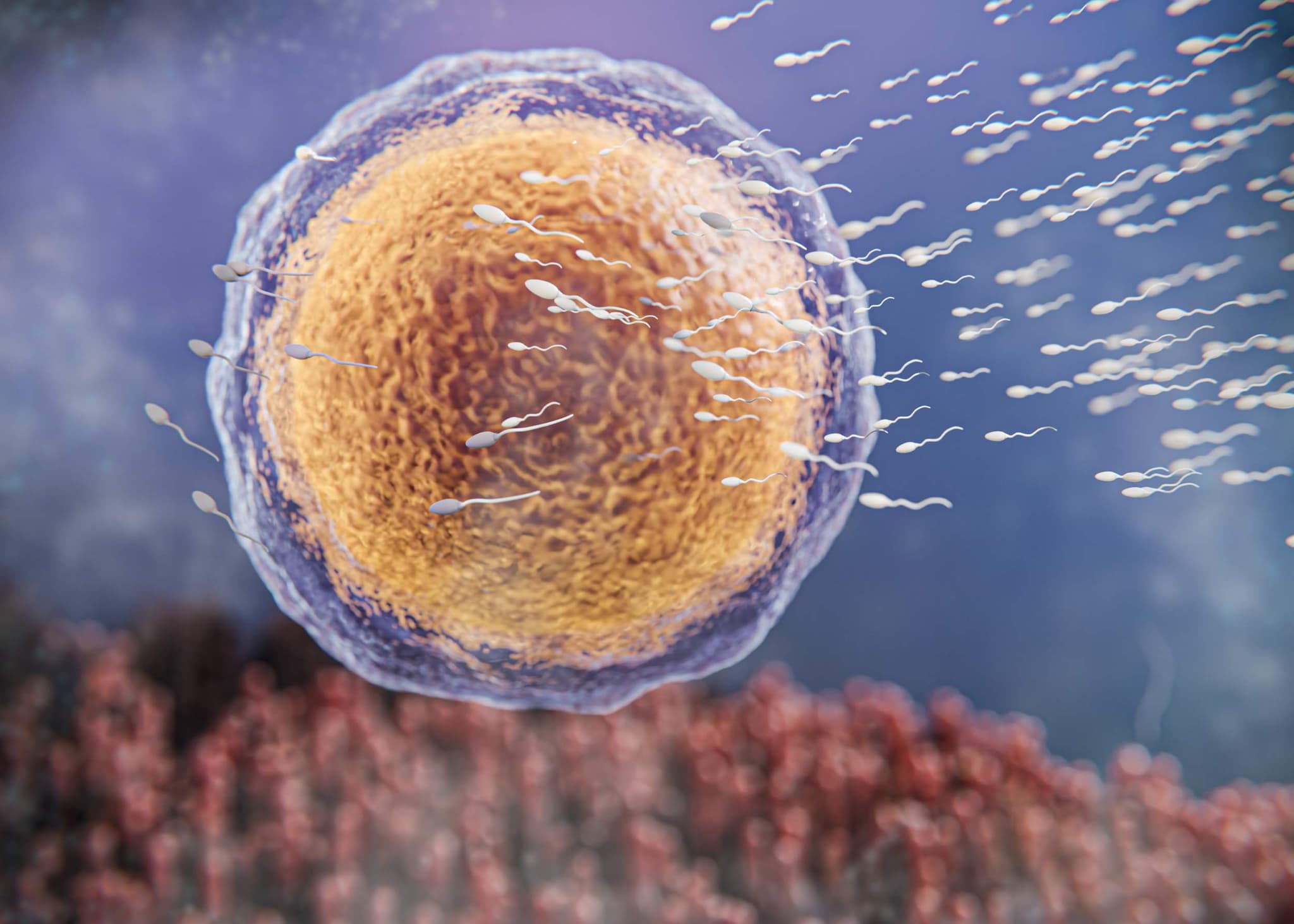

  • Refractory focal epilepsy located in non-eloquent areas of the brain that are safe for resection.


  • Pre-surgical Phase I evaluation including prolonged video-EEG monitoring to capture and map seizure activity.


  • Phase II intracranial monitoring using robotic-assisted SEEG electrodes to pinpoint the seizure focus with sub-millimeter accuracy.


  • Administration of general anesthesia or, in specific functional cases, an awake craniotomy to map language and motor centers.


  • Precise resection of the seizure-generating tissue or the thermal ablation of the focus using laser fibers.


  • For neuromodulation, the surgical implantation of leads into the brain or chest connected to an intelligent pulse generator.


  • Real-time intraoperative neuro-monitoring to ensure the total preservation of surrounding healthy brain tissue and critical pathways.


  • Laser Interstitial Thermal Therapy (LITT): Utilizing a thin laser fiber to destroy seizure-causing tissue via a tiny 2mm incision, eliminating the need for a traditional craniotomy.


  • Responsive Neurostimulation (RNS): Deploying a smart intracranial device that acts as a brain computer, detecting abnormal activity and delivering a corrective pulse before a seizure starts.


  • Robotic-Assisted Stereoelectroencephalography (SEEG): Using high-precision robotic arms to place deep brain electrodes for the most accurate 3D seizure mapping available in 2026.


  • 7-Tesla High-Field MRI: Employing ultra-high-resolution imaging to identify subtle structural abnormalities that were invisible on standard 2026 scanners.


  • Focused Ultrasound: Using non-invasive sound waves to target and ablate deep brain seizure foci without any surgical incisions.


  • Magnetoencephalography (MEG): Measuring the magnetic fields produced by brain activity to provide a detailed functional map of seizure-prone networks.


  • Extensive neuropsychological evaluation to establish a baseline for memory, language, and cognitive processing.


  • Functional MRI (fMRI) or WADA testing to determine which hemisphere of the brain dominates speech and motor control.


  • Nutritional and lifestyle optimization to stabilize systemic health and prepare the body for the recovery phase.


  • Collaborative consultation between the patient, neurosurgeon, and epileptologist to set realistic seizure-reduction goals.


  • Mapping of "eloquent" brain regions to ensure the surgical plan avoids areas critical for daily functioning.


  • Multi-day Video-EEG monitoring to confirm the clinical and electrical correlation of seizure events.


  • Positron Emission Tomography (PET) scans to identify areas of the brain with abnormal glucose metabolism related to epilepsy.


  • Single-Photon Emission Computed Tomography (SPECT) to visualize blood flow changes specifically during a seizure event.


  • Comprehensive 2026 genetic testing to identify underlying metabolic or genetic causes of drug resistance.


  • High-density EEG caps to provide a non-invasive, high-resolution topographical map of electrical spikes.


  • Success rates for becoming completely seizure-free reach up to 80% for temporal lobe resections in 2026.


  • Minimally invasive laser techniques reduce the hospital stay to a single day and minimize post-operative pain.


  • Neuromodulation devices like RNS and DBS offer a 75% or greater reduction in seizures for those not eligible for resection.


  • Targeted interventions significantly lower the risk of Sudden Unexpected Death in Epilepsy (SUDEP).


  • Early surgical intervention in 2026 is proven to prevent the cognitive decline associated with chronic, uncontrolled seizures.


  • Variable hospital stays ranging from 24 hours for laser procedures to 5 days for traditional resections.


  • Gradual resumption of physical activity, with most patients returning to light work or school within 2 to 4 weeks.


  • Continuous monitoring of mood and cognitive health through specialized 2026 post-surgical support programs.


  • Strict adherence to anti-seizure medication schedules during the initial 6 to 12 month brain-healing phase.


  • Regular follow-up with a dedicated epilepsy team to evaluate seizure control and adjust device settings if applicable.


  • Potential for achieving long-term seizure freedom, allowing for the restoration of driving privileges and occupational independence.


  • Gradual reduction or elimination of anti-seizure medications under strict medical supervision after a seizure-free period.


  • Dramatic improvement in overall mental health, including reductions in anxiety and depression related to seizure unpredictability.


  • Enhanced social participation and improved family dynamics due to the removal of the burden of daily seizures.


  • Lifetime surveillance through a Level 4 Epilepsy Center to ensure ongoing neurological health and wellness.


Esophageal Cancer Treatment

Esophageal Cancer Treatment involves a range of advanced medical and surgical procedures designed to eliminate malignant tumors within the esophagus—the muscular tube connecting the throat to the stomach. Clinical protocols emphasize a personalized, multimodal approach to restore swallowing function and prevent the systemic spread of cancer cells while prioritizing the patient’s overall quality of life.


  • Persistent difficulty or pain while swallowing solid foods or liquids.


  • Unexplained weight loss without changes in diet or physical activity.


  • Chronic chest pain or a sensation of pressure behind the breastbone.


  • Frequent or worsening symptoms of acid reflux and heartburn.


  • Persistent hoarseness or a chronic cough that does not resolve.


  • Frequent choking on food or a feeling of something being stuck in the throat.


  • Adenocarcinoma occurring primarily in the lower part of the esophagus.


  • Squamous Cell Carcinoma affecting the thin, flat cells of the upper and middle esophagus.


  • Barrett’s Esophagus with high-grade dysplasia that may lead to malignancy.


  • Gastroesophageal Junction (GEJ) tumors affecting the area where the esophagus meets the stomach.


  • Recurrent esophageal cancer following previous chemotherapy or surgical interventions.


  • Diagnostic upper endoscopy and biopsies are utilized to identify the cellular subtype.


  • Imaging scans including PET and CT are conducted to map the extent of the tumor.


  • Minimally invasive surgery is performed to remove the diseased segment of the esophagus.


  • Immunotherapy infusions are administered to help the immune system identify malignant cells.


  • Precision radiation is applied to the tumor site to reduce its size before surgical removal.


  • Real-time monitoring of tumor markers in the blood is used to guide post-operative recovery decisions.


  • Robotic-Assisted Esophagectomy A minimally invasive surgical procedure to remove the tumor and nearby lymph nodes with high precision.


  • Radiofrequency Ablation (RFA) The use of thermal energy to destroy precancerous tissue in patients with Barrett’s esophagus.


  • Immunotherapy Modern checkpoint inhibitors like pembrolizumab and tislelizumab that empower the immune system to fight advanced cancer.


  • FLOT Chemotherapy Regimen A specialized drug protocol used to achieve superior systemic control in cases of adenocarcinoma.


  • Endoscopic Mucosal Resection (EMR) A procedure used to remove small, early-stage tumors from the lining of the esophagus without major surgery.


  • Targeted Therapy Medications designed to attack specific molecular markers found on esophageal cancer cells.


  • Engage in nutritional counseling to ensure the body is strong enough for the recovery process.


  • Adhere to breathing exercises and pulmonary rehabilitation to optimize lung function.


  • Follow specific guidelines for fasting and hydration as directed by the anesthesia team.


  • Consult with the surgical team regarding the use of feeding tubes for post-operative support.


  • Complete all cardiovascular clearances to ensure safe management during the procedure.


  • Upper Endoscopy to visually inspect the esophagus and collect tissue samples.


  • Endoscopic Ultrasound (EUS) to determine how deeply the tumor has invaded the esophageal wall.


  • CT and PET Scans to evaluate whether the cancer has spread to distant organs.


  • Circulating Tumor DNA (ctDNA) test to establish a baseline for molecular monitoring.


  • Pulmonary Function Tests to assess the strength of the respiratory system before surgery.


  • Incorporates 2026 breakthroughs in immunotherapy for first-line treatment success.


  • Utilizes robotic technology to reduce surgical trauma and shorten hospital stays.


  • Employs "guided" ablative therapies to treat early-stage cancer without major incisions.


  • Targets systemic disease more effectively through modern chemotherapy combinations.


  • Provides a more accurate prognosis using molecular monitoring and precision imaging.


  • Intensive monitoring of swallowing function and respiratory health in a clinical setting.


  • Early mobilization and physical therapy to prevent complications and restore strength.


  • Gradual transition from liquid diets to soft foods under the supervision of a dietitian.


  • Specialized care for surgical incisions to ensure proper healing and prevent infection.


  • Follow-up evaluations with the oncology team to manage any side effects of systemic therapy.


  • Permanent adoption of smaller, more frequent meals to accommodate changes in digestive capacity.


  • Maintaining an elevated sleeping position to prevent reflux and respiratory irritation.


  • Regular follow-up appointments with periodic imaging to ensure continued remission.


  • Ongoing monitoring of tumor markers through non-invasive blood-based liquid biopsies.


  • Commitment to a lifestyle free from tobacco and excessive alcohol to reduce recurrence risk.


Esophageal Manometry

Esophageal Manometry is the definitive diagnostic "gold standard" used to assess the functional health of the esophagus. Unlike an endoscopy, which looks at the physical lining of the tissue, manometry measures the strength, timing, and coordination of the muscle contractions (peristalsis) that move food toward the stomach. By 2026, High-Resolution Manometry (HRM) has become the clinical requirement, utilizing advanced pressure sensors to create a visual "map" of swallowing function and identify disorders that are invisible to traditional imaging.


  • Difficulty Swallowing (Dysphagia): When you feel food or liquid getting "stuck" in your chest despite having a normal-looking endoscopy.


  • Non-Cardiac Chest Pain: Investigating episodes of chest pain that mimic a heart attack but have been cleared by a cardiologist; these are often caused by esophageal spasms.


  • Chronic Heartburn (GERD) Evaluation: Determining if poor muscle function is the underlying cause of persistent acid reflux.


  • Pre-Surgical Planning: A mandatory step before anti-reflux surgeries (such as Nissen Fundoplication) to ensure the esophagus is strong enough to handle a new valve.


  • Regurgitation: Experiencing the effortless return of undigested food or liquid into the throat or mouth.


  • Suspected Achalasia: Diagnosing a condition where the valve at the bottom of the esophagus fails to open, causing food to sit in the esophagus.


  • Achalasia (Types I, II, and III): Requiring precise classification to determine if the patient needs a balloon dilation, Botox injection, or a POEM procedure.


  • Distal Esophageal Spasm: A condition characterized by "uncoordinated" muscle waves that cause intense, cramping pain.


  • Jackhammer Esophagus: Hyper-contractile waves that are excessively strong and often require specialized medication to relax the muscle.


  • Scleroderma: An autoimmune condition that can lead to a complete loss of esophageal muscle strength, requiring unique nutritional management.


  • Ineffective Esophageal Motility (IEM): Often seen in chronic reflux patients where the "push" of the esophagus is too weak to clear acid.


  • Nasal Numbing: A local anesthetic gel or spray is applied to the nasal passage to make the insertion of the catheter as comfortable as possible.


  • Catheter Insertion: A thin, flexible, pressure-sensitive tube is gently guided through the nose, down the throat, and into the stomach while the patient is upright or lying down.


  • Patient Participation: Unlike other GI tests, the patient remains fully awake and alert, as they must follow specific instructions to perform "test swallows."


  • High-Resolution Mapping: The catheter's sensors record thousands of data points, creating a 3D color-coded map of the pressure changes in the esophagus.


  • The Swallowing Series: The patient takes roughly 10 small sips of water and sometimes eats a small amount of solid food (like a cracker) to see how the muscles react to different textures.


  • Duration: The actual recording phase usually takes only 15 to 30 minutes, after which the tube is quickly and easily removed.


  • Chicago Classification 4.0 IntegrationAutomated software that uses the latest international standards to instantly categorize the patient's swallowing patterns into specific disease types.


  • Impedance-Manometry (MII-HRM)Combining pressure sensors with electrical "impedance" to see exactly how fast liquid moves through the esophagus in relation to the muscle contractions.


  • Solid-State High-Resolution SensorsModern catheters utilize solid-state micro-sensors that provide much higher data accuracy and faster response times than older water-perfused systems.


  • Provocative Testing (Rapid Drink Challenge)Asking the patient to drink a large amount of water quickly to "stress test" the esophagus, which can reveal subtle issues that single sips might miss.


  • Artificial Intelligence Pattern RecognitionAI algorithms that help the gastroenterologist distinguish between rare motility disorders by comparing the patient's topographical map to thousands of known cases.


  • Wireless pH-Manometry HybridIn specialized cases, the test can be performed in conjunction with wireless pH monitoring to see exactly how muscle failure leads to acid reflux episodes.


  • Fasting (NPO): Patients must refrain from eating or drinking for at least 6 hours before the test to ensure the esophagus is empty and to prevent nausea.


  • Medication Pause: Certain drugs that affect muscle "tension," such as calcium channel blockers, nitrates, or heavy sedatives, may need to be stopped 24–48 hours prior.


  • Nasal Check: Informing the clinician if you have a history of a deviated septum, nasal surgery, or frequent nosebleeds.


  • Comfort Planning: While the test is not painful, it can feel "unusual"; deep breathing and following the technician’s instructions help the catheter pass easily.


  • Clothing: Wearing comfortable, loose-fitting clothing, as you will be sitting or lying in various positions during the measurement.


  • Upper Esophageal Sphincter (UES) Check: Monitoring the valve at the top of the throat to ensure it coordinates with the start of a swallow.


  • Lower Esophageal Sphincter (LES) Relaxation: The most critical metric, checking if the valve at the stomach opens completely to allow food to pass.


  • Integrated Relaxation Pressure (IRP): A mathematical calculation used to determine if there is a functional obstruction at the gastroesophageal junction.


  • Peristaltic Integrity: Measuring the "completeness" of the muscle wave to ensure there are no "gaps" in the push.


  • Identifies "Invisible" Issues: Manometry finds functional problems that are completely missed by X-rays, CT scans, and endoscopies.


  • Guarantees Surgical Success: By confirming the esophagus works well before surgery, it prevents the complication of "permanent dysphagia" after an anti-reflux wrap.


  • Directs Targeted Therapy: Tells the doctor exactly whether you need a muscle-relaxing drug, a surgical cut (myotomy), or simple lifestyle changes.


  • Standardized Results: Using the global Chicago Classification ensures that your results are interpreted the same way by specialists anywhere in the world.


  • Zero Sedation Risk: Because no anesthesia is required, there are no "recovery" risks associated with heart or lung depression.


  • Immediate Activity: The catheter is removed in seconds, and most patients can drive themselves home and return to work immediately.


  • Dietary Return: You can resume your normal diet as soon as the test is over.


  • Minor Side Effects: A mild sore throat or a slightly "runny" nose for an hour or two is common and resolves on its own.


  • Throat Soothing: Drinking cool liquids or using a throat lozenge can help if there is any lingering irritation from the catheter.


  • Result Reporting: Because of the complex data mapping, a full report by a motility specialist typically takes 3 to 5 business days.


  • A definitive diagnosis for symptoms that may have been dismissed as "anxiety" or "standard reflux."


  • The start of a highly targeted treatment plan that addresses the actual cause of swallowing pain.


  • Greater confidence when moving forward with major surgeries like a Fundoplication or a Heller Myotomy.


  • Understanding the physical limits of your digestive system, allowing for smarter food and lifestyle choices.


  • Resolution of chronic, frightening chest pain episodes through proper esophageal management.


Esophagogastroduodenoscopy (EGD)

Esophagogastroduodenoscopy (EGD), commonly referred to as an Upper Endoscopy, is a minimally invasive procedure used to visualize the internal lining of the upper digestive tract. By using a thin, flexible tube equipped with a high-definition camera (endoscope), physicians can examine the esophagus, stomach, and duodenum (the first part of the small intestine) in real-time. In 2026, this procedure serves as the primary tool for both diagnosing digestive disorders and performing immediate therapeutic interventions without the need for traditional surgery.


  • Persistent Digestive Symptoms: Investigating chronic heartburn, acid reflux, or upper abdominal pain that does not respond to medication.


  • Difficulty Swallowing: Evaluating "dysphagia" or the sensation of food getting stuck in the chest.


  • Unexplained Weight Loss: Identifying underlying causes of malnutrition or malabsorption.


  • Anemia or Bleeding: Searching for the source of internal bleeding, often indicated by dark stools or low iron levels.


  • Nausea and Vomiting: Determining if structural blockages or ulcers are causing chronic gastric distress.


  • Celiac Disease Screening: Obtaining small tissue samples to confirm a diagnosis of gluten sensitivity.


  • Barrett’s Esophagus: Patients requiring regular surveillance to monitor for precancerous changes in the esophageal lining.


  • Portal Hypertension: Individuals with liver disease who need screening for "varices" (enlarged veins) that could lead to severe bleeding.


  • Esophageal Strictures: Narrowing of the esophagus from scar tissue that requires specialized dilation (widening) during the EGD.


  • Peptic Ulcer Disease: Monitoring the healing progress of deep sores in the stomach or duodenal lining.


  • Eosinophilic Esophagitis (EoE): A chronic allergic condition requiring multiple site-specific biopsies for accurate management.


[Image showing the path of the endoscope through the esophagus and into the stomach]


  • Sedation: Most procedures utilize "conscious sedation" (monitored anesthesia care), allowing the patient to remain relaxed and comfortable throughout the process.


  • Throat Preparation: A local anesthetic spray is often applied to the back of the throat to suppress the gag reflex.


  • Insertion: The thin, flexible endoscope is gently guided through the mouth and into the esophagus. It does not interfere with breathing.


  • Insufflation: A small amount of air is pumped through the scope to inflate the stomach and duodenum, smoothing out the folds for a clearer view.


  • Biopsy and Intervention: If an abnormality is found, the doctor can pass tiny instruments through the scope to take tissue samples or remove polyps immediately.


  • Duration: The entire diagnostic portion of the procedure typically takes only 15 to 30 minutes.


  • AI-Enhanced Lesion DetectionReal-time artificial intelligence software that highlights subtle changes in tissue color or texture, helping doctors spot early-stage cancers that might be invisible to the naked eye.


  • Disposable High-Definition EndoscopesThe transition toward single-use digital scopes in some facilities to eliminate the risk of cross-contamination and ensure the highest possible image resolution.


  • Magnification ChromoendoscopyUsing specialized light filters (like Narrow Band Imaging) to "stain" the tissue digitally, allowing for a microscopic view of the blood vessel patterns.


  • Hemostatic Powders and ClipsAdvanced "sprays" and mechanical clips that can stop an active stomach bleed instantly through the endoscope, avoiding emergency surgery.


  • Endoscopic Submucosal Dissection (ESD)A technique that allows surgeons to remove early-stage tumors from the stomach wall in one piece using the endoscope as a surgical platform.


  • Suturing DevicesTiny sewing machines attached to the end of the scope that allow doctors to close tears or perform "endoscopic sleeves" for weight loss.


  • Fasting (NPO): Patients must have a completely empty stomach, usually requiring no food or drink for 6 to 12 hours prior to the exam.


  • Medication Management: Coordination regarding blood thinners, diabetes medications, or antacids that may need to be adjusted.


  • Transportation: Because of the sedation used, patients must arrange for a responsible adult to drive them home and stay with them for a few hours.


  • Informed Consent: Discussing the goals of the procedure and any specific symptoms the doctor will be targeting.


  • Dental Protection: A small plastic mouth guard is placed between the teeth to protect both the patient's dental work and the endoscope.


  • Oxygen Saturation: Constant monitoring of breathing and heart rate while the patient is under sedation.


  • Biopsy Analysis: Sending tissue samples to a pathologist to check for H. pylori bacteria, inflammation, or abnormal cells.


  • Post-Procedure Observation: A 30-to-60-minute recovery period where vitals are monitored as the sedative wears off.


  • Perforation Screening: A standardized safety check to ensure the integrity of the GI tract wall following any therapeutic interventions.


  • Direct Visualization: Unlike X-rays or CT scans, an EGD allows for a high-definition, true-color view of the tissue.


  • Two-in-One Capability: It functions as both a camera for diagnosis and a surgical tool for treatment in a single session.


  • Cancer Prevention: Identifying and removing precancerous polyps or treating Barrett’s esophagus can prevent cancer from ever developing.


  • Accurate Biopsies: Allows for targeted sampling of specific "hot spots," leading to much higher diagnostic accuracy than blind testing.


  • Immediate Results: In many cases, the doctor can share the visual findings with the patient immediately following the procedure.


  • Sore Throat: A mild "scratchy" sensation in the throat is common for 24 hours; cool liquids and throat lozenges can help.


  • Gas and Bloating: Because air was used to inflate the stomach, patients may feel bloated until the air is naturally expelled.


  • Dietary Transition: Most patients can eat a light meal as soon as their gag reflex returns (usually within an hour).


  • Activity Limits: No driving, operating heavy machinery, or making major legal decisions for 24 hours due to the lingering effects of sedation.


  • Warning Signs: Patients are instructed to report any severe abdominal pain, fever, or difficulty breathing to their care team immediately.


  • Clear answers regarding chronic pain or digestive distress, leading to a more effective treatment plan.


  • Peace of mind from ruled-out serious conditions, or the benefit of early detection for manageable issues.


  • Resolution of acute problems, such as stopped bleeding or cleared obstructions, during the procedure itself.


  • A simplified path to health with minimal "down time" compared to more invasive diagnostic surgeries.


  • Long-term health security through regular surveillance for high-risk conditions.


ESWL (Shockwave Lithotripsy – Non-Surgical)

Extracorporeal Shock Wave Lithotripsy (ESWL) is a purely non-invasive medical procedure. It is the only treatment that can break kidney stones from outside the body, using high-energy acoustic pulses.


  • Stone Size: ESWL is most effective for kidney stones that are under 2 cm.


  • Stone Location: Ideal for stones located in the kidney or the upper part of the ureter.


  • Symptomatic Stones: When stones cause persistent pain, urinary tract infections, or localized blockage.


  • Patient Preference: For individuals seeking a treatment option that requires no incisions, no catheters, and no internal scopes.


  • Stone Composition: Best suited for stones that are not excessively hard, such as those primarily composed of uric acid or certain calcium clusters.


  • Imaging & Mapping: The urologist uses Fluoroscopy (continuous X-ray) or Ultrasound to find the stone's exact 3D coordinates.


  • The "Coupling" Process: A water-filled cushion or a thick layer of conductive gel is placed against your back to transmit energy into the body.


  • Pain Management: While non-surgical, you are usually given sedation or a local anaesthetic block to keep you still and relaxed during the "thumping" sensation.


  • Medication Audit: Pausing blood thinners (like aspirin or warfarin) for several days prior to prevent bruising or bleeding around the kidney.


  • Fasting: Maintaining "nil per oral" (NPO) status for 6–8 hours before the procedure if sedation is being administered.


  • Shockwave Generation: A machine called a Lithotripter creates thousands of targeted shockwaves (usually 2,000 to 3,000 pulses).


  • The "Ramping" Technique: The doctor starts at a low power level to "soften" the stone and slowly increases the intensity to protect kidney tissue.


  • Direct Stress: Physical pressure from the acoustic pulses travels through the liquid "bridge" to crack the stone.


  • Cavitation: Tiny bubbles form and collapse on the stone's surface, acting like "micro-hammers" to turn the stone into "sand" or "gravel."


  • Duration: The entire fragmentation process usually takes 45 to 60 minutes.


  • KUB X-ray: A standard X-ray of the Kidneys, Ureters, and Bladder to confirm the stone is "radio-opaque" (visible to X-rays).


  • Renal Ultrasound: To check for "hydronephrosis" (swelling of the kidney) caused by the stone.


  • Non-Contrast CT Scan: The gold standard for measuring the "Hounsfield Units" (hardness) of the stone to predict if it will break.


  • Urine Culture: To ensure there is no active infection, as breaking an infected stone can release bacteria into the bloodstream.


  • Coagulation Profile: Blood tests to ensure your blood clots normally before the high-energy pulses are applied.


  • Observation: You stay in a recovery room for 1–2 hours to monitor for any reaction to the sedation or severe internal bruising.


  • Hydration Therapy: You are instructed to drink 3 to 4 litres of water daily to "wash out" the stone dust.


  • Medical Expulsive Therapy (MET): You are often prescribed Alpha-blockers (like Tamsulosin) to relax the ureter so fragments can pass with less pain.


  • Straining Urine: You will be given a fine-mesh strainer to catch pieces for chemical analysis to determine the stone's mineral type.


  • Haematuria: It is normal to see blood in the urine for 24–48 hours as fragments move through the urinary tract.


  • Follow-up Imaging: An X-ray or Ultrasound is typically done 2 to 4 weeks later to ensure the kidney is "Stone-Free."


  • Zero Incisions: As a completely extracorporeal treatment, there is a significantly lower risk of hospital-acquired infections compared to surgery.


  • Quick Recovery: Most patients return to work and normal activities within 24–48 hours after the procedure.


  • Precision Targeting: Advanced lithotripsy technology allows for real-time tracking, adjusting the focus even as the patient breathes.


  • Avoidance of General Anaesthesia: Many cases can be performed under light sedation, making it safer for elderly patients or those with heart conditions.


  • Repeatable Treatment: If a stone is particularly large, ESWL can be safely repeated or combined with other minor procedures to ensure total clearance.


External Beam Radiation Therapy

Surgery for bone and soft tissue tumors (primarily sarcomas) is a highly specialized field where the goal is to remove the cancer completely while preserving as much physical function and appearance as possible. Because these tumors often grow near major nerves, blood vessels, and joints, the surgery requires meticulous planning. The standard of care involves using 3D-printed models and computer-assisted navigation to achieve precise "clear margins" while sparing the limb.


  • Primary Bone Cancer: For malignancies such as osteosarcoma, Ewing sarcoma, or chondrosarcoma.


  • Soft Tissue Sarcoma: When a cancerous mass is identified in the muscle, fat, nerves, or connective tissues (e.g., liposarcoma or synovial sarcoma).


  • Benign but Aggressive Tumors: For non-cancerous growths like Giant Cell Tumors (GCT) that can destroy local bone if not removed.


  • Metastatic Bone Disease: When cancer from another organ (like the lung or breast) has spread to a bone and threatens to cause a fracture.


  • Recurrent Tumors: When a previously treated tumor returns in the same anatomical compartment.


The "margin" is the area of healthy tissue removed along with the tumor. Surgeons use specific classifications to define how much tissue to take:


  • Intralesional (Curettage): The tumor is scraped out from the inside. This is generally used only for benign (non-cancerous) bone tumors.


  • Marginal Excision: The tumor is removed exactly at its edge (pseudocapsule). This is often used for benign soft tissue tumors like lipomas.


  • Wide Excision: The tumor is removed with a continuous "cuff" of healthy tissue surrounding it. This is the standard of care for malignant tumors (sarcomas) to ensure no microscopic cells are left behind.


  • Radical Resection: Removal of the entire anatomical compartment (the whole bone or muscle group) containing the tumor.


Once a tumor is removed, the resulting gap must be rebuilt to restore strength and mobility:


  • Biological Reconstruction: Uses the body's own ability to heal.

    Allograft: Uses donated bone from a bone bank to act as a scaffold.

    Autograft: Uses the patient's own bone, such as the fibula (calf bone), often moved with its blood vessels intact.


  • Mechanical Reconstruction: Uses artificial megaprostheses (large metal implants) to replace joints or long sections of bone. These allow for immediate weight-bearing.


  • Distraction Osteogenesis: Using devices like the Ilizarov fixator to slowly "grow" new bone to fill a gap.


Because children's bones are still growing, surgery requires unique solutions to prevent leg-length discrepancies:


  • Expandable Prostheses: Metal implants that can be lengthened non-invasively using magnets as the child grows to keep the legs equal in length.


  • Rotationplasty: A specialized procedure where the middle of the leg is removed, and the lower leg is rotated 180° and reattached to the thigh. The ankle then functions as a knee joint.


  • Growth Plate Sparing: Advanced 3D navigation allows surgeons to remove tumors while saving the natural growth plates whenever possible.


[Image showing an expandable "growing" prosthesis for a pediatric patient]


  • Anesthesia: Performed under general anesthesia. Advanced nerve blocks are often used to provide long-term pain relief to the limb.


  • Computer-Assisted Navigation: Surgeons use "GPS for surgery" to follow a pre-planned 3D map, ensuring they cut exactly where the cancer ends and healthy bone begins.


  • Multidisciplinary Collaboration: If the tumor involves major blood vessels or leaves a large skin defect, vascular and plastic surgeons work simultaneously to perform bypasses or skin flaps.


  • 3D-Printed Cutting Guides: Custom-made templates are placed on the bone during surgery to guide the saw blade with sub-millimeter precision.


  • Intraoperative Imaging: Using O-arm or C-arm technology to verify the placement of implants and the completeness of the resection before the patient leaves the OR.


  • Tumor Board Review: Your case is reviewed by a team of radiologists, pathologists, and oncologists to determine the best sequence of treatment.


  • 3D Virtual Planning: Surgeons use MRI/CT scans to create a virtual 3D model of your limb to practice the surgery before the actual procedure.


  • Physical Therapy Baseline: Establishing a baseline for your limb's strength and range of motion to guide your post-operative recovery.


  • Nutritional Optimization: Ensuring high protein intake to support the extensive bone and tissue healing required.


  • "Pre-hab" Exercise: Strengthening the healthy limbs to prepare for the period of restricted weight-bearing on the operated side.


  • High-Resolution MRI: The most critical test for visualizing the tumor's relationship to muscles, nerves, and blood vessels.


  • Systemic CT Scan: To rule out "skip lesions" or spread to the lungs, which is common with certain sarcomas.


  • PET-CT Scan: To identify any other areas of metabolic activity that might indicate the cancer has moved elsewhere.


  • Core Needle Biopsy: To confirm the exact grade and type of the sarcoma, which dictates how wide the surgical margins must be.


  • Angiography: To map out the blood supply of the limb, especially if a vascularized bone graft (autograft) is planned.


  • Hospital Stay: Typically 5 to 10 days depending on the complexity of the reconstruction and the level of pain management needed.


  • Rehabilitation: This is the most critical phase. Physical therapy usually begins within 24–48 hours and can continue for 6 to 12 months.


  • Weight-Bearing Rules: Depending on the type of bone graft or prosthesis, you may need to use crutches or a walker for 3 to 6 months while the bone heals.


  • Mechanical Wear: Over many years, metal megaprostheses can wear out or loosen, potentially requiring a revision surgery.


  • Infection Monitoring: Large implants and pre-operative chemotherapy can increase the risk of infection, requiring long-term monitoring.


  • Limb Salvage Success: Over 90% of sarcoma patients can have their limbs saved rather than amputated, with no loss in survival rates.


  • Precise Margin Control: Advanced 3D navigation has significantly lowered the risk of local recurrence by ensuring no microscopic cells are missed.


  • Functional Recovery: Modern megaprostheses and biological grafts allow many patients to return to walking, swimming, and an active lifestyle.


  • Growth Management: Expandable technology ensures that children can reach their full height without the need for multiple major open surgeries.


  • Integrated Care: When surgery is combined with modern immunotherapy and targeted radiation, the long-term cure rates for sarcomas are higher than ever before.


External Fixator Application

External Fixator (ExFix) Application is a surgical treatment used to stabilize severe bone fractures by using a metal frame located outside the body. The frame is connected to the bone via high-strength pins or wires that pass through the skin, providing stable alignment while allowing doctors to treat surrounding soft tissue injuries.


  • Open Fractures: Cases where the bone has broken through the skin, requiring the wound to remain accessible for cleaning and dressing.


  • Polytrauma (Damage Control): Used as a rapid, temporary stabilizer for patients with multiple life-threatening injuries until they are stable enough for permanent surgery.


  • Comminuted Fractures: Severe breaks where the bone is shattered into many small pieces that are difficult to fix with internal plates.


  • Infected Fractures: When an internal implant cannot be used because of an active infection in the bone or tissue.


  • Bone Lengthening or Deformity Correction: Specialized circular frames used to slowly pull bone apart or straighten a limb over several months.


  • Uniplanar Fixation: A simple arrangement where rods are placed along one side of the limb, commonly used for rapid stabilization of the femur or tibia.


  • Bilateral Fixation: Rods are placed on both sides of the limb for increased stability in high-stress areas.


  • Circular Fixation (Ilizarov): Rings that completely surround the limb, connected by wires and rods; these are the gold standard for complex limb reconstructions.


  • Multiplanar Fixation: Using multiple rods in different directions to stabilize complex fractures near joints like the wrist or ankle.


  • Hybrid Fixation: A combination of a circular frame near a joint and a uniplanar rod along the bone shaft.


  • Site Selection: The surgeon identifies "safe zones" in the limb where pins can be inserted without hitting major nerves or blood vessels.


  • Pin Insertion: Small incisions are made, and threaded steel or titanium pins (Schanz screws) are drilled through the skin and into the healthy bone above and below the fracture.


  • Fracture Reduction: Under real-time X-ray (C-arm) guidance, the surgeon manually pulls and aligns the bone fragments into the correct position.


  • Frame Assembly: External rods and clamps are attached to the protruding pins, creating a rigid bridge across the break.


  • Tightening and Locking: Once alignment is confirmed, the clamps are tightened to "lock" the bone in place, and the surgical wounds are dressed.


  • Standard X-rays to map the fracture; the surgeon must also perform a detailed neurovascular exam to ensure pins avoid critical structures.


  • Thorough "debridement" (surgical cleaning) of any open wounds to remove dirt, debris, and dead tissue.


  • Fasting (NPO) and medical clearance for general anesthesia or a regional nerve block.


  • Discussion of the "temporary vs. definitive" plan—determining if the frame will stay on for weeks or months.


  • High-Resolution X-rays: The primary tool for assessing the fracture pattern and selecting the correct frame size.


  • CT Scan: Often used for complex fractures involving joints to understand the three-dimensional layout of the bone fragments.


  • Doppler Ultrasound: Occasionally used to verify the location of major arteries if the injury involves significant soft tissue swelling.


  • Blood Panels: Routine screens to check for inflammatory markers and ensure the patient is fit for anesthesia.


  • Hospital stays vary from 2 days to a week, depending on the severity of associated soft tissue wounds.


  • Daily pin-site cleaning with saline or Chlorhexidine is mandatory to prevent "crust" buildup and infection.


  • Most patients remain Non-Weight-Bearing or "Touch-Down" only, as the frame is a bridge and does not replace the bone's strength.


  • Modified clothing, such as tear-away pants or wide-leg shorts, is necessary to fit over the bulky external hardware.


  • Removal is typically performed in a clinic setting using local anesthesia or light sedation; the pins are unscrewed once X-rays show the bone is stable.


  • Provides immediate, rigid stabilization with minimal additional trauma to the injured soft tissues.


  • Allows for constant monitoring and specialized care of open wounds or skin grafts during the bone-healing process.


  • Offers a "damage control" solution that saves lives and limbs in complex trauma cases.


  • Highly adjustable; the surgeon can fine-tune the bone alignment even after the surgery is finished by adjusting the external clamps.


Eyelid Reconstruction

Eyelid reconstruction is a complex surgical process used to repair defects caused by skin cancer removal (such as Mohs surgery), trauma, or congenital anomalies. Because the eyelid is essential for protecting the eye and maintaining moisture, the primary goal is to restore these functions while achieving an aesthetically natural and symmetrical appearance.


  • Skin Cancer Removal: Following the excision of a basal cell or squamous cell carcinoma that has left a gap in the eyelid tissue.


  • Traumatic Injury: To repair deep lacerations, avulsions, or "dog bite" injuries that have damaged the eyelid structure.


  • Congenital Coloboma: For children born with a missing piece of the eyelid that leaves the cornea exposed.


  • Severe Scarring: To correct "cicatricial" changes where previous injuries have pulled the eyelid out of its natural position.


  • Functional Deficits: When an existing defect prevents the eye from closing properly, leading to chronic pain or corneal ulcers.


  • Anesthesia: Depending on the complexity, the procedure is performed under local anesthesia with sedation or general anesthesia.


  • The Bilamellar Principle: Surgeons treat the eyelid as a two-layered structure that must be rebuilt separately:

    Anterior Lamella: The outer layer consisting of the skin and the orbicularis oculi muscle.

    Posterior Lamella: The inner layer made up of the conjunctiva (lining) and the tarsal plate (the structural "skeleton" of the lid).


  • Vascularity Rule: At least one reconstructed layer must have its own blood supply (usually a flap) to support the other if a graft is used.


  • Surgical Techniques:

    Direct Closure: For small defects (less than 33% of the lid width), the edges are sewn together directly.

    Tenzel Semicircular Flap: A semicircular flap of skin is rotated from the side of the eye to fill moderate gaps (33%–50%).

    Hughes Flap (Lower Lid): A two-stage procedure for large defects where part of the upper lid's inner lining is stretched down. The eye remains temporarily closed for 2–4 weeks before a second surgery separates them.

    Cutler-Beard Flap (Upper Lid): Uses full-thickness tissue from the lower lid to rebuild a large upper lid defect in a staged approach.


  • Duration: Procedures can range from 1 to 3 hours depending on the size of the defect.


  • Defect Assessment: A detailed measurement of the missing tissue once the "clear margins" (in cancer cases) have been established.


  • Donor Site Selection: Identifying areas for potential skin grafts, often from the opposite eyelid, behind the ear, or the collarbone.


  • Staging Discussion: Understanding if the repair will require one surgery or two separate procedures (staged flaps) separated by several weeks.


  • Medication Audit: Reviewing blood thinners and supplements that could increase bruising or jeopardize the survival of a skin flap.


  • Eye Protection Planning: Preparing for a period where the eye may be patched or temporarily sewn shut to allow the new tissue to "take."


  • Snap-Back Test: Checking the "laxity" (looseness) of the surrounding eyelid tissue to see how much can be shifted into the defect.


  • Corneal Sensitivity: Ensuring the eye's surface is healthy and can tolerate a period of reduced protection during healing.


  • Tear Film Evaluation: Assessing baseline moisture levels, as reconstruction can temporarily affect tear distribution.


  • Photographic Mapping: Taking high-resolution images to plan the flap geometry and track the maturation of scars.


  • Immediate Post-Op: Expect significant bruising and swelling that typically peaks in the first 48–72 hours.


  • Healing Timeline: Most patients feel "public ready" within 10 to 14 days, though full tissue settling and scar maturation can take 3 to 6 months.


  • The "Opening" Procedure: If a staged flap (like a Hughes flap) was used, a brief second procedure is required 2–4 weeks later to safely "open" the eye.


  • Lubrication: Intensive use of ointments and drops is necessary while the new eyelid learns to blink and spread tears effectively.


  • Activity Limits: Avoid heavy lifting or any activity that increases blood pressure to the face for the first 1–2 weeks to protect the new blood supply.


  • Restores Essential Protection: Rebuilding the eyelid ensures the cornea is covered during sleep and blinking, preventing permanent blindness.


  • Advanced Flap Technology: Using the patient's own vascularized tissue (flaps) provides the highest success rate for "living" repairs.


  • Microsurgical Precision: Expert surgeons can hide incisions within natural creases, making even large reconstructions nearly invisible once healed.


  • Dual-Layer Integrity: By reconstructing both the skeleton and the skin, the eyelid maintains the necessary stiffness to sweep away debris.


  • Lifelong Stability: Once the final "settling" occurs at 6 months, the reconstructed eyelid typically functions reliably for the rest of the patient's life.


Femtosecond Laser Cataract Surgery

Femtosecond Laser-Assisted Cataract Surgery (FLACS) is a modern, high-precision version of cataract surgery that uses a computer-guided laser to perform several critical steps traditionally done by hand. Often referred to as "robotic" cataract surgery, it relies on advanced 3D imaging and automated laser pulses to ensure unparalleled accuracy and safety.


  • Premium Lens Selection: If you are choosing multifocal, trifocal, or toric IOLs, where perfect lens centration is critical for optimal vision.


  • Pre-existing Astigmatism: When you wish to correct corneal astigmatism during the same procedure to reduce dependence on glasses.


  • Vulnerable Corneas: For patients with conditions like Fuchs' dystrophy, where reducing surgical energy is vital to protecting the cornea.


  • Advanced Cataracts: When the lens is particularly dense, the laser can pre-soften the cataract, making removal safer.


  • Desire for Precision: When seeking the highest level of computer-guided accuracy to minimize manual variability.


  • Imaging & Mapping: The surgeon uses Optical Coherence Tomography (OCT) to create a detailed 3D map of the eye's unique internal anatomy.


  • Corneal Incisions: Based on the 3D map, the laser creates ultra-precise, self-sealing incisions for surgical entry.


  • Capsulotomy: The laser creates a perfectly circular opening in the thin membrane (capsule) that holds the lens.


  • Lens Fragmentation: The laser vibrates at high speeds to soften and break the cataract into tiny pieces before any tools enter the eye.


  • Lens Removal: The pre-softened fragments are gently suctioned out using an ultrasonic probe with significantly reduced energy.


  • IOL Implantation: A permanent artificial intraocular lens (IOL) is inserted to restore clear focus.


  • Duration: The entire outpatient process typically takes between 15 and 30 minutes per eye.


  • Detailed Biometry: Advanced laser measurements of the eye's length and curvature to select the most appropriate IOL.


  • 3D Surgical Planning: Using the OCT data to program the laser for the exact depth and location of all incisions.


  • Medication Audit: Starting antibiotic or anti-inflammatory eye drops a few days before the procedure as prescribed.


  • Fasting: Following clinical instructions regarding food and water intake on the morning of the surgery.


  • Logistics: Arranging for a companion to assist with the return home, as vision may be temporarily blurry.


  • Optical Coherence Tomography (OCT): To visualize the different layers of the eye and ensure the macula is healthy.


  • Topography: Mapping the surface of the cornea to plan for astigmatism correction.


  • Endothelial Cell Count: Checking the health of the inner corneal layer, especially for patients with pre-existing corneal issues.


  • Visual Field Testing: To confirm that the cataract is the primary cause of vision loss and rule out other underlying conditions.


  • Initial Vision: Many patients report clearer vision within 24 to 48 hours due to reduced intraoperative inflammation.


  • Medication: Strict adherence to antibiotic and anti-inflammatory eye drops for several weeks is necessary for healing.


  • Eye Protection: Wearing a protective shield while sleeping for the first week to prevent accidental pressure or rubbing.


  • Activity Restrictions: Patients should avoid heavy lifting, bending over, or getting water/dust in the eye for the first 2–3 weeks.


  • Long-Term Healing: While initial improvement is rapid, full stabilization of the eye typically takes 4 to 6 weeks.


  • Enhanced Precision: Laser-guided steps are accurate to within a hundredth of a millimeter, significantly reducing manual variability.


  • Reduced Stress on the Eye: Because the laser pre-softens the lens, much less ultrasound energy is required, leading to faster corneal recovery.


  • Perfect Centration: The automated capsulotomy ensures the artificial lens is perfectly centered, which is vital for the performance of premium lenses.


  • Customized Correction: The laser can reshape the cornea to treat minor astigmatism with a level of accuracy difficult to achieve by hand.


  • Consistent Outcomes: The integration of real-time 3D imaging allows for a highly predictable and standardized surgical experience.


FESS (Functional Endoscopic Sinus Surgery)

Functional Endoscopic Sinus Surgery (FESS) is a minimally invasive procedure used to treat chronic sinus conditions, such as persistent sinusitis and nasal polyps. By restoring natural drainage and airflow, FESS eliminates the root cause of chronic inflammation. The procedure is performed entirely through the nostrils using a specialized nasal endoscope (a thin tube with a magnified camera), meaning there are no external incisions or visible scars.


  • Chronic Sinusitis: If you suffer from sinus inflammation lasting more than 12 weeks that hasn't responded to medical therapy.


  • Nasal Polyps: Benign growths in the nasal passages that physically obstruct your breathing and block natural fluid drainage.


  • Recurrent Acute Infections: When you experience four or more severe sinus infections per year, significantly impacting your quality of life.


  • Anatomical Obstructions: To correct issues such as a deviated septum or enlarged turbinates that contribute to chronic blockages.


  • Failed Medication: When antibiotics, steroid sprays, and saline rinses are no longer effective in managing your symptoms.


  • Anesthesia: The surgery is usually performed as an outpatient (day-care) procedure under general anesthesia and typically lasts 2 to 3 hours.


  • Visualisation: The surgeon inserts the endoscope into the nostrils to obtain a high-definition, magnified 3D view of the internal sinus passages.


  • Tissue Removal: Using precise micro-instruments, the surgeon removes obstructions such as nasal polyps, diseased tissue, or small pieces of bone blocking the sinus openings.


  • Opening the Passageways: The natural drainage pathways (ostia) are carefully widened to improve long-term ventilation and allow future nasal rinses to reach deep into the sinus cavities.


  • Completion: To control minor bleeding, the surgeon may place dissolvable packing or temporary splints inside the nose, which do not require manual removal.


  • CT Scan of the Sinuses: A mandatory high-resolution "map" used by the surgeon to navigate the complex anatomy near the eyes and brain.


  • Medication Review: You may be prescribed a short course of oral steroids or antibiotics before surgery to reduce inflammation and bleeding.


  • Smoking Cessation: Patients are strongly advised to stop smoking several weeks before surgery, as tobacco use significantly hinders the healing of sinus tissue.


  • Fasting: Following strict "nothing by mouth" instructions for the hours preceding your general anesthesia.


  • Transportation: Arranging for a ride home, as you will be drowsy and may have temporary nasal congestion affecting your comfort.


  • Nasal Endoscopy: An in-office diagnostic check to visualize the extent of polyps or structural blockages.


  • Allergy Testing: To determine if underlying allergies need to be managed alongside surgery for the best long-term outcome.


  • Blood Tests: Standard pre-operative panels to ensure healthy clotting factors and general surgical readiness.


  • Olfactory Testing: Assessing your baseline sense of smell to monitor improvements after the airways are cleared.


  • Immediate Symptoms: It is normal to experience stuffiness, mild facial pressure, and blood-stained drainage for the first 3 to 5 days.


  • Nasal Irrigation: Using a saline nasal wash (usually 4+ times daily) is essential to flush out debris, prevent crusting, and ensure the new openings stay clear.


  • Crucial Restrictions: You must strictly avoid blowing your nose for at least 7 to 14 days and avoid strenuous activity or heavy lifting for 2 to 3 weeks to prevent bleeding.


  • Debridement: Follow-up visits are vital for your surgeon to professionally clean out dried mucus and ensure the sinuses are healing without excessive scar tissue.


  • Healing Timeline: While most patients return to work or school within one week, full internal healing and the stabilization of the sinus lining can take several months.


  • Targeted Precision: FESS focuses only on the diseased areas, preserving as much healthy nasal tissue and mucous membrane as possible.


  • No External Scarring: Because the surgery is entirely internal, there is no change to your physical appearance and no external stitches to remove.


  • High Safety Profile: With major complication rates of less than 0.5%, FESS is considered one of the safest and most effective ways to treat chronic sinus disease.


  • Long-Term Relief: By widening the natural ostia, the surgery provides a permanent structural improvement that allows for better drainage for years to come.


  • Improved Medication Delivery: Post-operative nasal sprays and rinses can finally reach the deep sinus cavities, making ongoing maintenance far more effective.


FibroScan (Transient Elastography)

FibroScan, clinically known as Transient Elastography, is the premier non-invasive diagnostic tool used to assess liver health. It specifically measures liver stiffness (fibrosis) and fat accumulation (steatosis) without the need for needles or incisions. By 2026, FibroScan has become the primary global standard for monitoring chronic liver conditions, offering a safe, painless, and rapid alternative to the traditional liver biopsy for the majority of patients.


  • Fatty Liver Monitoring (MASLD/MASH): Assessing the severity of fat buildup and identifying early inflammation in patients with metabolic concerns.


  • Chronic Hepatitis B or C: Regularly tracking the stage of liver scarring to determine the effectiveness of antiviral medications.


  • Alcohol-Related Liver Disease: Screening for early-stage cirrhosis in individuals with a history of heavy alcohol consumption.


  • Unexplained Liver Enzyme Elevation: Investigating the physical state of the liver when blood tests show abnormal results.


  • Type 2 Diabetes or Obesity: Screening high-risk individuals for "silent" liver scarring, which often accompanies metabolic syndrome.


  • Autoimmune Liver Conditions: Monitoring long-term stability in patients with Primary Biliary Cholangitis (PBC) or Autoimmune Hepatitis.


  • Liver Stiffness Measurement (LSM): Reported in kilopascals (kPa). This "E-score" indicates how stiff the liver is. A higher number typically correlates with more advanced scarring (fibrosis).


  • CAP Score (Controlled Attenuation Parameter): Measured in decibels per meter (dB/m), this score quantifies the percentage of the liver affected by fatty change (steatosis).


  • Fibrosis Staging (F0–F4): Results are categorized from F0 (no scarring) to F4 (cirrhosis), providing a clear roadmap for treatment.


  • Steatosis Staging (S1–S3): Categorizes fat accumulation from mild (S1) to severe (S3), helping guide dietary and lifestyle interventions.


  • Positioning: The patient lies flat on their back with the right arm raised behind the head to expose the rib cage area.


  • Probe Placement: A technician applies a water-based gel and places a specialized ultrasound-like probe on the skin over the liver (between the ribs).


  • Shear Wave Delivery: The probe sends a painless, low-frequency vibration (shear wave) through the liver tissue.


  • Velocity Measurement: The device uses ultrasound to track how fast that vibration travels. Because vibrations travel faster through stiff tissue, the speed accurately reflects the degree of scarring.


  • Multiple Samples: The technician typically takes 10 valid measurements to ensure a statistically accurate median score.


  • Immediate Results: The software processes the data instantly, allowing the patient to receive their liver health report before leaving the office.


  • XL Probe StandardizationThe routine use of specialized "extra-large" probes that allow for accurate liver measurements in patients with a higher Body Mass Index (BMI).


  • AI-Enhanced CAP ScoringNext-generation software that uses Artificial Intelligence to filter out "noise" from the signal, providing a more precise fat measurement than early versions.


  • Spleen Stiffness Measurement (SSM)Newer FibroScan models can also measure the stiffness of the spleen, which is a critical indicator of "portal hypertension" in advanced liver disease.


  • Integrated Health DashboardsSoftware that automatically compares today’s scan with previous years' data, generating a visual "trend line" of the patient's liver recovery or progression.


  • Smart-Point NavigationSensors in the probe that guide the technician to the exact anatomical spot for the highest-quality signal, reducing the time required for the test.


  • Portable Handheld SolutionsHigh-accuracy, mobile FibroScan units that allow for liver screening in community clinics and rural health centers.


  • Fasting (NPO): Patients must refrain from all food and liquids (including water) for at least 3 hours prior to the test. Food intake can increase blood flow to the liver, which may artificially inflate the stiffness score.


  • Clothing Choice: Wearing loose-fitting clothing that allows easy access to the right side of the rib cage.


  • Medical History: Informing the technician if you have active implants (like a pacemaker) or if you are pregnant, as these may be contraindications in some centers.


  • Rest: Staying relaxed; since the test is non-invasive, no sedation or specialized pre-medication is required.


  • Inflammation Awareness: Doctors review the results alongside blood tests, as active liver inflammation (high ALT) can sometimes make a liver look "stiffer" than it truly is.


  • Ascites Evaluation: Checking for significant abdominal fluid, which can prevent the shear wave from traveling effectively and may require an alternative test.


  • IQR/Med Ratio: A technical quality check performed by the machine to ensure the 10 samples taken were consistent and reliable.


  • Non-Radiological Safety: Unlike CT scans, FibroScan uses no ionizing radiation, making it safe for repeated use over a lifetime.


  • Painless and Non-Invasive: Provides deep-tissue data without the risks of bleeding or infection associated with a biopsy.


  • Speed of Care: The entire procedure takes only 5–10 minutes, with results available immediately for discussion with the specialist.


  • High Volume Sampling: A FibroScan samples a volume of liver tissue 100 times larger than a needle biopsy, providing a more representative view of the organ.


  • Repeatability: Because it is safe and low-cost, it can be performed every 6–12 months to track disease improvement or catch issues early.


  • Diagnostic Precision: Excellent at distinguishing between "no cirrhosis" and "advanced cirrhosis," which is critical for long-term health planning.


  • No Downtime: Since no sedation or needles are used, patients can drive themselves home and return to work or exercise immediately.


  • Result Interpretation: A gastroenterologist or hepatologist will review the scores to determine if lifestyle changes or medications are needed.


  • Dietary Guidance: If a high CAP score (fat) is found, the results serve as a baseline for starting a specialized nutritional or weight-management plan.


  • Follow-up Interval: For stable patients, a repeat scan is typically recommended once a year to ensure liver health is maintained.


  • Gaining a clear, numerical understanding of your liver health, replacing "guesswork" with data.


  • Motivation to maintain lifestyle changes by seeing real-time reductions in liver fat or stiffness over subsequent scans.


  • Early detection of potential issues, allowing for interventions long before physical symptoms appear.


  • Avoidance of invasive procedures, reducing the overall stress and cost of chronic disease management.


  • Empowerment through knowledge, enabling more informed conversations with your healthcare team.


Flow Diverter Placement

Flow Diverter Placement is a highly specialized endovascular procedure used to treat complex, large, or wide-necked brain aneurysms. Unlike coiling, which fills the "bulge" itself, a flow diverter is a high-density mesh stent placed in the main artery. It redirects blood flow away from the aneurysm, causing the blood inside the bulge to stagnate, clot, and eventually be absorbed by the body.


  • Giant Aneurysms: Bulges larger than 25mm that are difficult or dangerous to treat with traditional coils.


  • Fusiform Aneurysms: Cases where the entire circumference of the artery is bulging rather than just a single "berry" shape.


  • Wide-Necked Aneurysms: When the opening of the aneurysm is so broad that coils would not remain securely inside.


  • Recurrent Aneurysms: Aneurysms that have failed previous coiling treatments or have started to regrow.


  • Complex Locations: When an aneurysm is located at a segment of the artery where surgical clipping or standard coiling carries a high risk of complication.


  • Single-Device Placement: Deploying a single high-density mesh tube across the neck of the aneurysm to disrupt blood flow.


  • Telescoping Technique: Using two or more flow diverters overlapped to increase the density of the mesh in specific areas or to cover a longer segment of the artery.


  • Surface-Modified Diverters: Newer devices with specialized coatings (like phosphorylcholine) designed to reduce the risk of blood clots and the need for heavy blood thinners.


  • Distal Access Navigation: Using highly flexible microcatheters to reach aneurysms in the smaller, more distant branches of the brain's vascular tree.


  • Vascular Access: A catheter is inserted through the femoral artery (groin) or radial artery (wrist) and navigated up to the brain.


  • Precise Positioning: Under high-definition fluoroscopy (X-ray), the surgeon positions a microcatheter across the segment of the artery where the aneurysm is located.


  • Device Deployment: The flow diverter, a tightly woven tube made of cobalt-chromium or nickel-titanium, is slowly unsheathed and expanded against the artery walls.


  • Wall Apposition: The surgeon meticulously ensures the device is snug (apposed) against the artery wall so that blood cannot leak behind the mesh.


  • Stasis Verification: Contrast dye is injected to confirm that the blood flow into the aneurysm has slowed significantly, a sign that the "diversion" is working.


  • Access Closure: The microcatheter is removed, and the initial puncture site in the groin or wrist is sealed.


[Image showing the "stasis effect" of blood clotting inside an aneurysm after flow diversion]


  • Dual Antiplatelet Therapy (DAPT): Patients must take Aspirin and Clopidogrel (Plavix) for at least 5–7 days prior to prevent clots from forming on the dense mesh.


  • P2Y12 Blood Test: A mandatory test to ensure the body is properly responding to the blood-thinning medication.


  • 3D Rotational Angiography: A detailed mapping of the artery to determine the exact diameter and length needed for the flow diverter.


  • Fasting (NPO): No food or drink for 8–12 hours prior to the procedure, which is performed under general anesthesia.


  • Digital Subtraction Angiography (DSA): The gold standard imaging used to map the precise architecture of the aneurysm and nearby side branches.


  • CT or MRI Scan: To assess the brain for any existing damage or conditions that may influence the surgical plan.


  • Kidney Function Screen: Checking the patient's ability to process the contrast dye used during the imaging phases.


  • Neurological Baseline Exam: A comprehensive assessment of speech, vision, and motor skills to monitor during and after recovery.


  • The Healing Process: Unlike coiling, which works instantly, a flow diverter takes 6 to 12 months to completely cure the aneurysm as the natural artery lining grows over the mesh.


  • Hospital Stay: Usually 24 to 48 hours in a Neuro-ICU for close monitoring of neurological status.


  • Strict Medication Adherence: This is the most critical part of the treatment; patients cannot miss even one dose of blood thinners for the first 6–12 months without risking a major stroke.


  • Activity Restrictions: Most patients can return to normal desk work within 1 week, though heavy lifting is restricted for the first few days while the incision site heals.


  • Long-Term Follow-up: Mandatory Angiography or MRA at 6 and 12 months to verify the aneurysm has shrunk and the artery has healed.


  • Higher Success Rates: Provides a complete "occlusion" (closure) rate of 75–90% at one year for complex aneurysms that were previously untreatable.


  • Artery Remodeling: Promotes the growth of a new, healthy artery lining (endothelium) across the neck of the aneurysm, permanently sealing it.


  • Minimally Invasive: Avoids the risks associated with open brain surgery and large craniotomy incisions.


  • Protects Side Branches: The mesh is designed to allow enough blood to reach small "side-branch" arteries while still blocking flow into the aneurysm.


Fontan Procedure
Fontan Procedure

In 2026, the Fontan procedure remains the definitive surgical solution for children born with single-ventricle heart defects (such as Hypoplastic Left Heart Syndrome). It is the final stage of a three-part surgical journey designed to allow one ventricle to do the work of two.


  • Diagnosis of Hypoplastic Left Heart Syndrome (HLHS)


  • Presence of Tricuspid Atresia or other single-ventricle defects


  • Completion of the Glenn procedure (the previous surgical stage)


  • Low oxygen saturation levels (cyanosis) causing a bluish tint to skin


  • Age-appropriate milestones, typically between ages 2 and 5


  • Redirecting oxygen-poor blood from the lower body directly to the lungs


  • Bypassing the heart to prevent the mixing of rich and poor blood


  • Reducing the long-term workload and strain on the single ventricle


  • Improving systemic oxygen levels throughout the entire body


  • Enhancing the child's physical stamina and overall growth potential


  • Connection: The inferior vena cava (IVC) is connected directly to the pulmonary artery.


  • Conduit Placement: A synthetic tube (extracardiac conduit) is used to complete the path.


  • Fenestration: A tiny "relief valve" hole is often created to help the lungs adjust.


  • 3D Modeling: Surgeons use 3D-printed replicas to pre-plan the exact conduit fit.


  • Circulation: The heart-lung machine supports the body while the "re-plumbing" occurs.


  • 3D-Printed Modeling: Custom replicas allow for "test-run" surgery planning.


  • Virtual Reality (VR): Teams virtually navigate the chest to ensure efficient blood flow.


  • Hybrid Procedures: Select cases allow for catheter-based completions in the lab.


  • Hemodynamic Mapping: Advanced imaging ensures the most efficient flow patterns.


  • Biocompatible Materials: Newer conduit materials reduce the risk of clot formation.


  • Hospital Stay: Patients typically stay for 1 to 2 weeks for pressure monitoring.


  • Home Monitoring: Wearable sensors track oxygen and fluid retention in real-time.


  • Activity: A gradual return to play is encouraged as the new circulation stabilizes.


  • Lifelong Care: Requires ongoing follow-up at specialized Congenital Heart clinics.


  • Transition: Long-term management evolves into Adult Congenital Heart Disease (ACHD) care.


  • Structural vs. Functional: Tumor removal exits a mass; Fontan re-plumbs the system.


  • Surgical Scope: Both utilize 2026 robotic and imaging tools for high safety margins.


  • Treatment Path: Tumor surgery is often a single event; Fontan is part of a multi-stage journey.


  • Outcome Goals: Both aim to restore heart efficiency and improve quality of life.


  • Monitoring: Both require expert cardiology follow-up to ensure long-term success.


  • Significant increase in blood oxygenation and reduction in "blue" symptoms


  • Protects the single ventricle from premature failure or overwork


  • Allows children to participate more fully in physical and social activities


  • Utilizes the latest 2026 synthetic materials for better long-term durability


  • Provides a clear pathway for transition into healthy adulthood


Frozen Embryo Transfer (FET)

Frozen Embryo Transfer (FET) is a cornerstone of modern fertility treatment, consistently providing high success rates by utilizing cryopreserved embryos from previous cycles. This procedure allows for the transfer of a thawed embryo into a perfectly prepared uterine environment, bypassing the hormonal stress of immediate egg retrieval. Modern vitrification techniques and advanced endometrial monitoring ensure that embryos are preserved with nearly 100% viability, offering patients a safe and highly flexible path to pregnancy.


  • Presence of surplus high-quality embryos following a previous IVF or ICSI cycle.


  • Intention to undergo Preimplantation Genetic Testing (PGT-A) for chromosomal screening.


  • Risk of Ovarian Hyperstimulation Syndrome (OHSS) during a fresh stimulation cycle.


  • Desire to space out pregnancies and build a family over several years.


  • Recommended "freeze-all" strategy to allow the body to recover from hormonal medications.


  • Need for a donor embryo cycle to overcome age-related or genetic fertility challenges.


  • Recurrent Implantation Failure (RIF) where precise cycle timing is critical.


  • Thin endometrial lining requiring specialized medicated preparation protocols.


  • Hormone imbalances that make a fresh transfer medically inadvisable.


  • Polycystic Ovary Syndrome (PCOS), which increases the risk of complications during fresh cycles.


  • Advanced maternal age requiring the transfer of genetically screened euploid embryos.


  • The uterine lining is prepared through either a natural monitored cycle or a medicated hormonal protocol.


  • Regular ultrasound scans and blood tests track endometrial thickness to ensure it reaches the ideal 7mm–12mm range.


  • On the day of transfer, the selected embryo is thawed using high-precision vitrification technology.


  • The embryo’s viability and cell integrity are assessed by an embryologist post-thaw.


  • A thin, flexible catheter is used to gently place the embryo into the uterus under ultrasound guidance.


  • Progesterone support is administered following the procedure to maintain a receptive environment for implantation.


  • High-Survival VitrificationAn ultra-rapid freezing method that prevents ice crystal formation, ensuring maximum embryo integrity.


  • AI-Enhanced Implantation TimingSoftware that analyzes uterine data to identify the precise "window of implantation" for each patient.


  • Non-Invasive Genetic ScreeningAnalyzing chromosomal health without a biopsy, reducing the physical stress on the frozen embryo.


  • Endometrial Receptivity Analysis (ERA)A genetic test of the lining to customize the exact hour of the transfer for patients with prior failures.


  • Time-Lapse Thaw MonitoringConstant observation of the embryo during the thawing phase to ensure optimal metabolic recovery.


  • Platelet-Rich Plasma (PRP) TherapyAn advanced technique used to "prime" and thicken the uterine lining in patients with a history of thin endometrium.


  • Baseline pelvic scans to evaluate the current status of the uterus and ovaries.


  • Consultation to choose between a "Natural Cycle" or a "Medicated Cycle" based on your history.


  • Nutritional optimization, including a Mediterranean-style diet, to support uterine blood flow.


  • Screening for infectious diseases to ensure all safety and regulatory protocols are met.


  • Review of the "embryo freezing certificate" and signing of consent forms for thawing.


  • Transvaginal Ultrasound (TVS) to monitor the growth and texture of the endometrial lining.


  • Blood work to measure Estrogen, Progesterone, and TSH (Thyroid) levels.


  • Saline Infusion Sonogram (SIS) or Hysteroscopy to confirm the uterine cavity is clear.


  • Mock Transfer ("Trial Run") to map the cervical path and ensure a smooth procedure.


  • Repeat infectious disease screening as required by modern ART safety standards.


  • Boasts success rates that often surpass fresh transfers due to a more receptive, natural uterine state.


  • Virtually eliminates the risk of OHSS, making it the safest option for high-responder patients.


  • Allows for the use of PGT-A, ensuring only chromosomally normal (euploid) embryos are transferred.


  • Reduces the physiological and emotional stress of repeating egg retrieval for subsequent pregnancies.


  • Children born from FET cycles often show healthier birth weights and lower rates of preterm birth.


  • The transfer is a 10–15 minute outpatient procedure that requires no anesthesia or downtime.


  • Patients can usually return to light daily activities within 24 hours of the transfer.


  • Hormonal support (Progesterone and Estrogen) is continued until the first pregnancy milestone.


  • A blood pregnancy test (Beta-hCG) is performed 10–14 days after the transfer.


  • If successful, an early "heartbeat ultrasound" is scheduled around the 6-week mark.


  • Seamless transition to routine prenatal care for a healthy, full-term pregnancy.


  • Long-term storage options remain available for any additional cryopreserved embryos.


  • Significant reduction in the cost and physical burden of future family-building steps.


  • Ongoing gynecological monitoring to ensure continued reproductive and uterine health.


  • Confidence in having utilized the most advanced, personalized technology in modern fertility care.


Gamete Intrafallopian Transfer (GIFT)

Gamete Intrafallopian Transfer (GIFT) is a specialized assisted reproductive technology (ART) where fertilization occurs naturally inside the woman's body rather than in a laboratory. While modern IVF is more common, GIFT remains a unique option for patients who prefer in-vivo fertilization. This procedure mimics the natural conception process by placing a mixture of eggs and sperm directly into the fallopian tubes, allowing the body’s natural environment to facilitate the earliest stages of life.


  • Ethical or religious preferences that favor fertilization occurring inside the human body.


  • Presence of at least one healthy, functional, and unobstructed fallopian tube.


  • History of unexplained infertility where multiple cycles of IUI have been unsuccessful.


  • Desire to avoid the laboratory culture of embryos or the freezing of surplus embryos.


  • Cases where previous IVF attempts failed specifically during the laboratory fertilization stage.


  • Couples seeking a treatment that aligns with specific personal or philosophical beliefs regarding conception.


  • Cervical factor infertility where sperm cannot naturally pass into the uterus.


  • Minimal or mild endometriosis that has not compromised the fallopian tube structure.


  • Specific cases of mild male factor infertility where sperm quality is adequate for natural fertilization.


  • Healthy ovarian reserve requiring carefully monitored stimulation protocols.


  • Patients who are comfortable with a laparoscopic surgical approach for the transfer phase.


  • Ovarian stimulation is used to encourage the development of multiple mature follicles.


  • Egg maturity is monitored closely via ultrasound and hormonal blood panels.


  • Mature eggs are retrieved through a standard ultrasound-guided aspiration procedure.


  • A sperm sample is simultaneously prepared to isolate the most healthy and motile cells.


  • The eggs and sperm (gametes) are combined within a specialized transfer catheter.


  • Under general anesthesia, a laparoscopic procedure is performed to inject the gametes directly into the fallopian tube.


  • Fertilization occurs naturally within the tube, and the resulting embryo travels to the uterus for implantation.


  • Advanced Laparoscopic PrecisionThe use of high-definition 4K imaging during laparoscopy ensures the most accurate placement of gametes within the fallopian tube.


  • Micro-Volume Transfer CathetersSpecially designed soft-tip catheters that minimize tubal irritation and maximize the stability of the gamete mixture.


  • AI-Optimized StimulationAdvanced algorithms that predict the ideal egg retrieval window to ensure gametes are at peak viability for natural fertilization.


  • High-Gradient Sperm ProcessingRefined laboratory techniques that ensure only the highest-quality sperm are mixed with the eggs for transfer.


  • Minimally Invasive EntryModern surgical ports and techniques that reduce recovery time and post-operative discomfort following the laparoscopic phase.


  • Real-Time Hormonal MonitoringContinuous tracking of the luteal environment to ensure the uterus is perfectly primed for the naturally descending embryo.


  • Diagnostic Laparoscopy or HSG to confirm that the fallopian tubes are healthy and functional.


  • Coordination with an anesthesiology team to prepare for the surgical component of the procedure.


  • Lifestyle and nutritional optimization to support a healthy fallopian tube environment.


  • Discussion of the ethical and clinical differences between GIFT and standard IVF.


  • Scheduling of the procedure to ensure the surgical theater and embryology lab are perfectly synchronized.


  • Hysterosalpingogram (HSG) to ensure there are no blockages or scarring in the fallopian tubes.


  • Comprehensive ovarian reserve testing, including AMH and follicle counts.


  • Standard infectious disease screening for both partners as required by ART regulations.


  • Semen analysis to ensure the sperm sample is compatible with a natural fertilization process.


  • Cardiac and general health clearance for laparoscopic surgery under general anesthesia.


  • Maintains the biological integrity of the fertilization process by keeping it within the body.


  • Provides a successful alternative for couples who have failed traditional laboratory-based ART.


  • Utilizes the fallopian tube’s natural secretions, which may support embryo development better in certain patients.


  • Offers high success rates for patients with unexplained infertility and healthy tubal anatomy.


  • Bridges the gap between natural conception and advanced science for those with specific ethical requirements.


  • Patients typically remain in a recovery suite for several hours following the laparoscopic surgery.


  • Minor surgical discomfort or bloating may occur but usually subsides within 24 to 48 hours.


  • Progesterone support is provided to ensure the uterine lining remains receptive.


  • Pregnancy status is confirmed via a blood-based Beta-hCG test 14 days after the transfer.


  • If pregnancy occurs, early ultrasounds track the embryo's arrival and development in the uterus.


  • Transition to routine prenatal care following the confirmation of a healthy intrauterine pregnancy.


  • The psychological satisfaction of having conceived through a process that aligns with personal beliefs.


  • Ongoing monitoring of tubal health to maintain future reproductive potential.


  • Access to specialized fertility counseling to discuss the success and journey of the GIFT process.


  • Continued gynecological wellness checks to support long-term maternal health.


Gamma Knife Surgery (Radiosurgery)

Gamma Knife Surgery, or Stereotactic Radiosurgery (SRS), is a non-invasive treatment that uses roughly 200 pinpoint beams of gamma radiation to treat brain abnormalities without an incision. As of 2026, it remains the "gold standard" for small, deep-seated lesions.


  • Diagnosis of small to medium malignant brain metastases.


  • Presence of benign tumors like meningiomas or acoustic neuromas.


  • Chronic facial pain caused by Trigeminal Neuralgia.


  • Deep-seated Arteriovenous Malformations (AVMs) unsuitable for traditional surgery.


  • Functional disorders such as essential tremors or OCD.


  • Elekta Esprit: The newest generation platform offering sub-millimeter accuracy for complex cases.


  • Frameless Mask Options: Modern standards allow for mask-based treatments, enabling fractionated doses over several days.


  • Lightning Inverse Planning: Automated, real-time software that reduces planning time and human error.


  • Non-Invasive Approach: High-dose radiation delivered with surgical precision without a single scalp incision.


  • Brain Tumors: Malignant and benign growths located deep within the brain.


  • Vascular Malformations: Correcting blood vessel tangles (AVMs).


  • Nerve Disorders: Targeted treatment for the trigeminal nerve root.


  • Functional Issues: Neurological conditions impacting movement or behavior.


  • Tumor Control: Generally ranges between 85% and 95% for small tumors.


  • Acoustic Neuromas: Approximately 90% of patients see growth stop or shrink.


  • Trigeminal Neuralgia: About 90% of patients achieve significant pain relief within one year.


  • Quick Recovery: Most procedures are outpatient; patients typically return home the same day.


  • Activity Resumption: You can usually return to normal daily activities within 24 to 48 hours.


  • Post-Op Care: Monitoring for mild headaches, fatigue, or minor scalp irritation.


  • Long-term Follow-up: Periodic MRI scans to track the shrinkage or stabilization of the treated area.


  • No general anesthesia is required for most adult patients.


  • Eliminates the risks of infection and bleeding associated with open brain surgery.


  • Extremely high precision spares the surrounding healthy brain tissue.


  • Cost-effective compared to traditional neurosurgery due to shorter hospital stays.


Gastrectomy (Stomach Cancer)

Stomach Cancer Treatment, also known as Gastric Cancer Treatment, involves a range of medical and surgical interventions to eliminate malignant growths within the stomach lining. Clinical protocols prioritize the removal of adenocarcinomas while preserving digestive function, utilizing precision therapies to target specific genetic markers and improve long-term outcomes for patients.


  • Persistent Indigestion: A lasting burning sensation in the upper abdomen.


  • Early Satiety: Feeling unusually full or bloated after consuming only small meals.


  • Nausea and Vomiting: Chronic episodes, particularly if blood is present.


  • Dysphagia: Difficulty swallowing or a sensation of food being "stuck" in the esophagus.


  • Tarry Stools: Black, sticky stools which may indicate internal gastrointestinal bleeding.


  • Unexplained Fatigue: Persistent weakness often associated with anemia.


  • Gastric Adenocarcinomas: Originating in the glandular cells of the stomach mucosa.


  • HER2-Positive Tumors: Stomach cancers that require specific targeted medications.


  • CLDN18.2-Positive Cancers: Identified through modern molecular profiling.


  • H. pylori Infections: Chronic bacterial infections that have led to malignant cellular changes.


  • Genetic Syndromes: Diffuse gastric cancer related to inherited conditions or Lynch syndrome.


  • Endoscopy: An upper endoscopy is conducted to visualize the stomach lining and obtain tissue biopsies.


  • Staging: Advanced imaging and endoscopic ultrasounds are used to determine the depth of the tumor.


  • Surgical Resection: Intervention is performed to remove part or all of the affected stomach tissue.


  • Perioperative Therapy: Chemotherapy is often administered to shrink the tumor before the primary procedure.


  • Targeted Biology: Biological therapies are introduced to attack specific proteins on the cancer cells.


  • Systematic Immunotherapy: Utilized to enhance the body's natural response to the malignancy.


  • Partial Gastrectomy: The surgical removal of the specific portion of the stomach containing the tumor and nearby lymph nodes.


  • Total Gastrectomy: A procedure where the entire stomach is removed and the esophagus is connected directly to the small intestine.


  • Targeted Therapy: The use of specialized drugs like Trastuzumab or Zolbetuximab to attack specific cancer cell markers.


  • Immunotherapy: Checkpoint inhibitors that empower the immune system to recognize and destroy gastric cancer cells.


  • Endoscopic Mucosal Resection: A minimally invasive technique used to remove very early-stage tumors during an endoscopy.


  • HIPEC (Heated Chemotherapy): The delivery of heated chemotherapy directly into the abdominal cavity during surgery for advanced cases.


  • Nutritional Counseling: Consult with a specialized dietitian to manage intake and prepare for digestive changes.


  • Physical Assessment: A comprehensive evaluation to ensure readiness for general anesthesia.


  • Medication Audit: Adhering to specific adjustments as advised by the surgical oncology team.


  • Fasting Protocols: Strict adherence to fasting in the hours leading up to the scheduled procedure.


  • Support Planning: Arranging for assistance during the transition to a modified eating schedule.


  • Upper GI Endoscopy: To provide a direct view of the gastric environment and tumor site.


  • Endoscopic Ultrasound (EUS): To evaluate how far the cancer has invaded the stomach wall.


  • CT and PET Scans: To check for the spread of cells to the liver, lungs, or lymph nodes.


  • Biomarker Testing: HER2 and CLDN18.2 testing to determine the most effective drug therapies.


  • Blood Work: Complete Blood Count (CBC) and iron studies to assess for internal blood loss.


  • Dietary Adaptation: Adopting a lifestyle of eating small, frequent, and nutrient-dense meals throughout the day.


  • Supplementation: Regular vitamin and mineral support, particularly Vitamin B12, following a gastrectomy.


  • Routine Surveillance: Ongoing monitoring through imaging and endoscopy to ensure continued remission.


  • Weight Management: Consultation with nutritionists to maintain a healthy weight and energy levels.


  • Survivorship Support: Participation in programs to manage the emotional and physical impact of the disease.


  • Precision Guidelines: Matches therapies with the tumor's specific molecular profile.


  • Perioperative Success: Significantly reduces the risk of cancer recurrence through timed therapy.


  • Minimally Invasive Options: Results in faster recovery and less discomfort for eligible patients.


  • Targeted Strategies: Provides life-prolonging options even for advanced or metastatic conditions.


  • Integrated Care: Maintains high standards of digestive and nutritional health through multidisciplinary teams.


Gastrointestinal Cancer Surgery

Gastrointestinal (GI) Cancer Surgery refers to a broad category of operations used to remove tumors from the digestive tract, including the esophagus, stomach, liver, pancreas, and intestines. The primary goal is curative resection, where the surgeon removes the tumor along with a surrounding margin of healthy tissue and nearby lymph nodes. These procedures are increasingly performed using robotic platforms to enhance precision and protect delicate internal structure.


  • Esophageal Malignancies: When cancer is located in the tube connecting the throat to the stomach.


  • Gastric Adenocarcinoma: When a tumor is identified in the lining of the stomach.


  • Localized Pancreatic/Biliary Tumors: For cancers in the head of the pancreas or the bile ducts.


  • Colorectal Cancer: When malignant growths are found in the large intestine or the rectum.


  • Primary or Metastatic Liver Cancer: When tumors are confined to specific segments of the liver, allowing for safe removal.


  • Gastrointestinal Stromal Tumors (GIST): For specialized mesenchymal tumors found anywhere along the GI tract.


  • Oesophagectomy: Removal of part or most of the esophagus. The stomach is typically shaped into a tube and pulled up into the chest to replace the missing section.


  • Gastrectomy: The removal of either a portion (subtotal) or the entirety of the stomach. In a total gastrectomy, the esophagus is connected directly to the small intestine.


  • Whipple Procedure: A complex "re-plumbing" of the digestive system used for pancreatic head tumors, involving the removal of the pancreas head, duodenum, and gallbladder.


  • Hepatectomy: Surgical removal of a portion of the liver. This is highly effective because the liver can regenerate to nearly its full size within weeks.


  • Colectomy: Removal of a diseased section of the colon (large intestine), followed by an anastomosis (reconnection) of the healthy ends.


  • Low Anterior Resection (LAR): A sphincter-preserving surgery for rectal cancer that avoids the need for a permanent stoma.


  • Anesthesia: All major GI surgeries are performed under general anesthesia, often supplemented with an epidural for post-operative pain control.


  • Minimally Invasive Approaches: Most modern procedures utilize laparoscopic or robotic-assisted techniques through small "keyhole" incisions.


  • Lymphadenectomy: A critical step where surgeons remove specific groups of lymph nodes (e.g., D2 dissection in stomach cancer) to check for microscopic spread.


  • Anastomosis: The process of reconnecting the digestive tract using specialized surgical staples or hand-sewn sutures to ensure a watertight seal.


  • Stoma Creation (Optional): In some colorectal cases, a temporary or permanent opening (stoma) is created on the abdomen to allow waste to exit the body while the internal connections heal.


  • Pathologic Verification: All removed tissue is sent for immediate and long-term analysis to ensure "R0" margins (no cancer cells left behind).


  • Nutritional Optimization: Many patients require a high-protein diet or specialized supplements to combat "cancer cachexia" before a major operation.


  • Bowel Preparation: For colorectal surgery, a mechanical bowel prep (drinking a clearing solution) is necessary to reduce the risk of infection.


  • Endoscopic Staging: Undergoing a final EUS (Endoscopic Ultrasound) to confirm the tumor depth and nodal involvement.


  • Cardiopulmonary Clearance: Ensuring the heart and lungs are strong enough to tolerate the shifts in fluid and circulation during long GI procedures.


  • Cessation Protocols: Strictly adhering to tobacco and alcohol cessation to improve the healing of new internal connections.


  • Multi-Phase CT or MRI: High-resolution imaging to map the tumor’s relationship with major abdominal blood vessels (like the mesenteric artery).


  • PET-CT Scan: To rule out any spread of the cancer to the bones or lungs, ensuring surgery remains the correct curative path.


  • Endoscopy / Colonoscopy: To physically visualize the tumor and mark its location for the surgeon using "clipping" or tattooing.


  • Tumor Markers: Blood tests for markers like CEA, CA 19-9, or AFP to establish a baseline for post-operative monitoring.


  • Biopsy Verification: Confirming the cellular grade of the tumor to determine if chemotherapy should be given before surgery (neoadjuvant).


  • Hospital Stay: Varies by procedure—3–5 days for a colectomy, but 7–14 days for more complex cases like a Whipple or Oesophagectomy.


  • Anastomotic Leak: The most serious risk; modern protocols involve early monitoring of inflammatory markers to catch and treat leaks quickly.


  • Dietary Transition: Starting with clear liquids and slowly progressing to soft, small, frequent meals as the bowel "wakes up."


  • Nutritional Monitoring: Patients may need lifelong vitamin supplements (like B12) if large portions of the stomach or intestine were removed.


  • Long-Term Activity: Most patients return to light activities in 6 weeks, but full core strength and bowel habit stabilization can take 6–12 months.


  • Curative Foundation: Surgery remains the primary treatment for most localized GI cancers and provides the best chance for long-term survival.


  • D2 Lymph Node Clearance: Specialized centers use advanced techniques to remove regional nodes, significantly lowering the risk of local recurrence.


  • Organ Regeneration & Adaptation: The liver's ability to regrow and the intestine's ability to adapt allow for extensive resections with minimal long-term impact on lifestyle.


  • Minimally Invasive Recovery: Robotic-assisted techniques lead to less internal scarring (adhesions) and a much faster return to normal eating.


  • Multidisciplinary Care: When integrated with modern neoadjuvant and adjuvant protocols, GI surgery outcomes have reached historic highs.


Glaucoma Drainage Device Implant

A Glaucoma Drainage Device (GDD) implant, also known as a tube shunt or aqueous shunt, is a specialized medical device used to lower intraocular pressure (IOP). This procedure is typically reserved for cases where conventional treatments, such as eye drops, laser therapy, or trabeculectomy, have been insufficient or are likely to fail.


  • Refractory Glaucoma: When previous glaucoma surgeries, like a trabeculectomy, have failed or are high-risk due to scarring.


  • Neovascular Glaucoma: If abnormal blood vessel growth in the eye is blocking the natural drainage angles.


  • Uveitic Glaucoma: For managing high pressure caused by chronic internal eye inflammation.


  • Traumatic Glaucoma: When physical injury to the eye has permanently damaged the natural drainage meshwork.


  • Congenital Glaucoma: In pediatric cases where the eye's drainage system did not develop correctly.


  • Anesthesia: The procedure is usually performed as an outpatient surgery under local anesthesia with sedation and takes about one hour.


  • Incision: A small pocket is created under the conjunctiva (the clear membrane covering the white of the eye).


  • Plate Fixation: A thin, curved silicone plate is sutured to the sclera (the white part of the eye), usually tucked high under the upper eyelid.


  • Tube Insertion: A microscopic, flexible tube is trimmed and inserted into the front chamber of the eye to create a new drainage channel.


  • Patch Graft: A small piece of donor tissue (sclera or cornea) is often placed over the tube to protect it and prevent it from eroding through the eye's surface.


  • Fluid Flow: Excess fluid (aqueous humor) flows through the tube to the plate, where it forms a reservoir (bleb) and is naturally absorbed by the body.


  • Valved Implants (e.g., Ahmed Valve): These feature a pressure-sensitive valve that limits fluid flow until a specific pressure is reached, helping to prevent the eye pressure from dropping too low (hypotony) immediately after surgery.


  • Non-Valved Implants (e.g., Baerveldt or Molteno): These lack a valve and offer a larger surface area for drainage. The surgeon often temporarily ties off the tube during surgery to allow a protective capsule to form before drainage begins.


  • Surgical Planning: A detailed evaluation to choose between a valved or non-valved device based on your specific pressure goals.


  • Medication Review: Discussing current glaucoma drops; some may need to be adjusted to manage inflammation before the implant.


  • Donor Tissue Coordination: Ensuring the necessary patch graft material is available for the day of surgery.


  • Transportation: Arranging for a companion to drive you home, as the eye will be patched and vision will be temporarily blurry.


  • Physical Readiness: Confirming you are comfortable lying still for approximately one hour during the micro-surgical steps.


  • Gonioscopy: A specialized exam to view the internal drainage angle and determine the safest placement for the tube.


  • Visual Field Test: Establishing a baseline of peripheral vision to monitor the long-term success of the pressure control.


  • Endothelial Cell Count: Checking the health of the inner cornea, as the tube's position must not interfere with these delicate cells.


  • Intraocular Pressure (IOP) Profile: Tracking your pressure fluctuations to confirm the need for a surgical shunt.


  • Initial Vision: Vision may be blurry for several days to a few weeks as the eye adjusts to the new drainage system.


  • Activity Restrictions: Patients must avoid bending over, straining, or lifting objects heavier than 5 kg for several weeks to prevent pressure spikes or tube movement.


  • Medication Use: Most patients will still need to continue some glaucoma medications even after the implant is fully functional.


  • Monitoring: Regular checkups are essential to ensure the tube is in the correct position and the plate is draining fluid effectively.


  • Safety Watch: Monitor for rare signs of complications, such as double vision (if the plate affects eye muscles) or redness at the patch graft site.


  • Robust Pressure Control: Offers a reliable long-term solution for eyes that do not respond to other forms of glaucoma treatment.


  • Bypasses Scarred Tissue: Because the tube is inserted directly into the eye, it bypasses damaged or scarred natural drainage channels.


  • Standard of Care for Complex Cases: Successfully manages pressure in high-risk conditions like neovascular or inflammatory glaucoma.


  • Durable Design: The silicone materials used are highly biocompatible and designed to remain functional inside the eye for many years.


  • Predictable Outcomes: Modern surgical techniques and a variety of implant sizes allow surgeons to tailor the treatment to the specific volume of the patient's eye.


Glenn Procedure
Glenn Procedure

In 2026, the Glenn Procedure is the critical second stage in the surgical reconstruction of a single-ventricle heart. Usually performed when an infant is between 4 and 6 months old, it prepares the body for the final Fontan procedure by reducing the workload on the heart's lone functioning ventricle.


  • Diagnosis of a single-ventricle heart defect (e.g., HLHS or Tricuspid Atresia)


  • Successful completion of the Stage 1 (Norwood) procedure


  • Infant age typically between 4 and 6 months


  • Signs that the infant is "outgrowing" the initial shunt (decreasing oxygen levels)


  • Sufficient growth and development of the pulmonary arteries


  • Connecting the superior vena cava (SVC) directly to the pulmonary artery


  • Allowing blood from the upper body to flow passively into the lungs


  • "Unloading" the single ventricle so it only pumps blood to the body, not the lungs


  • Increasing systemic oxygen levels and reducing cyanosis (blueness)


  • Providing a stable "bridge" to the final Fontan stage of reconstruction


  • Connection: The superior vena cava is detached from the heart and sewn to the pulmonary artery.


  • Shunt Removal: Any temporary shunts from the previous surgery are typically removed.


  • Lung Access: Blood from the head and arms is redirected to bypass the heart's right side.


  • Monitoring: Surgeons use real-time NIRS technology to ensure brain oxygenation.


  • Incision: Many 2026 cases use a partial sternotomy for faster healing and less pain.


  • Minimally Invasive Sternotomy: Smaller incisions lead to faster bone healing in infants.


  • Hemodynamic Simulation: AI-driven software predicts blood flow patterns for better precision.


  • Real-Time NIRS: Standard monitoring ensures the brain receives optimal oxygen throughout.


  • 3D Echo Guidance: Enhanced imaging helps surgeons visualize the connection in real-time.


  • Specialized Post-Op Protocols: Focused care to manage the body's adjustment to new pressures.


  • Hospital Stay: Most infants stay in the Cardiac ICU for 5 to 7 days.


  • Pressure Adjustment: Temporary facial puffiness is common as the body adapts to new flow.


  • Pain Management: Modern protocols focus on infant comfort and faster extubation.


  • Growth Monitoring: Weight gain and oxygen levels are closely tracked post-surgery.


  • Next Steps: This is a bridge to the Fontan Procedure, usually performed at age 2 to 4.


  • Significantly reduces the strain and workload on the heart’s single ventricle


  • Improves skin color and energy levels by increasing blood oxygenation


  • Provides several years of circulatory stability for the growing child


  • Minimally invasive techniques in 2026 result in smaller scars and quicker recovery


  • Prepares the pulmonary arteries for the final stage of heart reconstruction


Glioma Surgery
Glioma Surgery

Glioma surgery is a specialized craniotomy performed to remove tumors that arise from the "gluey" supportive cells (glial cells) of the brain. Because gliomas often blend into healthy brain tissue rather than having a clear border, the surgical goal is Maximal Safe Resection—removing as much tumor as possible while preserving vital functions like speech, vision, and movement.


  • New Diagnosis: When imaging shows a suspected glioma (Grade I–IV) that requires both removal and a tissue sample for molecular diagnosis.


  • Symptom Management: To reduce the "mass effect" that causes severe headaches, personality changes, or cognitive "brain fog."


  • Seizure Control: If a glioma is irritating the brain's surface and causing frequent or uncontrolled seizures.


  • Recurrent Glioma: When a previously treated tumor shows signs of regrowth on follow-up scans and requires further debulking.


  • Increased Intracranial Pressure: To alleviate pressure that may be affecting your vision or causing nausea and vomiting.


  • Neuronavigation: Surgeons use a 3D "GPS" system mapped from your pre-operative MRI to guide their instruments in real-time with sub-millimeter precision.


  • Anesthesia: The surgery is typically performed under general anesthesia (unless an "awake" approach is required) and takes between 4 to 7 hours.


  • Fluorescence-Guided Surgery (5-ALA/Glow): You may drink a specialized solution (Gliolan) before surgery that causes high-grade glioma cells to glow pink under a specific blue light, helping the surgeon distinguish the tumor from healthy brain tissue.


  • Intraoperative Monitoring: Small electrodes track your brain’s electrical activity throughout the procedure to ensure motor and sensory pathways remain intact.


  • The Resection: The surgeon uses an ultrasonic aspirator—a tool that uses high-frequency vibrations to break up the tumor while suctioning it away—to gently remove the mass.


  • Pathology: Pieces of the tumor are sent immediately to a pathologist to confirm the tumor grade and identify specific molecular markers that guide future treatments.


  • Awake Craniotomy: If the glioma is located near the "speech center" or motor strip, you may be woken up during surgery to talk or follow commands. This ensures the surgeon can remove the tumor without touching areas responsible for your communication.


  • Intraoperative MRI (iMRI): Some advanced neurosurgical centers use an MRI scanner located directly inside the operating room to scan the brain during the surgery. This allows the surgeon to see if any hidden tumor remains before the final closing.


  • Stereotactic Biopsy: In cases where a glioma is in a very deep or "inoperable" location, a tiny needle is used to take a sample through a small burr hole for diagnosis.


  • Molecular Mapping: Advanced MRI sequences (like Spectroscopy or DTI) to understand the chemical makeup and wiring of the tumor.


  • Steroid Protocol: You will likely be started on Dexamethasone several days before surgery to reduce brain swelling (edema) caused by the glioma.


  • Anti-Seizure Medication: Most patients are prescribed preventative medication to stabilize the brain's electrical activity before the procedure.


  • Fasting: Following "nothing by mouth" instructions for 8 hours prior to your scheduled anesthesia.


  • Hair Preparation: A small strip of hair along the incision line may be trimmed, though many modern techniques allow for minimal hair removal.


  • Contrast-Enhanced MRI: The primary tool used to define the tumor's boundaries and its relationship to major blood vessels.


  • Functional MRI (fMRI): To map exactly where your brain processes language and movement relative to the glioma.


  • Blood Panels: A routine check of your blood count, electrolytes, and clotting factors to ensure a safe surgical experience.


  • ECG: A standard heart check to confirm cardiovascular stability for a multi-hour neurosurgical procedure.


  • Hospital Stay: Typically 3 to 5 days, usually beginning with one night in the Neuro-ICU for intensive monitoring.


  • Post-Op Steroids: Continued use of Dexamethasone for several days to manage temporary brain swelling, which can sometimes cause a brief worsening of symptoms.


  • Medication Management: Most patients stay on anti-seizure medications for several weeks or months post-op to prevent "electrical storms" in the brain.


  • Recovery Timeline: Stitches or staples are removed in 10–14 days. Most patients return to light activity within 4 weeks and can resume normal routines in 6 to 8 weeks.


  • Next Steps in Care: Because gliomas can be infiltrative, surgery is often followed by Radiation and Chemotherapy (such as Temozolomide) starting 3–4 weeks after the brain has healed.


  • Maximal Safe Resection: Utilizing real-time mapping and fluorescence allows for the removal of the maximum amount of tumor while protecting your quality of life.


  • Molecularly Targeted Care: The tissue obtained during surgery allows oncologists to tailor your follow-up chemotherapy to the specific genetic profile of your tumor.


  • Minimizes "Mass Effect": Removing the bulk of the glioma provides immediate relief from the pressure and headaches associated with brain tumors.


  • Neuro-Protective Technology: Intraoperative monitoring and awake mapping ensure that the "high-rent" areas of your brain are avoided, preserving your ability to speak and move.


  • Integrated Recovery: Care is managed by a multidisciplinary team of neurosurgeons, neuro-oncologists, and therapists to provide a seamless transition from surgery to long-term management.


Growth Hormone Provocation Testing

Growth Hormone (GH) Provocation Testing, also known as GH Stimulation Testing, is the standard diagnostic tool used to determine if the pituitary gland is secreting adequate amounts of growth hormone. Because natural GH levels fluctuate significantly throughout the day and are often undetectable in "random" blood draws, this test uses specific stimulants to trigger the gland. By measuring the body's peak response to these agents, endocrinologists can accurately diagnose Growth Hormone Deficiency (GHD) in both pediatric and adult patients.


  • Pediatric Growth Failure: Children showing a significantly slowed growth rate or height that falls below the 3rd percentile for their age.


  • Delayed Puberty: When the physical signs of maturity do not appear within the expected age range.


  • Micropenis/Hypoglycemia: Infants born with low blood sugar or specific anatomical markers that suggest pituitary insufficiency.


  • Adult GHD Symptoms: Adults experiencing unexplained reduced muscle mass, increased central body fat, or low bone mineral density.


  • Pituitary Trauma: Following surgery, radiation, or injury to the brain that may have damaged the pituitary gland.


  • Monitoring: To re-evaluate patients who were diagnosed as children to see if they still require therapy as adults.


  • Panhypopituitarism: Patients who are deficient in multiple hormones and require careful stabilization before testing.


  • Cardiovascular Issues: Individuals who may be sensitive to stimulants like Clonidine, which can impact blood pressure.


  • Seizure Disorders: Since certain stimulation agents can affect blood glucose levels, close monitoring is required to prevent triggers.


  • Severe Obesity: Which can sometimes "blunt" the GH response, requiring expert interpretation of the results.


  • Renal or Liver Disease: Conditions that may affect how the body metabolizes stimulation medications like Arginine.


  • The test is an outpatient procedure conducted in a clinical setting, typically lasting between 2 to 5 hours.


  • An intravenous (IV) line is usually placed at the start to allow for multiple blood draws without repeated needle sticks.


  • A "Baseline" blood sample is taken while the patient is in a rested, fasting state.


  • A stimulation agent (such as Arginine, Clonidine, or Glucagon) is administered to "provoke" the pituitary gland.


  • Blood samples are drawn at precise, timed intervals (e.g., every 30 minutes) to capture the exact moment the GH levels peak.


  • Throughout the test, clinical staff monitor the patient’s vitals and blood glucose levels for safety.


  • Arginine: An amino acid administered intravenously that is widely used due to its high safety profile.


  • Clonidine: An oral medication that is a potent GH stimulant, though it frequently causes temporary drowsiness.


  • Glucagon: An injectable agent often preferred for infants or patients where other stimulants are contraindicated.


  • Macimorelin: A modern oral solution specifically used for diagnosing adult GHD, offering a simpler testing protocol.


  • Insulin Tolerance Test (ITT): Considered a historical "gold standard," it is used selectively in highly controlled environments to assess both GH and cortisol.


  • Strict Fasting: Patients must fast (NPO) for 8 to 12 hours before the test, as food intake can suppress GH secretion.


  • Activity Restriction: Strenuous exercise should be avoided for 24 hours prior to the test to ensure accurate baseline levels.


  • Medication Review: Certain steroids or hormonal supplements may need to be paused under a doctor's guidance.


  • Hydration: Drinking plain water is usually encouraged to make the IV placement and blood draws easier.


  • Comfort Planning: Because the test is long and involves blood draws, parents are encouraged to bring books or tablets to keep children occupied.


  • Peak GH Level: The highest value recorded during the timed draws; a "normal" peak is typically defined as above 10 ng/mL.


  • Partial Deficiency: When GH levels rise but fail to reach the standard cutoff, suggesting a limited hormonal reserve.


  • Total Deficiency: A "flat" response where GH levels remain low despite multiple stimulation agents.


  • IGF-1 and IGFBP-3: These stable "marker" proteins are often tested alongside GH to provide a more comprehensive view of the growth axis.


  • Bone Age X-ray: Often performed in conjunction with the test to see if a child's skeletal growth matches their chronological age.


  • Definitive Data: Provides a clear "yes or no" answer that a random blood test simply cannot offer.


  • Treatment Gateway: A confirmed abnormal result is often the primary requirement for insurance approval of GH replacement therapy.


  • Differential Diagnosis: Helps distinguish between true GHD and "Constitutional Delay" (being a "late bloomer").


  • Safety Protocols: Modern testing uses well-researched agents and continuous monitoring to ensure patient safety.


  • Tailored Therapy: The depth of the deficiency helps the endocrinologist determine the appropriate starting dose for treatment.


  • After the final blood draw, patients are provided with a snack and a drink to stabilize their blood sugar levels.


  • Observations continue for a short period to ensure the patient is not dizzy or nauseated from the medications.


  • Most patients can return to school or work immediately after the test, though some may remain sleepy if Clonidine was used.


  • Results are typically processed in specialized labs and are reviewed with the endocrinologist within a week.


  • Following the test, the clinical team provides guidance on the next steps, which may include further imaging like a pituitary MRI.


  • A clear diagnostic path forward, whether that involves starting growth hormone therapy or monitoring growth naturally.


  • Improved height velocity and metabolic health for children who begin necessary hormone replacement.


  • Enhanced energy, bone density, and muscle tone for adults diagnosed and treated for GHD.


  • Relief for parents and patients who finally have an explanation for growth-related concerns.


  • Regular follow-up care to ensure the success of any prescribed hormonal interventions.


Gynecologic Oncology Surgery

Gynecologic oncology surgery is a specialized field focused on the surgical treatment of cancers affecting the female reproductive system, including the ovaries, uterus (endometrium), cervix, vulva, and vagina. These complex procedures are performed by gynecologic oncologists who have advanced training in pelvic, abdominal, urologic, and gastrointestinal surgery to manage tumor spread. Many of these surgeries now utilize robotic-assisted platforms to ensure maximum precision within the narrow pelvic cavity.


  • Ovarian or Fallopian Tube Cancer: When a mass is detected that requires both removal and "surgical staging" to determine the extent of the disease.


  • Endometrial (Uterine) Cancer: Often the primary treatment for cancer of the uterine lining, typically involving the removal of the uterus and ovaries.


  • Cervical Cancer: For localized tumors that require a radical hysterectomy or, in younger patients, fertility-sparing options.


  • Vulvar or Vaginal Cancer: When lesions are present on the external genitalia or the vaginal canal that require surgical excision.


  • Recurrent Pelvic Cancer: When cancer returns to the pelvic region after previous radiation or chemotherapy treatments.


  • Prophylactic (Risk-Reducing) Surgery: For women with genetic mutations (like BRCA1/2 or Lynch Syndrome) who are at a high risk of developing gynecologic cancers.


  • Hysterectomy: Removal of the uterus. A radical hysterectomy is used for cervical cancer and involves removing the uterus, cervix, part of the vagina, and surrounding supportive tissues.


  • Salpingo-Oophorectomy: Removal of one or both ovaries and fallopian tubes.


  • Debulking (Cytoreduction): Often performed for advanced ovarian cancer; the goal is to remove as much visible tumor as possible to improve chemotherapy effectiveness.


  • Lymph Node Dissection: Removal of pelvic or para-aortic lymph nodes for staging. Sentinel lymph node mapping uses dye to target only the most likely nodes, reducing the risk of leg swelling.


  • Vulvectomy: Removal of part or all of the vulva. Advanced cases may require plastic reconstruction or skin grafts.


  • Pelvic Exenteration: A radical procedure for recurrent cancer that involves removing all pelvic organs, which may include the bladder and/or rectum.


  • Anesthesia: Performed under general anesthesia. For open abdominal surgeries, an epidural may be used for superior post-operative pain control.


  • Robotic-Assisted Surgery: The standard for many hysterectomies and stagings. It provides 3D visualization and instruments that can operate effectively in the deep pelvis.


  • Laparoscopy: A minimally invasive approach using several small incisions, which significantly reduces recovery time and blood loss.


  • Systematic Staging: The surgeon meticulously inspects the diaphragm, liver, bowel, and omentum (fatty apron in the abdomen) to identify any microscopic spread.


  • Cold Knife Conization: A smaller procedure used for very early cervical cancer or high-grade precancerous changes to remove a cone-shaped piece of the cervix.


  • Imaging Correlation: Reviewing high-resolution MRI or CT scans to check for involvement of the ureters or major pelvic blood vessels.


  • ERAS Protocols: Following "Enhanced Recovery" guidelines, which may include drinking specialized carbohydrate-loading liquids 2–3 hours before surgery.


  • Bowel Preparation: In some cases, a mechanical bowel prep is required if there is a high likelihood of the tumor involving the intestines.


  • Genetic Counseling: Confirming genetic status to determine if the ovaries should be removed during a hysterectomy for high-risk patients.


  • Fertility Discussion: Reviewing options such as egg freezing or fertility-sparing surgery (like a trachelectomy) if the patient wishes to maintain pregnancy potential.


  • Pelvic MRI or CT: To map the tumor size and look for enlarged lymph nodes or fluid (ascites) in the abdomen.


  • Tumor Markers (CA-125, HE4, CEA): Blood tests used as a baseline to monitor the effectiveness of surgery and future treatments.


  • Chest X-ray or CT Chest: To ensure the cancer has not spread to the lungs before starting a major abdominal operation.


  • Cystoscopy/Proctoscopy: If the cancer is advanced, these tests check if the tumor has invaded the bladder or rectum.


  • Baseline Blood Work: Standard CBC and chemistry panels to check for anemia or kidney issues that might affect surgical safety.


  • Hospital Stay: Varies by procedure—1–2 days for robotic surgery, but 4–7 days for major open debulking or radical procedures.
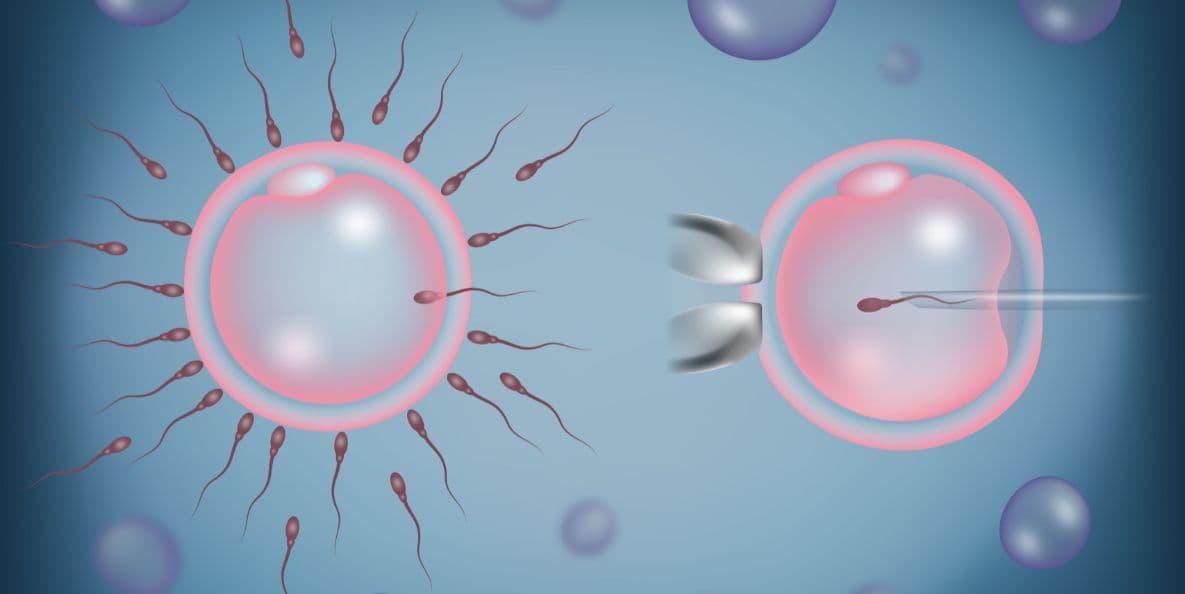

  • Early Mobilization: Recovery protocols emphasize walking within 24 hours of surgery to prevent blood clots and jumpstart bowel function.


  • Lymphedema: Chronic swelling in the legs can occur if extensive lymph nodes were removed; this is managed with specialized physical therapy.


  • Surgical Menopause: If the ovaries are removed in a pre-menopausal patient, symptoms like hot flashes may occur immediately.


  • Organ Monitoring: Because tumors are often near the bladder and ureters, there is a risk of temporary urinary issues that require monitoring.


  • Superior Debulking: Patients treated by gynecologic oncologists generally have better "optimal debulking" rates, which directly leads to longer survival.


  • Fertility Preservation: Procedures like radical trachelectomy allow women with early cervical cancer to keep their uterus and potentially have children.


  • MIS Advancements: Minimally invasive techniques mean less surgical stress, allowing patients to start necessary chemotherapy or radiation much sooner.


  • Sentinel Mapping Precision: Modern dye-mapping technology allows for accurate staging while sparing majority of lymph nodes, preventing life-long swelling.


  • Multidisciplinary Care: Combining surgery with modern immunotherapy and PARP inhibitors provides a comprehensive path to management and cure.


Gynecomastia Treatment (Male Breast Reduction)

Gynecomastia surgery, or male breast reduction, is a procedure used in 2026 to reduce enlarged breast tissue in men. It addresses the appearance of "man boobs" caused by genetics, hormonal imbalances, certain medications, or weight fluctuations that do not respond to traditional diet or exercise.


This procedure is recommended for men who have completed puberty and are looking to achieve a more contoured chest. Key indications include:


  • Excess Glandular Tissue: Firm, rubbery tissue beneath the nipple that cannot be lost through exercise.


  • Stubborn Chest Fat: Localized fat deposits that create a feminine chest appearance despite a healthy lifestyle.


  • Sagging Skin: Loose skin on the chest following significant weight loss.


  • Asymmetry: One side of the chest appearing significantly larger or differently shaped than the other.


  • Psychological Impact: Feeling self-conscious or avoiding certain clothing and social activities due to chest appearance.


  • Liposuction: Utilizes a small cannula to vacuum out excess fatty tissue; often the primary method for "pseudo-gynecomastia."


  • Surgical Excision: The direct removal of firm glandular tissue or excess skin, typically performed through an incision around the nipple.


  • Vaser or Laser-Assisted Liposuction: 2026 standards often use these technologies to liquefy fat and stimulate skin tightening simultaneously.


  • High-Definition Sculpting: A technique used to etch the borders of the pectoral muscles for a more "athletic" and defined look.


  • Combination Approach: Using both liposuction for smooth contouring and excision for firm tissue removal to achieve the best result.


  • Surgical Access: Small incisions are made either in the armpit for liposuction or along the edge of the areola (periareolar) for excision.


  • Fat and Tissue Removal: The surgeon removes excess fat via liposuction and meticulously trims away the firm glandular tissue.


  • Chest Contouring: The remaining tissue is sculpted to ensure a smooth transition between the chest wall and the surrounding areas.


  • Nipple Repositioning: If necessary, the nipple and areola are shifted to a more natural position on the flattened chest mound.


  • Closure: The small incisions are closed with fine sutures, and a medical-grade compression vest is applied immediately to manage swelling.


  • Fasting: Patients are typically required to fast for 8–12 hours before the surgery.


  • Hormonal Evaluation: In 2026, blood tests are standard to rule out treatable hormonal imbalances or underlying medical causes.


  • Medical Clearances: Basic blood work and an ECG are performed to ensure the patient is fit for anesthesia.


  • Substance Review: Patients must avoid anabolic steroids, certain supplements, and nicotine for several weeks to ensure safe healing and permanent results.


  • Testosterone & Estrogen Panel: To check for hormonal fluctuations that may be contributing to tissue growth.


  • Chest Ultrasound: Sometimes used to differentiate between fatty tissue (adipose) and glandular breast tissue.


  • Basic Blood Panel: To evaluate hemoglobin levels, kidney function, and blood clotting ability.


  • ECG: Performed to monitor heart health during the 1.5 to 3-hour procedure.


  • Hospital Stay: Usually performed as an outpatient procedure; patients return home the same day.


  • Compression Therapy: A compression vest must be worn 24/7 for the first 3–4 weeks to ensure the skin adheres properly to the muscle.


  • Activity Timeline: Most patients return to desk work within 1 week. Light lower-body exercise is permitted by week 3.


  • Full Gym Access: Heavy lifting and chest-specific exercises (like bench presses) are typically restricted until the 6-week mark.


  • Masculine Chest Contour: Creates a flatter, firmer, and more traditionally masculine appearance.


  • Permanent Results: Provided the patient maintains a stable weight and avoids triggering substances, the removed tissue does not return.


  • Enhanced Confidence: Significantly improves self-esteem and comfort in tight-fitting clothing or at the beach/gym.


  • Minimal Scarring: Incisions placed along the border of the areola become nearly invisible once fully healed.


Hair Transplant Surgery

Hair Transplantation is a permanent surgical solution in 2026 for hair loss, involving the relocation of individual hair follicles from a "donor site"—typically the back or sides of the head—to thinning or bald areas. Modern procedures focus on high-density implantation and robotic assistance to create seamless, natural-looking results that are indistinguishable from original hair.


This procedure is ideal for individuals looking to address permanent hair loss rather than temporary thinning. Key indications include:


  • Male Pattern Baldness: Receding hairlines or thinning at the crown (vertex).


  • Female Pattern Hair Loss: General thinning across the top or part line of the scalp.


  • Traction Alopecia: Hair loss caused by long-term tension from tight hairstyles.


  • Scarring Alopecia: Filling in hairless areas caused by previous injuries, burns, or surgeries.


  • Eyebrow or Beard Thinning: Using transplant techniques to increase density in facial hair.


  • FUE (Follicular Unit Extraction): The most popular modern method, where individual follicles are extracted one by one, leaving virtually invisible micro-scars.


  • FUT (Follicular Unit Transplantation): The "strip method," where a small section of skin is removed and divided into grafts; ideal for patients requiring a very high volume of hair.


  • DHI (Direct Hair Implantation): Follicles are loaded into a specialized "Choi Pen" and implanted directly, allowing for high precision and control over hair angle.


  • Robotic Hair Restoration: Utilizing AI-driven systems (like ARTAS) to identify and extract the healthiest follicles with mathematical precision.


  • Hybrid Procedures: Combining surgical transplantation with PRP (Platelet-Rich Plasma) therapy to stimulate faster healing and graft growth.


  • Donor Area Preparation: The hair in the donor zone is usually trimmed, and the area is numbed with local anesthesia.


  • Extraction: Depending on the method (FUE or FUT), follicles are carefully harvested. In 2026, advanced storage solutions keep these follicles "alive" and healthy outside the body.


  • Recipient Site Design: The surgeon meticulously plans the angle, depth, and direction of each graft to mimic a natural growth pattern.


  • Implantation: The harvested grafts are placed into the thinning areas. A single session can involve anywhere from 1,000 to 4,000+ grafts.


  • Review and Cleaning: The scalp is cleaned, and specialized dressings or cooling packs may be applied to minimize initial discomfort.


  • Medical Review: A blood test is typically required to check for underlying conditions or vitamin deficiencies that could affect hair health.


  • Scalp Assessment: A "trichoscopy" (magnified scalp exam) is performed to determine donor hair density and follicle quality.


  • Medication Review: Patients should avoid blood thinners and certain herbal supplements for 10–14 days prior to surgery.


  • Hair Care: Patients are often asked to avoid cutting their hair too short before the procedure so the surgeon can better assess natural growth directions.


  • Basic Blood Panel: To evaluate overall health, iron levels (ferritin), and clotting function.


  • Scalp Biopsy (Optional): Conducted if the surgeon suspects an inflammatory hair loss condition that might reject a transplant.


  • Digital Hair Mapping: To calculate the exact number of grafts needed and predict the final density.


  • Allergy Testing: Ensuring the patient is not sensitive to the local anesthetics used during the long session.


  • Immediate Care: The scalp will be tender with tiny scabs. Sleeping with the head elevated at a 45-degree angle for 3 nights is critical to prevent facial swelling.


  • The "Shock Loss" Phase: Between weeks 2 and 4, the transplanted hair shafts will fall out. This is a normal part of the process; the living follicles remain healthy beneath the skin.


  • New Growth: Sprouting usually begins around month 3 or 4, with visible improvements continuing through the first year.


  • Final Result: The full aesthetic outcome is achieved between 12 and 15 months. Once grown, the hair can be cut, styled, and dyed normally.


  • Permanent Solution: Transplanted follicles are genetically resistant to balding and will continue to grow for a lifetime.


  • Natural Appearance: Modern techniques ensure that the hairline and density look completely authentic.


  • Minimal Downtime: With FUE and robotic methods, most patients return to work and social activities within 7 days.


  • Boosted Confidence: Effectively restores a more youthful appearance and eliminates the need for temporary hair-loss concealers or pieces.


Haploidentical Transplant

A haploidentical transplant is a type of allogeneic bone marrow transplant that uses a half-matched donor. While traditional transplants usually require a 100% HLA match, this procedure utilizes a donor who is a 50% match, significantly expanding the donor pool for patients who cannot find a perfect match in international registries.


  • When a 100% HLA-matched sibling or unrelated donor is not available.


  • For patients requiring an urgent transplant where a family member can be screened and ready in days.


  • When the "mismatch" effect is desired to help new cells identify and eliminate remaining cancer (Graft-vs-Leukemia effect).


  • For those who have a biological parent, child, or half-matched sibling available to donate.


  • Parental Donation: Utilizing a biological parent as the 50% HLA match.


  • Child Donation: Utilizing a biological child as the 50% HLA match.


  • Sibling Half-Match: Utilizing a biological sibling who shares half of the inherited HLA markers.


  • Post-Transplant Cyclophosphamide (PTCy): A specialized protocol using high-dose chemotherapy after infusion to ensure safety.


  • Conditioning: Administration of chemotherapy or radiation to eliminate diseased marrow.


  • Stem Cell Infusion: Infusing donor stem cells through a central line, similar to a blood transfusion.


  • PTCy Administration: Delivering high-dose Cyclophosphamide on days 3 and 4 post-infusion to selectively kill cells that cause rejection.


  • Engraftment waiting period: A 2 to 3-week phase where the new cells begin producing white blood cells, red cells, and platelets.


  • Immunosuppression: Using specific medications to maintain balance in the new immune system.


  • Identifying and screening a biological family member who is a 50% HLA match.


  • Educating the patient on the unique PTCy safety phase following the stem cell infusion.


  • Baseline health assessments to ensure the patient can handle the intensive conditioning phase.


  • Preparing for a longer hospital stay, typically between 3 to 5 weeks.


  • HLA Typing: Identifying the 50% match markers inherited from parents.


  • Donor Screening: Rapid testing and medical clearance of the identified family member.


  • Viral Screening: Detailed testing for viruses like CMV, as there is a higher infection risk post-procedure.


  • Marrow Assessment: Evaluating the status of the diseased marrow prior to the conditioning phase.


  • Most patients remain in the hospital for 3 to 5 weeks following the procedure.


  • Close outpatient monitoring is required for at least the first 100 days.


  • A slightly longer recovery period for the immune system compared to a full-match transplant.


  • Ongoing use of immunosuppressant medications to prevent Graft-versus-Host Disease (GVHD).


  • Provides a nearly universal donor source since most people have a half-matched family member.


  • Allows for a much faster donor identification and screening process compared to unrelated registries.


  • Utilizes the Graft-vs-Leukemia effect, where the mismatch helps kill residual cancer cells.


  • Modern PTCy protocols have made half-matched transplants as safe as traditional full-match procedures.


Head and Neck Cancer Treatment

Head and Neck Cancer Treatment encompasses a range of specialized medical and surgical interventions designed to eliminate malignant tumors in the mouth, throat, voice box, and nasal passages. Clinical protocols prioritize the preservation of speech and swallowing functions through a multimodal approach, integrating precision surgery with advanced immunotherapy to address squamous cell carcinomas effectively.


  • Persistent Sores: Appearance of a sore, ulcer, or red and white patches in the mouth that do not heal within two weeks.


  • Throat Discomfort: A persistent sore throat or a constant feeling that something is caught in the back of the throat.


  • Voice Changes: Noticeable hoarseness or a significant change in the quality or pitch of the voice.


  • Dysphagia: Difficulty or pain experienced during the process of swallowing food or liquids.


  • New Growths: Discovery of a new lump, swelling, or painless mass in the neck, jaw, or facial area.


  • Nasal/Ear Symptoms: Frequent nosebleeds, persistent nasal congestion, or chronic ear pain without an active infection.


  • Oral Cavity Cancers: Malignancies affecting the lips, tongue, gums, or the mucosal lining of the cheeks.


  • Oropharyngeal Cancers: Particularly those linked to the HPV-16 virus, often located in the tonsils or the base of the tongue.


  • Laryngeal Malignancies: Cancers occurring in the tissues of the voice box that impact breathing and speech.


  • Sinonasal Tumors: Rare tumors in the nasopharynx or paranasal sinuses requiring complex anatomical access.


  • Recurrent/Metastatic HNSCC: Squamous cell carcinomas that have returned or spread to distant organs like the lungs.


  • Transoral Robotic Surgery (TORS): A minimally invasive technique used to remove throat tumors through the mouth, avoiding large external incisions.


  • Neck Dissection: The surgical removal of lymph nodes in the neck to prevent or treat the regional spread of cancer.


  • Immunotherapy: Checkpoint inhibitors (such as Pembrolizumab or Nivolumab) are now standard first-line treatments for advanced disease.


  • Targeted Therapy: Precision medications like Cetuximab that block specific proteins facilitating cancer cell growth.


  • Intensity-Modulated Radiation Therapy (IMRT): High-precision radiation that conforms to the tumor's 3D shape to spare the salivary glands.


  • Photodynamic Therapy: A treatment using light-sensitive drugs and laser energy to destroy superficial mucosal cancers.


  • Diagnostic Mapping: High-resolution CT, MRI, and PET scans are utilized to create a precise map of the tumor and nearby nerves.


  • Histology Confirmation: A tissue biopsy is conducted to confirm the presence of squamous cell carcinoma and check for HPV status.


  • Precision Surgery: Surgeons remove the primary tumor, often using robotic tools to navigate the narrow passages of the throat.


  • Adjuvant Radiation: Precision radiation is applied to the mucosal lining to destroy any microscopic cells remaining after surgery.


  • Immune Priming: Immunotherapy infusions help the body's T-cells identify and destroy cancer cells throughout the system.


  • Functional Rehab: Specialized sessions are integrated early to support the recovery of speech, airway protection, and swallowing.


  • Baseline Therapy: Consult with a speech and swallow therapist to establish a functional baseline for post-operative recovery.


  • Dental Clearance: Undergo a comprehensive dental evaluation, as radiation can significantly impact jawbone health and density.


  • Cessation Programs: Adhere to strict smoking and alcohol cessation programs, as continued use significantly lowers treatment success.


  • Nutritional Mapping: Follow specific high-calorie nutritional guidelines to maintain strength and prevent weight loss during therapy.


  • Surgical Roadmarking: Complete all diagnostic mapping to ensure the surgical team has a clear view of critical tumor margins.


  • Fiberoptic Endoscopy: A visual inspection using a thin, flexible tube to examine the throat, larynx, and nasal passages.


  • Head and Neck MRI: To determine the exact size and depth of the malignancy and its proximity to major blood vessels.


  • PET-CT Scan: To evaluate metabolic activity and check if the cancer has spread to the chest or distant lymph nodes.


  • HPV Biomarker Testing: Specifically testing for p16 protein to identify viral status, which dictates the intensity of the treatment.


  • Immune Profiling: Comprehensive blood panels to assess PD-L1 levels, helping to predict responsiveness to immunotherapy.


  • Surveillance Schedule: Regular physical exams and imaging every 3 months for the first two years to monitor for early signs of recurrence.


  • Oral Health Vigilance: Commitment to lifelong dental hygiene and fluoride treatments to manage the long-term effects of radiation on saliva.


  • Lifestyle Maintenance: Absolute avoidance of tobacco and alcohol to prevent the development of a second primary cancer.


  • Functional Maintenance: Continued participation in speech therapy and swallowing exercises to prevent long-term joint stiffness (trismus).


  • Mucosal Monitoring: Routine follow-up appointments with a specialist to ensure the continued health of the mucosal surfaces.


  • Superior Survival Rates: Features high survival rates for localized cases through early detection and robotic surgery.


  • Revolutionary Immunotherapy: Modern standards use neoadjuvant (pre-surgery) immunotherapy to shrink tumors and improve surgical outcomes.


  • Aesthetic Preservation: Employs robotic technology and reconstructive microsurgery to minimize physical changes and preserve facial appearance.


  • Organ Preservation: Prioritizes de-escalated protocols for HPV-positive cases to preserve vital functions like speaking and eating.


  • Biologically Tailored Care: Every plan is customized based on the tumor's genetic signature and viral status for maximum impact.


Heart Bypass Surgery (CABG)

Coronary Artery Bypass Grafting (CABG), commonly called "heart bypass surgery," is a major surgical procedure used to treat severe coronary artery disease. It creates new pathways for blood to flow to the heart muscle by bypassing clogged or narrowed sections of the coronary arteries. By using healthy blood vessels from elsewhere in the body to "reroute" blood, CABG restores vital oxygen supply to the heart muscle and reduces the risk of a heart attack.


  • Left Main Disease: A severe blockage in the main artery supplying the left side of the heart, which is considered high-risk.


  • Triple Vessel Disease: Significant blockages in all three major coronary arteries.


  • Diabetes: Patients with diabetes and multi-vessel disease often have better long-term outcomes with surgery than with stenting.


  • Complex Anatomy: Blockages that are too long, heavily calcified (hardened), or located in areas where a stent cannot be safely placed.


  • Failed Angioplasty: When previous attempts to open arteries with balloons or stents have not been successful or the artery has narrowed again.


  • On-Pump CABG: The traditional method where a heart-lung bypass machine takes over the work of the heart and lungs, allowing the surgeon to operate on a still, non-beating heart.


  • Off-Pump (Beating Heart) CABG: The surgeon uses specialized stabilizers to operate while the heart continues to beat, avoiding the bypass machine. This is often preferred for patients at high risk for stroke.


  • Minimally Invasive (MIDCAB): Small incisions are made between the ribs rather than through the breastbone. This is typically used for bypassing one or two arteries on the front of the heart.


  • Endoscopic Vessel Harvesting (EVH): A 2026 standard where grafts from the leg or arm are removed through tiny incisions using a camera, reducing scarring and pain.


  • Incision: A midline incision is made, and the breastbone (sternum) is divided to access the heart.


  • Harvesting: Simultaneously, healthy vessels are harvested: the Internal Mammary Artery (chest), Saphenous Vein (leg), or Radial Artery (arm).


  • Bypass: One end of the graft is attached to the aorta (the main artery) and the other end below the blockage, creating a permanent "detour."


  • Restarting: Once the connections are tested for leaks, the heart is restarted (if it was stopped), and the bypass machine is disconnected.


  • Closing: The sternum is secured with permanent stainless steel wires, and the skin is closed with stitches or staples.


  • Fasting for at least 8–12 hours before surgery, as it is performed under general anesthesia.


  • Extensive blood work, chest X-rays, and an ECG to ensure you are fit for major surgery.


  • Dental clearance is often required to ensure no hidden infections could travel to the heart.


  • Stopping or adjusting certain medications, especially blood thinners like Clopidogrel or Aspirin, as directed.


  • Shaving and surgical scrubbing of the chest, legs, and arms to prevent infection.


  • Coronary Angiogram: The "roadmap" that shows exactly where the blockages are located.


  • Echocardiogram: To assess the heart's pumping strength (Ejection Fraction) and valve function.


  • Carotid Doppler: To check for blockages in the neck arteries that might increase the risk of stroke during surgery.


  • Pulmonary Function Test (PFT): To ensure the lungs are strong enough to handle anesthesia and recovery.


  • Vein Mapping: Ultrasound of the legs or arms to ensure the vessels are healthy enough to be used as grafts.


  • ICU Stay: Expect to spend the first 24 hours in the Intensive Care Unit for close monitoring of heart rhythm and blood pressure.


  • Hospital Stay: Total recovery in the hospital usually lasts 5 to 7 days.


  • Sternal Precautions: For the first 6 weeks, you must avoid lifting anything heavier than 2–3 kg to allow the breastbone to heal properly.


  • Cardiac Rehabilitation: Starting around week 6, supervised exercise programs are highly recommended to rebuild strength.


  • Long-term Meds: You will likely remain on Aspirin and cholesterol-lowering medications (statins) indefinitely to keep the new grafts clear.


  • Superior Longevity: Provides a long-term solution for complex multi-vessel disease, often outlasting stents.


  • Symptom Relief: Significant reduction or total elimination of chest pain (angina) and shortness of breath.


  • Reduced Heart Attack Risk: By restoring blood flow to large areas of the heart, the risk of a future major cardiac event is lowered.


  • Improved Quality of Life: Most patients return to an active lifestyle and can exercise more effectively than before surgery.


  • 2026 Success Rates: Elective CABG has a high survival rate (approx. 98–99%) due to advanced surgical and anesthesia protocols.


Heart Transplant Surgery

A heart transplant is a major life-saving procedure in which a failing or diseased heart is replaced with a healthy donor heart. It restores normal heart function, improves quality of life, and is recommended when other treatments no longer work.


  • Severe heart failure not improving with medicines or procedures


  • Frequent hospital admissions due to worsening heart condition


  • Extreme fatigue, weakness, or breathlessness during simple tasks


  • Swelling in legs, ankles, or abdomen because of fluid buildup


  • Life-threatening arrhythmias that cannot be controlled


  • Poor heart pumping capacity despite advanced treatment


  • Dilated or restrictive cardiomyopathy


  • Severe coronary artery disease with repeated heart attacks


  • Congenital heart defects not treatable with surgery


  • End-stage valvular heart disease


  • Severe myocarditis causing permanent heart damage


  • Heart failure after previous surgeries or device implants


  • General anesthesia is given for complete comfort


  • The weakened or failing heart is surgically removed


  • A healthy donor heart is connected to major blood vessels


  • The new heart is started carefully to ensure proper function


  • Monitoring lines and drains are placed for recovery


  • You are shifted to the ICU for close observation


  • Heart function tests and blood/tissue matching


  • Follow all fasting and medication-related instructions


  • Maintain controlled blood pressure, blood sugar, and healthy weight


  • Avoid alcohol and stop smoking at least 3–4 weeks before surgery


  • Attend counseling to prepare mentally and physically


  • ECG to check heart rhythm


  • Echocardiography to assess pumping capacity


  • CT or MRI scans for detailed imaging


  • Pulmonary function tests for lung strength


  • Blood typing and tissue matching


  • Coronary angiography, if required


  • ICU stay: usually 3–5 days


  • Hospital recovery: around 2–3 weeks


  • Regular follow-ups to monitor organ acceptance


  • Anti-rejection medicines taken lifelong


  • Gradual return to daily activities in 8–12 weeks


  • Healthy diet, low-salt meals, and light exercise


  • Cardiac rehabilitation for long-term recovery


  • Better heart function and improved blood flow


  • Relief from breathlessness, fatigue, and swelling


  • Fewer hospital visits and emergency episodes


  • Better stamina and improved quality of life


  • Long-term survival with the right care and medicines


Hemodialysis and Peritoneal Dialysis

Hemodialysis and Peritoneal Dialysis are the two primary life-sustaining treatments for individuals with end-stage renal disease (ESRD). When the kidneys can no longer filter waste products and excess fluid from the blood, dialysis performs these vital functions. While both methods aim to maintain a healthy chemical balance in the body, they utilize different biological and mechanical processes—one filtering blood through an external machine and the other using the body's own abdominal lining as a natural filter.


  • End-Stage Renal Disease (ESRD): When kidney function has declined to approximately 10-15% (Stage 5 Chronic Kidney Disease).


  • Severe Uremia: Buildup of waste products in the blood causing nausea, fatigue, and confusion.


  • Refractory Fluid Overload: Significant swelling or "edema" in the legs or lungs that does not respond to medication.


  • Electrolyte Imbalance: Dangerous levels of potassium or acid in the blood that can affect heart rhythm.


  • Awaiting Transplant: To maintain health while on the waiting list for a donor kidney.


  • Acute Kidney Injury: Temporary support for the kidneys following severe trauma, infection, or medication toxicity.


  • Vascular Access Challenges: Patients with fragile veins who may require a synthetic graft or a specialized catheter for hemodialysis.


  • Abdominal Scarring: Previous major surgeries that may make the peritoneum unsuitable for peritoneal dialysis.


  • Congestive Heart Failure: Where the gentler, continuous fluid removal of peritoneal dialysis may be safer for the heart.


  • Diabetic Nephropathy: Requiring careful monitoring of blood sugar levels as peritoneal dialysate contains glucose.


  • Pediatric Kidney Failure: Often managed with home-based peritoneal dialysis to allow children to attend school and grow more naturally.


  • Vascular Access: An AV fistula, graft, or central venous catheter is used to create a path for blood to leave and return to the body.


  • The Dialyzer: Blood is pumped through an "artificial kidney" machine containing thousands of tiny fibers that filter out toxins.


  • Treatment Frequency: Typically performed three times a week for three to five hours per session at a specialized center.


  • Professional Supervision: Trained nurses and technicians monitor blood pressure and fluid removal throughout the session.


  • Anticoagulation: Small amounts of blood thinners are used during the session to prevent blood from clotting in the machine.


  • Catheter Placement: A permanent, soft silicone tube is surgically placed into the abdominal cavity.


  • The Exchange: A sterile cleansing fluid (dialysate) is infused into the abdomen where it "dwells" for several hours.


  • Filtration: The peritoneum (lining of the abdomen) acts as a filter, allowing waste and fluid to pass from the blood into the dialysate.


  • Drainage: The used fluid is drained out and replaced with fresh fluid, either manually (CAPD) or via an automated machine (APD).


  • Home-Based Care: Patients or caregivers are trained to perform these exchanges daily in a clean environment at home.


  • Portable and Wearable DialysisMiniaturized machines currently in development that allow patients more mobility while receiving continuous filtration.


  • Remote Patient Monitoring (RPM)Home-based cyclers that transmit treatment data directly to the clinical team, allowing for immediate adjustments to the prescription.


  • Bio-Artificial KidneysAdvanced research into implantable devices that combine synthetic filters with living kidney cells to mimic natural function.


  • Smart Vascular Access SensorsWearable or implanted sensors that detect early signs of a fistula blockage or infection before it becomes a crisis.


  • High-Flux Dialysis MembranesAdvanced filters in hemodialysis that can remove larger "middle molecules" of toxins more efficiently than standard filters.


  • Glucose-Free DialysatesNewer peritoneal fluids designed to reduce the metabolic impact on patients with diabetes or weight concerns.


  • Surgical Access: Planning and creating a fistula (for HD) or placing a catheter (for PD) several weeks before dialysis starts.


  • Vaccinations: Ensuring protection against Hepatitis B and other infections, as dialysis patients have suppressed immune systems.


  • Dietary Counseling: Learning to manage intake of potassium, phosphorus, sodium, and fluids based on the chosen modality.


  • Psychosocial Support: Connecting with social workers and support groups to manage the lifestyle transition.


  • Education: Intensive training for home-based patients to ensure they can perform exchanges safely and recognize signs of infection.


  • Kt/V Calculation: A mathematical formula used to measure the "adequacy" or effectiveness of the dialysis treatment.


  • Monthly Blood Panels: Checking levels of hemoglobin, calcium, phosphorus, and parathyroid hormone (PTH).


  • Exit Site Care: Daily cleaning and monitoring of the catheter or fistula site to prevent life-threatening infections.


  • Dry Weight Assessment: Determining the patient's ideal weight without excess fluid to guide how much water should be removed during a session.


  • Water Purity Testing: For hemodialysis centers, rigorous testing of the water treatment system to ensure it is free of minerals and bacteria.


  • Life Extension: Provides a bridge to transplant or a long-term solution for those not eligible for surgery.


  • Symptom Relief: Dramatically reduces the "brain fog," fatigue, and nausea associated with kidney failure.


  • Blood Pressure Control: Removing excess fluid is one of the most effective ways to manage severe hypertension in kidney patients.


  • Home-Based Independence: Peritoneal dialysis allows many patients to continue working, traveling, and maintaining a near-normal schedule.


  • Continuous Innovation: Modern dialysis is safer and more efficient than ever, with better management of side effects like cramping and "washed-out" feelings.


  • Most patients find that their energy levels improve significantly once they are stabilized on a consistent dialysis schedule.


  • Cardiovascular health is monitored closely, as the heart and kidneys are deeply interconnected.


  • Patients on peritoneal dialysis enjoy more dietary flexibility but must commit to a daily routine.


  • Hemodialysis patients often use their session time for rest, reading, or social interaction with fellow patients.


  • Successful dialysis management involves a partnership between the patient, nephrologist, dietitian, and nurse.


  • A return to meaningful daily activities and improved physical stamina.


  • Stability of health while waiting for a kidney transplant, which remains the ultimate goal for many.


  • Empowerment through the mastery of home-based medical technology for PD patients.


  • Stronger long-term survival through the rigorous management of bone health and nutrition.


  • The opportunity to live a full and productive life despite the challenges of chronic kidney disease.


Hemorrhoidectomy
Hemorrhoidectomy

A Hemorrhoidectomy is the definitive surgical removal of severe or complicated hemorrhoids (swollen veins in the lower rectum and anus). While many mild cases are managed with dietary changes or office-based procedures like rubber band ligation, surgery is considered the "gold standard" for Grade III and IV hemorrhoids that are persistently painful, bleeding, or prolapsed. By 2026, surgical approaches have shifted toward "vessel-sealing" and laser technologies that prioritize faster healing and significantly improved post-operative comfort.


  • Grade IV Prolapse: When hemorrhoidal tissue remains outside the body and cannot be manually pushed back in.


  • Persistent Bleeding: Chronic blood loss during bowel movements that leads to anemia or does not respond to non-surgical treatments.


  • Thrombosed External Hemorrhoids: When a blood clot forms in an external hemorrhoid, causing sudden, excruciating pain and swelling.


  • Failed Conservative Therapy: When high-fiber diets, topical creams, and minimally invasive procedures fail to provide long-term relief.


  • Strangulated Hemorrhoids: An emergency condition where the blood supply to a prolapsed hemorrhoid is cut off, causing tissue death.


  • Internal and External Combination: When a patient suffers from both types simultaneously, requiring a comprehensive surgical clearance.


  • Inflammatory Bowel Disease (IBD): Patients with Crohn’s disease require specialized evaluation, as traditional surgery may interfere with wound healing.


  • Anticoagulation Therapy: Patients on blood thinners who require precise "vessel-sealing" techniques to prevent post-operative bleeding.


  • Recurrent Hemorrhoids: Cases where previous surgeries or ligations have failed, necessitating a more advanced reconstructive approach.


  • Pregnancy-Related Hemorrhoids: While usually managed conservatively, severe cases following childbirth may require surgical intervention once hormones stabilize.


  • Anorectal Comorbidities: When hemorrhoids are accompanied by anal fissures or fistulas that must be treated during the same operative session.


[Image showing a comparison between healthy anal anatomy and the various grades (I-IV) of internal hemorrhoids]


  • Excisional Surgery: The surgeon makes precise incisions to remove the excess hemorrhoidal tissue. This can be "closed" (sutured) or "open" to allow for natural drainage.


  • Stapled Hemorrhoidopexy (PPH): A specialized circular stapling device "lifts" the prolapsed tissue back into place and cuts off the blood supply to the swollen veins.


  • Laser Hemorrhoidoplasty (LHP): A laser fiber is inserted into the hemorrhoid to deliver controlled energy, causing the tissue to shrink from the inside without external cuts.


  • THD (Transanal Hemorrhoidal Dearterialization): Guided by ultrasound, the surgeon identifies and ties off the specific arteries feeding the hemorrhoid, causing it to wither.


  • Anesthesia: Performed under general anesthesia, spinal block, or local anesthesia with deep sedation for patient comfort.


  • Vessel Sealing: Advanced bipolar or ultrasonic energy devices are used to simultaneously cut and seal blood vessels, reducing blood loss and operative time.


  • Laser-Induced Thermotherapy (LITT)A non-excisional technique that uses heat to collapse the hemorrhoidal pile, resulting in almost no tissue trauma and a dramatically faster return to work.


  • Long-Acting Local Anesthetics (Exparel)A specialized numbing medication injected during surgery that slowly releases over 72 hours, covering the most painful window of early recovery.


  • Doppler-Guided LigationHighly sensitive ultrasound probes that allow surgeons to find the "feeder" vessels with 100% accuracy, ensuring the hemorrhoid shrinks without being cut out.


  • Radiofrequency Ablation (RFA)Utilizing high-frequency waves to treat the hemorrhoid, offering a middle ground between traditional surgery and office-based treatments.


  • Bio-Absorbable StaplesNext-generation stapling devices used in PPH that dissolve over time, reducing the long-term risk of internal irritation or "staple-line" sensitivity.


  • AI-Enhanced ProctoscopyDigital imaging systems that map the vascular pressure in the rectal area to help the surgeon decide exactly which tissue needs removal.


  • Bowel Preparation: A mild laxative or enema is often used the evening before surgery to ensure a clean surgical field.


  • Medication Adjustment: Reviewing any supplements, such as Vitamin E or Garlic, and blood thinners that could increase the risk of bleeding.


  • Nutrition Planning: Starting a high-fiber diet and increasing water intake days before the surgery to prepare for the first post-op bowel movement.


  • NPO Guidelines: Standard fasting for 8–12 hours before the procedure to ensure safety during anesthesia.


  • Sitz Bath Setup: Having a small plastic tub or "sitz bath" ready at home for immediate post-operative hygiene and comfort.


  • Digital Rectal Exam (DRE): A final physical check to confirm the location and grade of all symptomatic hemorrhoids.


  • Anoscopy/Sigmoidoscopy: Ensuring there are no other issues, such as polyps or inflammatory disease, higher up in the rectum.


  • Urinary Retention Check: Monitoring the patient’s ability to urinate before discharge, as pelvic surgery can occasionally cause temporary bladder hesitation.


  • Post-Operative Hemorrhage Watch: Close observation during the first 24 hours for any signs of significant rectal bleeding.


  • Lowest Recurrence Rate: Excisional hemorrhoidectomy remains the most successful way to ensure hemorrhoids do not return.


  • Comprehensive Relief: Resolves all associated symptoms, including itching, leaking, pain, and the sensation of "fullness."


  • Vascular Correction: Procedures like THD and PPH address the underlying blood flow issues, not just the visible bulge.


  • Simultaneous Repair: Allows for the correction of other painful issues like anal tags or fissures in a single session.


  • Functional Restoration: Returns the anal canal to its natural anatomical state, improving hygiene and comfort.


  • The First Week: The focus is on pain management and soft bowel movements; stool softeners and fiber supplements are mandatory.


  • Sitz Baths: Soaking in warm water for 10–15 minutes several times a day is the most effective way to soothe the area and keep it clean.


  • Pain Protocols: A combination of anti-inflammatories, local numbing creams, and occasionally mild narcotics are used to manage discomfort.


  • Activity Graduation: Light walking is encouraged immediately, but heavy lifting and "straining" must be avoided for at least 2 to 3 weeks.


  • Hydration: Drinking at least 2–3 liters of water daily is essential to prevent constipation during the healing phase.


  • A dramatic improvement in daily quality of life, free from the constant discomfort and "accidents" caused by prolapse.


  • Confidence in physical activities, including exercise and heavy lifting, once the 6-week healing window is complete.


  • A return to normal hygiene and the elimination of chronic itching or skin irritation.


  • Long-term freedom from the need for topical creams, suppositories, or frequent medical visits for "flare-ups."


  • Empowerment through a permanent solution to a common but debilitating condition.


Hernia Repair (Inguinal/Umbilical)

Hernia repair is a surgical procedure to correct protrusions of tissue or organs through weakened areas of the abdominal wall. An inguinal hernia occurs in the groin area (the inguinal canal), while an umbilical hernia occurs at or near the navel (belly button). By reinforcing these weak points, surgery prevents the risk of "incarceration" or "strangulation," where the blood supply to the trapped tissue is cut off, making it an essential intervention for both comfort and long-term health.


  • Persistent pain or a "dragging" sensation in the groin or abdomen, especially when lifting or coughing.


  • A visible bulge that may disappear when lying down but protrudes during physical activity.


  • Umbilical protrusions that become larger, more painful, or aesthetically concerning.


  • Inguinal hernias that cause discomfort during daily movements or exercise.


  • As a preventive measure to avoid the emergency complications of a trapped (strangulated) intestine.


  • When a hernia interferes with professional duties that require physical labor or heavy lifting.


  • Incarcerated Hernia: Tissue that is trapped in the abdominal wall and cannot be pushed back in.


  • Strangulated Hernia: A medical emergency where the blood supply to the trapped tissue is restricted.


  • Recurrent Hernia: A hernia that has returned after a previous surgical repair.


  • Bilateral Inguinal Hernias: When hernias are present on both the left and right sides of the groin simultaneously.


  • Large Incisional Hernias: Weakness occurring at the site of a previous surgical scar.


  • The procedure begins with Reduction, where the protruding fat or intestine is gently pushed back into the abdominal cavity.


  • Open Surgery involves a single incision made directly over the bulge to access the muscle defect.


  • Laparoscopic Surgery utilizes three to four "keyhole" incisions and a camera to repair the wall from the inside.


  • Robotic-Assisted Surgery provides the surgeon with high-definition 3D visualization and robotic precision for complex cases.


  • In most adult cases, a Synthetic Mesh is placed over the weak spot to act as a permanent reinforcement.


  • The muscle layers are sutured, and the skin is closed with dissolvable stitches, surgical tape, or skin glue.


  • Bio-Absorbable MeshesAdvanced mesh materials that provide a scaffold for the body’s own tissue to grow into before eventually dissolving, reducing long-term foreign body sensation.


  • Self-Gripping (ProGrip) MeshSpecialized mesh with micro-hooks that eliminate the need for traditional tacks or sutures, significantly reducing post-operative nerve pain.


  • 3D-Mapped Mesh ContouringThe use of meshes designed to anatomically fit the specific curvature of the groin or abdominal wall for a more natural feel.


  • Single-Port Robotic RepairThe ability to perform complex hernia reconstructions through just one tiny incision, further minimizing scarring.


  • Advanced Nerve MappingIntraoperative tools that help surgeons identify and avoid sensory nerves, lowering the risk of chronic post-surgical pain.


  • Glue-Based FixationUsing medical-grade adhesives instead of mechanical tacks to secure the mesh, leading to a smoother recovery.


  • Physical examination and medical history to determine the most effective surgical approach (Open vs. Laparoscopic).


  • Guidance on smoking cessation, as nicotine can significantly weaken tissue healing and increase recurrence risk.


  • Review of medications, particularly anticoagulants (blood thinners) that may need to be paused.


  • Fasting (NPO) instructions starting the night before surgery to ensure a safe anesthetic experience.


  • Coordination for a "day-case" discharge, as most patients return home within hours of the procedure.


  • Ultrasound or CT Scan: To determine the exact size of the hernia and identify if any vital organs are involved.


  • Routine Blood Work (CBC/Electrolytes): To ensure general health and proper clotting function.


  • Electrocardiogram (ECG): For patients over 40 or those with cardiac history to ensure fitness for anesthesia.


  • Cough Test: A physical assessment to judge the stability of the hernia under abdominal pressure.


  • Urinalysis: To rule out any underlying infections prior to the placement of surgical mesh.


  • Prevents Emergencies: Repairing a hernia electively removes the life-threatening risk of bowel strangulation.


  • Minimal Recurrence: The use of modern mesh technology has reduced the risk of a hernia returning to less than 5%.


  • Rapid Return to Activity: Laparoscopic and robotic techniques allow most patients to return to desk work within a week.


  • Restored Core Strength: Reinforcing the abdominal wall improves overall stability and comfort during physical movement.


  • Cosmetic Improvement: Corrects the visible bulge, restoring the natural contour of the navel or groin.


  • Patients are encouraged to walk within a few hours of surgery to promote blood flow and lung function.


  • Pain management typically transitions from clinical care to over-the-counter medications within 48 hours.


  • Heavy lifting (typically over 10–20 lbs) is restricted for 4 to 6 weeks to allow the mesh to integrate fully.


  • Most patients can resume driving once they can perform an emergency stop without abdominal discomfort.


  • Follow-up visits are scheduled to monitor the incision sites and ensure there is no fluid buildup (seroma).


  • Freedom from the chronic aching or "heaviness" associated with the hernia.


  • Ability to return to high-impact sports and strenuous gym activities once full clearance is granted.


  • Permanent structural support of the abdominal wall through the integrated mesh.


  • Significant reduction in the psychological stress associated with a visible or painful bulge.


  • Long-term protection against the risk of intestinal complications.


Hip Replacement (Cemented/Uncemented)

Total hip replacements are classified by how the artificial components are secured to the bone. While both methods are highly successful, the choice depends on the patient's bone quality, age, and activity level.


  • Cemented: Preferred for patients over 70 or those with osteoporosis whose bone may be too porous to grow into an implant.


  • Uncemented: Ideal for younger, active patients (typically under 65) with strong, healthy bone density.


  • Hybrid Approach: In some cases, a surgeon may use a cemented stem in the femur and an uncemented cup in the socket.


  • Revision Surgery: Often utilizes specialized versions of either method depending on the amount of remaining healthy bone.


  • Cemented Fixation: Utilizing surgical-grade polymethylmethacrylate (PMMA) to create a tight mechanical interlock between the metal and the bone.


  • Uncemented (Press-fit) Fixation: Relying on a high-precision friction fit followed by natural bone growth into a porous metal surface.


  • Biological Fixation: The process where natural bone cells migrate into the "beaded" coating of an uncemented implant over 6 to 12 weeks.


  • Antibiotic-Loaded Cement: A variation where cement is pre-mixed with antibiotics to provide localized protection against infection.


  • Bone Preparation: The surgeon clears the arthritic bone and prepares the hollow center of the femur and the acetabular socket.


  • Grout Injection (Cemented): Wet PMMA is injected into the bone cavity immediately before the components are pressed into place.


  • Precision Carving (Uncemented): The bone is carved to be slightly smaller than the implant to ensure an extremely tight fit when hammered into position.


  • Impacting the Component: For cementless types, the metal components are impacted until they achieve a stable "friction fit" against the healthy bone.


  • Curing: For cemented types, the surgeon holds the implant perfectly still for 10 to 12 minutes while the cement hardens completely.


  • Bone density scanning (DEXA) may be performed to determine if the bone is strong enough for an uncemented implant.


  • Pre-operative templating using X-rays to ensure the high-precision tools match the size of the selected uncemented components.


  • Evaluation of allergy history, specifically regarding the components of surgical bone cement or specific metals like Titanium.


  • Fasting (NPO) and standard surgical clearance for general or spinal anesthesia.


  • Weight-Bearing X-rays: To assess the "fit and fill" of the femoral canal and the quality of the pelvic bone.


  • DEXA Scan: To provide a definitive measure of bone mineral density in the hip region.


  • Blood Panels: To ensure the patient is a candidate for surgery and to check for systemic inflammation.


  • Cardiac Clearance: Particularly for cemented procedures, to ensure the heart can tolerate potential pressure changes during cement implantation.


  • Cemented Recovery: Patients can usually put full weight on the leg within hours, as the bond reaches maximum strength almost instantly.


  • Uncemented Recovery: Some surgeons require 4–6 weeks of "partial weight-bearing" with crutches to allow the bone to grow into the metal.


  • Long-term Monitoring: Uncemented implants are designed to become a permanent part of the skeleton, while cement may eventually degrade after 20–25 years.


  • Activity Levels: Uncemented implants are specifically designed to withstand the higher mechanical stresses of a more active lifestyle.


  • Cemented Benefits: Provides an immediate, rock-solid foundation and allows for the localized delivery of antibiotics.


  • Uncemented Benefits: Preserves more natural bone and offers the potential for a longer-lasting, biological bond that does not "wear out" like cement.


  • Reduced Failure Rates: Both methods reduce the failure rate of hip replacements to very low levels compared to historical techniques.


  • Customization: Surgeons can tailor the fixation method to the specific anatomy and bone health of each individual patient.


Hip Resurfacing
Hip Resurfacing

Hip Resurfacing is an alternative to total hip replacement designed to preserve more of the patient's natural bone. Instead of removing the entire head of the thigh bone (femur), the damaged surface is trimmed and capped with a smooth metal covering, maintaining the original anatomy of the femoral neck.


  • Younger, active patients (typically under 60) who wish to return to high-impact activities.


  • Patients with strong bone density, particularly in the femoral neck region.


  • Desire for a joint that has a lower risk of dislocation due to the larger size of the artificial "ball."


  • When bone preservation is a priority to make potential future revision surgeries easier.


  • Advanced hip arthritis that has not responded to conservative management.


  • Metal-on-Metal Bearing: A specialized technique where a metal femoral cap moves directly against a metal pelvic socket.


  • Cemented Capping: Securing the mushroom-shaped metal cap to the shaped femoral head using a small amount of bone cement.


  • Press-Fit Acetabular Fixation: Placing a metal cup into the pelvic socket without cement, allowing the bone to grow into the implant.


  • Computer-Assisted Navigation: Utilizing digital mapping to ensure the precise alignment of the cap and socket during the procedure.


  • Socket Resurfacing: The arthritic surface of the pelvic socket (acetabulum) is removed and replaced with a durable metal cup.


  • Femoral Reaming: The surgeon shapes the existing "ball" of the femur into a cylinder rather than cutting it off entirely.


  • Cap Placement: A hollow metal cap is placed over the newly shaped femoral head to provide a smooth, new joint surface.


  • Alignment Verification: The surgeon ensures the metal-on-metal components are perfectly positioned to minimize friction and wear.


  • Closure: The incision is closed with sutures or surgical glue, following a path similar to a standard hip replacement.


  • Precise X-rays and DEXA scans (bone density tests) to confirm the femoral neck can support the metal cap.


  • Screening for metal allergies, specifically to nickel, cobalt, or chromium.


  • Fasting (NPO) and standard medical clearance for either general or spinal anesthesia.


  • Discussion of gender-specific outcomes, as the procedure is most often indicated for male patients due to bone size and density requirements.


  • DEXA Scan: The mandatory "gold standard" test to ensure the bone mineral density is high enough to prevent post-op fractures.

  • Template X-rays: High-resolution imaging used to determine the exact size of the cap and socket required.


  • Metal Ion Baseline: Sometimes performed to check pre-operative levels of cobalt and chromium in the blood.


  • Kidney Function Test: To ensure the body can effectively filter any microscopic metal ions released by the joint over time.


  • Hospital stays are typically brief, ranging from 1 to 2 days.


  • Immediate weight-bearing is usually allowed with a walker or crutches.

  • Heavy impact activities, such as running or jumping, are restricted for 6 to 12 months while the bone strengthens.

  • Blood thinners (Aspirin or Xarelto) are required for 4–6 weeks to prevent Deep Vein Thrombosis (DVT).

  • Intensive physical therapy focuses on the abductor muscles to ensure a stable and natural walking pattern.


  • Preserves the femoral head and neck, making future "standard" hip replacements much easier to perform.


  • Offers a significantly lower risk of dislocation because the artificial ball is nearly the same size as the natural one.


  • Allows for a safe return to high-impact sports and heavy lifting that might damage a standard hip replacement.


  • Provides a more "natural" range of motion and stable joint feel for younger, active individuals.


Hodgkin Lymphoma
Hodgkin Lymphoma

Hodgkin Lymphoma (HL) is a highly treatable cancer of the lymphatic system, distinguished by the presence of a specific giant cell called the Reed-Sternberg cell. It typically spreads in a predictable, orderly fashion from one group of lymph nodes to the next.


  • Painless, firm swelling of lymph nodes in the neck, armpits, or groin.


  • Drenching night sweats that require a change of clothes.


  • Unexplained fevers that may come and go.


  • Significant weight loss of more than 10% of body weight in 6 months.


  • Rare but specific pain in the lymph nodes after consuming alcohol.


  • Classical Hodgkin Lymphoma (cHL): Accounts for about 95% of cases; includes subtypes like Nodular Sclerosis which often affects the chest and neck.


  • Nodular Lymphocyte-Predominant (NLPHL): A rarer, slower-growing version that often requires less intensive treatment.


  • Staging (Stages I–IV): Categorized based on whether the cancer is on one or both sides of the diaphragm.


  • ABVD Chemotherapy: The "gold standard" regimen using a combination of four specific drugs (Adriamycin, Bleomycin, Vinblastine, and Dacarbazine).


  • Radiation Therapy: Utilized as "involved-site" radiation to target specific areas of bulky disease after chemotherapy.


  • Immunotherapy: Use of checkpoint inhibitors like Nivolumab or Pembrolizumab to help the immune system identify and kill cancer cells.


  • Targeted Therapy: Drugs like Brentuximab Vedotin that specifically seek out the CD30 protein found on Hodgkin cells.


  • Identifying the specific subtype through an excisional biopsy for the most accurate diagnosis.


  • Baseline testing of heart and lung function to minimize long-term "late effects" from chemotherapy drugs.


  • Detailed consultation for younger patients (teens to 30s) regarding fertility preservation and future health risks.


  • Nutritional assessment to manage significant weight loss associated with "B symptoms."


  • Excisional Biopsy: Preferred over needle biopsies to accurately identify Reed-Sternberg cells.


  • PET/CT Scan: Advanced imaging used to map active cancer sites and determine the stage of the disease.


  • Blood Work: To evaluate overall health and check for inflammatory markers.


  • Diaphragm Assessment: Imaging to determine if the cancer has crossed the muscle separating the chest and abdomen.


  • The 5-year survival rate is excellent, currently at approximately 89%.


  • For early-stage disease, cure rates often exceed 90%.


  • Long-term monitoring is essential to watch for second cancers or cardiovascular issues later in life.


  • Regular follow-up appointments focus on ensuring the patient remains in remission and managing treatment side effects.


  • High cure rates even in advanced stages of the disease.


  • Standardized "gold standard" regimens provide predictable and successful outcomes.


  • Modern targeted therapies and immunotherapies reduce the need for more toxic treatments if the cancer returns.


  • Successfully alleviates systemic symptoms such as drenching night sweats and chronic fevers.


Hormone Replacement Therapy (HRT)

Hormone Replacement Therapy (HRT) is a medical treatment used to augment or replace the body’s natural hormones when levels decline or become imbalanced. In 2026, HRT remains a cornerstone of care for managing menopausal symptoms in women, age-related androgen decline in men, and gender-affirming transitions.


  • To relieve menopausal symptoms such as hot flashes, night sweats, and vaginal dryness.


  • If you are experiencing bone density loss (osteoporosis) related to hormonal decline.


  • For men with clinical hypogonadism seeking to improve energy, libido, muscle mass, and mood.


  • When seeking gender-affirming care to align physical characteristics with gender identity.


  • If started within the "window of opportunity"—typically within 10 years of menopause onset or before age 60.


  • Systemic Therapy: Hormones that circulate through the entire bloodstream via oral tablets, transdermal patches, or topical gels.


  • Localized Therapy: Targeted relief for vaginal symptoms using creams or rings with minimal systemic absorption.


  • Injections: Long-acting delivery where hormones are injected directly into the muscle.


  • Pellet Implantation: Small pellets implanted under the skin that release a steady dose over several months.


  • Bioidentical Hormones: Use of substances chemically identical to those naturally produced by the human body.


  • Individualized Dosing: Protocols are tailored based on the specific hormone deficiencies and patient goals.


  • Application: Depending on the method, patients may take a daily pill, apply a gel, or change a patch every few days.


  • Combination Therapy: For women with a uterus, progesterone is administered alongside estrogen to protect the uterine lining.


  • Estrogen-Only Therapy: Reserved typically for patients who have undergone a hysterectomy.


  • Surgical Implantation: For pellets, a small incision is made (usually in the hip area) to place the hormone pellets under the skin.


  • Undergo a comprehensive "risk-benefit" analysis based on age and health history.


  • Discuss family history of blood clots, stroke, or hormone-sensitive cancers.


  • Identify the most suitable delivery method (oral vs. transdermal) to minimize specific risks like thrombosis.


  • Establish baseline symptom tracking to measure the effectiveness of the treatment.


  • Ensure no undiagnosed vaginal bleeding or active liver disease is present.


  • Blood Hormone Panels: To measure current levels of estrogen, progesterone, or testosterone.


  • Bone Density Scan (DEXA): To assess the baseline health of the skeletal system.


  • Mammogram/Pelvic Exam: To rule out pre-existing hormone-sensitive conditions.


  • Liver Function Tests: To ensure the body can safely process systemic hormones.


  • Blood Pressure and Lipid Profile: To evaluate cardiovascular baseline before starting therapy.


  • Experience a significant reduction in vasomotor symptoms and improved sleep quality.


  • Attend regular clinical follow-ups and blood tests to ensure dosage remains effective and safe.


  • Monitor for common adjustment effects such as breast tenderness, bloating, or headaches.


  • Maintain regular screenings for breast and endometrial health as recommended by your provider.


  • Benefit from long-term protective effects against bone fractures.


  • Effectively manages the physical and emotional transitions associated with hormonal shifts.


  • Reduces the long-term risk of osteoporosis and associated bone fractures.


  • Enhances quality of life by restoring libido, energy levels, and mood stability.


  • Offers protective cardiovascular and cognitive benefits for specific patient populations.


  • Provides highly customizable delivery options to fit different lifestyles and risk profiles.


Hormone Therapy
Hormone Therapy

Hormone Therapy (also called endocrine or anti-hormone therapy) is a systemic cancer treatment that slows or stops the growth of "hormone-sensitive" tumors. It works by either lowering the body's natural hormone levels or blocking hormones from attaching to cancer cells. It is a cornerstone of long-term cancer management, often used for years to keep cancer in a "sleeping" or dormant state.


  • HR+ Breast Cancer: If your pathology report shows the tumor is Estrogen Receptor-positive (ER+) or Progesterone Receptor-positive (PR+).


  • Prostate Cancer: Used to lower androgen levels (testosterone) which fuel the growth of prostate cancer cells.


  • Recurrence Prevention: Often used as an "adjuvant" therapy for 5–10 years after surgery to ensure no hidden cells regrow.


  • Metastatic Management: To control the spread of hormone-sensitive cancers in the bones or other organs.


  • Gynecological Cancers: Occasionally used for specific types of uterine or ovarian cancers that respond to hormonal shifts.


  • Blocking Receptors: Medications like Selective Estrogen Receptor Modulators (SERMs), such as Tamoxifen, act as a "broken key" in a lock, preventing real hormones from signaling the cell to grow.


  • Aromatase Inhibitors (AIs): Drugs like Letrozole or Anastrozole block the enzyme that creates estrogen in fatty tissues, primarily used for postmenopausal women.


  • LHRH Agonists/Antagonists: These signal the brain to stop the ovaries or testicles from producing sex hormones altogether (medical castration).


  • Androgen Receptor Blockers: Modern anti-androgens that block testosterone even more effectively in advanced prostate cancer.


  • Surgical Removal: Permanent removal of the ovaries (Oophorectomy) or testicles (Orchiectomy) to eliminate the body's main hormone factory.


  • Daily Oral Pills: The most common form, where tablets are taken at the same time every day at home.


  • Periodic Injections: Administered in a clinic every 1, 3, or 6 months to suppress hormone production.


  • Subcutaneous Implants: Small pellets placed under the skin that slowly release medication over several months.


  • Long-Term Duration: Unlike chemo, this treatment usually lasts 5 to 10 years for early-stage patients to maximize the chance of a permanent cure.


  • Step-Down Protocols: Doctors may "switch" drugs halfway through a 10-year course (e.g., from Tamoxifen to an AI) to improve efficacy.


  • Hormone Receptor Testing: A biopsy must confirm that the cancer is "hormone-sensitive" before starting; otherwise, the drugs will not work.


  • Bone Density Scan (DEXA): Essential at baseline because lowering estrogen or testosterone can lead to bone thinning (osteoporosis).


  • Cardiac Evaluation: Some hormone therapies can affect cholesterol or heart health; a baseline blood panel and blood pressure check are required.


  • Fertility Counseling: Since these drugs shut down reproductive organs, patients of childbearing age should discuss egg or sperm freezing before starting.


  • Medication Audit: Certain medications can interfere with how the body processes hormone therapy; your doctor will review all current prescriptions.


  • Tumor Marker Monitoring: Periodic blood tests (like PSA for prostate or CA 15-3 for breast) to ensure the cancer remains suppressed.


  • Annual DEXA Scans: To monitor bone health and determine if you need "bone-strength" medications like Bisphosphonates.


  • Lipid Profile: Regular checks of cholesterol and triglycerides, as hormone therapy can sometimes increase LDL levels.


  • Gynecological Exams: For women on specific therapies, regular pelvic exams are needed to monitor the lining of the uterus.


  • Liver Function Tests: To ensure the daily oral medications are being processed safely by the liver over the years of treatment.


  • Managing "The Change": Side effects often mimic menopause or "male menopause," including hot flashes and night sweats. Using cooling fans and moisture-wicking clothes can help.


  • Bone & Joint Health: Weight-bearing exercises (like walking or light weights) are vital to keep bones strong and reduce the joint pain common with Aromatase Inhibitors.


  • Mood Management: Hormone shifts can cause "brain fog" or irritability. Many patients benefit from mindfulness or support groups during long-term therapy.


  • Sexual Health: Loss of libido or dryness is common. Specialized oncology-focused sexual health clinics offer non-hormonal solutions to maintain intimacy.


  • The "Pill Habit": Adherence is the biggest challenge. Using a 7-day pill box or a smartphone reminder is critical for the full 5-to-10-year duration.


  • Highly Targeted: Only affects cells that are hormone-sensitive, meaning no hair loss and much less nausea than traditional chemotherapy.


  • Significant Survival Gain: For HR+ breast cancer, 5 years of Tamoxifen reduces the risk of death by about one-third.


  • Home-Based Convenience: Most patients can manage their treatment with a simple daily pill, maintaining their normal work and social life.


  • Proven Long-Term Success: Hormone therapy has decades of data proving its ability to prevent cancer from returning.


  • Precision Medicine: Advances in "Genomic Profiling" now help doctors predict exactly who can skip chemotherapy and use hormone therapy alone.


Hydrocephalus Surgery (VP Shunt)

Ventriculoperitoneal (VP) shunt surgery is a common neurosurgical procedure used to treat hydrocephalus, a condition where excess cerebrospinal fluid (CSF) builds up in the brain's ventricles. This surgery diverts the excess fluid to another part of the body—usually the abdomen (peritoneal cavity)—where it can be naturally reabsorbed into the bloodstream. By relieving the pressure on the brain, the shunt helps prevent neurological damage and alleviates symptoms like headaches, vision problems, and cognitive changes.


  • Congenital Hydrocephalus: For infants born with a blockage or structural defect that prevents CSF from draining naturally.


  • Normal Pressure Hydrocephalus (NPH): Typically seen in older adults, where fluid buildup causes a classic triad of symptoms: difficulty walking, urinary incontinence, and memory loss.


  • Acquired Hydrocephalus: Following a brain injury, tumor, or meningitis that has scarred the drainage pathways of the brain.


  • Subarachnoid Hemorrhage: When a ruptured aneurysm leads to blood in the CSF spaces, blocking the natural reabsorption of fluid.


  • Failed Endoscopic Third Ventriculostomy (ETV): When a previous non-shunt surgical attempt to create a drainage hole in the brain has closed or failed to lower pressure.


  • Fixed-Pressure Shunting: The traditional method using a valve set to a specific opening pressure that cannot be changed without surgery.


  • Programmable Valve Shunting: A modern approach where the drainage pressure can be adjusted by a neurosurgeon using a specialized external magnet, avoiding the need for repeat operations.


  • Lumboperitoneal (LP) Shunt: A variation where the fluid is drained from the lower spine (lumbar region) instead of the brain, often used for idiopathic intracranial hypertension.


  • Ventriculoatrial (VA) Shunt: An alternative drainage site where the tubing is directed into the right atrium of the heart if the abdomen is not a suitable option.


  • Anti-Siphon Devices: Specialized valve attachments designed to prevent "over-drainage" when a patient moves from lying down to standing up.


  • Surgical Access: Under general anesthesia, small incisions are made in the scalp (usually behind the ear) and in the upper abdomen.


  • Burr Hole Creation: The surgeon drills a small hole (approximately 14mm) in the skull to provide a safe entry point to the fluid-filled ventricles.


  • Ventricular Placement: A thin, flexible tube (the ventricular catheter) is carefully guided into the brain’s ventricle to begin the drainage process.


  • Subcutaneous Tunneling: The rest of the shunt tubing is passed under the skin, traveling from the head, down the neck and chest, to the abdominal incision.


  • Valve and Reservoir Integration: A one-way valve and a small reservoir are placed under the scalp to regulate fluid flow and allow for future fluid sampling or "priming."


  • Peritoneal Insertion: The distal end of the catheter is placed into the peritoneal cavity of the abdomen, where the lining is highly efficient at reabsorbing the diverted CSF.


[Image showing the tunneling of a shunt catheter under the skin of the neck and chest]


  • Neurological Mapping: High-resolution CT or MRI scans are mandatory to identify the exact cause of the hydrocephalus and plan the safest trajectory for the catheter.


  • Medication Review: Patients must stop taking blood thinners (like Aspirin, Warfarin, or Ibuprofen) at least one week before surgery to minimize the risk of brain hemorrhage.


  • Infection Prevention: Showering with a specialized antiseptic soap (CHG) the night before and the morning of surgery is often required to reduce skin bacteria.


  • Physical Evaluation: A thorough medical history and physical exam to ensure the patient is a safe candidate for general anesthesia.


  • Fasting (NPO): No food or drink for 8–12 hours prior to the procedure to prevent complications during the induction of anesthesia.


  • Brain MRI or CT: The primary tools used to measure the size of the ventricles and check for signs of high pressure or "transependymal flow."


  • Lumbar Puncture (Spinal Tap): Occasionally performed to see if removing a small amount of fluid temporarily improves symptoms, predicting the success of a permanent shunt.


  • Cine Phase-Contrast MRI: A specialized scan that looks at the actual flow of CSF to determine if there is a physical blockage (obstructive hydrocephalus).


  • Baseline Cognitive Testing: Especially in NPH cases, to provide a benchmark for measuring improvement in memory and gait after the surgery.


  • Hospital Monitoring: Most patients stay 1 to 3 days; some may be required to lie flat for the first 24 hours to allow the brain to adjust to the new pressure.


  • Pain Management: Headaches and tenderness at the incision sites are common and are managed with oral or IV pain medications.


  • Incision Care: Staples or sutures are typically removed 7–14 days after surgery; the incisions must be kept clean and dry until they are fully healed.


  • Activity Restrictions: While light walking is encouraged, patients must avoid heavy lifting, bending over, or strenuous exercise for 4 to 6 weeks.


  • Long-Term Awareness: Patients must be alert for signs of "shunt failure" (headache, vomiting, or sleepiness) and carry a device identification card for future MRIs.


  • Immediate Pressure Relief: Effectively reduces intracranial pressure, often providing rapid relief from severe headaches and vision changes.


  • Restores Neurological Function: In many patients, particularly those with NPH, shunting can dramatically improve walking ability and cognitive clarity.


  • Prevents Permanent Damage: By controlling fluid levels, the surgery prevents the brain tissue from being compressed and permanently damaged.


  • Adjustable Technology: Programmable valves allow doctors to "fine-tune" the drainage to the patient's specific needs without additional surgery.


  • Proven Long-Term Solution: Shunting has been the primary treatment for hydrocephalus for decades, with a high success rate in managing the condition over a lifetime.


Hypospadias Repair
Hypospadias Repair

Hypospadias repair is a specialized surgical procedure that repositions the urethral opening to the tip of the penis, straightens any curvature, and reconstructs the glans. This treatment is essential for ensuring normal urinary function and proper physical development.


  • Displaced Urethral Opening: When the opening is located on the underside of the shaft rather than the tip.


  • Penile Curvature (Chordee): A downward bend of the penis that becomes more apparent during an erection.


  • Abnormal Spraying: Difficulty controlling the urinary stream, often requiring sitting to urinate.


  • Hooded Foreskin: When the foreskin only covers the top half of the penis, leaving the underside exposed.


  • Functional Concerns: To ensure future sexual function and to prevent psychological distress related to physical appearance.


  • Anesthesia: The surgery is performed under general anesthesia and typically takes one to three hours depending on the complexity.


  • Penile Degloving: The skin is separated from the shaft to release tethering bands and accurately assess any curvature.


  • Orthoplasty (Straightening): If a curve is present, the surgeon straightens the shaft, which may involve tucking the topside or using ventral grafting.


  • Urethroplasty: A new urinary channel is created using the existing urethral plate, local skin flaps, or tissue grafts from the mouth (buccal mucosa).


  • Glanuloplasty: The new opening is positioned at the tip of the glans, which is then reshaped into a natural conical configuration.


  • Stent Placement: A temporary urinary catheter or stent is often inserted to keep the new urethra open while tissues heal.


  • Medical Evaluation: A pediatric urologist evaluates general health, locates the urethral opening, and assesses the degree of curvature.


  • Hormonal Stimulation: In some cases, testosterone or HCG may be administered to increase penile size, which can improve surgical success rates.


  • Fasting: Patients must follow strict "nothing by mouth" (NPO) instructions for several hours before surgery to prevent complications during anesthesia.


  • Hygiene: Following specific bathing instructions with antiseptic soap as directed by the surgical team.


  • Physical Examination: To grade the severity of the hypospadias (Glandular, Subglandular, Midshaft, or Penoscrotal).


  • Ultrasound: Occasionally used to check the rest of the urinary tract (kidneys and bladder) for associated anomalies.


  • Genetic Testing: May be recommended in very severe cases where the internal reproductive organs need evaluation.


  • Karyotyping: To confirm chromosomal sex if the physical appearance makes gender assignment unclear at birth.


  • Immediate Care: Bandages and compression dressings are applied to minimize swelling; most patients go home the same day.


  • Catheter Management: The stent usually remains in place for 5 to 14 days. For infants, a "double-diapering" technique is used to keep the site clean.


  • Medication: Antibiotics are prescribed to prevent infection, and antispasmodics (like oxybutynin) help prevent painful bladder spasms.


  • Activity Restrictions: Straddle toys, bicycles, and swimming must be avoided for three to four weeks to allow for full healing.


  • Follow-up: The first appointment typically occurs within one week for dressing and catheter removal.


  • Functional Restoration: Corrects the urinary stream to allow for normal standing urination.


  • Curvature Correction: Ensures the penis is straight, which is vital for comfort and function in adulthood.


  • High Success Rates: Modern techniques have significantly reduced the risk of complications like fistulas (leaks).


  • Aesthetic Improvement: Provides a natural appearance that helps prevent future body image concerns.


  • Minimally Invasive Focus: Most repairs are successfully completed in a single-stage outpatient procedure.


Hysteroscopic Adhesiolysis (Asherman Syndrome)

Hysteroscopic Adhesiolysis is a specialized surgical procedure used to treat Asherman Syndrome, a condition where scar tissue (adhesions) forms inside the uterus. This scar tissue can cause the uterine walls to stick together, distorting the cavity. The goal of the surgery is to precisely remove these "bands" of scar tissue to restore the shape of the uterine cavity, allowing for normal menstruation and the restoration of fertility.


  • Asherman Syndrome: When intrauterine scarring is confirmed via imaging or a prior diagnostic procedure.


  • Amenorrhea or Hypomenorrhea: If your periods have stopped entirely or become extremely light following a uterine procedure (like a D&C).


  • Infertility: When scar tissue physically blocks the fallopian tubes or creates an environment where an embryo cannot implant.


  • Recurrent Miscarriage: If a distorted or constricted uterine cavity prevents a pregnancy from growing safely.


  • Cyclical Pelvic Pain: Monthly pain that occurs without visible bleeding, often caused by menstrual blood being trapped behind scar tissue.


  • Access: This is a "scarless" surgery performed entirely through the vagina and cervix using a hysteroscope (a thin camera). No abdominal incisions are required.


  • Anesthesia: The procedure is typically performed in an outpatient setting under general or spinal anesthesia and takes about 30 to 60 minutes.


  • Visualization: The uterus is expanded with a saline solution to provide the surgeon with a clear, high-definition view of the internal scarring.


  • Adhesiolysis: The surgeon uses micro-scissors, a laser, or a specialized electrosurgical loop to precisely cut through the adhesions. In severe cases, heat-based tools are often avoided to prevent further scarring of the delicate lining.


  • Guided Navigation: In complex cases where the cavity is completely closed, a second surgeon may use abdominal ultrasound or a laparoscope to guide the hysteroscopic surgeon and prevent puncturing the uterine wall.


  • Saline Infusion Sonogram (SIS): A specialized ultrasound used to map the extent of the adhesions before surgery.


  • Hysterosalpingogram (HSG): An X-ray that uses dye to identify the exact locations where the uterine walls are stuck together.


  • Pregnancy Test: A mandatory check to ensure the procedure is safe to perform.


  • Cervical Ripening: You may be given medication to take a few hours before surgery to help soften the cervix for easier instrument entry.


  • Fasting: Adhering to "nothing by mouth" instructions for 6–8 hours prior to your anesthesia.


  • Diagnostic Hysteroscopy: Often the final step to confirm the severity of Asherman Syndrome before the surgical repair begins.


  • Pelvic MRI: Occasionally used in very severe cases to determine if there is any healthy endometrial tissue remaining behind the scars.


  • Blood Panels: A routine check of your blood count and coagulation profile to ensure a safe surgical experience.


  • ECG: A standard heart check to confirm you are healthy enough for the administration of anesthesia.


  • Immediate Recovery: Most patients return home the same day and experience only mild cramping and light spotting for 2 to 5 days.


  • Adhesion Prevention (Crucial): Because the uterus "wants" to scar again, a specialized balloon or stent is often placed inside the uterus for 3 to 7 days to keep the walls apart.


  • Hormone Therapy: High-dose estrogen is typically prescribed for 30 to 60 days to stimulate the rapid growth of a healthy uterine lining over the surgical areas.


  • Follow-up Imaging: A "second-look" diagnostic hysteroscopy is usually performed 4 to 6 weeks later to ensure the cavity has remained open and healthy.


  • Success Rates: While restoration is highly successful in mild cases, severe Asherman’s may require multiple surgeries to fully restore the uterine lining.


  • Restores Reproductive Health: This is the primary treatment for returning a scarred uterus to a functional state for pregnancy and menstruation.


  • Incision-Free Technology: Using the natural opening of the cervix means no external scarring and a rapid return to daily activities.


  • Micro-Precision Tools: The use of cold-blade micro-scissors prevents thermal damage to the remaining healthy uterine lining (endometrium).


  • Comprehensive Post-Op Protocol: The combination of stents and hormone therapy significantly reduces the risk of the scar tissue growing back.


  • Advanced Guidance: The use of simultaneous ultrasound or laparoscopy provides an extra layer of safety when navigating a distorted uterine cavity.


ICD Implantation (Implantable Cardioverter Defibrillator)

An Implantable Cardioverter Defibrillator (ICD) is a sophisticated, battery-powered device placed under the skin to monitor heart rhythms and deliver life-saving electrical therapy. Unlike a standard pacemaker, which primarily treats a slow heart rate, an ICD is specifically designed to prevent sudden cardiac death by treating dangerously fast rhythms (tachycardia). These devices act as a "personal emergency room" inside the chest, providing constant monitoring and immediate intervention for life-threatening arrhythmias.


  • Primary Prevention: For patients with a very weak heart muscle and a low Ejection Fraction (typically <35%) despite optimal medical therapy.


  • Secondary Prevention: For those who have survived a previous cardiac arrest or have documented dangerous heart rhythms like Ventricular Fibrillation.


  • Heart Enlargement: Evidence of left-sided heart enlargement or significant heart "overload" that increases the risk of sudden death.


  • High-Risk Arrhythmias: Patients at high risk for unstable Ventricular Tachycardia or Ventricular Fibrillation.


  • Persistent Symptoms: When fainting (syncope) or rapid palpitations persist even with the use of anti-arrhythmic medications.


  • Constant Monitoring: The device continuously "listens" to the heart's electrical signals to detect any sudden abnormalities.


  • Anti-Tachycardia Pacing (ATP): Small, painless pulses sent to "overdrive" a fast but stable heart rhythm back into a normal pace without a shock.


  • Cardioversion: A low-energy shock delivered to the heart to reset a fast, organized rhythm.


  • Defibrillation: A high-energy electric shock delivered to "reset" the heart during chaotic, life-threatening rhythms.


  • Subcutaneous ICD (S-ICD): A newer approach where the lead is placed just under the skin, avoiding the veins and heart chambers entirely.


  • CRT-D (Combo Device): A specialized system for heart failure patients that provides both defibrillation and biventricular resynchronization (biventricular pacing).


  • Surgical Access: Under sedation or general anesthesia, a 2-to-3-inch incision is made just below the collarbone to create a small "pocket" for the generator.


  • Lead Placement: Using real-time X-ray guidance (fluoroscopy), insulated wires (leads) are threaded through a vein and into the heart's chambers.


  • Device Deployment: The leads are plugged into the generator—roughly the size of a pocket watch—which is then tucked into the skin pocket.


  • DFT Testing: The medical team may briefly induce a fast rhythm while the patient is sedated to ensure the device detects and shocks correctly.


  • Finalization: Real-time imaging ensures the leads and generator are perfectly positioned before the incision is closed with sutures.


  • Fasting (NPO): No food or drink for 8–12 hours before the surgery to ensure safety during anesthesia.


  • Baseline Diagnostics: Blood tests, ECG, and chest X-rays to assess overall health, kidney function, and current cardiac status.


  • Medication Adjustment: Reviewing current medications; blood thinners or diabetes medications may need to be adjusted by the electrophysiology team.


  • Allergy Screening: Discussing any history of allergies, particularly to nickel (found in some devices), adhesives, or contrast dye.


  • Recovery Planning: Arranging for a support person to drive you home and assist during the initial post-operative period.


  • Echocardiogram (TTE): To measure the Ejection Fraction (the percentage of blood leaving the heart with each contraction) and determine chamber size.


  • Cardiac Catheterization: Occasionally used to evaluate heart pressures and map the venous anatomy to plan the best path for the leads.


  • Cardiac MRI or CT Scan: For detailed 3D mapping of heart muscle scarring, which helps identify where dangerous rhythms may originate.


  • ECG and Holter Monitoring: To document the specific type and frequency of the dangerous heart rhythms requiring treatment.


  • Pulse Oximetry: To evaluate baseline oxygen saturation levels in the blood.


  • Hospital Observation: Usually requires only one night in the hospital to monitor the device settings and ensure the incision is healing.


  • Arm Movement Restrictions: You must avoid lifting the arm on the device side above shoulder level for 4 to 6 weeks to allow the leads to anchor firmly.


  • Activity Limits: Avoid strenuous exercise, heavy lifting, or pushing/pulling for several weeks following the surgery.


  • Remote Monitoring: Most modern ICDs come with a home monitor that automatically sends data to your doctor, ensuring the device is working perfectly.


  • Electromagnetic Awareness: While most household appliances are safe, you will be taught to keep items like cell phones and magnets at least 6 inches away from the device.


  • 24/7 Safety Net: Provides a constant shield against sudden cardiac death from life-threatening arrhythmias, even when you are alone.


  • Immediate Response: Detects and treats a dangerous rhythm within seconds, far faster than emergency medical services can arrive.


  • Prevents Heart Damage: By managing fast rhythms before they cause a total collapse, it helps protect the heart from further strain.


  • High Technical Success: Implantation and shock delivery have extremely high success rates in clinical settings.


  • Long-Term Solution: Provides years of protection, with device batteries typically lasting between 5 and 10 years before requiring a simple generator change.


Immunosuppressant Management

Immunosuppressant management involves the precise administration and monitoring of medications designed to inhibit the body's immune response. These drugs are vital for preventing the rejection of transplanted organs and for treating systemic autoimmune diseases where the immune system attacks healthy tissue. The modern clinical goal is to achieve "therapeutic balance"—suppressing the immune system enough to protect the organ or joint, while maintaining enough defense to prevent life-threatening infections.


  • Organ Transplant Preservation: Preventing the recipient's immune system from identifying a new kidney, liver, heart, or lung as a "foreign" threat.


  • Autoimmune Control: Managing chronic conditions such as Lupus, Rheumatoid Arthritis, and Crohn’s disease by quieting overactive immune signaling.


  • Graft-versus-Host Disease (GVHD) Prevention: Protecting patients undergoing bone marrow or stem cell transplants from donor cells attacking the host body.


  • Long-term Organ Health: Preventing chronic rejection, which can lead to gradual scarring and loss of organ function over many years.


Effective therapy requires a multi-phased approach tailored to the patient’s specific surgical history or disease severity.


  • Induction vs. Maintenance: * Induction: Involves high-dose medications administered immediately during a transplant to achieve rapid, intense suppression.

    Maintenance: Consists of long-term, lower-dose regimens designed to keep the immune system stable over a lifetime.


  • Therapeutic Drug Monitoring (TDM): This is the cornerstone of management. Regular blood tests are mandatory to measure the "trough" levels of the drug in the bloodstream.


  • Precision Dosing: Clinicians adjust dosages based on TDM results to ensure levels are not too high (toxic) or too low (risk of rejection).


  • Calcineurin Inhibitors (e.g., Tacrolimus, Cyclosporine): The primary maintenance drugs that block T-cell activation.


  • Antimetabolites (e.g., Mycophenolate Mofetil, Azathioprine): Drugs that prevent the rapid multiplication of immune cells.


  • Corticosteroids (e.g., Prednisone): Used for broad, fast-acting anti-inflammatory effects, often tapered over time.


  • mTOR Inhibitors (e.g., Sirolimus): Used as alternatives to protect kidney function while providing suppression.


  • AI-Driven Pharmacokinetic ModelingAdvanced software that predicts how a patient’s body will process a drug based on their genetics and weight, allowing for "perfect" first-time dosing.


  • Non-Invasive Rejection BiomarkersNew blood tests (donor-derived cell-free DNA) that can detect early signs of organ rejection weeks before a biopsy would show damage.


  • Biologic Targeted TherapiesMonoclonal antibodies that target specific "switches" in the immune system, providing more focused suppression with fewer metabolic side effects.


  • Tolerogenic ProtocolsExperimental therapies aimed at "re-training" the immune system to accept a transplant as part of the self, potentially reducing the need for lifelong drugs.


  • Wearable Medication AlertsSmart-device integration that tracks adherence and reminds patients of their exact dosing schedule to ensure zero-missed-dose protocols.


  • Digital Health MonitoringHome-based blood testing kits that allow patients to monitor their drug levels without visiting a lab, with data synced directly to their transplant team.


  • Infection Prophylaxis: Because the immune system is lowered, patients are often prescribed preventative medications (anti-virals or anti-fungals) for several months.


  • Organ-Specific Monitoring:

    Kidney: Monitoring for nephrotoxicity, especially with Calcineurin inhibitors.

    Metabolic: Screening for New-Onset Diabetes After Transplant (NODAT), hypertension, and cholesterol issues.


  • Skin Cancer Risk: Immunosuppressants significantly increase sensitivity to UV radiation. Regular dermatological exams are mandatory to screen for squamous cell carcinoma.


  • Dietary Restrictions: Patients must strictly avoid grapefruit and St. John’s Wort, as they interfere with drug metabolism and can cause toxic levels of medication.


  • Maximized Graft Survival: Precision management has extended the life of transplanted organs from years to decades.


  • Reduced Toxicity: By using "synergy" (combining low doses of different drug classes), clinicians can reduce the side effects caused by high doses of a single drug.


  • Immediate Intervention: Routine monitoring allows doctors to catch "silent" rejection before the patient even feels symptoms.


  • Improved Quality of Life: Modern regimens aim to reduce the "pill burden" and minimize the physical changes (like weight gain or swelling) associated with older treatments.


  • A commitment to strict medication timing; missing a dose is considered a medical emergency that requires immediate contact with a provider.


  • Adopting "infection-safe" habits, including meticulous hand hygiene and avoiding raw or unpasteurized foods.


  • Protection against the sun with high-SPF sunscreen and protective clothing to manage drug-induced skin sensitivity.


  • Regular follow-up appointments with a multidisciplinary team to ensure your immune system remains in the "therapeutic window."


Immunotherapy
Immunotherapy

Immunotherapy is a type of cancer treatment that helps your immune system recognize and attack cancer cells. Unlike chemotherapy, which directly kills cancer cells, immunotherapy uses substances made by the body or in a laboratory to bolster or restore immune system function. It is considered a revolutionary turning point in oncology, moving the needle for cancers that were once considered difficult to treat by training the body's natural defenses to fight back.


  • High PD-L1 Expression: When testing shows your tumor uses the PD-L1 protein to "hide" from immune cells; drugs can block this signal.


  • High Tumor Mutational Burden (TMB): Cancers with many genetic changes (like those caused by smoking or UV damage) are often easier for the immune system to "see" as a threat.


  • Frontline Treatment: For many advanced lung cancers and melanomas, immunotherapy is now the first choice before traditional chemotherapy.


  • Durable Response Seekers: For patients looking for "long-term remission," as the immune system can sometimes "remember" the cancer and keep fighting it even after treatment stops.


  • MSI-High Status: If your cancer has a specific genetic feature called "Microsatellite Instability-High," making it highly sensitive to immune-based drugs.


  • Checkpoint Inhibitors: These block the "off-switches" (like PD-1 or CTLA-4) on immune cells. By keeping the switches "on," the immune system stays active enough to kill the cancer.


  • Monoclonal Antibodies: Lab-made proteins that "mark" cancer cells so the immune system can find them, or block specific proteins that help tumors grow.


  • T-cell Transfer Therapy (CAR-T): Your own immune cells are removed, "reprogrammed" in a lab to find your specific cancer, and re-infused as "super-soldiers."


  • Cancer Vaccines: Unlike preventive vaccines, these are given to people who already have cancer to help the body recognize and destroy existing tumor cells.


  • Dual-Targeting (2026 Standard): Newer "bispecific" antibodies that attach to a cancer cell and an immune cell simultaneously, physically pulling the killer cell toward its target.


  • IV Infusion: Most drugs (like Keytruda or Opdivo) are given via a vein in an outpatient clinic.


  • Cycle-Based Schedule: Administered in cycles, typically once every 2, 3, 4, or 6 weeks, depending on the specific drug and your body's response.


  • Long-Term Duration: Treatment can continue for up to two years if the cancer remains stable and you do not experience severe side effects.


  • Home Monitoring: Because side effects can be delayed, you may be asked to use a digital health app to track symptoms like cough or diarrhea daily.


  • Combination Protocols: Frequently given alongside low-dose chemo or targeted therapy to "prime" the tumor for an immune attack.


  • Biomarker Testing: You must undergo PD-L1 or NGS testing to confirm that immunotherapy is the right biological match for your cancer.


  • Baseline Organ Function: Thorough checks of your thyroid, liver, and lungs are essential, as these are the organs most likely to be affected by an overactive immune system.


  • Infection Screening: Doctors will screen for latent infections (like Hepatitis B or C) that could be reactivated when the immune system is "revved up."


  • Steroid Review: High doses of steroids (like prednisone) can sometimes make immunotherapy less effective, so your medications will be reviewed.


  • Patient Education: It is vital to learn the "early warning signs" of immune-related side effects, which are very different from chemotherapy side effects.


  • Response Assessment (The "Wait"): Scans are done every 2 to 3 months. Note: You may experience "Pseudo-progression," where a tumor looks larger at first because it is full of fighting immune cells.


  • Endocrine Panels: Monthly blood tests to check thyroid (TSH) and adrenal function, as the immune system can sometimes accidentally attack these glands.


  • Liquid Biopsy (2026 Standard): Monitoring "circulating tumor DNA" in the blood to see if the treatment is working before it shows up on a traditional CT scan.


  • Liver Enzymes: Regular checks for immune-mediated hepatitis (inflammation of the liver).


  • Lung Monitoring: Checking for pneumonitis (lung inflammation) via physical exams and, if needed, chest X-rays or CT scans.


  • The "Healthy" Appearance: Many patients do not lose their hair or experience severe nausea, allowing them to continue working and exercising during treatment.


  • Reporting irAEs: You must report even minor "new" symptoms immediately. A simple rash or a slight cough can escalate quickly if the immune system is over-attacking.


  • The "Steroid Pivot": If you develop significant inflammation, you may need to pause treatment and take high-dose steroids to "calm" the immune system down.


  • Sun Protection: Some immunotherapies make your skin extra sensitive; use high-SPF sunscreen and protective clothing.


  • Long-Term Vigilance: Side effects can occasionally appear months or even a year after you finish treatment, so stay in touch with your oncology team.


  • Potential for "Cure": In certain cancers, immunotherapy has led to long-term survival that was previously impossible with chemotherapy alone.


  • Less Collateral Damage: By targeting the immune system rather than killing all fast-growing cells, many patients maintain a much higher quality of life.


  • Broad Application: Some immunotherapy drugs are "tumor-agnostic," meaning they can treat many different types of cancer as long as the genetic marker is present.


  • Memory Effect: The immune system's ability to "remember" cancer cells provides a built-in defense system against future recurrence.


  • 2026 Precision: Advances in AI and molecular profiling now allow doctors to predict with 80% accuracy who will respond to these life-saving drugs.


Incisional Hernia Repair

An Incisional Hernia Repair is a surgical procedure to fix a protrusion of tissue or an organ (usually the intestine) through a previously made surgical scar. This occurs when the abdominal wall muscles fail to heal completely or weaken over time following an earlier surgery.


  • A visible bulge or lump at the site of a previous surgical scar.


  • A bulge that becomes more prominent or painful when coughing, straining, or lifting.


  • Persistent aching or pressure at the previous incision site.


  • Nausea or vomiting if the protruding tissue becomes trapped (incarcerated).


  • Confirmation of a muscle "defect" via CT scan or physical examination.


  • Open Repair: A traditional approach involving an incision over the old scar, often used for very large hernias or complex cases.


  • Laparoscopic Repair: A minimally invasive method using small "keyhole" incisions, CO2 gas, and a camera to repair the defect from the inside.


  • Robotic-Assisted Repair: A modern variation of laparoscopic surgery offering enhanced precision for medium to large hernias.


  • Tension-Free Mesh Repair: The use of synthetic or biologic mesh to reinforce the abdominal wall, significantly reducing the risk of recurrence.


  • Sac Reduction: The surgeon identifies the hernia sac and carefully pushes the protruding tissue or intestine back into the abdominal cavity.


  • Adhesiolysis: Freeing the intestine from old scar tissue or adhesions that may have formed since the previous surgery.


  • Mesh Placement: A flexible, permanent screen (mesh) is secured over or under the muscle layer to act as a scaffold for new tissue growth.


  • Fixation: The mesh is secured using sutures, tacks, or specialized surgical staples to ensure it remains in a "tension-free" position.


  • Abdominal Wall Reconstruction: In complex cases, the surgeon may rearrange muscle layers to achieve a more natural and strong closure.


  • Quitting smoking for several weeks to improve blood flow and tissue healing.


  • Weight management and stabilization of blood sugar levels to minimize the risk of repair failure.


  • Fasting (NPO) as directed before undergoing general anesthesia.


  • Evaluation of the old surgical site to plan the best approach (open vs. minimally invasive).


  • Physical Exam: To feel for the bulge and assess the strength of the surrounding abdominal wall.


  • CT Scan: The primary imaging tool used to measure the exact size of the muscle defect and identify the contents of the hernia.


  • Blood Panels: To check for signs of infection or uncontrolled diabetes that could affect recovery.


  • Pre-Surgical Optimization Review: Assessment of lifestyle factors (BMI, smoking status) that impact surgical success.


  • Hospital stays range from same-day discharge for laparoscopic cases to 3–5 days for large open repairs.


  • Use of an abdominal binder (elastic wrap) for 4–6 weeks to support the new repair.


  • Strict activity restrictions, including no heavy lifting (>5 kg) for 6–8 weeks.


  • Immediate encouragement of gentle walking to prevent blood clots during the early recovery phase.


  • Monitoring for seromas (fluid collection) or signs of mesh infection at the incision site.


  • Significantly reduces the risk of hernia recurrence from 30–50% (without mesh) to below 10% (with mesh).


  • Restores the structural integrity and strength of the abdominal wall.


  • Eliminates the risk of life-threatening complications such as bowel obstruction or strangulation.


  • Relieves chronic pain and discomfort associated with the protruding tissue.


Injectable Filler / Lip Augmentation

Injectable Fillers are the primary non-surgical method in 2026 for restoring volume, smoothing deep wrinkles, and enhancing facial features. Lip Augmentation remains the most requested filler procedure, focusing on achieving natural "pillowy" textures rather than overfilled results.


  • To add volume to naturally thin or thinning lips.


  • To define the lip borders, also known as the vermillion border.


  • To smooth "marionette lines" around the mouth.


  • To restore volume in the cheeks or under-eye hollows, referred to as tear troughs.


  • When seeking immediate results for volume loss with minimal downtime.


  • Hyaluronic Acid (HA): The gold standard material (e.g., Juvederm, Restylane) that holds moisture and is reversible using hyaluronidase.


  • Biostimulators: Products like Radiesse or Sculptra that encourage the body to produce its own collagen over time.


  • The "Lip Flip": Using a small amount of Botox to relax the upper lip muscle, making more of the lip visible without adding volume.


  • Russian Lips Technique: A method focusing on vertical height and a pronounced "Cupid's bow" instead of outward projection.


  • Cannula Injection: The use of a blunt-tipped cannula to reduce bruising and the risk of vascular complications compared to a needle.


  • Pain Management: Topical numbing cream is applied beforehand to ensure minimal discomfort.


  • Integrated Anesthesia: Most modern fillers are pre-mixed with Lidocaine, a numbing agent, to manage pain during injection.


  • Injection Process: The actual injections are precise and typically take between 15 to 30 minutes to complete.


  • Technique Selection: The injector uses either a needle or a blunt-tipped cannula depending on the target area and desired outcome.


  • Immediate Assessment: Results for HA fillers are visible immediately, allowing for real-time adjustments.


  • Avoid alcohol and blood thinners like Vitamin E or Fish Oil for 3 days prior to minimize bruising.


  • Ensure no dental cleanings or procedures are scheduled for 2 weeks before the appointment.


  • Discuss medical history and any previous filler experiences with the professional.


  • Confirm the practitioner is a licensed medical professional (Dermatologist or Plastic Surgeon).


  • Check that the clinic stocks Hyaluronidase in case of emergencies.


  • Immediate Assessment: HA fillers show instant volume changes during the session.


  • Day 1–2 Milestone: Swelling and bruising are most prominent; intermittent ice pack application is critical.


  • Day 3–5 Milestone: Swelling typically subsides and any small internal lumps begin to soften.


  • Week 2 Milestone: The filler fully integrates into the tissue, and the final result is judged for any "touch-ups".


  • Longevity Check: Lip fillers typically last 6 to 12 months, while cheek or jawline fillers can last 12 to 24 months.


  • Avoid massaging the treated area or sleeping on your face for the first 48 hours to prevent migration.


  • Refrain from intense heat, such as saunas or steam rooms, for 24 to 48 hours.


  • Avoid intense exercise for at least 24 to 48 hours to prevent increased swelling.


  • Do not schedule dental work for 2 weeks after injections to reduce infection risk.


  • Monitor for any signs of vascular occlusion, which requires immediate medical intervention.


  • Provides immediate restoration of facial volume and smoothing of wrinkles.


  • Offers a non-surgical alternative for enhancing features like lips, cheeks, and jawlines.


  • Allows for natural-looking results through specialized techniques like the "Russian Lip".


  • Features a quick procedure time with minimal recovery compared to surgical options.


  • Hyaluronic Acid options are reversible, providing an added layer of safety and flexibility.


Insulin Pump Therapy

Insulin pump therapy, also known as continuous subcutaneous insulin infusion (CSII), is an advanced medical treatment for managing diabetes by mimicking the physiological insulin delivery of a healthy pancreas. Unlike multiple daily injections (MDI), which require separate long-acting and short-acting doses, a pump uses only rapid-acting insulin delivered in two distinct ways: a continuous Basal Rate for background stability and an on-demand Bolus Dose for meals or corrections.


  • When seeking finer control over glucose levels, with the ability to deliver insulin in increments as small as 0.01 to 0.05 units.


  • If you desire greater lifestyle flexibility regarding meal timing, exercise, and sleep patterns.


  • To reduce the number of needle sticks, as infusion sets are typically changed only once every 2 to 7 days.


  • If you are struggling with high glycemic variability or high HbA1c levels on a Multiple Daily Injection (MDI) regimen.


  • For patients with Type 1 diabetes or insulin-dependent Type 2 diabetes who are committed to carbohydrate counting and regular monitoring.


  • Tubed Pumps: A pager-sized device containing an insulin reservoir connected via thin plastic tubing to an infusion set under the skin.


  • Patch Pumps (Tubeless): A small "pod" that adheres directly to the skin, housing both the reservoir and cannula, controlled wirelessly.


  • Hybrid Closed-Loop (AID) Systems:  Advanced systems that use algorithms to automatically adjust insulin delivery based on real-time Continuous Glucose Monitor (CGM) data.


  • Basal Delivery: A 24-hour continuous "background" flow of rapid-acting insulin.


  • Bolus Delivery: On-demand surges of insulin triggered by the user to cover carb intake or correct high blood sugar.


  • Site Selection: A suitable area with adequate fatty tissue (abdomen, thigh, or back of arm) is chosen for the infusion set.


  • Cannula Insertion: A small plastic or metal cannula is inserted under the skin using an introduction needle, which is then removed.


  • System Calibration: For AID systems, the pump is paired with a CGM to allow the algorithm to begin automated adjustments.


  • Programming: The user or clinician programs specific basal rates and bolus-to-carb ratios into the device.


  • Site Rotation: To maintain skin health, the infusion site is moved to a new location every 2 to 3 days (or up to 7 days with newer technology).


  • Commitment to learning carbohydrate counting to accurately calculate mealtime boluses.


  • Training on pump mechanics, including how to fill reservoirs and change infusion sets.


  • Ensuring a backup plan is in place (such as insulin pens or syringes) in case of pump failure.


  • Discussing the choice between tubed and tubeless (patch) systems with a healthcare provider.


  • Establishing a baseline of glucose data to help determine initial basal and bolus settings.


  • HbA1c Test: To establish a baseline for blood sugar control over the previous three months.


  • Review of Glucose Logs: To identify patterns of hypoglycemia or hyperglycemia that the pump can address.


  • Assessment of Injection Sites: To check for lipohypertrophy or scarring that might interfere with insulin absorption.


  • Psychological Readiness: Evaluating the user's ability to manage the technical aspects of the device.


  • Benefit from reduced glycemic variability and a lower risk of long-term diabetes complications.


  • Monitor for signs of Diabetic Ketoacidosis (DKA), which can develop quickly if insulin delivery is interrupted.


  • Rotate infusion sites regularly to prevent infections or tissue thickening.


  • Enjoy the ability to temporarily adjust insulin rates for physical activity or illness.


  • Regularly download and review pump data with a clinical team to fine-tune therapy settings.


  • Mimics the natural insulin delivery of a healthy pancreas more closely than injections.


  • Significantly reduces the frequency of skin punctures from 4–6 daily to once every few days.


  • Decreases the risk of severe hypoglycemia through automated "smart" delivery systems.


  • Provides precision dosing that is ideal for those sensitive to small amounts of insulin.


  • Enhances quality of life by allowing for more spontaneous eating and activity schedules.


Interlocking Nailing

Interlocking Nailing, also known as Intramedullary (IM) Nailing, is a surgical procedure used to fix fractures of "long bones"—specifically the femur, tibia, or humerus. It involves inserting a specially designed metal rod into the hollow central cavity (medullary canal) of the bone to provide internal stability and load-sharing during the healing process.


  • Shaft Fractures: Breaks located in the middle section of the thigh bone (femur), shin bone (tibia), or upper arm bone (humerus).


  • Comminuted Shaft Fractures: Severe breaks where the bone has splintered into several pieces along the canal.


  • Pathological Fractures: Breaks caused by weakened bone (such as from tumors or cysts) that require internal reinforcement.


  • Non-unions: Cases where a previous fracture failed to heal and requires a stable rod to stimulate new bone growth.


  • Gold Standard Treatment: Most orthopedic surgeons consider this the primary treatment for femur and tibia shaft fractures because it allows for early mobility.


  • Antegrade Nailing: The nail is inserted from the top of the bone (e.g., entering the femur at the hip).


  • Retrograde Nailing: The nail is inserted from the bottom of the bone (e.g., entering the femur through the knee joint).


  • Reamed Nailing: Slightly widening the internal bone canal with a power tool to allow for a thicker, stronger nail.


  • Unreamed Nailing: Inserting a thinner nail without widening the canal, often used to preserve blood flow in specific types of open fractures.


  • Static Interlocking: Locking screws are placed at both ends of the nail to prevent any movement or rotation.


  • Traction and Alignment: The patient is placed on a specialized "traction table" to pull the bone fragments back into alignment before the surgery begins.


  • Entry Point Creation: A small incision is made at the end of the bone, and a guide wire is passed through the medullary canal across the fracture site.


  • Canal Preparation: If reaming is required, flexible rods widen the hollow center of the bone to accommodate the selected nail diameter.


  • Nail Insertion: The titanium or stainless steel rod is hammered down the center of the bone, guided by real-time X-ray (C-arm) imaging.


  • Interlocking Screw Placement: The surgeon inserts crosswise screws through the bone and the nail at both the top and bottom to "lock" the assembly and prevent bone shortening or twisting.


  • Closure: The small incisions at the entry and screw sites are closed with sutures or staples.


  • Precise X-rays of the entire bone to measure the length and diameter of the canal for custom nail sizing.


  • Fasting (NPO) and preoperative medical clearance for general or spinal anesthesia.


  • Discussion of the entry site location (hip vs. knee), as this can affect post-operative joint sensations.


  • Screening for systemic health markers to ensure the patient can tolerate the "reaming" process.


  • Full-Length Bone X-rays: To assess the fracture pattern and measure the required length of the intramedullary nail.


  • Template Mapping: Using X-rays of the uninjured limb to determine the "normal" anatomy and diameter of the bone canal.


  • Blood Panels: Routine screens to check for blood loss and ensure stable inflammatory markers.


  • Cardiac and Pulmonary Evaluation: Essential for older patients or those with trauma to ensure they can tolerate the risk of fat embolization during the procedure.


  • Hospital stays typically range from 2 to 4 days, depending on the patient's overall mobility.


  • Early weight-bearing is a primary benefit; patients with femur or tibia nails are often encouraged to walk with assistance within 24–48 hours.


  • Physical therapy focuses on the joints near the entry site (e.g., hip and knee) to prevent stiffness.


  • Biological healing of the bone is usually visible on X-rays by 6 to 12 weeks.


  • The nail is intended to stay in permanently and is only removed if it causes persistent irritation or becomes infected.


  • Acts as a "load-sharing" device, allowing the bone to experience natural stresses that promote faster healing.


  • Smaller incisions compared to plate-and-screw surgery lead to less soft tissue damage and a lower risk of infection.


  • Significantly faster return to walking and weight-bearing activities compared to other fracture fixation methods.


  • Provides superior rotational stability for long bone fractures, ensuring the limb heals in the correct anatomical position.


Internal Radiation (Brachytherapy)

Internal radiation, also known as brachytherapy, is a specialized cancer treatment where radioactive material is placed directly inside or very close to a tumor. This allows doctors to deliver a much higher, more concentrated dose of radiation to the cancer cells while significantly reducing the exposure to nearby healthy organs. Real-time Image-Guided Brachytherapy (IGBT) using MRI has become a primary standard for achieving this level of precision.


  • Cervical or Uterine Cancer: Often used after external radiation to provide a "boost" dose directly to the cervix or vaginal cuff.


  • Prostate Cancer: For localized disease, either as a standalone treatment using permanent seeds or as a high-dose temporary boost.


  • Breast Cancer: Following a lumpectomy, to provide Accelerated Partial Breast Irradiation (APBI) in a shorter timeframe than traditional radiation.


  • Skin Cancer: For certain non-melanoma skin cancers on the face or nose where surgery might cause significant scarring.


  • Head and Neck Cancer: For tumors of the tongue, lip, or floor of the mouth that require a localized, intense dose.


  • HDR (High-Dose Rate): A high-strength radioactive source is pulsed into the body through a catheter for about 10 to 20 minutes and then completely removed.


  • LDR (Low-Dose Rate): Radioactive "seeds" are permanently or temporarily implanted, releasing radiation slowly over several days or months.


  • PDR (Pulsed-Dose Rate): A hybrid approach where radiation is delivered in short pulses every hour, typically over one or more days in a hospital setting.


  • Permanent Seed Implants: Common in prostate cancer; tiny seeds (the size of a grain of rice) are left in the body and become inactive over time.


  • Temporary Brachytherapy: The radioactive source (such as ribbons or wires) is removed from the body once the treatment session or hospital stay is complete.


  • Anesthesia: Depending on the site, the procedure is performed under local, spinal, or general anesthesia (common for gynecologic or prostate cases).


  • Applicator Placement: Doctors use catheters, needles, or specialized applicators (such as tandem and ovoid) to create a pathway to the tumor.


  • Image Guidance: Real-time ultrasound, CT, or MRI is used to ensure the applicators are positioned with sub-millimeter accuracy.


  • Afterloading: A computerized machine (the afterloader) sends the radioactive source into the applicators for the precise duration calculated by the physics team.


  • Source Retraction: Once the treatment is finished, the source is safely retracted back into the shielded machine, leaving no radiation in the patient (for HDR).


  • Imaging Workup: A high-resolution MRI or CT scan to measure the exact volume of the tumor and its proximity to organs like the bladder or rectum.


  • Bowel Preparation: Following a liquid diet or using an enema if the treatment area is near the pelvis to ensure clear imaging.


  • Fasting (NPO): Adhering to strict fasting protocols if the procedure requires general or spinal anesthesia.


  • Medication Review: Stopping blood thinners or anti-inflammatory drugs several days before the needle or catheter insertion.


  • Baseline Symptom Check: Documenting current urinary or bowel habits to monitor for any changes following the procedure.


  • Pelvic or Transrectal Ultrasound: To map the anatomy and determine the number of needles or seeds required for the specific site.


  • Cardiac/Respiratory Clearance: A chest X-ray and EKG to ensure the heart and lungs are healthy enough for anesthesia.


  • Coagulation Profile (PT/INR): To ensure the blood clots normally before any needles are inserted into the tissue.


  • Urinalysis: To rule out any active urinary tract infections before performing prostate or gynecologic brachytherapy.


  • Kidney Function (Creatinine): Assessed especially if contrast dye will be used during the planning CT scan.


  • Radiation Safety: For HDR, you are not radioactive and can be around others immediately. For permanent seeds, you may need to avoid close contact with children or pregnant women for a few weeks.


  • Localized Soreness: Expect mild swelling, bruising, or tenderness at the insertion site for 2 to 5 days.


  • Urinary/Bowel Changes: Temporary urgency or frequency may occur if the treatment area was located near the bladder or rectum.


  • Tissue Health: For gynecologic cases, using a vaginal dilator or prescribed creams may be recommended to prevent narrowing (stenosis) and maintain health.


  • Activity Resumption: Most patients return to their normal daily routines within a few days once the initial soreness fades.


  • Maximized Dose: Delivers a "lethal" dose to the tumor that is significantly higher than what can be safely achieved with external beams alone.


  • Extreme Precision: Because the source is inside the tumor, the radiation dose drops off rapidly, sparing healthy tissues just millimeters away.


  • Shorter Treatment Times: Some HDR protocols allow a full course of radiation to be completed in just 1 to 5 days instead of several weeks.


  • Organ Preservation: Provides an alternative to major surgery for certain cancers, preserving the function of the breast, prostate, or tongue.


  • Adaptive Planning: Modern 3D/4D planning allows doctors to adjust the dose in real-time based on the exact shape of the tumor on the day of treatment.


Intra-articular Steroid Injection

Intra-articular steroid injections involve the delivery of powerful anti-inflammatory medications (corticosteroids) directly into a joint space. This targeted approach allows for high concentrations of medicine to treat localized inflammation and pain while minimizing systemic side effects. They remain a primary tool for managing acute flares and chronic pain associated with degenerative and inflammatory joint conditions.


  • Osteoarthritis (OA): Providing relief for weight-bearing joints like the knee, hip, and shoulder when physical therapy or oral medications are no longer sufficient.


  • Inflammatory Arthritis: Managing localized "flares" in patients with Rheumatoid or Psoriatic arthritis.


  • Crystal-Induced Arthritis: Rapidly resolving the intense inflammation and pain caused by Gout or Pseudogout.


  • Bursitis and Tendonitis: Delivering targeted relief to the bursa sacs or tendons surrounding the joint structures.


  • Improving Mobility: Reducing swelling to allow patients to participate more effectively in physical rehabilitation and exercise.


Clinicians typically utilize long-acting crystalline steroids, often combined with a local anesthetic (such as lidocaine or bupivacaine) to provide both immediate diagnostic feedback and long-term relief.


  • Triamcinolone & Methylprednisolone: The most common long-acting agents used to suppress the immune response within the joint.


  • Microsphere Technology: Specialized extended-release formulations designed to provide consistent pain relief for up to 12 weeks.


  • Local Anesthetics: Often mixed with the steroid to provide instant, temporary numbing, which helps confirm the needle reached the exact source of pain.


  • Imaging Guidance: For deep or complex joints—such as the hip, spine, or the small joints of the hand—the use of ultrasound or fluoroscopy is the clinical standard to ensure the medication reaches the intra-articular space rather than surrounding soft tissue.


  • Sterile Preparation: The skin is thoroughly cleaned with antiseptic to prevent the introduction of bacteria into the joint.


  • Numbing: A local anesthetic is applied to the skin and needle track to maximize patient comfort.


  • Aspiration: If excess fluid (effusion) is present, the clinician will often remove it (arthrocentesis) before injecting the steroid to improve the medication's effectiveness.


  • Injection & Distribution: The steroid is injected, and the joint may be gently moved to help distribute the medication throughout the capsule.


  • Biologic "Bridge" TherapiesThe integration of steroids with biologics or platelet-rich plasma (PRP) to combine immediate inflammation control with long-term tissue support.


  • AI-Assisted Needle TrackingAdvanced imaging software that highlights the optimal entry point and real-time needle trajectory, reducing the risk of hitting nerves or vessels.


  • Smart-Relief MicrospheresBiodegradable spheres that release the steroid slowly over several months, preventing the "peak and trough" effect of traditional injections.


  • Non-Crystalline FormulationsNewer steroid types that reduce the risk of "steroid flare" (post-injection irritation) by dissolving more smoothly in the synovial fluid.


  • Digital Patient MonitoringUsing wearable sensors to track a patient’s range of motion and activity levels before and after the injection to objectively measure success.


  • Frequency Limits: Injections are typically limited to 3–4 times per year in a single joint to prevent potential damage to the joint cartilage.


  • The "Steroid Flare": A temporary increase in pain for 24–48 hours as the medicine settles; this is usually managed with ice and rest.


  • Septic Arthritis Risk: While extremely rare, any joint entry carries a minor risk of infection, requiring strict sterile protocols.


  • Metabolic Impact: Diabetics should monitor their blood glucose, as localized steroids can cause a temporary systemic spike in sugar levels.


  • Skin Changes: Potential for localized thinning of the skin (atrophy) or loss of pigment at the injection site.


  • Targeted Potency: Delivers a high dose of anti-inflammatory power directly to the source of pain without the stomach or kidney risks of oral pills.


  • Rapid Onset: Most patients experience significant relief within 3 to 7 days, with the anesthetic providing a "preview" of relief within minutes.


  • Delays Surgery: Can successfully manage symptoms for years, allowing patients to postpone or avoid invasive joint replacement surgeries.


  • Facilitates Rehab: By "quieting" a painful joint, it creates a window of opportunity for physical therapy to strengthen the surrounding muscles.


  • A significant reduction in daily pain levels and a noticeable increase in joint flexibility and function.


  • Resumption of low-impact activities, such as walking, swimming, or cycling, with less discomfort.


  • A clear follow-up plan with your specialist to determine if further injections or alternative therapies are needed.


  • The peace of mind that comes from a minimally invasive, office-based solution for chronic joint inflammation.


Intracranial Artery Stenting

Intracranial Artery Stenting (IAS) is a minimally invasive procedure used to treat severe narrowing (stenosis) of the arteries located deep inside the brain. By placing a tiny metal mesh tube (stent) to prop open the vessel, the procedure restores critical blood flow and serves as a vital intervention for preventing major ischemic strokes in patients who have not responded to medication alone.


  • High-Grade Stenosis: Blockage of the brain's internal arteries exceeding 70%, particularly when the narrowing is severe enough to limit blood flow.


  • Failed Medical Therapy: Patients who continue to suffer from strokes or mini-strokes (TIAs) despite taking maximum doses of blood thinners and cholesterol-lowering statins.


  • Recurrent TIAs: Frequent "warning strokes" that indicate a specific area of the brain is consistently being starved of oxygen.


  • Hypoperfusion: Cases where advanced imaging shows that a significant portion of brain tissue is at risk of dying because the blood pressure behind the blockage is too low.


  • Specific Vascular Anatomy: When the narrowing is located in a major "trunk" artery of the brain where a total blockage would be catastrophic.


  • Balloon-Expandable Stenting: The stent is mounted on a balloon; as the balloon inflates, it simultaneously opens the artery and expands the stent into place.


  • Self-Expanding Stenting: A highly flexible "low-profile" stent is released from a catheter and automatically expands to the shape of the brain artery.


  • Submaximal Angioplasty: Gently widening the artery with a balloon before placing the stent to reduce the risk of tearing the fragile vessel walls.


  • Drug-Eluting Stenting: Using stents coated with specialized medication to prevent the growth of scar tissue inside the vessel (restenosis).


  • Wingspan Stent System: A specific type of self-expanding stent system designed specifically for the unique, twisty environment of the brain's vasculature.


  • Vascular Access: A catheter is inserted through the femoral artery (groin) or radial artery (wrist) and navigated through the body's main vessels up into the skull.


  • Micro-Navigation: Using real-time, high-definition X-ray (fluoroscopy), a microcatheter is guided through the fragile and twisty arteries deep within the brain to reach the blockage.


  • Pre-Dilation (Angioplasty): A very small, high-pressure balloon is positioned at the blockage and inflated to carefully widen the narrowed segment.


  • Stent Deployment: The micro-stent (made of nitinol or cobalt-chromium) is deployed across the narrowed area. It acts as a permanent internal scaffold to keep the artery open.


  • Blood Flow Assessment: Contrast dye is injected to ensure the artery is successfully propped open and that blood is reaching the distal (further) parts of the brain.


  • Final Verification: The surgeon confirms the stent is perfectly "apposed" (snug) against the artery wall before removing the delivery catheters.


  • Digital Subtraction Angiography (DSA): The gold standard imaging used to measure the exact length and diameter of the blockage before the procedure.


  • Dual Antiplatelet Therapy (DAPT): Taking Aspirin and Clopidogrel (Plavix) for 5–7 days prior is mandatory to prevent the body from forming clots on the metal stent.


  • Platelet Function Test: A mandatory blood test to verify that the antiplatelet medications have reached the "therapeutic window" needed for safe stenting.


  • Fasting (NPO): No food or drink for 8–12 hours prior to general anesthesia, which is required to keep the patient perfectly still.


  • Perfusion CT or MRI: Advanced scans to map exactly how much brain tissue is currently at risk and if the blood flow is significantly restricted.


  • Digital Subtraction Angiography (DSA): Provides the highest-resolution map of the brain's "plumbing" to plan the navigation route.


  • Kidney Function Screen: Checking the patient's ability to safely filter the contrast dye used during the imaging phases.


  • Neurological Baseline: A comprehensive assessment of motor skills, speech, and vision to serve as a comparison for post-operative monitoring.


  • Hospital Stay: Usually 24 to 48 hours in a Neuro-ICU for intensive blood pressure monitoring; keeping blood pressure stable is critical to prevent brain bleeding.


  • Immediate Recovery: Bed rest is required for about 6 hours post-op to ensure the entry site in the groin or wrist heals properly.


  • Strict Medication Adherence: This is mandatory; missing a single dose of blood thinners in the first 6–12 months can cause the stent to clog, leading to a massive stroke.


  • Activity: Most patients can return to normal light activities within a week, but strenuous exercise should be avoided for 1 to 2 weeks.


  • Follow-up Imaging: Mandatory MRA or CTA scans at 3, 6, and 12 months are required to monitor for "over-healing" or scar tissue growth inside the stent.


  • Direct Stroke Prevention: Significantly reduces the long-term risk of a major stroke in the specific area of the brain supplied by the narrowed artery.


  • Restored Brain Function: Many patients report improvements in "brain fog" or chronic dizziness as healthy blood flow is restored to starved brain tissue.


  • Minimally Invasive: Reaches the deep structures of the brain through the blood vessels, avoiding the need for a major open-skull surgery (craniotomy).


  • Immediate Structural Support: Provides a permanent solution to high-grade blockages that have already proven resistant to the best available medications.


Intradural Tumor Surgery

Intradural Tumor Surgery is a highly delicate neurosurgical procedure to remove tumors located inside the dura mater (the tough outer membrane protecting the spinal cord). These tumors are classified as Extramedullary (outside the cord but inside the membrane, like meningiomas) or Intramedullary (growing inside the spinal cord tissue itself). The surgery focuses on preserving neurological function while removing as much of the abnormal growth as possible.


  • Spinal Cord Compression: When the tumor’s growth begins to pinch the spinal cord, leading to a loss of coordination or "heaviness" in the limbs.


  • Progressive Weakness: Measurable loss of muscle strength in the arms or legs, or a change in your ability to walk.


  • Sensory Disturbances: Persistent numbness, tingling, or "electric shock" sensations that correlate with a mass seen on imaging.


  • Autonomic Dysfunction: New or worsening issues with bowel or bladder control, which may indicate urgent spinal cord pressure.


  • Radicular Pain: Severe, radiating pain that follows the path of a specific nerve root being compressed by the tumor.


  • Microsurgical Resection: The primary method, using a high-powered operating microscope to distinguish between the tumor and the delicate spinal cord tissue.


  • Laminectomy/Laminoplasty: Creating an opening in the back of the spinal column to provide the surgeon access to the dural sac.


  • Myelotomy: A specialized technique for intramedullary tumors where a precise incision is made in the back of the spinal cord to reach the growth inside.


  • Ultrasonic Aspiration (CUSA): Using sound waves to fragment and remove tumor tissue without the physical pulling or tugging associated with traditional tools.


  • Endoscopic-Assisted Surgery: Utilizing tiny cameras in certain cases to provide a better view of the tumor’s "hidden" edges.


[Image showing a microsurgical dural incision and tumor exposure]


  • Accessing the Dura: A midline incision is made over the tumor site, and a portion of the vertebral bone (lamina) is removed to expose the protective dural membrane.


  • Durotomy: The surgeon carefully opens the dura mater under high magnification to reveal the spinal cord and the tumor.


  • Micro-Dissection: Using specialized micro-instruments, the surgeon gently peels the tumor away from the spinal cord (for extramedullary tumors) or removes it from within the cord (for intramedullary tumors).


  • Neuromonitoring: Throughout the procedure, electrical signals (SSEP and MEP) are monitored to ensure the nerves are not being stressed or injured.


  • Dural Closure: The dura is stitched shut with extremely fine, water-tight sutures. A synthetic patch or surgical "fibrin glue" is often used to prevent any leaks of spinal fluid.


  • Final Closure: The spinal muscles are returned to their natural position, and the skin is closed with sutures or surgical glue.


  • Diagnostic Imaging: High-resolution MRI both with and without Gadolinium contrast is mandatory to differentiate the tumor from healthy nerve tissue.


  • Anti-Inflammatory Steroids: Patients are often started on Dexamethasone 24–48 hours before surgery to reduce spinal cord swelling and optimize safety.


  • Neuromonitoring Setup: Coordination with a specialized neuro-monitoring team to place electrodes for real-time tracking of nerve signals during the operation.


  • Fasting (NPO): No food or drink for 8–12 hours prior to the procedure to ensure safety under general anesthesia.


  • Contrast-Enhanced MRI: The most critical test to map the tumor’s size, location, and its relationship to the spinal cord.


  • CT Scan: Used to evaluate the bony anatomy and ensure the laminectomy can be performed safely without causing instability.


  • Pre-operative Baseline Neurological Exam: A detailed assessment of motor and sensory function to serve as a benchmark for recovery.


  • Blood Panels: Standard screens to check kidney function (for contrast processing) and ensure proper blood clotting.


  • Hospital Stay: Typically 3 to 7 days; the first 24 hours are usually spent in a Neuro-ICU for hourly neurological checks.


  • Flat Bed Rest: Depending on the strength of the dural seal, you may be required to lie perfectly flat for 24 to 48 hours to prevent a spinal fluid leak.


  • Rehabilitation: Most patients require 3–6 months of physical therapy. Nerve recovery is a slow process, and strength improvements can continue for up to a year.


  • Sensory Changes: It is common to experience temporary "altered sensation" (tingling or coldness) as the spinal cord adapts to the removal of the pressure.


  • Surveillance: Annual follow-up MRIs are mandatory for several years to ensure the tumor does not recur.


  • Halts Neurological Decline: Effectively stops the progression of paralysis or sensory loss caused by tumor growth.


  • High Cure Rate for Benign Growths: Many intradural tumors, such as schwannomas or meningiomas, can be cured with complete surgical removal.


  • Neurological Recovery: Removing the pressure often allows the spinal cord to heal, restoring strength and coordination over several months.


  • Definitive Diagnosis: Provides the tissue sample needed to determine if further treatments, such as radiation or targeted therapy, are necessary.


Intrauterine Insemination (IUI)

Intrauterine Insemination (IUI) is a widely used, non-invasive first-line fertility treatment designed to bridge the gap between natural conception and more complex assisted reproductive technologies. This procedure involves placing specially washed and concentrated sperm directly into the uterus around the time of ovulation. By bypassing the cervix and reducing the distance sperm must travel to reach the egg, IUI significantly increases the chances of fertilization for many couples.


  • Unexplained infertility where no clear biological barrier has been identified.


  • Mild male factor infertility, including slightly lower sperm count or motility.


  • Cervical mucus issues that may prevent sperm from entering the uterus naturally.


  • Use of donor sperm for single women or same-sex couples.


  • Semen allergy (rare cases) where proteins in the seminal fluid cause a reaction.


  • Ejaculatory dysfunction or physical barriers to natural intercourse.


  • Polycystic Ovary Syndrome (PCOS) requiring carefully monitored ovulation induction.


  • Endometriosis (Stage I or II) where pelvic anatomy remains relatively undisturbed.


  • Minor hormonal imbalances that interfere with regular ovulation cycles.


  • Vaginismus or other conditions that make traditional intercourse difficult.


  • Cases requiring "washed" sperm to remove prostaglandins that cause uterine cramping.


  • Ovulation is tracked through at-home monitoring kits or clinical ultrasound scans.


  • Ovarian stimulation may be used to encourage the development of one to three mature follicles.


  • A sperm sample is collected and "washed" in a specialized lab to isolate highly motile sperm.


  • The concentrated sperm sample is loaded into a thin, flexible, high-precision catheter.


  • The physician gently inserts the catheter through the cervix and into the uterine cavity.


  • The sperm is injected directly into the uterus, a process that takes only a few minutes and requires no anesthesia.


  • Advanced Sperm Washing (Density Gradient)A refined laboratory technique that separates the healthiest, most motile sperm from debris and immotile cells.


  • AI-Powered Follicle TrackingAutomated ultrasound software that precisely predicts the peak window of ovulation for optimal timing.


  • Microfluidic Sperm SelectionA gentle, chemical-free sorting method that selects sperm with the highest DNA integrity.


  • High-Definition Insemination CathetersUltra-thin, soft-tip catheters designed to minimize uterine irritation and maximize patient comfort.


  • Hormonal Trigger OptimizationThe use of precision medications to ensure the egg is released exactly when the sperm is introduced.


  • Digital Cycle MonitoringIntegrated health apps that allow patients to sync their monitoring data directly with the clinic’s laboratory.


  • Comprehensive fertility screening to ensure the fallopian tubes are open and functional.


  • Lifestyle adjustments, including a balanced diet and moderate exercise, to support egg and sperm quality.


  • Coordination of a monitoring schedule to identify the exact 24-48 hour window of ovulation.


  • Abstinence for 2-5 days for the male partner prior to the procedure to optimize the sperm sample.


  • Discussion of the potential for multiple pregnancies if using ovulation-stimulating medications.


  • Hysterosalpingogram (HSG) to confirm that at least one fallopian tube is clear.


  • Semen analysis to ensure the processed sample will meet the minimum motile sperm count.


  • Anti-Müllerian Hormone (AMH) and FSH testing to assess ovarian reserve.


  • Transvaginal Ultrasound to measure the thickness of the endometrial lining.


  • Standard infectious disease screening for both partners as required by medical protocols.


  • Acts as a successful, low-cost entry point for couples with mild fertility hurdles.


  • Bypasses "cervical factor" infertility, where the cervix may be hostile to sperm.


  • Delivers a high concentration of motile sperm directly to the site of fertilization.


  • Allows for a more natural conception process compared to IVF, as fertilization still occurs within the body.


  • Provides high cumulative success rates, with many couples achieving pregnancy within three to six cycles.


  • Patients can return to all normal daily activities immediately following the procedure.


  • Minor spotting or light cramping may occur but typically resolves within a few hours.


  • A "Two-Week Wait" (2WW) period begins, during which the patient monitors for early signs of pregnancy.


  • A follow-up pregnancy test (urine or blood-based Beta-hCG) is performed 14 days post-IUI.


  • If successful, a confirmatory ultrasound is scheduled to monitor early fetal development.


  • Transition to routine obstetric care for a healthy, natural-term pregnancy.


  • Resolution of infertility through a less invasive and more affordable medical pathway.


  • Opportunity to move toward more advanced treatments (like IVF) if IUI does not result in pregnancy after several attempts.


  • Ongoing reproductive health monitoring to prepare for future family-building goals.


  • Peace of mind from having utilized a scientifically proven, time-tested fertility method.


Intravascular Lithotripsy (IVL)

Intravascular Lithotripsy (IVL) is an advanced plaque modification technique that uses sonic shockwaves to break up severe coronary artery calcification. It is particularly effective for "stone-like" blockages that standard balloons cannot expand. This technology has expanded significantly for treating complex, hardened defects that were previously difficult to manage with traditional methods.


  • Severely calcified "stone-like" blockages identified during imaging.


  • Evidence of significant heart overload or left-sided heart enlargement.


  • When standard balloon angioplasty fails to expand the artery due to rigidity.


  • Cases where deep-layer calcium fracturing is required for safe stent deployment.


  • Patients seeking a lower-risk alternative to rotational atherectomy for circumferential calcium.


  • Acoustic Wave Generation: Emitters on the catheter's balloon vaporize fluid to create rapidly expanding bubbles.


  • Selective Fracturing: Sonic pressure waves (approx. 50 atmospheres) fracture both superficial and deep calcium deposits.


  • Vessel Compliance Restoration: Creating micro-cracks in the calcium to restore elasticity to the artery wall.


  • Deep Plaque Modification: Targeting deep-layer calcium that traditional drilling techniques might miss.


  • Standard Balloon Delivery: Using a familiar delivery system to "plug" the resistance of the calcium without major surgery.


  • Catheter Access: A tube is guided through the femoral vein or radial artery to the heart.


  • Device Positioning: The specialized IVL balloon is perfectly positioned across the calcified hole or blockage.


  • Shockwave Deployment: The generator sends sonic waves through the balloon to fracture the hardened plaque.


  • Monitoring: Real-time imaging ensures the calcium is sufficiently cracked before finishing the expansion.


  • Stent Deployment: Once elasticity is restored, an occluder device or stent is expanded to seal the artery open.


  • Fasting for 8-12 hours before the catheterization.


  • Blood tests, ECG, and chest X-rays to assess overall health.


  • Adjusting current medications as directed by the cardiology team.


  • Discussing any allergies, particularly to contrast dye or nickel.


  • Arranging for post-operative care and a support person for the recovery period.


  • Echocardiogram (TTE or TEE) to determine the size and location of the calcification.


  • Cardiac Catheterization to measure lung pressures and arterial resistance.


  • Cardiac MRI or CT scan for detailed 3D mapping of the hardened defects.


  • ECG to monitor the heart's electrical rhythm and check for conduction issues.


  • Pulse oximetry to evaluate oxygen saturation levels in the blood.


  • Short hospital stay, usually 1-2 days (24–48 hours) for monitoring.


  • Avoid strenuous activity and heavy exercise for the first 7 days post-procedure.


  • Immediate improvement in breathing, energy levels, and physical stamina.


  • Regular follow-up visits with a cardiologist to monitor the repair site.


  • Return to most daily activities within a few days to a week.


  • Provides a high procedural success rate, often reported over 92%.


  • Significantly lower risk of arterial perforation compared to traditional drilling.


  • Restores normal blood flow by increasing vessel compliance and elasticity.


  • Reduces the risk of heart failure by allowing for full, safe stent expansion.


  • High technical success rates even for complex, deep-layer calcium.


Intravenous (IV) Chemotherapy

Intravenous (IV) Chemotherapy is the systemic administration of cytotoxic (cell-killing) drugs directly into the circulatory system. Because the drugs enter the bloodstream immediately, they reach almost all areas of the body, making this the primary treatment for cancers that have spread or carry a high risk of spreading. many IV protocols are now paired with targeted therapies or immunotherapies to increase effectiveness while attempting to spare more healthy cells.


  • Systemic Treatment: When cancer cells have potentially moved beyond the original tumor site into the lymph nodes or other organs.


  • Neoadjuvant Therapy: To shrink a large tumor before surgery, making the operation safer and more effective.


  • Adjuvant Therapy: To kill any "microscopic" cancer cells that might remain after a tumor has been surgically removed.


  • Palliative Care: To reduce the size of tumors that are causing pain or obstructing organs, even if a total cure is not the primary goal.


  • Ineligibility for Oral Meds: When a specific cancer type only responds to drugs that would be destroyed by stomach acid if taken as a pill.


  • Peripheral IV Cannula: A short plastic catheter inserted into a vein in the hand or forearm; replaced for every session.


  • PICC Line: A long, flexible tube inserted into the upper arm with the tip sitting in a large vein near the heart; can stay in for months.


  • Implantable Port (Chemo-Port): A small, drum-like device surgically placed under the skin of the chest. This is a standard for long-term treatment as it allows for a more active lifestyle.


  • Central Line: A catheter inserted into a large vein in the neck or chest, typically reserved for high-volume or intensive bone marrow treatments.


  • Scalp Cooling: While not an access method, many IV centers now offer "cold caps" during infusion to help reduce chemotherapy-induced hair loss.


  • Pre-Medication: 30–60 minutes before chemo, patients receive a "cocktail" of anti-nausea drugs, steroids, and antihistamines to prevent reactions.


  • IV Push (Bolus): The nurse manually injects the drug using a syringe over a few minutes for quick-acting doses.


  • IV Infusion: The most common method, where drugs drip from a bag through an electronic pump over 30 minutes to several hours.


  • Continuous Infusion: Using a small, portable pump that delivers a slow dose over 24 to 48 hours while the patient is at home.


  • The Cycle System: Treatment is given in "cycles" (e.g., 1 day of chemo followed by 21 days of rest) to allow healthy blood cells and the mouth lining to recover.


  • Blood Tests: A Complete Blood Count (CBC) is required 24–48 hours before every dose to ensure white blood cells (neutrophils) are high enough.


  • Hydration: Drinking plenty of water the day before and the morning of treatment helps protect the kidneys and makes veins easier to find.


  • Nutrition: A light meal is usually recommended; avoid heavy or greasy foods that might trigger nausea during the infusion.


  • Port Care: If you have an implantable port, apply a numbing cream to the skin over the site about an hour before your appointment.


  • Transport: Because pre-meds can cause drowsiness, you should have someone drive you home after your first few sessions.


  • Tumor Markers: Periodic blood tests to see if specific cancer proteins (like CEA or CA-125) are decreasing.


  • Nadir Checks: Blood counts taken 7–14 days after a dose (the "nadir") when the immune system is at its lowest point.


  • Imaging (CT/PET/MRI): Scans are typically performed every 2 to 3 cycles to physically measure if the tumor is shrinking.


  • Echocardiogram: Some chemo drugs can affect heart strength, requiring regular monitoring of the "ejection fraction."


  • Organ Panels: Frequent blood tests to ensure the kidneys and liver are successfully filtering toxins from the body.


  • Infection Prevention: Because chemo causes "neutropenia" (low white blood cells), avoid large crowds and wash hands frequently.


  • Dietary Management: Focus on high-protein, easy-to-digest foods. Many clinics provide personalized plans to manage taste changes.


  • Activity: Light walking is encouraged to combat "chemo-fatigue," though it is important to rest when the body requires it.


  • Skin & Hair Care: Use gentle, fragrance-free lotions. If hair loss is expected, some patients choose to cut their hair short before the second cycle.


  • The "Emergency Fever": Any fever over 38°C (100.4°F) during chemo is a medical emergency and requires immediate contact with the oncology team.


  • Comprehensive Reach: Effectively treats cancer cells that may have migrated to parts of the body not visible on standard scans.


  • Rapid Action: Entering the bloodstream directly allows for high concentrations of medicine to begin killing cancer cells immediately.


  • Proven Durability: For many cancers, IV chemotherapy remains the most researched and reliable method for achieving long-term remission.


  • Flexible Combinations: IV access allows doctors to easily switch or combine different drugs as the cancer responds or changes.


  • Modern Management: Advanced anti-nausea medications have made the treatment experience significantly more tolerable.


Intravitreal Injections

Intravitreal injection is a specialized medical procedure used to deliver medications directly into the vitreous—the jelly-like substance in the back of the eye. This remains the most effective method for treating various retinal diseases, as it bypasses the blood-ocular barrier that often prevents oral or intravenous medications from reaching the retina in sufficient concentrations.


  • "Wet" Age-Related Macular Degeneration (AMD): To stop the growth of abnormal, leaky blood vessels that cause rapid vision loss.


  • Diabetic Macular Edema (DME): If you need to reduce retinal swelling caused by fluid leakage from blood vessels damaged by diabetes.


  • Retinal Vein Occlusion (RVO): To manage fluid backup following a "stroke" in the eye’s vascular system.


  • Uveitis: Delivering potent anti-inflammatory steroids directly to the back of the eye to treat chronic inflammation.


  • Endophthalmitis: In emergency cases to deliver immediate antibiotic or antifungal treatment for severe internal infections.


  • Numbing: The eye is thoroughly anesthetized using specialized drops or a gel to ensure patient comfort.


  • Sterilization: The eye and eyelids are cleaned with a povidone-iodine solution to prevent bacterial infection.


  • Stabilization: A small device (speculum) is used to keep the eyelids open and prevent blinking during the procedure.


  • Injection: A very fine needle is used to deliver medication through the Pars Plana—the "white part" of the eye—in a process that lasts only a few seconds.


  • Post-Check: The surgeon checks the eye for immediate pressure changes and may provide artificial tears for comfort.


  • Duration: The entire clinical process typically takes less than 10 to 15 minutes.


  • Anti-VEGF Therapy: The use of agents that block proteins promoting leaky vessel growth; modern agents often allow for extended treatment intervals of 3–4 months.


  • Corticosteroid Delivery: Direct injection of steroids to manage chronic internal eye inflammation and swelling.


  • Antibiotic/Antifungal Administration: Targeted delivery of antimicrobial agents for severe internal infections.


  • OCT-Guided Treatment: Using high-resolution imaging to determine the precise frequency of injections needed for each patient.


  • Baseline Consultation: A detailed exam to identify leaking blood vessels or the specific areas of retinal swelling.


  • Medical History: Discussing current medications and any history of iodine allergies or recent eye infections.


  • Visual Expectations: Preparing for the temporary appearance of "floaters" or "bubbles" in your vision immediately following the procedure.


  • Transportation: Arranging for a ride home, as your vision may be temporarily blurry from dilating drops.


  • Treatment Planning: Reviewing the long-term schedule, including whether you will receive long-acting medications.


  • Optical Coherence Tomography (OCT): A high-resolution scan used to measure retinal thickness and track fluid accumulation over time.


  • Fluorescein Angiography: A diagnostic test used to map out the exact location of leaking blood vessels in the retina.


  • Visual Acuity Test: Establishing a clear baseline of vision quality to monitor the effectiveness of the medication.


  • Intraocular Pressure (IOP) Check: Ensuring the internal pressure of the eye is within a safe range before the injection.


  • Vision Settling: Expect "floaters" or "bubbles" in your vision to disappear within 24–48 hours as the medication distributes.


  • Hygiene: Avoid rubbing your eyes or exposing them to swimming pools, hot tubs, or dusty environments for 2 to 3 days.


  • Injection Site: Monitor for a subconjunctival hemorrhage (a harmless red spot at the needle entry point), which typically resolves within a week.


  • Safety Monitoring: Watch for rare signs of complication, such as increasing pain, severe redness, or a sudden "curtain" falling over your vision.


  • Follow-up: Adhering to regular appointments for OCT imaging is essential to ensure the treatment is successfully stabilizing your vision.


  • Systemic Safety: Minimizes side effects compared to oral or intravenous medications because the drug stays localized within the eye.


  • Bypasses Barriers: Delivers high concentrations of medication directly to the retina that other delivery methods cannot reach.


  • Rapid Results: Offers a quick, outpatient experience with minimal downtime and a fast return to daily activities.


  • Vision Preservation: Significantly improves or stabilizes vision in patients with conditions that were previously considered untreatable.


  • Minimal Discomfort: The fine-needle technique is generally described as a sensation of pressure rather than sharp pain.


IVC Filter Placement

Inferior Vena Cava (IVC) Filter Placement is a minimally invasive procedure to insert a small, cage-like metal device into the body's largest vein (the IVC). Its purpose is to trap blood clots traveling from the legs or pelvis before they can reach the heart and lungs, thereby preventing a life-threatening Pulmonary Embolism (PE). While blood thinners remain the standard treatment, this transcatheter technique has expanded significantly for patients who cannot safely take anticoagulants.


  • Active bleeding (e.g., gastrointestinal or brain bleed) that prevents the use of blood thinners.


  • New blood clots forming or traveling to the lungs despite proper blood-thinning medication.


  • Recent major surgery or massive trauma where anticoagulation is not an option.


  • High-risk prophylaxis for patients undergoing specialized high-risk surgeries.


  • Evidence of significant heart overload or potential for massive pulmonary embolism.


  • Transcatheter Placement: Minimally invasive method using a neck or groin catheter to "plug" the vein with a filter.


  • Retrievable (Optional) Filters: Devices designed to be removed once the immediate risk of blood clots has passed.


  • Permanent Filters: Intended for patients with a lifelong risk of clots who can never safely take blood thinners.


  • Below-Renal Deployment: Placing the filter just below the kidney veins to avoid interfering with renal blood flow.


  • Device Occlusion: Deployment of "soft" low-profile metal devices to block clots without major surgery.


  • Catheter Access: A thin tube is guided through the internal jugular vein (neck) or femoral vein (groin) to the heart.


  • Imaging Guidance: Real-time X-ray (fluoroscopy) and contrast dye ensure the filter is perfectly positioned before finishing.


  • Filter Deployment: A collapsed occluder-like device is expanded across the vein to trap clots permanently or temporarily.


  • Release: Once positioned, the filter attaches to the vein walls using small hooks or radial pressure.


  • Monitoring: Doctors verify the filter is securely anchored below the renal veins before removing the delivery system.


  • Fasting for 8-12 hours before the catheterization procedure.


  • Blood tests, ECG, and chest X-rays to assess overall health and kidney function.


  • Adjusting current medications as directed by the cardiology or radiology team.


  • Discussing any allergies, particularly to the metal in the device or contrast dye.


  • Arranging for post-operative care and a support person for the recovery period.


  • Duplex Ultrasound to determine the size and location of existing blood clots.


  • Cardiac Catheterization to measure lung pressures and map the venous anatomy.


  • Cardiac MRI or CT scan for detailed 3D mapping of the inferior vena cava.


  • ECG to monitor the heart's electrical rhythm and check for strain.


  • Pulse oximetry to evaluate oxygen saturation levels in the blood.


  • Short hospital stay, usually 1-2 days for device closure, often as an outpatient procedure.


  • Avoid strenuous activity and heavy lifting for a few days post-procedure.


  • Most patients return to normal daily activities within 24 to 48 hours.


  • Regular follow-up visits with a cardiologist to monitor the repair site and discuss retrieval.


  • Immediate protection against life-threatening pulmonary embolism and improved peace of mind.


  • Restores safety by trapping dangerous clots before they reach the heart and lungs.


  • Protects the lungs from permanent damage caused by massive pulmonary emboli.


  • Provides a vital alternative for patients who cannot tolerate traditional blood-thinning medications.


  • Reduces the risk of sudden cardiac events and enlargement of the heart's chambers.


  • Provides a long-term or temporary solution with very high technical success rates.


IVF with Donor Eggs
IVF with Donor Eggs

IVF with Donor Eggs is a premier fertility treatment for individuals facing age-related fertility decline, premature ovarian failure, or poor egg quality. This procedure utilizes mature eggs from a healthy, thoroughly screened donor, which are fertilized in a state-of-the-art laboratory before the resulting embryo is transferred to the recipient. By integrating advanced donor matching and non-invasive genetic screening, modern protocols ensure the highest possible success rates for intended parents.


  • Advanced maternal age where natural egg quality and quantity have declined.


  • Diagnosis of Premature Ovarian Insufficiency (POI) or early-onset menopause.


  • Repeated IVF failures using your own eggs due to poor embryo development.


  • History of multiple miscarriages linked to chromosomal abnormalities in the eggs.


  • Known genetic conditions or hereditary disorders you wish to avoid passing to offspring.


  • Diminished ovarian reserve where hormonal stimulation fails to produce viable eggs.


  • Severe Endometriosis affecting the quality of the primary ovarian environment.


  • Turner Syndrome or other chromosomal variations requiring donor gametes.


  • Previous cancer treatments (chemotherapy or radiation) that have impacted ovarian function.


  • Recurrent Implantation Failure (RIF) requiring specialized uterine lining synchronization.


  • Surgical removal of ovaries due to medical necessity or emergency.


[Image Placeholder: Healthy blastocyst-stage embryo developed from a donor egg]


  • Advanced digital platforms are used to match recipients with anonymous, altruistic donors.


  • Menstrual cycles are synchronized using hormonal monitoring to ensure optimal uterine receptivity.


  • Ovarian stimulation of the donor is monitored via high-precision automated follicle measurement.


  • Mature eggs are retrieved from the donor using a minimally invasive, ultrasound-guided procedure.


  • Fertilization is achieved using ICSI, where a single selected sperm is injected into each donor egg.


  • Resulting embryos are cultured in time-lapse incubators to monitor growth 24/7.


  • One healthy embryo is transferred into the recipient’s uterus using a high-precision catheter.


  • Advanced Donor MatchingAlgorithms that analyze medical, genetic, and phenotypic data to find the most compatible donor.


  • Vitrified Egg BankingAdvanced "flash-freezing" that allows for flexible timelines and immediate access to high-quality eggs.


  • Non-Invasive PGT-A (niPGT)Screening embryos for chromosomal health by analyzing culture fluid instead of performing a biopsy.


  • Real-Time SynchronizationPrecision hormone sensors that track the recipient's cycle for perfectly timed transfers.


  • Mitochondrial SupportEmerging techniques aimed at supporting recipient eggs using donor cellular components.


  • AI-Enhanced Embryo RankingDeep-learning models that predict the "live birth potential" of embryos with high clinical accuracy.


[Image Placeholder: High-tech IVF laboratory featuring integrated workstations and incubators]


  • Review of the legal framework under current ART Acts to ensure all altruistic guidelines are met.


  • Comprehensive psychological counseling to prepare for the emotional journey of donor conception.


  • Uterine preparation including a healthy diet and vitamins to support the endometrium.


  • Synchronization of hormonal protocols using estradiol and progesterone medications.


  • Financial planning and coordination for all donor-related medical steps.


  • Saline Infusion Sonogram (SIS) or Hysteroscopy to confirm a clear uterine cavity.


  • Endometrial Receptivity Analysis (ERA) to identify the optimal "window of implantation."


  • Standardized viral screening (HIV, Hepatitis, Syphilis) for both the donor and the recipient.


  • Detailed semen analysis for the male partner, including a DNA Fragmentation Index.


  • Mock embryo transfer to ensure a smooth and painless procedure on the actual day.


  • Delivers exceptional success rates, often reaching 60% to 80% per embryo transfer.


  • Utilizes younger, high-quality eggs which significantly reduces the risk of miscarriage.


  • Modern screening tools reduce "trial and error" by selecting the healthiest embryos.


  • Provides a high cumulative success rate within three cycles for most recipients.


  • Allows women in their late 40s and early 50s to experience a healthy pregnancy.


  • Recipients generally require only 24 hours of light activity following the embryo transfer.


  • Continued hormonal support (progesterone) for several weeks to maintain the early pregnancy.


  • A "Two-Week Wait" (2WW) period monitored via clinical health portals to track progress.


  • Blood-based pregnancy test (Beta-hCG) performed 10–14 days after the transfer.


  • Early ultrasound at 6–7 weeks to confirm the presence of a healthy fetal heartbeat.


  • Transition to routine obstetric care with a specialized focus on healthy prenatal development.


  • Options for cryopreservation of remaining donor-egg embryos for future family building.


  • Long-term follow-up to ensure both the mother and child are meeting health milestones.


  • Access to support groups for families who have successfully conceived via egg donation.


  • Empowerment through the successful resolution of long-term infertility struggles.


IVF with Donor Sperm

IVF with Donor Sperm is a highly effective fertility solution for couples facing severe male factor infertility, single women, and same-sex couples. This procedure involves fertilizing a recipient's eggs with high-quality sperm from a registered ART bank, ensuring the highest standards of safety and genetic screening. Modern protocols emphasize the use of high-magnification selection and AI-assisted embryo grading to provide the most reliable path to a successful pregnancy.


  • Diagnosis of Azoospermia (complete absence of sperm) where surgical retrieval is not an option.


  • Severe male factor infertility, including low count, poor motility, or abnormal morphology.


  • History of repeated IVF failures attributed specifically to sperm-related issues.


  • Known hereditary genetic conditions in the male partner that could be passed to offspring.


  • Single women or same-sex couples wishing to start a family.


  • Cases where prior miscarriages were linked to high sperm DNA fragmentation.


  • Non-obstructive Azoospermia where the testes are not producing viable sperm.


  • Severe Rh-isoimmunization where a donor with a compatible blood type is required.


  • Recurrent Implantation Failure (RIF) necessitating a change in the genetic component of the embryo.


  • High-risk genetic disorders requiring specific donor screening and selection.


  • Advanced maternal age requiring the most potent sperm to maximize egg fertilization potential.


  • Donor samples are sourced from registered ART banks, having undergone rigorous infectious disease and genetic screening.


  • The female recipient undergoes ovarian stimulation to produce multiple mature eggs.


  • Mature eggs are retrieved via a minor, ultrasound-guided surgical procedure under light sedation.


  • Selected donor sperm is prepared and "washed" to isolate the most motile and healthy cells.


  • Fertilization is typically achieved via ICSI, where a single sperm is injected directly into each egg.


  • Resulting embryos are cultured in high-tech incubators with constant environmental monitoring.


  • The highest-quality embryo is selected and transferred into the recipient's uterus via a fine catheter.


  • Microfluidic Sperm SelectionA gentle filtering technique that mimics the natural cervical path to select sperm with the lowest DNA damage.


  • AI-Based Embryo GradingSophisticated algorithms that analyze developmental patterns to identify embryos with the highest implantation potential.


  • Non-Invasive PGT-AGenetic screening performed by analyzing the culture media rather than biopsying the embryo itself.


  • High-Magnification Selection (IMSI)Using ultra-high-power microscopes (up to 6000x) to detect subtle defects in the donor sperm head.


  • Time-Lapse IncubationContinuous video monitoring (EmbryoScope) allows embryologists to observe growth without disturbing the embryos.


  • Advanced VitrificationAn ultra-rapid freezing method that ensures nearly 100% survival rates for frozen-thawed sperm and embryos.


  • Completion of a comprehensive recipient health panel, including uterine and hormonal assessments.


  • Formal selection of a donor profile from a registered ART bank based on physical and genetic traits.


  • Legal counseling and signing of consent forms under current ART (Regulation) Acts.


  • Ovarian "priming" with supplements or medications to optimize the response to stimulation.


  • Discussion of the ethical and emotional aspects of donor conception with a fertility counselor.


  • Transvaginal Ultrasound (TVS) to assess ovarian reserve and uterine health.


  • Blood panels for Antral Follicle Count (AFC) and Anti-Müllerian Hormone (AMH).


  • Screening for infectious diseases (HIV, Hepatitis B/C, Syphilis) as per mandatory clinical guidelines.


  • Uterine cavity check (Hysteroscopy or saline ultrasound) to ensure a healthy environment for transfer.


  • Compatibility testing to ensure the donor’s blood type and genetic markers align with the recipient's needs.


  • Boasts high success rates (typically 60%–80%) due to the use of pre-screened, high-potency sperm.


  • Eliminates the uncertainty of male factor infertility by using proven-fertile donor samples.


  • Modern AI-selection tools significantly reduce the "time to pregnancy" by choosing the best embryo first.


  • Rigorous screening processes virtually eliminate the risk of transmitting infectious or common genetic diseases.


  • Provides a predictable and scientifically optimized environment for fertilization and early growth.


  • Recovery from egg retrieval is rapid, usually requiring only a few hours of clinical observation.


  • The embryo transfer is a painless, 15-minute procedure that does not require anesthesia.


  • Follow-up blood tests (Beta-hCG) are conducted 10–14 days post-transfer to confirm pregnancy.


  • Progesterone support is administered for several weeks to ensure a receptive uterine lining.


  • Initial pregnancy ultrasounds are scheduled around 6 weeks to monitor the fetal heartbeat.


  • Transition to standard prenatal care following a confirmed and stable pregnancy.


  • Legal peace of mind, as the donor has no parental rights or claims under modern ART laws.


  • Option to cryopreserve additional embryos for future siblings from the same donor.


  • Access to specialized support networks for parents of donor-conceived children.


  • Ongoing gynecological follow-ups to maintain long-term reproductive and uterine health.


IVF with Intracytoplasmic Sperm Injection (ICSI)

In Vitro Fertilization (IVF) with Intracytoplasmic Sperm Injection (ICSI) is an advanced laboratory procedure designed to maximize the chances of fertilization by directly assisting the sperm's entry into the egg. In 2026, ICSI has become the gold standard for treating severe male factor infertility and overcoming barriers like hardened egg shells. By utilizing AI-driven sperm selection and microfluidic technology, this procedure ensures that a single, high-quality sperm is precisely injected into a mature egg to facilitate successful embryo development.


  • Diagnosis of low sperm count (oligospermia) or poor sperm motility (asthenozoospermia).


  • Presence of high numbers of abnormally shaped sperm (teratozoospermia).


  • History of failed or poor fertilization in previous traditional IVF cycles.


  • Use of eggs that have been previously frozen and thawed for a "delayed" cycle.


  • Requirement for sperm collected through surgical retrieval (TESE/TESA).


  • Couples undergoing Preimplantation Genetic Testing (PGT) who require precise fertilization data.


  • Severe Male Factor Infertility involving blockages or non-obstructive azoospermia.


  • Advanced Maternal Age where the egg's outer shell (zona pellucida) may be thicker or harder.


  • Unexplained Infertility where traditional fertilization methods have been unsuccessful.


  • Genetic conditions that require the selection of sperm with the highest DNA integrity.


  • Cryopreserved egg cycles where the freezing process has altered the egg's membrane.


  • Ovarian stimulation is used to produce multiple mature eggs, which are then surgically retrieved.


  • Microfluidic selection devices (Zymot) are utilized to isolate sperm with the highest DNA integrity.


  • AI-driven imaging analyzes sperm morphology and movement to select the optimal candidate.


  • The egg is stabilized under a high-powered microscope using a specialized holding pipette.


  • A single sperm is carefully injected into the center of the egg using a microscopic glass needle.


  • Fertilized eggs are placed in time-lapse incubators (EmbryoScope) for undisturbed monitoring.


  • AI-Driven Sperm Selection Advanced software that identifies the sperm most likely to result in a healthy, viable embryo.


  • Microfluidic Sperm Sorting A gentle selection method that mimics the natural cervical tract to filter out sperm with DNA damage.


  • Time-Lapse Embryo Monitoring Continuous 24/7 video observation of the embryo, allowing for grading without removing it from the incubator.


  • AI Embryo Grading Algorithms that predict "live birth potential" by analyzing thousands of developmental data points.


  • Non-Invasive Genetic Testing (niPGT) Analyzing the liquid environment around the embryo for chromosomal health, avoiding the need for a biopsy.


  • Surgical Sperm Retrieval (TESA/TESE) Minor procedures to collect sperm directly from the reproductive tract when it is absent in the ejaculate.


  • Complete a comprehensive semen analysis, including DNA fragmentation testing.


  • Undergo a "mock transfer" to map the uterine path for the eventual embryo implantation.


  • Adhere to a specialized vitamin and antioxidant protocol to optimize egg and sperm quality.


  • Manage lifestyle factors such as smoking and alcohol use to improve cellular health.


  • Participate in a consultation with an embryologist to discuss the specific ICSI plan.


  • Anti-Müllerian Hormone (AMH) and antral follicle count to assess ovarian reserve.


  • Sperm DNA Fragmentation Index (DFI) to determine the need for microfluidic selection.


  • Infectious disease screening for both partners as required by 2026 regulatory standards.


  • Uterine cavity evaluation (Hysteroscopy or saline ultrasound) to ensure a receptive environment.


  • Genetic carrier screening to identify any potential risks of inherited conditions.


  • Achieves successful fertilization in 70% to 80% of mature eggs injected.


  • Overcomes severe male infertility barriers that previously made biological parenthood impossible.


  • Minimizes the risk of "total fertilization failure," providing more embryos for selection.


  • Utilizes 2026 AI technology to select sperm and embryos with the highest genetic potential.


  • Offers a standardized solution for patients using frozen-thawed eggs or donor tissue.


  • Minor recovery time following egg retrieval, usually requiring one day of rest.


  • Monitoring of embryo development via a digital portal provided by the embryology lab.


  • Administration of progesterone and other hormones to prepare the uterine lining for transfer.


  • Follow-up consultations to discuss the results of genetic testing or embryo grading.


  • Emotional support and counseling integrated throughout the waiting period before the pregnancy test.


  • Transition to prenatal care once a successful pregnancy is confirmed via blood test and ultrasound.


  • Options for cryopreservation of remaining high-quality embryos for future family building.


  • Long-term follow-up to monitor the health and development of children born via assisted technology.


  • Continued management of underlying fertility conditions for future reproductive health.


  • Engagement with support communities for families who have utilized assisted reproduction


Kidney Cancer Treatment

Kidney cancer treatment involves a range of specialized medical and surgical interventions designed to eliminate malignant growths within the renal system. Modern clinical focus is centered on nephron-sparing techniques and precision immunotherapy, aiming to remove tumors while preserving maximum kidney function and preventing the systemic spread of Renal Cell Carcinoma (RCC).


  • Hematuria: The appearance of blood in the urine, which may look pink, red, or cola-colored.


  • Persistent Flank Pain: Pain or pressure in the side or lower back that is not related to an injury.


  • Abdominal Mass: The discovery of a palpable lump or mass in the side or abdominal area during a physical exam.


  • Unexplained Weight Loss: A sudden drop in weight accompanied by a persistent loss of appetite.


  • Chronic Fatigue: A general feeling of malaise or exhaustion that does not improve with rest.


  • Recurrent Fevers: Fevers that are not associated with a cold, flu, or other common viral infections.


  • Renal Cell Carcinoma (RCC): The most common form of kidney cancer, affecting the primary filtration cells of the kidney.


  • Histological Subtypes: Clear cell, papillary, or chromophobe renal malignancies, each requiring a tailored drug and surgical approach.


  • Hereditary Syndromes: Genetic conditions like Von Hippel-Landau (VHL) disease that can cause multiple tumors in both kidneys.


  • Small Renal Masses (SRMs): Tumors under 4 cm that require specialized characterization to avoid unnecessary major surgery.


  • Advanced Metastatic Disease: Kidney cancer that has spread beyond the primary site to the lungs, bones, or brain.


  • Partial Nephrectomy: A nephron-sparing surgery that removes only the tumor and a small margin of healthy tissue, preserving the rest of the kidney's function.


  • Radical Nephrectomy: The surgical removal of the entire kidney, often including the adrenal gland and nearby lymph nodes if the cancer is extensive.


  • Immuno-Oncology (IO) Combination: The use of drug duos (such as Nivolumab and Ipilimumab) to stimulate a powerful immune response against cancer cells.


  • Targeted Therapy: Precision medicines designed to treat specific growth signals, such as drugs used for VHL-associated tumors.


  • Thermal Ablation (Cryo/RFA): Minimally invasive techniques that use extreme cold or heat to "freeze" or "burn" small tumors in patients who cannot undergo surgery.


  • Adjuvant Immunotherapy: Post-surgical treatment used to reduce the risk of the cancer returning in patients considered to be at high risk for recurrence.


  • Precision Imaging: Specialized PET/CT imaging is utilized to distinguish between benign masses and malignant Renal Cell Carcinoma.


  • Histology Confirmation: If needed, a percutaneous (through the skin) biopsy may be conducted to identify the specific subtype of the tumor.


  • Robotic Surgery: Surgeons perform nephrectomies using robotic-assisted platforms to ensure maximum precision and smaller incisions.


  • Systemic Infusions: For advanced cases, combination immunotherapy infusions are administered in cycles to target cancer cells throughout the body.


  • Renal Monitoring: Ongoing monitoring of kidney function (creatinine levels) and blood pressure is maintained throughout the entire treatment process.


  • Staging Verification: Re-staging scans are performed after the primary intervention to ensure no microscopic disease remains.


  • Renal Reserve Evaluation: Testing the function of the unaffected kidney to ensure it can handle the body's filtration needs after the surgery.


  • Blood Pressure Optimization: Adjusting medications as directed, as kidney surgery and certain therapies can significantly impact blood pressure regulation.


  • Nutritional Mapping: Adhering to specific dietary guidelines to support the body’s ability to filter waste and heal after a renal procedure.


  • Surgical Roadmarking: Completing high-resolution 3D diagnostic mapping to provide the surgeon with a clear view of the complex renal blood vessels.


  • Recovery Logistics: Arranging for a period of rest following treatment that limits strenuous physical activity to protect the healing kidney.


  • PET/CT Scan: A diagnostic standard for accurately characterizing renal masses and identifying clear cell RCC.


  • Multiphasic CT or MRI: To determine the exact relationship between the tumor and the renal veins and arteries.


  • Glomerular Filtration Rate (GFR): A critical test to assess the current efficiency of the kidneys' filtration system.


  • Metabolic Panel: Comprehensive blood work to monitor for signs of anemia, hypercalcemia, or electrolyte imbalances.


  • Urinalysis: To check for the presence of microscopic blood cells and assess the overall health of the urinary tract.


  • Regular Surveillance: Routine imaging and blood tests every few months for the first several years to monitor the remaining kidney tissue.


  • Kidney-Healthy Lifestyle: Maintaining a balanced, often low-sodium diet and ensuring proper hydration to reduce the load on the kidneys.


  • Chronic Disease Management: Strict management of blood pressure and diabetes, as these are the leading causes of additional renal stress.


  • Toxin Avoidance: Permanent avoidance of smoking and environmental toxins known to irritate or damage the renal system.


  • Specialized Follow-up: Consistent consultations with both a nephrologist and an oncologist to ensure long-term wellness and organ function.


  • High Survival Rates: Localized cases achieve high survival rates through early detection and precise robotic surgery.


  • Targeted Success: Specific agents are used to manage hereditary cancers with significantly higher success than traditional chemotherapy.


  • Preserving Function: Prioritizing nephron-sparing approaches helps many patients avoid the long-term need for dialysis.


  • Durable Responses: Advanced combination immunotherapies can lead to long-term remission, even in some metastatic cases.


  • Rapid Recovery: Robotic-assisted minimally invasive technology helps reduce hospital stays and physical trauma to the body.


Kidney Transplant Surgery

Kidney transplant surgery is a life-saving procedure where a healthy kidney from a donor (living or deceased) is placed into a patient with end-stage renal disease (ESRD). It is generally the preferred treatment over lifelong dialysis, offering a significantly better quality of life and higher long-term survival rates. This procedure restores the body's ability to filter waste and maintain fluid balance naturally.


  • End-Stage Renal Disease (ESRD): When your kidneys have lost approximately 90% of their function due to chronic conditions.


  • Diabetes Mellitus: One of the leading causes of kidney failure that can be effectively managed through transplantation.


  • Chronic High Blood Pressure: Persistent hypertension that has caused irreversible damage to the kidney's filtering units (nephrons).


  • Polycystic Kidney Disease (PKD): A genetic disorder causing numerous cysts to grow in the kidneys, eventually leading to failure.


  • Preemptive Transplant: For patients whose kidney function is declining but who have not yet started dialysis, as this often leads to the best long-term outcomes.


  • Anesthesia: The operation is performed under general anesthesia and typically takes between 3 to 4 hours.


  • Placement: The donor kidney is placed in the lower abdomen (usually the right or left groin area).


  • Native Kidneys: Your original kidneys are generally left in place unless they are causing specific complications like chronic infection or severe high blood pressure.


  • Vascular Connections: The donor kidney's artery and vein are surgically attached to your existing iliac blood vessels in the lower abdomen to establish blood flow.


  • Ureteral Connection: The donor's ureter (the tube that carries urine) is connected directly to your bladder to allow for natural voiding.


  • Monitoring: Once blood starts flowing, the new kidney often begins producing urine immediately, though it can sometimes take several days to fully "wake up."


  • Transplant Evaluation: A comprehensive series of medical, surgical, and psychological tests to ensure you are a suitable candidate for the procedure.


  • Compatibility Testing: Blood typing (A, B, AB, or O) and tissue typing (HLA matching) to find the best possible donor match.


  • Crossmatch Test: A final blood test mixed with the donor's cells to ensure your immune system will not immediately attack the new organ.


  • Dental and Cancer Screenings: Ensuring there are no active infections or undiagnosed malignancies that could be exacerbated by anti-rejection medication.


  • Fasting: Following strict "nothing by mouth" instructions for 8 hours prior to your scheduled surgery.


  • Echocardiogram: A detailed heart ultrasound to ensure your cardiovascular system can handle the surgery.


  • Chest X-ray: To rule out any active lung infections or fluid buildup prior to anesthesia.


  • Panel Reactive Antibody (PRA) Test: Measures the level of antibodies in your blood to determine how difficult it will be to find a compatible match.


  • CT Scan of the Pelvis: To evaluate the blood vessels in the lower abdomen where the new kidney will be attached.


  • ECG: A routine heart check to confirm cardiac stability for the duration of the procedure.


  • Hospital Stay: Typically lasts 3 to 7 days for the recipient to monitor organ function and manage post-operative pain.


  • Lifelong Medication: You must take immunosuppressant (anti-rejection) drugs daily for the rest of your life to prevent your immune system from attacking the new kidney.


  • Physical Restrictions: Avoid lifting objects heavier than 4.5 kg (10 lbs) for at least 6 to 8 weeks to allow the abdominal wall to heal.


  • Driving and Work: Driving is usually restricted for 2 to 6 weeks, and most people can return to professional work within 8 to 12 weeks.


  • Dietary Adjustments: While restrictions are fewer than on dialysis, you must avoid raw/undercooked foods and grapefruit/grapefruit juice, which can dangerously interfere with anti-rejection medications.


  • Eliminates Dialysis: A successful transplant removes the need for time-consuming dialysis treatments, providing true freedom and independence.


  • Higher Energy Levels: Restoring natural kidney function helps correct anemia and remove toxins, leading to significantly increased vitality.


  • Fewer Dietary Restrictions: Patients can enjoy a much broader range of foods and fluids compared to the strict limitations of a renal diet.


  • Improved Long-term Survival: Statistics consistently show that transplant recipients live longer than patients who remain on long-term dialysis.


  • Cost-Effective Care: While the initial surgery is intensive, the long-term cost of maintaining a healthy transplant is much lower than the ongoing cost of dialysis.


Knee Arthroscopy Surgery

Knee Arthroscopy is a minimally invasive surgical procedure used to diagnose and treat problems in the knee joint through tiny incisions using a camera. This specialized "keyhole" approach allows surgeons to view and repair joint structures without the need for a large open incision.


  • Persistent knee pain that has not responded to rest, physical therapy, or injections.


  • Mechanical symptoms such as the knee "locking," "catching," or "giving way" during movement.


  • Swelling and stiffness caused by loose fragments of bone or cartilage within the joint.


  • Confirmed soft tissue injuries, such as a meniscus tear or a ligament injury (ACL/PCL).


  • Chronic inflammation of the joint lining (synovium) that requires surgical removal.


  • Diagnostic Arthroscopy: A procedure focused on exploring the joint to identify the source of unexplained pain or instability.


  • Meniscectomy: Trimming away the damaged or frayed edges of a torn meniscus.


  • Meniscal Repair: Suturing a torn meniscus back together to preserve the natural cushioning of the knee.


  • Chondroplasty: Smoothing out damaged or irregular articular cartilage to improve joint glide.


  • Loose Body Removal: Extracting floating bits of bone or cartilage that cause painful mechanical interference.


  • Portal Creation: The surgeon makes two or three tiny incisions, or portals (about 0.5 cm each), around the kneecap.


  • Saline Insufflation: The joint is expanded with sterile saline to stretch the capsule, providing a clear view and space for the tools.


  • Visualization: A high-definition fiber-optic camera (arthroscope) is inserted through one portal to project live images onto a monitor.


  • Surgical Intervention: Miniature specialized tools, such as shavers or probes, are used to repair, trim, or remove damaged tissue.


  • Closure: After the saline is drained, the tiny portals are closed with a single stitch or sterile tape (Steri-Strips).


  • Fasting (NPO) for 6–8 hours prior to the surgery to ensure safety during anesthesia.


  • Evaluation of current medications; blood thinners are typically only stopped if significant bleeding is anticipated.


  • Choosing the most appropriate anesthesia option, which may include general, spinal, or a regional nerve block.


  • Diagnostic confirmation through physical stability tests and imaging to map out the internal damage.


  • MRI Scan: The primary imaging tool used to visualize soft tissues like ligaments, tendons, and cartilage.


  • X-rays: Used to rule out significant bone-on-bone arthritis or fractures that may not be treatable via arthroscopy.


  • Physical Stability Exams: Specialized maneuvers (like the Lachman or McMurray tests) to assess ligament and meniscus integrity.


  • Blood Panels: Routine screens to ensure general health and fitness for an outpatient surgical procedure.


  • Almost always an outpatient procedure, with most patients returning home 2–3 hours after waking up.


  • Adherence to the R.I.C.E. protocol (Rest, Ice, Compression, Elevation) is critical for the first 48–72 hours.


  • Weight-bearing status depends on the procedure: simple trimming allows walking in days, while repairs may require crutches for 4–6 weeks.


  • Driving is typically restricted for 1–2 weeks, particularly if the surgery was on the right leg or the patient drives a manual vehicle.


  • Physical therapy focuses on restoring range of motion and strengthening the muscles surrounding the knee joint.


  • Minimally invasive nature results in significantly less post-operative pain and swelling than open surgery.


  • Tiny incisions lead to faster wound healing and minimal surgical scarring.


  • High success rates for resolving mechanical issues like joint locking or catching.


  • Reduced risk of infection and lower blood loss compared to traditional joint procedures.


Laminectomy
Laminectomy

Laminectomy, often called "decompression surgery," is a major spinal procedure used to relieve pressure on the spinal cord or nerve roots by removing the lamina—the bony arch that forms the back of the spinal canal. By removing this bone and any associated thickened tissue, the surgeon creates significantly more room for the nerves to function without compression.


  • Spinal Stenosis: Narrowing of the spinal canal that leads to persistent leg pain, numbness, or a "heavy" feeling in the limbs.


  • Neurogenic Claudication: Difficulty walking or standing for long periods due to leg cramping and weakness that is relieved by sitting or leaning forward.


  • Failed Conservative Management: When symptoms persist despite months of physical therapy, medication, or steroid injections.


  • Nerve Root Compression: Significant pinching of the nerves by bone spurs or thickened ligaments that interferes with daily activity.


  • Progressive Neurological Symptoms: Measurable loss of muscle strength or sensory function in the legs or feet.


  • Open Laminectomy: The traditional approach, providing the surgeon with a wide view to decompress multiple levels of the spine.


  • Micro-Laminectomy: A minimally invasive version using smaller incisions and an operating microscope to reduce tissue trauma.


  • Hemilaminectomy: Removing only one side of the lamina to relieve pressure on a specific side while preserving more of the natural bone structure.


  • Laminotomy: Removing only a small portion of the lamina to create a window, rather than removing the entire bony arch.


  • Laminectomy with Fusion: Performing decompression alongside a spinal fusion if there is underlying instability or "slippage" of the vertebrae.


  • Positioning: The patient is placed face-down (prone) on a specialized surgical frame to allow the spine to flex and open the spaces between vertebrae.


  • Incision: A midline incision (usually 2–5 inches long) is made over the affected area of the spine.


  • Exposure: The surgeon detaches the back muscles from the bone to access the posterior elements of the vertebrae.


  • Bone Removal: Using specialized tools like rongeurs or high-speed drills, the surgeon removes the lamina and the spinous process (the bony bump on the back).


  • Decompression: Thickened ligaments (ligamentum flavum) and bone spurs are removed to ensure the spinal cord and nerves can "breathe" within the enlarged canal.


  • Closure: The muscles are sewn back into place, and the skin is closed with stitches, staples, or surgical glue.


  • Diagnostic mapping via MRI to identify the exact levels of compression (e.g., L3-L4, L4-L5) and X-rays to assess spinal stability.


  • Blood thinners (like aspirin or clopidogrel) must be stopped 5–7 days prior to surgery to prevent the risk of bleeding in the spinal canal.


  • Fasting (NPO) for 8–12 hours before the procedure to ensure safety under general anesthesia.


  • Discussion of the recovery phase and the specialized "No BLT" movement restrictions that will be required.


  • Lumbar or Cervical MRI: The primary test to visualize the nerves and determine the exact location and severity of the narrowing.


  • X-rays (Flexion/Extension): Used to check if the spine is "wobbly" or if one bone is sliding over another (spondylolisthesis).


  • CT Myelogram: Sometimes used if an MRI is not possible, providing a detailed look at the space around the spinal cord using contrast dye.


  • Electrodiagnostic Studies (EMG): Performed to confirm that the leg or arm symptoms are caused by the spinal blockage rather than other nerve issues.


  • Hospital stays typically range from 1 to 3 days, though micro-procedures may be performed on a same-day basis.


  • Patients are required to stand and walk within 4–6 hours of surgery to promote circulation and prevent blood clots.


  • The "No BLT" Rule: For 6 weeks post-op, you must strictly avoid Bending at the waist, Lifting anything over 3kg, and Twisting the spine.


  • Stitches or staples are usually removed at 10–14 days, and the incision must be kept dry for the first 5 days.


  • Physical therapy usually begins at the 4–6 week mark to rebuild "core" strength and stabilize the back muscles.


  • Over 80% of patients report immediate and significant relief from radiating leg pain and cramping.


  • Dramatically increases walking distance and the ability to stand comfortably for longer periods.


  • Halts the progression of nerve damage that could otherwise lead to permanent weakness or muscle wasting.


  • Restores the ability to engage in daily activities and hobbies that were previously hindered by spinal stenosis.


Laparoscopic Gastric Bypass Surgery

Gastric Sleeve and Gastric Bypass are the primary surgical treatments for severe obesity and its associated metabolic conditions, such as Type 2 diabetes and hypertension. While both procedures aim to facilitate significant weight loss and metabolic health, they utilize different surgical mechanisms—one focusing on reducing the stomach's size and the other involving the rerouting of the digestive tract. By 2026, the use of robotic-assisted platforms has become the standard for these procedures, providing surgeons with the precision needed to ensure optimal outcomes and faster patient recovery.


  • Class II or III Obesity: Generally recommended for individuals with a BMI over 35, or over 30 when accompanied by serious health conditions.


  • Uncontrolled Type 2 Diabetes: When blood sugar remains high despite intensive medical management.


  • Severe Obstructive Sleep Apnea: When weight-related airway obstruction impacts cardiovascular health and daily energy.


  • Non-Alcoholic Fatty Liver Disease (NAFLD): To reduce liver fat and prevent the progression toward cirrhosis.


  • Chronic Joint Pain: For patients whose weight has led to severe debilitating osteoarthritis in the knees or hips.


  • Failed Conventional Weight Loss: After multiple documented attempts at diet and exercise have failed to produce sustainable results.


  • Severe Acid Reflux (GERD): Patients with significant reflux are often steered toward Gastric Bypass, as the Gastric Sleeve can sometimes exacerbate the condition.


  • Sweet Eaters: Those with a high intake of processed sugars may benefit from the "Dumping Syndrome" feedback of Gastric Bypass to help modify behavior.


  • Previous Abdominal Surgeries: Presence of extensive scar tissue that may require a robotic-assisted approach for safe navigation.


  • Polycystic Ovary Syndrome (PCOS): Requiring careful hormonal monitoring as rapid weight loss begins to restore fertility and metabolic balance.


  • Extreme BMI (>60): Sometimes managed with a "staged" approach—performing a sleeve first and converting to a bypass later if needed.


  • Robotic-Assisted Access: Both surgeries are performed through several tiny "keyhole" incisions, utilizing a 3D high-definition camera and robotic wrists for extreme dexterity.


  • Sleeve Gastrectomy (Gastric Sleeve): Approximately 75–80% of the stomach is permanently removed along the "greater curvature," leaving a narrow, sleeve-like pouch.


  • Gastric Bypass (RYGB): A small stomach pouch (roughly the size of an egg) is created and connected directly to the middle part of the small intestine, bypassing the rest of the stomach.


  • Hormonal Modulation: Both procedures involve the removal or bypassing of the area where "Ghrelin" (the hunger hormone) is produced, significantly reducing appetite.


  • Staple Line Reinforcement: Surgeons use advanced stapling technology, often reinforced with specialized sutures or "buttress" material, to ensure a leak-proof seal.


  • Leak Testing: Before finishing the surgery, a specialized dye or air test is performed to confirm the absolute integrity of all new connections.


  • Robotic Precision PlatformsAdvanced systems that provide surgeons with tremor-free movement and 3D visualization, making the complex suturing of a bypass significantly safer.


  • Digital Health IntegrationModern care involves wearable tech and apps that sync with the bariatric team, tracking protein intake and hydration in real-time.


  • Smart StaplersDevices that automatically sense tissue thickness and adjust the firing pressure to create more consistent and secure staple lines.


  • Endoscopic Revision (TORE)The ability to "tighten" a previous bypass or sleeve using a camera through the mouth, avoiding the need for a second major surgery if weight is regained.


  • Fluorescence-Guided SurgeryUsing injectable dyes that glow under specialized light to ensure a perfect blood supply to the newly created stomach pouch.


  • Vagal Nerve BlockingExperimental neuro-modulators that can be adjusted after surgery to help control hunger signals and improve long-term success.


  • Psychological Evaluation: To ensure the patient has the mental health support and coping strategies needed for a major lifestyle transition.


  • Nutritional Counseling: Multiple sessions with a bariatric dietitian to learn the "protein-first" rule and the importance of lifelong vitamins.


  • Pre-Op Liquid Diet: A 1-to-2-week specialized diet intended to shrink the liver, making the surgery safer and easier for the surgeon.


  • Cardiac and Sleep Clearance: Ensuring the heart and lungs are strong enough for general anesthesia and the post-operative healing phase.


  • Smoking Cessation: A mandatory requirement for many programs, as nicotine significantly increases the risk of stomach ulcers and poor healing.


  • Upper GI Series (Swallow Test): An X-ray performed shortly after surgery to verify that liquids are passing correctly through the new anatomy.


  • Vitamin Level Tracking: Regular blood tests to monitor levels of Iron, B12, Vitamin D, and Calcium to prevent long-term deficiencies.


  • Body Composition Analysis: Using advanced scales to ensure that weight loss is coming from fat mass rather than muscle tissue.


  • Gallbladder Ultrasound: Monitoring for gallstones, which can occasionally form during the rapid weight loss phase following surgery.


  • Hemoglobin A1c Monitoring: Tracking the rapid (often near-instant) improvement in blood sugar levels in diabetic patients.


  • Metabolic Reset: These surgeries do more than "shrink the stomach"; they fundamentally change the body's hormonal response to food and insulin.


  • Sustainable Results: Unlike traditional dieting, bariatric surgery alters the body's "set point," making it easier to maintain weight loss long-term.


  • Resolution of Co-morbidities: Many patients see a complete remission of Type 2 diabetes, sleep apnea, and high blood pressure within months.


  • Increased Longevity: Studies consistently show that bariatric surgery reduces the long-term risk of heart disease, stroke, and certain cancers.


  • Enhanced Quality of Life: Patients often report a dramatic increase in mobility, energy levels, and social confidence.


  • Early Mobilization: Walking is required within 4 hours of surgery to promote circulation and help clear the surgical gas from the body.


  • Phased Diet: A strict transition from clear liquids to purees, then soft foods, and finally solid proteins over a 6-to-8-week period.


  • Lifelong Supplementation: Daily bariatric-specific multivitamins are required to compensate for the changes in nutrient absorption.


  • Support Groups: Regular attendance at peer support groups is highly correlated with long-term weight loss success.


  • Follow-up Schedule: Frequent visits with the surgical team during the first year (1, 3, 6, and 12 months) to monitor progress and nutrition.


  • A transformed relationship with food, where "fullness" is felt quickly and hunger signals are significantly muted.


  • The ability to engage in physical activities that were previously impossible, such as running, hiking, or playing with children.


  • Significant improvement in self-image and mental well-being as health goals are met and surpassed.


  • A requirement for ongoing mindful eating—surgery is a powerful "tool," but long-term success depends on a healthy partnership with that tool.


  • A renewed lease on life, often described by patients as a "second chance" at a healthy, active future.


Laparoscopic Hernia Repair

Laparoscopic Hernia Repair, also known as minimally invasive or keyhole surgery, uses specialized tools and a camera to repair a weakness in the abdominal wall from the inside out. It is most commonly used for inguinal (groin), umbilical (navel), and ventral hernias.


  • A visible bulge in the groin or abdomen that may become more prominent when standing or coughing.


  • Pain or pressure at the hernia site during physical activity or lifting.


  • Inguinal hernias that occur on both sides (bilateral) of the groin.


  • Recurrent hernias where a previous open surgical repair has failed.


  • Desire for a faster return to work and daily activities with minimal scarring.


  • TAPP (Transabdominal Preperitoneal): The surgeon enters the peritoneal cavity where the organs are located to reach and repair the hernia.


  • TEP (Totally Extraperitoneal): The surgeon operates in the space between the muscle and the abdominal lining, avoiding the organ cavity entirely.


  • IPOM (Intraperitoneal Onlay Mesh): Primarily used for ventral hernias, where a specialized mesh is placed on the inside of the abdominal wall.


  • Robotic-Assisted Laparoscopy: Using a robotic interface for enhanced precision and 3D visualization during the repair.


  • Insufflation: The abdominal cavity is inflated with Carbon Dioxide (CO2) gas to create a dome-shaped workspace.


  • Port Insertion: Three to four small incisions (0.5–1 cm) are made to allow the insertion of a laparoscope and long, thin instruments.


  • Reduction: Protruding tissue, such as fat or a loop of intestine, is carefully pulled back into the abdominal cavity from the inside.


  • Mesh Reinforcement: A lightweight, flexible synthetic mesh is unfurled over the defect to reinforce the weakened wall.


  • Fixation: The mesh is secured in place using surgical tacks, staples, or specialized surgical glue to prevent shifting.


  • Fasting (NPO) for 6–8 hours prior to the surgery to ensure safety during anesthesia.


  • Pausing blood-thinning medications several days in advance as coordinated with the surgical team.


  • Medical clearance to ensure the patient can tolerate general anesthesia and abdominal CO2 inflation.


  • Discussing the specific approach (TAPP vs. TEP) based on the hernia's location and surgical history.


  • Physical Examination: The primary method to determine if the hernia is "reducible" or "incarcerated."


  • Ultrasound or CT Scan: Imaging used to confirm the diagnosis and map the size of the abdominal wall defect.


  • Electrocardiogram (ECG): Often required for patients over a certain age to ensure heart health for general anesthesia.


  • Blood Panels: To check for infection markers and ensure proper kidney and liver function.


  • Most patients return home the same day as the procedure (day-care surgery).


  • Walking is encouraged immediately following surgery to prevent blood clots.


  • Desk-based work can typically be resumed within 3 to 7 days.


  • Strict lifting restrictions—usually no more than 5–10 kg—must be followed for 4–6 weeks.


  • Monitoring for temporary shoulder pain, which is a common side effect of the CO2 gas used during surgery.


  • Results in significantly smaller scars and a lower risk of wound infection compared to open surgery.


  • Offers a faster recovery timeline and a quicker return to professional and athletic activities.


  • Provides a superior view for the surgeon to identify and repair multiple hernia defects through the same incisions.


  • Utilizes a "tension-free" mesh technique that lowers the risk of the hernia returning.


Laparoscopic Polypectomy

Laparoscopic Polypectomy generally refers to the minimally invasive removal of polyps from the gallbladder or, in specific gynecological cases, subserosal uterine polyps. While most uterine polyps are removed via hysteroscopy (through the cervix), the laparoscopic approach is reserved for polyps or small growths located on the outer surface of an organ or within the abdominal cavity.


  • Symptomatic Polyps: Growths causing localized pain or persistent digestive issues.


  • Suspect Features: Polyps showing irregular shapes or rapid growth during an ultrasound.


  • Size-Dependent Risks: Gallbladder polyps exceeding 1 cm in size, which is a standard surgical indication in 2026 guidelines.


  • Outer Organ Growth: When a polypoid growth is located on the exterior of the uterus or attached to pelvic ligaments.


  • Cancer Mitigation: To prevent the risk of malignancy in polyps that show signs of growth.


  • Laparoscopic Cholecystectomy: Removal of the entire gallbladder for polyps larger than 10mm, as they cannot be safely scraped off the wall.


  • Laparoscopic Excision: The use of precision shears or lasers to excise a growth at its base from the exterior of an organ.


  • High-Definition Visualization: Utilizing zoomed-in views to identify a polyp’s blood supply and seal vessels before cutting.


  • Oncological Safety Protocols: The use of specimen bags during removal to ensure tissue does not contact the abdominal wall.


  • Hysteroscopy (Alternative): The standard approach for internal uterine polyps, distinct from the laparoscopic method used for external growths.


  • Anesthesia: The surgery is performed under general anesthesia to ensure the patient is comfortable and still.


  • Access Incisions: The surgeon makes 1 to 3 tiny incisions, ranging from 5–10 mm, in the abdominal wall.


  • Instrument Insertion: A laparoscope and specialized micro-instruments are inserted through the small incisions.


  • Vessel Sealing: Surgeons use high-definition cameras to seal blood vessels before removal, resulting in near-zero blood loss.


  • Abdominal Inflation: Carbon dioxide gas is used to create space, though this can lead to temporary post-operative bloating.


  • Fasting Requirements: Patients must fast for 8-12 hours before the surgery or catheterization.


  • Medical Assessments: Blood tests, ECG, and chest X-rays are conducted to assess overall health.


  • Medication Adjustments: Current medications must be adjusted as directed by the medical team.


  • Allergy Discussion: Patients must discuss any allergies, particularly to materials used in surgical devices or dyes.


  • Post-Op Planning: Arranging for post-operative care and a support person for the recovery period.


  • Ultrasound Imaging: Used to monitor the size and shape of the polyp and detect rapid growth.


  • Blood Tests: To assess overall health and check for markers of inflammation or infection.


  • ECG: To monitor the heart's electrical rhythm and check for conduction issues.


  • Pulse Oximetry: Used to evaluate oxygen saturation levels in the blood before anesthesia.


  • CT Scan: For detailed mapping of the abdominal cavity and complex growths.


  • Hospital Stay: Usually a same-day discharge or a short 23-hour observation stay.


  • Immediate Recovery: Walking is encouraged immediately to aid digestion and prevent blood clots.


  • Pain Management: Discomfort is typically managed with over-the-counter anti-inflammatories.


  • Return to Work: Patients can generally return to work within 5 to 7 days post-procedure.


  • Activity Restrictions: Heavy lifting must be avoided for approximately 4 weeks to ensure proper healing.


  • Minimal Tissue Disruption: Rapid recovery due to the use of tiny incisions rather than large open cuts.


  • Precise Visualization: High-definition cameras allow for the zoom-in on blood supplies for safer removal.


  • Near-Zero Blood Loss: Advanced sealing techniques minimize bleeding during the excision.


  • Strict Safety: The use of specialized bags prevents tissue fragments from remaining in the pelvic cavity.


  • Long-Term Cure: Provides a definitive treatment with high technical success rates for symptomatic growths.


Laser Hair Removal
Laser Hair Removal

Laser hair removal is a non-invasive medical procedure in 2026 that uses concentrated beams of light to destroy hair follicles for long-term hair reduction. It is one of the most effective alternatives to traditional methods like waxing or shaving, offering smoother skin with significantly less maintenance over time.


This procedure is ideal for individuals looking for a durable solution to unwanted body or facial hair. Key indications include:


  • Persistent Body Hair: Desire to reduce hair on the legs, back, chest, or underarms.


  • Ingrown Hairs: Chronic issues with painful "razor bumps" or folliculitis caused by shaving or waxing.


  • Sensitive Skin: Difficulty with skin irritation or "strawberry legs" following traditional hair removal.


  • Hormonal Hair Growth: Managing excess hair growth (hirsutism) on the face or body.


  • Convenience: Seeking to eliminate the time and cost associated with frequent waxing or daily shaving.


  • Diode Laser: A versatile 2026 standard that works well on many skin types and features high repetition rates for fast treatment.


  • Alexandrite Laser: Best suited for those with lighter skin tones and dark hair; known for its efficiency on large areas like the legs.


  • Nd:YAG Laser: The gold standard for safely treating patients with darker skin tones, as it bypasses the melanin in the skin to target the hair root.


  • Intense Pulsed Light (IPL): Technically a light therapy rather than a laser, often used for finer hair or combined with skin rejuvenation treatments.


  • Integrated Cooling Technology: Modern machines use "cryo-gen" sprays or sapphire cooling tips to protect the skin and reduce the "rubber band snap" sensation.


  • Skin Assessment: The specialist determines your skin type and hair color to select the appropriate laser wavelength and intensity.


  • Protective Measures: Both the patient and the technician wear specialized eyewear to protect the eyes from the laser's light.


  • Laser Application: The technician presses a hand-held laser device to the skin. When triggered, the laser pulse travels down the hair shaft to the follicle.


  • Follicle Destruction: The light energy converts to heat, damaging the follicle and inhibiting its ability to produce new hair.


  • Post-Treatment Cooling: A soothing aloe gel or cold compress is often applied to the area immediately after the session to reduce redness.


  • The 24-Hour Shave: You must shave the treatment area 24 hours before your session. This ensures the laser energy is concentrated on the root rather than burning hair on the surface.


  • Avoid Root Removal: Do not wax, pluck, or thread for at least 4–6 weeks before your appointment, as the laser requires the hair root to be present to work.


  • Sun Protection: Avoid direct sun exposure and tanning beds for 2–4 weeks prior, as tanned skin is more prone to laser-induced burns.


  • Clean Skin: Ensure the treatment area is free of lotions, deodorants, perfumes, and self-tanning products on the day of the session.


  • Patch Test: Many 2026 clinics perform a small test on a discrete area to see how your skin reacts to the laser settings before a full session.


  • Medical Review: A check for photosensitizing medications (like certain antibiotics or acne treatments) that could make the skin hypersensitive.


  • Skin Typing: Utilizing the Fitzpatrick scale to ensure the laser choice matches the patient's melanin levels for maximum safety.


  • Immediate Hours: Expect mild redness and swelling similar to a minor sunburn. This typically subsides within a few hours.


  • The Shedding Phase: Over the next 1–2 weeks, the "dead" hair will fall out of the follicles. This is often mistaken for new growth but is actually the body expelling the destroyed hair.


  • Session Intervals: Most patients require 6 to 8 sessions spaced 4 to 8 weeks apart to catch all hairs in the active growth (anagen) phase.


  • Long-Term Maintenance: While results are long-lasting, a touch-up session once or twice a year may be needed to manage fine new growth triggered by hormonal changes.


  • Long-Term Smoothness: Provides a significant reduction in hair density that can last for years.


  • Precision: Lasers can selectively target dark, coarse hairs while leaving the surrounding skin undamaged.


  • Prevention of Ingrown Hairs: By destroying the follicle, it eliminates the risk of hair curling back into the skin.


  • Time & Cost Efficiency: While it requires an upfront investment, it removes the lifelong need for expensive razors, creams, and waxing appointments.


Laser Iridotomy
Laser Iridotomy

Laser Iridotomy, or Laser Peripheral Iridotomy (LPI), is a quick outpatient procedure used primarily to treat or prevent angle-closure glaucoma. By creating a microscopic hole in the outer edge of the iris, the procedure allows fluid to flow more freely between the back and front of the eye. This bypass balances internal pressure and prevents sudden, sight-threatening pressure spikes.


  • Narrow-Angle Suspects: If a routine eye exam reveals that your drainage angles are naturally narrow, putting you at high risk for a sudden glaucoma "attack."


  • Acute Angle-Closure: Used as an emergency intervention during a sudden, painful spike in eye pressure to save vision.


  • Chronic Angle-Closure: For patients whose drainage system is permanently narrowed or partially blocked by the iris.


  • Preventative Care: If you have had an angle-closure attack in one eye, LPI is typically performed on the other eye as a preventative measure.


  • Anatomical Narrowing: When the iris is physically "bowed" forward, preventing the natural drainage of aqueous humor.


  • Preparation: The eye is numbed with anesthetic drops. Specialized drops (like pilocarpine) are used to constrict the pupil, which thins the iris and makes it easier for the laser to penetrate.


  • Positioning: You sit at a slit-lamp machine—similar to a standard eye exam microscope—with your chin and forehead in a steady rest.


  • Focusing: A specialized contact lens is placed on the eye to focus the laser beam and keep your eyelids open during the pulses.


  • Laser Application: The surgeon uses a focused laser (commonly a YAG or Argon laser) to create a tiny opening in the outer edge of the iris, usually hidden under the upper eyelid.


  • Monitoring: You will remain at the clinic for 30 minutes to 2 hours post-procedure so the specialist can check for any immediate spikes in eye pressure.


  • Duration: The procedure is typically completed in 5 to 15 minutes per eye.


  • Gonioscopy: A specialized diagnostic exam to view the drainage angle and confirm that the iris is causing the obstruction.


  • Medication Review: Discussing any blood thinners or history of eye inflammation (uveitis) with your surgeon.


  • Pupil Preparation: Being aware that the constricting drops used before surgery may cause a temporary brow ache or dim vision.


  • Transportation: Arranging for a ride home, as your vision may be temporarily blurred from the specialized lenses and laser light.


  • Intraocular Pressure (IOP) Check: Establishing a baseline pressure to compare against post-laser readings.


  • Anterior Segment OCT: A high-resolution scan that provides a cross-sectional view of the drainage angle and iris position.


  • Visual Acuity: Measuring your current vision to ensure the laser treatment does not affect your baseline sight.


  • Slit-Lamp Examination: A microscopic check of the iris thickness and the health of the cornea before the laser application.


  • Initial Recovery: Most patients return to normal activities within 24 to 48 hours.


  • Common Symptoms: Temporary blurred vision, mild headache, light sensitivity, or a "gritty" feeling in the eye are normal for a day or two.


  • Medication: You will be prescribed anti-inflammatory (steroid) eye drops to use for about a week to ensure the microscopic hole stays open and heals.


  • Activity Restrictions: Avoid strenuous exercise, heavy lifting, or rubbing the eyes for the first 2–3 days.


  • Follow-up: A pressure check and gonioscopy are usually performed 1 to 2 weeks later to confirm the angle has successfully opened.


  • Prevents Blindness: It is the primary defense against acute angle-closure glaucoma, which can cause permanent blindness in hours if untreated.


  • Minimally Invasive: Requires no surgical incisions, no stitches, and is performed entirely in an office setting.


  • Permanent Solution: Once the microscopic hole is created and healed, it typically provides a life-long pathway for fluid flow.


  • Rapid Results: The internal pressure often begins to stabilize immediately after the bypass is created.


  • High Safety Profile: Complications are uncommon, and the procedure is considered the global standard of care for narrow-angle conditions.


Laser Photocoagulation

Laser photocoagulation is a specialized medical procedure that utilizes a precise, high-energy beam of light to treat various retinal disorders. By creating microscopic thermal burns in targeted areas of the retina, the laser induces the formation of scar tissue. This tissue is used to seal leaking blood vessels, shrink abnormal ones, or "weld" retinal tears to the underlying tissue to prevent detachment.


  • Diabetic Macular Edema (DME): To seal specific leaking blood vessels that cause swelling in the central vision (macula).


  • Proliferative Diabetic Retinopathy (PDR): If you need to shrink abnormal, fragile blood vessels to prevent severe internal bleeding or vision loss.


  • Retinal Tears or Holes: To repair structural breaks in the retina before they progress into a full retinal detachment.


  • Vision Stabilization: When seeking to stop the progression of retinal diseases and prevent further deterioration of your sight.


  • Reducing Oxygen Demand: In advanced disease, to protect the overall health of the eye by treating peripheral areas.


  • Dilation: The pupil is dilated with drops to provide the specialist a clear, wide-angle view of the retina.


  • Numbing: Anesthetic drops are applied to the surface of the eye to ensure the procedure is generally painless.


  • Positioning: The patient sits at a slit-lamp microscope—similar to a standard eye exam—with their chin and forehead held steady in a rest.


  • Application: A specialized contact lens is placed on the eye to focus the high-energy laser pulses exactly where they are needed.


  • Duration: The clinical session typically lasts between 15 and 30 minutes, depending on the number of laser spots required.


  • Focal Laser Treatment: Aiming small, individual laser spots directly at specific leaking vessels to reduce swelling in the macula.


  • Pan-Retinal Photocoagulation (PRP): Applying hundreds to thousands of laser burns to the peripheral retina to shrink abnormal vessels in advanced diabetic disease.


  • Laser Retinopexy: Creating a protective "wall" of scar tissue around a retinal break to prevent fluid from passing underneath it.


  • Thermal Coagulation: The process of converting high-energy light into localized heat to achieve targeted tissue sealing.


  • Retinal Roadmap: A detailed examination to identify the specific areas of leakage or tearing that require treatment.


  • Goal Setting: Discussing the primary goal of the treatment, which is typically to stabilize current vision rather than restore sight already lost to disease.


  • Transportation: Arranging for a driver to take you home, as your vision will be temporarily dazzled and blurred from the dilation and laser light.


  • Vision Awareness: Reviewing potential impacts on peripheral or night vision, especially if you are undergoing extensive Pan-Retinal Photocoagulation (PRP).


  • Physical Comfort: Ensuring you are comfortable sitting still for up to 30 minutes with your head in a fixed position.


  • Optical Coherence Tomography (OCT): A high-resolution scan used to measure retinal swelling and pinpoint leaking vessels for focal treatment.


  • Fluorescein Angiography: A diagnostic map that uses a special dye to highlight areas of abnormal blood vessel growth and active leakage.


  • Visual Acuity Test: Establishing a precise baseline of your current vision quality before the procedure.


  • Slit-Lamp Examination: Providing the surgeon with a high-magnification view of the back of the eye to plan the laser application.


  • Recovery Window: Expect blurred or "dazzled" vision for the first 24 hours due to the combined effects of the laser pulses and pupil dilation.


  • Activity Resumption: Most normal activities can be resumed within a few hours, though you should avoid strenuous exercise for 1 to 2 weeks if treated for a retinal tear.


  • Healing Timeline: Monitor for the shrinkage of abnormal vessels, a process that can take approximately 2 to 3 months to complete.


  • Follow-up Care: Regular appointments are necessary for several months to ensure the retina is healing correctly and no new leaks have developed.


  • Visual Artifacts: Be aware that you may notice small, permanent blind spots or floaters in the peripheral areas treated by the laser.


  • Significant Risk Reduction: Reduces the risk of severe, permanent vision loss by over 50% in advanced diabetic cases.


  • Non-Invasive Solution: Provides a targeted, outpatient solution for life-altering conditions without the need for traditional surgery.


  • Prevents Major Detachments: Effectively "welds" retinal tissue in place, often preventing the need for much more complex surgical interventions.


  • Fragile Vessel Control: Shrinks dangerous, abnormal blood vessels to prevent sudden and severe vitreous hemorrhages (bleeding inside the eye).


  • Precision Focus: Utilizes a highly targeted approach that focuses energy only on diseased tissue while sparing as much healthy retina as possible.


Laser Prostate Surgery (HoLEP / ThuLEP)

Laser prostate surgery, specifically HoLEP (Holmium Laser Enucleation of the Prostate) and ThuLEP (Thulium Laser Enucleation of the Prostate), is a modern, bloodless alternative to traditional TURP. Instead of shaving the prostate in small pieces, the laser "peels" the obstructing tissue away as a whole, making it highly effective for even the largest prostate glands.


  • Very Large Prostate: Especially effective for prostates over 80–100 grams that are too large for standard TURP.


  • High Risk of Bleeding: Ideal for patients who cannot safely stop blood thinners, due to the laser's superior vessel-sealing properties.


  • Severe Urinary Retention: When a patient is completely unable to pass urine and requires a catheter.


  • Recurrent Prostate Issues: For those who have had previous prostate surgery and are experiencing regrowth of obstructing tissue.


  • Desire for Fast Recovery: For patients who want a shorter hospital stay and quicker removal of the urinary catheter.


  • HoLEP (Holmium Laser): Uses a "pulsed" laser beam, which is excellent for "blunt dissection" (peeling) the prostate lobes away from the capsule.


  • ThuLEP (Thulium Laser): Uses a "continuous wave" laser that provides smoother cutting and even better blood vessel sealing (hemostasis).


  • Enucleation Technique: The surgeon uses the laser to peel away the entire obstructing lobe, similar to removing the flesh of an orange from its peel.


  • Morcellation: A specialized "blender-like" device is used to grind the large peeled-off lobes inside the bladder and vacuum them out.


  • Transurethral Access: The entire procedure is performed through the urethra using a laser-integrated scope, requiring no external incisions.


  • Anesthesia: Performed under General Anesthesia or Spinal Anesthesia to ensure the patient is completely still and pain-free.


  • Laser Dissection: The laser fiber is used to cut along the "capsule" of the prostate, separating the obstructing tissue from the healthy outer shell.


  • Simultaneous Cauterization: As the laser cuts, it seals every blood vessel it touches, resulting in minimal to no blood loss.


  • Intra-vesical Morcellation: Once the tissue is moved into the bladder, the morcellator sucks up and removes the fragments in a matter of minutes.


  • Final Inspection: The surgeon verifies that the bladder is clear of debris and that there is no active bleeding before finishing.


  • Catheter Placement: A Foley catheter is inserted at the end of the procedure, which is typically removed within 24 hours.


  • Imaging & Size Check: An Ultrasound (TRUS) or MRI is performed to measure the exact prostate volume and map the anatomy.


  • Urine Culture: A sterile urine sample is mandatory; any active infection must be treated with antibiotics before the laser is used.


  • Medication Audit: Patients on Aspirin or Warfarin usually stop these 5–7 days prior, though some laser cases can proceed while on thinners if necessary.


  • Fasting: Maintaining a "nil per oral" (NPO) status for 6–8 hours before the operation for anesthesia safety.


  • Medical Clearance: Ensuring heart and lung fitness for the procedure, especially since it is often performed on older patients.


  • Uroflowmetry: To measure the baseline speed and force of the urine stream before surgery.


  • Post-Void Residual (PVR) Volume: An ultrasound test to see how much urine remains in the bladder after peeing.


  • PSA Blood Test: To screen for prostate-specific antigen levels and rule out other underlying conditions.


  • Basic Metabolic Panel: Checking kidney function (Creatinine) and electrolytes to ensure the body can handle the procedure.


  • Coagulation Profile: Testing the blood's ability to clot (PT/INR) to ensure a safe, bloodless surgical outcome.


  • Hospital Stay: Usually a 24-hour stay; many patients are discharged the very next morning after the catheter is removed.


  • Immediate Results: Most patients notice an immediate, forceful urine stream once the initial catheter is taken out.


  • Hydration Therapy: Drinking 2.5–3 litres of water daily for the first week is essential to flush out any minor laser-charred debris.


  • Activity Rules: You can usually return to desk work within 3–5 days, but avoid heavy lifting (over 10 kg) for at least 2 weeks.


  • Retrograde Ejaculation: This is common (90% of cases), where semen travels into the bladder during orgasm; it is harmless but affects fertility.


  • Temporary Urgency: A frequent "urge" to pee or minor leaking may occur for the first few weeks as the internal capsule heals.


  • Superior Hemostasis: The laser's ability to seal vessels as it cuts makes this the safest option for patients with bleeding disorders or heart issues.


  • Complete Tissue Removal: By following the natural "capsule," laser surgery removes more obstructing tissue than TURP, reducing the risk of regrowth.


  • Shorter Catheter Time: Most patients are catheter-free within 24 hours, significantly reducing the risk of catheter-associated infections.


  • Treatment of Any Size: Unlike other minimally invasive methods, HoLEP and ThuLEP can treat prostates of virtually any size (even over 200 grams).


  • Minimal Side Effects: Lower risk of "TURP Syndrome" and other fluid-balance complications due to the use of saline irrigation.


Laser Skin Resurfacing

Laser skin resurfacing is a facial rejuvenation procedure in 2026 that uses concentrated beams of light to remove damaged skin layer by layer. This process precisely targets imperfections such as wrinkles, scars, and uneven pigmentation while stimulating the growth of new collagen fibers to create smoother, firmer skin.


This procedure is ideal for individuals looking to address surface imperfections and signs of aging. Key indications include:


  • Fine Lines and Wrinkles: Effectively reducing "crow's feet" and lines around the mouth or forehead.


  • Acne and Surgical Scars: Smoothing out the texture of the skin and reducing the visibility of old scars.


  • Sun Damage: Correcting "liver spots" or age spots and evening out skin tone.


  • Uneven Texture: Refining enlarged pores and smoothing rough patches of skin.


  • Mild Skin Laxity: Providing a subtle "tightening" effect by boosting collagen production.


  • Ablative Lasers (CO2, Erbium): High-intensity "wounding" lasers that remove the entire outer layer of skin. They offer dramatic results for deep wrinkles but require the most recovery time.


  • Non-Ablative Lasers: These heat the deeper tissue without damaging the surface. They are excellent for mild texture issues and require minimal downtime.


  • Fractional Lasers: The modern standard that treats only a "fraction" of the skin with microscopic columns of light. This leaves surrounding tissue intact, leading to much faster healing.


  • UltraClear Lasers: A 2026 advancement designed to be safe and effective for all skin tones, including darker Fitzpatrick types, with reduced risk of pigmentation issues.


  • Pulsed-Dye Lasers: Often used to target redness, broken capillaries, and vascular lesions.


  • Skin Preparation: The area is thoroughly cleansed, and the patient is provided with protective eyewear.


  • Anesthesia: Depending on the depth of the treatment, a topical numbing cream, local anesthetic injections, or sedation is administered.


  • Laser Application: The technician moves the laser handpiece across the skin. The device delivers precise pulses of light to vaporize or heat the targeted layers.


  • Collagen Stimulation: While the surface is treated, the heat reaches the dermis to trigger the body's natural healing response.


  • Post-Procedure Protection: A thick layer of protective ointment and sometimes a dressing is applied to the treated area to lock in moisture.


  • Medication Review: Patients may be prescribed an antiviral medication (especially if prone to cold sores) and an antibiotic to prevent infection.


  • Sun Avoidance: Strict sun protection is required for at least 4 weeks prior to the session to prevent complications.


  • Skincare Adjustment: Stopping the use of retinoids or glycolic acids 1–2 weeks before treatment to avoid over-sensitizing the skin.


  • Smoking Cessation: Stopping smoking at least 2 weeks before and after is critical to ensure proper blood flow for healing.


  • Skin Type Assessment: Using the Fitzpatrick scale to determine the safest laser settings and wavelength for your specific complexion.


  • Medical History Check: Screenings for history of keloid scarring, recent Accutane use, or active skin infections.


  • 3D Skin Imaging: Many 2026 clinics use high-resolution imaging to map sun damage and wrinkle depth before starting.


  • Days 1–5: The skin feels like a severe sunburn. Redness, swelling, and itching are universal. Oozing may occur with deeper ablative treatments.


  • The Peeling Phase: Around days 5–7, the old skin begins to peel away. It is vital to never pick at the skin, as this can cause permanent scarring.


  • Returning to Routine: Surface healing is typically complete by week 3, at which point most patients can return to work and use gentle, oil-free makeup.


  • Long-Term Remodeling: While initial results are seen within weeks, collagen continues to rebuild for 3–6 months, further improving skin firmness.


  • High Precision: Allows surgeons to target specific wrinkles or scars without affecting the healthy surrounding tissue.


  • Significant Texture Improvement: Provides a "new skin" effect that is more vibrant and smoother than topical treatments.


  • Long-Lasting Rejuvenation: The boost in collagen can keep the skin looking youthful for several years, provided a good skincare routine is maintained.


  • Versatility: Can be customized from a "lunchtime" peel with zero downtime to a deep reconstructive treatment.


Laser Varicose Vein Treatment

Laser Varicose Vein Treatment, scientifically known as Endovenous Laser Ablation (EVLA) or EVLT, is a minimally invasive procedure used to seal shut diseased veins. Unlike traditional "vein stripping," this approach uses targeted laser heat to collapse the vein from the inside, naturally rerouting blood flow to healthier veins. It is considered the modern gold standard for treating the underlying cause of painful, bulging varicose veins.


  • Chronic Venous Insufficiency: When leaky valves in the leg veins cause blood to pool, leading to leg heaviness, aching, and swelling.


  • Bulging Varicose Veins: Large, twisted veins on the surface of the legs that are often painful or cause skin irritation.


  • Venous Ulcers: Open sores near the ankles caused by long-term high pressure in the leg veins.


  • Phlebitis: Recurrent inflammation or painful "clots" in the superficial veins.


  • Skin Changes: Brownish discoloration (hyperpigmentation) or thickening of the skin near the ankles, which indicates advanced vein disease.


  • Endovenous Laser Ablation (EVLA): The primary method using a specialized laser fiber to deliver heat energy directly to the vein wall.


  • Radiofrequency Ablation (RFA): A similar technique that uses high-frequency electrical energy instead of light to generate heat and close the vein.


  • Ultrasound-Guided Sclerotherapy: Often used as a secondary treatment to close smaller "branch" veins that remain after the main vein is sealed.


  • VenaSeal (Medical Adhesive): A non-thermal alternative that uses a specialized medical "glue" to seal the vein without the need for heat or tumescent numbing.


  • Clarivein (MOCA): A mechanical-chemical approach that uses a rotating wire and a liquid sclerosant to close the vein without heat.


  • Mapping: Under ultrasound guidance, the surgeon identifies the exact "leaky" segment of the Great Saphenous Vein or Small Saphenous Vein.


  • Access: A tiny needle is used to create a small "stab" entry point, usually near the knee or ankle.


  • Fiber Placement: A thin laser fiber is threaded through a catheter and positioned at the top of the diseased vein, near the groin or behind the knee.


  • Tumescent Anesthesia: A large volume of numbing fluid (lidocaine and saline) is injected around the vein. This "cushion" numbs the area and protects the skin and nerves from the laser's heat.


  • Laser Activation: As the surgeon slowly withdraws the fiber, the laser emits intense light energy that collapses and seals the vein wall.


  • Completion: The fiber is removed, and since the entry point is so small, no stitches are required—only a simple adhesive bandage.


[Image showing the steps of EVLT from catheter insertion to vein closure]


  • Venous Doppler Ultrasound: A mandatory "mapping" scan to identify the location of leaky valves and measure the diameter of the veins.


  • Compression Fitting: Patients should be measured for medical-grade compression stockings to be worn immediately after the procedure.


  • Attire: Wear loose-fitting clothing or shorts to the clinic to accommodate the bandages and stockings.


  • Medication: Most patients can continue their normal medications, as the procedure is performed under local rather than general anesthesia.


  • Duplex Ultrasound: The primary tool used to confirm "reflux" (blood flowing the wrong way) and plan the surgical path.


  • Visual Assessment: To document the presence of edema (swelling), skin changes, or ulcers for insurance and clinical staging.


  • Ankle-Brachial Index (ABI): Occasionally performed to ensure the arterial circulation in the legs is healthy before applying high-pressure compression.


  • Immediate Mobilization: This is a "walk-in, walk-out" procedure; you are required to walk for 15–20 minutes immediately after the session.


  • Compression Therapy: High-pressure stockings must be worn 24/7 for the first 3–7 days, and then during the day for another 1–2 weeks to ensure the vein remains closed.


  • Activity: Normal daily activities and walking can resume immediately. However, heavy weightlifting and hot baths should be avoided for 2 weeks.


  • Healing Sensations: It is normal to feel a "tightness" or a pulling sensation along the inner thigh for 5–10 days as the vein naturally turns into scar tissue.


  • Follow-up Scan: An ultrasound is typically performed within the first week to confirm the vein is successfully occluded and to rule out any deep vein clots.


  • Extremely High Success Rate: Over 95% of treated veins remain permanently closed and are eventually absorbed by the body.


  • No Surgical Incisions: Eliminates the need for large cuts, preventing scarring and significantly reducing the risk of infection.


  • Minimal Downtime: Most patients return to work the following day with very little discomfort.


  • Symptom Relief: Provides rapid relief from the "heavy leg" sensation, aching, and nighttime cramping associated with venous disease.


  • Cosmetic Improvement: Bulgy surface veins often shrink or disappear once the high-pressure "root cause" is sealed shut.


LASIK / Femto-LASIK
LASIK / Femto-LASIK

LASIK and Femto-LASIK are refractive surgeries designed to correct vision problems like nearsightedness (myopia), farsightedness (hyperopia), and astigmatism by reshaping the cornea. While both follow the same basic restorative principles, the primary difference lies in how the initial corneal flap is created, with Femto-LASIK offering a completely "bladeless" experience.


  • Nearsightedness (Myopia): When nearby objects are clear, but distant objects appear blurry.


  • Farsightedness (Hyperopia): When you can see distant objects clearly, but close-up tasks cause eye strain or blur.


  • Astigmatism: When the cornea is shaped more like a football than a basketball, causing overall distorted vision.


  • Dependence on Corrective Lenses: When you wish to eliminate or significantly reduce the need for glasses or contact lenses for daily activities.


  • Stable Vision: When your eye prescription has remained unchanged for at least one to two years.


  • Step 1: Numbing: Anesthetic eye drops are applied so you remain awake and comfortable throughout the procedure.


  • Step 2: Flap Creation: A thin, hinged flap is created on the outer layer of the cornea and folded back to access the underlying tissue.

    Traditional LASIK: Uses a mechanical handheld blade called a microkeratome.

    Femto-LASIK: Uses a high-precision femtosecond laser to create the flap, making it "bladeless."


  • Step 3: Reshaping: An excimer laser is used to remove microscopic amounts of tissue from the inner cornea to improve how light focuses on the retina.


  • Step 4: Repositioning: The corneal flap is folded back into its original position, where it bonds naturally and begins healing immediately without the need for stitches.


  • Duration: The entire outpatient process typically takes about 10 to 20 minutes for both eyes.


  • Contact Lens Holiday: You must stop wearing contact lenses (usually 1–3 weeks before) to allow the cornea to return to its natural shape.


  • Corneal Mapping: Detailed 3D scans are taken of the eye's surface to program the laser for your specific correction needs.


  • Medication Audit: Discussing any history of dry eyes or autoimmune conditions with your surgeon that might affect healing.


  • Transportation: Arranging for a ride home after the procedure, as your vision will be foggy and you may experience light sensitivity.


  • Corneal Topography: A specialized map that measures the curvature and thickness of the cornea to ensure it is healthy enough for surgery.


  • Pachymetry: Measuring corneal thickness; Femto-LASIK is often preferred for patients with thinner corneas.


  • Dry Eye Assessment: Checking tear production to determine if post-operative dryness needs to be managed proactively.


  • Wavefront Analysis: A highly detailed "fingerprint" of your vision that detects subtle imperfections to guide a customized laser treatment.


  • Initial Vision: Most patients see clearly within 24 to 48 hours, though vision may fluctuate slightly for the first few days.


  • Post-Op Symptoms: Temporary grittiness, dryness, or light sensitivity is normal immediately following the surgery.


  • Prescribed Drops: You must strictly follow the schedule for antibiotic and anti-inflammatory eye drops to prevent infection.


  • Eye Protection: Wearing protective sunglasses or shields is recommended, especially while sleeping, to prevent accidental rubbing.


  • Activity Restrictions: For the first week, avoid wearing eye makeup, swimming, or participating in contact sports.


  • Higher Precision: Femto-LASIK allows for customizable flap dimensions, ensuring a safer and more predictable surgical outcome.


  • Expanded Eligibility: Bladeless technology makes refractive surgery an option for patients who were previously told their corneas were too thin for a blade.


  • Reduced Complications: The use of a computer-guided laser minimizes risks such as irregular flap creation or flap dislocation.


  • Rapid Results: Most patients return to work and light daily activities within 24 hours of the procedure.


  • Permanent Vision Correction: By physically reshaping the cornea, the procedure provides a long-term solution for refractive errors.


Left Atrial Appendage (LAA) Closure

Left Atrial Appendage (LAA) Closure is a specialized procedure designed to reduce the risk of stroke in patients with atrial fibrillation (AFib). In AFib, the heart's upper chambers beat irregularly, which can cause blood to pool and form clots in a small, thumb-sized pouch called the left atrial appendage. This procedure serves as a primary alternative for patients who cannot tolerate long-term blood thinners.


  • Stroke Risk: Increased risk of stroke specifically due to non-valvular atrial fibrillation.


  • Bleeding History: A history of serious gastrointestinal bleeding or other major bleeding events that make anticoagulants dangerous.


  • Lifestyle Risks: A high risk of falls or an occupation/lifestyle that carries a significant risk of physical injury.


  • Medication Challenges: Difficulty maintaining therapeutic blood-clotting levels (INR) on traditional medications.


  • Long-term Preference: Preference for a one-time procedural solution over the requirement for lifelong daily anticoagulants.


  • Transcatheter LAA Closure: A minimally invasive method using a catheter inserted through the groin to "plug" the appendage.


  • Watchman Device Implantation: The use of a permanent, parachute-shaped device to seal the opening of the LAA.


  • Amulet Occluder: A specialized dual-seal device designed to provide complete and secure closure of the pouch.


  • Tissue Overgrowth: A natural biological process where heart tissue covers the device surface over approximately 45 days.


  • Device Occlusion: Deployment of low-profile devices to block the opening and prevent clots from escaping into the bloodstream.


  • Catheter Access: A small incision is made in the groin (femoral vein), and a thin tube is guided up to the heart.


  • Transseptal Puncture: The cardiologist carefully passes the catheter from the right atrium to the left atrium to reach the appendage.


  • Device Navigation: Under real-time imaging guidance, the permanent plug is guided precisely into the opening of the LAA.


  • Permanent Sealing: The device acts as a physical barrier; within weeks, heart tissue grows over it to create a permanent seal.


  • Positioning Verification: Real-time imaging (TEE) ensures the device is perfectly positioned and there are no leaks before the procedure is completed.


  • Fasting (NPO): No food or drink for 8–12 hours before the scheduled catheterization.


  • Baseline Diagnostics: Blood tests, ECG, and chest X-rays to assess overall cardiac health and kidney function.


  • Medication Adjustment: Adjusting current blood-thinning medications as directed by the electrophysiology team.


  • Allergy Discussion: Discussing any known allergies, particularly to nickel or the contrast dye used during imaging.


  • Recovery Logistics: Arranging for an overnight hospital stay and a support person to assist during the initial recovery period.


  • Transesophageal Echocardiogram (TEE): An ultrasound through the esophagus to check for existing clots and measure the appendage size.


  • Cardiac Catheterization: To evaluate heart pressures and map the specific atrial anatomy.


  • Cardiac CT Scan: For detailed 3D mapping of the appendage shape to select the correct device size.


  • ECG: To monitor the heart's electrical rhythm and confirm the current status of the atrial fibrillation.


  • Pulse Oximetry: To evaluate baseline oxygen saturation levels in the blood.


  • Observation Stay: A short hospital stay, typically requiring only one night for observation of the access site.


  • Short-term Medication: Patients usually remain on blood thinners and aspirin for the first 45 days until the heart tissue has healed over the device.


  • Medication Cessation: Most patients can eventually stop taking potent blood thinners once the seal is confirmed by follow-up imaging.


  • Activity Restrictions: Avoid strenuous activity or heavy lifting for approximately one week post-procedure to allow the groin incision to heal.


  • Ongoing Monitoring: Regular follow-up visits with a cardiologist to monitor the device and overall heart health.


  • Stroke Protection: Provides stroke protection comparable to warfarin while significantly reducing the risk of major bleeding.


  • Injury Safety: Restores peace of mind for patients who are at high risk of injury, bruising, or falls.


  • Success Rates: Features high technical success rates, with successful device placement often exceeding 95%.


  • Embolism Prevention: Effectively protects the brain from potential clots escaping the heart's upper chambers.


  • Therapy Elimination: Provides a long-term solution that eliminates the need for lifelong anticoagulant (blood thinner) therapy.


Left Ventricular Aneurysm Repair

Left Ventricular (LV) Aneurysm Repair, often called an "Aneurysmectomy" or the "Dor Procedure," is a major surgical operation to correct a "bulge" in the heart's main pumping chamber. This bulge is typically a patch of thin, scarred, non-functioning muscle that forms after a massive heart attack. The focus of this surgery is "Ventricular Restoration"—reshaping the heart from a balloon-like state back into its natural, efficient oval shape to restore pumping power.


  • Congestive Heart Failure: When the scarred area "balloons" outward, wasting the heart's energy and causing severe breathlessness and fatigue.


  • Recurrent Blood Clots: When blood pools and stagnates inside the bulge, creating clots that carry a high risk of stroke.


  • Refractory Arrhythmias: Life-threatening fast heartbeats (Ventricular Tachycardia) triggered by the border between healthy muscle and scar tissue.


  • Large Aneurysm Size: Even if symptoms are mild, a very large or expanding aneurysm may require repair to prevent progressive heart stretching.


  • Concomitant Surgery: Often performed if you already need a heart bypass (CABG) or mitral valve repair to fully restore heart efficiency.


  • Linear Repair: For smaller aneurysms, the surgeon removes the scarred tissue and sews the healthy muscle edges back together.


  • The Dor Procedure (Endoventricular Circular Patch Plasty): The modern "gold standard" where a synthetic or tissue patch is placed inside the ventricle to rebuild its internal structure.


  • Hybrid LV Restoration: A 2026 approach combining surgical repair with catheter-based techniques for patients who are too high-risk for traditional surgery.


  • Extracellular Matrix (ECM) Patches: A newer option using biological "scaffolding" that may help the heart tissue integrate better than traditional synthetic materials.


  • Ventricular Reconstruction: Using internal sutures to "exclude" the dead tissue from the pumping chamber without actually cutting it out.


[Image showing a synthetic patch being sutured inside the left ventricle during a Dor Procedure]


  • Access: A midline incision is made through the breastbone (sternotomy) to reach the heart.


  • Bypass: The patient is connected to a heart-lung machine; the heart is stopped to allow the surgeon to safely open the ventricle.


  • Clot Removal: Any old blood clots (thrombi) trapped within the aneurysm are carefully removed to prevent future strokes.


  • Reshaping: The surgeon identifies the "border zone" of healthy muscle and secures the patch or sutures to create a new, smaller, and stronger pumping chamber.


  • Verification: An intraoperative ultrasound (TEE) is performed to ensure the heart's "Stroke Volume" (the amount of blood pumped per beat) has significantly improved.


  • Fasting for at least 8–12 hours before the surgery, which is performed under general anesthesia.


  • Extensive blood work, including kidney function tests and cross-matching for potential blood transfusions.


  • Dental clearance to eliminate any hidden infections that could compromise the surgical site or the patch.


  • Adjusting medications, specifically heart failure drugs like ACE inhibitors and blood thinners, as directed by the surgeon.


  • Review of a "Viability Study" to confirm that the remaining heart muscle is strong enough to support the repair.


  • Cardiac MRI: The best tool for mapping the exact size of the aneurysm and distinguishing between scar tissue and healthy muscle.


  • Echocardiogram (TEE): To measure the Ejection Fraction and check if the mitral valve is leaking due to the aneurysm.


  • Coronary Angiogram: To identify blockages in the arteries that will likely be bypassed during the same operation.


  • Cardiac CT Scan: To assess the proximity of the aneurysm to the chest wall, especially important for "redo" surgeries.


  • EP Study (Electrophysiology): Occasionally done if the patient has had life-threatening arrhythmias to locate the "trigger" points.


  • ICU Stay: Usually 2 to 3 days for intensive monitoring of blood pressure, heart rhythm, and fluid levels.


  • Hospital Stay: Total stay typically ranges from 7 to 12 days, depending on the speed of recovery.


  • Mechanical Support: Some patients may briefly require a temporary pump (like an IABP) to help the reshaped heart work in the first 48 hours.


  • Sternal Precautions: No lifting anything heavier than 3 kg for 8 to 12 weeks to ensure the breastbone heals.


  • Long-term Meds: Lifelong use of beta-blockers and blood thinners is often necessary to protect the repair and prevent new clots.


  • Improved Pumping Efficiency: Reshaping the heart significantly increases the Ejection Fraction and overall cardiac output.


  • Dramatic Symptom Relief: Most patients report a major decrease in shortness of breath and a return of energy within 4–8 weeks.


  • Reduced Stroke Risk: By removing the "pocket" where blood stagnates, the primary source of heart-related strokes is eliminated.


  • Rhythm Stability: Repairing the "border zone" often resolves or simplifies the management of dangerous heart arrhythmias.


  • 2026 Success Rates: In specialized Indian centers, the success rate for the Dor Procedure is approximately 90–95% for elective cases.


Leukemia
Leukemia

Leukemia is a type of cancer that starts in the blood-forming tissues, usually the bone marrow. It causes the body to overproduce abnormal white blood cells that don’t work correctly and eventually "crowd out" healthy red blood cells, normal white blood cells, and platelets.


  • Constant fatigue, weakness, and pale skin (Anemia).


  • Frequent fevers, chills, or mouth sores (Infections).


  • Easy bruising, nosebleeds, or tiny red spots on the skin called petechiae.


  • Painless swelling of lymph nodes in the neck or armpits.


  • An enlarged liver or spleen causing a feeling of abdominal fullness.


  • Acute Lymphoblastic Leukemia (ALL): Progresses rapidly; most common in children but also affects adults.


  • Acute Myeloid Leukemia (AML): Involves rapid growth of myeloid cells in both adults and children.


  • Chronic Lymphocytic Leukemia (CLL): Most common in older adults; progresses slowly and may not require immediate treatment.


  • Chronic Myeloid Leukemia (CML): Primarily affects adults and is often linked to the Philadelphia chromosome mutation.


  • Chemotherapy: The primary treatment using powerful drugs to kill cancer cells.


  • Targeted Therapy: Drugs that attack specific vulnerabilities in cancer cells, often used for CML.


  • Immunotherapy: Treatments designed to help the immune system recognize and attack leukemia cells.


  • Stem Cell Transplant: Replacing diseased bone marrow with healthy stem cells from a donor.


  • CAR T-cell Therapy: Re-engineering a patient's own T-cells to identify and fight the cancer.


  • Discussing the specific type and stage of leukemia with an oncology team.


  • Undergoing a physical exam to check for swelling in the lymph nodes, spleen, or liver.


  • Preparing for potential hospital stays if intensive chemotherapy or transplants are required.


  • Evaluating donor matches if a stem cell transplant is part of the treatment plan.


  • Complete Blood Count (CBC): To check for abnormal levels of white cells, red cells, and platelets.


  • Bone Marrow Biopsy: Taking a marrow sample from the hip bone for microscopic and genetic testing.


  • Lumbar Puncture: Checking spinal fluid to see if the cancer has reached the central nervous system.


  • Genetic Testing: Identifying specific mutations to determine the best targeted therapies.


  • Long-term survival rates have improved to over 65% for all types combined.


  • Children with ALL now see a cure rate of over 90%.


  • Regular follow-up appointments are required to monitor for remission or recurrence.


  • Ongoing management of potential side effects from intensive therapies like radiation or chemo.


  • Eradicates or controls the production of abnormal "blast" cells.


  • Restores the body's ability to produce healthy red cells, white cells, and platelets.


  • Reduces the risk of life-threatening infections and severe bleeding episodes.


  • Significantly increases the 5-year survival rate compared to historical outcomes.


Limb Lengthening Surgery

Limb lengthening is a multi-phase orthopedic process that utilizes distraction osteogenesis—the body's ability to grow new bone in response to mechanical tension. This procedure is used to treat limb length discrepancies or to increase stature by surgically lengthening the femur or tibia.


  • Limb Length Discrepancy: When one leg is significantly shorter than the other due to congenital conditions, previous injuries, or bone infections.


  • Stature Concerns: For individuals with certain types of dwarfism or constitutional short stature who seek to increase their height.


  • Post-Traumatic Deformity: To correct bones that have healed improperly or shortened following a severe fracture.


  • Congenital Bone Defects: For conditions like fibular hemimelia where part of a bone is missing or underdeveloped.


  • Osteotomy (The Bone Cut): Under general anesthesia, the surgeon makes a precise, low-energy cut through the bone while carefully preserving the nutrient-rich outer membrane (periosteum) and blood supply.


  • Internal Device Installation: A motorized telescopic rod is inserted into the bone's marrow canal and secured with screws.


  • External Device Installation: A metal frame (such as an Ilizarov fixator) is attached to the bone segments via pins and wires that pass through the skin.


  • Hospitalization: Patients typically remain in the hospital for 3 to 7 days for monitoring, pain management, and initial mobility training.


  • Latency Phase (5–10 Days): After surgery, the bone is left to rest to allow a hematoma and soft repair tissue (callus) to develop at the site.


  • Distraction Phase (Lengthening): The device is adjusted to pull the bone segments apart, typically at a rate of 1 mm per day, often split into four increments.

    Internal devices are adjusted using an External Remote Controller (ERC) with magnets.

    External fixators are manually adjusted by turning a knob or "clicker".


  • Consolidation Phase (Hardening): Once the target length is reached, the device is locked. The soft tissue gradually mineralizes into hard, weight-bearing bone, typically taking double the time of the distraction phase.


  • Physical Evaluation: A thorough assessment of joint range of motion and muscle strength in the affected limb.


  • Imaging Workup: Full-length X-rays (teleoroentgenograms) to precisely measure existing bone lengths and alignment.


  • Psychological Screening: Ensuring the patient and family are prepared for the intensive, months-long commitment to the lengthening and rehab process.


  • Tobacco Cessation: Patients must stop smoking as nicotine significantly impairs bone healing and increases the risk of nonunion.


  • Nutritional Optimization: Ensuring adequate intake of Vitamin D and Calcium to support the rapid growth of new bone tissue.


  • Frequent X-rays: Performed weekly during the distraction phase to monitor the "regenerate" (new bone) and ensure the lengthening rate is appropriate.


  • Nerve Conduction Checks: Regular clinical exams to ensure the stretching of nerves isn't causing numbness or weakness.


  • Bone Density Scans: Used during the consolidation phase to determine when the new bone is strong enough for full weight-bearing.


  • Infection Monitoring: Continuous visual checks of pin sites (for external frames) and blood tests if a deep infection is suspected.


  • Physical Therapy: Mandatory sessions 2 to 5 times per week to prevent joint stiffness and muscle contractures as the bone grows.


  • Weight-Bearing: Patients start with partial weight-bearing using crutches; full weight-bearing is only permitted after X-rays confirm sufficient bone density.


  • Daily Device Management: Patients or caregivers must perform the scheduled adjustments (distractions) and clean pin sites meticulously.


  • Hardware Removal: Internal rods are typically removed via a minor surgery 1 to 2 years after the initial procedure.


  • Natural Bone Growth: Uses the body's own regenerative power to create real, permanent bone tissue.


  • High Precision: Modern motorized internal rods allow for extremely accurate lengthening with minimal discomfort.


  • Simultaneous Correction: Can often correct bone rotations or angular deformities (like bow-legs) at the same time as lengthening.


  • Restored Symmetry: Provides a permanent solution to limb length discrepancies, improving gait and preventing long-term back or hip pain.


Limb Salvage Surgery

Limb salvage surgery, also known as limb-sparing surgery, is a complex procedure performed to remove a tumor—typically a bone or soft tissue sarcoma—while preserving the function and appearance of the limb. This surgery serves as a highly effective alternative to amputation and is now a viable option in over 90% of specialized cases. By utilizing custom implants and advanced surgical navigation, surgeons can precisely remove cancerous tissue while saving the vital nerves and blood vessels necessary for a functional hand or foot.


  • Primary Bone Sarcoma: For tumors such as Osteosarcoma or Ewing Sarcoma that are contained within a single bone and haven't spread extensively.


  • Soft Tissue Sarcoma: When a malignant mass in the muscle or connective tissue can be removed while leaving a "safe margin" of healthy surrounding tissue.


  • Metastatic Bone Disease: When cancer from another organ (like the breast or kidney) spreads to a single bone, threatening to cause a fracture or severe pain.


  • Neurovascular Integrity: When the cancer has not encased the major nerves or blood vessels that supply the limb, allowing them to be safely separated from the tumor.


  • Positive Response to Chemotherapy: When "neoadjuvant" (pre-operative) chemotherapy has successfully shrunk the tumor, making a clean surgical removal more achievable.


  • Internal Endoprosthesis: Replacing the removed bone with a custom-made metal implant. For children, "expandable" rods can be used that grow along with the patient.


  • Allograft Reconstruction: Using sterilized bone transplanted from a deceased donor to act as a biological scaffold for the patient's own bone to grow into.


  • Autograft (Vascularized Bone Transfer): Moving a piece of the patient's own healthy bone (such as the fibula) from another part of the body to fill the gap.


  • Soft Tissue Flap Coverage: Plastic surgeons move muscle and skin from a healthy area to cover the internal repair, ensuring a robust blood supply for healing.


  • Extracorporeal Irradiation: A specialized technique where the patient's own bone is removed, treated with high-dose radiation to kill cancer cells, and then re-implanted.


  • Tumor Resection: Under general anesthesia, the surgeon removes the tumor along with a "cuff" of healthy tissue (the margin) to ensure no microscopic cancer cells are left behind.


  • Computer-Assisted Navigation: Surgeons use real-time tracking—similar to a GPS—to ensure the bone cuts perfectly match the pre-operative 3D plan.


  • Vascular and Nerve Protection: The surgical team carefully identifies and protects the major neurovascular bundle, occasionally performing bypass grafts if a vessel must be removed.


  • Prosthetic Fitting: The metal endoprosthesis is securely anchored into the healthy remaining bone, often using "porous" surfaces that allow the patient's bone to bond with the metal.


  • Reconstruction & Closure: Once the bone is replaced, the muscles are re-attached to the implant or allograft, and the skin is closed over drainage tubes to prevent fluid buildup.


  • 3D Imaging and Mapping: Undergoing high-resolution MRI and CT scans to create a detailed 3D model of the limb and the tumor’s exact boundaries.


  • Physical "Pre-hab": Strengthening the muscles around the affected area and practicing with crutches or a walker before the surgery to aid in early recovery.


  • Nutritional Optimization: A high-protein diet is often recommended to support the significant tissue healing and metabolic demands of the reconstruction.


  • Infection Screening: Ensuring there are no active dental or skin infections, as bacteria can easily settle on large internal metal implants.


  • Biopsy Site Review: The surgeon confirms the original biopsy location, as the entire "tract" where the needle entered must be removed to prevent local cancer recurrence.


  • Whole-Body PET-CT: To confirm the cancer is localized and has not spread to the lungs or other bones, ensuring a limb-sparing approach is appropriate.


  • CT or MR Angiogram: To visualize the exact path of the arteries and veins around the tumor, which is critical for the resection plan.


  • Baseline Blood Work: Comprehensive CBC and chemistry panels to ensure the patient has recovered from any pre-operative chemotherapy cycles.


  • Bone Density Scan (DEXA): To check the quality of the "host bone" where the metal prosthesis or donor bone will be attached.


  • Cardiopulmonary Clearance: A thorough heart and lung check to ensure safety during a lengthy, multi-specialty operation that can last several hours.


  • Hospital Stay: Patients typically stay for 5 to 10 days to manage pain, monitor the surgical site, and begin the first steps of rehabilitation.


  • Intensive Physical Therapy: Rehabilitation usually begins within 24–48 hours; this is the most critical part of the journey and continues for 6 to 12 months.


  • Weight-Bearing Restrictions: If a leg bone was replaced, you may need to use a walker or crutches for several months while the bone and implants stabilize and integrate.


  • Infection Awareness: Because of the large implants, patients must be vigilant for signs of infection (redness, fever) and may need antibiotics before future dental work.


  • Long-Term Monitoring: Regular follow-up scans are mandatory to ensure the cancer has not returned and to check for any mechanical wear of the hardware over time.


  • Preserves Natural Appearance: Maintaining the natural limb significantly improves body image and long-term emotional well-being compared to amputation.


  • Excellent Functional Outcomes: Modern prosthetic technology allows many patients to walk without a noticeable limp and return to daily activities and low-impact sports.


  • Precise Cancer Control: Advanced 3D-guided resections offer the same oncological safety and survival rates as amputation for the vast majority of patients.


  • Biological Integration: The use of "smart" metal surfaces and donor bone allows the body to eventually incorporate the reconstruction into its own skeletal system.


  • Multidisciplinary Success: Patients benefit from a combined team of orthopedic oncologists, plastic surgeons, and specialized therapists working in sync for a comprehensive recovery.


Liposuction Surgery
Liposuction Surgery

Liposuction is a surgical fat-removal procedure used in 2026 to contour and reshape specific areas of the body. It is designed as a treatment for "stubborn" fat deposits that do not respond to traditional fitness or health-focused efforts, rather than as a primary tool for weight reduction.


This procedure is best suited for individuals near their stable goal weight who wish to address localized areas of concern. Key indications include:


  • Stubborn Fat Deposits: Pockets of fat in the abdomen, hips, thighs, or arms that persist despite a healthy lifestyle.


  • Body Contouring: A desire to improve the silhouette or "sculpt" certain areas for better proportion.


  • Submental Fat: Excess fat under the chin or along the jawline (double chin).


  • Lipomas: Benign fatty tumors that may require removal for comfort or appearance.


  • Gynecomastia: Excess fatty tissue in the male chest area.


  • Tumescent Liposuction: The standard technique utilizing a sterile saline solution to firm the fat, making it easier to remove while minimizing bruising.


  • Vaser (Ultrasound-Assisted): Uses ultrasound energy to "liquefy" fat cells, offering a gentler extraction for surrounding tissues.


  • Laser-Assisted (SmartLipo): Utilizes laser energy to melt fat and can provide a minor collagen-stimulating effect for the skin.


  • High-Definition (HD) Lipo: A specialized sculpting technique used to define the edges of muscle groups for an athletic appearance.


  • Power-Assisted Liposuction (PAL): Uses a vibrating cannula to allow the surgeon to remove fat more efficiently with less manual force.


  • Surgical Access: Tiny incisions (usually a few millimeters) are made in discrete locations near the target area.


  • Fluid Injection: The tumescent solution is injected to numb the area and constrict blood vessels.


  • Fat Removal: A thin tube called a cannula is inserted. The surgeon moves it to loosen the fat, which is then vacuumed out.


  • Sculpting: The surgeon carefully monitors the symmetry and contour of the area to ensure a smooth, balanced result.


  • Closure: Incisions are often left open slightly to allow for drainage or closed with a single stitch, and a compression garment is applied.


  • Fasting: Patients must fast for 8–12 hours before the procedure if receiving sedation or general anesthesia.


  • Medical Clearances: Standard blood tests and an ECG are required to ensure the patient is fit for the procedure.


  • Health Stability: Ideal candidates have maintained a stable weight for at least 6 months prior to surgery.


  • Medication Review: Patients should avoid aspirin, anti-inflammatory drugs, and specific herbal supplements that can increase the risk of bleeding.


  • Basic Blood Panel: To assess hemoglobin levels, kidney function, and blood clotting capability.


  • ECG: Required to monitor heart health, especially for larger volume procedures.


  • Skin Elasticity Assessment: To determine if the skin has enough snap-back to retract smoothly after fat removal.


  • Pregnancy Test: To ensure the patient is not currently pregnant before undergoing anesthesia.


  • Hospital Stay: Usually an outpatient procedure; patients return home the same day.


  • Compression Therapy: A specialized garment must be worn 24/7 for the first 2 weeks to prevent fluid buildup (seroma) and ensure smooth results.


  • Activity Timeline: Most patients return to light work within 1 week; strenuous exercise is typically resumed at the 4-week mark.


  • Long-Term Maintenance: While removed fat cells do not grow back, maintaining a balanced, healthy lifestyle is essential to prevent the expansion of remaining fat cells.


  • Permanent Fat Cell Removal: The fat cells extracted during the procedure are gone forever.


  • Precision Contouring: Allows for targeted reshaping of areas that are difficult to change through other means.


  • Immediate Silhouette Improvement: Provides a visible change in body proportions once initial swelling subsides.


  • Enhanced Confidence: Helps many patients feel more comfortable in their clothing and more satisfied with their physical profile.


Liver Biopsy
Liver Biopsy

A liver biopsy is a medical procedure used to remove a small piece of liver tissue for laboratory examination. It is considered the definitive "gold standard" for identifying the precise cause of liver disease and determining the extent of organ damage. By 2026, advances in real-time imaging and needle technology have made the procedure faster and safer, allowing clinicians to distinguish between various types of inflammation, scarring, and tumors that blood tests or standard scans might miss.


  • Unexplained Liver Enzymes: When blood tests show persistent elevations in ALT or AST that cannot be explained by standard diagnostic sets.


  • Staging Fibrosis: To determine the exact degree of scarring (cirrhosis) in patients with chronic conditions like Fatty Liver Disease (NASH/MASH).


  • Hepatitis Monitoring: Evaluating the severity of chronic Hepatitis B or C to decide on the most effective antiviral therapy.


  • Autoimmune Disorders: Diagnosing conditions where the body's immune system attacks the liver, such as Primary Biliary Cholangitis (PBC).


  • Transplant Monitoring: Checking a transplanted liver for early signs of organ rejection or medication toxicity.


  • Lumps or Masses: Investigating a suspicious nodule found on an ultrasound or MRI to rule out malignancy.


  • Percutaneous Biopsy: The standard approach. Under the guidance of ultrasound or CT, a specialized needle is inserted through the skin between the ribs directly into the liver to collect a tissue core.


  • Transjugular Biopsy: A specialized technique for patients with blood clotting issues or excess abdominal fluid (ascites). A catheter is threaded through the jugular vein in the neck and guided down to the liver's internal veins.


  • Laparoscopic Biopsy: Tissue is collected during a minimally invasive surgical procedure, allowing the doctor to visually inspect the liver surface and sample specific, hard-to-reach areas.


  • Fine-Needle Aspiration (FNA): Often used for specific liver tumors to collect cells for cytology, though it provides less structural information than a core biopsy.


  • Positioning: The patient typically lies on their back with the right arm raised above the head to widen the space between the ribs.


  • Imaging Guidance: A physician uses an ultrasound probe to identify the safest "window" for the needle, avoiding the gallbladder and major blood vessels.


  • Local Anesthesia: The skin and the lining of the chest wall are numbed; most patients feel a sensation of pressure rather than sharp pain.


  • The "Click": Many modern biopsy needles use a spring-loaded mechanism that captures the tissue sample in a fraction of a second.


  • Breath-Hold: The patient is asked to hold their breath for a few seconds during the needle insertion to keep the liver perfectly still.


  • Sample Verification: The tissue core is immediately inspected to ensure it is of sufficient length (usually 1.5 to 2 cm) for an accurate diagnosis.


  • AI-Enhanced HistopathologyArtificial Intelligence algorithms that analyze biopsy slides to provide a more objective "score" for inflammation and fat content, reducing human variability.


  • Molecular ProfilingUsing biopsy tissue for genetic sequencing to identify the exact subtype of liver cancer, allowing for highly targeted chemotherapy.


  • Digital "Tension" MeasurementNeedles equipped with sensors that can measure liver stiffness (elasticity) at the exact moment the biopsy is taken.


  • Multiparametric MRI-Guided BiopsyA high-tech approach that overlays MRI data onto ultrasound monitors, helping surgeons target "hot spots" of metabolic activity.


  • Micro-RNA AnalysisAnalyzing the sample for specific RNA markers that can predict how fast a patient's liver disease might progress over the next decade.


  • Transjugular Pressure MonitoringMeasuring the pressure within the liver veins (HVPG) during a transjugular biopsy to provide critical data on portal hypertension.


  • Coagulation Testing: Essential blood tests (INR and Platelets) are performed to ensure the blood clots normally before the procedure.


  • Medication Adjustment: Patients must stop taking aspirin, ibuprofen, and other blood thinners for 5–7 days prior to the biopsy.


  • NPO Guidelines: Standard fasting (no food or drink) for 6–8 hours before the appointment is typically required.


  • Observation Planning: Arranging for someone to drive you home, as you will need to remain under observation for several hours post-procedure.


  • Ultrasound Mapping: A pre-procedure scan to confirm the liver size and the absence of fluid that might interfere with the needle path.


  • Post-Biopsy Recovery Position: Patients must lie on their right side for 2–4 hours immediately after the procedure. This uses the body's own weight to apply pressure to the biopsy site, preventing bleeding.


  • Vital Sign Checks: Nurses monitor blood pressure and heart rate every 15 minutes for the first hour to detect any signs of internal bleeding.


  • Pain Assessment: Monitoring for "referred pain" in the right shoulder, which is a common but harmless sign of diaphragm irritation.


  • Follow-up Ultrasound: In rare cases of suspected bleeding, a quick bedside scan can confirm the stability of the liver.


  • Definitive Accuracy: While scans show the "shape" of the liver, a biopsy shows the "activity" of the cells, providing an answer that imaging cannot.


  • Personalized Care: Knowing the exact stage of disease allows doctors to prescribe the correct dosage of medication and avoid unnecessary treatments.


  • Cures Through Discovery: Often identifies rare, treatable conditions like Wilson’s disease or Hemochromatosis that might otherwise go undetected.


  • Proven Safety Record: With modern imaging guidance, the risk of serious complications has dropped to less than 1% in most clinical centers.


  • Minimal Recovery: Most patients return to their daily routine within 48 hours, making it a low-impact procedure with high-impact results.


  • Activity Limits: Avoid heavy lifting, intense exercise, or "straining" the abdominal muscles for at least one week following the procedure.


  • Wound Care: The small puncture site usually only requires a simple bandage; it should be kept dry for 24 hours.


  • Pain Management: Over-the-counter acetaminophen is usually sufficient for any lingering site soreness; aspirin and NSAIDs should still be avoided for a few days.


  • Signs to Watch For: Patients are instructed to contact their doctor immediately if they experience severe abdominal pain, fainting, or fever.


  • Results Timeline: A preliminary report may be available in 2–3 days, while complex stains and genetic markers typically take 7–10 business days.


  • A clear, evidence-based diagnosis that ends the "diagnostic mystery" of elevated liver enzymes.


  • A personalized roadmap for health, including specific dietary, lifestyle, and medication recommendations.


  • Peace of mind for transplant recipients knowing their new organ is being monitored with the highest level of detail.


  • Improved long-term outcomes through the early detection of fibrosis before it progresses to irreversible cirrhosis.


  • The opportunity to participate in clinical trials for new liver therapies based on the specific tissue characteristics found.


Liver Resection (Cancer)

Liver Resection (also known as a Hepatectomy) is a major surgical procedure to remove malignant tumours from the liver. Because the liver is the only internal organ capable of regeneration, surgeons can safely remove a large portion of it, and the remaining healthy tissue will grow back to nearly its original size within 6 to 10 weeks. This remains the "gold standard" for curative intent when cancer is confined to the liver.


  • Hepatocellular Carcinoma (HCC): The most common primary liver cancer, particularly in patients with a history of hepatitis or cirrhosis.


  • Intrahepatic Cholangiocarcinoma: When cancer originates in the bile ducts located within the liver tissue.


  • Metastatic Colorectal Cancer: If colorectal cancer has spread only to the liver, a resection can still be a curative pathway.


  • Clear Margins: When imaging confirms the tumour can be removed while leaving a healthy "rim" of tissue behind.


  • Solitary or Limited Tumours: When the malignancy is confined to specific segments that allow for a safe "Future Liver Remnant."


  • Anatomic Resection: Removing a specific functional segment or lobe (the liver has 8 segments) along with its dedicated blood supply and bile duct.


  • Non-Anatomic (Wedge) Resection: Removing the tumour plus a 1-cm "rim" of healthy tissue; typically used for small tumours near the surface.


  • Open Surgery: Performed via a "Mercedes-Benz" or "J-shaped" incision; used for large or centrally located tumours.


  • Laparoscopic/Robotic Surgery: Performed through several 1-cm punctures. This 2026 standard offers faster recovery and less pain for suitable tumour locations.


  • Two-Stage Hepatectomy: In complex cases, surgeons may remove tumours from one side, allow it to regenerate, and then remove the rest in a second surgery.


  • Anaesthesia: The procedure typically takes 3 to 7 hours under general anaesthesia.


  • Intraoperative Ultrasound: Surgeons use a specialized probe directly on the liver during surgery to find hidden tumours and map blood vessels.


  • Transection: The liver tissue is carefully divided using advanced tools (like ultrasonic aspirators) that seal blood vessels and bile ducts as they cut.


  • Pringle Manoeuvre: A technique used to temporarily "clamp" blood flow to the liver to prevent heavy bleeding during the removal phase.


  • Drain Placement: Small tubes may be left in the abdomen to monitor for any bile leaks or fluid buildup during the first few days of recovery.


  • Future Liver Remnant (FLR) Assessment: Ensuring that the amount of healthy liver left after surgery (at least 25–30% for healthy livers) is sufficient for survival.


  • Portal Vein Embolization (PVE): If the planned remnant is too small, a procedure is done weeks prior to "trick" the healthy side into growing larger before the operation.


  • Nutritional Optimization: Following a specific diet to reduce liver fat (steatosis), which improves the organ's ability to regenerate.


  • Cardiovascular Clearance: Undergoing a stress test to ensure the heart can handle the circulatory shifts that occur during liver surgery.


  • Medication Audit: Strictly stopping all blood-thinners and certain herbal supplements at least one week before the procedure.


  • Tri-Phasic CT or MRI: To visualize the liver's blood supply and precisely locate tumours in relation to the eight segments.


  • Indocyanine Green (ICG) Clearance: A specialized test to measure how well the liver filters dye, predicting its post-operative function.


  • AFP (Alpha-fetoprotein) Test: A blood marker used to establish a baseline for monitoring primary liver cancer.


  • FibroScan: To assess the degree of underlying scarring (cirrhosis), which dictates how much liver can safely be removed.


  • PET-CT Scan: To ensure there is no hidden cancer outside the liver that would make surgery ineffective.


  • Regeneration Timeline: The most intense growth happens in the first 14 days, with the liver returning to nearly full size within 2 months.


  • Haemorrhage Risk: Because the liver is highly vascular, significant bleeding is the primary risk during the surgery and the immediate recovery phase.


  • Bile Leak: A 5–10% risk where bile leaks from the cut surface; most are managed with temporary plastic drains.


  • Post-Hepatectomy Liver Failure (PHLF): A serious risk if the remaining liver is too small or weak to filter toxins and produce clotting factors.


  • Pleural Effusion: Fluid buildup around the right lung is common after right-sided surgery and is monitored closely in the hospital.


  • Unique Regenerative Power: The liver’s ability to grow back allows for the removal of up to 75% of the organ while maintaining life.


  • Curative Intent: For colorectal metastases, the 5-year survival rate after a successful resection is approximately 40–60%.


  • 2026 Robotic Precision: Minimally invasive techniques have significantly reduced the "Mercedes-Benz" scar and shortened hospital stays to 5 days.


  • PVE Advancements: Portal Vein Embolization now allows patients who were previously "inoperable" to become candidates for surgery.


  • Multidisciplinary Success: When paired with modern chemotherapy, resection offers the best long-term outlook for primary and metastatic liver cancers.


Lobectomy (Cancer)
Lobectomy (Cancer)

A Lobectomy is the surgical removal of an entire lobe of an organ. While it can be performed on the liver, brain, or thyroid, it is most commonly the "gold standard" surgical treatment for early-stage Non-Small Cell Lung Cancer (NSCLC). In 2026, the procedure is frequently performed using robotic-assisted technology to ensure the most precise removal of the tumor and surrounding lymph nodes.


  • Early-Stage Lung Cancer: For Stage I or II NSCLC where the tumor is confined to a single lobe of the lung.


  • Localized Tumors: When the malignancy is centrally located within a lobe, making a smaller "wedge" resection insufficient.


  • Curative Intent: When the goal is to remove the primary tumor along with its dedicated lymphatic drainage system.


  • Infectious Disease: Occasionally performed for severe, localized infections like tuberculosis or fungal balls that do not respond to medication.


  • Congenital Abnormalities: To remove a lobe that has not formed correctly or is causing recurrent health issues.


  • RATS (Robotic-Assisted Thoracic Surgery): The 2026 preferred method for complex cases. The surgeon operates robotic arms from a console, offering high-definition 3D visualization and greater dexterity for removing deep lymph nodes.


  • VATS (Video-Assisted Thoracoscopic Surgery): A minimally invasive technique using 2–4 small incisions (1–3 cm). A camera (thoracoscope) guides the surgeon, resulting in less pain and a faster recovery than open surgery.


  • Thoracotomy (Open Surgery): A traditional 15–20 cm incision made between the ribs. This provides a direct view and is used for larger tumors or those near major blood vessels.


  • Sleeve Lobectomy: A specialized approach where a piece of the main bronchus is also removed and "re-sleeved" to save the rest of the lung tissue.


  • Anesthesia: Performed under general anesthesia using a "double-lumen" tube, which allows the surgeon to deflate the lung being operated on while the other lung continues to breathe.


  • Anatomic Dissection: The surgeon carefully separates and identifies the specific pulmonary artery, pulmonary vein, and bronchus belonging to the affected lobe.


  • Precision Stapling: These major structures are sealed and cut using advanced surgical staplers to prevent bleeding and air leaks.


  • Lymphadenectomy: Surgeons remove nearby mediastinal lymph nodes to check for microscopic cancer spread, which determines the need for "mop-up" chemotherapy.


  • Chest Tube Placement: A tube is inserted into the pleural space to drain air and fluid, allowing the remaining lung lobes to expand and fill the chest cavity.


  • Inflation Test: Before closing, the remaining lung is reinflated under water to check for bubbles, ensuring the surgical site is airtight.


  • Pulmonary Function Tests (PFTs): Essential tests (Spirometry) to ensure your remaining lung lobes can support your breathing needs after the surgery.


  • Smoking Cessation: You must stop smoking for at least 4 weeks prior to surgery to reduce the risk of post-operative pneumonia and air leaks.


  • Cardiac Clearance: Undergoing an EKG or stress test to ensure your heart can handle the circulatory changes during a lung resection.


  • Nutritional Loading: Adhering to a high-protein diet to provide the body with the resources needed for the pleura (lung lining) to heal quickly.


  • Incentive Spirometry Training: Learning how to use a breathing exercise device before the surgery so you can effectively clear your lungs during recovery.


  • High-Resolution CT Scan: To map the tumor’s exact location in relation to the complex branching of the pulmonary vessels.


  • PET-CT Scan: To confirm that the cancer has not spread to other organs, ensuring that a lobectomy is the most effective curative path.


  • Quantitative V/Q Scan: In borderline cases, this determines exactly how much "work" the lobe to be removed is currently doing.


  • EBUS (Endobronchial Ultrasound): A specialized biopsy of the lymph nodes near the windpipe to confirm the cancer's stage before the main surgery.


  • Baseline Blood Work: Comprehensive panels (CBC/CMP) to check for anemia or kidney issues that could affect healing.


  • Hospital Stay: Usually 3–4 days for VATS/Robotic surgery and 5–7 days for an open thoracotomy.


  • Chest Tube Removal: The tube is usually removed on day 2 or 3 once the drainage stops and the "air leak" is gone.


  • Air Leak Management: The most common complication; most small leaks heal within a few days while the chest tube remains in place.


  • Atrial Fibrillation (AFib): A temporary irregular heart rhythm (10–20% of cases) caused by inflammation near the heart; it is typically managed with medication.


  • Full Activity: Most patients return to light daily tasks within 2 weeks and full physical activity within 6 to 8 weeks.


  • The "Gold Standard": Lobectomy provides the lowest rate of local cancer recurrence compared to smaller, "sub-lobar" resections.


  • Compensatory Growth: If the remaining lobes are healthy, they will typically expand and "re-model" to fill the space, resulting in minimal long-term shortness of breath.


  • Robotic Accuracy: 2026 data shows that robotic lobectomy leads to a more thorough lymph node harvest, providing the most accurate cancer staging possible.


  • Enhanced Recovery (ERAS): Specialized thoracic protocols allow for earlier walking and eating, which significantly reduces the risk of blood clots.


  • Multidisciplinary Success: When paired with modern 2026 immunotherapy, a lobectomy provides the strongest foundation for long-term lung cancer survival.


Lobectomy (Lung cancer)

A Lobectomy is the surgical removal of an entire lobe of the lung. Since the right lung has three lobes and the left lung has two, this procedure removes a significant portion of lung tissue to treat localized conditions, most commonly Non-Small Cell Lung Cancer (NSCLC). By removing the affected lobe, surgeons aim to eliminate the primary tumor and prevent the spread of disease to the rest of the respiratory system.


  • Early-Stage Lung Cancer: It is the "gold standard" treatment for Stage I and Stage II Non-Small Cell Lung Cancer where the tumor is confined to a single lobe.


  • Tuberculosis (TB): In rare cases where a localized infection has caused extensive lung damage that does not respond to antibiotic therapy.


  • Bronchiectasis: When a portion of the lung's airways is permanently damaged and widened, leading to chronic infections and coughing up blood.


  • Fungal Infections: For localized fungal masses (aspergillomas) that carry a high risk of causing life-threatening bleeding.


  • Benign Tumors: Large non-cancerous growths that compress healthy lung tissue or interfere with normal breathing patterns.


  • Thoracotomy (Open Surgery): A traditional approach where a 6-to-10-inch incision is made on the side of the chest and the ribs are spread to provide direct access to the lung.


  • VATS (Video-Assisted Thoracoscopic Surgery): A minimally invasive method using 2–3 small "keyhole" incisions, a camera, and specialized long-handled instruments.


  • Robotic-Assisted Lobectomy: A variation of the minimally invasive approach that uses robotic arms controlled by the surgeon for higher precision in tight spaces.


  • Sleeve Lobectomy: A complex technique where a lobe is removed and the remaining parts of the airway are reconnected, often used to preserve more lung function.


  • Segmentectomy: Removing only a small segment of a lobe; occasionally considered if the patient's overall lung function is too weak for a full lobectomy.


  • Double-Lumen Intubation: Under general anesthesia, a special breathing tube is used to deflate the lung being operated on while the other lung continues to provide oxygen.


  • Access and Visualization: Depending on the chosen method, the surgeon enters the chest cavity and identifies the lobe containing the tumor or diseased tissue.


  • Vessel Dissection: The surgeon carefully identifies, clamps, and seals the three main structures connected to the lobe: the pulmonary artery, the pulmonary vein, and the bronchus (airway).


  • Lobe Removal: Once the blood supply and airway are disconnected, the diseased lobe is placed in a surgical bag and removed from the chest.


  • Lymph Node Dissection: Nearby lymph nodes are removed and tested to determine if the cancer has spread beyond the primary site.


  • Chest Tube Placement: A plastic tube is inserted through the chest wall to drain air, blood, and fluid, allowing the remaining lung tissue to re-expand and fill the space.


  • Pulmonary Function Test (PFT): A mandatory test to measure lung capacity and ensure the remaining lung tissue can support healthy breathing after surgery.


  • PET/CT Scan: High-resolution imaging used to confirm the cancer is localized and has not spread to other organs or distant lymph nodes.


  • Smoking Cessation: Patients must stop smoking at least 4 weeks prior to surgery to significantly reduce the risk of postoperative pneumonia and poor wound healing.


  • Cardiac Clearance: An EKG or stress test may be required to ensure the heart is strong enough to handle the physiological stress of lung surgery.


  • Fasting (NPO): No food or drink for 8–12 hours prior to the procedure to ensure safety under general anesthesia.


  • CT Angiography: To provide a detailed map of the pulmonary blood vessels and the tumor’s exact location relative to the heart.


  • Bronchoscopy: A thin camera is passed down the airway to inspect the bronchial tubes and confirm the tumor's boundaries.


  • Quantitative V/Q Scan: Occasionally used to predict exactly how much lung function will remain after the specific lobe is removed.


  • Blood Panels: Routine screens to check oxygen levels, kidney function, and blood clotting ability.


  • Hospital Stay: Typically 3 to 7 days; patients who undergo minimally invasive VATS or robotic surgery often recover and return home sooner.


  • Respiratory Therapy: Patients must use an incentive spirometer every hour and perform deep coughing exercises to keep the remaining lung clear of mucus.


  • Pain Management: Significant chest wall pain is expected; an epidural or specialized pain pump is often used for the first 48 hours to manage discomfort.


  • Early Mobilization: Walking is required within 24 hours of surgery to improve circulation and prevent blood clots in the legs (DVT).


  • Activity Resumption: Most patients return to normal daily activities within 6 to 12 weeks, though they may feel winded during heavy exercise for several months.


  • High Curative Potential: For early-stage lung cancer, removing the entire lobe offers the best chance for a long-term cure and cancer-free survival.


  • Prevents Spread: By removing the primary tumor and the associated lymph nodes, the surgery halts the progression of the disease to other parts of the body.


  • Diagnostic Certainty: Provides a large tissue sample for the pathology team to precisely stage the cancer and determine if further treatment is needed.


  • Improved Respiratory Health: In cases of chronic infection or bronchiectasis, removing the damaged lobe eliminates a constant source of illness and inflammation.


  • Long-Term Durability: For most patients, the remaining lung tissue expands and adapts, allowing for a healthy and active lifestyle after recovery.


Loop Recorder Implantation

An Implantable Loop Recorder (ILR) is a miniature heart-monitoring device, roughly the size of a small USB stick or a AAA battery, placed just under the skin of the chest. It acts as a continuous, long-term Electrocardiogram (ECG) that records the heart’s electrical activity 24/7 for up to three to five years. These devices are the gold standard for diagnosing infrequent symptoms that standard 24-hour monitors often miss.


  • Unexplained Fainting: To determine if a sudden heart rhythm drop or spike is the cause of syncope.


  • Infrequent Palpitations: For symptoms that occur too rarely (e.g., once a month or once a year) to be caught by short-term monitors.


  • Cryptogenic Stroke: To look for brief, "hidden" episodes of Atrial Fibrillation (AFib) in stroke survivors.


  • Post-Surgical Monitoring: For patients requiring long-term oversight after heart surgery or specialized cardiac interventions.


  • Diagnostic Failure: When standard Holter monitors or patch monitors fail to capture symptomatic events.


  • Continuous 24/7 Recording: The device constantly monitors electrical signals for several years.


  • Automatic Triggering: Pre-set programming that saves data automatically if the heart rate becomes too fast, too slow, or irregular.


  • Patient-Activated Recording: The use of a handheld "activator" button or smartphone app to manually save a recording when symptoms are felt.


  • Remote Monitoring: Devices sync via Bluetooth to smartphone apps, sending data directly to the clinical team for review.


  • Subcutaneous Placement: A minimally invasive method that keeps the device entirely outside the heart and veins.


  • Local Anesthesia: A small area on the left side of the chest is numbed; the patient remains fully awake during the process.


  • Incision: The doctor makes a tiny incision, typically less than 1 cm in length.


  • Insertion: Using a specialized "inserter" tool, the device is slid into a small pocket just under the skin.


  • Closure: The tiny cut is closed with adhesive strips (Steri-Strips) or a single stitch.


  • Testing: The clinical team verifies the device is communicating correctly with the remote monitoring system before you leave the clinic.


  • No Fasting: Fasting is typically not required as the procedure uses only local anesthesia.


  • Minimal Testing: Blood tests are rarely needed unless there is a specific concern regarding skin infections.


  • Clothing Choice: Wear comfortable, loose-fitting clothing that allows easy access to the chest area.


  • Allergy Discussion: Discuss any allergies to local anesthetics (like Lidocaine) or adhesive bandages.


  • Timeline: The entire process usually takes only 10 to 15 minutes in a clinic or procedure room.


  • Standard ECG: To provide a baseline reading of the heart's resting rhythm.


  • Physical Examination: To determine the best placement site on the chest for an optimal electrical signal.


  • Monitor Review: Review of previous Holter monitor or event recorder data to confirm the need for long-term monitoring.


  • Pulse Oximetry: To evaluate baseline oxygen levels in the blood.


  • History Review: Review of medical history to identify the frequency and nature of previous fainting episodes.


  • Immediate Recovery: Most patients return to work and normal activities the same day.


  • Wound Care: Keep the small bandage dry for a few days until the tiny incision has fully healed.


  • Everyday Living: Living with the device is seamless; it is safe for MRI scans and typically does not trigger airport security.


  • Data Transmission: Use the provided smartphone app or bedside monitor to ensure data is transmitted to the doctor regularly.


  • Removal: Once a diagnosis is made or the battery reaches its limit (3–5 years), the device is removed in a similar 10-minute procedure.


  • Superior Capture Rate: Provides a 100% "capture rate" for heart rhythm issues that happen very rarely.


  • Extremely Low Risk: Minimally invasive with a very low risk of infection or complications (less than 1%).


  • Non-Invasive Internally: No "leads" or wires are inserted into the heart, making it a very safe diagnostic tool.


  • Precise Diagnosis: Enables doctors to make definitive diagnoses for fainting, preventing unnecessary treatments or accidents.


  • Automated Oversight: Offers peace of mind through constant, automated cardiac oversight for several years.


Low Anterior Resection (Rectal Cancer)

Low Anterior Resection (LAR) is a major surgical procedure used to treat cancers located in the upper or middle parts of the rectum. The primary goal is to remove the cancerous section while preserving the anal sphincter, allowing for the maintenance of normal bowel continuity and avoiding a permanent stoma. The integration of Total Mesorectal Excision (TME) and robotic-assisted precision has made LAR the standard of care for sphincter-preserving rectal surgery.


  • Mid-to-Upper Rectal Tumors: When the malignancy is located typically 5 cm or more from the anal verge.


  • Sphincter Preservation: When the cancer has not invaded the anal sphincter muscles, allowing for a safe reconnection.


  • Clear Distal Margins: When imaging confirms enough healthy tissue remains below the tumor to create a secure internal connection.


  • Response to Chemoradiotherapy: For patients who have undergone neoadjuvant treatment to shrink a tumor into a resectable range.


  • Non-Metastatic Localized Disease: When the primary goal is curative intent through the complete removal of the rectum and surrounding lymph nodes.


  • Robotic-Assisted LAR: The 2026 preferred method for mid-to-low tumors. The robotic platform’s 3D high-definition vision and "wristed" instruments provide superior precision in the narrow male or female pelvis.


  • Laparoscopic Surgery: A minimally invasive "keyhole" approach that offers faster recovery and less pain than open surgery.


  • Open Surgery: Performed via a midline abdominal incision; reserved for very large tumors or complex cases involving multiple organ involvements.


  • Total Mesorectal Excision (TME): A meticulous technique used during LAR to remove the rectum along with the intact fatty envelope (mesorectum) containing the lymph nodes, significantly reducing recurrence.


  • Ultra-Low LAR: A specialized variation for tumors very close to the pelvic floor, where the connection is made almost at the level of the anal opening.


  • Anaesthesia: The procedure typically takes 3 to 6 hours under general anaesthesia.


  • Mobilization: The surgeon frees the sigmoid colon and rectum from the surrounding pelvic structures and critical nerves.


  • Vascular Control: The main artery supplying the rectum (Inferior Mesenteric Artery) is ligated to ensure a complete lymph node harvest.


  • Stapled Anastomosis: Specialized circular staplers are used to connect the healthy colon to the remaining rectal stump.


  • Air-Leak Testing: A routine safety check is performed during surgery to ensure the new connection is airtight and watertight.


  • Defunctioning Ileostomy: A temporary stoma is often created to "divert" stool, allowing the internal connection (anastomosis) to heal without stress for 2–3 months.


  • Neoadjuvant Therapy: Completing a 5-week course of chemoradiotherapy to shrink the tumor and "sterilize" the surgical field.


  • Mechanical Bowel Prep: A thorough clearing of the bowels the day before surgery to minimize infection risks.


  • Pelvic Floor Baseline: Consulting with a physiotherapist to establish pelvic muscle strength before surgery.


  • Stoma Education: Meeting with a Wound, Ostomy, and Continence (WOC) nurse to mark a potential stoma site and learn about temporary bag management.


  • Nutritional Loading: Adhering to a "pre-habilitation" diet to maintain protein levels, which is crucial for internal healing.


  • Pelvic MRI: The "gold standard" for staging rectal cancer and determining the exact distance of the tumor from the sphincter.


  • Endorectal Ultrasound: To assess the depth of tumor invasion into the rectal wall layers.


  • CEA Blood Test: To establish a baseline tumor marker level for post-operative monitoring.


  • Rigid Proctoscopy: A physical measurement of the tumor's height to plan the exact level of the resection.


  • CT Chest/Abdomen/Pelvis: To ensure the cancer has not spread to the liver or lungs before proceeding with major pelvic surgery.


  • Hospital Stay: Usually 4 to 7 days, focusing on the return of bowel function and pain management.


  • Anastomotic Leak: A serious complication (5–10% risk) where the internal connection fails; 2026 protocols use early CRP monitoring to detect this before symptoms appear.


  • LARS (Low Anterior Resection Syndrome): A cluster of symptoms including urgency, frequency, and "clustering" of bowel movements that typically improves over 6–12 months.


  • Pelvic Nerve Preservation: While robotic surgery reduces risk, some may experience temporary urinary or sexual dysfunction due to the proximity of the autonomic nerves.


  • Low-Residue Diet: A temporary post-operative diet low in fiber to allow the bowel connections to heal without irritation.


  • Lower Recurrence Rates: TME technique combined with neoadjuvant therapy has reduced local recurrence to below 5% in specialized centers.


  • Permanent Stoma Avoidance: Modern LAR techniques allow over 90% of mid-rectal cancer patients to avoid a permanent colostomy.


  • Robotic Precision: 2026 data shows that robotic LAR leads to better preservation of sexual and bladder function compared to traditional methods.


  • Enhanced Recovery (ERAS): Specialized protocols allow patients to walk and eat sooner, reducing the risk of blood clots and pneumonia.


  • Biologically Tailored Care: Integration of tumor genetic profiling helps determine if a patient needs further "mop-up" chemotherapy after a successful LAR.


Lower Body Lift Surgery

A Lower Body Lift, or belt lipectomy, is a comprehensive 360-degree surgical procedure in 2026 designed to remove a "belt" of excess skin and fat from the entire midsection. It is considered the gold standard for body contouring following massive weight loss (typically 50–100+ lbs) via bariatric surgery or lifestyle changes, where the skin lacks the elasticity to retract on its own.


This procedure is ideal for patients who have achieved significant weight loss and are left with redundant, sagging skin around their entire circumference. Key indications include:


  • Circumferential Skin Laxity: Excess skin that hangs around the abdomen, hips, and back.


  • Abdominal "Pannus": An apron of skin that hangs over the pubic area, often causing hygiene issues or discomfort.


  • Significant Buttock and Thigh Ptosis: Sagging of the gluteal tissue and outer thighs that interferes with movement.


  • Post-Bariatric Stabilization: When a patient has maintained a stable weight for 6–12 months after major weight loss.


  • Desire for Total Midsection Rejuvenation: When a standard tummy tuck is insufficient to address sagging at the hips and lower back.


  • Abdomen: Removes the excess skin apron and tightens the underlying abdominal muscles.


  • Buttocks: Lifts sagging gluteal tissue; can include "auto-augmentation" using the patient's own tissue to restore volume.


  • Hips and Flanks: Eliminates "love handles" and redundant skin along the sides of the torso.


  • Outer Thighs: Provides a significant lift to the lateral thighs, smoothing the transition from the hip to the leg.


  • Surgical Access: A continuous incision is made around the circumference of the torso, positioned where it can be hidden by a belt or underwear line.


  • Tissue Removal: The surgeon removes a large "belt" of skin and underlying fat from the entire midsection.


  • Muscle Repair: The abdominal muscles (rectus diastasis) are tightened to restore core strength and a flat stomach profile.


  • Lifting and Securing: The skin of the lower body is pulled upward, and the skin of the upper body is pulled downward, then secured to deep supportive tissues.


  • Closure: The 360-degree incision is closed in multiple layers to manage tension, and several surgical drains are placed.


  • Medical Clearances: Extensive blood work, an ECG, and a nutritional assessment are mandatory for this 5 to 8-hour surgery.


  • Weight Stability: Patients must provide evidence of a stable weight for at least 6 to 12 months.


  • Nutrition Optimization: In 2026, a high-protein diet is prescribed weeks before surgery to ensure the body has the resources for massive tissue healing.


  • Smoking Cessation: Strict abstinence from smoking and vapes is required for at least 6 weeks before and after to prevent incision failure.


  • Comprehensive Blood Panel: To check hemoglobin, protein levels, and clotting factors.


  • ECG and Cardiac Clearance: Essential due to the length of time the patient will be under general anesthesia.


  • Nutritional Screening: To ensure the patient does not have vitamin deficiencies common after bariatric surgery.


  • Physical Mapping: Detailed measurements of skin laxity to plan the precise location of the 360-degree incision.


  • Hospital Stay: Typically requires an overnight stay (1–2 nights) for monitoring and pain management.


  • Initial Milestones: Patients walk with a slight "stoop" for the first 1–2 weeks to protect the incisions. Drains are usually removed within 14 days.


  • Compression Therapy: Specialized garments (Fajas) are worn 24/7 for 6–8 weeks to reduce swelling and support the new contours.


  • Long-Term Healing: Swelling can take 6–12 months to fully resolve. Scars are permanent but fade significantly over the first year.


  • Total Body Transformation: Addresses the entire midsection in a single surgery, providing a more proportional and toned appearance.


  • Improved Mobility: Removes heavy, hanging skin that can cause physical discomfort or limit exercise.


  • Enhanced Hygiene: Eliminates skin folds that are prone to rashes, infections, and irritation.


  • Psychological Restoration: Provides a "final step" in the weight loss journey, helping patients feel their body truly reflects their hard work.


Lumpectomy (Breast-Conserving Surgery)

A lumpectomy, also known as breast-conserving surgery (BCS), is a procedure to remove a breast cancer tumor along with a small "margin" of healthy tissue surrounding it. Unlike a mastectomy, the goal is to save as much of the natural breast appearance as possible. Many lumpectomies are performed as "oncoplastic" procedures, combining cancer removal with plastic surgery techniques to ensure the best cosmetic outcome.


  • Early-Stage Breast Cancer: For Stage I or II tumors where the cancer is localized to one area.


  • Small Tumor-to-Breast Ratio: When the tumor is small enough that its removal won't significantly distort the breast shape.


  • Single Focal Point: When there is only one area of malignancy rather than multiple tumors spread throughout the breast.


  • Patient Preference: For those who wish to maintain their natural breast and are committed to the follow-up radiation required.


  • Ductal Carcinoma In Situ (DCIS): For non-invasive cancers that are confined to the milk ducts.


  • Cancer Removal: Extracting the primary tumor in its entirety.


  • Clear Margins: Ensuring the edges (margins) of the removed tissue are cancer-free. Surgeons often use real-time cavity imaging to verify clear margins during the surgery.


  • Aesthetic Preservation: Maintaining the nipple position, breast contour, and sensation as much as possible.


  • Regional Staging: Assessing the lymph nodes to see if the cancer has begun to travel.


  • Localization: If a tumor is too small to feel, a radiologist may use a wire, a radioactive seed, or a magnetic reflector to mark the exact spot for the surgeon.


  • Anesthesia: Typically performed under general anesthesia or heavy sedation with a local nerve block for post-operative comfort.


  • The Incision: The surgeon makes a curved incision, often following the natural line of the areola or a skin crease to hide the scar.


  • Sentinel Node Biopsy: A dye or radioactive tracer is injected to identify the first few lymph nodes ("sentinel nodes") the cancer would drain into; these are removed through a small second incision.


  • Oncoplastic Reconstruction: The surrounding breast tissue is rearranged to fill the "hole" left by the tumor removal, preventing a dimple or indentation.


  • Clip Placement: Small titanium clips are often left at the site so the radiation oncologist knows exactly where to aim the follow-up treatment.


  • Imaging Correlation: Reviewing the most recent mammogram, ultrasound, or breast MRI to confirm the tumor's dimensions.


  • Medication Audit: Stopping blood thinners or certain herbal supplements that could cause bruising or a "seroma" (fluid collection).


  • Support Garments: Purchasing a firm, supportive sports bra (front-closing is best) to wear immediately after the surgery.


  • Lymphedema Baseline: Taking measurements of the arms to establish a baseline in case of future swelling after lymph node removal.


  • Radiation Consultation: Meeting with a radiation oncologist before surgery to understand the follow-up treatment plan that follows healing.


  • Diagnostic Mammogram: To provide a high-definition view of the tumor and any surrounding calcifications.


  • Breast Ultrasound: To help the surgeon determine if the tumor is solid or cystic and to check the lymph nodes in the axilla (armpit).


  • Breast MRI: Often used to ensure there are no other hidden spots of cancer in either breast.


  • Core Needle Biopsy: To confirm the "receptor status" (ER/PR/HER2) of the cancer, which helps determine if other treatments are needed first.


  • Baseline Blood Work: Standard CBC and coagulation profiles to ensure safe surgical healing.


  • Hospital Stay: Most lumpectomies are outpatient procedures, meaning you usually go home the same day.


  • Physical Recovery: You can typically return to light daily tasks in 2 to 3 days and full activity (including exercise) in 1 to 2 weeks.


  • Radiation Therapy: The standard of care involves radiation after the breast has healed. This lowers the chance of recurrence to a level equal to a full mastectomy.


  • Changes in Breast Shape: Depending on the amount of tissue removed, there may be a small change in size, firmness, or a slight shift in the nipple position.


  • Seroma: A collection of fluid may form where the tumor was; this usually resolves on its own but can be drained if it becomes uncomfortable.


  • Numbness: Temporary or permanent numbness near the scar or in the armpit is common due to small sensory nerve interference.


  • Equal Survival Rates: For early-stage cancer, a lumpectomy combined with radiation offers the same long-term survival as a full mastectomy.


  • Oncoplastic Innovation: Modern techniques allow for larger tumors to be removed while still achieving an excellent cosmetic result that preserves the patient's body image.


  • Sentinel Mapping: By only removing a few "sentinel" nodes, the risk of chronic arm swelling (lymphedema) is significantly reduced.


  • Shorter Radiation Courses: Modern "hypofractionated" radiation allows some patients to complete their follow-up treatment in just 1 to 3 weeks.


  • Psychological Wellbeing: Preserving the natural breast often leads to higher long-term satisfaction and a faster emotional recovery after cancer treatment.


Lung & Thoracic Cancer Surgery

Lung and Thoracic Cancer Surgery involves the surgical removal of tumours from the lungs, chest wall, or the mediastinum (the space between the lungs). The primary goal is to achieve an "R0 resection," meaning the entire tumour is removed with clear, cancer-free margins. Clinical standards favor minimally invasive approaches like VATS and RATS to preserve respiratory function and accelerate recovery.


  • Early-Stage NSCLC: For Non-Small Cell Lung Cancer (Stage I or II) where surgery offers the highest chance of a permanent cure.


  • Solitary Pulmonary Nodules: When a suspicious "spot" on the lung is growing or has high-risk features on a PET-CT.


  • Mediastinal Tumours: Malignancies located in the center of the chest, such as thymomas or germ cell tumours.


  • Metastatic "Oligometastases": When cancer from another organ (like the kidney or colon) has spread only to a limited area of the lung.


  • Chest Wall Involvement: When a lung tumour has invaded the ribs, requiring a combined resection and reconstruction.


  • Wedge Resection: Removal of a small, pie-shaped piece of lung; reserved for very small peripheral tumours or patients with limited lung capacity.


  • Segmentectomy: Removal of a specific functional segment. This 2026 standard preserves more healthy tissue than a lobectomy for early-stage "ground-glass" opacities.


  • Lobectomy: The "gold standard" for most lung cancers. One of the five lobes (three right, two left) is removed entirely to capture all local lymph drainage.


  • Pneumonectomy: Removal of an entire lung; only performed for centrally located tumours involving the main bronchus.


  • Sleeve Resection: A lung-sparing alternative to pneumonectomy where a section of the bronchus is removed and the healthy ends are sewn back together.


  • RATS (Robotic-Assisted Thoracic Surgery): The 2026 preferred method for complex dissections. It provides 3D visualization and extreme precision for removing lymph nodes in the narrow mediastinum.


  • VATS (Video-Assisted Thoracoscopic Surgery): A minimally invasive approach using 2–3 small incisions (1–3 cm). It results in significantly less pain and faster return to activity.


  • Thoracotomy (Open Surgery): A larger incision on the side of the chest where ribs are spread; necessary for very large tumours or those involving major heart vessels.


  • Mediastinoscopy: A small incision at the base of the neck used to biopsy lymph nodes and confirm the cancer hasn't spread before a major resection.


  • Pleurodesis: A procedure for fluid buildup (effusion) where a sterile agent is used to make the lung stick to the chest wall, preventing fluid return.


  • Anaesthesia: Performed under general anaesthesia, typically using a "double-lumen" tube to deflate the lung being operated on.


  • Nodal Staging: Regardless of resection type, surgeons perform a mandatory lymphadenectomy to check for microscopic spread.


  • Airlock Testing: Before closing, the lung is reinflated under water to check for bubbles, ensuring the surgical site is airtight.


  • Chest Tube Placement: One or two tubes are placed in the pleural space to drain air and fluid, allowing the lung to remain fully expanded during healing.


  • Pathologic Staging: The removed tissue is analyzed to determine if "adjuvant" chemotherapy or immunotherapy is needed post-surgery.


  • PFT/Spirometry: Completing a Pulmonary Function Test to ensure the remaining lung tissue can support your breathing needs after surgery.


  • Smoking Cessation: Adhering to a strict "zero-tobacco" policy for at least 4 weeks prior to surgery to reduce the risk of post-operative pneumonia.


  • Incentive Spirometry: Training with a breathing exercise device to strengthen respiratory muscles before the procedure.


  • Cardiac Risk Stratification: Undergoing an EKG or Echo to ensure the heart can handle the circulatory changes of thoracic surgery.


  • Nutritional Optimization: A high-protein diet to ensure the pleura (lung lining) heals quickly and prevents prolonged air leaks.


  • High-Resolution CT (Chest): To map the tumour's exact location in relation to the pulmonary arteries and veins.


  • PET-CT Scan: To rule out any metabolic activity in other parts of the body, ensuring the surgery remains a curative option.


  • Quantitative V/Q Scan: In borderline cases, this determines exactly how much "work" each lobe of your lung is doing.


  • EBUS (Endobronchial Ultrasound): A specialized internal ultrasound used to biopsy lymph nodes near the windpipe before the main surgery.


  • Liquid Biopsy: 2026 protocols may include a blood test to check for circulating tumour DNA (ctDNA) as a baseline for recovery.


  • Chest Tube Management: Tubes are usually removed within 2–4 days once the "air leak" has stopped and drainage is minimal.


  • AFib Monitoring: Irregular heart rhythms occur in 10–20% of patients due to inflammation near the heart; this is typically temporary.


  • Early Mobilization: You will be encouraged to sit up and walk within 24 hours to prevent blood clots and help the lung expand.


  • Subcutaneous Emphysema: A "crackling" sensation under the skin if air traps there; it is harmless and usually resolves on its own.


  • Long-Term Breathlessness: Most patients return to normal activity in 4–8 weeks, though heavy aerobic exercise may feel different depending on the amount of lung removed.


  • Robotic Precision: RATS allows for more thorough lymph node removal than traditional surgery, leading to more accurate staging and treatment.


  • Lung-Sparing Techniques: 2026 advancements in segmentectomy and sleeve resections allow for cancer removal while saving as much healthy lung as possible.


  • Enhanced Recovery (ERAS): Specialized thoracic protocols significantly reduce the need for heavy narcotics, allowing for faster mental and physical recovery.


  • Curative Foundation: Surgery remains the single most effective way to eliminate early-stage lung cancer and prevent future spread.


Lung Biopsy (Surgical)

A Surgical Lung Biopsy is an invasive procedure used to remove a sample of lung tissue for laboratory analysis, typically when less invasive methods—such as needle biopsies—cannot provide a definitive diagnosis. It is a critical diagnostic tool used to identify lung cancer, interstitial lung diseases, or chronic infections. By obtaining a larger tissue sample, pathologists can more accurately determine the exact nature of a lung abnormality and guide a specific treatment plan.


  • Inconclusive Needle Biopsy: When previous, less invasive tests have failed to provide a clear diagnosis of a lung mass or nodule.


  • Interstitial Lung Disease (ILD): To identify the specific pattern of scarring or inflammation in the lung tissue to determine the best course of medication.


  • Complex Lung Infections: When a patient has a persistent infection that has not responded to standard treatments and the specific pathogen remains unknown.


  • Staging Lung Cancer: To confirm if a known cancer has spread to different areas of the lung or to evaluate the characteristics of a secondary nodule.


  • Unexplained Lung Nodules: For a suspicious spot on an X-ray or CT scan that is located in an area difficult to reach with a traditional biopsy needle.


  • VATS (Video-Assisted Thoracoscopic Surgery): The preferred, minimally invasive method where a surgeon makes 1–3 small "keyhole" incisions to insert a camera (thoracoscope) and surgical tools.


  • Open Lung Biopsy (Limited Thoracotomy): A traditional approach involving a larger incision between the ribs to access the lung directly; this is typically reserved for complex cases where VATS is not feasible.


  • Robotic-Assisted Thoracoscopic Biopsy: A modern variation of VATS that uses robotic precision to navigate tight spaces within the chest cavity.


  • Frozen Section Analysis: A technique where the removed tissue is immediately frozen and examined by a pathologist while the patient is still in surgery to guide the next surgical steps.


  • Transbronchial Cryobiopsy: A specialized method using a bronchoscope and freezing probe; while less invasive than surgery, it is sometimes used in conjunction with surgical planning.


  • Accessing the Chest: Under general anesthesia, the surgeon creates the necessary incisions (either keyhole for VATS or a single larger opening for an open biopsy).


  • Lung Deflation: A specialized breathing tube is used to temporarily deflate the lung being biopsied, allowing the surgeon a clear view of the tissue.


  • Tissue Resection: Using specialized surgical staplers or instruments, the surgeon removes a small, wedge-shaped piece of lung tissue containing the abnormality.


  • Site Inspection: The surgeon checks the remaining lung tissue for bleeding or air leaks before the procedure is finalized.


  • Chest Tube Placement: A plastic drainage tube is almost always inserted through the chest wall to drain air, blood, or fluid and help the lung re-expand.


  • Incision Closure: The surgical incisions are closed with sutures or surgical staples, and a protective dressing is applied to the site.


[Image showing the placement of a chest tube following lung surgery]


  • Medication Adjustment: Blood thinners (such as Warfarin, Plavix, or Eliquis) must be stopped several days prior as instructed to minimize the risk of bleeding.


  • Pulmonary Evaluation: Reviewing previous CT scans and X-rays to map the exact location of the tissue sample needed.


  • Physical Assessment: A thorough exam and blood tests to ensure the patient is a safe candidate for general anesthesia.


  • Smoking Cessation: Patients are strongly encouraged to stop smoking at least 4 weeks prior to surgery to reduce the risk of postoperative pneumonia.


  • Fasting (NPO): Patients must typically fast for at least 8 hours before the procedure to ensure safety during anesthesia.


  • High-Resolution CT Scan: To provide the surgeon with a detailed 3D map of the lung nodules or areas of interstitial disease.


  • Pulmonary Function Tests (PFTs): To measure baseline lung capacity and ensure the patient can tolerate the temporary lung deflation during surgery.


  • Electrocardiogram (EKG): To check heart health and ensure there are no underlying cardiac issues before undergoing a major procedure.


  • Basic Metabolic Panel (BMP): Routine blood work to check kidney function and electrolyte levels.


  • Hospital Stay: Patients usually remain hospitalized for 1 to 3 days to monitor lung expansion and manage the chest tube.


  • Chest Tube Management: The drainage tube is typically removed once the surgeon confirms there are no air leaks and the lung remains fully inflated.


  • Respiratory Care: Deep breathing exercises and the use of an incentive spirometer are essential to keep the lungs clear and prevent infection.


  • Pain Management: Discomfort at the incision site and referred shoulder pain are common; these are managed with oral medications or IV drips.


  • Activity Resumption: Patients are encouraged to walk within 24 hours of surgery, but strenuous activity and heavy lifting must be avoided for several weeks.


  • Definitive Diagnosis: Provides a much larger and more representative tissue sample than a needle biopsy, significantly increasing diagnostic accuracy.


  • Guides Targeted Treatment: Allows doctors to identify the specific type of lung disease, ensuring the most effective medications or therapies are used.


  • Immediate Surgical Decisions: If a "frozen section" confirms cancer, the surgeon can sometimes proceed immediately with a curative procedure like a lobectomy.


  • Identifies Rare Conditions: Is often the only way to accurately diagnose complex interstitial lung diseases or rare fungal infections.


  • Long-Term Peace of Mind: Resolves the uncertainty of suspicious lung findings that could not be identified through other means.


Lung Transplant Surgery

A lung transplant is a major surgical procedure to replace one or both diseased lungs with healthy donor lungs. It is typically a treatment of last resort for end-stage lung diseases that no longer respond to other medical therapies. The goal is to improve the patient's quality of life and extend life expectancy when other options have been exhausted.


  • End-Stage COPD (Emphysema): When chronic obstructive pulmonary disease has caused such severe damage that breathing is difficult even with supplemental oxygen.


  • Idiopathic Pulmonary Fibrosis: Progressive scarring of the lung tissue that prevents the lungs from transferring oxygen into the bloodstream.


  • Cystic Fibrosis: A genetic condition causing thick, sticky mucus to build up in the lungs, leading to repeated, life-threatening infections.


  • Pulmonary Hypertension: High blood pressure in the arteries of the lungs that can eventually lead to right-sided heart failure.


  • Alpha-1 Antitrypsin Deficiency: A genetic disorder that can cause severe lung and liver disease.


  • Single Lung Transplant: Replaces one damaged lung. This is often used for certain restrictive diseases like pulmonary fibrosis.


  • Double (Bilateral) Lung Transplant: Replaces both lungs simultaneously. This is the primary choice for infectious diseases like cystic fibrosis to ensure no infected tissue remains.


  • Heart-Lung Transplant: A rare procedure that replaces the heart and both lungs, usually for patients with severe pulmonary hypertension and concomitant heart failure.


  • Anesthesia: The procedure is highly complex and performed under general anesthesia.


  • Duration: A single transplant usually takes 4 to 8 hours, while a double transplant can take 6 to 12 hours.


  • Incision: For a single lung, an incision (thoracotomy) is made on the side of the chest. For a double lung, a horizontal "clamshell" incision is often made across the chest.


  • Support: During the surgery, you may be connected to a heart-lung bypass machine or ECMO (Extracorporeal Membrane Oxygenation) to circulate blood and oxygen.


  • Connection: Surgeons meticulously sew the new lung's main airway (bronchus) and major blood vessels (pulmonary artery and veins) to your own.


  • Transplant Evaluation: An extensive series of tests to ensure you are healthy enough for surgery and committed to a lifelong post-transplant regimen.


  • Psychological Assessment: To evaluate your support system and ability to manage complex medication schedules.


  • Pulmonary Rehab: Engaging in specialized exercise to keep your body as strong as possible while waiting for a donor match.


  • Vaccinations: Ensuring all immunizations are up to date, as your immune system will be suppressed after surgery.


  • The Waiting List: Once approved, you are placed on a national registry where donor lungs are matched based on blood type, organ size, and geographic distance.


  • Pulmonary Function Tests (PFTs): To measure exactly how much air your lungs can hold and how well they move gases.


  • Cardiac Catheterization: To check the pressure in your lung arteries and the overall strength of your heart.


  • Chest CT Scan: Providing high-resolution 3D images of your lung structure and chest cavity.


  • Tissue Typing: Matching your tissue markers with potential donors to reduce the risk of immediate organ rejection.


  • ECG and Stress Test: Ensuring your heart can withstand the rigors of a multi-hour major surgery.


  • Hospital Stay: Typically 1 to 3 weeks, with the first several days spent in the Intensive Care Unit (ICU) on a mechanical ventilator.


  • Lifelong Medication: You must take immunosuppressant (anti-rejection) drugs for the rest of your life to prevent your body from attacking the new lung.


  • Monitoring: Frequent follow-up visits, blood tests, and bronchoscopies (using a camera to look inside the lungs) are required, especially in the first year.


  • Physical Rehab: You will start walking within days of surgery and gradually progress to light exercise over 6 to 8 weeks.


  • Lifestyle Adjustments: Avoiding crowds during flu season, wearing masks in certain environments, and strict food safety are necessary to prevent infections.


  • Significant Survival Benefit: For many patients with end-stage disease, a transplant can extend life expectancy by many years.


  • Restored Breathing: Patients often transition from being housebound on oxygen to walking, traveling, and engaging in physical hobbies.


  • Advanced Surgical Support: The use of ECMO technology allows surgeons to perform transplants on the most critically ill patients with greater safety.


  • Comprehensive Care Teams: Post-transplant care involves a dedicated team of pulmonologists, surgeons, pharmacists, and coordinators to manage every aspect of recovery.


  • Improved Quality of Life: Beyond just survival, a successful transplant provides the "gift of breath," allowing for a return to a much more normal and active lifestyle.


LVAD Implantation
LVAD Implantation

Left Ventricular Assist Device (LVAD) Implantation is a major surgical procedure to install a mechanical pump that assists a weakened heart in circulating blood throughout the body. Unlike a total artificial heart, an LVAD works with your existing heart to take over the pumping work of the left ventricle—the heart's main pumping chamber. These devices are increasingly used as "Destination Therapy" for those who may not be eligible for a heart transplant, serving as a long-term life-support system.


  • End-Stage Heart Failure: When medications and other treatments no longer help and the heart is too weak to support the body's metabolic needs.


  • Bridge to Transplant (BTT): To keep a patient stable and healthy enough to undergo a heart transplant while waiting for a suitable donor organ.


  • Destination Therapy (DT): As a permanent solution to improve quality of life for patients ineligible for a transplant due to age or other medical conditions.


  • Bridge to Recovery (BTR): In cases where heart failure is expected to be temporary (such as viral myocarditis), supporting the heart until it can pump on its own.


  • Severe Symptom Burden: When life is severely limited by extreme fatigue, shortness of breath even at rest, and frequent emergency hospitalizations.


  • The Internal Pump: Surgically implanted at the apex (tip) of the left ventricle to pull blood out and push it directly into the aorta.


  • The Driveline: A thin, reinforced cable that passes from the internal pump through the skin of the abdomen to connect to the external computer.


  • External Controller: A small computer worn on a belt or harness that monitors the pump's function and provides vital alerts or alarms.


  • Power Source: Uses rechargeable lithium-ion batteries for mobile use or a power cord that plugs into a standard electrical outlet while sleeping.


  • Mobile Monitoring: Modern controllers often sync with smartphone apps to allow caregivers and medical teams to monitor pump flow and battery life remotely.


  • Surgical Access: The surgeon makes an incision down the center of the chest and separates the breastbone (sternotomy) to reach the heart.


  • Heart-Lung Bypass: A bypass machine takes over heart and lung functions so the surgeon can safely work on a still heart.


  • Implantation: The inflow end of the pump is sewn into the left ventricle, and the outflow graft is meticulously attached to the aorta.


  • Driveline Tunneling: The power cable is carefully tunneled through the abdominal wall to exit the skin at a specific "exit site" on the abdomen.


  • Activation: Once the device is tested and circulating blood, the bypass machine is disconnected and the chest is secured with surgical wires.


  • Fasting (NPO): No food or drink for 8–12 hours before surgery, as the procedure is performed under general anesthesia.


  • Multidisciplinary Evaluation: Extensive review by a "Heart Failure Team," including cardiologists, surgeons, social workers, and nutritionists.


  • Organ Function Screens: Blood tests to ensure the liver and kidneys are healthy enough to withstand the surgery and the new circulatory demands.


  • Caregiver Training: Both the patient and a designated "caregiver" must learn how to manage the device, change batteries, and handle emergency alarms.


  • Infection Prevention: Dental clearance is required to ensure no oral bacteria could lead to an infection of the mechanical pump components.


  • Echocardiogram: To assess the strength of the right ventricle; if the right side of the heart is too weak, a standard LVAD may not be effective.


  • Right Heart Catheterization: To measure the pressures in the heart and lungs to ensure the body can handle the pump's mechanical flow.


  • Cardiac CT Scan: To map the anatomy of the chest and identify the best surgical placement for the pump and the outflow graft.


  • Pulmonary Function Tests: To ensure the lungs are strong enough for the patient to be successfully taken off a ventilator after the procedure.


  • Psychosocial Assessment: To ensure the patient has the necessary support system and cognitive ability to manage the device daily.


  • ICU Recovery: Patients spend the first few days in the Intensive Care Unit for close monitoring of the pump's speeds and blood flow parameters.


  • Hospital Education: Total recovery in the hospital typically lasts 2 to 3 weeks as the patient and family learn to live with the device.


  • Anticoagulation Therapy: Lifelong use of blood thinners (typically Warfarin) is required to prevent blood from clotting inside the mechanical pump.


  • Daily Maintenance: The driveline exit site requires meticulous daily cleaning and sterile dressing changes to prevent serious infections.


  • Activity Restrictions: While most return to an active life, swimming and soaking in baths are prohibited to keep the exit site completely dry.


  • Significant Longevity: One-year survival is approximately 80% to 85%, offering years of life to those with otherwise terminal heart failure.


  • Improved Quality of Life: Most patients see a dramatic reduction in shortness of breath and can return to activities like walking, gardening, and traveling.


  • Organ Protection: By improving systemic blood flow, the LVAD helps protect the kidneys and liver from damage caused by chronic congestion.


  • Advanced Technology: Newer "fully levitated" centrifugal pumps have significantly reduced the risk of stroke and mechanical pump malfunctions.


  • Bridge to Transplant: Successfully keeps patients in peak physical condition so they are ready when a donor heart becomes available.


Lymphoma
Lymphoma

Lymphoma is a cancer of the lymphatic system, which is part of the body's germ-fighting immune network. It starts in white blood cells called lymphocytes. Unlike leukemia, which is primarily in the blood and bone marrow, lymphoma often begins in the lymph nodes, spleen, thymus, or tonsils.


  • Painless swelling of lymph nodes in the neck, armpit, or groin.


  • Drenching night sweats.


  • Unexplained fever.


  • Sudden weight loss (more than 10% of body weight).


  • Persistent fatigue or itchy skin.


  • Hodgkin Lymphoma (HL): Characterized by the presence of giant Reed-Sternberg cells; often follows a predictable path through the lymph nodes.


  • Non-Hodgkin Lymphoma (NHL): A diverse group further divided into B-cell (85%) and T-cell lymphomas.


  • Indolent (Slow-growing): Types such as Follicular Lymphoma where patients may live for years with minimal symptoms.


  • Aggressive (Fast-growing): Types such as Diffuse Large B-cell Lymphoma that require immediate, intensive treatment.


  • Chemotherapy: The primary treatment backbone for most aggressive forms of the disease.


  • Radiation Therapy: Used to target specific areas of bulky disease.


  • Immunotherapy: Utilizing drugs like Rituximab to help the immune system identify and kill B-cells.


  • Targeted Therapy: Using medications that block specific growth signals within cancer cells.


  • CAR T-cell Therapy: A cutting-edge treatment where a patient's own T-cells are reprogrammed to kill the lymphoma.


  • Stem Cell Transplant: Often utilized if the lymphoma relapses or returns after initial treatment.


  • Performing a physical exam to locate swollen lymph nodes, spleen, or liver.


  • Discussing the specific subtype (indolent vs. aggressive) to determine the urgency of treatment.


  • Preparing for a biopsy, which is the only definitive way to confirm a lymphoma diagnosis.


  • Evaluating heart and lung function if intensive chemotherapy or a stem cell transplant is planned.


  • Lymph Node Biopsy: Surgical removal of a node or tissue sample for laboratory testing.


  • PET and CT Scans: Advanced imaging used to determine the location and stage of the cancer.


  • Bone Marrow Aspiration: Checking the bone marrow to see if the cancer has spread to the blood-cell "factory."


  • Blood Tests: To assess general health and look for markers associated with certain lymphoma types.


  • For Hodgkin Lymphoma, the 5-year survival rate is now approximately 88%.


  • For Non-Hodgkin Lymphoma, the 5-year survival rate is approximately 74%, varying by subtype.


  • Regular follow-up scans and blood tests are required to monitor for remission or relapse.


  • Many patients with indolent types can live for decades with active surveillance or periodic treatment.


  • High potential for cure, especially in Hodgkin Lymphoma and certain aggressive subtypes.


  • Targeted therapies and immunotherapies offer effective options with fewer side effects than traditional chemo.


  • CAR T-cell therapy provides a powerful alternative for cases that have not responded to standard care.


  • Effectively reduces the size of bulky tumors and alleviates systemic "B symptoms" like fever and weight loss.


Mastoidectomy (Chronic Infection/Cholesteatoma)

Mastoidectomy is a specialized surgical procedure performed to remove diseased air cells from the mastoid bone—the honeycomb-like bone located directly behind the ear. It is primarily used to treat a cholesteatoma, a non-cancerous skin cyst that can erode ear structures, or to clear severe, chronic infections that have not responded to intensive antibiotic therapy.


  • Cholesteatoma: When a skin cyst forms in the middle ear and begins to expand into the mastoid bone, risking damage to the hearing bones or facial nerve.


  • Chronic Mastoiditis: If a persistent ear infection spreads into the bone, causing pain, swelling, and a risk of deeper abscesses.


  • Failed Antibiotic Therapy: When chronic drainage (otorrhea) continues despite multiple rounds of specialized ear drops and medications.


  • Complicated Ear Infections: If an infection threatens to spread toward the brain (meningitis) or the inner ear (labyrinthitis).


  • Aural Polyps: When chronic inflammation causes fleshy growths to form in the ear canal, often masking underlying bone disease.


  • Anesthesia: The surgery is performed under general anesthesia and typically takes between 2 to 4 hours due to the delicate nature of the structures involved.


  • Incision: The surgeon makes a precise incision either behind the ear (post-auricular) or inside the ear canal to gain access to the bone.


  • Bone Removal: Using a high-speed surgical drill and a high-powered operating microscope, the surgeon carefully opens the mastoid bone to reach the diseased air cells.


  • Cleaning: All infected tissue or the cholesteatoma cyst is meticulously removed to create a "dry, safe ear" and prevent recurrence.


  • Surgical Variations:

    Simple (Cortical) Mastoidectomy: Only the mastoid air cells are removed; the ear canal and middle ear structures remain intact.

    Modified Radical Mastoidectomy: The most common approach for cholesteatoma, where some middle ear structures are preserved to allow for future hearing reconstruction.

    Radical Mastoidectomy: The eardrum and most middle ear structures are removed to create a single "common cavity" for the ear canal and mastoid.


  • High-Resolution CT Scan: A vital "roadmap" used by the surgeon to visualize the exact anatomy of your mastoid bone and the location of the facial nerve.


  • Audiometry (Hearing Test): Establishing a detailed baseline of your current hearing levels to plan for potential reconstruction.


  • Infection Management: Using specialized ear drops in the weeks leading up to surgery to reduce inflammation and "quiet" the ear.


  • Fasting: Following strict "nothing by mouth" instructions for the hours preceding general anesthesia.


  • Transportation: Arranging for a ride home and a caregiver for the first 24 hours, as dizziness is common immediately following the procedure.


  • Ear Swab/Culture: To identify the specific bacteria causing the infection and ensure the most effective antibiotics are used.


  • Microscopic Ear Exam: A thorough cleaning and inspection of the ear canal by the specialist to assess the extent of the disease.


  • Tympanometry: Measuring the pressure in the middle ear and the mobility of the eardrum.


  • Neurological Screening: Checking the function of the facial nerve and balance system before the bone is opened.


  • Hospital Stay: Most patients go home the same day or remain for one night of observation. A large "head bandage" is often worn for the first 24 hours.


  • Immediate Symptoms: It is normal to feel dizzy, have a "stuffy" sensation, or hear popping and crackling sounds as internal packing dissolves.


  • Water Protection: The ear must be kept completely dry for 4 to 6 weeks. Use a cotton ball with petroleum jelly during showers to prevent any moisture entry.


  • Pressure Restrictions: Avoid blowing your nose, heavy lifting, or flying for at least 3 to 4 weeks to prevent internal pressure from damaging the healing area.


  • Wound Care: External stitches are usually removed after 7 to 10 days. Follow-up appointments are critical to clean the "mastoid cavity" and monitor for regrowth.


  • Prevents Life-Threatening Complications: By removing deep-seated disease, the procedure stops infections from spreading to the brain or spinal fluid.


  • Eliminates Chronic Drainage: Successfully clearing the mastoid air cells finally ends the cycle of foul-smelling ear discharge and pain.


  • Safety-First Approach: Modern microsurgical techniques allow for the meticulous removal of cysts while protecting the delicate facial nerve and inner ear.


  • Hearing Potential: While the primary goal is safety, a "safe ear" provides the necessary foundation for future hearing bone reconstruction (ossiculoplasty).


  • Long-Term Stability: For many patients with chronic disease, a mastoidectomy is the only way to achieve a permanently dry and healthy ear.


Mechanical Ventilation

Mechanical ventilation is a critical life-support treatment that utilizes a sophisticated machine—a ventilator—to assist or entirely take over the physiological process of breathing. This intervention is essential when a patient’s respiratory system can no longer maintain adequate oxygen levels or effectively clear carbon dioxide. In 2026, mechanical ventilation is managed through high-precision technology designed to mimic natural lung function while protecting delicate lung tissue from injury.


  • Acute Respiratory Failure: Treating severe lung conditions such as pneumonia, ARDS (Acute Respiratory Distress Syndrome), or acute COPD exacerbations.


  • Airway Protection: Ensuring a clear path for oxygen in patients who are unconscious due to stroke, head trauma, or drug overdose.


  • Surgical Support: Maintaining respiration during procedures requiring general anesthesia, which suppresses the natural drive to breathe.


  • Metabolic Stabilization: Reducing the intense physical "work" of breathing in patients with severe shock, allowing the body to divert energy and blood flow to the heart and brain.


  • Post-Cardiac Arrest Care: Supporting the lungs and brain during the critical recovery period following a heart attack or cardiac arrest.


  • Preparation: Patients are often sedated and given muscle relaxants to ensure they do not "fight" the machine, allowing for synchronized breathing.


  • Invasive Initiation (Intubation): A flexible plastic tube is inserted through the mouth or nose and into the trachea (windpipe) using a video laryngoscope for perfect placement.


  • Non-Invasive Initiation (NIV): For less severe cases, a high-seal mask or specialized helmet (CPAP/BiPAP) is used to deliver pressurized air without intubation.


  • Real-time Monitoring: Modern ventilators utilize sensors to measure "lung compliance" and "airway resistance" every millisecond, adjusting the flow of air automatically.


  • Humidification: Because the machine bypasses the nose, the air is artificially warmed and humidified to protect the sensitive lining of the lungs.


  • Long-term Access: If ventilation is required for more than 10–14 days, a surgical "tracheostomy" (a small opening in the neck) is performed for better comfort and easier weaning.


  • Neurally Adjusted Ventilatory Assist (NAVA)Technology that uses sensors in the esophagus to detect electrical signals from the brain to the diaphragm, allowing the machine to breathe in perfect harmony with the patient.


  • Automated Weaning ProtocolsAI-driven software that continuously tests the patient’s strength and automatically reduces support as the patient recovers, shortening ICU stays.


  • Protective "Lung-Friendly" VentilationAlgorithms that strictly limit the pressure (Barotrauma prevention) and volume (Volutrauma prevention) of air to avoid physical stretching of lung tissue.


  • Extracorporeal Membrane Oxygenation (ECMO) IntegrationIn 2026, ventilators often sync with "lung bypass" machines to provide total rest for the lungs in cases of catastrophic respiratory failure.


  • Closed-Loop Oxygen ControlSystems that monitor the patient's blood oxygen saturation (SpO2) and automatically adjust the oxygen percentage (FiO2) to avoid oxygen toxicity.


  • Digital Twin ModelingCreating a virtual model of the patient’s lungs to simulate different settings before applying them to the actual ventilator, ensuring maximum safety.


  • Ventilator-Associated Pneumonia (VAP): A risk of infection due to the bypass of natural airway defenses; managed with strict "VAP bundles" and sterile cleaning protocols.


  • Diaphragm Weakening: Known as "disuse atrophy," where the breathing muscles weaken; 2026 protocols use "assisted" modes to keep the diaphragm active.


  • Hemodynamic Impact: Positive pressure in the chest can occasionally lower blood pressure; clinicians monitor heart function closely during treatment.


  • The Weaning Process: Recovery involves "Spontaneous Breathing Trials" (SBTs) where the machine’s help is gradually turned down to ensure the patient is ready to breathe alone.


  • Extubation: The process of removing the breathing tube once the patient has passed all safety checks.


  • Buys Critical Time: It maintains life and organ function while antibiotics or other treatments address the underlying cause of illness.


  • Prevents Multi-Organ Failure: By ensuring the blood is rich in oxygen, it protects the kidneys, liver, and brain from permanent damage.


  • Precision Control: Allows doctors to control the exact concentration of oxygen and the "resting pressure" (PEEP) in the lungs to keep them from collapsing.


  • Immediate Stabilization: Provides a near-instant correction of life-threatening carbon dioxide levels (acidosis).


  • A gradual return to normal breathing, supported by respiratory therapists and physical rehabilitation to rebuild muscle strength.


  • Ongoing monitoring of lung function to ensure the respiratory system has fully recovered from the primary illness.


  • Specialized "Post-ICU" follow-up care to address any temporary cognitive or physical fatigue often seen after long-term sedation.


  • The security of knowing that 2026 ventilation technology is designed for the fastest possible transition back to natural breathing.


Mediastinal Lymph Node Dissection (Cancer)

Mediastinal Lymph Node Dissection (MLND) is a surgical procedure to remove the lymph nodes located in the mediastinum—the central area of the chest between the lungs. It is a critical component of lung cancer surgery. Rather than just taking a sample, the surgeon removes all the lymph nodes and surrounding fat within specific "stations" to ensure any microscopic cancer spread is captured. This procedure is the gold standard for accurate pathologic staging, which dictates whether a patient needs further treatment like immunotherapy or chemotherapy.


  • Lung Cancer Surgery: Performed as a mandatory part of a lobectomy or pneumonectomy for Non-Small Cell Lung Cancer (NSCLC).


  • Staging Accuracy: When imaging (PET-CT) suggests nodes might be involved, or even if they look normal but the primary tumor is large.


  • Thymic Tumors: For patients with thymoma or thymic carcinoma to check for regional spread.


  • Esophageal Cancer: Often included in an esophagectomy to clear the lymphatic drainage path of the esophagus.


  • Diagnostic Uncertainty: When non-surgical biopsies (like EBUS) are inconclusive but suspicion of nodal involvement remains high.


  • Robotic-Assisted (RATS) Dissection: The preferred modern tool for MLND. Its 3D magnification allows surgeons to see tiny nerves and vessels clearly, making it safer to remove nodes deep in the chest.


  • Video-Assisted Thoracoscopic (VATS) Dissection: A minimally invasive approach using a camera and specialized instruments through small "keyhole" incisions.


  • Open Thoracotomy Dissection: Usually performed through the same large incision used for an open lung resection, allowing for direct manual access to the mediastinum.


  • Mediastinoscopy: A separate, smaller surgical procedure where a scope is inserted through a small notch at the base of the neck to reach the upper nodal stations.


  • Systematic Nodal Sampling: A less extensive version where only representative nodes are taken, though full dissection (MLND) is preferred for more accurate staging.


  • Surgical Access: The surgeon enters the chest cavity using the same approach selected for the primary lung or esophageal resection.


  • Anatomical Exposure: The surgeon opens the thin lining (pleura) over the mediastinum to expose the fat pads containing the lymph nodes near the trachea, esophagus, and heart.


  • Systematic Clearance: All lymphoid tissue and surrounding fat within the targeted "stations" are meticulously removed.


  • Nerve Preservation: Great care is taken to identify and protect the Phrenic nerve (for breathing) and the Recurrent Laryngeal nerve (for the voice) that run through the mediastinum.


  • Hemostasis: Using advanced energy devices like ultrasonic scalpels, the surgeon seals small lymphatic channels and blood vessels to prevent fluid buildup or "oozing."


  • Pathology Review: The removed nodes are labeled by their specific station number and sent to a lab where a pathologist examines them under a microscope for cancer cells.


  • PET-CT Scan: To identify which nodal stations show "metabolic activity," helping the surgeon prioritize specific areas for thorough dissection.


  • EBUS-TBNA: Many patients undergo an Endobronchial Ultrasound biopsy before surgery to "pre-stage" the nodes and plan the extent of the dissection.


  • Cardiovascular Review: Since the surgery occurs near the heart and great vessels, ensuring stable heart function is vital for a safe procedure.


  • Anticoagulation Management: Stopping blood thinners is critical, as MLND involves working around highly vascular structures where bleeding must be strictly controlled.


  • Incentive Spirometry: Strengthening the lungs before the procedure to ensure you can cough effectively and clear your airway post-operatively.


  • High-Resolution Chest CT: To map the anatomy of the lymph nodes in relation to the laryngeal nerve and the superior vena cava.


  • Endobronchial Ultrasound (EBUS): To provide a preliminary assessment of the nodes through the airway before the definitive surgical removal.


  • Chest MRI: Sometimes used if nodes are near the spine or major nerves to evaluate if the tumor has invaded those structures.


  • Blood Coagulation Profile: To ensure the body can effectively stop minor oozing from the lymphatic channels after the nodes are removed.


  • Baseline Vocal Assessment: Since nerves controlling the voice box are located in the mediastinum, a baseline check of the voice is often performed for comparison after surgery.


  • Chest Tube Management: You will have a chest tube for a few days to drain any fluid or air; it is removed once the drainage levels from the dissection site are safe.


  • Vocal Cord Monitoring: A temporary hoarse voice can occur if the laryngeal nerve is irritated during the dissection; most cases recover with time and specialized therapy.


  • Dietary Adjustments: In rare cases of "Chylothorax" (lymphatic fluid leak), a specific low-fat diet may be required for a short period to allow the duct to heal.


  • Pain Management: Dissection near the ribs and spine can cause localized "aching" or soreness; this is managed with nerve blocks and oral medications.


  • Follow-up Treatment: The final "nodal status" (Pathology Report) typically takes 5–7 days and is the most important factor in determining if you need follow-up chemotherapy or immunotherapy.


  • Definitive Staging: MLND provides the most accurate "N" (Nodal) stage, which is far more precise than a PET-CT or EBUS biopsy alone.


  • Reduced Recurrence: Removing all nodes in a station (rather than just sampling) significantly lowers the chance of the cancer returning in the center of the chest.


  • Adjuvant Guidance: Knowing exactly which nodes are involved allows oncologists to prescribe targeted therapies or immunotherapies that can significantly improve survival rates.


  • Minimal Impact on Recovery: When performed robotically or thoracoscopically, adding MLND to a lung resection adds very little time to the hospital stay but provides invaluable data.


  • Comprehensive Clearance: Ensures that any microscopic clusters of cancer cells in the regional lymph system are physically removed from the body.


Melasma Treatment
Melasma Treatment

Melasma is a common, chronic pigmentation disorder in 2026 that is notably difficult to treat. Characterized by symmetrical brown or gray-brown patches, usually on the face, it has no permanent cure. Effective management relies on a multi-pronged approach that combines lifestyle modifications, targeted topicals, and clinical procedures tailored to the individual's skin type.


Melasma is primarily an aesthetic concern, but its persistence can be frustrating. Key reasons to consult a dermatologist include:


  • Symmetrical Facial Patches: Pigmentation appearing on the cheeks, forehead, bridge of the nose, or upper lip.


  • Hormonal Triggers: Changes in pigmentation during pregnancy ("the mask of pregnancy") or while taking hormonal contraceptives.


  • Resistance to Standard Skincare: Pigmentation that does not fade with basic over-the-counter brightening products.


  • Visible Light Sensitivity: Patches that darken significantly after even brief exposure to sunlight or indoor blue light.


  • Emotional Impact: Feeling self-conscious or seeking a more even skin tone for personal confidence.


  • Strict Sun Protection: The non-negotiable foundation of treatment. This includes SPF 30+ with iron oxides, which protect against both UV and visible light.


  • Topical Gold Standards: Prescription-strength agents like Hydroquinone or "Triple Combination Cream" (hydroquinone, tretinoin, and a corticosteroid) to inhibit melanin production.


  • Chemical Peels: Using glycolic or salicylic acid to exfoliate the superficial layers of pigmented skin and speed up cell turnover.


  • Picosecond Lasers: A 2026 breakthrough that uses pressure waves rather than heat to shatter pigment, significantly reducing the risk of making the melasma worse.


  • Oral Medications: Prescription Tranexamic Acid (TXA) is used for stubborn cases to disrupt the pathways that trigger pigmentation.


  • Alternative Topicals: Azelaic acid or Cysteamine, which are often used for long-term maintenance or during pregnancy when other agents are restricted.


  • Consultation & Mapping: A dermatologist identifies the depth of the pigment (epidermal, dermal, or mixed) to determine which treatments will be most effective.


  • The "Stabilization" Phase: Initial focus is on sun avoidance and starting mild topicals to "quiet" the pigment-producing cells.


  • Active Treatment: Introduction of stronger lightening agents or in-office procedures like chemical peels or lasers.


  • Combination Cycles: Alternating between different topicals (e.g., using Hydroquinone for 3 months, then switching to Azelaic Acid) to prevent side effects like ochronosis.


  • Monitoring: Regular follow-ups to adjust the plan based on the skin's response and to ensure that treatments are not causing irritation, which can trigger more pigment.


  • Sunscreen Habit: You must establish a strict, daily sunscreen routine weeks before starting any active medical treatments.


  • Medical Review: Inform your doctor about your hormone use (birth control, HRT) and any history of blood clots if considering oral medications.


  • Skincare Inventory: Stopping the use of harsh physical scrubs or irritating products that could compromise the skin barrier.


  • Patch Testing: Testing new lightening agents on a small area of the jawline to ensure no adverse allergic reactions occur.


  • Wood’s Lamp Examination: Using a specialized UV light to determine how deep the pigment sits in the skin layers.


  • Dermoscopy: A magnified view of the skin to differentiate melasma from other types of hyperpigmentation or solar lentigines.


  • Blood Work: Occasionally, doctors may check thyroid function or hormone levels, as imbalances can contribute to melasma.


  • 3D Skin Imaging: Tracking the progress of fading over several months using high-resolution photography.


  • The 3–12 Month Rule: Significant results are rarely instant; most patients see visible fading only after several months of consistent care.


  • Seasonal Adjustments: Increasing protection and potentially adjusting topical strengths during summer months or tropical vacations.


  • Maintenance Topicals: Using safer, non-hydroquinone lighteners long-term to keep the pigment from returning.


  • Indoor Protection: In 2026, experts emphasize protecting skin from the blue light of screens and indoor lighting, which can keep melasma "active."


  • Reduced Visibility: Significantly fades dark patches, leading to a more uniform and radiant complexion.


  • Expert Guidance: Minimizes the risk of "Post-Inflammatory Hyperpigmentation" (PIH) that can occur with incorrect DIY treatments.


  • Hormonal Insight: Dermatologists can coordinate with your GP or OB-GYN to manage the underlying triggers of the condition.


  • Long-Term Control: While it may relapse, a professional plan provides the tools to quickly manage "flares" and maintain results.


Meningioma Surgery
Meningioma Surgery

Meningioma surgery is a specialized craniotomy performed to remove a tumor that grows from the meninges—the protective membranes surrounding the brain and spinal cord. Because the vast majority of meningiomas are benign (Grade 1) and grow outside the brain tissue rather than infiltrating it, the primary surgical goal is usually Gross Total Resection. This involves the complete removal of the tumor and its attachment point to the dura mater to prevent the tumor from growing back.


  • Symptomatic Growth: If the tumor is causing persistent headaches, seizures, or personality changes.


  • Neurological Deficits: When the mass compresses critical structures, leading to weakness, numbness, or loss of coordination.


  • Vision or Hearing Loss: For tumors located near the skull base that press against the optic or auditory nerves.


  • Documented Growth: If follow-up MRIs show the tumor is enlarging, even if you currently have few symptoms.


  • Mass Effect: To alleviate significant pressure on the brain tissue or shift of the brain's midline structures.


  • Image Guidance: Surgeons use Neuronavigation (a 3D GPS system mapped from your pre-operative MRI) to plan the exact entry point and trajectory, minimizing disruption to healthy tissue.


  • Anesthesia: The surgery is performed under general anesthesia and typically lasts 3 to 6 hours, depending on the tumor's size and its proximity to major blood vessels or nerves.


  • The Opening: A precise scalp incision is made, and a section of the skull (bone flap) is temporarily removed to provide direct access.


  • Tumor Removal:

    Since meningiomas are often firm, the surgeon may use an ultrasonic aspirator to hollow out the center of the tumor first.

    The "shell" of the tumor is then carefully peeled away from the brain surface, sensitive nerves, and major blood vessels.


  • Dural Repair: The piece of the meninges where the tumor was originally attached is removed to ensure no microscopic cells remain. The surgeon then patches this area with a synthetic graft or tissue from your own scalp (fascia).


  • Closing: The bone flap is secured back in place with small titanium plates and screws, and the scalp is closed with stitches or surgical staples.


  • Skull Base Surgery: For tumors at the very bottom of the brain (near the eyes or ears), specialized drilling techniques are used to reach the tumor without having to move or retract the brain significantly.


  • Endoscopic Endonasal Surgery: For specific meningiomas near the optic nerves or pituitary gland, some can be removed entirely through the nose using a high-definition camera (endoscope), leaving no external scars.


  • Keyhole Craniotomy: A minimally invasive approach using a much smaller opening, often hidden in the eyebrow or behind the hairline, for specifically located tumors.


  • Contrast MRI: A high-resolution scan to map the tumor’s blood supply and its relationship to the surrounding venous sinuses.


  • Steroid Protocol: You may be started on medications like dexamethasone a few days before surgery to reduce brain swelling (edema) caused by the tumor.


  • Anti-Seizure Medication: Often prescribed preventatively to stabilize the brain's electrical activity before and after the procedure.


  • Fasting: Following "nothing by mouth" instructions for 8 hours prior to your scheduled anesthesia.


  • Physical Exam: A thorough check-up to ensure your heart and lungs are healthy enough for a multi-hour surgery.


  • Visual Field Testing: If the tumor is near the optic nerves, a detailed eye exam is necessary to establish a baseline.


  • Audiogram: For tumors near the hearing nerves (internal auditory canal) to document current hearing levels.


  • Blood Panels: A routine check of your blood count, electrolytes, and clotting factors.


  • ECG: A standard heart check to confirm cardiovascular stability for the duration of the procedure.


  • Hospital Stay: Typically 3 to 5 days, including at least one night in the Neuro-ICU for intensive neurological monitoring.


  • Initial Symptoms: Headaches and fatigue are common. You may also have temporary swelling or bruising around the eyes or forehead for about a week.


  • Activity Restrictions: No heavy lifting, straining, or high-impact exercise for 6 weeks to allow the bone and scalp to heal properly.


  • Return to Routine: Most patients can return to driving and light desk work within 4–8 weeks, depending on their recovery progress.


  • Long-term Monitoring: Even with a complete removal, you will need periodic MRIs (initially every 6–12 months) to ensure there is no recurrence over the long term.


  • Curative Potential: For most Grade 1 meningiomas, a successful surgical resection is considered a permanent cure.


  • Preserves Brain Function: Because these tumors grow outside the brain, skilled surgeons can usually remove them with minimal impact on your cognitive or physical abilities.


  • Advanced Tools: The use of ultrasonic aspirators and micro-dissection tools allows for the safe separation of the tumor from delicate nerves and arteries.


  • Immediate Pressure Relief: Removing the mass provides instant relief from the "dragging" sensation and headaches associated with intracranial pressure.


  • Minimal Scarring: Modern surgical planning allows for incisions that are often hidden within the hairline or natural skin creases.


Meniscus Repair
Meniscus Repair

Meniscus Repair is a minimally invasive surgical procedure used to stitch together a torn meniscus—the crescent-shaped cartilage that acts as a shock absorber in the knee. Unlike a meniscectomy, which trims the tear away, a repair aims to preserve the natural tissue to prevent long-term joint wear and premature arthritis.


  • Presence of a "red zone" tear located in the outer 25% of the meniscus, where blood supply is rich enough for healing.


  • Mechanical symptoms like knee locking, catching, or a painful clicking sensation.


  • Younger age or an active lifestyle where preserving the joint's natural shock absorbers is critical.


  • Tears occurring alongside an ACL injury, as repairing both simultaneously often improves healing outcomes.


  • Persistent joint line tenderness that has not improved with rest or physical therapy.


  • All-Inside Repair: Performed entirely within the knee joint using tiny anchors and sutures, typically for tears in the back of the meniscus.


  • Inside-Out Repair: The gold standard for large tears, involving flexible needles that pass sutures from the inside of the knee to be tied on the outside.


  • Outside-In Repair: Sutures are passed from the outside skin through the meniscus to fix tears located in the front (anterior horn).


  • Meniscal Root Repair: Re-anchoring the meniscus to the shinbone using small bone tunnels when it has detached from its primary attachment point.


  • Fibrin Clot or Stem Cell Augmentation: Specialized biological techniques sometimes used to enhance the healing environment of the repair.


  • Diagnostic Mapping: The surgeon uses an arthroscope to grade the severity and location of the tear.


  • Tissue Debridement: The frayed edges of the tear are "sanded" or smoothed to stimulate fresh blood flow to the area.


  • Suture Placement: Using specialized needles or anchors, the surgeon precisely stitches the torn edges of the cartilage back together.


  • Knot Security: The sutures are tied securely to ensure the meniscus remains stable under the natural pressure of the joint.


  • Final Inspection: The surgeon checks the tension of the repair throughout a range of motion before draining the saline and closing the portals.


  • Fasting (NPO) for at least 12 hours prior to the surgery.


  • Smoking cessation at least 6 weeks before the procedure to ensure adequate blood oxygenation for tissue healing.


  • Confirmation of the tear's grade and location via a specialized knee MRI.


  • Pre-operative coordination for crutches and a hinged knee brace to be used immediately following the surgery.


  • Knee MRI: The primary diagnostic tool used to determine if a tear is in the "red zone" (repairable) or "white zone" (non-repairable).


  • McMurray Test: A physical exam maneuver where the surgeon rotates the knee to identify the specific location of the tear.


  • Joint Line Palpation: Checking for pinpoint tenderness along the space where the femur and tibia meet.


  • Standard Blood Panels: To confirm the patient is a healthy candidate for general or regional anesthesia.


  • Recovery is slower than a simple trimming because the tissue must physically grow back together.


  • Patients are typically non-weight-bearing on crutches for 4 to 6 weeks to protect the delicate stitches.


  • A hinged knee brace, often locked in a straight position, is worn for approximately 6 weeks.


  • Bending the knee is usually restricted to 90 degrees for the first month to avoid putting shear force on the repair.


  • Full return to high-impact sports like basketball or soccer generally takes 6 to 9 months of rehabilitation.


  • Preserves the knee's natural shock-absorbing capacity, significantly reducing the risk of early-onset arthritis.


  • Maintains the long-term structural stability of the knee joint.


  • Offers a high success rate (85–90%), particularly when the repair is performed alongside an ACL reconstruction.


  • Provides a superior long-term outcome for younger patients compared to removing the damaged cartilage.


Mesh Hernioplasty
Mesh Hernioplasty

Mesh Hernioplasty is the surgical repair of a hernia using a synthetic or biological flat sheet (mesh) to reinforce a weakened abdominal wall. Unlike a traditional herniorrhaphy, which simply stitches the muscle together, a hernioplasty is a tension-free repair. This approach is considered the global gold standard for significantly reducing the likelihood of a hernia returning.


  • Presence of a visible bulge in the abdomen or groin that increases with physical strain.


  • Recurrent hernias where previous non-mesh (stitch-only) repairs have failed.


  • Large abdominal wall defects that cannot be closed securely with stitches alone.


  • Pain, pressure, or a pulling sensation at the site of a previous surgical scar or natural weakness.


  • Confirmation of a hernia defect through a physical exam or diagnostic imaging like a CT scan.


  • Open Hernioplasty: A traditional approach where a single incision is made directly over the hernia to place and secure the mesh.


  • Laparoscopic Hernioplasty: A minimally invasive "keyhole" technique using a camera and small ports to place mesh from the inside.


  • Robotic Hernioplasty: Utilizing robotic assistance for high-precision mesh placement and complex abdominal wall reconstruction.


  • Tension-Free Repair: A specialized technique where the mesh bridges the gap in the muscle without pulling the edges together, minimizing post-op pain.


  • Tissue Reduction: The bulging fat or intestine is gently returned to its proper position inside the abdominal cavity.


  • Mesh Customization: A mesh is selected and often trimmed to overlap the edges of the muscle defect by at least 3–5 cm.


  • Layered Placement: Depending on the technique, mesh is placed on top of the muscle (onlay), between muscle layers (sublay), or under the muscle (underlay).


  • Fixation: The mesh is secured using permanent sutures, specialized tacks, staples, or medical-grade surgical glue.


  • Integration: The surgeon ensures the mesh is flat and secure to allow natural fibrous tissue to grow into the mesh pores over time.


  • Fasting (NPO) for 6–8 hours prior to the scheduled surgery.


  • Pausing blood-thinning medications to prevent the formation of hematomas around the mesh site.


  • Pre-operative evaluation to determine the most appropriate type of anesthesia (General, Spinal, or Local).


  • Measurement of the hernia defect via ultrasound or CT scan to ensure the correct mesh size is available.


  • Physical Evaluation: To check the size of the bulge and determine if the tissue is "incarcerated" or trapped.


  • CT Scan or Ultrasound: Imaging used to measure the exact dimensions of the hole in the abdominal wall.


  • Blood Panels: Routine screens to ensure the patient is fit for the selected type of anesthesia.


  • Electrocardiogram (ECG): Often performed for older patients to assess heart health before the procedure.


  • Most patients return home the same day, as the procedure is typically performed on a day-care basis.


  • Strict activity restrictions are required, including no heavy lifting (>5 kg) for at least 6 weeks.


  • Use of an abdominal binder or compression garment for approximately 4 weeks to support the repair.


  • Patients may feel "twinges" or minor soreness for a few months as the body integrates the mesh.


  • Return to light activities is encouraged early to promote circulation and healing.


  • Significantly lowers the recurrence rate from up to 30% (with stitches alone) to less than 5%.


  • Provides a permanent, lifelong "scaffold" that reinforces the weakened abdominal wall.


  • The tension-free nature of the repair results in less post-operative pain compared to traditional methods.


  • High technical success rates and durability, as the mesh is designed to stay in the body indefinitely.


Microdermabrasion
Microdermabrasion

Microdermabrasion is a minimally invasive, non-surgical skin rejuvenation procedure used in 2026 to gently exfoliate the outermost layer of the skin. Often referred to as a "lunchtime peel," it provides an immediate refresh for the complexion with zero downtime, making it one of the most accessible aesthetic treatments available.


This procedure is ideal for individuals looking for a gentle "reset" of their skin’s surface. Key indications include:


  • Dull Complexion: Restoring a healthy glow to tired or sallow-looking skin.


  • Uneven Skin Texture: Smoothing out rough patches and minor surface irregularities.


  • Enlarged Pores: Helping to clear debris and reduce the visual prominence of pores.


  • Fine Lines: Softening very superficial lines and early signs of aging.


  • Light Sun Damage: Addressing minor pigmentation issues and superficial sun spots.


  • Diamond-Tip Microdermabrasion: Utilizes a wand with a diamond-encrusted tip for precise manual exfoliation; ideal for sensitive areas like the skin around the eyes.


  • Crystal Microdermabrasion: Sprays a controlled stream of fine crystals (such as aluminum oxide) onto the skin to deeply exfoliate thicker skin types.


  • Hydra-Dermabrasion (HydraFacial): A modern evolution that combines crystal-free exfoliation with the simultaneous infusion of hydrating and antioxidant serums.


  • Vacuum Suction Technology: Integrated into all methods to instantly lift away dead skin cells and stimulate localized blood flow.


  • Home-Use Devices: In 2026, while professional treatments remain the gold standard, mild consumer versions are available for maintenance between clinical sessions.


  • Cleansing: The skin is thoroughly cleaned to remove all oils, makeup, and impurities.


  • Exfoliation: The technician passes the specialized wand over the skin in a systematic pattern. You will feel a mild "sanding" sensation and a gentle tugging from the vacuum.


  • Debris Removal: The vacuum suction simultaneously clears away the exfoliated skin cells and any crystals used.


  • Serum Infusion (Optional): If performing a hydra-dermabrasion, customized serums are infused into the fresh skin.


  • Protection: The session concludes with the application of a soothing moisturizer and a broad-spectrum SPF to protect the newly revealed skin.


  • Avoid Exfoliants: Stop using chemical exfoliants (AHAs, BHAs) or physical scrubs for 3–5 days prior to treatment.


  • Retinoid Break: Discontinue the use of Retin-A or other retinoids for at least 3–7 days before your session.


  • Sun Care: Avoid significant sun exposure or tanning for at least a week before the procedure.


  • Skin Health Check: Ensure the treatment area is free of active cold sores, inflamed acne, or rashes.


  • Skin Type Assessment: To determine the appropriate suction strength and tip coarseness for your specific skin sensitivity.


  • Medical History Review: To ensure the patient hasn't recently used Accutane (usually requires a 6–12 month wait) or had recent chemical peels.


  • Visual Examination: Checking for conditions like rosacea or eczema, which may be aggravated by the mechanical nature of the treatment.


  • Immediate Hours: The skin may appear slightly pink, similar to a mild windburn. This usually subsides within 1 to 4 hours.


  • The First 48 Hours: Skin may feel tight or dry. It is essential to use a gentle, fragrance-free moisturizer to support the skin barrier.


  • Maintenance Schedule: While the skin feels smoother immediately, significant results in tone and texture are usually achieved after a series of 5 to 10 sessions.


  • Long-Term Protection: Daily application of SPF 30+ is mandatory, as the removal of the outer skin layer makes the face temporarily more vulnerable to UV damage.


  • Zero Downtime: Patients can return to work or social activities immediately following the 30–45 minute session.


  • Improved Product Absorption: Removing the "dead" layer of skin allows your high-quality serums and moisturizers to penetrate more effectively.


  • Safety for All Tones: Unlike some lasers, microdermabrasion is generally safe for all skin types and ethnicities without the risk of pigment changes.


  • Enhanced Glow: Provides an instant brightening effect by removing the dull, dry cells that can trap light on the skin's surface.


Microdiscectomy Surgery

In 2026, a Microdiscectomy (also called microdecompression) is the gold-standard surgical procedure for treating a herniated lumbar disc that is pressing on a spinal nerve. Unlike a traditional discectomy, this version uses high-powered magnification—either a microscope or an endoscope—to allow the surgeon to work through a very small incision.


  • Sciatica: Sharp, "electric" radiating leg pain caused by nerve root compression.


  • Herniated Lumbar Disc: When the inner "jelly-like" material of a disc leaks out and pinches a spinal nerve.


  • Neurological Deficits: Numbness, tingling, or weakness in the legs or feet.


  • Failure of Conservative Treatment: When physical therapy, epidural injections, and medications fail to provide relief after 6–12 weeks.


  • Severe Nerve Impingement: Evidence of significant pressure on the nerve root as confirmed by advanced imaging.


  • Micro-Decompression: Using high-powered microscopes to visualize and treat the spine through a 1–2 cm incision.


  • Endoscopic Discectomy: A ultra-minimally invasive approach using a camera-equipped tube to reach the herniated fragment.


  • Muscle Preservation: Utilizing tubular dilators to stretch back muscles apart rather than cutting them away from the bone.


  • Disc Annular Repair: Using specialized biological glues or closure devices to "plug" the hole in the outer disc rim.


  • Laminotomy: The removal of a tiny piece of the overlying bone to safely reach the spinal canal and nerve root.


  • Anesthesia: The procedure is performed under general anesthesia to ensure the patient remains perfectly still and comfortable.


  • Precision Access: A 1 to 2-centimeter incision is made directly over the affected disc level.


  • Nerve Retraction: The surgeon carefully moves the nerve root aside to access the disc space.


  • Fragment Removal: Only the "damaged" protruding part of the disc is removed, leaving the healthy portion to provide cushioning.


  • Annular Closure: Modern 2026 techniques may include sealing the disc wall to significantly reduce the risk of re-herniation.


  • Fasting: Patients must follow strict fasting protocols for 8–12 hours prior to surgery.


  • Imaging Review: A final review of high-resolution MRI scans to confirm the exact location of the herniation.


  • Medical Clearance: Blood tests and an ECG are conducted to ensure the patient is a safe candidate for anesthesia.


  • Medication Adjustment: Pausing anti-inflammatory or blood-thinning medications as directed by the surgical team.


  • Recovery Support: Arranging for a support person to drive the patient home after the same-day procedure.


  • Lumbar MRI: The definitive imaging tool to visualize the disc herniation and nerve compression.


  • CT Scan: Occasionally used to assess the bone structure surrounding the herniated disc.


  • Electromyography (EMG): To measure the electrical activity of muscles and the extent of nerve damage.


  • ECG: To monitor the heart's electrical rhythm as part of the standard pre-surgical screening.


  • Physical Examination: Assessing muscle strength, reflexes, and sensation in the lower extremities.


  • Hospital Stay: Almost always an outpatient procedure in 2026, with most patients returning home within 3–5 hours.


  • Immediate Relief: Radiating leg pain often disappears immediately upon waking from surgery.


  • The "No BLT" Rule: For six weeks, patients must strictly avoid Bending, Lifting (over 2kg), or Twisting.


  • Activity Resumption: Light walking is encouraged immediately; sedentary work can typically be resumed in 1–2 weeks.


  • Long-term Care: Post-operative physical therapy often focuses on core strengthening to protect the spine.


  • High Success Rate: Offers a 90% to 95% success rate for the immediate relief of radiating leg pain.


  • Minimally Invasive: The tiny 1–2 cm incision results in minimal scarring and reduced surgical trauma.


  • Rapid Recovery: Outpatient nature allows patients to recover in the comfort of their own homes.


  • Nerve Protection: Prevents further decline and permanent damage to the compressed nerve roots.


  • Innovative Sealing: 2026 annular repair technologies significantly lower the risk of future re-herniation.


Microlaryngeal Surgery (Vocal Cord Nodules/Polyps)

Microlaryngeal surgery is a precision microsurgical procedure used to remove benign growths—such as nodules, polyps, or cysts—from the vocal cords. By utilizing a high-powered operating microscope and delicate long-reach instruments, surgeons can operate through the mouth to treat the voice box (larynx). This approach ensures the microscopic layers of the vocal folds are preserved, which is essential for maintaining or restoring high-quality voice function.


  • Vocal Cord Polyps: Typically fluid-filled growths often caused by a single instance of vocal trauma (like screaming or clearing the throat forcefully).


  • Vocal Cord Nodules: Often referred to as "singer's nodules," these are callous-like growths resulting from long-term vocal abuse or strain.


  • Vocal Cord Cysts: Firm, encapsulated lumps embedded deeper within the vocal fold tissue that do not resolve with voice therapy.


  • Persistent Hoarseness: When a raspy or breathy voice quality persists for more than three weeks despite resting the voice.


  • Diagnostic Biopsy: To definitively rule out malignancy or specialized inflammatory conditions in suspicious-looking lesions.


  • Anesthesia: The surgery is an outpatient procedure performed under general anesthesia and typically takes between 30 to 60 minutes.


  • Access: A hollow metal tube called a laryngoscope is inserted through the mouth to provide a direct, stable view of the larynx. There are no external incisions and no visible scars.


  • Visualization: The surgeon uses an operating microscope or a high-definition endoscope to obtain a highly magnified, 3D view of the delicate vocal fold architecture.


  • Removal Techniques:

    Cold Instruments: Micro-scissors and fine forceps are used to precisely "shave" or snip the growth away from the healthy tissue.

    Laser (CO2 or KTP): In specific cases, a laser is used to vaporize tissue or seal blood vessels, which is particularly effective for vascular (bloody) polyps.


  • Preservation: The surgeon takes extreme care to protect the "vocal ligament" and the "lamina propria," the specific layers required for the vocal folds to vibrate correctly.


  • Videostroboscopy: A specialized diagnostic test using a flashing light to observe the vocal folds vibrating in "slow motion" to plan the exact site of surgery.


  • Reflux Management: You may be started on anti-reflux medication (PPIs) before surgery, as stomach acid can irritate the vocal cords and slow down healing.


  • Smoking Cessation: It is mandatory to stop smoking several weeks before and after surgery, as tobacco smoke causes significant inflammation that can lead to permanent scarring.


  • Fasting: Following strict "nothing by mouth" instructions for the hours preceding your general anesthesia.


  • Dental Assessment: Informing your surgeon of any loose teeth, crowns, or veneers, as the laryngoscope rests near the upper teeth during the procedure.


  • Acoustic Voice Analysis: A computer-based recording to measure the pitch, range, and stability of your voice before intervention.


  • Laryngeal Electromyography (LEMG): In some cases, to check the nerve function of the vocal muscles if weakness is suspected alongside a growth.


  • Transnasal Esophagoscopy (TNE): To check the health of the esophagus if chronic acid reflux is the suspected cause of the vocal cord irritation.


  • General Fitness for Anesthesia: Standard blood panels and an EKG to ensure you are healthy for a short period of general anesthesia.


  • Total Voice Rest: The most critical phase of recovery. You will likely be ordered absolute silence (no speaking, whispering, or throat clearing) for 3 to 7 days to allow the vocal folds to heal without friction.


  • Hydration and Humidity: Drinking significant amounts of water and using a room humidifier are essential to keep the vocal folds lubricated as they heal.


  • Dietary Restrictions: Avoiding caffeine, alcohol, and spicy foods for 2 weeks to prevent acid reflux from reaching the healing surgical site.


  • Voice Therapy: Most patients are referred to a Speech-Language Pathologist (SLP) after the initial healing phase to learn "vocal pacing" and healthy speaking techniques to prevent the growths from returning.


  • Activity Limits: Avoid heavy lifting or strenuous exercise for at least one week, as "bearing down" puts significant pressure on the vocal folds.


  • Restores Voice Clarity: Removing the physical obstruction allows the vocal folds to close completely and vibrate symmetrically, eliminating hoarseness.


  • Microscopic Precision: Using a microscope allows the surgeon to remove only the diseased tissue while leaving the surrounding healthy vocal fold completely untouched.


  • No External Scarring: Because the entire procedure is performed through the mouth, there is no change to your physical appearance and a very rapid recovery.


  • Long-Term Vocal Health: When combined with professional voice therapy, the surgery addresses both the physical growth and the behavioral causes of the vocal injury.


  • Definitive Diagnosis: Provides an immediate tissue sample for pathology, offering peace of mind regarding the nature of the vocal cord lesion.


Microvascular Decompression (MVD)

Microvascular Decompression (MVD) is a highly specialized neurosurgical procedure designed to resolve cranial nerve compression at the brainstem. In the 2026 clinical landscape, it is recognized as the definitive restorative treatment for conditions like Trigeminal Neuralgia and Hemifacial Spasm. By physically separating pulsating blood vessels from hypersensitive nerve tissue and inserting protective medical-grade buffers, MVD addresses the mechanical root cause of chronic facial pain and involuntary spasms, offering a long-term cure rather than temporary symptom management.


  • Sudden, electric-shock-like stabs of facial pain triggered by light touch, shaving, or applying makeup.


  • Excruciating pain in the jaw or cheek while eating, drinking, or speaking that has become resistant to medication.


  • Involuntary twitching of the eyelid or facial muscles that has progressed to the lower face and neck.


  • Intense, sharp pain in the back of the throat or ear canal when swallowing or clearing the throat.


  • Failure to achieve adequate relief from pharmacological treatments or side effects from high-dose nerve-stabilizing drugs.


  • A desire for a permanent surgical solution to avoid the nerve-damaging effects of repeated radiation or chemical injections.


  • Trigeminal Neuralgia (Type 1 and Type 2) caused by neurovascular conflict at the root entry zone.


  • Hemifacial Spasm resulting from arterial compression of the seventh cranial nerve.


  • Glossopharyngeal Neuralgia causing severe paroxysmal pain in the tonsillar fossa or pharynx.


  • Geniculate Neuralgia, a rare condition involving deep ear pain and sensory nerve compression.


  • Recurrent facial pain syndromes where previous non-microvascular interventions have failed to provide lasting relief.


  • Pre-operative 2026 high-resolution FIESTA or 3D-CISS MRI sequences to visualize the exact vessel-nerve conflict.


  • Administration of general anesthesia with integrated intraoperative neuromonitoring (IONM) of the hearing and facial nerves.


  • Creation of a small, precise opening (retrosigmoid craniotomy) roughly the size of a postage stamp behind the ear.


  • Microsurgical dissection using high-definition visualization to identify the offending artery or vein pressing on the nerve.


  • Gentle repositioning of the vessel and the insertion of a permanent, non-reactive Teflon felt cushion to act as a barrier.


  • Multi-layer closure of the site using advanced 2026 surgical sealants to ensure a watertight seal of the cranial space.


  • Endoscopic-Assisted Microsurgery: Utilizing ultra-thin endoscopes to visualize hidden "around-the-corner" vascular loops that a traditional microscope might miss.


  • Real-Time Brainstem Auditory Evoked Potentials (BAEP): Continuous monitoring of hearing signals during surgery to provide the surgeon with instant feedback and preserve auditory function.


  • Stealth Neuronavigation: Using GPS-guided digital overlays to plan the most direct and least invasive surgical corridor to the brainstem.


  • Medical-Grade Teflon Buffers: Utilizing advanced, biocompatible materials designed to remain in place for decades without causing an inflammatory response.


  • Fused 3D Image Guidance: Integrating MRI and CT data into the surgical oculars, allowing the surgeon to see through bone and tissue layers digitally.


  • Laser-Assisted Micro-Dissection: Using low-heat lasers for the bloodless separation of delicate arachnoid tissues surrounding the compressed nerve.


  • Comprehensive dental evaluation to rule out localized tooth or jaw issues that may mimic facial pain.


  • Detailed baseline hearing test (audiogram) to establish a reference point for post-operative monitoring.


  • Optimization of blood pressure to ensure vascular stability before, during, and after the intracranial procedure.


  • Education on the 2026 "rapid recovery" protocol, which emphasizes early mobilization and specialized pain management.


  • Assessment of current nerve-stabilizing medications to create a post-operative weaning plan as pain subsides.


  • High-field (3T or 7T) MRI with 2026 neurovascular protocols to confirm the presence of a compressing blood vessel.


  • Magnetic Resonance Angiography (MRA) to map the arterial branches near the brainstem and identify the offending vessel.


  • Trigeminal Reflex Testing to assess the physiological integrity of the nerve pathways.


  • Routine 2026 cardiac and hematologic clearance to ensure the patient is a safe candidate for general anesthesia.


  • High-resolution CT of the temporal bone to plan the exact craniotomy entry point and avoid critical venous sinuses.


  • Success rates for immediate pain relief in 2026 exceed 90% for typical Trigeminal Neuralgia.


  • MVD is the only treatment that preserves natural nerve function rather than intentionally damaging or numbing the nerve.


  • The use of permanent cushions prevents the "short-circuiting" effect of pulsating vessels, leading to the lowest recurrence rates in neurosurgery.


  • Advanced intraoperative monitoring has reduced the risk of major complications, such as hearing loss, to less than 2-3% in specialized centers.


  • Patients often wake up from surgery completely free of the "electric" pain they have suffered from for years.


  • A typical 2026 hospital stay of 24 to 48 hours to ensure normal recovery from anesthesia and monitoring of fluid balance.


  • Immediate resolution of facial spasms or "shocks" is expected, though some mild numbness or tingling may temporarily occur.


  • Gradual resumption of soft foods and normal speaking as the facial triggers are no longer present.


  • Restriction of heavy lifting or strenuous exertion for 4 to 6 weeks to allow the surgical site and scalp to heal fully.


  • Short-term use of specialized anti-nausea and non-opioid pain medications during the first 72 hours post-op.


  • Permanent cessation of electric-shock facial pain, allowing for a return to normal social activities, eating, and grooming.


  • Systematic weaning from long-term anti-seizure or nerve-pain medications under the supervision of a neurologist.


  • Significant improvement in psychological well-being and elimination of the "fear of the next attack."


  • Annual 2026 digital follow-ups to track long-term wellness and ensure the continued success of the decompression.


  • Resumption


MIGS (Minimally Invasive Glaucoma Surgery)

Minimally Invasive Glaucoma Surgery (MIGS) is a group of modern surgical techniques designed to lower eye pressure with significantly less trauma than traditional glaucoma surgeries. These procedures use microscopic incisions and specialized devices to improve fluid drainage, typically for patients with mild-to-moderate open-angle glaucoma who wish to reduce their dependence on daily eye drops.


  • Mild-to-Moderate Glaucoma: When your eye pressure is not adequately controlled by one or two types of eye drops.


  • Concurrent Cataract Surgery: MIGS is frequently performed alongside cataract removal, as it uses the same tiny incision and adds only minutes to the total procedure time.


  • Intolerance to Medications: If you experience severe dry eye, redness, or allergies caused by long-term use of glaucoma eye drops.


  • Desire for Faster Recovery: When you require a pressure-lowering procedure but cannot afford the long downtime associated with traditional surgery.


  • Preserving Future Options: Because MIGS is "micro-invasive," it preserves the outer layers of the eye (conjunctiva) in case more intensive surgery is needed later in life.


  • Micro-Incision: The surgeon enters the eye through a microscopic incision (often only 1–2 mm) in the clear cornea.


  • Ab Interno Approach: The procedure is performed from the inside of the eye, allowing the surgeon to view the internal drainage angle directly through a specialized lens.


  • Methods of Treatment:

    Trabecular Bypass (Stents): Tiny implants like the iStent or Hydrus Microstent are placed into the eye's natural drainage canal to bypass blockages.

    Tissue Excision: Tools like the Kahook Dual Blade (KDB) are used to remove a small strip of the blocked meshwork to let fluid flow freely.

    Subconjunctival Filtration: A flexible gelatin tube, such as the Xen Gel Stent, creates a tiny tunnel to redirect fluid to a reservoir under the eye's outer membrane.

    Ciliary Body Ablation: A laser probe (ECP) is used inside the eye to treat the tissue that produces fluid, reducing the overall "inflow" of pressure.


  • Duration: When performed alone, MIGS typically takes 10 to 15 minutes; when combined with cataract surgery, it adds approximately 5 to 10 minutes.


  • Gonioscopy: A detailed exam using a mirrored lens to view your internal drainage angle and ensure it is "open" enough for MIGS.


  • Visual Field Mapping: Documenting your current peripheral vision to establish a baseline for long-term stability.


  • Medication Audit: Reviewing your current eye drops; your surgeon will determine if you should continue or stop them immediately after the procedure.


  • Transportation: Arranging for a ride home, as your vision may be temporarily blurry from the surgical microscope and dilating drops.


  • Optical Coherence Tomography (OCT): To measure the thickness of the optic nerve fibers and assess the severity of glaucoma.


  • Intraocular Pressure (IOP) Tracking: Recording your pressure at different times of the day to determine your "target pressure."


  • Pachymetry: Measuring the thickness of your cornea to ensure the most accurate eye pressure readings.


  • Endothelial Cell Count: Checking the health of the inner cornea, especially if a permanent stent is being considered.


  • Rapid Recovery: Most patients return to normal daily activities within 3 to 7 days, which is much faster than traditional glaucoma surgery.


  • Medication Regimen: You will need to use antibiotic and anti-inflammatory eye drops for several weeks to ensure proper healing.


  • Pressure Monitoring: Temporary "pressure spikes" can occur in the first few days, requiring close follow-up with your surgeon.


  • Activity Restrictions: Avoid heavy lifting, swimming, or rubbing the treated eye for at least 2 to 4 weeks.


  • Reduced Drop Burden: Many patients are able to significantly reduce or even stop their daily glaucoma eye drops once the drainage device is fully functional.


  • High Safety Profile: Carries a much lower risk of serious complications like hypotony (dangerously low pressure) or severe bleeding.


  • Versatile Pathways: Surgeons can target multiple drainage pathways (trabecular, uveoscleral, or subconjunctival) depending on your eye's unique anatomy.


  • Standardized Precision: The use of microscopic stents and blades ensures a predictable result with minimal damage to healthy tissue.


  • Sustained Control: Unlike eye drops, which can be forgotten or difficult to administer, a MIGS implant provides 24/7 pressure management.


  • Synergy with Cataract Care: Offers a "two-for-one" opportunity to improve vision clarity and lower eye pressure in a single, efficient session.


Mini Gastric Bypass
Mini Gastric Bypass

The Mini Gastric Bypass (MGB), also known as One-Anastomosis Gastric Bypass (OAGB), is a simplified, minimally invasive version of the traditional Roux-en-Y gastric bypass. It is considered both a restrictive and malabsorptive procedure, meaning it reduces the amount of food you can eat and limits the calories your body absorbs.


  • High BMI: Typically recommended for individuals with a Body Mass Index (BMI) of 40 or higher, or 35 with obesity-related health conditions.


  • Type 2 Diabetes: For patients seeking rapid and significant improvement in blood sugar control through metabolic surgery.


  • Hypertension: When high blood pressure persists despite medical intervention and significant weight gain.


  • Obstructive Sleep Apnea: If excess weight is causing breathing interruptions during sleep that impact daily energy and heart health.


  • Need for Shorter Surgery: For patients where a shorter operative time is preferred over the more complex traditional bypass.


  • Anesthesia: The surgery is performed under general anesthesia and typically takes between 60 to 90 minutes.


  • Laparoscopic Approach: This is a "keyhole" surgery where the surgeon makes small incisions in the abdomen to insert a camera and specialized surgical instruments.


  • Creation of the Pouch: The surgeon staples the upper part of the stomach into a long, narrow tube (roughly the size of a banana) that holds about 30–50 ml of food.


  • Single Anastomosis (The Join): Unlike the two connections required in traditional bypass, the surgeon makes only one connection. A loop of the small intestine is brought up and attached directly to the new stomach pouch.


  • The Bypass: Approximately 150 to 200 cm of the small intestine is bypassed, redirecting food away from the area where most calories and fats are typically absorbed.


  • Nutritional Counseling: Working with a specialist to understand the strict dietary phases and the importance of lifelong protein intake.


  • Psychological Evaluation: To ensure readiness for the significant lifestyle changes and dietary restrictions following surgery.


  • Medical Screening: A comprehensive review of cardiovascular and respiratory health to ensure safety during general anesthesia.


  • Pre-Op Liquid Diet: Most patients follow a high-protein, low-calorie liquid diet for 1–2 weeks before surgery to reduce liver size.


  • Smoking Cessation: You must stop smoking at least 6 weeks before surgery to minimize the risk of ulcers and complications at the surgical join.


  • Upper Endoscopy (EGD): To examine the stomach lining and check for hiatal hernias, ulcers, or evidence of significant acid reflux.


  • Abdominal Ultrasound: Primarily used to check for gallstones, which can be affected by rapid weight loss.


  • Blood Panels: Comprehensive testing for baseline vitamin levels (B12, Iron, Vitamin D) and kidney/liver function.


  • Sleep Study: To identify and treat undiagnosed sleep apnea before the administration of anesthesia.


  • ECG: A standard heart check to ensure cardiac stability for the duration of the procedure.


  • Hospital Stay: Most patients stay in the hospital for 1 to 2 nights for observation and pain management.


  • Staged Diet Progression: To allow the new joins to heal, patients follow a strict multi-phase plan:

    Days 1–3: Clear liquids only (water, broth).

    Week 2: Full liquids (protein shakes, thin soups).

    Weeks 3–4: Pureed foods (mashed vegetables, soft eggs).

    Week 5+: Gradual introduction of soft solids, moving toward regular healthy food.


  • Lifelong Supplements: Due to malabsorption, you must take daily multivitamins, calcium, B12, and iron for the rest of your life.


  • Activity Restrictions: Most patients return to work within 2 to 3 weeks but must avoid heavy lifting for 6 weeks to protect the internal staples.


  • Significant Weight Loss: Patients often lose 60% to 75% of their excess body weight within the first year of surgery.


  • Metabolic Improvement: Highly effective at resolving or improving Type 2 diabetes, high blood pressure, and sleep apnea.


  • Technically Simpler: Having only one surgical join reduces operative time and lowers the risk of certain complications like internal hernias.


  • Potentially Reversible: Because no part of the stomach is removed from the body, the procedure is potentially reversible if ever medically necessary.


  • Durable Results: Combines the benefits of a smaller stomach with reduced calorie absorption for long-term weight maintenance and health.


Mini-PCNL / Micro-PCNL

Mini-PCNL is a "small-access" surgery used for stones between 1 cm and 2.5 cm. Micro-PCNL is an "all-in-one" needle surgery, usually reserved for stones around 1 cm to 1.5 cm.


  • Stone Size: Ideal for stones between 1 cm and 2.5 cm that are too large for ESWL but don't require standard PCNL.


  • Stone Hardness: When stones are too dense to be broken from outside the body by shockwaves.


  • Lower Pole Stones: Particularly effective for stones located in the bottom part of the kidney which are difficult to clear otherwise.


  • Failed Previous Treatments: When non-invasive methods like ESWL have failed to fragment the stone.


  • Patient Preference: For those seeking a higher "stone-free rate" with minimal scarring and a faster return to daily activities.


  • Mini-PCNL Access: A tiny incision (about 5 mm to 8 mm) is made in the flank area to allow for a thin telescope.


  • Micro-PCNL Access: Uses a specialized 1.5 mm needle—about the thickness of an injection needle—to enter the kidney without a traditional incision.


  • Laser Fragmentation: Utilization of high-power Holmium or Thulium Lasers to break stones into smaller pieces or fine dust.


  • Vortex Suction: A mechanism used in Mini-PCNL to automatically pull fragments out through the sheath using saline irrigation.


  • Dusting Technique: In Micro-PCNL, the laser turns the stone into a fine powder that washes out naturally through urine.


  • Anesthesia: Both procedures are performed under General Anesthesia to ensure the patient is completely asleep and still.


  • Imaging Guidance: Surgeons use Live X-ray (Fluoroscopy) and Ultrasound simultaneously to guide the needle or scope to the stone.


  • Nephroscopy: A thin Mini-Nephroscope or a tiny Micro-Lens camera is inserted directly into the kidney to visualize the stone.


  • Fragmentation: The laser fiber is passed through the scope or needle to precisely target and break the stone.


  • Stent Placement: In Mini-PCNL, a small internal JJ stent may be left for 1–2 weeks to ensure proper kidney drainage.


  • Fasting: Maintaining a "nil per oral" status for at least 8 hours before the procedure for anesthesia safety.


  • Medication Review: Suspending blood thinners several days in advance to minimize the risk of bleeding during the kidney puncture.


  • Antibiotic Prophylaxis: Receiving a dose of intravenous antibiotics just before the procedure to prevent urinary tract infections.


  • Hydration: Ensuring adequate fluid intake in the days leading up to the surgery to maintain good kidney function.


  • Clearance: Obtaining medical clearance, especially for patients with pre-existing heart or lung conditions.


  • NCCT KUB: A non-contrast CT scan to determine the exact size, location, and hardness (Hounsfield units) of the stone.


  • Urine Culture: To confirm the urine is sterile; surgery is postponed if an active infection is detected.


  • Coagulation Profile: Blood tests (PT/INR) to ensure the blood clots normally before making the kidney access.


  • Renal Function Test: Checking Creatinine and Urea levels to assess how well the kidneys are functioning.


  • ECG and Chest X-ray: Standard pre-anesthetic tests to ensure heart and lung fitness for general anesthesia.


  • Hospital Stay: Typically 24 hours for Mini-PCNL, while Micro-PCNL is often performed as a daycare (same-day) procedure.


  • Hydration Therapy: Drinking 3–4 litres of water daily is essential to flush out laser-dusted particles and fragments.


  • Physical Activity: Most patients return to light desk work within 3–4 days but should avoid heavy lifting for 2 weeks.


  • Urine Appearance: Expect light-pink or blood-tinged urine for 1–2 days as the kidney heals.


  • Stent Removal: If a JJ stent was placed, a minor follow-up procedure is required to remove it after 7–14 days.


  • High Stone-Free Rate: Provides a much higher chance of complete stone removal in a single session compared to ESWL.


  • Minimal Pain: Small access points lead to significantly less post-operative pain and a reduced need for painkillers.


  • Cosmetic Results: The incisions are so small (or non-existent in Micro-PCNL) that they often require no stitches and leave no visible scars.


  • Safety: Lower risk of bleeding and kidney damage compared to traditional, large-tract PCNL.


  • Fast Recovery: Allows for a quicker discharge from the hospital and a rapid return to a normal lifestyle.


Minimally Invasive Spine Surgery (MISS)

Minimally Invasive Spine Surgery (MISS) is an advanced surgical approach used to treat spinal conditions—such as herniated discs or spinal stenosis—through significantly smaller incisions than traditional "open" surgery. The primary objective is to achieve the same clinical results while minimizing trauma to the surrounding muscles and tissues, leading to faster recovery and less post-operative pain.


  • Herniated Discs: For procedures like a lumbar discectomy to relieve nerve pressure.


  • Spinal Stenosis: When a laminotomy or foraminotomy is required to enlarge the spinal canal or nerve exit points.


  • Spinal Instability: For spinal fusions (such as TLIF or XLIF) that require hardware stabilization.


  • Failed Conservative Care: When months of physical therapy and injections have failed to resolve chronic radiating pain.


  • Desire for Faster Recovery: For patients who wish to return to work and daily activities more quickly with less reliance on heavy pain medication.


  • Tubular Retraction: Using a series of dilating tubes to stretch muscle fibers apart rather than cutting them from the bone.


  • Endoscopic Spine Surgery: Utilizing a tiny camera (endoscope) through a "keyhole" incision to visualize the spinal anatomy on a high-definition monitor.


  • Microscopic MISS: Operating through a tubular retractor using a high-powered surgical microscope for enhanced lighting and 3D depth perception.


  • Percutaneous Hardware Placement: Inserting screws and rods through small skin punctures using real-time X-ray (fluoroscopy) or robotic guidance.


  • Lateral Access (XLIF/LLIF): Reaching the spine through the side of the body to avoid the major back muscles and the spinal canal.


  • Precision Mapping: Surgeons use pre-operative MRI or CT scans to create a precise "map" for the entry point, as the view during surgery is focused on a small area.


  • Keyhole Incision: Instead of a long midline incision, one or more small (1–2 cm) incisions are made over the target area.


  • Muscle Dilation: A thin guide wire is inserted, followed by progressively larger "tubular retractors" that gently push muscle fibers aside to create a tunnel to the spine.


  • Decompression or Repair: Using specialized long-handled miniature tools, the surgeon removes bone spurs or disc fragments through the tube.


  • Hardware Insertion (if needed): If a fusion is being performed, screws and rods are guided into place using robotic navigation or fluoroscopy through the same small ports.


  • Tube Removal: Once the repair is complete, the tube is withdrawn, and the muscle fibers naturally fall back into their original position.


  • Closure: The tiny skin incisions are closed with a single stitch or surgical glue, requiring only a small bandage.


  • Diagnostic confirmation via MRI or CT scan to ensure the surgical plan is tailored to the specific nerve compression site.


  • Fasting (NPO) for 8–12 hours prior to the procedure to ensure safety under anesthesia.


  • Smoking cessation is critical, particularly if a fusion is planned, as nicotine restricts blood flow and prevents the bone from growing and healing.


  • Pre-operative physical assessment to ensure the patient is a candidate for a same-day or outpatient surgical procedure.


  • High-Resolution MRI: To provide a detailed view of the soft tissues and the exact location of the disc herniation or stenosis.


  • CT Scan with 3D Reconstruction: Often used for surgical planning, especially when robotic navigation is being utilized for hardware placement.


  • X-ray (Flexion/Extension): To assess for any underlying spinal instability that might require a fusion instead of a simple decompression.


  • Blood Panels: To check for clotting factors and overall health markers before undergoing general anesthesia.


  • Hospital Stay: Frequently performed as an outpatient (same-day) procedure; patients often go home within 3–4 hours of waking up.


  • Pain Management: Patients typically experience significantly less muscle soreness and have a lower requirement for opioid painkillers than open surgery.


  • Mobilization: Walking is encouraged almost immediately—often within 2 hours of the procedure—to promote circulation.


  • Recovery Timeline: Most patients return to desk work within 1–2 weeks and can begin light exercise by 4–6 weeks post-op.


  • Wound Care: The small incisions must be kept dry for the first few days, but they generally heal very quickly with minimal scarring.


  • Reduced Tissue Trauma: By stretching rather than cutting muscles, the body heals much faster with less internal scarring.


  • Lower Infection Rates: Smaller incisions and less exposure of internal tissues to the environment significantly reduce the risk of post-operative infection.


  • Minimal Blood Loss: Many procedures result in less than a tablespoon of blood loss, virtually eliminating the need for transfusions.


  • Equal Clinical Outcomes: Long-term studies show that MISS is just as effective as traditional open surgery for pain relief and functional improvement.


MitraClip (Mitral Regurgitation)

MitraClip therapy, also known as Transcatheter Edge-to-Edge Repair (TEER), is a minimally invasive, catheter-based procedure used to treat Mitral Regurgitation (MR). This is a condition where the heart's mitral valve does not close tightly, causing blood to leak backward into the heart. In 2026, this remains a vital option for patients who are at high risk for traditional open-heart surgery.


  • Severe symptomatic mitral regurgitation that limits daily activity.


  • Heart failure symptoms like shortness of breath or fatigue that persist despite medication.


  • Primary (Degenerative) MR in patients at prohibitive risk for traditional surgery due to age or frailty.


  • Secondary (Functional) MR caused by an enlarged heart or heart muscle damage.


  • Evidence of left-sided heart enlargement or significant heart overload.


  • Transcatheter Edge-to-Edge Repair: A minimally invasive method using a groin catheter to "clip" the valve leaflets together.


  • Leaflet Approximation: The clip holds the flaps of the mitral valve to allow it to close more completely.


  • Beating Heart Procedure: Unlike traditional surgery, this is performed while the heart continues to beat without a heart-lung machine.


  • Real-time Guidance: Use of specialized imaging to ensure the clip is perfectly positioned to block the leak.


  • Device Occlusion: Deployment of a "soft" low-profile clip to reduce backward blood flow.


  • Catheter Access: A tube is guided through the femoral vein in the groin to reach the heart.


  • Navigation: The delivery system is steered into the left atrium and positioned above the mitral valve.


  • Clip Deployment: The MitraClip is expanded and used to grasp the valve leaflets, sealing the leak.


  • Monitoring: Real-time imaging (TEE) ensures the clip has significantly reduced the regurgitation before finishing.


  • Finalization: Once the position is verified, the clip is permanently detached and the catheter is removed.


  • Fasting for 8-12 hours before the catheterization.


  • Blood tests, ECG, and chest X-rays to assess overall health and valve function.


  • Adjusting current medications as directed by the cardiology team.


  • Discussing any allergies, particularly to materials used in the device or contrast dye.


  • Arranging for post-operative care and a support person for the recovery period.


  • Echocardiogram (TTE or TEE) to determine the severity and location of the valve leak.


  • Cardiac Catheterization to measure heart and lung pressures.


  • Cardiac MRI or CT scan for detailed 3D mapping of the valve anatomy.


  • ECG to monitor the heart's electrical rhythm and check for conduction issues.


  • Pulse oximetry to evaluate oxygen saturation levels in the blood.


  • Short hospital stay, usually 1-3 days for monitoring.


  • Avoid strenuous activity and heavy lifting for about a month post-procedure.


  • Take prescribed medications, including blood thinners, as directed by the cardiologist.


  • Regular follow-up visits with a cardiologist to monitor the repair site.


  • Immediate improvement in breathing, energy levels, and physical stamina.


  • Restores normal blood flow and prevents oxygen-rich blood from leaking backward.


  • Protects the lungs and heart from permanent damage caused by fluid backup.


  • High technical success rates, reported between 93% and 98%.


  • Significant reduction in heart failure-related hospitalizations.


  • Provides a long-term cure for symptoms with a much shorter recovery than surgery.


Mitral Valve Replacement (MVR)

Mitral Valve Replacement (MVR) is a specialized heart procedure that restores healthy blood flow by replacing a diseased mitral valve with a mechanical or biological valve. This improves heart efficiency, reduces symptoms like breathlessness and fatigue, and prevents long-term complications such as heart failure.


  • Shortness of breath during daily activities or while lying down.


  • Chest discomfort or pressure caused by poor blood flow through the heart.


  • Fatigue or low energy during simple tasks.


  • Irregular heartbeat or palpitations due to valve dysfunction.


  • Swelling in feet, legs, or ankles from fluid retention.


  • Fainting or dizziness, especially during physical activity.


  • Severe Mitral Stenosis – narrowing of the mitral valve restricting blood flow.


  • Severe Mitral Regurgitation – leaking mitral valve causing backward blood flow.


  • Congenital mitral valve defects present from birth.


  • Valve damage from infection (endocarditis).


  • Calcified or thickened mitral valve leading to poor heart function.


  • General anesthesia is administered for a safe, painless procedure.


  • A chest or minimally invasive incision is made based on patient suitability.


  • The damaged mitral valve is carefully removed.


  • A mechanical or biological replacement valve is implanted.


  • Heart function is tested before closing the incision.


  • Patient is moved to the ICU for monitored recovery.


  • Mechanical Valve Replacement

    Long-lasting artificial valve; requires lifelong blood thinners.


  • Biological (Tissue) Valve Replacement

    Natural tissue valve; usually requires minimal blood thinner use.


  • Minimally Invasive MVR

    Smaller incisions, less pain, quicker healing, and reduced scarring.


  • Robotic MVR

    Uses robotic precision for high accuracy, minimal scarring, and faster recovery.


  • Transcatheter Mitral Valve Replacement (TMVR)

    Non-surgical, catheter-based procedure for high-risk or elderly patients.


  • Stop smoking 2–3 weeks before surgery.


  • Maintain blood pressure, diabetes, and heart rate within target range.


  • Follow fasting instructions as advised.


  • Pause blood thinners only if instructed by your cardiologist.


  • Complete all cardiac and routine blood tests prior to surgery.


  • ECG to check heart rhythm.


  • Echocardiography (2D/3D) to evaluate mitral valve function.


  • CT or MRI scans for detailed imaging if required.


  • Coronary angiography to detect any blocked arteries.


  • Chest X-ray to assess lung and heart health.


  • Routine blood tests including CBC, kidney/liver function, and clotting profile.


  • Restores normal blood flow through the heart.


  • Reduces shortness of breath, fatigue, and chest discomfort.


  • Prevents heart enlargement and failure.


  • Improves daily activity tolerance and quality of life.


  • Provides long-lasting results with modern valve options.


  • ICU stay: 1–2 days for close monitoring.


  • Walking usually begins within 24 hours.


  • Tubes and drains are removed in 48–72 hours.


  • Home recovery: 4–8 weeks depending on the procedure type.


  • Return to work: Typically 6–10 weeks, gradually increasing activity.


  • Avoid smoking permanently.


  • Follow a heart-healthy, low-salt diet.


  • Engage in daily light exercise; avoid heavy lifting initially.


  • Take prescribed medications regularly, especially blood thinners for mechanical valves.


  • Join a cardiac rehabilitation program for optimal long-term recovery.


Modified Radical Mastectomy

A Modified Radical Mastectomy (MRM) is a major surgery used to treat breast cancer by removing the entire breast tissue while preserving the underlying chest muscles. It was developed as a less disfiguring alternative to the older "Radical Mastectomy," which involved removing the chest wall muscles as well. MRM remains a cornerstone of treatment for patients with larger tumors or multi-focal disease, providing a high level of local cancer control.


  • Large Tumor Size: When the tumor is too large to be removed with a lumpectomy while maintaining an acceptable breast shape.


  • Multicentric Disease: When there are multiple tumors located in different quadrants of the same breast.


  • Extensive Nodal Involvement: When cancer has spread significantly to the axillary lymph nodes, requiring a formal dissection of Level I and II nodes.


  • Radiation Contraindications: For patients who cannot undergo the radiation therapy that is mandatory after a lumpectomy (due to prior chest radiation or specific connective tissue diseases).


  • Inflammatory Breast Cancer: Often used as part of a multi-modal plan following initial chemotherapy to ensure all cancer cells are cleared.


  • Patient Preference: For individuals who prefer the definitive nature of removing all breast tissue to minimize the risk of a local recurrence.


  • The Entire Breast: This includes all glandular breast tissue, the skin envelope, the nipple, and the areola.


  • Axillary Lymph Nodes: Most or all of the lymph nodes under the arm (typically Level I and II) are removed to check for spread and provide definitive staging.


  • The Pectoral Fascia: The thin layer of connective tissue covering the pectoralis major muscle is removed, but the muscle itself is left intact to preserve arm strength.


  • Clear Margins: A deep margin of tissue is removed down to the muscle layer to ensure no microscopic cells are left on the chest wall.


  • Anesthesia: Performed under general anesthesia. A PECS block (nerve block) is often administered to significantly reduce post-operative pain.


  • The Incision: An elliptical incision is made to remove the nipple-areola complex and the primary tumor site while allowing for the best possible closure.


  • Axillary Dissection: The surgeon carefully identifies and protects the long thoracic and thoracodorsal nerves while clearing the fatty tissue and lymph nodes from the armpit.


  • Drain Placement: One or two flexible plastic tubes (Jackson-Pratt drains) are placed under the skin to prevent fluid (seroma) from building up during initial healing.


  • Wound Closure: The skin is closed with dissolvable sutures or surgical glue, ensuring the tension is distributed evenly across the chest wall for a smoother scar.


  • Reconstruction Consultation: Meeting with a plastic surgeon to discuss whether immediate reconstruction (during the same surgery) or delayed reconstruction is right for you.


  • Physical Therapy Baseline: Measuring arm circumference and range of motion to help track and prevent lymphedema after the lymph nodes are removed.


  • Medication Audit: Pausing aspirin, ibuprofen, or certain supplements (like Vitamin E) that can increase the risk of bleeding or hematoma.


  • Tobacco Cessation: Strictly stopping smoking at least 4 weeks before surgery to ensure the large skin flaps on the chest heal without complications.


  • Emotional Support: Connecting with breast cancer support groups or counseling to prepare for the physical and emotional changes of the procedure.


  • Breast MRI: To confirm the extent of the disease and ensure there are no hidden tumors in either breast.


  • CT Scan or PET-CT: To rule out any spread to the lungs, liver, or bones before committing to localized surgery.


  • Ultrasound of the Axilla: To map out the lymph nodes and identify any that appear suspicious for cancer spread.


  • Baseline Blood Work: Comprehensive blood counts (CBC) and chemistry panels to ensure you are healthy enough for 2–4 hours of surgery.


  • Cardiac Screening (ECG): A heart check, especially for patients who may have received cardiotoxic chemotherapy prior to surgery.


  • Hospital Stay: Most patients stay 1 to 2 nights in the hospital for monitoring.


  • Drain Management: Drains typically stay in for 1 to 2 weeks; you will be taught how to "milk" the tubes and record fluid output at home.


  • Activity Restrictions: You will have restricted arm movement (no lifting over 2–4 kg) for several weeks to protect the incision and allow tissues to heal.


  • Lymphedema Risk: Because lymph nodes are removed, there is a lifelong risk of swelling in the arm; modern protocols emphasize early surveillance and specialized sleeve fitting.


  • Sensation Changes: Permanent or long-term numbness is common in the chest wall and the back of the upper arm where small sensory nerves were divided.


  • Phantom Sensation: Some patients feel as if the breast is still there or experience itching/tingling; this is a normal neurological response.


  • Definitive Local Control: MRM offers the most thorough removal of breast tissue, providing high confidence that the local cancer has been cleared.


  • Staging Accuracy: Removing Level I and II lymph nodes gives the oncology team an accurate roadmap for determining if further chemotherapy or hormone therapy is needed.


  • Preservation of Strength: By keeping the chest muscles intact, patients retain functional strength for activities like swimming, lifting, and overhead reaching.


  • Modern Reconstruction: Advanced reconstructive techniques (like flap surgery or implants) can recreate a natural-looking breast, helping patients regain body confidence.


  • Improved Survival: When combined with modern targeted therapies, the survival rates for patients undergoing MRM are higher than ever before.


Mole Removal
Mole Removal

Mole removal is a common procedure in 2026 performed for cosmetic reasons, physical comfort (to stop snagging on clothes), or medical necessity (to check for skin cancer). While many methods exist, a professional evaluation is always the first step to ensure the mole is not malignant before any cosmetic or corrective removal occurs.


  • Suspicious Appearance: Moles following the ABCDE rule (Asymmetry, irregular Border, varied Color, Diameter over 6mm, or Evolving over time).


  • Physical Irritation: Moles located in areas where they are frequently rubbed by clothing, jewelry, or razor blades.


  • Aesthetic Preference: Seeking a smoother skin surface or the removal of prominent facial moles.


  • Early Intervention: Removing atypical (dysplastic) moles to lower the risk of future melanoma development.


  • Psychological Comfort: Addressing moles that cause self-consciousness or impact confidence.


  • Surgical Shave: The surgeon uses a thin blade to shave the mole flush with the skin, typically used for raised, benign moles and requiring no stitches.


  • Surgical Excision: Cutting out the entire mole and a small healthy margin, then closing with sutures—essential for suspected skin cancer.


  • Laser Removal: A 2026 favorite for small, flat, non-cancerous moles; uses light energy to break down pigment with minimal scarring risk.


  • Radiofrequency (RF) Surgery: Utilizing high-frequency energy to "shave" the mole with high precision and significantly reduced bleeding.


  • Cryotherapy: Freezing small, shallow, non-cancerous spots with liquid nitrogen, causing them to blister and fall off naturally.


  • Skin Cleansing: The area is thoroughly sanitized to prevent infection.


  • Local Anesthesia: A numbing agent is injected or applied topically; the patient remains awake but feels no pain during the 5–20 minute procedure.


  • Active Removal: The specialist uses the chosen tool (blade, laser, or RF wand) to remove the tissue.


  • Hemostasis: Any minor bleeding is controlled using pressure, chemical agents, or electrocautery.


  • Dressing: A sterile bandage and a thin layer of protective ointment are applied to the site.


  • Professional Screening: A full-body skin check by a dermatologist to identify any other concerning lesions.


  • Medication Review: Stopping blood thinners or certain supplements (like Fish Oil) 3 days prior to reduce the risk of bruising.


  • Skin Hygiene: Arriving with clean, product-free skin at the treatment site.


  • Anxiety Management: Most patients can drive themselves home immediately; no significant fasting is required for local anesthesia.


  • Pathological Biopsy: The standard in 2026; nearly all surgically removed moles are sent to a lab to be examined by a pathologist for cancerous cells.


  • Dermoscopy: Use of a specialized magnifying lens to view the mole's structure before removal.


  • Digital Mapping: In 2026, many clinics use AI-driven imaging to track the evolution of multiple moles before deciding which ones to remove.


  • Margin Check: For excisions, confirming "clear margins" ensures no abnormal cells were left behind.


  • Days 1–3: A small scab forms; the area must be kept clean and dry to allow initial "clotting" and repair.


  • Weeks 1–2: Stitches (if any) are removed; the scab naturally falls off to reveal fresh, pink skin underneath.


  • Months 1–6: The redness fades as the scar matures and blends with the surrounding skin tone.


  • The "One Year" Rule: While the surface heals in weeks, the underlying skin tissue continues to remodel for up to a full year for a final result.


  • Peace of Mind: Immediate removal of potentially dangerous or cancerous lesions through lab-verified biopsy.


  • Cosmetic Improvement: Achieves a clearer complexion with techniques optimized for minimal scarring.


  • Enhanced Comfort: Eliminates physical snagging, itching, or bleeding caused by raised moles.


  • Fast and Convenient: Most procedures are completed in under 30 minutes with zero downtime.


  • Expert Monitoring: Professional removal ensures that if a mole returns, it is managed by a specialist who understands the risk of recurrence.


Mommy Makeover
Mommy Makeover

A Mommy Makeover is a customized combination of cosmetic procedures in 2026 designed to restore a woman’s body to its pre-pregnancy shape. Rather than a single surgery, it is a tailored surgical plan that typically addresses the "core" areas most affected by childbearing—the breasts and the abdomen—in a single operative session.


This procedure is ideal for women who have finished having children and wish to address multiple physical changes simultaneously. Key indications include:


  • Abdominal Laxity: Loose skin and weakened muscles (diastasis recti) following pregnancy.


  • Breast Changes: Deflated volume or sagging (ptosis) after breastfeeding or weight fluctuations.


  • Stubborn Fat Deposits: Localized fat in the hips, flanks, or thighs that resists diet and exercise.


  • Post-Pregnancy Body Changes: A desire to restore pre-pregnancy contours and improve body confidence.


  • Desire for Efficiency: Wishing to undergo anesthesia once and navigate a single recovery period for multiple concerns.


  • Abdominoplasty (Tummy Tuck): To tighten the abdominal wall and remove excess skin.


  • Breast Augmentation or Lift: To restore volume and/or reposition the breasts to a more youthful height.


  • Liposuction: Often used to contour the "love handles" and waistline for a more defined silhouette.


  • Hybrid Breast Rejuvenation: Utilizing fat grafting (from liposuction) alongside or instead of implants for a natural finish.


  • Labiaplasty: An optional procedure to address discomfort or aesthetic changes in the vaginal area.


  • Surgical Access: The surgeon performs the planned procedures sequentially, starting with breast surgery and concluding with the abdomen.


  • Targeted Repair: Muscles are tightened, excess skin is removed, and volume is restored according to the patient’s specific goals.


  • Pain Management: In 2026, long-acting "nerve blocks" (like Exparel) are often used to provide significant pain relief for the first 72 hours.


  • Advanced Sculpting: The surgeon uses liposuction to ensure a smooth, harmonious transition between the newly contoured breasts and abdomen.


  • Closure and Drains: Incisions are closed with multi-layered sutures, and surgical drains may be placed to manage fluid during the initial healing phase.


  • Timing: It is recommended to wait at least 6 to 12 months after your last pregnancy or finishing breastfeeding.


  • Childcare Planning: Dedicated help for children is essential, as you cannot lift a toddler for 4 to 6 weeks.


  • Fasting: Patients must fast for 8–12 hours before the 4 to 7-hour surgery.


  • Medical Clearances: Comprehensive blood work, an ECG, and a physical exam are required to ensure safety for a longer surgical session.


  • Basic Blood Panel: To evaluate hemoglobin levels and clotting function for a multi-procedure surgery.


  • ECG: Required to monitor heart health during extended general anesthesia.


  • Mammogram: Standard for any patient undergoing breast surgery to ensure baseline breast health.


  • BMI Assessment: To confirm the patient is at a stable "goal weight," as the makeover is a contouring procedure rather than a weight-loss tool.


  • Hospital Stay: Depending on the complexity, patients may go home the same day or stay for 1 night for observation.


  • Initial Challenges: The first week is the most demanding; mobility is limited, and standing fully upright may take 1 to 2 weeks.


  • Activity Restrictions: No heavy lifting (over 5–10 lbs) for 4 to 6 weeks. Most patients return to light desk work in 2 to 3 weeks.


  • Long-Term Results: Final body contours typically emerge within 6 months as swelling fully resolves and tissues settle.


  • Comprehensive Transformation: Addresses multiple areas of concern in a single surgical event.


  • Single Recovery Period: Streamlines the healing process, requiring only one period of downtime and one round of anesthesia.


  • Restored Core Stability: Repairing abdominal muscle separation improves posture and reduces back pain.


  • Enhanced Self-Confidence: Helps women feel more comfortable and "like themselves" again in their post-pregnancy bodies.


Myomectomy (Open/Laparoscopic/Robotic)

A myomectomy is a surgical procedure to remove uterine fibroids (benign growths) while keeping the uterus intact. Unlike a hysterectomy, it preserves fertility and is the preferred option for women who wish to become pregnant or maintain their uterine health. This procedure specifically targets the fibroids while surgically repairing the uterine wall.


  • Fertility Preservation: For women who plan to have children in the future and need to keep the uterus functional.


  • Heavy Menstrual Bleeding: When fibroids cause anemia, flooding, or prolonged periods that disrupt daily life.


  • Pelvic Pain or Pressure: Large fibroids pressing on the bladder (causing frequent urination) or the rectum.


  • Infertility or Miscarriage: When fibroids distort the uterine cavity and interfere with embryo implantation or maintenance of pregnancy.


  • Rapid Growth: If ultrasound monitoring shows fibroids are growing quickly, even if they are currently asymptomatic.


  • Abdominal Myomectomy (Open): A traditional "bikini cut" horizontal incision is made in the lower abdomen. This is used for very large fibroids (typically over 10 cm), numerous growths, or those buried deep in the uterine wall.


  • Laparoscopic Myomectomy: Performed through 3–4 tiny "keyhole" incisions. The surgeon uses a camera and specialized tools to cut the fibroids into smaller pieces (morcellation) for removal through the small ports.


  • Robotic-Assisted Myomectomy: Similar to the laparoscopic approach, but the surgeon operates via a robotic console. This provides superior 3D visualization and greater precision, which is helpful for complex or hard-to-reach fibroids.


  • Hysteroscopic Myomectomy: No abdominal incisions are made. A specialized scope is inserted through the cervix to remove fibroids that are bulging into the uterine cavity (submucosal fibroids).


  • Anesthesia: The surgery is performed under general anesthesia and typically takes between 1 to 3 hours depending on the number of fibroids.


  • Incision and Access: Depending on the approach, the surgeon accesses the uterus either through the abdomen or the vaginal canal/cervix.


  • Fibroid Removal: Each fibroid is carefully "shelled out" from the surrounding healthy uterine muscle.


  • Uterine Reconstruction: The surgeon meticulously sutures the layers of the uterine muscle back together to ensure the wall is strong enough to support a future pregnancy.


  • Closure: Abdominal incisions are closed with stitches or surgical glue. For hysteroscopic cases, there are no external wounds to close.


  • Pelvic Imaging: An MRI or detailed ultrasound is mandatory to map the exact size, number, and depth of all fibroids.


  • Hormonal Therapy (Optional): In some cases, medication (like GnRH agonists) may be prescribed for 2–3 months before surgery to shrink the fibroids and reduce blood loss.


  • Iron Supplementation: If you are anemic due to heavy bleeding, you may need to take iron to build up your blood count before surgery.


  • Fasting: Adhering to strict "nothing by mouth" instructions for at least 8 hours prior to your general anesthesia.


  • Medication Audit: Stopping blood thinners, aspirin, or anti-inflammatory drugs 7–10 days before the procedure.


  • Saline Infusion Sonogram (SIS): Injecting sterile water into the uterus during an ultrasound to get a clear view of the uterine lining.


  • Hysteroscopy (Diagnostic): A quick office procedure to look inside the uterus and confirm if fibroids are affecting the cavity.


  • Blood Panels: Checking hemoglobin and hematocrit levels to assess for anemia.


  • ECG: A standard heart check to ensure you are healthy enough for the administration of anesthesia.


  • Hospital Stay: Usually 1–2 nights for open surgery; often same-day discharge or one night for laparoscopic and robotic approaches.


  • Physical Activity: Walking is encouraged immediately to prevent blood clots. Avoid heavy lifting and strenuous exercise for 4 weeks (laparoscopic) to 6 weeks (open).


  • Pregnancy Timing: Surgeons usually recommend waiting 3 to 6 months before trying to conceive to allow the uterine wall to heal completely.


  • Delivery Method: If the surgery involved deep incisions into the uterine wall, a C-section is often required for future deliveries to prevent uterine rupture during labor.


  • Follow-up Imaging: A repeat ultrasound is often done 3–6 months post-op to ensure the uterus has healed well and no small fibroids were left behind.


  • Preserves Reproductive Potential: Unlike a hysterectomy, this procedure keeps the option of biological motherhood open.


  • Targeted Symptom Relief: Successfully removing fibroids eliminates the source of heavy bleeding and pelvic pressure while keeping the organ intact.


  • High Success Rates: Modern robotic and laparoscopic techniques allow for the removal of complex fibroids with minimal blood loss and faster recovery.


  • Improved Fertility Outcomes: For many women, removing cavity-distorting fibroids significantly increases the chances of successful natural conception or IVF.


  • Maintains Pelvic Integrity: Keeping the uterus helps maintain the natural support of the pelvic floor and avoids the early onset of surgical menopause.


Myringotomy with Grommet Insertion

Myringotomy with grommet insertion is a specialized minor surgical procedure used to treat persistent middle ear fluid (commonly known as "glue ear") or recurrent ear infections. The procedure involves making a microscopic incision in the eardrum to drain trapped fluid and inserting a small ventilation tube, or grommet, to maintain continuous airflow and pressure equalization.


  • Persistent Glue Ear: When thick fluid remains trapped behind the eardrum for more than three months, causing muffled hearing.


  • Recurrent Ear Infections: If a child or adult experiences frequent, painful middle ear infections (otitis media) that do not respond well to antibiotics.


  • Speech and Language Delays: In children, when fluid-related hearing loss interferes with their ability to develop clear speech or follow instructions.


  • Ear Pressure or Fullness: A constant, uncomfortable sensation of "clogged" ears or pressure that affects balance or daily comfort.


  • Retracted Eardrum: When a chronic vacuum in the middle ear causes the eardrum to be sucked inward, potentially damaging the delicate hearing bones.


  • Anesthesia: Children typically undergo a brief general anesthesia for safety, while the procedure can often be performed under local anesthesia for adults.


  • Microscopic Incision (Myringotomy): Using a high-powered operating microscope, the surgeon makes a microscopic cut in the eardrum (tympanic membrane).


  • Aspiration: Any trapped fluid, mucus, or pus is gently suctioned out from the middle ear space to clear the visual and auditory path.


  • Grommet Insertion: A tiny, bobbin-shaped tube called a grommet is placed into the incision. This tube acts as a pressure equalization valve, allowing air to enter the middle ear.


  • No Stitches: The eardrum naturally grips the tube to hold it in place; no sutures or bandages are required inside the ear.


  • Duration: The entire clinical process typically takes between 15 and 30 minutes.


  • Audiometry (Hearing Test): A baseline test to document the degree of hearing loss caused by the trapped fluid.


  • Tympanometry: A specialized test that measures the movement of the eardrum and confirms the presence of fluid or a vacuum.


  • Infection Screen: Ensuring the ear is not actively draining or severely inflamed on the day of the procedure.


  • Fasting: Following "nothing by mouth" instructions if general anesthesia is required for a child.


  • Anesthesia Consultation: Briefly reviewing the health history to ensure the safest level of sedation is used.


  • Otoscopy: A high-magnification view of the eardrum to check for redness, bulging, or scarring.


  • Acoustic Reflex Testing: To assess how the middle ear muscles respond to sound, which is often dampened by fluid.


  • Speech Reception Threshold (SRT): Especially in children, to determine the lowest volume at which they can recognize words.


  • Medical Review: Confirming that the fluid has not cleared on its own during the "watchful waiting" period.


  • Immediate Results: Most patients notice a dramatic improvement in hearing and a relief of internal pressure as soon as they wake up.


  • Activity: Recovery is rapid; most children can return to school or daycare the very next day.


  • Water Precautions: It is important to keep the ears dry while the tubes are in place. Your doctor may recommend earplugs or cotton wool with petroleum jelly during hair washing or swimming.


  • Natural Extrusion: Grommets are temporary. As the eardrum heals, it naturally pushes the tube out, usually after 6 to 18 months.


  • Monitoring: Regular follow-up appointments are necessary to ensure the tubes remain open and to check the eardrum's healing once they fall out.


  • Instant Hearing Restoration: Physically removing the "glue" immediately eliminates the conductive hearing loss associated with fluid buildup.


  • Break the Infection Cycle: By keeping the middle ear ventilated, grommets prevent the stagnant environment where bacteria and viruses thrive.


  • Supports Development: Resolving hearing issues early is critical for a child's educational and social progress.


  • Minimally Invasive: The procedure is performed entirely through the ear canal, leaving no external scars or visible changes to the ear.


  • Self-Resolving: Because the body eventually rejects the tubes and the eardrum heals itself, it is a low-impact solution for a common childhood condition.


Nasal Airway Correction

Nasal airway correction refers to a group of procedures aimed at fixing physical blockages inside the nose to improve breathing. Depending on the location of the obstruction, a surgeon may perform a single procedure or a combination of treatments to restore clear airflow.


  • Chronic Nasal Obstruction: If you consistently struggle to breathe through one or both nostrils.


  • Persistent Congestion: A "stuffy" feeling that does not resolve with allergy medications or nasal sprays.


  • Sleep Disturbances: If nasal blockages lead to heavy mouth-breathing, snoring, or poor sleep quality.


  • Recurrent Sinus Infections: When physical blockages prevent proper sinus drainage, leading to frequent infections.


  • Reduced Exercise Tolerance: If you cannot get enough oxygen through your nose during physical activity.


  • Septoplasty: The most frequent correction, which involves straightening a deviated septum—the internal wall of cartilage and bone separating the nostrils—to open a blocked airway.


  • Turbinate Reduction: Shrinking enlarged turbinates (small bony structures lined with soft tissue) that often swell due to allergies or chronic inflammation.


  • Nasal Valve Repair: Strengthening the narrowest part of the nasal passage; if these side walls are weak, they can collapse inward during inhalation. This is often fixed using small cartilage grafts or synthetic supports like Latera.


  • Nasal Polyp Removal (Polypectomy): Clearing out non-cancerous, teardrop-shaped growths that physically block airflow and nasal drainage.


  • Technique: Most corrections are minimally invasive and performed entirely through the nostrils using an endoscope.


  • External Appearance: Because the work is internal, there are usually no external scars or changes to the shape of the nose unless the procedure is combined with a rhinoplasty.


  • Anesthesia: These are usually performed under general anesthesia as an outpatient procedure, allowing you to return home the same day.


  • Duration: The surgery typically takes between 30 to 90 minutes, depending on how many areas require correction.


  • Nasal Endoscopy: A diagnostic check where the surgeon uses a small camera to identify the exact site of the obstruction.


  • Medication Audit: You may be asked to stop taking aspirin or other blood thinners for 7–10 days prior to surgery to minimize the risk of bleeding.


  • Imaging: In some cases, a CT scan may be used to provide a detailed map of the internal nasal and sinus structures.


  • Fasting: Following strict "nothing by mouth" instructions for the hours preceding your anesthesia.


  • Home Setup: Preparing saline rinse supplies and arranging for a ride home after the procedure.


  • Acoustic Rhinometry: To measure the internal dimensions of the nasal cavity and locate the narrowest points.


  • Rhinomanometry: A functional test that evaluates the pressure and flow of air during active breathing.


  • Peak Nasal Inspiratory Flow (PNIF): Measuring the maximum amount of air you can inhale through your nose to establish a baseline.


  • Allergy Testing: To determine if chronic swelling is caused by treatable environmental triggers.


  • Immediate Symptoms: You will feel very "stuffy" or congested for the first 1–2 weeks due to internal swelling and the presence of medical packing or splints.


  • Mandatory Nasal Rinses: Using a saline squeeze bottle or Neti pot (usually 4+ times a day) is required to wash away crusting and old blood.


  • Crucial Rule: You must not blow your nose for at least 7–10 days post-surgery to prevent bleeding.


  • Activity Restrictions: Most people return to work in 3–5 days, but heavy lifting and vigorous exercise are restricted for a full 2 weeks.


  • Healing Timeline: While initial breathing improvements are felt quickly, full stabilization of the nasal tissues usually takes several weeks.


  • Easier Breathing: Provides a significant and often permanent increase in airflow through both nostrils.


  • Better Sleep: Reduces the need for mouth-breathing and can lead to a noticeable decrease in snoring.


  • Sinus Relief: Improved drainage helps prevent the bacterial buildup that causes recurrent sinus infections.


  • High Success Rates: Modern endoscopic techniques allow for precise correction with minimal tissue trauma and a rapid recovery.


  • Comprehensive Care: Addressing the specific structural cause—whether it is the septum, valves, or turbinates—ensures a tailored solution for long-term respiratory health.


Nasal Polyp Removal
Nasal Polyp Removal

Nasal polyp removal, medically known as a polypectomy, is a surgical procedure to extract non-cancerous, teardrop-shaped growths from the lining of the nasal passages or sinuses. When these polyps become large enough to block breathing, reduce the sense of smell, or cause chronic sinus infections, surgical intervention is the most effective way to clear the airway and restore health.


  • Persistent Nasal Obstruction: If large polyps physically block your nostrils, making it difficult to breathe through your nose.


  • Loss of Smell (Anosmia): When polyps block scent molecules from reaching the olfactory nerves at the top of the nasal cavity.


  • Chronic Sinusitis: If you experience ongoing sinus pressure, pain, and infections that do not respond to antibiotics or steroid sprays.


  • Sleep Disruption: When nasal blockages lead to heavy snoring or contribute to obstructive sleep apnea.


  • Post-Nasal Drip: Persistent mucus drainage down the back of the throat caused by polyps interfering with natural sinus clearance.


  • Anesthesia: The surgery is typically an outpatient procedure performed under general or local anesthesia and takes about 45 to 90 minutes.


  • Endoscopic Approach: The surgeon inserts a thin, flexible tube with a high-definition camera (endoscope) into the nostrils. There are no external incisions or visible scars.


  • Removal Techniques: Using small precision instruments or a microdebrider (a tiny, rotating suction tool), the surgeon carefully shaves away or snips the polyps from the mucosal lining.


  • Sinus Opening: The surgeon often opens the natural drainage pathways of the sinuses to prevent future polyps from forming and to allow medicated sprays to reach deeper into the cavity.


  • Packing: Dissolvable packing or soft splints may be placed in the nose to control minor bleeding and support the tissues during the initial healing phase.


  • CT Scan of the Sinuses: A detailed "roadmap" used by the surgeon to visualize the extent of the polyps and their proximity to the eyes and brain.


  • Steroid Pre-Treatment: You may be prescribed a short course of oral steroids before surgery to shrink the polyps and reduce the risk of bleeding.


  • Medication Audit: You must stop taking aspirin, ibuprofen, and certain herbal supplements for 1–2 weeks prior to surgery to minimize bleeding risks.


  • Smoking Cessation: Patients are strongly advised to stop smoking, as it irritates the nasal lining and can cause polyps to return more quickly.


  • Transportation: Arranging for a ride home, as you will feel congested and may be drowsy from the anesthesia.


  • Nasal Endoscopy: An in-office diagnostic check to confirm the size, location, and color of the polyps.


  • Allergy Testing: To identify triggers that may be causing the chronic inflammation responsible for polyp growth.


  • Aspirin Sensitivity Test: Particularly for patients with asthma, to check for "Samter’s Triad," which indicates a higher risk of polyp recurrence.


  • Olfactory Testing: Assessing your baseline sense of smell to track improvement after the obstruction is removed.


  • Immediate Symptoms: You will feel very "stuffed up" for the first 1 to 2 weeks due to internal swelling and natural crusting. Mild blood-stained drainage is normal for a few days.


  • Mandatory Saline Rinses: Using a Neti pot or saline spray (4–6 times daily) is essential to wash away blood and crusts and to speed up the healing process.


  • Long-Term Medication: You will likely need to continue using nasal steroid sprays long-term to manage underlying inflammation and prevent the polyps from growing back.


  • Activity Restrictions: Most patients return to work in 1 week. You must avoid heavy lifting, bending over, or blowing your nose for at least 2 weeks.


  • Follow-up Debridement: Your surgeon will perform minor office cleanings to remove any remaining crusts or early scar tissue (adhesions).


  • Restores Clear Breathing: Removing the physical mass of the polyps provides immediate and dramatic relief from nasal congestion.


  • Revives the Sense of Taste and Smell: Clearing the olfactory pathway often allows patients to enjoy food and scents that were previously blocked.


  • Reduces Infection Frequency: By restoring natural sinus drainage, the surgery eliminates the stagnant environment where bacteria thrive.


  • Minimally Invasive: The endoscopic technique allows for thorough removal with zero external cutting and a relatively fast recovery.


  • Synergistic Care: When combined with ongoing allergy or asthma management, a polypectomy offers the best chance for long-term respiratory health and comfort.


Neck Dissection (Cancer)

A neck dissection is a major surgery to remove lymph nodes from the neck when cancer from the head, neck, or thyroid has spread (metastasized) or is at high risk of doing so. The goal is to clear the "drainage pathways" for cancer cells and provide a comprehensive pathology report for staging the disease. Surgical techniques prioritize the preservation of vital nerves and muscles to ensure better functional recovery.


  • Node-Positive (N+): When scans (PET-CT/MRI) or a physical exam show clinically visible or palpable cancer in the lymph nodes.


  • Elective/Prophylactic Surgery: When there is a greater than 15–20% risk of "hidden" (occult) metastasis, even if the neck appears clear on initial scans.


  • Salvage Surgery: To address recurrent disease in the neck after previous radiation or chemotherapy treatments have failed.


  • Primary Cancer Management: Often performed concurrently with the removal of the primary tumor (e.g., glossectomy or thyroidectomy) to ensure regional control.


  • Unknown Primary: When a cancerous lymph node is found in the neck, but the original source of the cancer has not yet been identified.


  • Selective Neck Dissection (SND): The most common approach; removes only the specific lymph node groups (e.g., Levels I–III or II–IV) most likely to harbor cancer based on the tumor's location.


  • Modified Radical Neck Dissection (MRND): Removes lymph nodes from Levels I–V but spares one or more key structures (muscle, vein, or nerve) to preserve neck and shoulder function.


  • Radical Neck Dissection (RND): Removes all lymph nodes (Levels I–V) on one side, along with the sternocleidomastoid muscle (SCM), internal jugular vein (IJV), and spinal accessory nerve (SAN).


  • Extended Neck Dissection: Involves removing additional lymph node groups (like Level VI/central or retropharyngeal nodes) or extra structures like the carotid artery.


  • Anesthesia: Performed under general anesthesia. Surgeons often use specialized nerve monitors to identify and protect motor nerves during the procedure.


  • Incision: Often a single incision placed within a natural neck skin crease ("apron incision") to minimize visible scarring.


  • Systematic Clearance: The surgeon carefully dissects the fatty tissue containing the lymph nodes away from the carotid artery, jugular vein, and the nerves that control the tongue and shoulder.


  • Nerve Monitoring: Real-time monitoring of the Spinal Accessory Nerve (which moves the shoulder) and the Marginal Mandibular Nerve (which moves the lower lip) is a clinical standard.


  • Drain Placement: One or more suction drains are placed under the skin to prevent fluid (seroma) or blood (hematoma) from collecting while the area heals.


  • Pathology Processing: Each level of lymph nodes is labeled and sent separately to the lab to determine exactly how far the cancer has spread.


  • Shoulder Mobility Assessment: Establishing a baseline for shoulder strength and range of motion to track progress during post-operative physical therapy.


  • Imaging Correlation: Reviewing 3D reconstructions of CT or MRI scans to identify the proximity of enlarged nodes to the internal jugular vein.


  • Tobacco Cessation: Stopping smoking at least 4 weeks prior is essential to prevent "skin flap necrosis," where the skin of the neck fails to heal properly.


  • Medication Audit: Pausing any blood thinners or herbal supplements (like Ginkgo or Vitamin E) that could increase the risk of bleeding around major neck vessels.


  • Nutritional Optimization: Ensuring adequate protein intake to support the healing of the large surgical surface area created during the dissection.


  • Contrast-Enhanced CT or MRI: To map the "N-stage" of the cancer and identify any nodes that are "matted" or involving major veins.


  • PET-CT Scan: To rule out distant spread to the lungs or liver, ensuring the neck surgery is part of a curative plan.


  • Ultrasound-Guided FNAC: A fine-needle biopsy of suspicious nodes to confirm the presence of squamous cell carcinoma or thyroid cancer cells.


  • Thyroid Profile: If the dissection involves Level VI (central neck), baseline calcium and PTH levels are checked to monitor parathyroid function.


  • Coagulation Profile: A standard check (PT/INR) to ensure safe surgical hemostasis during the dissection of the "great vessels" of the neck.


  • Hospital Stay: Expect to remain in the hospital for 2 to 5 days until the surgical drains are ready to be removed.


  • Shoulder Weakness: If the spinal accessory nerve was handled or removed, you may experience "shoulder drop" or difficulty lifting your arm; physical therapy is vital.


  • Nerve Weakness: Potential temporary or permanent weakness in the lower lip (marginal mandibular nerve) or tongue (hypoglossal nerve).


  • Chyle Leak: A rare (1–2.5%) complication where a lymphatic channel is damaged, causing milky fluid to drain; this usually requires a special low-fat diet.


  • Numbness: Permanent or temporary numbness in the neck, earlobe, or jawline is common because small sensory nerves are often divided.


  • Activity Rules: Avoid heavy lifting (over 4.5kg) for 4 to 6 weeks to prevent strain on the healing neck tissues.


  • Definitive Regional Control: Neck dissection is the most reliable way to remove microscopic cancer that imaging might miss, significantly reducing the risk of recurrence.


  • Accurate Staging: The pathology report from the dissection determines whether you will need additional "adjuvant" radiation or chemotherapy.


  • Functional Preservation: "Selective" techniques allow surgeons to remove the cancer while leaving the muscles and nerves intact for a better quality of life.


  • Integrated Care: Modern surgical protocols focus on early movement and specialized physical therapy to prevent long-term neck stiffness.


  • Lymphedema Management: Specialized therapy programs help manage any facial or neck swelling through manual lymphatic drainage and compression.


Neck Lift
Neck Lift

A neck lift, or lower rhytidectomy, is a surgical procedure designed to enhance the appearance of the neck and jawline by addressing the visible signs of aging. In 2026, it remains a primary solution for those seeking to correct skin laxity, muscle banding, and fat accumulation that does not respond to non-invasive treatments.


  • To address loose skin, often referred to as a "turkey wattle," where the skin has lost elasticity and hangs below the jaw.


  • If you have vertical cords or muscle banding caused by the weakening or protrusion of the platysma muscle.


  • To remove submental fat or excess fat deposits under the chin (double chin) and along the jowls.


  • When looking for long-lasting results that typically maintain a youthful profile for 10 to 15 years.


  • If non-invasive treatments have failed to provide the desired contour for the neck and jawline.


  • Platysmaplasty: A technique where the surgeon accesses neck muscles via small incisions to tighten and "sew" them together like a corset.


  • Cervicoplasty: A process focusing on the removal of excess skin, which is then re-draped and trimmed to create a sharper jaw angle.


  • Liposuction: Often performed alongside a lift to remove localized fat and refine the overall neck contour.


  • Combined Procedures: The surgery may be performed alone or in conjunction with a facelift or brow lift for comprehensive rejuvenation.


  • Anesthesia: The procedure is usually performed under general anesthesia or intravenous sedation.


  • Incisions: Standard incisions begin in front of the earlobe, wrap behind the ear, and end in the posterior scalp to hide scars in natural creases.


  • Surgical Access: Small incisions may also be made under the chin to access the platysma muscles directly.


  • Tissue Adjustment: Muscles are tightened, fat is removed or repositioned, and excess skin is trimmed away.


  • Duration: The surgical process typically takes between 2 to 4 hours depending on the complexity of the case.


  • Consult with a surgeon to determine if the anatomy requires platysmaplasty, cervicoplasty, or liposuction.


  • Discuss medical history and potential risks such as hematoma or nerve injury.


  • Arrange for a recovery period, as patients usually need 10 to 14 days off from sedentary work.


  • Follow specific instructions regarding fasting and medication adjustments before anesthesia.


  • Plan for post-operative support and a support person to assist during the first few days of recovery.


  • Physical Evaluation: To assess skin elasticity, muscle banding, and the degree of fat accumulation.


  • Medical Clearance: Standard pre-surgical tests to ensure the patient is fit for general anesthesia or sedation.


  • Anatomical Mapping: Determining incision placement based on the patient's hairline and natural skin creases.


  • Wear a compression bandage around the head and neck for several days to support new contours and minimize swelling.


  • Manage initial swelling and bruising, which typically peak around the third day post-operation.


  • Resume sedentary work and normal daily activities within 10 to 14 days.


  • Avoid strenuous physical activity and heavy lifting for at least 4 to 6 weeks to ensure proper healing.


  • Monitor for rare complications such as temporary numbness or weakness in the lower lip during the recovery process.


  • Provides a firmer, smoother foundation by tightening the underlying neck muscles.


  • Creates a sharper, more defined angle between the neck and the jawline.


  • Delivers significant improvement in appearance that can last between 10 to 15 years.


  • Corrects structural issues like muscle banding that non-surgical methods cannot reach.


  • Offers well-hidden scarring by utilizing natural creases and the hairline for incision placement.


Neoadjuvant Chemotherapy (before surgery)

Neoadjuvant Chemotherapy is the administration of anti-cancer drugs before a primary treatment, such as surgery or radiation. While adjuvant therapy "cleans up" after surgery, neoadjuvant therapy is a proactive strike designed to shrink the tumor and make local treatment more successful. This approach is the standard of care for many "locally advanced" cancers, allowing doctors to witness exactly how a tumor responds to specific drugs in real-time.


  • Tumor Downstaging: When a tumor is currently too large or too close to vital structures (like blood vessels) to be safely removed.


  • Organ Preservation: If shrinking the tumor could allow for a less invasive surgery, such as a breast-conserving lumpectomy instead of a full mastectomy.


  • Locally Advanced Disease: When the cancer has spread to nearby lymph nodes but has not yet metastasized to distant organs.


  • Molecular High-Risk: For specific subtypes like Triple-Negative or HER2-positive breast cancer, where early systemic treatment is critical.


  • In-Vivo Testing: When your oncology team wants to "test" if a specific chemo regimen is effective against your unique cancer before proceeding to surgery.


  • Early Systemic Control: By starting chemo immediately, you target microscopic cells that may have already entered the bloodstream, rather than waiting for surgical recovery.


  • Easier Surgery: A smaller, "downstaged" tumor often has better defined edges, allowing the surgeon to achieve "clear margins" more easily.


  • Pathologic Complete Response (pCR): The ultimate goal is to have the pathologist find zero active cancer cells in the tissue removed during surgery—a strong indicator of long-term survival.


  • Real-Time Assessment: If a tumor does not shrink during the first few cycles, doctors can pivot to a different treatment or move to surgery sooner, avoiding ineffective toxicity.


  • Lymph Node Clearance: Neoadjuvant therapy can often "clear" involved lymph nodes, which may reduce the need for extensive (and potentially side-effect-heavy) lymph node removal.


[Image showing a "Pathologic Complete Response" (pCR) where no cancer cells are visible under a microscope after treatment]


  • Treatment Timeline: Typically lasts 2 to 4 months (4 to 8 cycles) before the scheduled surgery.


  • Re-Staging Scans: After every 2 cycles, you will undergo an MRI, CT, or PET scan to physically measure how much the tumor has shrunk.


  • The "Surgery Window": Operation is usually scheduled 3 to 6 weeks after the final dose to allow your immune system and blood counts to fully recover for safe healing.


  • Access Points: Usually delivered via a chemo-port or PICC line to ensure the drugs reach the tumor at maximum concentration.


  • Combined Protocols: Often paired with targeted "biological" therapies that tag the cancer cells for destruction.


  • Precise Staging: You must have a baseline high-definition scan (like an MRI or PET-CT) and a biopsy to confirm the tumor's "molecular profile."


  • Tumor Marking: A tiny metal clip or "marker" is often placed inside the tumor via a needle; if the chemo works perfectly and the tumor disappears on scans, the surgeon still needs to know where to operate.


  • Heart and Organ Checks: Baseline echocardiograms and blood tests are vital to ensure your body can handle the chemo and the upcoming surgery.


  • Financial and Support Planning: Since surgery will follow shortly after chemo, ensure your leave-of-absence and home-care plans cover both phases of treatment.


  • Nutritional Support: Building up physical strength before the "double hit" of chemo and surgery is essential for a smooth recovery.


  • Physical Exams: Your doctor will manually feel the tumor (if accessible) to check for softening or shrinking.


  • Mid-Treatment Imaging: To confirm the tumor is responding; if it is growing (a 5% risk), the treatment plan will be changed immediately.


  • CBC (Complete Blood Count): Weekly checks to monitor for neutropenia, ensuring you don't develop an infection that could delay your surgery.


  • Molecular Tracking (2026 Standard): Liquid biopsies may be used to track the decline of tumor DNA in your blood as the mass shrinks.


  • Pathology Review: After surgery, the removed tissue is extensively studied to see how much of the original tumor was killed by the chemo.


  • The "Waiting Game": It can be psychologically challenging to "wait" for surgery while undergoing chemo. Trust in the scans showing the tumor is shrinking.


  • Surgical Readiness: Stay as active as possible. "Pre-habilitation" (exercise before surgery) is proven to reduce complications and speed up hospital discharge.


  • Skin & Tissue Health: Avoid tanning or irritating the skin near the tumor site, as healthy skin is vital for the surgeon's incisions later.


  • Wound Healing Concerns: Some neoadjuvant drugs (like Bevacizumab) must be stopped weeks before surgery to ensure your incisions will close properly.


  • Communication: Keep a direct line to your surgical team; they need to know about any chemo side effects that might affect your fitness for anesthesia.


  • Better Cosmetic Results: Smaller tumors allow for smaller incisions and less tissue removal, which is particularly important in breast and head/neck cancers.


  • Proven Survival Benefit: For many aggressive cancers, starting with chemo provides better long-term outcomes than starting with surgery.


  • Reduces Surgical Risk: Shrinking a tumor away from major nerves or vessels makes the eventual operation significantly safer.


  • Eliminates Micrometastases: Provides the earliest possible treatment for any cancer cells that have traveled elsewhere in the body.


  • 2026 Innovation: Modern "antibody-drug conjugates" used in the neoadjuvant setting are achieving pCR rates higher than ever before.


Neonatal Intubation and Surfactant Therapy

Neonatal Intubation and Surfactant Therapy are life-saving interventions primarily used for premature infants suffering from Respiratory Distress Syndrome (RDS). RDS occurs when underdeveloped lungs lack surfactant—a vital, naturally occurring substance that prevents the tiny air sacs (alveoli) from collapsing. By providing structural support to the airway and chemically stabilizing the lungs, these treatments allow fragile newborns to breathe effectively while their respiratory systems continue to mature.


  • Premature Birth: Infants born before 32 weeks often lack sufficient natural surfactant.


  • Respiratory Distress Syndrome (RDS): Visible signs of struggling to breathe, such as grunting or chest retractions.


  • Persistent Apnea: Frequent pauses in breathing that do not respond to stimulation.


  • Ineffective Non-Invasive Support: When CPAP (Continuous Positive Airway Pressure) is not enough to maintain oxygen levels.


  • Meconium Aspiration: Cases where an infant inhales fluid during birth, requiring airway clearing and stabilization.


  • Emergency Stabilization: Following a difficult delivery where the infant is unable to initiate a first breath.


  • Very Low Birth Weight (VLBW): Infants weighing less than 1,500 grams who require delicate lung protection.


  • Bronchopulmonary Dysplasia (BPD): Chronic lung issues requiring long-term, gentle ventilation strategies.


  • Congenital Diaphragmatic Hernia: Complex anatomical cases requiring immediate surgical stabilization and intubation.


  • Severe Neonatal Pneumonia: Infections that compromise the infant's ability to exchange oxygen.


  • Persistent Pulmonary Hypertension (PPHN): High blood pressure in the lungs requiring specialized ventilator gases like Nitric Oxide.


  • Neonatal Intubation: A clinician uses a laryngoscope (often a high-definition video-laryngoscope) to visualize the vocal cords and insert a flexible endotracheal tube into the trachea.


  • Placement Confirmation: Correct positioning is verified through chest rise observation, CO2 detection, and a confirmatory chest X-ray.


  • Surfactant Administration (Intubation-based): The medication is delivered directly into the lungs through the endotracheal tube while the baby is supported by a ventilator.


  • LISA/MIST Technique: A thin, flexible catheter is used to deliver surfactant while the infant remains on non-invasive support, reducing the risk of lung injury.


  • Mechanical Ventilation: Once intubated, a sophisticated neonatal ventilator provides precision-controlled breaths tailored to the infant's size.


  • LISA (Less Invasive Surfactant Administration)A breakthrough method that allows surfactant delivery without the need for a full breathing tube, keeping the baby on natural breathing support.


  • Digital Video-LaryngoscopySmall-scale digital cameras that provide a clear view of a newborn's tiny airway, increasing the success rate of first-attempt intubations.


  • Synthetic Protein-Based SurfactantsAdvanced laboratory-developed lubricants that mimic human surfactant more closely and carry a lower risk of inflammatory response.


  • Neurally Adjusted Ventilatory Assist (NAVA)A technology where the ventilator uses electrical signals from the baby’s diaphragm to provide a breath exactly when the baby wants it.


  • High-Frequency Oscillatory Ventilation (HFOV)A "gentle" ventilation mode that provides hundreds of tiny breaths per minute to keep lungs open without using high pressure.


  • Non-Invasive CO2 MonitoringSensor technology that tracks carbon dioxide levels through the skin, reducing the need for frequent, painful blood draws.


  • Immediate assessment by a specialized Neonatal Resuscitation Team (NRP).


  • Thermal regulation using a radiant warmer to keep the infant's body temperature stable during the procedure.


  • Administration of gentle sedation or pain relief if the clinical situation allows, to ensure infant comfort.


  • Preparation of the surfactant medication, which must be carefully warmed to body temperature before use.


  • Coordination with the NICU nursing staff to ensure all monitoring equipment (ECG, Pulse Oximetry) is active.


  • Chest X-ray: To confirm the exact depth of the endotracheal tube and assess lung expansion.


  • Blood Gas Analysis: Measuring oxygen, carbon dioxide, and pH levels to fine-tune ventilator settings.


  • Continuous Pulse Oximetry: Real-time tracking of oxygen saturation in the blood.


  • Echocardiogram: To check for a Patent Ductus Arteriosus (PDA) or other heart-lung interactions common in preemies.


  • Transfontanellar Ultrasound: To monitor brain health during the period of intensive respiratory support.


  • Instant Lung Stabilization: Surfactant works immediately to "coat" the lungs, making them easier to inflate.


  • Prevents Lung Damage: Modern "minimally invasive" techniques avoid the high-pressure injury common with older methods.


  • Bridges the Maturity Gap: Provides the necessary support until the infant’s own body begins producing surfactant.


  • Life-Saving Airway Control: Intubation ensures a secure path for oxygen when an infant is too weak to breathe.


  • Improved Long-Term Outcomes: Early surfactant delivery is linked to lower rates of chronic lung disease in survivors.


  • The goal is always "early extubation"—removing the tube as soon as the infant shows sufficient strength.


  • Transition to "Bubble CPAP" or high-flow nasal cannula provides a bridge to independent breathing.


  • Close monitoring for "Ventilator-Associated Pneumonia" (VAP) through strict hygiene and suctioning protocols.


  • Nutritional support via TPN (Intravenous nutrition) is provided while the infant is too unstable to bottle or breastfeed.


  • Developmental care, including "Kangaroo Care" (skin-to-skin contact), is encouraged once the infant is stable.


  • Most infants successfully transition to breathing room air as their lungs grow and mature.


  • Regular follow-up with a pediatric pulmonologist to monitor for asthma or exercise intolerance.


  • Developmental screening to ensure the period of intensive care has not impacted milestones.


  • Use of home monitors may be recommended for a short period following discharge in some cases.


  • Empowerment for parents who have navigated the intensive journey from the NICU to home.


Non-Hodgkin Lymphoma

Non-Hodgkin Lymphoma (NHL) is a diverse group of blood cancers that start in the lymphocytes (white blood cells). Unlike Hodgkin Lymphoma, NHL is much more common and behaves in a less predictable way, often appearing in multiple lymph node groups simultaneously.


  • Painless swelling of lymph nodes in the neck, armpit, or groin.


  • Drenching night sweats.


  • Unexplained fever and persistent fatigue.


  • Sudden weight loss of more than 10% of body weight.


  • Abdominal pain or swelling, which may indicate liver or spleen involvement.


  • Indolent (Low-grade): Slow-growing types like Follicular Lymphoma that are manageable over many years.


  • Aggressive (High-grade): Fast-growing types like Diffuse Large B-cell Lymphoma (DLBCL) that require immediate intensive treatment.


  • B-cell Lymphomas: The most common category, accounting for approximately 85% of all cases.


  • T-cell Lymphomas: A less common category, making up about 15% of cases.


  • R-CHOP Chemotherapy: The standard regimen for aggressive B-cell lymphomas, combining traditional chemotherapy with the antibody Rituximab.


  • Immunotherapy: Use of bispecific antibodies like Polatuzumab or Mosunetuzumab to help the immune system target cancer cells.


  • CAR T-cell Therapy: A revolutionary approach for relapsed cases involving the genetic re-engineering of a patient's own T-cells.


  • Watch and Wait: Active surveillance used for slow-growing indolent types to monitor the disease before starting intervention.


  • Targeted Therapy: Specialized drugs tailored to the specific genetic makeup of the lymphoma subtype.


  • Determining the growth rate (indolent vs. aggressive) to establish the necessary speed of treatment.


  • Preparing for a surgical biopsy to ensure a large enough tissue sample for accurate subtyping.


  • Baseline cardiac and organ function testing to ensure the patient can tolerate intensive R-CHOP regimens.


  • For CAR T-cell therapy, undergoing a process to collect T-cells from the blood for laboratory modification.


  • Excisional Biopsy: The removal of an entire lymph node to definitively identify the specific NHL subtype.


  • PET/CT Scan: Advanced imaging to determine the stage (I to IV) based on the location of the cancer relative to the diaphragm.


  • Bone Marrow Biopsy: A procedure to check if the lymphoma has spread to the body's blood-producing marrow.


  • Molecular Profiling: Testing the cancer cells for specific proteins or genetic markers to guide immunotherapy choices.


  • The overall 5-year survival rate for NHL is approximately 74%, though this varies by subtype.


  • Many patients with aggressive types achieve a total cure if they respond well to initial intensive therapy.


  • Indolent lymphoma patients may live for many years, managing the disease as a chronic condition with periodic monitoring.


  • Regular follow-up scans and blood work are essential to detect potential recurrence early.


  • Offers a high chance of a total cure for many aggressive high-grade types.


  • Effectively manages symptoms and maintains quality of life for those with slow-growing indolent types.


  • Provides cutting-edge options like CAR T-cell therapy for patients who have relapsed after standard treatments.


  • Utilizes targeted antibodies to increase treatment success while minimizing damage to healthy cells.


Normal Delivery
Normal Delivery

Revisional bariatric surgery is a specialized procedure performed on patients who have already undergone a primary weight-loss surgery but require a second operation. This may be due to medical complications, insufficient weight loss, or significant weight regain. Because of existing scar tissue and altered anatomy, these procedures are more complex and carry higher risks than initial weight-loss surgeries.


  • Inadequate Weight Loss or Regain: If the initial stomach pouch has stretched over time or the body has adapted to the metabolic changes of the first surgery.


  • Severe Acid Reflux (GERD): Persistent or worsening reflux that does not respond to medication, frequently occurring after a gastric sleeve procedure.


  • Mechanical Complications: Issues such as a "slipped" gastric band, a staple line leak, or a narrowing (stricture) of a previous surgical connection.


  • Chronic Ulcers or "Dumping Syndrome": Persistent digestive issues following a bypass that cannot be managed through dietary changes alone.


  • Nutritional Malabsorption: Severe deficiencies in vitamins or protein that remain uncontrolled despite high-dose supplementation.


  • Sleeve to Bypass Conversion: Converting a gastric sleeve into a Roux-en-Y gastric bypass. This is highly effective for treating severe reflux and triggering further weight loss.


  • Gastric Band Conversion: Removing a "Lap-Band" and converting the anatomy into either a sleeve or a bypass, often performed in a single or two-stage process.


  • Bypass Revision (Stoma Tightening): For a stretched gastric bypass, a surgeon may "re-tighten" the connection (stoma) to restore the feeling of fullness.


  • Intestinal Lengthening: Adjusting the "Roux" limb to increase the bypassed section of the intestine, thereby increasing calorie malabsorption.


  • Sleeve Re-Sleeving: Trimming a previously stretched gastric sleeve to restore its original narrow, restrictive shape.


  • Anesthesia: The surgery is performed under general anesthesia and typically takes between 2 to 4 hours due to the precision required.


  • Surgical Approach: Almost always performed laparoscopically or robotically to navigate through previous scar tissue with high-definition visualization and accuracy.


  • Managing Adhesions: The surgeon must carefully separate internal scarring (adhesions) from previous operations before the new revision can begin.


  • Stapling and Joins: New surgical joins are created using specialized stapling instruments designed for thicker or scarred tissue.


  • Leak Testing: Extensive intra-operative testing is performed to ensure all new connections are watertight and airtight before finishing.


  • Anatomy Mapping: Extensive imaging is required to visualize the current state of the stomach and intestines before entering the operating room.


  • Nutritional Optimization: Correcting any existing vitamin deficiencies through intensive supplementation prior to surgery.


  • Psychological Assessment: A thorough review to ensure the patient is prepared for the "reset" in dietary habits and lifestyle expectations.


  • Smoking Cessation: Patients must stop smoking at least 6 to 8 weeks before surgery, as nicotine significantly increases the risk of staple line leaks in scarred tissue.


  • Weight Management: Following a specific pre-operative diet to reduce liver size and improve surgical access.


  • Upper Endoscopy (EGD): Inserting a camera into the stomach to inspect the pouch and check for ulcers, inflammation, or stretching.


  • Barium Swallow (UGI Series): A specialized X-ray where the patient swallows contrast liquid to show the exact size and flow of the current anatomy.


  • Abdominal CT Scan: To provide a 3D view of the internal organs and identify any hidden hernias or mechanical issues.


  • Comprehensive Blood Panels: Detailed analysis of iron, B12, Vitamin D, and protein levels to establish a baseline.


  • Hospital Stay: Usually involves 2 to 3 nights of close monitoring to ensure the new surgical joins are healing correctly.


  • Dietary Reset: Patients must return to a "Phase 1" clear liquid diet and progress slowly through pureed and soft foods over a 4–6 week period.


  • Slower Weight Loss: It is important to note that weight loss after a revision is typically slower and less dramatic than after the first surgery.


  • Lifelong Monitoring: Regular follow-up appointments and blood tests are essential to monitor for malabsorption and nutritional health.


  • Activity Restrictions: Light walking is encouraged immediately, but heavy lifting and core-straining exercises are restricted for 6 weeks.


  • Resolves Chronic Pain and Reflux: Provides immediate relief for patients suffering from the mechanical failures or side effects of a primary surgery.


  • Second Chance for Health: Allows patients who did not reach their goals to restart their weight-loss journey with a more powerful metabolic tool.


  • Precision Technology: The use of robotic platforms allows surgeons to operate safely in "hostile" abdomens filled with previous scar tissue.


  • Customized Anatomy: Every revision is tailored specifically to the patient’s existing anatomy, ensuring the most effective solution for their unique situation.


  • Prevents Long-Term Damage: Addressing issues like chronic ulcers or severe reflux prevents permanent damage to the esophagus and digestive tract.


Obstructive Sleep Apnea (OSA) Surgery

Treatment for Obstructive Sleep Apnea (OSA) focuses on keeping the airway open during sleep to prevent breathing interruptions. Options range from lifestyle changes and wearable devices to advanced surgical interventions, depending on the severity of the condition and the patient’s anatomy.


  • Chronic Snoring: Loud, persistent snoring that is often interrupted by gasps or choking sounds.


  • Daytime Fatigue: Feeling excessively tired or falling asleep during the day despite a full night's rest.


  • Observed Apneas: When a partner notices you stop breathing or struggle for air during sleep.


  • Morning Headaches: Caused by fluctuations in oxygen levels and poor sleep quality throughout the night.


  • High AHI Score: If a sleep study confirms a high Apnea-Hypopnea Index (number of breathing pauses per hour).


  • How it works: Continuous Positive Airway Pressure (CPAP) is the most effective non-surgical treatment. A machine delivers a steady stream of pressurized air through a mask, acting as an "air splint" to keep the throat from collapsing.


  • Variations:

    BiPAP: Uses two different pressures for inhaling and exhaling, often easier for those who struggle to breathe out against a constant flow.

    Auto-CPAP: Automatically adjusts the air pressure throughout the night based on your specific breathing patterns and sleep stage.


  • Mandibular Advancement Devices (MAD): Custom-fitted dental trays that gently pull the lower jaw forward. This creates more physical space at the back of the throat by moving the base of the tongue away from the airway.


  • Tongue Retaining Devices: These hold the tongue in a forward position to prevent it from falling back and blocking the throat during deep sleep.


  • Positional Therapy: Using "sleep bumpers" or specialized pillows to prevent sleeping on your back (the supine position), which is when the tongue and soft tissues are most likely to collapse.


  • UPPP (Uvulopalatopharyngoplasty): The surgeon trims and tightens excess tissue in the soft palate and throat. This is often combined with a Tonsillectomy to maximize the size of the airway.


  • Hypoglossal Nerve Stimulation (Inspire): An implanted "pacemaker for the tongue". The device detects your breathing and sends a mild electrical pulse to the hypoglossal nerve, causing the tongue muscle to move forward during sleep.


  • MMA (Maxillomandibular Advancement): A major procedure that surgically moves both the upper and lower jaws forward to permanently enlarge the entire respiratory pathway.


  • Pillar Procedure: Small polyester strips are inserted into the soft palate to stiffen the tissue, reducing the likelihood of vibration (snoring) and collapse.


  • Polysomnography (Sleep Study): A mandatory diagnostic step to determine your AHI and categorize your OSA as mild, moderate, or severe.


  • Drug-Induced Sleep Endoscopy (DISE): A brief procedure where the surgeon views your airway while you are sedated to see exactly where the collapse is occurring.


  • Weight Management: Patients are often encouraged to lose weight before surgery, as reducing neck fat decreases external pressure on the airway and improves outcomes.


  • CPAP Trial: Most insurance providers require a documented trial of CPAP therapy before approving surgical interventions.


  • Dental Clearance: Ensuring your teeth and gums are healthy enough to support an oral appliance if that is the chosen treatment path.


  • Immediate Energy Boost: Many patients report feeling significantly more alert and focused within the first few days of successful CPAP or oral appliance use.


  • Health Monitoring: Successful treatment reduces the long-term risk of high blood pressure, heart disease, and stroke associated with untreated OSA.


  • Follow-up Sleep Studies: A repeat study is often performed after surgery or device fitting to confirm that the AHI has dropped to a safe level.


  • Maintenance: CPAP masks and oral appliances require regular cleaning and periodic replacement to remain effective and hygienic.


  • Long-Term Habits: Continuing to avoid alcohol and sedatives before bed is vital, as these substances over-relax the throat muscles and can worsen apnea symptoms.


  • Personalized Anatomy: Modern treatments are tailored to whether your obstruction is caused by the tongue, the palate, or the jaw structure.


  • Prevents Serious Complications: Effective management of OSA protects the heart and brain from the strain of repeated oxygen deprivation.


  • Restores Partner Harmony: Resolving loud snoring and gasping often leads to better sleep quality for partners as well as the patient.


  • Cutting-Edge Technology: Innovations like hypoglossal nerve stimulation offer a high-success alternative for those who cannot tolerate traditional masks.


  • Comprehensive Care: Combining lifestyle changes with medical or surgical intervention offers the most robust and lasting solution for a healthy night’s sleep.


Off-Pump Bypass (Beating Heart Surgery)

Off-Pump Coronary Artery Bypass (OPCAB), also known as "Beating Heart Surgery," is a specialized technique where the surgeon performs the bypass while the heart continues to beat. Unlike traditional CABG, it does not use a heart-lung bypass machine to stop the heart and take over its function. This approach is highly valued for reducing systemic inflammation and protecting vital organs, particularly in high-risk patients.


  • Elderly Patients (70+ years): Those who may be more vulnerable to the systemic physiological stress of a heart-lung machine.


  • History of Stroke: Patients with a "porcelain" (heavily calcified) aorta where clamping the vessel during traditional surgery increases the risk of a stroke.


  • Chronic Kidney Disease: Maintaining natural blood pressure and pulsatile flow during surgery is generally safer for renal function.


  • Liver Disease or Blood Disorders: Patients who may face higher complications from the intense blood-thinning required for "on-pump" machines.


  • Lung Issues: Those with respiratory compromise who benefit from being taken off a ventilator as quickly as possible following the procedure.


  • Suction Stabilizers: Small, mechanical arms that "grip" a tiny area (1–2 cm) of the heart surface, keeping that specific spot perfectly still while the rest of the heart continues to pump.


  • Intracoronary Shunts: Tiny plastic tubes inserted into the artery during the stitching process to ensure blood continues to flow to the heart muscle while the surgeon sews the graft.


  • Heart Positioners: Suction devices used to gently lift and rotate the beating heart, allowing the surgeon to reach blockages on the side or back walls.


  • Transit Time Flow Measurement (TTFM): A clinical standard used during surgery to verify that blood flow through the new graft is perfect before closing the chest.


  • Deep Pericardial Stay Sutures: Specialized internal stitches that allow the surgeon to maneuver the heart safely into the necessary positions without stopping it.


  • Surgical Access: Under general anesthesia, a standard midline incision is made through the breastbone (sternotomy) to reach the heart.


  • Graft Harvesting: Healthy vessels are prepared from the chest (internal mammary artery), leg (saphenous vein), or arm (radial artery) to be used as the new bypass routes.


  • Heart Positioning: The surgeon carefully maneuvers the beating heart using positioners to expose the specific blocked coronary arteries.


  • The Bypass: The stabilizer is applied to the target site, and the surgeon meticulously sews the graft onto the artery using ultra-fine sutures.


  • Verification & Closing: After confirming flow with TTFM, the stabilizer is removed, and the breastbone is secured with permanent stainless steel wires.


  • Fasting (NPO): No food or drink for at least 8–12 hours before surgery to ensure safety during general anesthesia.


  • Baseline Diagnostics: Extensive blood tests, chest X-rays, and an ECG to assess overall surgical readiness and organ function.


  • Dental Clearance: A check to rule out any active oral infections that could travel through the bloodstream and compromise the heart surgery.


  • Medication Adjustment: Reviewing all prescriptions; anti-platelet drugs or blood thinners may need to be paused or adjusted several days prior.


  • Surgical Scrub: Shaving and antiseptic scrubbing of the chest and any potential graft harvest sites on the legs or arms.


  • Coronary Angiogram: The essential "roadmap" that identifies the exact location and severity of blockages for the surgical team.


  • Echocardiogram: An ultrasound to evaluate the heart's pumping strength and identify any underlying valve issues.


  • Carotid Ultrasound: To assess stroke risk by checking the health of the arteries supplying blood to the brain.


  • CT Scan of the Aorta: Specifically used to check for heavy calcification (porcelain aorta) that would favor an off-pump approach.


  • Vein/Artery Mapping: Ultrasound imaging to ensure the quality and size of the blood vessels intended for use as bypass grafts.


  • ICU Recovery: Patients typically spend the first 12 to 24 hours in the Intensive Care Unit for close hemodynamic monitoring.


  • Hospital Discharge: The total stay is usually 4 to 5 days, which is often 1–2 days shorter than traditional "on-pump" bypass surgery.


  • Sternal Precautions: To allow the breastbone to heal, patients must avoid lifting anything heavier than 2–3 kg (about 5 lbs) for 6 to 8 weeks.


  • Gradual Recovery: Most patients return to light daily activity quickly but require 2 to 3 months for a full return to strenuous levels.


  • Cardiac Rehab: Participating in a supervised exercise and education program starting around week 6 is vital for long-term cardiovascular health.


  • Reduced Stroke Risk: Avoiding the clamping of a calcified aorta minimizes the chance of dislodging plaque that could travel to the brain.


  • Organ Protection: Shorter ventilator times and more natural, pulsatile blood flow help protect the sensitive kidney and lung systems.


  • Less Bleeding: Beating heart surgery generally requires fewer blood transfusions than procedures involving a bypass machine.


  • Lower Inflammatory Response: Avoiding the heart-lung machine reduces the "whole-body" inflammation often seen after major cardiac surgery.


  • Faster Return to Normalcy: Many patients experience shorter hospital stays and a quicker initial recovery phase compared to traditional methods.


Oncoplastic Breast Surgery

Oncoplastic breast surgery combines cancer surgery (oncology) with plastic surgery techniques. The goal is to remove the tumor with wide, safe margins while simultaneously reshaping the remaining breast tissue to ensure it looks as natural as possible. It is often described as a "middle ground" between a standard lumpectomy and a full mastectomy. This approach is the preferred standard for preserving both oncological safety and the psychological well-being of the patient.


  • Large Tumor-to-Breast Ratio: When a standard lumpectomy would leave a significant "dent" or deformity due to the amount of tissue removed.


  • Tumor Location: When cancer is located in difficult areas, such as the lower fold (inframammary fold) or the inner quadrant, where traditional surgery causes visible pulling.


  • Desire for Breast Conservation: For patients who are candidates for mastectomy but strongly prefer to keep their natural breast.


  • Large or Drooping Breasts: Patients who would benefit from a therapeutic breast reduction or lift as part of their cancer clearance.


  • Multifocal Disease: When multiple tumors in the same area can be removed through a single, strategically planned oncoplastic incision.


  • Volume Displacement: After the tumor is removed, the remaining breast tissue is shifted, rotated, or advanced to fill the void. This often utilizes breast reduction or "mastopexy" (lift) patterns.


  • Volume Replacement: If too much tissue is removed to reshape what is left, the surgeon brings in tissue from nearby (like a "lateral intercostal artery perforator" or LICAP flap) to fill the space.


  • Symmetry Surgery: Often, the opposite (healthy) breast is operated on at the same time (matching reduction or lift) to ensure both breasts match in size and contour.


  • Level I Oncoplastic Surgery: Basic glandular flaps used for smaller resections (less than 20% of breast volume).


  • Level II Oncoplastic Surgery: Complex reshaping involving skin and nipple repositioning for larger resections (20–50% of breast volume).


  • Anesthesia: Performed under general anesthesia. Many surgeons use "paravertebral blocks" to provide long-lasting pain relief after the procedure.


  • Tumor Localization: Like a standard lumpectomy, a wire or magnetic seed is used to guide the surgeon to the exact location of the cancer.


  • Wide Excision: The cancer is removed with a wide margin. Because reconstruction is planned, the surgeon can be more aggressive in ensuring clear margins.


  • Glandular Reshaping: The breast tissue is mobilized off the chest wall and "knitted" back together to create a rounded, natural breast mound.


  • Sentinel Node Biopsy: Performed concurrently through the same or a separate small incision to check for nodal spread.


  • Nipple Repositioning: If the breast is being lifted or reduced, the nipple is moved to a new, higher position that matches the reshaped breast.


  • Surgical Mapping: Detailed markings are made on the skin while you are standing to plan the new breast shape and nipple position.


  • Plastic Surgery Consultation: A thorough discussion about expectations for size, symmetry, and scar placement.


  • Imaging Correlation: Reviewing 3D mammography or breast MRI to ensure the surgical plan covers the entire extent of the disease.


  • Support Garments: Purchasing a front-closure post-surgical compression bra to stabilize the reshaped tissue during the first 4 weeks.


  • VTE Prophylaxis: Starting protocols to prevent blood clots, as oncoplastic procedures can take longer than standard lumpectomies.


  • High-Resolution Breast MRI: Essential to accurately measure tumor volume and plan the precise amount of tissue displacement needed.


  • Diagnostic Mammogram: To identify any suspicious calcifications that must be included in the wide excision.


  • Breast Ultrasound: To evaluate the axillary lymph nodes and guide the sentinel node biopsy plan.


  • Baseline Photography: Standard medical photos are taken to assist in planning the symmetry surgery on the opposite breast.


  • Standard Pre-op Bloods: CBC, electrolytes, and coagulation studies to ensure safe surgical healing.


  • Hospital Stay: Usually performed as an outpatient procedure or with a single overnight stay for monitoring.


  • Physical Recovery: Most patients return to normal daily activities within 2 to 3 weeks. Strenuous exercise should be avoided for 4–6 weeks.


  • Fat Necrosis: Small areas of firm, scarred fat may form where blood supply was moved; these are harmless but may require an ultrasound later to confirm they are not new tumors.


  • Delayed Healing: Because the incisions are larger and more complex, there is a slightly higher risk of minor wound issues compared to a simple lumpectomy.


  • Radiation Stability: Reshaping the breast before radiation helps it heal in a more stable shape, though radiation can still cause some late-term firmness.


  • Nipple Sensation: Depending on the extent of the lift, there may be temporary or permanent changes in nipple sensitivity.


  • Maximized Cancer Clearance: Because the surgeon knows they can "fix" the shape, they are often more comfortable taking wider, safer margins around the tumor.


  • Avoidance of Mastectomy: This approach "saves" the breast for many women who were previously told they had no choice but a full mastectomy.


  • Immediate Symmetry: Operating on both breasts simultaneously avoids the "psychological gap" of waiting months for a second surgery to fix an uneven appearance.


  • Easier Radiation Planning: A well-contoured breast is easier for radiation oncologists to treat, leading to fewer "hot spots" of skin irritation.


  • Superior Quality of Life: Patient-reported outcome data shows that women undergoing oncoplastic surgery have significantly higher body image satisfaction than those undergoing standard lumpectomy.


Oophorectomy (Ovary Removal)

An oophorectomy is the surgical removal of one or both ovaries. It is often performed in conjunction with other procedures, such as a hysterectomy or salpingectomy (removal of the fallopian tubes). This procedure is a critical intervention for managing ovarian diseases, reducing cancer risk, or addressing severe pelvic conditions.


  • Ovarian Cancer: As a primary treatment for a confirmed cancerous mass or a highly suspicious complex cyst.


  • Prophylactic (Risk-Reducing): For women with high-risk genetic mutations, such as BRCA1 or BRCA2, to prevent future cancer development.


  • Severe Endometriosis: When the ovaries are extensively damaged or causing chronic, debilitating pelvic pain that does not respond to medication.


  • Ovarian Torsion: An emergency situation where the ovary twists on its supporting ligaments, cutting off its own blood supply.


  • Chronic Pelvic Inflammatory Disease (PID): Persistent and severe infection that has caused irreversible damage to the ovarian tissue.


  • Unilateral Oophorectomy: Removal of only one ovary. In most cases, menstruation continues and natural pregnancy remains possible.


  • Bilateral Oophorectomy: Removal of both ovaries. This results in immediate "surgical menopause" if the patient has not yet reached natural menopause.


  • Salpingo-Oophorectomy: The surgical removal of an ovary along with its attached fallopian tube, often performed to reduce the risk of future tubal issues.


  • Prophylactic Bilateral Salpingo-Oophorectomy (RRBSO): A specific preventive surgery for high-risk patients to remove both sets of ovaries and tubes simultaneously.


  • Anesthesia: The procedure is performed under general anesthesia and typically takes between 45 to 90 minutes.


  • Laparoscopic/Robotic Approach: The most common method, involving 3–4 tiny "keyhole" incisions. The surgeon uses a camera to detach and remove the ovaries through these small openings.


  • Laparotomy (Open Surgery): A single, larger abdominal incision is used if the ovaries are very large, if there is extensive scar tissue, or if cancer is suspected.


  • Vaginal Approach: If performed alongside a vaginal hysterectomy, the ovaries may be detached and removed through the vaginal canal.


  • Closure: Small laparoscopic incisions are closed with dissolvable stitches or surgical glue, while open incisions may require staples or standard sutures.


  • Genetic Counseling: For patients undergoing prophylactic surgery, a review of genetic markers (BRCA) is essential.


  • Pelvic Imaging: A detailed ultrasound or MRI to map the size, location, and blood supply of the ovaries.


  • Fasting: Adhering to strict "nothing by mouth" instructions for at least 8 hours prior to your general anesthesia.


  • Hormone Consultation: Discussing a plan for Hormone Replacement Therapy (HRT) if a bilateral procedure is planned for a premenopausal patient.


  • Medication Audit: Stopping blood thinners or aspirin 7–10 days before the procedure to minimize the risk of internal bleeding.


  • Tumor Marker Tests (CA-125): Blood tests used to help evaluate the likelihood of malignancy in ovarian masses.


  • Transvaginal Ultrasound: To provide high-resolution images of the ovarian follicles and any abnormal growths.


  • CT Scan of the Abdomen/Pelvis: Often used if cancer is suspected to check for involvement of nearby lymph nodes or organs.


  • ECG: A standard heart check to ensure you are healthy enough for the duration of the surgical procedure.


  • Hospital Stay: Usually a same-day discharge for laparoscopic procedures; 1–2 nights of observation are typical for open surgery.


  • Surgical Menopause: If both ovaries are removed, the sudden drop in estrogen can lead to immediate hot flashes, night sweats, and vaginal dryness.


  • Long-term Health: Without estrogen, there is an increased risk of osteoporosis (bone thinning) and heart disease; HRT is often started immediately to mitigate these risks.


  • Activity Restrictions: Light walking is encouraged within 24 hours. Avoid heavy lifting and strenuous exercise for 2–4 weeks (laparoscopic) or 6 weeks (open).


  • Fertility Impact: If both ovaries are removed, natural conception is no longer possible. Patients wishing to preserve fertility should discuss egg freezing prior to surgery.


  • Prevents Life-Threatening Cancer: For high-risk genetic carriers, this surgery reduces the risk of ovarian cancer by up to 90%.


  • Immediate Pain Resolution: Provides definitive relief for patients suffering from chronic pain due to torsion or severe endometriosis.


  • Minimally Invasive Options: Modern laparoscopic and robotic techniques allow for precise removal with very short recovery times and minimal scarring.


  • Comprehensive Hormonal Care: Integrated treatment plans ensure that surgical menopause symptoms are managed effectively with modern HRT.


  • High Technical Success: When performed by specialists, the risks of injury to the bladder or ureters are exceptionally low, ensuring a safe return to health.


Oral Cancer Surgery
Oral Cancer Surgery

Oral Cancer Surgery (also known as head and neck surgery) is the primary treatment for cancers of the lips, tongue, inner cheeks, gums, and the floor or roof of the mouth. The goal is to remove the entire tumor while preserving as much function (speaking and swallowing) and appearance as possible. Many of these procedures are integrated with microvascular reconstruction in a single session to ensure the best functional outcomes.


  • Tongue Malignancy: When a biopsy confirms squamous cell carcinoma on the lateral borders or base of the tongue.


  • Hard Palate or Gum Tumors: When cancer involves the roof of the mouth or the bony structures supporting the teeth.


  • Lip Cancer: For lesions that do not respond to topical treatments or show signs of deep invasion.


  • Floor of Mouth Lesions: When a tumor is located under the tongue, often requiring a "pull-through" resection.


  • Buccal Mucosa Cancer: For malignancies on the inner lining of the cheeks that may involve the underlying muscle.


  • Glossectomy: Removal of part or all of the tongue. A partial glossectomy removes only the cancerous edge, while a total glossectomy requires extensive reconstruction.


  • Mandiblectomy: Removal of a portion of the jawbone. A "marginal" resection removes the bone surface, while a "segmental" resection removes a full section if the cancer has invaded the marrow.


  • Maxillectomy: Removal of part or all of the hard palate (the roof of the mouth).


  • Mohs Surgery: Often utilized for lip cancer; thin layers of tissue are removed and examined microscopically in real-time until no cancer cells remain.


  • Wide Local Excision: Removing the tumor along with a 1-cm to 2-cm "clear margin" of healthy tissue to prevent local recurrence.


  • Selective Neck Dissection: Removing only the lymph nodes in specific "levels" most likely to contain microscopic spread.


  • Radical Neck Dissection: Removing nearly all lymph nodes on one side of the neck; reserved for advanced disease where cancer involves the surrounding muscle or veins.


  • Sentinel Node Biopsy: Injecting a radioactive tracer or dye to identify and remove only the "first" node in the drainage path.


  • Level-Specific Clearance: Surgeons use precise mapping to clear Level I, II, and III nodes, which are the primary sites for oral cancer metastasis.


  • Free Flap Transfer: The "gold standard." Surgeons transfer tissue (skin, muscle, or bone) from the forearm or leg and sew the tiny blood vessels to the neck vessels using a microscope.


  • Fibula Free Flap: Taking a piece of the lower leg bone to reconstruct a segment of the jawbone (mandible).


  • Radial Forearm Free Flap: Using skin from the inner wrist to reconstruct the tongue or the floor of the mouth.


  • Skin Grafts: Utilizing a thin layer of skin from the thigh to cover smaller defects within the oral cavity.


  • Local Flaps: Rotating nearby tissue from the neck or forehead to fill gaps in the cheek or palate.


  • Anesthesia: Performed under general anesthesia, often involving a specialized tube to keep the mouth clear for the surgeon.


  • Tracheostomy: A temporary hole is made in the windpipe to ensure a safe airway while post-operative swelling subsides.


  • Micro-dissection: Using high-powered magnification to identify and preserve the nerves responsible for tongue movement and facial expression.


  • Feeding Tube Placement: A temporary tube is placed to provide nutrition while the oral tissues heal.


  • Frozen Section Analysis: Real-time pathology checks during surgery to confirm that all margins are negative for cancer before the reconstruction begins.


  • Dental Clearance: A thorough dental exam to remove any decayed teeth in the radiation field or surgical site.


  • Speech and Swallow Baseline: Meeting with a therapist to evaluate your current function and plan for post-operative rehabilitation.


  • Allen’s Test: If a forearm flap is planned, this test ensures the hand has adequate blood supply from other arteries.


  • Nutritional Loading: High-protein supplementation to prevent weight loss, as eating will be difficult immediately following surgery.


  • Imaging Correlation: Reviewing 3D reconstructions of CT or MRI scans to plan exact bone cuts for jaw reconstruction.


  • CT/MRI Head and Neck: To determine the depth of invasion and whether the tumor is attached to the jawbone.


  • PET-CT Scan: To rule out distant spread to the lungs or liver before committing to a major reconstructive surgery.


  • Angiography/Doppler: To check the blood vessels in the "donor site" (arm or leg) to ensure they are healthy enough for a free flap.


  • Panendoscopy: A visual inspection of the throat and esophagus under anesthesia to rule out a second primary tumor.


  • Biopsy Confirmation: Confirming the histological type and grade of the cancer to determine the extent of neck dissection required.


  • Hospital Stay: Typically 7 to 14 days, with the first few days often spent in an ICU or High Dependency Unit for flap monitoring.


  • Flap Monitoring: A rare but serious risk where the blood supply to the new tissue fails, requiring an immediate return to the operating room.


  • Fistula: An abnormal opening where saliva leaks from the mouth into the neck; usually managed with specialized dressings.


  • Lymphedema: Swelling of the neck and face that may require specialized massage therapy after the lymph nodes are removed.


  • Rehabilitation: Daily sessions with speech and language pathologists to relearn how to swallow safely and speak clearly.


  • Functional Restoration: Modern microvascular surgery allows patients to maintain the ability to eat and speak even after extensive resections.


  • High Cure Rates: For early-stage oral cancer, surgery offers a high probability of complete cure and long-term survival.


  • 3D Precision: The use of surgical guides ensures that jaw reconstructions match the patient's original facial structure perfectly.


  • Integrated Care: Combining surgery with adjuvant radiation ensures that any remaining microscopic cells are eliminated.


  • Quality of Life: Dedicated head and neck teams focus on both removing cancer and the aesthetic and social reintegration of the patient.


Oral Chemotherapy
Oral Chemotherapy

Oral Chemotherapy involves taking anti-cancer medications in the form of tablets, capsules, or liquids by mouth. While it offers the convenience of treatment at home, these are high-potency cytotoxic drugs that require the same level of precision and safety as IV chemotherapy. Oral therapy is frequently used for long-term "maintenance" to keep cancer in remission or as the primary treatment for specific blood and brain cancers.


[Image showing a caregiver wearing gloves while preparing oral chemotherapy medication]


  • Home-Based Treatment: For patients who live far from a cancer center or prefer to avoid frequent hospital visits for infusions.


  • Chronic Management: When cancer is being managed as a chronic condition over several years rather than a short-term crisis.


  • Specific Cancer Types: Certain cancers, such as Chronic Myeloid Leukemia (CML) or specific brain tumors, respond exceptionally well to oral "targeted" agents.


  • Combination Therapy: Sometimes taken in conjunction with radiation or IV therapy to increase the overall "kill rate" of cancer cells.


  • Maintenance Therapy: Used after successful IV chemotherapy to help prevent the cancer from returning.


  • The "No-Touch" Rule: Caregivers should wear disposable gloves when handling the pills to avoid absorbing the medication through their skin.


  • No Crushing or Splitting: Tablets should never be crushed, broken, or opened unless specifically instructed; doing so can cause the drug to release too quickly or create dangerous chemical dust.


  • Strict Storage: Keep medications in their original container, away from food and water, and out of reach of children or pets. Some formulations may require refrigeration.


  • Bodily Fluid Safety: Trace amounts of chemo remain in sweat, urine, and stool for 48–72 hours. Patients are often advised to close the lid and "double-flush" the toilet after use.


  • Safe Disposal: Never throw unused chemotherapy in the trash or down the drain. Return expired or unused pills to a certified oncology pharmacy for hazardous waste disposal.


  • Strict Scheduling: Medication must be taken at the exact same time every day to maintain a steady "therapeutic level" in the bloodstream.


  • Meal Coordination: Depending on the drug, you may need to take it on an empty stomach to increase absorption or with food to prevent stomach irritation.


  • The "Pulsed" Schedule: Many oral chemos are taken in cycles (e.g., 2 weeks of daily pills followed by 1 week of rest) to allow healthy cells to recover.


  • Missed Doses: If a dose is missed, you should never "double up" the next day. Contact your oncology nurse immediately for instructions.


  • Hydration: You are typically encouraged to drink 2–3 liters of water daily to help the kidneys flush the drug's toxins out of your system.


  • Financial Clearance: Oral chemo can be costly; ensure insurance or patient assistance programs are active before starting.


  • Drug Diary Setup: Prepare a logbook or use a digital health app to record the exact time of every dose and any side effects.


  • Baseline Bloodwork: You will need a full set of tests (CBC, liver, and kidney function) to ensure the body is strong enough to start.


  • Medication Review: Provide a full list of supplements and over-the-counter meds, as some (like St. John’s Wort) can interfere with the chemotherapy.


  • Anti-Nausea Prep: Have "as-needed" anti-vomiting medications ready at home before taking the first dose.


  • Complete Blood Count (CBC): Frequent checks to monitor for bone marrow suppression (low white blood cells, red blood cells, or platelets).


  • Liver & Kidney Function: Blood tests to ensure these organs are successfully processing and clearing the medication.


  • Therapeutic Drug Monitoring: Some centers perform blood tests to measure the exact concentration of the drug in the system to adjust the dose.


  • Imaging Scans: CT or MRI scans are required periodically to physically measure if the cancer is responding to the treatment.


  • Adherence Checks: Your doctor will review drug diaries and pill counts to ensure the treatment plan is being followed exactly.


  • Adherence Responsibility: Unlike IV chemo managed by a nurse, you are responsible for your own compliance. Missing doses can allow the cancer to become resistant.


  • Skin Care: Watch for redness, peeling, or tingling on the palms and soles of the feet. Use thick, fragrance-free moisturizers.


  • Digestive Health: Use a "bland diet" (such as bananas, rice, applesauce, and toast) if you experience mild diarrhea or nausea.


  • Sun Protection: Many oral chemos increase skin sensitivity to light; wear SPF 50+ and protective clothing even on cloudy days.


  • Infection Vigilance: You are still immunosuppressed. Avoid contact with sick individuals and report any fever over 38°C (100.4°F) immediately.


  • Maximum Convenience: Eliminates the need for long travel times and hours spent in an infusion chair.


  • Steady Drug Levels: Taking a daily pill provides a more consistent "attack" on cancer cells compared to the peaks and valleys of IV sessions.


  • Non-Invasive: Avoids the need for repeated needle sticks or the surgical implantation of a chemo-port in many cases.


  • Patient Empowerment: Allows patients to take an active, leading role in their own treatment and recovery process.


  • Targeted Smart Drugs: Many of the most advanced targeted therapies (such as Imatinib or Erlotinib) are primarily available in oral form.


Orbital Tumor Removal

Orbital tumor removal is a highly specialized surgery to excise growths within the eye socket (orbit). Because the orbit is a compact space containing the optic nerve, eye muscles, and critical blood vessels, these procedures often require a multidisciplinary team of oculoplastic surgeons and neurosurgeons to ensure the tumor is removed while preserving vision and eye function.


  • Proptosis (Bulging Eye): When a growth pushes the eyeball forward, causing it to appear more prominent than the other eye.


  • Vision Loss: If a tumor is compressing the optic nerve, leading to dimmed vision, loss of color perception, or blind spots.


  • Double Vision (Diplopia): When a tumor interferes with the muscles that move the eye, causing the eyes to become misaligned.


  • Persistent Pain: Deep-seated aching or pressure within the eye socket that does not resolve with medication.


  • Palpable Mass: A noticeable lump that can be felt through the eyelid or in the corner of the eye socket.


  • Anesthesia: Most orbital surgeries are performed under general anesthesia to ensure patient stability and comfort during delicate maneuvers.


  • Surgical Approaches:

    Anterior Orbitotomy: Used for tumors in the front two-thirds of the socket. Access is gained through the eyelid crease or the conjunctiva, often leaving no visible scar.

    Lateral Orbitotomy: The standard approach for deep tumors on the outer side of the eye. This may involve temporarily removing a small piece of the side orbital bone, which is replaced and secured at the end of surgery.

    Endoscopic Endonasal Approach: A minimally invasive technique where the surgeon reaches tumors near the nose or the back of the socket through the nostrils using a thin camera.

    Transcranial Orbitotomy: Reserved for tumors at the very back (orbital apex) or those extending toward the brain, requiring a neurosurgical approach through the skull.


  • Reconstruction: If the tumor has affected surrounding structures, the surgeon may reconstruct the area using the patient's own tissue or synthetic materials like titanium plates.


  • Duration: Surgery can last anywhere from 2 to 8 hours depending on the complexity and location of the growth.


  • Advanced Imaging: High-resolution MRI or CT scans are used to create a precise 3D map of the tumor’s position relative to the optic nerve.


  • Multidisciplinary Consultation: Meeting with both oculoplastic and neurosurgical teams if the tumor is located near the brain or orbital apex.


  • Vision Baseline: A comprehensive eye exam to document your current sight, color vision, and eye movements.


  • Medication Audit: Reviewing blood thinners and supplements that must be managed to prevent internal bleeding within the tight orbital space.


  • Hospital Planning: Preparing for an inpatient stay, as most patients are monitored for at least one night following the procedure.


  • Visual Field Test: To map out any existing blind spots caused by pressure on the optic nerve.


  • Orbital Ultrasound: A non-invasive way to determine if a mass is solid or cystic (fluid-filled).


  • Forced Ductions: A clinical test to see if the eye's movement is physically restricted by the tumor or a trapped muscle.


  • Biopsy: In some cases, a small needle sample may be taken before the main surgery to determine if the tumor is benign or malignant.


  • Hospital Stay: Patients typically remain in the hospital for 1 to 7 days for close observation of their vision and neurological status.


  • Immediate Symptoms: Significant swelling, bruising, and a sense of pressure are normal and peak within the first 48–72 hours.


  • Activity Restrictions: You must strictly avoid heavy lifting, bending over, or blowing your nose for at least 2 weeks to prevent pressure-related bleeding.


  • Vision Recovery: Temporary blurring or double vision is common as the eye muscles and nerves heal; full internal recovery can take up to 6 months.


  • Monitoring: Regular follow-up imaging (MRI or CT) is essential to ensure there is no recurrence of the tumor.


  • Preserves Sight: Expert surgeons prioritize the "safe corridor" approach to reach the tumor without damaging the delicate optic nerve.


  • Minimally Invasive Options: Techniques like endoscopic endonasal surgery allow for tumor removal with no external facial incisions.


  • Comprehensive Reconstruction: Modern materials like titanium and porous polyethylene allow for the restoration of the eye socket's natural shape.


  • Multidisciplinary Expertise: Combining the skills of eye and brain specialists provides the highest level of safety for complex, deep-seated tumors.


  • Definitive Diagnosis: Full excision allows for a complete pathological analysis, ensuring the most accurate long-term treatment plan.


ORIF (Open Reduction Internal Fixation)

ORIF (Open Reduction Internal Fixation) is a two-part surgical procedure used to fix severe bone fractures that cannot be treated with a simple cast or splint. It involves manually "reducing" (realigning) the bone through an incision and "fixing" it in place using permanent hardware like plates, screws, or rods to ensure proper healing.


  • Displaced Fractures: The bone fragments have moved out of their normal alignment and cannot be reset manually.


  • Comminuted Fractures: The bone has shattered into multiple pieces that require mechanical stabilization.


  • Intra-articular Fractures: The break extends into a joint surface (such as the ankle, wrist, or hip), where perfect alignment is critical to prevent future arthritis.


  • Open Fractures: Cases where the bone has broken through the skin, requiring surgical cleaning and immediate stabilization.


  • Failed Conservative Treatment: When a fracture fails to heal correctly or shifts while in a traditional cast.


  • Plates and Screws: A metal plate is contoured to the bone and secured with screws to bridge the fracture site.


  • Intramedullary (IM) Nailing: Inserting a long metal rod into the hollow center of long bones, such as the femur or tibia, for internal support.


  • K-Wires and Pins: Utilizing thin wires to hold smaller bone fragments in place, often used in the hand, foot, or wrist.


  • Cerclage Wiring: Wrapping high-strength wire around bone fragments to hold them together, frequently used in complex hip or kneecap fractures.


  • Lag Screws: Using individual screws to compress two bone fragments together for maximum stability.


  • Surgical Exposure: An incision is made over the fracture site to allow the surgeon to directly visualize the broken bone.


  • Open Reduction: Using specialized clamps and levers, the surgeon manually pulls and maneuvers the bone fragments back into their anatomically correct position.


  • Hardware Application: Once aligned, the appropriate fixation (plate, rod, or screws) is applied to "lock" the bones in place.


  • Fluoroscopy (X-ray) Verification: Real-time X-rays are taken during the surgery to ensure the hardware is positioned perfectly and the bone alignment is correct.


  • Wound Closure: The soft tissues and skin are stitched back together, sometimes with a temporary drain to prevent fluid buildup.


  • Mandatory high-resolution X-rays; CT scans are often required for complex joint fractures to map fragments in 3D.


  • Potential delay of 5–7 days if the skin is severely swollen or blistered, which reduces the risk of wound complications.


  • Fasting (NPO) and preoperative medical clearance for general anesthesia or regional blocks.


  • Discussion of long-term hardware expectations, as these implants are typically intended to remain in the body permanently.


  • High-Resolution X-rays: The primary tool for identifying the fracture pattern and planning the surgical approach.


  • CT Scan: Provides a 3D view of the bone, which is essential for fractures involving joint surfaces or multiple fragments.


  • Vascular Assessment: Checking pulses and blood flow distal to the fracture to ensure no major arteries are compromised.


  • Blood Panels: Routine screens to check for anemia (blood loss) and ensure the patient is fit for surgery.


  • Hospital stays vary by injury: wrist repairs may be same-day, while hip or femur fractures often require 3–5 days of monitoring.


  • Strict weight-bearing restrictions are common; patients may be Non-Weight-Bearing (NWB) for 6 to 12 weeks to protect the hardware.


  • Physical therapy usually begins within days to prevent joint stiffness, though heavy strengthening is delayed until bone healing is visible on X-ray.


  • Hardware is only removed in a secondary surgery if it causes localized pain, irritation, or becomes infected.


  • Total biological healing of the bone typically takes several months, during which time smoking should be avoided to prevent "non-union."


  • Provides immediate internal stability, often allowing for earlier joint movement compared to a full-leg or arm cast.


  • Ensures the highest level of anatomical accuracy, which is vital for maintaining joint function and preventing long-term disability.


  • Significantly reduces the risk of "malunion," where a bone heals in a crooked or shortened position.


  • Allows for the successful repair of complex fractures that would otherwise result in permanent loss of limb function.


Osteotomy
Osteotomy

An osteotomy is a surgical procedure where a bone is precisely cut, reshaped, or removed to change its alignment or length. In the context of limb lengthening, it is the foundational step that allows for new bone growth. This specialized intervention triggers the body's natural healing mechanisms to bridge gaps or correct structural deformities.


  • Closing Wedge: A wedge of bone is removed to straighten a tilted bone, a technique commonly used in "knock-knee" corrections.


  • Opening Wedge: A cut is made and the bone is pulled open to create a gap, which is then filled with a bone graft or allowed to grow new bone.


  • Rotational: The bone is cut and turned to correct a twist or "torsion" within the limb.


  • Corticotomy: A specific type used in lengthening where only the hard outer shell (cortex) is cut, preserving the inner marrow and blood supply to speed up healing.


  • Incision: The surgeon makes a small skin incision to access the target bone, usually the femur or tibia.


  • Protection: Surrounding nerves, blood vessels, and muscles are retracted and shielded using specialized tools during the procedure.


  • The Cut: Using a surgical saw, drill, or osteotome (a chisel-like tool), the surgeon performs a "low-energy" cut to minimize heat damage to the bone cells.


  • Hardware Fixation: Once the bone is cut, an internal rod (intramedullary nail) or an external fixator (pins and frames) is attached to hold the segments in the new position.


The primary goal of an osteotomy in lengthening is to trigger Distraction Osteogenesis:


  • Hematoma Formation: Immediately after the cut, blood fills the gap, creating a "scaffold" for the healing process.


  • Callus Formation: Within days, the body sends "osteoblasts" (bone-building cells) to create a soft, cartilage-like bridge called a callus.


  • Tension-Stress Effect: By slowly pulling the two cut pieces apart (distraction), the body is "tricked" into continuously creating more callus, which eventually hardens into solid bone.


  • Imaging Workup: Detailed X-rays or CT scans are required to plan the exact angle and location of the bone cut.


  • Vascular Assessment: Ensuring healthy blood flow to the limb is critical, as the bone depends on this supply to grow new tissue.


  • Medication Audit: Patients must pause anti-inflammatory drugs (NSAIDs) or blood thinners that could interfere with hematoma formation and bone healing.


  • Smoking Cessation: Nicotine must be avoided entirely, as it constricts blood vessels and significantly increases the risk of the bone failing to knit back together.


  • Weight-Bearing X-rays: To assess the overall mechanical axis of the leg and determine the degree of correction needed.


  • Blood Panels: Checking calcium, Vitamin D, and alkaline phosphatase levels to ensure the body has the mineral resources for bone growth.


  • CT Scan (3D Reconstruction): Provides a precise anatomical map for complex rotational or multi-planar corrections.


  • Nerve Conduction Study: May be performed if there is a pre-existing nerve issue to establish a baseline before the bone is realigned.


  • Nerve/Vessel Monitoring: Surgeons monitor the limb post-op for "compartment syndrome" or nerve compression because the bone has been physically severed.


  • Pain Management: The first 48–72 hours involve the most acute pain as the bone ends and surrounding tissue settle.


  • Weight-Bearing Restrictions: Weight-bearing is strictly limited until X-rays show "bridging" (new bone crossing the gap) to prevent hardware failure or bone shifting.


  • Physical Therapy: Early motion of the joints above and below the osteotomy is encouraged to prevent stiffness while the bone heals.


  • Permanent Realignment: Corrects the root cause of joint pain and uneven wear by shifting the load to healthy areas of the bone.


  • Bone Preservation: Modern "low-energy" techniques preserve the biological vitality of the bone, leading to faster consolidation.


  • Customized Hardware: 2026-standard internal nails and external frames allow for microscopic adjustments to ensure a perfect final alignment.


  • Prevents Arthritis: By correcting a tilted or twisted bone early, an osteotomy can often delay or eliminate the need for a joint replacement later in life.


Ovarian Cancer Debulking Surgery

Ovarian cancer debulking surgery (also called cytoreductive surgery) is a high-stakes procedure where the surgeon aims to remove as much of the visible tumor as possible from the abdomen. Because ovarian cancer tends to spread across the surfaces of abdominal organs rather than forming a single mass, this surgery often involves several procedures performed during a single operation. The goal remains "Optimal Debulking" to ensure that any subsequent chemotherapy is as effective as possible.


  • Advanced Ovarian Cancer: For patients with Stage III or IV disease where the cancer has spread beyond the pelvis into the abdominal cavity.


  • Fallopian Tube or Peritoneal Cancer: Since these cancers behave similarly to ovarian cancer, they require the same aggressive surgical approach.


  • Good Performance Status: When a patient is physically strong enough to undergo a lengthy abdominal operation (often 4–6 hours).


  • Chemo-Responsive Disease: When tumors have shrunk significantly after initial chemotherapy, making a "Complete Resection" more likely.


  • Recurrent Ovarian Cancer: Occasionally performed for a second time (secondary debulking) if the cancer returns in a localized area after a long period of remission.


The success of the surgery is measured by the size of the largest remaining tumor at the end of the procedure:


  • Complete Resection (R0): The ideal outcome where no visible cancer remains. This is associated with the best long-term survival rates.


  • Optimal Debulking: Achieved when no single remaining tumor is larger than 1 centimeter (roughly the size of a pea).


  • Sub-optimal Debulking: When tumors larger than 1 cm remain; while still helpful, the benefit is less than that of an optimal result.


Why it matters: Chemotherapy penetrates smaller nodules much more effectively, allowing the drugs to "clean up" microscopic cells rather than struggling to reach the center of large, solid masses.


  • Primary Debulking Surgery (PDS): Surgery is the very first treatment, followed by chemotherapy. This is preferred if the surgeon believes all visible cancer can be safely removed immediately.


  • Interval Debulking Surgery (IDS): The patient receives 3 to 4 cycles of chemotherapy first (neoadjuvant chemotherapy) to shrink the tumors and reduce abdominal fluid (ascites), making the eventual surgery safer and more effective.


  • Secondary Debulking: Performed if the cancer returns after a patient has been in remission for at least 6–12 months.


  • Reproductive Organs: Both ovaries, fallopian tubes, and the uterus (Total Abdominal Hysterectomy and Bilateral Salpingo-Oophorectomy).


  • The Omentum: A fatty "apron" that hangs over the intestines; this is a common site for spread and is almost always removed (omentectomy).


  • Peritoneal Stripping: Removing the thin lining of the abdominal wall or diaphragm if tumor "seeds" are found on the surface.


  • Bowel Resection: If the cancer is firmly attached to the colon or small intestine, a section of the bowel may be removed and reconnected.


  • Other Organs: In extensive cases, the spleen, gallbladder, or small portions of the liver surface may be removed to achieve an R0 resection.


  • Lymph Nodes: Systematic removal of pelvic and para-aortic lymph nodes to accurately stage the disease.


  • Anesthesia: Performed under general anesthesia, typically with an epidural catheter for continuous pain management during the first few days of recovery.


  • Midline Incision: Most debulking is done through a large vertical incision to allow the surgeon to see and reach all areas from the pelvis up to the diaphragm.


  • Systematic Exploration: The surgeon checks all abdominal quadrants, including the liver, spleen, and the underside of the diaphragm, for any sign of tumor deposits.


  • HIPEC (Heated Chemotherapy): In specialized centers, heated chemotherapy is circulated inside the open abdomen for 60–90 minutes after the tumors are removed to kill microscopic cells.


  • Fluid Management: Large amounts of fluid (ascites) are drained, and the abdominal cavity is thoroughly washed with sterile saline (peritoneal lavage).


  • Nutritional Assessment: Many patients require specialized high-protein drinks for 5–7 days before surgery to help the body heal from a major abdominal operation.


  • ERAS Protocols: Following "Enhanced Recovery" steps, including carbohydrate loading 2 hours before surgery and avoiding long periods of fasting.


  • Bowel Prep: You may be asked to take a laxative solution the day before to clear the intestines, especially if a bowel resection is anticipated.


  • VTE Prophylaxis: Starting blood-thinning injections or wearing compression stockings early to prevent clots during the long surgery.


  • Physical Pre-hab: Engaging in light walking or breathing exercises to ensure the lungs are clear and the body is ready for the stress of surgery.


  • CT Scan (Abdomen and Pelvis): To map out the "Fagotti Score," which helps surgeons predict if an optimal debulking is feasible.


  • CA-125 Blood Test: To establish a baseline level; a drop in this marker after surgery is a key indicator of success.


  • Chest CT or X-ray: To ensure the cancer has not spread into the chest cavity (pleural effusion).


  • Organ Function Panels: To ensure the body can process the anesthesia and the chemotherapy that follows.


  • Cardiopulmonary Clearance: A stress test or Echocardiogram to ensure the heart can handle a lengthy, complex procedure.


  • Hospital Stay: Typically 3 to 7 days. You will be encouraged to sit up and walk within 24 hours to prevent pneumonia and blood clots.


  • Bowel Function: It may take several days for your bowels to "wake up" (peristalsis). You will start with clear liquids and slowly progress to soft foods.


  • Surgical Menopause: If you were pre-menopausal, removing the ovaries will trigger immediate menopause symptoms like hot flashes and night sweats.


  • Fatigue: This is a major surgery; expect to feel significantly tired for 6 to 8 weeks, though some take up to 3 months to feel fully "normal."


  • Major Risks: These include infection, blood clots (DVT), or injury to the bladder or ureters. If a bowel resection was performed, there is a small risk of a leak at the connection site.


  • Impact on Survival: Patients who achieve "Optimal Debulking" live significantly longer than those with larger remaining tumors.


  • Chemotherapy Synergy: Reducing the "tumor burden" allows modern platinum-based chemotherapies and PARP inhibitors to work with maximum efficiency.


  • HIPEC Success: Clinical data shows that adding heated chemotherapy during surgery can add months or even years to a patient's remission period.


  • Multidisciplinary Precision: Modern surgical teams use advanced imaging and specialized dyes to find and remove hidden tumor deposits.


  • Symptom Relief: By removing large masses that cause bloating and pain, debulking surgery significantly improves a patient's daily comfort and mobility.


Ovarian Cyst Removal (Laparoscopic Cystectomy)

Laparoscopic ovarian cystectomy is a minimally invasive surgery to remove an ovarian cyst while preserving the healthy part of the ovary and the fallopian tube. It is the preferred method for treating benign (non-cancerous) cysts that are causing pain, growing rapidly, or at risk of twisting (torsion). This technique allows for precise removal of the cyst wall with minimal impact on future fertility.


  • Persistent Cysts: Functional cysts that do not disappear naturally after several menstrual cycles.


  • Endometriomas: Also known as "chocolate cysts," these are caused by endometriosis and can significantly affect fertility if left untreated.


  • Dermoid Cysts: Complex cysts containing different types of tissue (such as skin or hair) that will not resolve on their own and carry a risk of rupture.


  • Chronic Pelvic Pain: Large cysts that create constant pressure on the bladder or rectum, or cause sharp pain during physical activity.


  • Rapid Growth: If ultrasound monitoring shows a cyst is increasing in size, even if it is currently asymptomatic.


  • Anesthesia: The surgery is performed under general anesthesia and typically takes between 45 to 90 minutes.


  • Incision: The surgeon makes 3–4 tiny "keyhole" incisions (5–10 mm) in the abdomen, including one inside the belly button for the camera (laparoscope).


  • Visualization: Carbon dioxide gas is used to gently inflate the abdomen, providing the surgical team with a clear, magnified view of the pelvic organs.


  • Cyst Removal: Using specialized micro-instruments, the surgeon carefully peels the cyst wall away from the healthy ovarian tissue, ensuring the ovary remains functional.


  • Extraction: The cyst is placed in a small surgical bag and removed through one of the incisions. Large cysts may be drained first to fit through the small opening.


  • Closure: The small incisions are closed with dissolvable stitches or surgical glue, resulting in minimal scarring.


  • Pelvic Ultrasound or MRI: To determine the exact size, location, and internal structure of the cyst before surgery.


  • Blood Testing: Checking "tumor markers" (such as CA-125) to confirm the cyst appears benign and to assess overall health.


  • Fasting: Adhering to strict "nothing by mouth" instructions for at least 8 hours prior to your general anesthesia.


  • Medication Audit: Stopping blood thinners, aspirin, or certain supplements 7–10 days before the procedure as directed.


  • Bowel Prep (Optional): In some cases, a mild laxative may be recommended the day before to clear the pelvic area for better visualization.


  • Transvaginal Ultrasound: The primary tool used to distinguish between fluid-filled simple cysts and complex solid masses.


  • Pregnancy Test: To rule out ectopic pregnancy or ensure the safety of the developing fetus if pregnancy is known.


  • Coagulation Profile: To ensure your blood's ability to clot is optimal for a safe, minimally invasive recovery.


  • ECG: A standard heart check to confirm you are healthy enough for the administration of anesthesia.


  • Hospital Stay: Most patients are discharged the same day or stay for one night of observation.


  • Shoulder Pain: It is common to feel temporary pain in the shoulders for 24–48 hours; this is caused by the gas used during surgery irritating the diaphragm.


  • Activity Restrictions: You can usually return to light daily activities within 3 to 5 days. However, avoid heavy lifting and strenuous exercise for 2 to 3 weeks.


  • Wound Care: Keep the small incisions clean and dry. Most stitches are internal and will dissolve on their own within 10–14 days.


  • Sexual Activity: Most doctors recommend waiting at least 2 weeks before resuming sexual intercourse to allow internal healing.


  • Preserves Fertility: By removing only the cyst wall and saving the healthy ovarian tissue, the "ovarian reserve" and hormone production are protected.


  • Minimal Scarring: The use of tiny incisions results in superior cosmetic outcomes compared to traditional open surgery.


  • Rapid Recovery: The minimally invasive approach allows patients to return to their jobs and families much faster than with a laparotomy.


  • High Precision: The magnified view provided by the laparoscope allows surgeons to identify and protect the delicate fallopian tubes and surrounding nerves.


  • Lower Complication Rates: Laparoscopy is associated with less post-operative pain, lower risk of infection, and a reduced chance of developing internal scar tissue (adhesions).


Oxygen Therapy Management

Oxygen therapy is a medical intervention that delivers oxygen at concentrations higher than those found in ambient air. In modern clinical practice, management has shifted from the routine use of high-concentration oxygen to controlled titration. This approach focuses on achieving specific target saturation ranges tailored to a patient's underlying condition, prioritizing the prevention of hyperoxia (excess oxygen), which can be as harmful as oxygen deficiency in certain acute settings.


  • Hypoxemia Correction: Treating low blood oxygen levels caused by pneumonia, pulmonary embolism, or heart failure.


  • Respiratory Support: Reducing the work of breathing and relieving the sensation of breathlessness (dyspnea).


  • Organ Protection: Ensuring vital organs—including the brain, heart, and kidneys—receive adequate oxygenation during trauma or sepsis.


  • Carbon Monoxide Poisoning: Using high-flow oxygen to displace carbon monoxide from hemoglobin in the blood.


  • Chronic Disease Management: Supporting long-term health in patients with COPD, pulmonary fibrosis, or advanced cystic fibrosis.


Clinical protocols categorize patients into specific target "zones" to optimize outcomes and avoid complications like carbon dioxide retention.


  • General Acute Range (94%–98%): The standard goal for most acutely ill patients without a history of chronic respiratory failure.


  • Hypercapnic Risk Range (88%–92%): A lower, safer target for patients with COPD, morbid obesity, or neuromuscular disorders who are at risk of retaining CO2.


  • Critical Stabilization: In emergencies such as cardiac arrest or major trauma, high-flow oxygen is initiated immediately and then "weaned" down to the 94%–98% range once the patient is stable.


  • Carbon Monoxide Protocol: Achieving 100% saturation is the goal, as pulse oximetry readings are often falsely high in these patients.


  • Nasal Cannula: Small prongs used for low-to-moderate flow, delivering roughly 24%–44% oxygen. It is preferred for patient comfort and allows for eating and speaking.


  • Simple Face Mask: Used for moderate flow rates (35%–55% oxygen); it requires a minimum flow to ensure carbon dioxide is flushed out of the mask.


  • Venturi Mask: The standard for precision care, using color-coded valves to deliver a fixed, highly accurate oxygen concentration (e.g., 24%, 28%, 35%).


  • Non-Rebreather Mask: An emergency device with a reservoir bag used to deliver high concentrations (up to 90%) for short periods.


  • High-Flow Nasal Cannula (HFNC): An advanced system providing heated, humidified oxygen at very high flow rates, often used to avoid the need for invasive mechanical ventilation.


  • Closed-Loop Automated TitrationSmart oxygen systems that connect directly to a pulse oximeter and automatically adjust the flow rate to keep the patient within their target saturation window.


  • Portable Oxygen Concentrators (POCs)Lightweight, battery-operated devices that extract oxygen from the air, allowing patients requiring long-term therapy to maintain mobility and travel.


  • Pulse Dose TechnologyDevices that deliver oxygen only when the patient inhales, significantly extending the life of portable oxygen tanks and reducing waste.


  • Heated Humidification SystemsHigh-tech humidifiers that prevent airway "drying" and help clear thick mucus, making high-flow therapy much more tolerable for patients.


  • Bedside CO2 Monitoring (Capnography)Integrating real-time carbon dioxide tracking with oxygen therapy to ensure that "weak" breathers are not retaining dangerous levels of gas.


  • Telemetry-Synced OximetryWearable sensors that alert the nursing station immediately if a patient's oxygen levels drop below their prescribed target, even while they are sleeping.


  • The Prescription Model: Oxygen is handled as a medication, requiring a formal order that specifies the target saturation, the device, and the flow rate.


  • Regular Monitoring: Standardizing the use of pulse oximetry alongside Arterial Blood Gas (ABG) tests for high-risk patients to monitor pH and acid-base balance.


  • Home Safety Protocols: Strict education on fire safety, including maintaining a 5-foot distance from open flames and avoiding oil-based face products.


  • The Weaning Process: Clinicians regularly perform "room air trials" to determine if the patient can maintain their target saturation without supplemental support.


  • Prevents Oxygen Toxicity: Avoiding the inflammatory damage to lung tissue caused by prolonged exposure to 100% oxygen.


  • Reduces Respiratory Drive Failure: In COPD patients, controlled oxygen prevents the "shutting off" of the natural drive to breathe, which can occur with over-oxygenation.


  • Improves Patient Comfort: Utilizing humidification and refined delivery devices prevents nosebleeds and dry throats.


  • Enables Recovery: By maintaining the "just right" amount of oxygen, the body can focus energy on healing tissues rather than struggling for air.


  • A transition back to natural breathing as lung function improves and the underlying cause of hypoxemia is resolved.


  • Ongoing pulmonary rehabilitation for those who require long-term oxygen to maximize physical stamina.


  • Peace of mind through home monitoring tools that allow patients to safely manage their levels outside the hospital.


  • Coordination with respiratory therapists to ensure equipment is always functioning at peak efficiency.


Palliative Chemotherapy

Palliative Chemotherapy is the use of anti-cancer drugs in cases where the cancer is advanced, metastatic, or technically incurable. Unlike curative chemotherapy, the primary objective is not to eliminate every cancer cell, but to improve quality of life and extend survival by managing the disease as a chronic condition. The emergence of "metronomic" dosing (frequent, low doses) allows many patients to remain on treatment for years with minimal disruption to their daily lives.


[Image showing the balance between tumor control and quality of life in palliative care]


  • Symptom Management: When a tumor is causing physical pain, pressing on a nerve, or obstructing an organ (like the airway or bowel).


  • Disease Stabilization: To slow or stop the progression of metastatic cancer that has spread to the lungs, liver, or bones.


  • Maintaining Function: When you are still active and want to remain strong enough to perform daily activities and enjoy time with family.


  • Metastatic Diagnosis: For many Stage IV cancers, systemic chemotherapy is the most effective way to manage the disease throughout the entire body.


  • Failed Primary Treatment: If cancer has returned after surgery or radiation, palliative chemo can often keep the recurrence under control.


  • Long-Term Management: Palliative chemotherapy is a management strategy; it is distinct from hospice and is often used for years to gain meaningful time.


  • The "Trade-Off" Balance: The central theme is weighing the toxicity of the drugs against the benefit. If a drug causes more suffering than the cancer itself, the plan is adjusted.


  • Performance Status (PS): Doctors use specific scales to ensure you are strong enough for treatment. A patient who is still mobile and self-sufficient is a prime candidate.


  • Lines of Treatment: Care is structured in "lines." If the first-line drug stops working, doctors "pivot" to a second or third-line option to keep the cancer at bay.


  • Functional Maintenance: The goal is to keep you out of the hospital and in your home environment for as long as possible.


  • Reduced Intensity: Doctors often use lower doses or "single-agent" (one drug) therapy to minimize side effects like severe nausea or hair loss.


  • Maintenance Therapy: Once the cancer is stable, you may transition to a low-dose oral drug indefinitely to keep the cancer "asleep."


  • Treatment Holidays: If the cancer is stable and you are feeling exhausted, your doctor may schedule a "break" of several weeks to let your body recover.


  • Metronomic Dosing: A modern approach using smaller, more frequent doses that attack the tumor's blood supply with fewer systemic side effects.


  • Palliative Infusions: Often delivered via a chemo-port to avoid repeated needle sticks and allow for a more comfortable infusion experience.


  • Symptom Mapping: Create a clear list of your current pain levels and physical limitations so the doctor can choose drugs that target those specific issues.


  • Advance Care Planning: It is helpful to discuss your personal boundaries for treatment—what side effects you are willing to tolerate and what your specific goals are.


  • Nutritional Optimization: Staying well-nourished helps your body tolerate the drugs and maintain your energy levels.


  • Financial Counseling: Since palliative care can be long-term, ensure your insurance or patient assistance programs are set up for multi-year coverage.


  • Support Team: It is common to meet with a dedicated palliative specialist alongside your oncologist to manage pain and emotional health.


  • Response Assessment Scans: CT or PET scans are typically done every 2 to 3 months to ensure the cancer is stable or shrinking.


  • Tumor Markers: Blood tests are used as a quick way to monitor the "burden" of the disease between major scans.


  • Quality of Life Surveys: You will often fill out regular assessments to track your energy, pain, and mood; these are as important as the blood tests.


  • Organ Monitoring: Regular blood tests to ensure the chemotherapy isn't causing excessive damage to your bone marrow, liver, or kidneys.


  • Liquid Biopsies: Advanced blood tests that detect "circulating tumor DNA" to see if the cancer is becoming resistant to the current line of chemo.


  • Focus on the "Now": Use the time gained to pursue hobbies and spend time with loved ones. Palliative chemo is designed to facilitate life.


  • Managing Side Effects: Be proactive. Tell your care team about even minor numbness, fatigue, or nausea so they can adjust your dose or medications immediately.


  • Stay Mobile: Gentle exercise like yoga or walking helps prevent the muscle loss and depression that can accompany long-term treatment.


  • Mental Health Support: Living with a chronic, advanced illness is a significant burden. Counseling or support groups are highly recommended.


  • The "Pivot" Discussion: If scans show the cancer is growing, have an open talk with your doctor about whether to try a new "line" of chemo or focus solely on comfort.


  • Extended Life Expectancy: For many advanced cancers, modern palliative regimens can add months or even years of life.


  • Definitive Pain Relief: Shrinking a tumor that is pressing on a bone or nerve is often more effective than high-dose painkillers.


  • Improved Vital Functions: Can clear obstructions in the lungs or gut, restoring the ability to eat and breathe comfortably.


  • Psychological Relief: Knowing that the disease is being actively managed and monitored provides a sense of control and hope.


  • Access to Innovation: Being on treatment often provides earlier access to new targeted drugs and clinical trials that are available for advanced stages.


Palliative Radiation

Palliative Radiation Therapy is the use of high-energy X-rays to shrink tumors that are causing pain, pressure, or functional blockages in patients with advanced or metastatic cancer. Unlike curative radiation, the goal is not to eliminate the cancer entirely, but to improve quality of life and relieve distressing symptoms. It is recognized as a critical component of "supportive oncology," providing rapid relief for patients with high-burden disease.


  • Bone Pain: To relieve deep, aching pain caused by metastases and to strengthen weakened bones to prevent fractures.


  • Spinal Cord Compression: A medical emergency where a tumor presses on the spinal cord; radiation is used to prevent permanent paralysis.


  • Neurological Symptoms: To reduce headaches, seizures, or balance issues caused by tumors that have spread to the brain.


  • Obstruction Relief: To shrink masses that are making it difficult for a patient to breathe (airway) or swallow (esophagus).


  • Hemostasis (Bleeding Control): To stop persistent bleeding from tumors in the lung, bladder, stomach, or cervix.


  • Superior Vena Cava (SVC) Syndrome: To relieve facial swelling and breathing distress caused by a tumor pressing on the main vein to the heart.


  • Hypofractionation: Doctors use fewer, larger doses of radiation compared to curative treatment to minimize hospital visits.


  • Short Courses: A full course may last only 1 to 10 days (e.g., a single high-dose fraction for bone pain or a 5-day course).


  • Session Length: Each treatment visit takes about 10–15 minutes, with the actual radiation delivery lasting only 2 minutes.


  • Targeted Delivery: Treatment is localized specifically to the "problem spot" (e.g., a specific vertebrae or the hip) rather than the whole organ.


  • Convenience: Modern protocols prioritize "Rapid Access" clinics where simulation and the first treatment can often happen on the same day.


  • Symptom Mapping: The Radiation Oncologist identifies the specific site causing the most distress through a physical exam and imaging.


  • Simulation: A quick CT scan is performed to mark the exact area. Simple planning (3D-CRT) is often used to get treatment started as fast as possible.


  • Positioning: The patient is placed comfortably on the treatment table; specialized cushions are used to ensure they can remain still despite pain.


  • Beam Delivery: The Linear Accelerator (LINAC) rotates around the patient to deliver the dose precisely to the tumor mass.


  • Monitoring: The clinical team monitors the patient's pain levels daily to adjust medications if a temporary "pain flare" occurs.


  • Pain Management: Ensuring the patient has adequate pain medication to lie flat on the treatment table for the duration of the session.


  • Imaging Review: Coordinating with the oncology team to ensure the most recent PET-CT or MRI is used to define the treatment field.


  • Fasting (Site Dependent): For abdominal or pelvic radiation, brief fasting or a specific bladder protocol may be requested to improve accuracy.


  • Mobility Assessment: Determining if the patient requires a stretcher or specialized transport to reach the radiation bunker safely.


  • Goals of Care: Confirming that the patient and family understand the intent of the treatment is comfort rather than cure.


  • Diagnostic CT or MRI: To determine the exact dimensions of the tumor causing the obstruction or pain.


  • Plain X-rays: Often used for bone metastases to check the "Mirels' Score" (the risk of the bone breaking).


  • Blood Counts (CBC): To ensure platelets are high enough if the goal is to stop active bleeding.


  • Neurological Exam: For brain or spinal treatments, to establish a baseline of strength and sensation.


  • Steroid Protocol: Patients with brain or spinal tumors are often started on medications to reduce swelling before radiation begins.


  • Speed of Relief: Pain relief usually begins within 1 to 2 weeks after completing the treatment, though some feel better sooner.


  • Pain Flare: Occasionally, bone pain may temporarily worsen for 24–48 hours after the first dose; this is managed with a short boost of medication.


  • Fatigue: The most common side effect; patients are encouraged to rest and prioritize activities that bring them the most joy.


  • Skin Care: The treated area may look like a mild sunburn; it is important to keep the skin moisturized with oncologist-approved creams.


  • Re-treatment: If pain returns months later, the same area can sometimes be safely re-radiated if the initial dose was kept low.


  • High Success Rates: Provides significant pain relief for 70–80% of patients with bone metastases.


  • Emergency Intervention: Acts as a non-surgical way to decompress the spinal cord and preserve the ability to walk.


  • Brain Preservation: For brain metastases, Stereotactic Radiosurgery (SRS) can treat specific spots in a single day, sparing the rest of the brain from side effects.


  • Non-Invasive Control: Offers a way to stop internal bleeding or open an airway without the risks of major surgery in a frail patient.


  • Holistic Quality of Life: By reducing pain and symptoms, it allows patients to spend more meaningful, high-quality time with their families.


Paracentesis
Paracentesis

Paracentesis, also known as an "Abdominal Tap," is a clinical procedure used to remove excess fluid from the peritoneal cavity (the space between the abdominal wall and the organs). This buildup of fluid, known as ascites, is a common complication of advanced liver disease (cirrhosis), heart failure, or certain types of abdominal cancers. In 2026, paracentesis is a vital tool for both diagnosing the underlying cause of fluid accumulation and providing immediate relief from the physical pressure caused by a distended abdomen.


  • Relief of Shortness of Breath: Removing large volumes of fluid decreases pressure on the diaphragm, making it significantly easier for the patient to breathe.


  • Diagnostic Analysis: Testing a small sample of fluid to identify "Spontaneous Bacterial Peritonitis" (a life-threatening infection) or the presence of malignant cells.


  • Pain Management: Reducing the intense discomfort and "tightness" caused by a severely stretched abdominal wall.


  • Determining the SAAG Score: Measuring the protein and albumin levels in the fluid to confirm if the cause is liver-related or due to another systemic issue.


  • Improving Mobility: Removing the heavy weight of the fluid to help patients move, walk, and sleep more comfortably.


  • Refractory Ascites: Patients whose fluid returns quickly despite high-dose diuretics, often requiring "Large-Volume Paracentesis" every few weeks.


  • Coagulopathy: Individuals with severe liver-related bleeding risks who require careful needle placement or platelet transfusions before the tap.


  • Loculated Ascites: When fluid is trapped in "pockets" by scar tissue (adhesions), necessitating advanced ultrasound mapping to reach the fluid safely.


  • Suspicious Peritonitis: Patients with sudden fever or confusion who need an emergency "stat" diagnostic tap to check for infection.


[Image showing a needle safely entering a pocket of fluid in the abdomen under ultrasound guidance]


  • Ultrasound Mapping: Using real-time ultrasound is the standard of care to identify the largest, safest pocket of fluid while avoiding the bowel, bladder, and blood vessels.


  • Local Anesthesia: The skin and the deeper track to the fluid are numbed with a local anesthetic; patients generally feel a sharp "pinch" followed by a sensation of pressure.


  • Needle Insertion: A thin needle or a specialized flexible catheter is inserted through the abdominal wall.


  • Fluid Drainage: For therapeutic taps, the fluid is drained into vacuum-sealed bottles. The color—ranging from straw-colored to cloudy or bloody—provides immediate clues to the diagnosis.


  • Albumin Infusion: If more than 5 liters are removed, an IV of albumin is administered to keep the blood pressure stable and protect the kidneys.


  • Wound Closure: The needle is removed, and firm pressure is applied for several minutes before a small adhesive bandage is placed over the site.


  • Indwelling Peritoneal CathetersFor patients requiring frequent taps, a semi-permanent soft tube can be placed, allowing for fluid drainage at home without repeated needle punctures.


  • Automated Low-Flow Pumps (Alfapump)A small, internally implanted device that automatically moves ascites fluid from the abdomen into the bladder to be eliminated naturally through urination.


  • Point-of-Care Fluid AnalyzersHandheld devices that provide an immediate white blood cell count of the fluid at the bedside, allowing for the instant diagnosis of infection.


  • Bio-Resorbable Hemostatic PlugsSmall plugs inserted into the needle track that dissolve naturally, preventing the common "leakage" of fluid after the procedure.


  • High-Flow Vacuum SystemsNewer drainage bottles and tubing that allow for the safe removal of 10+ liters of fluid in significantly less time than traditional gravity-fed systems.


  • Bladder Preparation: Patients are asked to empty their bladder immediately before the procedure to minimize the risk of an accidental puncture.


  • Vital Sign Baseline: Recording blood pressure and heart rate to compare against post-procedure levels.


  • Medication Check: Reviewing recent use of blood thinners, though many liver patients can safely undergo the procedure even with abnormal clotting numbers.


  • Consent and Positioning: Discussing the risks and benefits; patients usually remain lying flat or slightly tilted to the side where the fluid has pooled.


  • Post-Paracentesis Hypotension Watch: Monitoring for a drop in blood pressure that can occur after the sudden "shift" of fluids in the body.


  • The "Leaking" Site: Observing the puncture for several minutes to ensure that abdominal fluid is not continuing to drain through the skin.


  • Renal Function Tracking: Ensuring that large-volume fluid removal does not cause temporary stress on the kidneys.


  • Fluid Culture: Sending samples to the lab in specialized blood-culture bottles to ensure even low levels of bacteria are detected.


  • Instant Symptom Relief: Unlike medications which take days to work, paracentesis provides a "mechanical" solution that works in minutes.


  • Prevents Emergencies: By diagnosing infection early, it allows for the immediate start of life-saving antibiotics.


  • High Safety Profile: With modern ultrasound guidance, the risk of serious injury to internal organs is extremely low (less than 1%).


  • Minimally Invasive: It is an outpatient procedure that requires no general anesthesia and no large surgical incisions.


  • Immediate Rest: Patients may be asked to lie on their opposite side for 1 to 2 hours to help the puncture site seal naturally.


  • Bandage Care: Keeping the small bandage dry and clean for 24 hours; most sites heal completely within a day.


  • Hydration and Salt: Patients are often reminded to stick to their "low-sodium" diet to prevent the fluid from returning rapidly.


  • Monitoring for Fever: Contacting the medical team if a fever, severe abdominal pain, or significant redness at the site develops.


  • Immediate improvement in breathing, appetite, and physical comfort.


  • A clear diagnostic path based on the chemical and cellular analysis of the fluid.


  • Improved effectiveness of diuretic medications once the "bulk" of the fluid has been removed.


  • Better quality of life through the management of chronic symptoms associated with liver or heart failure.


  • Peace of mind from knowing that any potential internal infections have been ruled out.


Parotid Gland Surgery (Cancer)

Parotid Gland Surgery, or Parotidectomy, is the surgical removal of part or all of the parotid gland—the largest salivary gland, located just in front of the ear. When performed for cancer, the surgery is highly complex because the facial nerve, which controls all facial expressions (smiling, blinking, frowning), passes directly through the middle of the gland. The use of continuous intraoperative nerve monitoring is the standard of care to ensure the highest level of nerve preservation.


  • Parotid Tumors: For any growth in the parotid gland, as about 20% of these are malignant (cancerous).


  • Mucoepidermoid Carcinoma: The most common primary parotid cancer requiring surgical intervention.


  • Adenoid Cystic Carcinoma: A slow-growing but aggressive cancer known for traveling along nerve fibers.


  • Metastatic Skin Cancer: When skin cancer from the scalp or face spreads to the parotid lymph nodes.


  • Recurrent Pleomorphic Adenoma: When a previously removed benign tumor returns, requiring a more extensive resection.


  • Superficial Parotidectomy: Removal of the portion of the gland "outside" the facial nerve. This is the most common approach for tumors that have not invaded the deep lobe.


  • Total Parotidectomy: Removal of the entire gland, including the deep lobe. The surgeon carefully "unfolds" the gland to peel it away from the facial nerve fibers.


  • Radical Parotidectomy: Removal of the entire gland and the facial nerve. This is reserved for cases where the cancer has physically encased the nerve, causing paralysis before surgery.


  • Extended Parotidectomy: Removal of the gland plus surrounding structures like the skin, ear canal, or jawbone if the cancer has spread beyond the gland boundaries.


  • Enucleation/Extracapsular Dissection: A more limited removal used only for very small, superficial, and low-grade tumors.


  • Anesthesia: Performed under general anesthesia. Surgeons avoid long-acting muscle relaxants to ensure the facial nerve can still be stimulated and monitored.


  • The Incision: The incision usually starts in front of the ear and curves down into the neck (Blair or Face-lift incision), often hidden in natural skin creases.


  • Facial Nerve Identification: The surgeon identifies the "trunk" of the facial nerve as it exits the skull and then meticulously follows its five branches.


  • Nerve Monitoring: Small electrodes in the facial muscles alert the surgical team if the nerve is touched or stimulated, preventing accidental injury.


  • Micro-dissection: Using high-power magnification or a microscope to separate the tumor from the delicate nerve fibers.


  • Neck Dissection: If the cancer is high-grade, the surgeon removes lymph nodes in Levels I, II, and III of the neck during the same operation.


  • Facial Nerve Baseline: A thorough examination of facial movements to document any pre-existing weakness caused by the tumor.


  • Fine Needle Aspiration (FNA): A biopsy to determine the type and grade of the cancer, which helps plan the extent of the surgery.


  • Dental Check: Ensuring there are no active oral infections that could complicate the surgical site.


  • Tobacco Cessation: Stopping smoking at least 4 weeks prior to improve skin healing and reduce the risk of a salivary fistula.


  • Medication Audit: Pausing any blood thinners or supplements that increase the risk of a hematoma (blood clot) under the facial skin.


  • Contrast-Enhanced MRI: The preferred imaging to visualize the facial nerve's relationship to the tumor and check for spread along nerves.


  • CT Scan: Useful for evaluating whether the cancer has invaded the nearby jawbone or the base of the skull.


  • PET-CT Scan: Used for high-grade parotid cancers to rule out spread to the lungs or other distant sites.


  • Ultrasound-Guided Biopsy: To obtain a tissue sample from the tumor or suspicious neck lymph nodes.


  • Audiogram: Occasionally performed if the surgery involves the ear canal to establish a baseline for hearing.


  • Hospital Stay: Usually 1 to 2 nights. A small plastic drain is often left in the neck for 24 hours to prevent fluid buildup.


  • Facial Nerve Paresis: Temporary weakness of the face (e.g., a crooked smile or difficulty closing the eye) due to nerve manipulation. This usually resolves within 3–6 months.


  • Frey’s Syndrome: A long-term complication where the cheek sweats or flushes while eating; treatments include Botox injections or specialized skin barriers.


  • Numbness: Permanent numbness of the earlobe is common because a sensory nerve (greater auricular nerve) is often divided to reach the gland.


  • Salivary Fistula: Saliva may leak from the remaining gland tissue under the skin, often managed with temporary pressure dressings.


  • Nerve Preservation: Intraoperative monitoring has significantly reduced the rates of permanent facial paralysis in parotid surgery.


  • Aesthetic Focus: Modern incisions ensure that surgical scars are nearly invisible once fully healed.


  • Advanced Reconstruction: If the nerve must be removed, "cable grafting" techniques can often restore facial movement over 6–12 months.


  • Targeted Adjuvant Therapy: Following surgery with precision radiation ensures that any microscopic cells near the facial nerve are eliminated.


  • Multidisciplinary Excellence: Combining the skills of head and neck surgeons with reconstructive experts provides the best balance of cancer clearance and functional preservation.


Partial Knee Replacement

A Partial Knee Replacement (PKR), also known as Unicompartmental Knee Arthroplasty, is a surgical procedure where only the damaged part of the knee is replaced with metal and plastic components. Unlike a Total Knee Replacement, this surgery preserves the healthy bone, cartilage, and ligaments in the rest of the knee.


  • Arthritis that is strictly confined to only one "compartment" of the knee (typically the inner side).


  • Persistent knee pain that has not responded to non-surgical treatments like physical therapy or injections.


  • Maintenance of intact and healthy ligaments, specifically the ACL and PCL.


  • Desire for a more "natural" feeling joint and a faster return to daily activities.


  • Absence of inflammatory conditions like Rheumatoid arthritis or significant joint stiffness.


  • Medial Unicompartmental Arthroplasty: Replacing the inner compartment of the knee, which is the most common PKR site.


  • Lateral Unicompartmental Arthroplasty: Replacing the outer compartment of the knee joint.


  • Patellofemoral Arthroplasty: Replacing only the "track" under the kneecap (patella).


  • Robotic-Assisted PKR: Utilizing robotic guidance to ensure the precise removal of bone and accurate implant alignment.


  • Cemented Fixation: Securing the metal femoral and tibial components using high-strength bone cement.


  • Bone Preparation: The surgeon removes a thin layer of damaged bone and cartilage only from the diseased area of the femur and tibia.


  • Implant Fitting: A small metal cap is placed on the end of the thigh bone, and a small metal tray is fixed to the shin bone.


  • Spacer Insertion: A medical-grade plastic (polyethylene) insert is snapped into the tibial tray to create a smooth gliding surface.


  • Ligament Preservation: The surgeon carefully works around the natural ligaments to ensure they remain functional and intact.


  • Closure: The small incision is closed with sutures or surgical glue, typically resulting in less scarring than a total replacement.


  • Comprehensive evaluation using weight-bearing X-rays and sometimes MRI to confirm the other two compartments are healthy.


  • Discussion regarding the potential "conversion" to a Total Knee Replacement if more widespread damage is found during surgery.


  • Fasting (NPO) and preoperative medical clearance for either spinal or general anesthesia.


  • Identifying the specific compartment (medial, lateral, or patellofemoral) targeted for resurfacing.


  • Weight-Bearing X-rays: The primary imaging used to assess the location and severity of arthritis.


  • MRI Scan: Used to ensure the ligaments (ACL/PCL) are healthy and that the non-diseased compartments have intact cartilage.


  • Physical Range-of-Motion Test: To check for significant knee stiffness that might make a total replacement a better option.


  • Blood Panels: Routine testing to check for infection risk and general surgical readiness.


  • Often performed as an outpatient procedure, allowing patients to return home the same day.


  • Mobilization begins quickly, with patients often walking with a cane or walker within 2–4 hours.


  • Recovery is typically faster than TKR, with most patients regaining a full range of motion in 2–4 weeks.


  • Physical therapy is essential but generally less intense due to the preservation of natural knee structures.


  • Long-term monitoring is required to ensure arthritis does not develop in the untreated sections of the knee.


  • The knee often has a more "natural" feel because the original ligaments are preserved.


  • Generally results in a better "bend" (flexion) and range of motion compared to a total replacement.


  • Smaller incisions lead to significantly less post-operative pain, swelling, and blood loss.


  • Modern implants are highly durable, often lasting 15 to 20 years in appropriately selected patients.


Partial Nephrectomy (Kidney-Saving Surgery)

Partial Nephrectomy, also known as "Kidney-Sparing Surgery," is a complex procedure where only the diseased part of the kidney (usually a tumor) is removed, leaving the healthy, functioning kidney tissue intact. This is the preferred treatment for smaller kidney tumors to preserve as much renal function as possible.


  • Small Renal Masses: Typically the first choice for tumors less than 4 cm (Stage T1a) and many tumors up to 7 cm (Stage T1b).


  • Solitary Kidney: When a patient only has one functioning kidney, making it critical to avoid a total removal.


  • Bilateral Kidney Tumors: When tumors are present in both kidneys, requiring a sparing approach on one or both sides.


  • Pre-existing Kidney Disease: For patients with diabetes or hypertension who are at higher risk for future chronic kidney disease.


  • Genetic Predisposition: For patients with conditions like Von Hippel-Lindau (VHL) syndrome who may develop multiple tumors over their lifetime.


  • Robotic-Assisted (Da Vinci): The modern standard for precision. It allows the surgeon to perform complex suturing within the tight "ischemia" time window using 3D magnification.


  • Laparoscopic Surgery: A minimally invasive approach using small incisions and specialized instruments to remove the tumor and repair the kidney.


  • Open Surgery: Often reserved for very large or centrally located tumors where the surgeon needs direct physical access to the kidney.


  • Nerve and Vessel Sparing: A technique focusing on identifying the specific arterial branches feeding the tumor to avoid clamping the entire renal blood supply.


  • Renorrhaphy (Repair): The reconstructive phase where the "hole" left in the kidney is stitched closed using specialized sutures and hemostatic agents.


  • Anesthesia: Performed under General Anesthesia to ensure total patient comfort and muscle relaxation.


  • The "Clamping" Phase: To prevent heavy bleeding, the surgeon temporarily clamps the Renal Artery. This must usually be completed in under 20–30 minutes to protect kidney health.


  • Tumor Excision: The surgeon cuts out the tumor along with a small "margin" of healthy tissue to ensure no cancer cells remain.


  • Hemostasis: Specialized "bolsters" or glues are often applied to the raw surface of the kidney to stop bleeding instantly.


  • Unclamping: The artery clamp is removed, and the surgeon verifies that the kidney regains its pink color and shows no signs of active bleeding.


  • Drain Placement: A small tube is left in the side for 24–48 hours to monitor for any internal fluid or blood collection.


  • 3D Imaging: A high-resolution CT Scan or MRI with contrast is mandatory to map the "Renal Nephrometry Score" and tumor depth.


  • Kidney Function Test: A DTPA Scan or serum creatinine test is performed to establish a baseline for how well both kidneys are working.


  • Blood Prep: "Cross-matching" for blood units is done in advance due to the highly vascular nature of the kidney.


  • Medication Audit: You must stop all blood thinners (Aspirin, Warfarin, etc.) 7–10 days prior to the operation.


  • Fasting: Maintaining a "nil per oral" status for 8 hours before the procedure for anesthesia safety.


  • Complete Blood Count (CBC): To check baseline hemoglobin levels and ensure the body is ready for surgery.


  • Coagulation Profile: Testing PT/INR and Platelet counts to ensure the kidney repair will clot effectively.


  • Chest X-ray and EKG: Standard pre-operative checks to ensure heart and lung fitness for general anesthesia.


  • Urinalysis: To rule out any existing urinary tract infections before the procedure.


  • Electrolyte Panel: Checking sodium, potassium, and calcium levels to ensure the body’s chemistry is balanced.


  • Hospital Stay: Usually 2–3 days for Robotic/Laparoscopic surgery and 4–5 days for the Open approach.


  • Catheterization: A Foley catheter is placed in the bladder for 1–2 days to monitor urine output and filtration.


  • Activity Restrictions: No heavy lifting (over 5kg) or strenuous exercise for 6 weeks to prevent the repair from bleeding.


  • Hydration Therapy: Drinking 2–2.5 litres of water daily is recommended to keep the kidneys working at a steady, healthy pace.


  • Urine Leak Risk: If the repair isn't water-tight, a temporary JJ Stent may be placed to allow the kidney to heal.


  • Follow-Up Imaging: A CT scan is typically repeated at 3 or 6 months to monitor the surgical site and ensure no recurrence.


  • Preservation of Function: By saving the healthy part of the kidney, patients have a much lower risk of requiring dialysis in the future.


  • Oncological Equivalent: Modern studies show that for appropriately selected tumors, a partial removal is just as effective as a total removal for cancer control.


  • Robotic Precision: 2026 robotic technology allows for "ultra-selective clamping," where only the tumor's blood supply is stopped, leaving the rest of the kidney "warm."


  • Faster Recovery: Minimally invasive techniques lead to less pain, smaller scars, and a quicker return to normal life compared to traditional surgery.


  • Lower Cardiovascular Risk: Maintaining two functioning kidneys is linked to better long-term heart health and blood pressure control.


PCL Reconstruction
PCL Reconstruction

Posterior Cruciate Ligament (PCL) Reconstruction is a surgical procedure to replace a torn PCL—the strongest ligament in the knee—with a graft. The PCL is the primary stabilizer that prevents the shinbone (tibia) from sliding too far backward. This surgery is essential for restoring joint stability, especially following high-impact injuries such as dashboard accidents or significant sports falls.


  • Grade III Tears: A complete tear of the ligament that results in significant knee instability.


  • Multi-Ligament Injuries: Cases where the PCL is torn alongside other structures like the ACL, MCL, or meniscus.


  • Persistent Instability: Feeling the knee "give way" during daily activities or sport, despite undergoing physical therapy.


  • Chronic Pain and Swelling: Persistent joint issues related to the tibia sagging backward (posterior sag).


  • High-Demand Lifestyle: For athletes or individuals in physically demanding jobs who require maximum joint stability.


  • Arthroscopic Reconstruction: A minimally invasive approach using a camera and small incisions to replace the ligament.


  • Single-Bundle Technique: Replacing the PCL with a single graft strand, focusing on the largest part of the original ligament.


  • Double-Bundle Technique: Using two separate graft strands to more closely mimic the natural, complex anatomy of the PCL.


  • Autograft Replacement: Utilizing the patient's own tissue, typically from the hamstring or quadriceps tendon.


  • Allograft Replacement: Utilizing donor tissue (cadaver), often preferred in PCL surgery to achieve a thicker, stronger graft.


  • Graft Preparation: The selected autograft or allograft is prepared and sized to match the patient's original ligament dimensions.


  • Portal Creation: Small arthroscopic incisions are made around the knee to allow for the camera and surgical instruments.


  • Tunnel Drilling: Precise tunnels are drilled through the femur (thigh bone) and tibia (shin bone) at the exact attachment points of the PCL.


  • Graft Passage: The new ligament graft is pulled through the bone tunnels and positioned across the knee joint.


  • Fixation: The graft is secured tightly under tension using interference screws, metal buttons, or specialized surgical staples.


  • Stability Check: The surgeon performs stability tests to ensure the tibia no longer slides backward before closing the incisions.


  • Diagnostic confirmation using the "Posterior Drawer Test" and MRI to assess the extent of the damage.


  • A "pre-habilitation" program lasting 3–4 weeks to strengthen the quadriceps muscles.


  • Fasting (NPO) and preoperative medical clearance for general anesthesia.


  • Coordination of a femoral nerve block to provide localized pain relief for the first 12–24 hours post-surgery.


  • MRI Scan: The gold standard for visualizing the PCL and checking for associated injuries to cartilage or other ligaments.


  • Posterior Drawer Test: A physical exam where the surgeon pushes the tibia backward to measure the degree of joint laxity.


  • Stress X-rays: Occasionally used to measure the exact amount of "posterior shift" in millimeters compared to the healthy knee.


  • Blood Panels: Routine testing to ensure the patient is fit for surgery and has no underlying signs of infection.


  • Recovery is often slower and more restrictive than ACL surgery, with most patients being outpatients or staying one night.


  • A specialized PCL Jack Brace is mandatory for 6 to 12 weeks to keep the tibia pushed forward while the graft heals.


  • Patients are typically non-weight-bearing on crutches for the first 4 to 6 weeks.


  • Bending the knee is usually limited to 90 degrees for the first month to avoid putting stress on the new graft.


  • Full return to competitive sports typically requires 9 to 12 months of intensive, quadriceps-focused rehabilitation.


  • Restores essential stability to the knee, preventing the "sagging" sensation and joint shifting.


  • Reduces the long-term risk of developing premature osteoarthritis caused by joint misalignment.


  • Allows approximately 80% of patients to return to their previous levels of daily activity and non-contact sports.


  • Effectively protects other structures in the knee, such as the meniscus and cartilage, from secondary damage.


PDA Closure
PDA Closure

Patent Ductus Arteriosus (PDA) Closure is a procedure to seal an abnormal opening between the two major blood vessels leading from the heart: the aorta and the pulmonary artery. In a normal heart, this vessel (the ductus arteriosus) closes naturally shortly after birth; if it stays open, it can cause too much blood to flow to the lungs, straining the heart. While surgical ligation remains necessary for specific cases, transcatheter (minimally invasive) techniques have become the gold standard for most children and adults.


  • Heart failure symptoms such as fatigue or shortness of breath.


  • Poor weight gain or difficulty feeding in infants.


  • Evidence of left-sided heart enlargement or significant heart overload.


  • High pressure in the lung arteries (Pulmonary Hypertension).


  • High risk of endocarditis (infection of the heart lining) due to the defect.


  • Transcatheter PDA Closure: A minimally invasive method using a groin catheter to "plug" the hole with a device.


  • Surgical Ligation: Traditional approach where a surgeon ties off the vessel with sutures or clips via a small incision.


  • Device Occlusion: Deployment of "soft" low-profile mesh devices (occluders) to block the abnormal flow.


  • Thoracotomy: A surgical technique used primarily for premature infants or complex PDA shapes.


  • Hybrid Approach: A combination of surgery and catheterization used for unique anatomical challenges.


  • Catheter Access: A thin tube is guided through a vein in the groin (femoral vein) to reach the heart.


  • Device Positioning: Under X-ray guidance, a tiny mesh "plug" is moved into the ductus arteriosus.


  • Permanent Sealing: The device blocks the hole, and over time, heart tissue grows over the mesh.


  • Surgical Clipping: In surgical cases, the vessel is physically tied off to prevent blood from passing through.


  • Monitoring: Real-time imaging ensures the device is perfectly positioned before finishing the procedure.


  • Fasting for 8-12 hours before the scheduled procedure.


  • Blood tests, ECG, and chest X-rays to assess overall cardiac health.


  • Adjusting current medications as directed by the medical team.


  • Discussing any allergies, particularly to nickel (used in some devices) or contrast dye.


  • Arranging for a hospital stay (ranging from a few hours to a few days depending on the method).


  • Echocardiogram (TTE) to determine the size and shape of the PDA.


  • Cardiac Catheterization to measure lung pressures and map the vessel anatomy.


  • Chest X-ray to check for heart enlargement or fluid in the lungs.


  • ECG to monitor the heart's electrical rhythm and check for strain.


  • Pulse oximetry to evaluate oxygen levels in the blood.


  • Short hospital stay, often allowing patients to go home the same day or after one night.


  • Resume normal activity usually within a week; avoid heavy lifting for a few days.


  • Regular follow-up visits with a cardiologist to ensure the device remains in place.


  • Significant improvement in feeding, growth milestones, and energy levels.


  • Once closed, it is considered a permanent cure with no further procedures typically required.


  • Restores normal blood flow and prevents oxygen-rich blood from flooding the lungs.


  • Protects the lungs from permanent damage caused by high blood pressure.


  • Allows infants to reach growth milestones and maintain healthy weight gain.


  • Reduces the risk of heart failure and enlargement of the heart's chambers.


  • Provides a long-term cure with extremely high technical success rates (98% to 99%).


PDA Surgical Ligation

Surgical Ligation of a Patent Ductus Arteriosus (PDA) is a definitive procedure to manually close an abnormal, persistent connection between the aorta and the pulmonary artery. While many PDAs are now closed using minimally invasive catheters, surgery remains the primary choice for premature infants, very small babies, or patients with a ductal shape that cannot safely hold a synthetic plug or coil. Closing this "extra" vessel prevents blood from flooding the lungs, which can lead to heart failure and respiratory distress.


  • Symptomatic Prematurity: For extremely low-birth-weight infants who experience difficulty breathing or feeding and have not responded to medical treatments like Ibuprofen or Indomethacin.


  • Large Ductal Shunt: When the PDA is large enough to cause "volume overload," leading to an enlarged heart and high blood pressure in the lungs (pulmonary hypertension).


  • Anatomical Constraints: If the PDA is too short, wide, or "window-shaped," making it technically difficult or dangerous to place a transcatheter device.


  • Failure of Catheter Closure: When a previous attempt to close the ductus using a catheter-based plug has failed or the device was unable to stay in a stable position.


  • Recurrent Infections: For patients who develop endocarditis (an infection of the heart lining) specifically related to the turbulent blood flow through the PDA.


  • Left Posterolateral Thoracotomy: The traditional surgical approach involving a small incision on the left side of the chest, usually between the 4th and 5th ribs.


  • Surgical Clipping: Using a small, permanent titanium clip to pinch the ductus vessel shut, which is often faster and less traumatic than traditional stitching.


  • Suture Ligation: The surgeon uses two thick silk threads to tie the vessel tightly in two places, ensuring no blood can pass through the connection.


  • Ductal Division: A more extensive method where the surgeon ties the vessel in two spots and then cuts the tissue in the middle to ensure it can never reopen.


  • VATS (Video-Assisted) Ligation: A minimally invasive surgical option using a camera and small instruments for older children or larger infants to avoid a full thoracotomy.


  • Surgical Access: Under general anesthesia, the surgeon makes a small incision on the left side of the chest, reaching the heart from the side rather than through the breastbone.


  • Lung Retraction: The left lung is gently moved aside and protected to provide the surgeon with a clear, direct view of the aorta and the pulmonary artery.


  • Vessel Identification: The surgeon carefully isolates the ductus arteriosus, taking extreme care to identify the nearby nerves that control the voice box and diaphragm.


  • The Closure: Depending on the anatomy, the surgeon either applies a titanium clip or ties two heavy silk sutures around the vessel to "ligate" it.


  • Flow Confirmation: The surgeon confirms that the vessel is completely flattened and that there is no residual "thrill" or vibration, indicating the shunt is closed.


  • Chest Tube Placement: A small drainage tube is often placed in the chest cavity to remove any air or fluid and ensure the left lung re-expands fully after the procedure.


  • Echocardiogram (Echo): A detailed ultrasound is mandatory to measure the exact diameter of the PDA and assess how much blood is shunting into the lungs.


  • Respiratory Support Optimization: For premature infants in the NICU, ventilator settings are adjusted to ensure the baby is stable enough for the move to the operating room.


  • Infection Screening: Ensuring the patient is free from active pneumonia or other infections that could complicate the surgical recovery.


  • Blood Cross-match: Ensuring that appropriately typed blood is available, as the ductal tissue in premature babies can be extremely fragile and prone to bleeding.


  • Fasting (NPO): Infants must follow strict fasting guidelines before surgery to ensure safety under general anesthesia.


  • Chest X-ray: To evaluate the degree of heart enlargement and see how much fluid or "congestion" is present in the lung fields.


  • Electrocardiogram (EKG): To check the heart’s electrical rhythm and look for signs of strain on the left side of the heart caused by the extra blood flow.


  • Complete Blood Count (CBC): To check for adequate hemoglobin and ensures there is no underlying infection before the sterile procedure.


  • Coagulation Profile: To confirm the blood's ability to clot normally, which is vital when working on major blood vessels like the aorta.


  • Chest Tube Removal: The drainage tube is typically removed within 24 to 48 hours once the surgeon confirms the lung is fully expanded and there is no fluid buildup.


  • NICU/Hospital Monitoring: Full-term babies typically stay 2 to 4 days, while premature infants return to the NICU until they reach their original growth and respiratory goals.


  • Pain Management: Discomfort at the rib incision is managed with local nerve blocks and IV medications, transitioning to oral pain relief as the baby begins feeding.


  • Vocal Assessment: Doctors and nurses monitor the baby's cry or voice, as the nerve controlling the left vocal cord is located very close to the ligation site.


  • Activity: Most older children return to normal play and activity within 1 to 2 weeks, with the heart usually returning to its normal size shortly after.


  • Permanent Cure: Surgical ligation has a success rate of nearly 100%; once the vessel is tied or clipped, it is considered permanently closed.


  • Immediate Respiratory Relief: Removing the "flood" of blood to the lungs often allows premature babies to be weaned off ventilators much faster.


  • Protects the Heart: By stopping the volume overload, the surgery prevents the left side of the heart from becoming stretched or weakened.


  • Prevents Lung Damage: Closing the PDA early prevents permanent damage to the small blood vessels in the lungs (pulmonary hypertension).


  • Enables Growth: Many infants experience a rapid improvement in their ability to feed and gain weight once the heart and lungs are no longer struggling.


Pectoral Implant Surgery

Pectoral implant surgery is a surgical procedure in 2026 designed to enhance the size and definition of the chest in men. It is primarily used by individuals who cannot achieve desired chest muscle development through exercise alone, or to correct structural asymmetries and congenital defects such as Poland Syndrome.


This procedure is ideal for men seeking a more contoured or athletic chest profile. Key indications include:


  • Inadequate Muscle Projection: Difficulty building chest mass despite consistent strength training.


  • Chest Asymmetry: Significant differences in the size or shape of the pectoral muscles.


  • Poland Syndrome: A congenital condition characterized by the underdevelopment or absence of the chest muscle on one side.


  • Post-Traumatic Reconstruction: Correcting chest wall defects resulting from previous injuries or surgeries.


  • Desire for Permanent Definition: Seeking a "chiseled" appearance that remains stable regardless of changes in exercise frequency.


  • Submuscular Placement: The 2026 standard, where the implant is placed beneath the pectoralis major muscle to ensure it is well-covered and moves naturally.


  • Solid Silicone Implants: Unlike breast implants, these are made of firm, cohesive silicone that mimics the feel of muscle and cannot leak or rupture.


  • Endoscopic-Assisted Surgery: Utilizing small cameras to create the implant pocket with high precision and minimal muscle trauma.


  • Transaxillary Approach: Placing the incision in the armpit to ensure there are no visible scars on the chest.


  • Hybrid Sculpting: Combining implants with liposuction of the abdomen or flanks to enhance the "V-taper" of the torso.


  • Surgical Access: A small incision is typically made in the natural fold of the armpit (axilla).


  • Pocket Creation: The surgeon carefully creates a space underneath the pectoralis major muscle, often using endoscopic tools for better visualization.


  • Implant Insertion: The solid silicone implant is inserted and positioned to provide optimal projection and lateral definition.


  • Symmetry Check: The surgeon verifies the balance between both sides of the chest to ensure a natural, athletic look.


  • Closure: Incisions are closed with dissolvable sutures, and a medical-grade compression vest is applied to stabilize the implants.


  • Fasting: Patients must fast for 8–12 hours prior to the procedure.


  • Medical Clearances: Standard blood tests and an ECG are required to assess fitness for general anesthesia.


  • Activity Planning: Arrange for 1–2 weeks off from work and ensure help is available for tasks involving arm movement.


  • Medication Review: Avoid blood-thinning medications and certain herbal supplements for 2 weeks prior to reduce bruising.


  • Basic Blood Panel: To evaluate hemoglobin levels, clotting function, and overall health.


  • ECG: Performed to monitor heart health during the 1.5 to 2.5-hour procedure.


  • Physical Assessment: To measure existing muscle mass and skin laxity, ensuring the correct implant size is selected.


  • Imaging (Optional): In complex cases or for Poland Syndrome, a CT or MRI may be used to map the chest wall.


  • Initial Days: Significant tightness and soreness are expected. Arm movement should be kept below shoulder height for the first 2–3 weeks.


  • Compression Therapy: A surgical vest must be worn 24/7 for approximately 4–6 weeks to prevent implant shifting or "flipping."


  • Activity Timeline: Light desk work can usually be resumed after 1 week. Most patients return to full-intensity gym training and chest exercises by the 3-month mark.


  • Long-Term Results: The implants are permanent and do not interfere with the ability to build natural muscle over the top once the area is fully healed.


  • Enhanced Athletic Profile: Provides immediate bulk and projection to the chest that may be difficult to achieve through weightlifting alone.


  • Correction of Defects: Effectively treats the visible signs of Poland Syndrome and other chest wall depressions.


  • Hidden Scarring: The transaxillary incision ensures that the surgical marks are concealed within the armpit.


  • Permanent Definition: Offers a lifelong structural change that does not require the maintenance of injectable fillers.


Pediatric Cataract Surgery

Pediatric cataract surgery is a specialized procedure to remove a clouded lens in infants or children. Unlike adult surgery, a child’s eye is still growing and is significantly more prone to inflammation and scarring. This requires different surgical techniques, absorbable sutures, and intensive long-term follow-up to ensure the brain develops clear vision.


  • Congenital Cataracts: When a baby is born with a clouded lens that blocks light from reaching the retina.


  • Developmental Cataracts: If a cataract develops during early childhood, affecting school performance or physical coordination.


  • Leukocoria (White Pupil): When a white reflection is noticed in the child’s pupil in photos or under bright light.


  • Nystagmus: If the child's eyes begin to shake or wander because they cannot focus on objects clearly.


  • Strabismus (Squint): When an eye begins to turn inward or outward because the cataract is preventing the eyes from working together.


  • Anesthesia: The surgery is performed under general anesthesia to ensure the child remains perfectly still and comfortable.


  • Incision: A microscopic incision is made in the cornea or the white part of the eye (sclera).


  • Lensectomy: Because a child’s lens is naturally soft, it is usually aspirated (gently suctioned out) rather than broken up with ultrasound energy.


  • Primary Posterior Capsulotomy (PPC): In children (especially under age 5), the back part of the lens capsule is intentionally opened to prevent a "secondary cataract" from forming.


  • Anterior Vitrectomy: A small amount of the vitreous gel is removed from the front of the eye to keep the visual axis clear for light to pass through.


  • IOL Implantation: * Children (over 1–2 years): An artificial Intraocular Lens (IOL) is usually implanted.

    Infants: Surgeons may leave the eye "aphakic" (no lens) and use specialized contact lenses or glasses until the eye grows larger.


  • Suturing: Unlike adult surgery, the incisions must be stitched with absorbable sutures to ensure the wound is strong enough for an active child.


  • Duration: The procedure typically takes between 45 and 90 minutes.


  • Pediatric Assessment: A comprehensive eye exam, often done under light sedation for younger children, to measure the eye's length and curvature.


  • IOL Calculation: Using specialized formulas to predict how the eye will grow and what lens power will be needed for the future.


  • Fasting: Following strict "nothing by mouth" instructions for the hours leading up to general anesthesia.


  • Amblyopia Plan: Discussing the likelihood of needing Patching Therapy after surgery to treat "lazy eye."


  • Logistics: Preparing for a day-care hospital stay and ensuring the child is healthy (no coughs or colds) on the day of surgery.


  • A-Scan Biometry: To measure the length of the eye and calculate the appropriate lens power.


  • B-Scan Ultrasound: To ensure the retina is healthy and attached behind the clouded lens.


  • Red Reflex Test: A simple but vital check to see how much light is actually being blocked by the cataract.


  • Retinoscopy: To assess the refractive error and prepare for the high-power glasses or contacts needed post-op.


  • Intensive Medication: Antibiotic and steroid eye drops are required for 4 to 8 weeks to manage the child's strong immune response.


  • Eye Protection: The child must wear a protective shield or specialized "arm restraints" (for infants) to prevent them from rubbing or poking the eye.


  • Vision Correction: Almost all children will need high-power glasses or contact lenses immediately to help the brain learn to see.


  • Patching Therapy: The "good" eye may be covered for several hours a day to force the brain to use the eye that had surgery.


  • Long-Term Monitoring: Frequent check-ups are required to watch for Glaucoma or "Visual Axis Opacification" (where the capsule tries to grow back shut).


  • Prevents Permanent Blindness: Removing the cataract early allows light to stimulate the brain during the critical period of visual development.


  • Reduces Secondary Cataracts: Techniques like PPC and vitrectomy significantly lower the risk of the vision clouding over again.


  • Customized for Growth: The surgical approach is tailored to the child's age, whether they need an immediate IOL or temporary contact lenses.


  • Stronger Wound Closure: The use of absorbable sutures provides the necessary structural integrity for a child's active lifestyle.


  • Comprehensive Care: Combines surgery with orthoptic therapy (patching) to ensure the highest possible quality of long-term vision.


Pedicle Screw Fixation

Pedicle Screw Fixation is a major surgical procedure used to stabilize the spine by inserting specialized screws into the pedicles—the strongest, thickest parts of the vertebral bone. These screws act as permanent "anchor points" for metal rods that hold the spine in a fixed position, providing the necessary stability for a successful spinal fusion.


  • Spinal Instability: When vertebrae move excessively or abnormally, causing chronic pain or risk of nerve damage.


  • Severe Fractures: To stabilize a broken vertebra and protect the spinal cord while the bone heals.


  • Scoliosis or Kyphosis: To provide the mechanical leverage needed to straighten and hold the spine in a corrective alignment.


  • Spondylolisthesis: When one vertebra has slipped forward over another, requiring the bones to be pulled back into place and locked.


  • Multi-Level Fusion: For extensive degenerative disease where multiple segments of the spine need to be joined into a single, solid unit.


  • Open Fixation: The traditional approach involving a midline incision, giving the surgeon a direct and wide view of the bony anatomy.


  • Minimally Invasive (Percutaneous) Fixation: Inserting screws through small "keyhole" skin punctures using specialized guidance, which reduces muscle trauma.


  • Robotic-Assisted Fixation: Utilizing a robotic arm to guide the drill and screw into the pedicle with sub-millimeter precision based on a pre-operative CT map.


  • Computer-Navigated Fixation: Using real-time 3D "GPS-like" technology to track surgical instruments in relation to the patient's anatomy.


  • Fluoroscopic Guidance: Using continuous, real-time X-ray imaging during the procedure to verify the angle and depth of each screw.


  • Identification: Using real-time imaging or robotic navigation, the surgeon identifies the "entry point" on the pedicle, the narrow bridge of bone connecting the front and back of the vertebra.


  • Drilling & Tapping: A small pilot hole is drilled through the pedicle and into the vertebral body. The hole is then "tapped" (threaded) to ensure the screw fits securely.


  • Screw Insertion: Permanent titanium or stainless steel screws are driven deep into the bone. Typically, two screws are placed in each vertebra (one on each side).


  • Rod Placement: Once all levels are instrumented, a metal rod is contoured and dropped into the "heads" of the screws.


  • Final Locking: "Set screws" are tightened into the screw heads to lock the rod in place, creating a rigid internal scaffold.


  • Bone Grafting: Small pieces of bone are packed around the hardware to stimulate the growth of a permanent bone bridge (fusion).


  • Precision Mapping: Mandatory high-resolution CT scans or 3D X-rays are used to measure the exact width and angle of the pedicles, which vary significantly between patients.


  • Medication Adjustment: Blood thinners (such as aspirin or clopidogrel) must be stopped 5–7 days prior to prevent bleeding in the spinal canal.


  • Fasting (NPO): No food or drink for 8–12 hours before the procedure to ensure safety under general anesthesia.


  • Neuromonitoring Setup: Preparation for intra-operative electrical monitoring of the nerves in the legs to ensure safety during screw placement.


  • Thin-Cut CT Scan: Provides the most accurate measurement of the "pedicle diameter" to help the surgeon select the correct screw size.


  • MRI Scan: Used to visualize the proximity of the spinal cord and nerve roots to the planned screw path.


  • Bone Density Scan (DEXA): To ensure the bone is strong enough to hold the screws; in patients with osteoporosis, the screws may require specialized cement "augmentation."


  • Blood Panels: Routine screens to assess kidney function and clotting factors before a major surgical intervention.


  • Hospital Stay: Typically ranges from 2 to 5 days, depending on the complexity of the fusion.


  • Early Mobilization: Patients are encouraged to stand and take a few steps within 24 hours to prevent blood clots and promote recovery.


  • The "No BLT" Rule: For 3 to 6 months, you must strictly avoid Bending at the waist, Lifting anything over 2–4kg, and Twisting the spine.


  • Bracing: Many patients are required to wear a TLSO (hard plastic brace) for 6–12 weeks whenever they are out of bed to protect the hardware.


  • Hardware Status: The screws and rods are intended to stay in the body forever and are rarely removed unless they cause irritation or become infected.


  • Immediate Internal Stability: Provides a rigid structure that allows patients to move and walk much sooner than bone grafting alone would permit.


  • High Fusion Success Rate: Fixation achieves a solid bone bridge in over 90% of cases by preventing any micro-motion at the surgical site.


  • Corrective Power: Allows surgeons to mechanically realign a curved or slipped spine, restoring a more natural posture.


  • Neurological Protection: By locking the spine in place, it prevents the "shifting" that can lead to chronic nerve pinching or spinal cord injury.


  • Durable Support: Provides a lifelong permanent scaffold for the stabilized spinal segments.


Pelvic Fracture Fixation

Pelvic Fracture Fixation is a critical surgical procedure used to stabilize the pelvic ring, typically following high-impact trauma such as motor vehicle accidents or significant falls. Because the pelvis protects major internal organs and a complex network of blood vessels, stabilizing these fractures is often a life-saving measure to control internal bleeding and restore structural integrity.


  • Unstable Pelvic Ring: Injuries where the structural "circle" of the pelvis is broken in two or more places, making it unable to support the weight of the body.


  • Open Book Fractures: A severe injury where the front of the pelvis (pubic symphysis) is pulled apart, leading to a significant risk of internal hemorrhage.


  • Vertical Shear Fractures: When one side of the pelvis is pushed upward, often after a fall from a height, requiring mechanical realignment.


  • Persistent Pain and Malalignment: Fractures that have not healed correctly (malunion) or cause chronic instability and gait issues.


  • Emergency Hemorrhage Control: Use of an external frame as a rapid intervention to decrease pelvic volume and stop life-threatening bleeding.


  • External Fixation: A rapid "damage control" method using metal pins drilled into the hip bones and connected to an external carbon fiber frame.


  • Anterior ORIF: Placing surgical plates and screws across the front of the pelvis, such as the pubic symphysis.


  • Posterior ORIF: Internal stabilization of the back of the pelvic ring using heavy-duty plates for sacroiliac (SI) joint injuries.


  • Percutaneous Cannulated Screws: A minimally invasive technique where long screws are inserted through tiny "stab" incisions into the sacrum under real-time X-ray guidance.


  • Pelvic C-Clamp: An emergency external device used specifically to compress the back of the pelvis in cases of severe posterior instability and bleeding.


  • Resuscitation and Alignment: In emergencies, the patient is stabilized with a pelvic binder or sheet to control bleeding before entering the operating room.


  • Reduction: For internal surgery, the surgeon makes an incision to manually pull and maneuver the pelvic bones back into their anatomically correct "ring" shape.


  • Plate and Screw Fixation: High-strength titanium or stainless steel plates are contoured to the curve of the pelvic bone and secured with multiple screws.


  • Iliosacral Screw Insertion: For posterior injuries, long screws are driven from the side of the hip bone directly into the sacrum to lock the back of the pelvis.


  • Fluoroscopic Verification: Throughout the procedure, the surgeon uses a C-arm (mobile X-ray) to ensure hardware is not impinging on nerves or blood vessels.


  • Wound Closure: Given the complexity of pelvic anatomy, deep sutures and sometimes surgical drains are used to prevent fluid or blood buildup.


  • Emergency stabilization using a pelvic binder to minimize internal volume and promote blood clotting.


  • Diagnostic imaging including AP, inlet, and outlet X-rays, alongside CT scans with 3D reconstruction to map the fracture.


  • Aggressive resuscitation with IV fluids and blood transfusions to achieve hemodynamic stability.


  • Detailed neurological and urological exams to document any nerve or bladder damage existing prior to surgery.


  • CT Scan with 3D Reconstruction: The gold standard for understanding complex pelvic displacement and planning hardware placement.


  • Retrograde Cystourethrogram: A specialized imaging test to check for injuries to the bladder or urethra, which are common with pelvic breaks.


  • Angiography: Occasionally performed if there is persistent bleeding to identify and "plug" (embolize) damaged arteries.


  • Blood Panels: Frequent monitoring of hemoglobin and hematocrit levels due to the high risk of blood loss associated with pelvic trauma.


  • Hospital stays are often extended, ranging from several days to several weeks depending on other trauma.


  • This is the most restrictive recovery phase; patients are typically Non-Weight-Bearing or "toe-touch" only for 6 to 12 weeks to protect the hardware.


  • Mandatory use of blood thinners (anticoagulants) for 2–6 weeks is required to prevent life-threatening blood clots (DVT).


  • Many patients require a transition to a specialized rehabilitation facility to regain the ability to sit, stand, and eventually walk.


  • Full biological union of the bone typically occurs within 3 to 4 months, but full strength recovery can take up to a year.


  • Provides immediate mechanical stability to the core of the body, allowing for earlier mobilization and seated upright positions.


  • Dramatically reduces the risk of death from internal hemorrhage by "closing" the pelvic space.


  • Restores the anatomical symmetry of the hips, preventing long-term leg-length discrepancies and chronic back pain.


  • Protects the long-term function of the pelvic organs by providing a stable "house" for the bladder, rectum, and reproductive systems.


Percutaneous Needle Biopsies, FNAC And Catheter Drainages

A percutaneous kidney biopsy is the definitive diagnostic procedure used to obtain a small sample of kidney tissue for detailed microscopic analysis. By 2026, this procedure has become highly refined, utilizing real-time high-resolution imaging to target specific areas of the kidney with sub-millimeter precision. It remains the "gold standard" for diagnosing complex renal conditions that cannot be identified through blood or urine tests alone, providing essential data on the nature, severity, and potential reversibility of kidney damage.


  • Glomerular Diseases: Identifying specific types of inflammation in the kidney’s filtering units (glomerulonephritis).


  • Unexplained Proteinuria: Investigating why the kidneys are leaking large amounts of protein into the urine.


  • Persistent Hematuria: Determining the cause of microscopic or visible blood in the urine when other scans are normal.


  • Rapidly Progressive Kidney Failure: Diagnosing the cause of a sudden, unexplained decline in renal function to start immediate treatment.


  • Nephrotic Syndrome: Finding the underlying pathology behind severe swelling, high cholesterol, and low protein levels.


  • Systemic Disease Involvement: Assessing how conditions like Lupus, Vasculitis, or Amyloidosis are impacting kidney health.


  • Kidney Transplant Monitoring: Routine or "for cause" biopsies to check for early signs of organ rejection or drug toxicity.


  • Solitary Kidney: Patients with only one kidney require specialized "ultra-guided" techniques to ensure the highest safety margins.


  • Coagulopathy: Individuals with bleeding disorders who may require a "transjugular" biopsy (through the neck vein) rather than through the back.


  • Severe Hypertension: Patients with high blood pressure must have it strictly controlled before the biopsy to prevent post-procedure bleeding.


  • Obesity: Utilizing specialized long-reach needles and advanced CT guidance for patients with significant abdominal or back tissue.


[Image showing a biopsy needle entering the lower pole of the kidney under ultrasound guidance]


  • Positioning: The patient typically lies face down (prone) with a firm pillow under the abdomen to push the kidneys closer to the back.


  • Real-Time Guidance: A physician uses an ultrasound probe to identify the lower part of the kidney, which is the safest area for sampling.


  • Local Anesthesia: The skin and the muscles of the back are numbed; while the patient is awake, they typically feel pressure rather than sharp pain.


  • The "Spring-Loaded" Sample: A specialized biopsy needle is inserted. When triggered, it captures a tiny core of tissue (about the size of a thread) in a fraction of a second.


  • The Breath-Hold: The patient is asked to hold their breath for 5–10 seconds during the sampling to prevent the kidney from moving with respiration.


  • Verification: The doctor immediately checks the sample under a magnifying lens to ensure it contains enough "glomeruli" (filtering units) for a diagnosis.


  • Digital Spatial ProfilingAdvanced analysis that allows pathologists to map the exact location of specific proteins and genes within the tiny biopsy sample.


  • AI-Assisted HistologyArtificial Intelligence algorithms that scan biopsy slides to provide an objective "score" for scarring and inflammation, ensuring consistent results.


  • Electron Microscopy IntegrationStandardized use of high-power electron microscopes to see the sub-cellular structures of the kidney, essential for diagnosing rare genetic diseases.


  • Focal-Point Cryo-PreservationNew techniques for freezing a portion of the sample instantly, preserving fragile enzymes for advanced metabolic testing.


  • Automated Bleeding-Risk AlgorithmsSoftware that analyzes a patient’s blood work and kidney shape before the biopsy to predict and prevent potential bleeding complications.


  • 3D Virtual Biopsy MappingUsing pre-procedure MRI data overlaid on the live ultrasound screen to help the doctor avoid any small cysts or blood vessels.


  • Fasting (NPO): Refraining from food or drink for 4–8 hours before the procedure to ensure safety and comfort.


  • Medication Management: Strictly stopping aspirin, ibuprofen, and all blood thinners 5 to 7 days prior to minimize bleeding risks.


  • Blood Pressure Control: Ensuring blood pressure is below 140/90 mmHg, as high pressure significantly increases the risk of a post-biopsy hematoma.


  • Laboratory Screening: Pre-procedure blood tests to check platelet counts and "bleeding time" (INR/PTT).


  • Consent and Education: Reviewing the goals of the biopsy and the importance of remaining still during the sampling process.


  • Post-Biopsy Compression: Patients must lie flat on their back for 4 to 6 hours immediately after the procedure to use their body weight as pressure.


  • Urine Color Monitoring: Checking the first few voids for blood; mild "pink" urine is common and usually resolves within 24 hours.


  • Serial Vital Signs: Frequent monitoring of heart rate and blood pressure to detect any internal bleeding early.


  • Hematocrit Check: In some cases, a repeat blood test is done a few hours later to ensure the hemoglobin level is stable.


  • Ends Diagnostic Uncertainty: It provides a definitive "yes or no" answer for complex kidney issues that blood tests cannot solve.


  • Guides Life-Saving Therapy: Many kidney diseases are treated with powerful immune-suppressing drugs; a biopsy ensures these are only used when necessary.


  • Predicts Future Health: The amount of scarring seen under the microscope tells the doctor exactly how much kidney function can be saved.


  • Targeted Medicine: Allows for the use of "precision medicine" by identifying the specific molecular pathway causing the kidney damage.


  • Minimally Invasive: Despite being a "surgery," the entry point is no larger than a standard needle, requiring only a simple bandage for recovery.


  • Activity Restrictions: No heavy lifting (more than 5–10 lbs), strenuous exercise, or contact sports for 7 to 14 days.


  • Pain Management: Localized soreness at the site is common for 48 hours and is typically managed with simple acetaminophen.


  • Hydration: Drinking plenty of water for the first 24 hours to help flush any small amounts of blood out of the kidney and bladder.


  • Warning Signs: Patients are taught to watch for severe back pain, fainting, inability to urinate, or bright red blood in the urine.


  • Result Reporting: Preliminary results may be available in 48 hours, but the final report involving specialized stains usually takes 5 to 7 days.


  • A tailored treatment plan that targets the root cause of your kidney disease, not just the symptoms.


  • The peace of mind that comes from having a definitive diagnosis and a clear prognosis.


  • Better long-term kidney survival through the early detection and treatment of "silent" inflammation.


  • For transplant patients, the ability to adjust anti-rejection medications to perfectly match the body's needs.


  • Empowerment through understanding the microscopic health of your kidneys, enabling better lifestyle and dietary choices.


Percutaneous Nephrolithotomy (PCNL)

Percutaneous Nephrolithotomy (PCNL) is a minimally invasive "keyhole" surgery specifically used to remove large kidney stones—usually those over 2 cm—that cannot be passed naturally or treated effectively with standard shockwave therapy. This procedure allows surgeons to reach the kidney through a tiny incision in the back, providing a direct route to extract complex or "staghorn" stones that would otherwise require major open surgery.


  • Large Kidney Stones: Specifically those larger than 2 cm in diameter which are too substantial for laser ureteroscopy or shockwave lithotripsy.


  • Staghorn Calculi: Complex stones that branch out to fill the various drainage channels (calyces) of the kidney.


  • Failed Previous Treatments: When other non-invasive methods have failed to break or clear the stone.


  • Stones in Diverticula: When a stone is trapped in a small outpouching of the kidney that is difficult to access through the ureter.


  • Cystine or Stones of High Density: Very hard stones that are resistant to being broken by external sound waves.


  • Anesthesia: The surgery is performed under general anesthesia, ensuring you are completely asleep and comfortable throughout the procedure.


  • Positioning: You are typically placed in a prone (face-down) or supine (face-up) position to allow the surgeon precise access to the kidney through the flank.


  • The Incision: A small, "keyhole" incision (approximately 1 cm) is made in your flank area (the side of your back).


  • Access & Fragmentation:

    A protective sleeve is inserted through the incision directly into the kidney's collecting system.

    A nephroscope (a specialized thin camera) is passed through the sleeve to locate the stone under high magnification.

    If the stone is too large to remove whole, the surgeon uses a lithotripter (a laser, ultrasound, or pneumatic device) to fragment the stone into smaller, manageable pieces.


  • Extraction: The fragments are then physically removed from the kidney using specialized graspers or suction.


  • Drainage: To ensure the kidney heals properly, a nephrostomy tube (draining to an external bag) or an internal ureteral stent is often left in place temporarily.


  • Medical Evaluation: Comprehensive blood and urine tests to rule out active infection and assess kidney function.


  • Advanced Mapping: A high-resolution CT scan or intravenous pyelogram (IVP) to map the exact 3D location of the stones and the surrounding anatomy.


  • Antibiotic Protocol: A preventative dose of antibiotics is administered to minimize the risk of post-surgical infection.


  • Fasting: Adhering to "nothing by mouth" instructions after midnight on the night before your surgery.


  • Medication Audit: You will be asked to stop taking blood thinners (like aspirin, warfarin, or clopidogrel) several days before the procedure to prevent bleeding.


  • Urine Culture: Essential to confirm the urine is sterile before entering the kidney with surgical instruments.


  • CT Stone Protocol: A specialized scan to determine the "Hounsfield units" (density) of the stone, which helps the surgeon choose the right fragmentation tool.


  • Complete Blood Count (CBC): To establish a baseline for your red and white blood cells.


  • ECG: A standard heart check to confirm cardiovascular stability for a procedure that typically lasts 1 to 4 hours.


  • Hospital Stay: Most patients stay in the hospital for 1 to 2 days for close monitoring of kidney drainage and comfort levels.


  • Tube Management: If a nephrostomy tube was used, it is typically removed before you leave the hospital or at a quick follow-up visit a few days later.


  • Initial Symptoms: It is normal to see small amounts of blood in your urine (hematuria) or feel moderate soreness at the incision site for 1–2 weeks.


  • Activity Restrictions: Avoid strenuous activity, heavy exercise, or lifting anything heavier than 4 kg (approx. 9 lbs) for at least 2 weeks.


  • Hydration: Drinking plenty of fluids is critical to help flush out any remaining tiny microscopic stone fragments.


  • Follow-Up: A check-up is scheduled for 4 to 6 weeks after surgery, often including an X-ray or ultrasound to confirm the kidney is stone-free and functioning correctly.


  • Highest Clearance Rate: PCNL offers the highest "stone-free" rate for large and complex stones compared to any other surgical or non-surgical method.


  • Direct Extraction: Because stones are physically removed rather than just broken, there is a lower risk of fragments getting stuck in the ureter later.


  • Minimally Invasive: Despite treating large stones, the "keyhole" approach means less pain, smaller scars, and a much faster recovery than traditional open kidney surgery.


  • One-Step Solution: Even the largest staghorn stones can often be cleared in a single surgical session.


  • Protects Kidney Health: Rapidly clearing an obstructing stone prevents long-term pressure damage (hydronephrosis) and reduces the risk of recurrent kidney infections.


Pericardiocentesis
Pericardiocentesis

Pericardiectomy is a surgical procedure to remove part or all of the pericardium, the thin sac surrounding the heart. This surgery is performed to allow the heart to move and pump freely when the sac has become diseased, scarred, or restrictive.


  • Persistent fatigue or weakness during physical exertion


  • Significant swelling in the legs, ankles, or abdomen (edema)


  • Shortness of breath, especially when lying down or exercising


  • Chronic chest pain that does not improve with medication


  • Signs of heart failure caused by a restrictive or stiff heart sac


  • Constrictive Pericarditis: The sac becomes stiff, thick, or calcified, preventing heart expansion.


  • Recurrent Pericarditis: Chronic inflammation that fails to respond to standard medical treatments.


  • Persistent Pericardial Effusion: Frequent or dangerous buildup of fluid around the heart.


  • Partial Agenesis: A rare congenital defect where part of the pericardium is missing.


  • Post-Viral Scarring: Long-term thickening of the sac following a severe viral infection.


  • Anesthesia: The surgery is performed under general anesthesia and typically takes 2 to 3 hours.


  • Approach: Surgeons usually use a median sternotomy (breastbone incision) to access the heart.


  • Support: A heart-lung bypass machine is often used to maintain circulation during the surgery.


  • Removal: The surgeon carefully removes the damaged or scarred pericardial tissue.


  • Closing: Once the heart is free to expand fully, the incision is closed with sutures or staples.


  • Hospital Stay: Patients typically remain in the hospital for 5 to 7 days for close monitoring.


  • Monitoring: The medical team tracks heart rhythm, fluid levels, and lung function post-surgery.


  • Initial Healing: Pain management and respiratory therapy are prioritized during the first week.


  • Full Recovery: It generally takes 6 to 8 weeks to return to normal daily activities and work.


  • Activity: Gradual walking and light movement are encouraged to prevent blood clots.


  • Surgical Cure: This is often a definitive cure for constrictive pericarditis.


  • Survival Rate: Long-term survival is approximately 80% at 5 years, depending on the cause.


  • Potential Risks: Includes standard heart surgery risks like infection, bleeding, or blood clots.


  • Arrhythmias: Some patients may experience temporary abnormal heart rhythms during recovery.


  • Success Factor: Outcomes are generally excellent when the surgery is performed before heart damage occurs.


  • Restores the heart's ability to fill with blood and expand normally


  • Immediate relief from the restrictive pressure causing heart failure symptoms


  • Significant reduction in fluid retention and swelling throughout the body


  • Improved physical stamina and the ability to return to an active lifestyle


  • Eliminates the need for long-term anti-inflammatory medications in chronic cases


Peripheral Angioplasty (Leg Arteries)

Peripheral Angioplasty, also known as Peripheral Vascular Intervention, is a minimally invasive procedure used to open blocked or narrowed arteries in the legs. This is the primary treatment for Peripheral Artery Disease (PAD), where plaque buildup (atherosclerosis) restricts blood flow, causing leg pain, cramping, or "heavy legs." While bypass surgery remains an option for long-segment blockages, advanced drug-coated balloons and atherectomy devices have significantly improved non-surgical outcomes.


  • Pain or cramping in the legs while walking (claudication) that stops with rest.


  • Critical Limb Ischemia (CLI), marked by leg pain even while resting.


  • Non-healing sores, ulcers, or gangrene on the feet or toes.


  • Lifestyle-limiting symptoms that do not improve with smoking cessation or walking programs.


  • Evidence of significant arterial narrowing found during a Doppler ultrasound or CT angiogram.


  • Plain Balloon Angioplasty: Standard inflation of a balloon to push plaque against the artery walls.


  • Drug-Coated Balloon (DCB): Using balloons coated with medication to prevent the artery from scarring or narrowing again.


  • Stent Placement: Inserting a small metal mesh tube to act as a permanent scaffold for the artery.


  • Atherectomy: Using a tiny rotating blade or laser to "shave" or break down hard, calcified plaque.


  • Hybrid Intervention: Combining minimally invasive angioplasty with minor surgical procedures for complex blockages.


  • Catheter Access: A tiny puncture is made in the groin (femoral artery), arm, or sometimes the ankle.


  • Navigation: Under X-ray guidance (fluoroscopy), a thin guide wire is threaded to the site of the blockage.


  • Dilation: The specialized balloon is inflated at the blockage site to widen the path for blood.


  • Optional Stenting: If the artery remains narrow, a stent is deployed and expanded into place.


  • Monitoring: Contrast dye is used to verify that strong blood flow has been restored to the lower leg and foot.


  • Fasting for 6-8 hours before the procedure, especially if sedation is used.


  • Blood tests to assess kidney function and blood clotting levels.


  • Adjusting current medications, particularly for diabetes or blood-thinning, as directed.


  • Discussing any allergies to iodine, contrast dye, or specific metals like nickel.


  • Arranging for a support person to assist with transport after the outpatient procedure.


  • Ankle-Brachial Index (ABI) to compare blood pressure in the arms and legs.


  • Doppler Ultrasound to visualize blood flow and identify the location of blockages.


  • CT Angiography (CTA) or MR Angiography (MRA) for detailed 3D mapping of the leg arteries.


  • Blood tests to check cholesterol levels and kidney health.


  • Physical examination to check for diminished pulses in the feet.


  • Short recovery time; most patients go home the same day or after one night of observation.


  • Most patients can walk immediately, though heavy lifting is restricted for 5-7 days.


  • Strict adherence to antiplatelet medications (like aspirin) to keep the treated area open.


  • Significant improvement in walking distance and a reduction in leg pain.


  • Regular follow-up ultrasounds to ensure the artery remains open (patent).


  • Restores efficient blood flow to the legs and feet, preventing tissue loss and amputation.


  • High technical success rates, often exceeding 90% in experienced hands.


  • Minimally invasive approach with no large surgical incisions or general anesthesia required.


  • Faster recovery and less pain compared to traditional peripheral bypass surgery.


  • Provides a long-term solution for maintaining mobility and an active lifestyle.


Peripheral Blood Stem Cell (PBSC) Harvesting

Peripheral Blood Stem Cell (PBSC) Harvesting is the most common method for collecting hematopoietic stem cells for both autologous and allogeneic transplants. This non-surgical procedure has largely replaced traditional bone marrow aspiration because it is less invasive, requires no general anesthesia, and results in faster recovery for both the donor and the recipient. By utilizing advanced cell-separation technology, PBSC harvesting allows for the collection of high-potency stem cells in a comfortable, outpatient setting.


  • When acting as a matched donor for a relative or unrelated patient requiring a stem cell transplant.


  • As a patient preparing for an autologous transplant to treat Multiple Myeloma or Lymphoma.


  • When a high-yield, rapid-engraftment stem cell source is required for a recipient’s recovery.


  • For individuals who prefer a non-surgical collection method over traditional bone marrow aspiration.


  • When medical history or preference makes general anesthesia inadvisable.


  • As part of a "freeze-all" strategy for future cellular therapy or immunotherapy.


  • Patients identified as "poor mobilizers" who require advanced medications to move stem cells into the blood.


  • Donors with a high body-mass index (BMI) or specific weight-to-dose requirements.


  • Pediatric donors or recipients requiring specialized apheresis equipment for smaller blood volumes.


  • Patients with a history of cardiovascular issues requiring close monitoring during the collection.


  • Cases where a previous bone marrow harvest was unsuccessful or yielded insufficient cell counts.


  • The donor receives daily growth factor injections for several days to "mobilize" stem cells into the bloodstream.


  • Blood is drawn from a vein in the arm or through a specialized central venous catheter.


  • The blood passes through an apheresis machine (centrifuge), which isolates the stem-cell-rich "buffy coat."


  • The remaining blood components, including red cells and plasma, are immediately returned to the donor’s body.


  • An on-site laboratory technician performs a real-time "CD34+ count" to ensure the target dose is reached.


  • The procedure typically concludes in 3 to 5 hours, after which the donor is monitored briefly and discharged.


  • Advanced Mobilization AgentsThe use of precision medications (such as Plerixafor) that significantly improve cell yields, even in difficult cases.


  • High-Efficiency Apheresis SystemsModern machines with automated sensors that maximize the collection of stem cells while minimizing the loss of platelets.


  • Real-Time Flow CytometryLaboratory technology that provides instant data on cell counts, often allowing collection to be completed in a single session.


  • Smart-Needle TechnologyUse of high-gauge, ultra-smooth needles and specialized catheters to maximize blood flow and donor comfort.


  • Automated Cryopreservation UnitsDigitally controlled freezing systems that use liquid nitrogen to preserve cell viability for years.


  • Mobile Apheresis UnitsPortable collection technology that allows harvesting to be performed in a wider variety of clinical environments.


  • Physical examination and medical history review to ensure the donor is fit for mobilization and apheresis.


  • Education on the self-administration of growth factor injections (or coordination with a nursing team).


  • Increasing calcium and fluid intake a few days prior to the procedure to prevent "citrate-related" tingling during collection.


  • Planning for a 4-to-5-day window of mobilization followed by the 1-to-2-day collection phase.


  • Placement of a temporary venous access device if the donor's arm veins are not sufficient for high-flow collection.


  • Comprehensive blood count (CBC) to check baseline levels of hemoglobin, white cells, and platelets.


  • Infectious disease screening (HIV, Hepatitis, Syphilis) as required by international transplant standards.


  • CD34+ peripheral blood monitoring to determine the optimal start time for the apheresis procedure.


  • Electrocardiogram (ECG) to ensure heart health prior to the mobilization phase.


  • Serum electrolyte panel, with a focus on calcium and potassium levels.


  • Faster Recovery: PBSC transplants typically lead to faster engraftment of white cells and platelets than bone marrow.


  • Donor Safety: Eliminates the risks associated with general anesthesia and the physical pain of pelvic bone punctures.


  • High Success Rate: Modern protocols ensure a successful target dose is achieved in over 98% of healthy donors.


  • Convenience: Performed as a day-care procedure, allowing the donor to return home immediately.


  • Versatility: Harvested cells can be used immediately or frozen for use many years later.


  • Most donors return to their normal daily routine within 24 to 48 hours of the collection.


  • Temporary side effects, such as mild bone pain or fatigue, typically resolve within a day or two.


  • Post-procedure blood counts may be checked to ensure the donor’s levels remain within a healthy range.


  • The collected stem cells are carefully labeled, tracked, and transported to the transplant unit or cryo-bank.


  • Donors receive a follow-up call or visit to ensure a full and comfortable recovery.


  • The profound psychological satisfaction of having provided a life-saving "graft" for a patient in need.


  • Successful completion of the "harvesting phase" for autologous patients, clearing the path for their transplant.


  • Quick return to physical fitness and work due to the non-surgical nature of the procedure.


  • Ongoing partnership with the transplant center for any future family-building or donor needs.


  • Participation in a global community of donors who have contributed to the advancement of cellular therapy.


Peripheral Bypass Surgery (Leg arteries)

Peripheral Bypass Surgery (also known as Lower Extremity Bypass) is a major vascular procedure used to reroute blood flow around a blocked artery in the leg. It is the primary surgical treatment for advanced Peripheral Artery Disease (PAD) to restore circulation, relieve severe pain, and prevent tissue death or amputation. By creating a new pathway for blood, the surgery ensures that oxygen and nutrients reach the lower leg and foot.


  • Critical Limb Ischemia: Severe leg pain that occurs even at rest, often waking you up at night.


  • Non-Healing Ulcers: Sores or wounds on the toes, feet, or legs that do not heal despite standard wound care.


  • Gangrene: Visible tissue death in the foot or toes due to a total lack of blood supply.


  • Failed Conservative Care: When walking exercise programs, smoking cessation, and medications have failed to improve symptoms.


  • Ineligible for Stenting: When the blockage is too long, too hard (calcified), or located in an area where a stent would easily fail or kink.


  • Autologous Vein Bypass (Gold Standard): Using the patient's own healthy vein (usually the Great Saphenous Vein) to create the new bridge. This has the highest long-term success rate.


  • Synthetic Graft Bypass: Utilizing a medical-grade plastic tube (such as PTFE or Dacron) if the patient's natural veins are too small or diseased.


  • In-Situ Bypass: Leaving the patient's vein in its natural place but stripping the internal valves and connecting it to the blocked artery above and below.


  • Reversed Vein Bypass: Harvesting the vein, turning it around so the valves don't block blood flow, and stitching it into the new position.


  • Composite Graft: Using a combination of a natural vein and a synthetic tube for very long bypasses that extend from the groin to the ankle.


  • Mapping: The surgeon uses pre-operative imaging to identify the exact "inflow" (healthy artery above) and "outflow" (healthy artery below) for the graft.


  • Incisions: Two main incisions are made—one in the groin to access the femoral artery and another near the knee or ankle to access the target artery.


  • Graft Preparation: The surgeon either harvests the patient's saphenous vein or prepares the synthetic graft for implantation.


  • Tunneling: The graft is carefully "tunneled" through the tissues, either under the skin or deep beneath the muscles, to bypass the clogged arterial segment.


  • Anastomosis: Using extremely fine sutures and magnification, the surgeon stitches the graft into the healthy sections of the artery at both ends.


  • Flow Verification: A completion angiogram (dye test) or Doppler ultrasound is performed in the operating room to ensure blood is pulsing through the new bypass without leaks or kinks.


  • Vascular Mapping: A CT Angiogram (CTA) or MR Angiogram (MRA) is mandatory to provide a detailed "road map" of the blockages.


  • Vein Ultrasound: A specialized ultrasound to check if the leg veins are large and healthy enough to be used as a graft.


  • Smoking Cessation: Patients must stop smoking for at least 4 weeks prior; nicotine causes the new graft to clog almost immediately and prevents wound healing.


  • Medication Review: Coordination of blood thinners and diabetic medications to ensure the body is ready for a long surgical procedure.


  • Fasting (NPO): No food or drink for 8–12 hours before the procedure to ensure safety under general or spinal anesthesia.


  • CT or MR Angiography: To visualize the exact length and location of the arterial blockages.


  • Duplex Ultrasound: To evaluate the quality of the "donor" veins and the speed of blood flow in the remaining healthy arteries.


  • Ankle-Brachial Index (ABI): A baseline measurement of the blood pressure in the legs compared to the arms to assess the severity of the PAD.


  • Cardiac Clearance: Because PAD often coexists with heart disease, an EKG or stress test is often required to ensure the heart can handle the surgery.


  • Hospital Stay: Typically 3 to 7 days; nurses will check the pulses in your foot every hour for the first 24 hours to ensure the graft is open.


  • Early Mobilization: You will be encouraged to stand and take short walks within 24–48 hours to prevent blood clots and pneumonia.


  • Leg Elevation: Keeping the leg elevated when sitting is critical for the first 4 weeks to manage the significant swelling that follows the return of blood flow.


  • Lifelong Medication: Daily aspirin and usually a second blood thinner (like Clopidogrel) are required indefinitely to keep the graft from clotting.


  • Surveillance: Regular Duplex Ultrasound scans are required every 3–6 months for the first two years to monitor the bypass and catch any narrowing early.


  • Limb Salvage: Effectively prevents the need for amputation in patients with critical limb ischemia and gangrene.


  • Dramatic Pain Relief: Restoring blood flow immediately eliminates the severe "rest pain" caused by a lack of oxygen to the tissues.


  • Heals Chronic Wounds: Provides the necessary circulation for long-standing ulcers and sores to finally heal.


  • Restores Mobility: Allows patients to walk significantly further without the cramping and weakness associated with PAD.


  • Long-Term Durability: When performed with a natural vein, the bypass can remain open and functional for many years, significantly improving quality of life.


Peritoneal Dialysis
Peritoneal Dialysis

Peritoneal Dialysis (PD) is a life-sustaining, home-based treatment for kidney failure that utilizes the body’s own biology to filter toxins. Instead of using an external artificial kidney, this method employs the peritoneum—the natural, blood-vessel-rich lining of the abdominal cavity—as a semi-permeable membrane. In 2026, PD is a preferred option for patients seeking a needle-free treatment that preserves independence and allows for a more flexible, mobile lifestyle compared to traditional clinical dialysis.


  • Need for Independence: Individuals who wish to maintain a full-time work or school schedule by performing treatments at home.


  • Vascular Access Issues: Patients whose veins are not suitable for the fistulas or grafts required for hemodialysis.


  • Cardiovascular Stability: Those with heart conditions who may not tolerate the rapid fluid shifts and blood pressure drops associated with hemodialysis.


  • Preservation of Residual Kidney Function: PD is often better at maintaining the small amount of natural kidney function a patient may still have.


  • Travel and Mobility: Patients who want the freedom to travel without being tethered to a specific dialysis clinic schedule.


  • Needle Phobia: Individuals who prefer a treatment that does not require the frequent insertion of needles.


  • Previous Abdominal Surgeries: Patients with extensive scar tissue (adhesions) in the abdomen that may prevent the dialysate from flowing freely.


  • Physical Dexterity Issues: Individuals with severe arthritis or vision loss who may need an automated "cycler" or a caregiver to help with connections.


  • Polycystic Kidney Disease (PKD): Patients with very large kidneys who may have limited space in the abdominal cavity for the dialysis fluid.


  • High Peritoneal Membrane Transport: Patients whose bodies absorb sugar from the dialysate too quickly, requiring specialized "dwell" times.


  • Recurrent Hernias: Individuals with weak abdominal walls who may need surgical reinforcement to handle the weight of the fluid.


[Image showing the PD catheter in the abdomen and the exchange of dialysate fluid]


  • Catheter Access: A small, flexible tube (Tenckhoff catheter) is surgically placed in the lower abdomen; this remains permanently in place and is hidden under clothing.


  • The Fill: A sterile cleansing solution called dialysate is infused through the catheter into the abdominal cavity.


  • The Dwell: The fluid stays in the abdomen for several hours. During this time, waste products like urea and creatinine move from the blood into the fluid via osmosis and diffusion.


  • The Drain: The used fluid, now containing toxins and excess water, is drained out into a waste bag and discarded.


  • The Exchange: This cycle of filling, dwelling, and draining is called an "exchange," and it is repeated several times a day or night.


  • Osmotic Gradient: The dialysate uses sugar (dextrose) or specialized starches to pull extra water out of the blood and into the abdomen.


  • Cloud-Connected "Smart" CyclersAutomated machines that transmit treatment data in real-time to the clinical team, allowing for immediate adjustments to the prescription from a distance.


  • Remote Patient Management (RPM)Software platforms that allow nurses to troubleshoot alarms or technical issues via video call while the patient is performing their exchange.


  • Bio-Compatible DialysateNext-generation solutions with neutral pH levels that are "gentler" on the peritoneal membrane, helping it last many years longer than previous versions.


  • Point-of-Care Peritonitis DetectionSimple color-change tests on the drain bag that can identify an infection in minutes, allowing for faster treatment with antibiotics.


  • Automated Connection ShieldsDevices that use UV light or heat to sterilize the catheter connection point automatically, virtually eliminating the risk of human error during exchanges.


  • Portable PD WarmersCompact, battery-operated devices that safely warm the dialysis fluid to body temperature, making it possible to perform exchanges in cars or airplanes.


  • Catheter Placement: A minor surgical procedure to insert the PD tube, usually done 2 to 4 weeks before dialysis starts to allow the exit site to heal.


  • Home Setup: Creating a clean, dedicated space in the home for supplies and the automated cycler machine.


  • Comprehensive Training: Patients and caregivers undergo 1–2 weeks of hands-on training to master the "aseptic technique" required for safe connections.


  • Pet and Airflow Management: Learning to perform exchanges in a room without fans or pets to minimize the risk of airborne bacteria entering the catheter.


  • Prescription Mapping: A "Peritoneal Equilibration Test" (PET) is performed to see how quickly the patient's membrane filters waste, helping the doctor set the dwell times.


  • The "Clear Bag" Check: Patients are taught to check every drain bag for cloudiness, which is the first sign of a potential infection (peritonitis).


  • Exit Site Inspection: Daily cleaning and monitoring of the skin where the catheter enters the body to check for redness or drainage.


  • Kt/V Adequacy Testing: Regular laboratory tests on the used dialysate to ensure enough waste is being removed to keep the patient healthy.


  • Ultrafiltration Tracking: Recording the amount of fluid drained versus the amount filled to ensure the body is not retaining excess water.


  • Continuous Cleaning: Because the fluid is almost always in the abdomen, waste removal is more gradual and steady, mimicking natural kidneys more closely.


  • Dietary Flexibility: Patients often have fewer restrictions on potassium and fluid intake compared to hemodialysis because the cleaning is constant.


  • No Needle Sticks: Once the catheter is healed, the entire process is needle-free, which reduces the risk of vascular complications.


  • Empowerment: Patients take an active role in their own care, leading to better long-term understanding and management of their health.


  • Gentle on the Heart: The slow removal of fluid is much less stressful on the cardiovascular system than the rapid 4-hour sessions of hemodialysis.


  • Healing Period: The catheter exit site must stay dry for roughly two weeks after surgery; sponge baths are usually required until the site is fully healed.


  • Lifting Restrictions: Patients are advised not to lift heavy objects for several weeks to prevent hernias while the abdominal wall adjusts to the fluid.


  • Daily Hygiene: A lifelong routine of cleaning the catheter exit site with antibacterial soap and applying a protective dressing.


  • Supply Management: Coordinating the monthly delivery of boxes of dialysate fluid and disposable tubing to the home.


  • Ongoing Support: Monthly check-ups at the dialysis clinic to review blood work and adjust the "dwell" times or fluid strengths.


  • The ability to sleep through your treatment using an automated cycler, leaving your days free for work, family, and hobbies.


  • A more "natural" feeling of health due to the continuous removal of toxins and maintenance of fluid balance.


  • Reduced time spent in hospitals and clinics, allowing for a more private and personalized healthcare experience.


  • The flexibility to adjust your treatment schedule around special events or lifestyle needs.


  • High levels of satisfaction from maintaining a sense of control and self-reliance in the face of chronic illness.nep


Permanent Pacemaker Implantation

Permanent Pacemaker Implantation (PPI) is a routine, minimally invasive procedure to place a small electronic device in the chest to regulate a slow or irregular heartbeat (arrhythmia). The device monitors the heart's rhythm and sends electrical impulses to stimulate a contraction only when the heart's natural rate drops below a pre-set threshold. While traditional lead-based systems are common, newer leadless "capsule" devices have expanded treatment options by eliminating the need for chest incisions and wires.


  • Chronic slow heart rate (bradycardia) causing fatigue or dizziness.


  • Irregular heart rhythms that do not respond to medication.


  • Evidence of heart block or significant heart overload detected during testing.


  • Heart failure symptoms where coordinated pumping is required (Biventricular pacing).


  • Risk of sudden fainting or cardiac events due to electrical conduction issues.


  • Pulse Generator: A small metal box containing a battery and a computer to monitor and pace the heart.


  • Leads (Electrodes): Thin, insulated wires that "sense" heart activity and "pace" the muscle by delivering signals.


  • Single-Chamber Pacemaker: Uses one lead in either the right atrium or right ventricle.


  • Dual-Chamber Pacemaker: Uses two leads to coordinate contractions between the upper and lower chambers.


  • Biventricular (CRT): Uses three leads to ensure the left and right ventricles pump in sync for heart failure patients.


  • Incision & Pocket Creation: A 2-inch incision is made below the collarbone to create a small "pocket" for the generator.


  • Vascular Access: A large vein is punctured to provide a path to the heart for the leads.


  • Lead Placement: Using real-time X-ray (fluoroscopy), leads are guided through the vein and secured to the heart wall.


  • Leadless Deployment: In leadless cases, a capsule device is implanted directly via a catheter in the groin.


  • Testing & Connection: The doctor verifies the leads trigger a heartbeat before plugging them into the generator and closing the site.


  • Fasting for 8-12 hours before the surgery or catheterization.


  • Blood tests, ECG, and chest X-rays to assess overall cardiac health.


  • Adjusting current medications as directed by the cardiology team.


  • Discussing any allergies, particularly to materials in the device or contrast dye.


  • Arranging for post-operative care and a support person for the recovery period.


  • Echocardiogram (TTE) to determine the heart's structure and pumping function.


  • Cardiac Catheterization to evaluate heart pressures if necessary.


  • ECG to monitor the heart's electrical rhythm and confirm the type of arrhythmia.


  • Pulse oximetry to evaluate oxygen saturation levels in the blood.


  • Chest X-ray to provide a baseline for the heart and lungs before implantation.


  • Short hospital stay, usually involving one night for observation and a follow-up chest X-ray.


  • Avoid strenuous activity and lifting more than 4.5 kg for 4 to 6 weeks post-surgery.


  • Restrictions on raising the arm on the pacemaker side above shoulder level initially to prevent lead displacement.


  • Regular follow-up visits every 3 to 12 months to monitor the device and repair site.


  • Immediate improvement in heart rate regulation, breathing, and energy levels.


  • Restores a normal heart rate and prevents symptoms of a slow or irregular heartbeat.


  • Protects the heart from long-term damage and enlargement caused by conduction issues.


  • Reduces the risk of fainting and other life-threatening cardiac events.


  • Provides a long-term solution with battery lives typically ranging from 5 to 15 years.


  • Allows for remote monitoring, ensuring constant cardiac safety and oversight.


Phacoemulsifacation
Phacoemulsifacation

Phacoemulsification, commonly referred to as "phaco," is the modern gold standard for cataract surgery. This procedure uses ultrasonic energy to fragment a clouded natural lens (cataract), allowing it to be removed through a microscopic, often stitchless incision. It is then replaced with a permanent artificial intraocular lens (IOL) to restore clear vision.


  • Cloudy or Blurry Vision: When daily activities like reading or driving become difficult due to a "foggy" lens.


  • Glare and Halos: Increased sensitivity to light, especially during night driving.


  • Fading Colors: When vibrant colors appear yellowed, dull, or faded.


  • Frequent Prescription Changes: Rapid changes in eyeglass or contact lens strength.


  • Double Vision: Experiencing multiple images in a single eye.


  • Anesthesia: Numbing eye drops (topical anesthesia) or a local injection are used so the patient remains awake but feels no pain.


  • The Incision: A microscopic, self-sealing incision (typically 2.2 to 2.8 mm) is made at the edge of the cornea.


  • Capsulorhexis: A precise circular opening is created in the thin membrane (capsule) that surrounds the lens.


  • Phacoemulsification: A specialized probe emitting ultrasonic waves vibrates at high frequencies to fragment the cataract into tiny pieces.


  • Aspiration: The fragmented pieces are gently suctioned out of the eye using the same high-tech probe.


  • IOL Implantation: A foldable artificial lens is inserted through the tiny incision; it unfolds naturally inside the lens capsule to restore focus.


  • Closure: Because of the precise shape of the incision, stitches are usually unnecessary.


  • Eye Measurement (Biometry): Precise ultrasound or laser measurements are taken to determine the correct power of the artificial lens (IOL).


  • Medication Audit: Patients may be asked to start antibiotic or anti-inflammatory drops a few days before the procedure.


  • Fasting: Following specific instructions regarding food and drink intake on the morning of the surgery.


  • Transportation: Arranging for a family member or friend to drive you home, as vision will be blurry immediately after the procedure.


  • Visual Acuity Test: To measure exactly how much the cataract is affecting your sight.


  • Slit-Lamp Examination: A detailed microscopic look at the front structures of the eye, including the lens.


  • Retinal Exam: Checking the back of the eye to ensure the retina is healthy and capable of good vision after surgery.


  • Keratometry: Measuring the curvature of the cornea to help select the most appropriate artificial lens.


  • Initial Vision: Vision may be blurry for the first 24–48 hours but typically improves rapidly as the eye heals.


  • Medication: Patients must use prescribed antibiotic and anti-inflammatory eye drops for several weeks to prevent infection.


  • Eye Protection: A plastic shield is often worn while sleeping for the first week to prevent accidental rubbing or pressure.


  • Activity Restrictions: Avoid heavy lifting, bending over, or getting water/soap in the eye for at least the first 2–3 weeks.


  • Follow-up: Regular checkups ensure the IOL is perfectly positioned and the eye pressure remains stable.


  • Rapid Recovery: Most patients return to light daily activities within one to two days.


  • Micro-Incision Precision: Smaller incisions significantly reduce the risk of surgically induced astigmatism.


  • Customized Vision: Modern IOLs can correct pre-existing nearsightedness, farsightedness, or even presbyopia (reading vision).


  • Minimal Complications: Advanced technology has lowered the risks of infection, bleeding, and inflammation compared to older methods.


  • Permanent Solution: Once the clouded lens is removed and replaced, a cataract cannot grow back on the artificial lens.


Phacoemulsification (Cataract Surgery)

Phacoemulsification is the modern standard for cataract surgery in 2026, utilizing ultrasonic energy to emulsify (break up) a cloudy eye lens. This minimally invasive technique allows for rapid visual recovery and is typically performed as an outpatient procedure.


  • When cloudiness in the eye lens begins to interfere with daily activities like driving, reading, or watching television.


  • To improve color vibrancy and clarity that has been dulled by cataract progression.


  • If you are seeking a minimally invasive surgical option with a high success rate (exceeding 98%).


  • When you wish to correct other vision issues simultaneously, such as astigmatism or presbyopia, using specialized artificial lenses.


  • To achieve rapid visual recovery through a procedure that usually requires no stitches.


  • Ultrasonic Emulsification: The use of a specialized handheld probe that vibrates at ultrasonic speeds to break up the hardened lens.


  • FLACS (Femtosecond Laser-Assisted Cataract Surgery): Advanced 2026 technology where a laser performs initial incisions and softens the cataract to protect corneal tissue.


  • Micro-Incision Surgery: Utilizing microscopic, self-sealing incisions (approximately 2.0 to 2.8 mm) that eliminate the need for sutures.


  • IOL Implantation: The permanent placement of an artificial Intraocular Lens (IOL) made of silicone or acrylic.


  • Aspiration: The simultaneous vacuuming of lens fragments from the eye during the emulsification process.


  • Incision: A microscopic incision is made at the edge of the cornea.


  • Capsulorhexis: A circular opening is created in the thin membrane (lens capsule) that holds the lens in place.


  • Fragmentation: The ultrasonic probe is inserted to break the cloudy lens into tiny fragments.


  • Lens Removal: The fragments are vacuumed out, leaving the lens capsule empty and intact.


  • Deployment: A folded artificial lens is inserted through the small incision, where it unfolds into its permanent position.


  • Duration: The entire surgical process typically takes only 10 to 15 minutes per eye.


  • Consultation to discuss visual goals and choose the appropriate IOL (Monofocal, Multifocal, Toric, or EDOF).


  • Evaluation of corneal health to determine if laser-assisted (FLACS) enhancement is beneficial.


  • Discussion of the timing of surgery, ensuring the cataract is significantly impacting quality of life.


  • Review of any medications, particularly blood thinners, that may need adjustment before the procedure.


  • Preparation for a brief outpatient stay and arranging transportation home post-surgery.


  • Optical Biometry: Precise measurements of the eye's length and corneal curvature to determine the correct IOL power.


  • Visual Acuity Test: To measure the extent of vision impairment caused by the cataract.


  • Slit-Lamp Examination: To evaluate the internal structures of the eye and the density of the cataract.


  • Tonometry: To measure intraocular pressure and rule out glaucoma.


  • Retinal Exam: To ensure the back of the eye is healthy and capable of improved vision after surgery.


  • Experience significantly clearer vision and brighter colors, often within 24 to 48 hours.


  • Use prescribed antibiotic and anti-inflammatory eye drops for several weeks to prevent infection.


  • Wear a protective eye shield while sleeping during the first week to prevent accidental rubbing.


  • Attend follow-up appointments to monitor healing and verify the final visual outcome.


  • Monitor for rare symptoms like "Secondary Cataract" (capsule clouding), which can be corrected with a simple laser procedure.


  • Offers a rapid return to normal activities due to the minimally invasive, stitch-free technique.


  • Provides the opportunity to reduce or eliminate the need for glasses through advanced multifocal or trifocal lenses.


  • Protects delicate eye tissues by using refined ultrasonic or laser energy.


  • Delivers long-lasting results, as artificial lenses do not develop cataracts.


  • Corrects pre-existing astigmatism when paired with specialized Toric IOLs.


Pituitary Tumor Surgery (Endoscopic)

Endoscopic Pituitary Surgery, also known as Endoscopic Transsphenoidal Surgery, is a minimally invasive procedure that uses the nostrils as natural pathways to reach and remove tumors from the pituitary gland. Because it avoids large incisions and brain retraction, it typically offers a faster recovery and fewer side effects than traditional open surgery. This approach allows surgeons to access the "master gland" at the base of the brain with extreme precision.


  • Hormone-Secreting Tumors: Such as those causing Cushing’s disease (excess cortisol), acromegaly (excess growth hormone), or prolactinomas.


  • Non-Functioning Macroadenomas: Large tumors that do not produce hormones but press on the optic nerves, causing vision loss, double vision, or chronic headaches.


  • Pituitary Apoplexy: An emergency condition where a tumor bleeds or outgrows its blood supply, requiring rapid decompression.


  • Failed Medical Management: When medications are unable to sufficiently control hormone levels or stop the growth of the tumor.


  • Rathke’s Cleft Cysts: Benign fluid-filled growths that can interfere with normal gland function or cause pressure symptoms.


  • Collaborative Team: The surgery is usually a joint effort between a neurosurgeon and an Ear, Nose, and Throat (ENT) surgeon, taking about 2 to 3 hours under general anesthesia.


  • Nasal Access: The ENT surgeon inserts a thin, lighted tube with a high-definition camera (endoscope) through one nostril to navigate to the very back of the nasal cavity.


  • Opening the Sphenoid Sinus: The surgeon opens the sphenoid sinus (an air-filled space behind the nose) to reach the sella turcica, the small bony compartment that houses the pituitary gland.


  • Tumor Removal: Using specialized long instruments through the other nostril, the neurosurgeon removes the tumor in small pieces. The endoscope provides a panoramic, high-magnification view of the area, including nearby carotid arteries and optic nerves.


  • Reconstruction: If needed, a small fat graft (often taken from the abdomen) or synthetic material is used to fill the space and seal the area to prevent cerebrospinal fluid (CSF) leaks.


  • Endocrine Evaluation: Comprehensive blood and urine tests to establish your baseline hormone levels (growth hormone, ACTH, prolactin, etc.).


  • High-Resolution MRI: A dedicated "pituitary protocol" scan to map the tumor’s exact size and its relationship to the optic chiasm.


  • Ophthalmology Exam: A detailed visual field test to document any current vision loss before the surgery.


  • Nasal Assessment: An ENT evaluation to ensure your nasal passages are clear and suitable for the endoscopic approach.


  • Fasting: Following "nothing by mouth" instructions for 8 hours prior to your scheduled anesthesia.


  • Visual Field Testing: To measure peripheral vision, which is often the first thing affected by pituitary tumors.


  • Dynamic Hormone Testing: Specialized "stimulation" or "suppression" tests to confirm the type of secreting tumor.


  • Carotid Imaging: Occasionally required if the tumor is very large and wrapping around the main arteries of the brain.


  • ECG: A standard heart check to confirm cardiovascular stability for the duration of the procedure.


  • Hospital Stay: Typically 1 to 3 days, often starting with one night in the Intensive Care Unit (ICU) for close monitoring of your fluid balance and hormone levels.


  • Immediate Symptoms: It is normal to experience nasal congestion, mild headaches, and "watery" or blood-tinged nasal drainage for 1 to 2 weeks.


  • The "No" Rules: For 4 to 6 weeks, you must strictly avoid:

    Blowing your nose: To prevent pressure buildup that could cause a CSF leak.

    Lifting and Straining: No lifting objects over 5 lbs or heavy straining, which increases intracranial pressure.

    Drinking through straws: The suction can interfere with the healing of the nasal repairs.


  • Hormone Monitoring: You will work closely with an endocrinologist to check if your gland is producing the correct amount of hormones post-op.


  • Follow-up MRI: A baseline scan is usually performed 3 months after surgery to ensure the entire tumor was removed.


  • No External Scars: By using the natural pathway of the nose, there are no visible incisions on the face or scalp.


  • Superior Visualization: The endoscope allows surgeons to "see around corners," identifying tumor tissue that might be missed with traditional microscopic surgery.


  • Rapid Vision Improvement: Decompressing the optic nerves often leads to a quick and significant improvement in peripheral vision and clarity.


  • Preserves Gland Function: The high-magnification view helps surgeons distinguish between the tumor and the healthy part of the pituitary gland.


  • Reduced Brain Trauma: Because the brain is not "moved" or retracted to reach the tumor, post-operative headaches and recovery times are greatly reduced.


Pleurectomy / Decortication

Pleurectomy and Decortication are major thoracic surgeries often performed together to treat diseases of the pleura (the lining of the lungs). While a pleurectomy involves the surgical removal of the diseased lining, decortication focuses on "peeling" off a thick layer of inflammatory or scar tissue—often called a "rind"—that is trapping the lung and preventing it from expanding. Together, these procedures aim to restore lung function and alleviate the chronic "heaviness" or shortness of breath caused by pleural disease.


  • Malignant Pleural Mesothelioma: Used as a lung-sparing surgical option to remove as much cancer as possible from the chest lining.


  • Chronic Empyema: When a long-term infection or pus buildup has created a thick, restrictive layer of scar tissue around the lung.


  • Persistent Pleural Effusions: For patients with recurring fluid buildup that has led to a "trapped lung" that can no longer expand on its own.


  • Fibrothorax: When the lung is encased in a rigid layer of fibrous tissue following a previous injury, infection, or inflammatory condition.


  • Chronic Hemothorax: To remove old, clotted blood and the resulting scar tissue that has formed after a traumatic chest injury.


  • Open Thoracotomy: The traditional and most common approach, involving a 6–10 inch incision on the side of the chest to provide the surgeon with maximum access for the meticulous "peeling" process.


  • Video-Assisted Thoracoscopic Surgery (VATS): A minimally invasive method used in earlier stages of infection or cancer, utilizing small "keyhole" incisions and a camera.


  • HIPE (Hyperthermic Intrathoracic Chemotherapy): An advanced technique where heated chemotherapy is circulated within the chest cavity during surgery to target remaining cancer cells.


  • Extended Pleurectomy/Decortication: A more radical version that may include removing the diaphragm or the sac around the heart (pericardium) if the disease has spread to those areas.


  • Robotic-Assisted Decortication: A modern variation of the minimally invasive approach that offers enhanced precision for separating delicate scar tissue from the lung surface.


  • Surgical Access: Under general anesthesia, the surgeon enters the chest cavity—usually through a thoracotomy—and deflates the lung on the affected side.


  • Pleurectomy: The surgeon meticulously strips away the parietal pleura (the lining attached to the ribs and chest wall), systematically removing the source of disease.


  • Decortication: In this highly delicate stage, the surgeon "peels" the thick, restrictive fibrous rind off the surface of the lung (the visceral pleura).


  • Lung Re-expansion: The surgeon gently inflates the lung to ensure it can now fill the chest cavity and that the fibrous "trap" has been successfully removed.


  • Hemostasis and Air Leak Check: The lung surface is carefully inspected for tiny holes or bleeding points, which are sealed using surgical glues, staples, or sutures.


  • Chest Tube Placement: Two or three large drainage tubes are placed in the chest to remove air, blood, and fluid, ensuring the lung remains expanded during the healing process.


[Image showing a thoracotomy incision and the removal of the pleural lining]


  • Imaging and Mapping: High-resolution CT scans or MRIs are mandatory to assess the thickness of the rind, while a PET scan may be used to evaluate cancer activity.


  • Pulmonary Function Tests (PFTs): Essential tests to measure baseline lung capacity and ensure the patient can tolerate the temporary deflation of the lung during surgery.


  • Smoking Cessation: Patients must stop smoking at least 4 weeks prior to the procedure to significantly reduce the risk of postoperative pneumonia.


  • Nutritional Support: Because this is an extensive surgery, optimizing protein and calorie intake is vital to support complex tissue healing.


  • Fasting (NPO): No food or drink for 8–12 hours before the surgery to ensure safety under general anesthesia.


  • Chest CT with Contrast: The primary tool used to visualize the "pleural peel" and plan the surgical approach.


  • Quantitative V/Q Scan: Occasionally performed to predict exactly how much each lung is contributing to the patient’s overall breathing.


  • Electrocardiogram (EKG): To ensure heart health, as the procedure involves working near the heart and major blood vessels.


  • Complete Blood Count (CBC): To check for underlying infection (high white blood cell count) or anemia before a procedure where blood loss can be significant.


  • Hospital Stay: Typically 7 to 14 days; the stay depends heavily on how long it takes for the "air leaks" on the lung surface to seal and for the chest tubes to be removed.


  • Pain Management: This is considered one of the most painful surgical recoveries; patients often receive an epidural or specialized nerve blocks for the first few days.


  • Intensive Respiratory Therapy: Frequent use of an incentive spirometer and deep coughing exercises are mandatory to keep the lung expanded and prevent infection.


  • Early Mobilization: Patients are encouraged to sit up and walk within 24 hours of surgery to improve circulation and prevent blood clots (DVT).


  • Long-Term Recovery: It typically takes 8 to 12 weeks to return to normal energy levels, with dramatic improvements in breathing often felt once the chest wall has healed.


  • Restores Lung Capacity: By removing the restrictive rind, the lung can once again expand and provide oxygen, significantly improving quality of life.


  • Cytoreduction in Cancer: Effectively removes the vast majority of visible tumor in mesothelioma cases, allowing follow-up treatments to work more effectively.


  • Clears Chronic Infection: Provides a definitive cure for trapped infections (empyema) that cannot be drained by simple needles or tubes.


  • Reduces Chest Heaviness: Alleviates the chronic, "tight" sensation and pain associated with a thickened and scarred pleural lining.


  • Lung-Sparing Approach: Unlike a pneumonectomy, this procedure preserves the lung tissue itself, maintaining a higher level of long-term respiratory function.


Pneumonectomy (Cancer)

A pneumonectomy is the surgical removal of an entire lung. It is a major thoracic operation reserved for cases where a tumor is so centrally located or extensive that removing only a portion of the lung (like a lobectomy) would leave cancer cells behind. While it significantly impacts breathing capacity, many patients successfully adapt to living with one healthy lung through specialized pulmonary rehabilitation.


  • Central Tumors: When the cancer is located in the main bronchus (airway) or involves the main pulmonary artery or vein.


  • Multi-Lobar Involvement: When the tumor crosses the anatomical fissures and involves all lobes of a single lung.


  • Locally Advanced NSCLC: For Stage II or III Non-Small Cell Lung Cancer that cannot be cleared by a "sleeve" resection.


  • Malignant Mesothelioma: An Extrapleural Pneumonectomy may be performed to remove the lung, the lining (pleura), part of the diaphragm, and the heart sac (pericardium).


  • Recurrent Cancer: When cancer returns in a lung that has previously undergone a partial removal (Completion Pneumonectomy).


  • Traditional Pneumonectomy: Removal of the entire left or right lung.


  • Extrapleural Pneumonectomy (EPP): A radical version often used for mesothelioma, removing the lung along with surrounding membranes and a portion of the diaphragm.


  • Completion Pneumonectomy: The removal of the remaining part of a lung after a previous surgery has already been performed.


  • Carinal Pneumonectomy: A highly complex procedure where the lung is removed along with the "fork" of the windpipe (carina), followed by reconstruction of the airway.


  • One-Lung Ventilation: Performed under general anesthesia using a special tube that allows the surgeon to deflate the lung being removed while the other lung is safely ventilated.


  • Thoracotomy Access: Usually requires an incision around the side to the back (posterolateral thoracotomy) to provide the best view of the major heart and lung vessels.


  • Vascular Ligation: The main pulmonary artery and pulmonary veins are carefully tied off and divided using surgical staplers.


  • Bronchial Stump Closure: The main airway is cut close to the windpipe and sealed. Surgeons often reinforce this "stump" with a flap of nearby tissue to prevent air leaks.


  • The "Empty" Cavity: Unlike other lung surgeries, a chest tube is often not used for suction afterward. The empty space naturally fills with fluid over time, which eventually turns into a gel-like substance to prevent the heart from shifting too far.


  • Extensive PFTs: Comprehensive Pulmonary Function Tests to calculate exactly how much breathing capacity you will have left with just one lung.


  • Cardiac Stress Testing: Because removing a lung puts extra pressure on the heart, an Echocardiogram or Stress Test is mandatory to ensure the heart is strong enough.


  • Nutritional Optimization: A high-protein, calorie-dense diet is started weeks before to ensure the body can handle the significant healing required.


  • Pre-habilitation: Specialized exercises to strengthen the "good" lung and the muscles used for breathing before the surgery begins.


  • Smoking Cessation: Total cessation is required at least 4–8 weeks prior to reduce the high risk of post-operative pneumonia.


  • PET-CT and Brain MRI: To confirm that the cancer has not spread outside of the lung being removed.


  • EBUS / Mediastinoscopy: Biopsies of the lymph nodes in the center of the chest to ensure the cancer is still "resectable."


  • V/Q Scan: A quantitative Ventilation/Perfusion scan to determine the percentage of lung function contributed by each lung.


  • Baseline ABG: An Arterial Blood Gas test to measure the current oxygen and carbon dioxide levels in your blood.


  • Blood Type & Cross-match: Due to the risk of bleeding from major vessels, blood is held in reserve for the procedure.


  • ICU Stay: Most patients spend the first 24–48 hours in the Surgical Intensive Care Unit for close monitoring of heart rhythm and oxygen levels.


  • Hospital Timeline: Expect a stay of 7 to 10 days. Recovery at home typically takes 2 to 4 months.


  • Atrial Fibrillation (AFib): Common (up to 30%) as the heart adjusts to new pressures in the chest; it is usually temporary and managed with medication.


  • Shortness of Breath: You will likely feel breathless with heavy exertion, but most patients can perform daily activities without supplemental oxygen.


  • Post-Pneumonectomy Syndrome: A rare late complication where the heart shifts too far into the empty space; modern techniques use tissue flaps or fillers to prevent this.


  • Definitive Local Control: It is the most aggressive way to ensure a "clean margin" when a tumor is large or centrally located.


  • Lung Adaptation: The remaining lung undergoes "compensatory hyperinflation," expanding slightly and becoming more efficient at gas exchange over time.


  • Integrated 2026 Care: Combined with modern neoadjuvant immunotherapy, a pneumonectomy can provide long-term survival for cases previously considered inoperable.


  • Pulmonary Rehab: Supervised rehabilitation programs significantly improve "one-lung" quality of life, helping patients return to travel and hobbies.


Polypectomy (Uterine Polyp Removal)

A uterine polypectomy is a minimally invasive surgical procedure to remove polyps—small, usually benign (non-cancerous) growths—from the lining of the uterus (endometrium). It is the most effective way to stop abnormal bleeding and improve fertility related to polyps. This procedure targets the growths directly, providing immediate diagnostic and therapeutic results.


  • Abnormal Uterine Bleeding: If you experience heavy periods, bleeding between your cycles, or any bleeding after menopause.


  • Infertility: Polyps can interfere with the uterine environment, sometimes acting like a natural "IUD" and preventing an embryo from implanting.


  • Recurrent Miscarriage: When polyps distort the uterine cavity or interfere with the blood supply to a developing fetus.


  • Irregular Cycles: Persistent spotting or unpredictable cycles that are not resolved by hormonal medications.


  • Post-Menopausal Spotting: Any amount of bleeding after menopause should be investigated, as polyps are a common cause.


  • Access: This is a "scarless" surgery. The surgeon inserts a hysteroscope (a thin telescope with a camera) through the vagina and cervix into the uterus. No abdominal incisions are made.


  • Anesthesia: The procedure is typically performed in an outpatient setting under local anesthesia, light sedation, or general anesthesia, taking 15 to 45 minutes.


  • Expansion: The uterus is filled with a saline solution or gas to expand the cavity, providing the surgeon with a high-definition, panoramic view of the polyps.


  • Removal: The surgeon uses specialized micro-instruments—such as a small wire loop (resectoscope), tiny scissors, or a mechanical morcellator—to snip or shave the polyp off at its base.


  • Biopsy: The removed polyps are almost always sent to a laboratory for pathology testing to confirm they are benign and rule out any cellular abnormalities.


  • Timing Your Procedure: Ideally performed during the first week after your period ends, when the uterine lining is at its thinnest and polyps are easiest to see.


  • Pregnancy Test: A mandatory check to ensure you are not pregnant before any instruments are introduced into the uterus.


  • Pelvic Imaging: A recent ultrasound or saline sonogram is required to map the location and size of the polyps.


  • Fasting: Following "nothing by mouth" instructions for 6–8 hours if your procedure involves sedation or general anesthesia.


  • Medication Audit: You may be advised to take an anti-inflammatory pain reliever an hour before the procedure to minimize post-operative cramping.


  • Saline Infusion Sonogram (SIS): A specialized ultrasound that uses fluid to outline the uterine cavity and highlight the polyps.


  • Diagnostic Hysteroscopy: Often performed just prior to the removal to confirm the surgical plan.


  • Cervical Screening: To ensure there are no active infections or cervical issues that could complicate the entry of the hysteroscope.


  • ECG: A routine heart check for patients undergoing sedation or general anesthesia.


  • Recovery Time: Most patients are able to return to their normal daily routine within 1 to 2 days.


  • Immediate Symptoms: It is normal to experience mild cramping and light vaginal spotting or a "watery" discharge for 3 to 7 days.


  • Pain Management: Over-the-counter pain relief (like ibuprofen) is usually sufficient to manage any temporary discomfort.


  • Activity Restrictions: You should avoid sexual intercourse, tampons, and douching for 1 to 2 weeks to prevent infection and allow the uterine lining to heal.


  • Cycle Regulation: Most women see an immediate improvement in their menstrual regularity and a significant reduction in heavy bleeding.


  • Incision-Free Procedure: The lack of external cuts means no visible scarring and a near-instantaneous recovery compared to traditional surgery.


  • Fertility Boost: Removing polyps significantly increases the success rates of both natural conception and assisted reproductive treatments like IVF.


  • Definitive Results: Provides both a cure for the bleeding and a tissue sample for biopsy in a single, short session.


  • High Precision: Specialized mechanical morcellators allow for the rapid removal of multiple polyps with minimal trauma to the surrounding healthy endometrium.


  • Immediate Symptom Relief: Most patients notice a dramatic difference in their very next menstrual cycle following the procedure.


Post-Transplant Management

Post-Transplant Management is the most critical phase of a Bone Marrow Transplant (BMT), focusing on protecting and supporting the patient while their new immune system develops. This period, which spans from the day of infusion through the first 100 days and beyond, requires intensive clinical monitoring to manage the two primary risks of assisted recovery: life-threatening infections and Graft-versus-Host Disease (GVHD). Through advanced diagnostics and targeted immunosuppression, modern management ensures the safest possible transition to a healthy, functioning immune system.


  • Immediately following a stem cell or bone marrow infusion (Day 0).


  • During the "neutropenic" phase, when white blood cell counts are at their lowest.


  • If symptoms of skin rash, jaundice, or persistent diarrhea appear after an allogeneic transplant.


  • When transitioning from hospital-based care to home-based recovery.


  • For long-term immune system "re-education" and the prevention of chronic GVHD.


  • When a personalized re-vaccination schedule is required to rebuild immunity.


  • Acute Graft-versus-Host Disease (aGVHD) affecting the skin, liver, or gastrointestinal tract.


  • Chronic GVHD requiring long-term management of autoimmune-like symptoms in the eyes, lungs, or joints.


  • Cytomegalovirus (CMV) or other viral reactivations that occur while the immune system is suppressed.


  • Invasive fungal infections requiring specialized anti-fungal monitoring and therapy.


  • Veno-occlusive disease (VOD) or other liver-related complications following conditioning.


  • Patients are housed in positive-pressure, HEPA-filtered isolation rooms to prevent the entry of pathogens.


  • Strict "Neutropenic Diet" protocols and hygiene standards are enforced to protect the vulnerable immune system.


  • Daily blood tests monitor the rise of white blood cells, platelets, and red cells (Engraftment).


  • Prophylactic "cocktails" of anti-bacterial, anti-viral, and anti-fungal medications are administered.


  • Immunosuppressive drugs, such as Tacrolimus or Cyclosporine, are precisely dosed to prevent GVHD.


  • Metagenomic sequencing and PCR tests are used to detect infections days before symptoms become visible.


  • Targeted GVHD BiologicsThe use of JAK inhibitors and IL-2 therapies that treat GVHD specifically without causing broad, dangerous immune suppression.


  • Metagenomic Pathogen Detection (mNGS)High-resolution blood analysis that identifies bacteria or viruses at the molecular level with extreme speed.


  • Post-Transplant Cyclophosphamide (PTCy)A breakthrough drug protocol that has significantly lowered the risk of GVHD in "half-match" (haploidentical) transplants.


  • Remote Patient Monitoring (RPM)Wearable sensors and apps that track a patient’s vitals and symptoms in real-time after they return home.


  • AI-Driven Engraftment PredictionSoftware that analyzes daily blood counts to predict the exact day the new immune system will become functional.


  • Precision Immunosuppressant Trough LevelsAutomated laboratory systems that ensure medication levels in the blood stay within the "Goldilocks zone"—not too high, not too low.


  • Setup of a "Clean Room" environment at home for the patient’s eventual discharge.


  • Comprehensive education for caregivers on hygiene, medication schedules, and early warning signs.


  • Coordination with the transplant pharmacy to ensure immediate access to high-tier anti-infectives.


  • Psychological preparation for the "marathon" of recovery, which can include long periods of isolation.


  • Establishing a connection with the long-term follow-up clinic for post-100-day monitoring.


  • Daily Complete Blood Counts (CBC): To track the "ANC" (Absolute Neutrophil Count) for engraftment.


  • Weekly Viral Load PCR: Screening for CMV, EBV, and BK virus to catch reactivations early.


  • Chimerism Studies: Genetic tests to confirm what percentage of the blood is now "donor" vs "recipient."


  • Liver and Kidney Panels: To monitor for medication toxicity or early signs of GVHD.


  • Drug Level Monitoring: Frequent blood draws to adjust the dosage of immunosuppressants.


  • Reduces Mortality: Modern protocols have significantly lowered the risk of death from non-relapse complications.


  • Prevents Permanent Damage: Early detection of GVHD prevents long-term scarring of the lungs, liver, or skin.


  • Ensures Graft Success: Targeted care provides the "graft" with the best possible chance to take hold and function.


  • Shortens Hospital Stays: Advanced supportive care and remote monitoring allow patients to go home sooner and more safely.


  • Bridges the Immunity Gap: Carefully manages the dangerous window between the "old" immune system and the "new" one.


  • Day +30: Typically marks the achievement of stable engraftment and the end of the initial isolation period.


  • Day +100: A major milestone where the risk of "acute" complications decreases and medications may be tapered.


  • Month 6–12: The immune system begins to mature, and the patient may start their re-vaccination series.


  • Long-Term: Patients return to school, work, and physical activity while continuing periodic wellness checks.


  • Wellness Focus: Emphasis on sun protection, nutrition, and mental health as the patient builds their new life.


  • Successful transition to a healthy, active life with a newly functioning immune system.


  • Freedom from the aggressive blood disorders or cancers that necessitated the transplant.


  • Re-establishment of biological immunity to common diseases through a structured vaccination plan.


  • Stronger long-term health outcomes due to the rigorous monitoring and preventive care received.


  • Empowerment and resilience gained through the successful navigation of a complex medical journey.


Preimplantation Genetic Testing (PGT)

Preimplantation Genetic Testing (PGT) is an essential advanced screening procedure used during IVF to identify genetic or chromosomal abnormalities in embryos before they are transferred to the uterus. By selecting only chromosomally healthy embryos, clinicians can significantly improve implantation rates, reduce the risk of miscarriage, and prevent the transmission of specific genetic disorders. Modern PGT utilizes high-precision genomic sequencing to offer intended parents the highest level of diagnostic accuracy currently available.


  • Advanced maternal age (typically over 35), where the risk of chromosomal aneuploidy increases.


  • History of recurrent pregnancy loss or multiple unsuccessful IVF cycles.


  • Known carriers of single-gene disorders such as Cystic Fibrosis, Thalassemia, or Sickle Cell Anemia.


  • Parents with known chromosomal structural rearrangements, such as translocations or inversions.


  • Desire to maximize the success of a Single Embryo Transfer (SET) to avoid multiple pregnancies.


  • Previous pregnancy affected by a chromosomal abnormality or a specific genetic condition.


  • Recurrent Miscarriage linked to chromosomal imbalances in the embryo.


  • High-risk genetic profiles where both partners are carriers for the same recessive condition.


  • Cases of severe male factor infertility, which can be associated with higher rates of embryo aneuploidy.


  • Patients opting for "freeze-all" cycles who want to ensure only viable embryos are stored.


  • Families seeking to eliminate the risk of late-onset genetic conditions through PGT-M.


  • Embryos are cultured in a specialized laboratory until they reach the blastocyst stage (Day 5 or 6).


  • A highly skilled embryologist performs a biopsy, removing a few cells from the outer layer (trophectoderm).


  • The embryos are immediately cryopreserved via vitrification to maintain their integrity while testing occurs.


  • DNA is extracted from the biopsied cells and analyzed using Next-Generation Sequencing (NGS).


  • Geneticists review the data to categorize embryos as "euploid" (normal) or "aneuploid" (abnormal).


  • A healthy, screened embryo is selected, thawed, and transferred into the uterus during a subsequent cycle.


  • PGT-A (Aneuploidy Screening)The most common screening, which checks for the correct number of chromosomes to prevent conditions like Down Syndrome.


  • PGT-M (Monogenic/Single-Gene)Highly specific testing for couples at risk of passing on a known inherited genetic mutation.


  • PGT-SR (Structural Rearrangements)Testing specifically designed for parents with chromosomal translocations, preventing imbalances in the offspring.


  • Next-Generation Sequencing (NGS)The modern gold standard in DNA analysis, allowing for the detection of mosaicism and subtle chromosomal deletions.


  • Non-Invasive PGT (niPGT)An emerging technique that analyzes the DNA released into the embryo’s culture media, avoiding the need for a physical biopsy.


  • AI-Enhanced Genetic InterpretationThe use of advanced algorithms to interpret complex sequencing data with greater speed and accuracy.


  • Genetic counseling to discuss the implications of testing and the likelihood of finding healthy embryos.


  • Selection of an IVF protocol that prioritizes reaching the blastocyst stage for biopsy.


  • Detailed review of the legal and ethical framework under current ART (Regulation) Acts.


  • Coordination between the fertility clinic and the specialized genetics laboratory.


  • Financial and logistical planning for the additional time required for genetic analysis (typically 1–2 weeks).


  • Karyotyping of both parents to check for underlying chromosomal translocations or inversions.


  • Specific genetic carrier screening (Expanded Carrier Screening) to identify potential mutations.


  • Baseline IVF assessments, including AMH and AFC, to predict the number of embryos available for testing.


  • Semen analysis with DNA fragmentation testing to assess the risk of embryo-level abnormalities.


  • Validation of the "probe" or testing protocol if undergoing PGT-M for a specific family mutation.


  • Increases the success rate of a single embryo transfer to approximately 60–70% per attempt.


  • Dramatically reduces the risk of miscarriage by ensuring only chromosomally normal embryos are used.


  • Shortens the "time to pregnancy" by avoiding the transfer of embryos destined to fail.


  • Provides peace of mind to carriers of genetic diseases, knowing the condition will not be passed on.


  • Prevents the complications associated with multiple pregnancies by supporting the confidence in Single Embryo Transfer.


  • The biopsy process does not affect the mother; recovery is tied to the standard egg retrieval or transfer timeline.


  • Embryos are monitored post-thaw to ensure they resume normal metabolic activity before transfer.


  • Recipients follow a standard FET (Frozen Embryo Transfer) protocol with hormonal support.


  • Progress is tracked via blood tests (Beta-hCG) and early ultrasounds to confirm successful implantation.


  • Genetic results are stored permanently in the patient’s record for future family building.


  • Transition to routine prenatal care with a significantly lower risk of chromosomal complications.


  • Confidence in the long-term health and genetic foundation of the child.


  • Option to maintain cryopreserved "euploid" embryos for future siblings.


  • Ongoing gynecological follow-ups to maintain overall reproductive health.


  • Empowerment through the use of world-class technology to overcome complex fertility hurdles.


Prolapse Surgery (Uterine / Vaginal Prolapse)

Prolapse surgery is performed to restore the pelvic organs—such as the bladder, uterus, or rectum—to their original positions when the muscles and ligaments supporting them have weakened. The goal is to relieve the sensation of a "bulge" and restore normal bowel, bladder, and sexual function by reinforcing the pelvic floor.


  • Sensation of a "Bulge": Feeling or seeing a protrusion of tissue coming out of the vaginal opening.


  • Pelvic Pressure: A constant heavy or "dragging" sensation in the pelvis that worsens after standing for long periods.


  • Urinary Issues: Difficulty starting urination, a feeling of incomplete emptying, or the need to "push" the bulge back in to urinate.


  • Bowel Dysfunction: Difficulty passing stool or chronic constipation specifically related to a bulging rectum (rectocele).


  • Pain During Intercourse: Discomfort or a lack of sensation caused by the shifting of the vaginal walls and pelvic organs.


  • Anterior Repair (Cystocele): Fixes a prolapsed bladder by tightening and reinforcing the front wall of the vagina.


  • Posterior Repair (Rectocele): Fixes a prolapsed rectum by tightening and reinforcing the back wall of the vagina.


  • Uterine Suspension (Hysteropexy): If the uterus is falling, it is "lifted" and anchored to pelvic ligaments or bone using stitches or mesh, allowing the uterus to be preserved.


  • Vaginal Hysterectomy: In many cases of uterine prolapse, the uterus is removed entirely through the vagina to provide a permanent solution for the descent.


  • Sacrocolpopexy: An advanced "keyhole" (laparoscopic or robotic) surgery where the top of the vagina is attached to the sacrum (base of the spine) using a synthetic mesh strip for maximum support.


  • Vaginal Approach: The most common method. All incisions are made inside the vagina, leaving no external scars and requiring a shorter recovery time.


  • Laparoscopic/Robotic Approach: Performed through 4–5 tiny "keyhole" incisions in the abdomen. This is often used for complex "suspension" surgeries to provide superior visualization and precision.


  • Colpocleisis: A specialized "obliterative" surgery for older patients who are no longer sexually active. The vaginal canal is shortened and sewn shut to provide a permanent "shelf" of support for the organs.


  • Anesthesia: Depending on the approach, the procedure is performed under general or spinal anesthesia and typically takes 1 to 3 hours.


  • Urodynamic Testing: Specialized bladder tests to see if repositioning the organs will cause or fix urinary leaking (incontinence).


  • Pelvic Floor Assessment: A detailed examination to identify which "compartments" (front, back, or top) of the vagina need the most support.


  • Weight Management: Patients are often encouraged to reach a healthy weight before surgery to reduce pressure on the new surgical repairs.


  • Smoking Cessation: Stopping smoking 6 weeks before surgery is critical, as chronic coughing and poor tissue healing significantly increase the risk of the prolapse returning.


  • Fasting: Adhering to "nothing by mouth" instructions for 8 hours prior to your anesthesia.


  • Pelvic Ultrasound: To check the size of the uterus and ensure there are no hidden fibroids or ovarian cysts.


  • Cystoscopy: A quick look inside the bladder with a tiny camera to ensure there are no other causes for urinary symptoms.


  • Post-Void Residual (PVR): A simple ultrasound scan after you urinate to see how much fluid remains in the bladder.


  • ECG: A standard heart check to ensure you are healthy enough for the duration of the procedure.


  • Hospital Stay: Typically involves 1 to 2 nights for monitoring and ensuring you can urinate comfortably before going home.


  • The "6-Week Rules": To prevent the repair from failing or stitches from tearing, you must strictly avoid:

    Heavy Lifting: Nothing heavier than 2kg (roughly the weight of a full kettle).

    Straining: Stool softeners are usually prescribed to prevent constipation and straining during bowel movements.

    High-Impact Exercise: No running, jumping, or heavy core workouts.

    Sexual Activity: Avoid intercourse and the use of tampons to allow the vaginal incisions to heal.


  • Immediate Symptoms: Expect mild vaginal bleeding and a "watery" discharge for 2 to 4 weeks as the internal stitches dissolve.


  • Definitive Symptom Relief: Successfully removes the physical bulge and the associated dragging sensation, often after years of discomfort.


  • Restores Organ Function: Many patients find that their bladder and bowel movements become significantly easier and more predictable after surgery.


  • Advanced "Keyhole" Options: Laparoscopic and robotic platforms offer the most durable repairs with the smallest incisions and fastest recovery.


  • No Visible Scarring: Traditional vaginal repairs leave no external marks, providing a discreet and effective solution.


  • Tailored Anatomy Repair: Every surgery is customized to the patient’s specific anatomy, ensuring the correct balance of support for all pelvic organs.


Prostate Cancer Surgery

Prostate cancer treatment involves a range of clinical interventions aimed at managing or eliminating malignant cells within the prostate gland. Modern treatment focuses on high-precision oncology, utilizing robotic surgery and targeted radioligand therapies to address tumors while preserving urinary and reproductive function. This ensures a personalized approach based on the specific aggressiveness of the disease.


  • Increased Urinary Frequency: Particularly noticing the need to urinate more often during the night (nocturia).


  • Weak or Interrupted Flow: Noticing a hesitant, weak, or frequently interrupted urine stream.


  • Difficulty Starting: Struggling to start or maintain a consistent stream of urination.


  • Hematuria or Hematospermia: The presence of blood in the urine or the seminal fluid.


  • Discomfort: Persistent pain or a burning sensation during urination or ejaculation.


  • Chronic Pain: Persistent discomfort in the lower back, hips, or pelvic region that does not resolve with rest.


  • Adenocarcinoma: Confirmed prostate cancer often initially identified through elevated PSA (Prostate-Specific Antigen) levels.


  • High-Risk Tumors: Aggressive disease characterized by a high Gleason score (8–10).


  • Metastatic Disease: Cancer that has migrated beyond the gland to the bones or pelvic lymph nodes.


  • Recurrent Cancer: Cases where PSA levels begin to rise following initial surgical or radiation interventions.


  • Genetic Predispositions: Patients with inherited mutations such as BRCA1, BRCA2, or HOXB13, which may require specialized precision therapies.


  • Mapping: Multiparametric MRI (mpMRI) is utilized to visualize and map suspicious areas within the gland with high anatomical detail.


  • Biopsy: A targeted biopsy is conducted to confirm the presence of malignant cells and determine the precise grade of the tumor.


  • Robotic Surgery: A robotic-assisted radical prostatectomy is performed to remove the prostate gland with sub-millimeter precision, protecting adjacent nerves.


  • Hormonal Control: Androgen Deprivation Therapy (ADT) is administered via medication to reduce the testosterone levels fueling the cancer's growth.


  • Radioligand Therapy: Advanced systemic agents are introduced to the bloodstream to deliver radiation directly to cells expressing specific proteins like PSMA.


  • Monitoring: Regular follow-up testing of PSA levels is conducted to monitor the success of the treatment and ensure continued remission.


  • Robotic-Assisted Radical Prostatectomy: A minimally invasive surgical procedure to remove the entire prostate gland and nearby tissues through small incisions.


  • Active Surveillance: An intensive monitoring protocol for low-risk, slow-growing tumors designed to safely delay or avoid invasive intervention.


  • Stereotactic Body Radiation Therapy (SBRT): A highly targeted radiation treatment that delivers concentrated, high-dose beams to the tumor site while sparing healthy tissue.


  • Targeted Radioligand Therapy: An advanced treatment that seeks out and destroys cancer cells throughout the body by targeting the PSMA protein.


  • PARP Inhibitors: Precision medications used for patients with specific genetic mutations to block cancer cells from repairing their DNA.


  • Hormone Therapy (ADT): Systemic medications designed to "starve" cancer cells of the hormones they need to grow and spread.


  • Functional Consultation: Discuss potential impacts on urinary and sexual function with the surgical oncology team to set clear expectations.


  • Pelvic Floor Strength: Engage in pelvic floor exercises (Kegels) to strengthen the muscles responsible for continence before the procedure.


  • Clinical Guidelines: Adhere to strict fasting and medication instructions provided by the medical team.


  • Cardiovascular Assessment: Undergo a heart health evaluation to ensure readiness for a robotic surgical approach.


  • Recovery Planning: Arrange for a post-operative period that includes assistance with daily tasks during the initial phase of healing.


  • PSA Blood Test: To measure the current biochemical activity of the prostate gland.


  • Multiparametric MRI (mpMRI): To provide a detailed "roadmap" for the surgical or radiation oncology team.


  • Genomic Profiling: Testing the biopsy tissue to determine the exact Gleason score and the presence of specific genetic mutations.


  • PSMA PET/CT or Bone Scan: Advanced imaging to confirm whether the cancer is localized to the pelvis or has spread to the bones.


  • Comprehensive Blood Panels: A routine check of your blood count, electrolytes, and kidney function before the administration of anesthesia.


  • PSA Surveillance: Regular blood tests every few months to ensure PSA levels remain at undetectable or baseline levels.


  • Metabolic Health: Adoption of a heart-healthy diet and consistent exercise to support overall health and mitigate potential side effects of therapy.


  • Hormonal Management: Ongoing consultation with specialists to manage bone density, energy levels, and metabolic health.


  • Follow-up Imaging: Commitment to long-term diagnostic check-ups and scans as scheduled by your oncology team.


  • Wellness Support: Participation in survivor networks to navigate lifestyle changes and emotional health following treatment.


  • High Survival Rates: Localized prostate cancer boasts a nearly 100% five-year survival rate through early detection and modern intervention.


  • Radioligand Technology: Utilizes systemic radiation to treat advanced stages with significantly fewer side effects than traditional chemotherapy.


  • Nerve-Sparing Robotics: Employs advanced robotic systems that protect the vital nerve bundles responsible for urinary continence and sexual potency.


  • Genetic Personalization: Offers maintenance plans that target the specific genetic signature of your tumor for more durable results.


  • Combined Systemic Therapies: Significantly improves outcomes for metastatic patients through protocols that combine hormone, radiation, and targeted therapies.


Ptosis Surgery/Blepharoplasty

Ptosis surgery, also known as blepharoplasty for ptosis or ptosis repair, is a specialized procedure performed to lift a drooping upper eyelid. Unlike standard cosmetic surgery, this procedure focuses on the levator muscle, which is responsible for raising the lid. The goal is to restore a full field of vision and achieve a symmetrical, alert appearance.


  • Obstructed Vision: When the eyelid droops low enough to block the pupil or restrict your superior (upper) field of vision.


  • Congenital Ptosis: If a child is born with a drooping lid that may interfere with their visual development or cause a "lazy eye."


  • Acquired Ptosis: When the eyelid muscle stretches or detaches due to aging, long-term contact lens wear, or eye trauma.


  • Eye Strain: If you find yourself constantly arching your eyebrows or tilting your head back to see clearly.


  • Asymmetry: To correct a noticeable difference in the height or contour of the two eyelids for a more balanced appearance.


  • Anesthesia: The surgery is usually an outpatient procedure performed under local anesthesia with sedation for adults, or general anesthesia for children.


  • Incision: The surgeon typically makes a precise incision within the natural crease of the upper eyelid to ensure any future scarring remains hidden.


  • Muscle Adjustment Techniques:

    Levator Resection: The levator muscle is shortened and reattached to the eyelid to make it "tighter" and stronger.

    Levator Advancement: The muscle is detached and moved forward to a higher position on the eyelid to improve its leverage.

    Müller Muscle Resection: For mild drooping, a small muscle on the underside of the lid is tightened; this often involves no external skin incision.

    Frontalis Sling: If the eyelid muscle is extremely weak, the lid is attached to the forehead (brow) muscles using a medical-grade "sling," allowing the patient to lift their lid by raising their eyebrows.


  • Real-Time Adjustment: In adults, the surgeon may ask the patient to sit up during the procedure to check the lid height and ensure both eyes are perfectly symmetrical.


  • Closure: The incision is closed with very fine, often dissolvable, sutures.


  • Duration: The procedure typically takes between 45 and 90 minutes.


  • Visual Field Testing: To document how much the drooping eyelid is physically blocking your upper range of vision.


  • Levator Function Test: Measuring how many millimeters the eyelid moves when you look from down to up to determine the best surgical technique.


  • Dry Eye Screening: Assessing your tear production, as lifting the lid will expose more of the eye's surface to the air.


  • Medication Audit: Discussing any blood thinners or herbal supplements that may increase bruising or swelling after surgery.


  • Transportation: Arranging for a ride home, as your vision may be blurry from antibiotic ointment and local swelling.


  • Margin Reflex Distance (MRD): A precise measurement of the distance between the light reflex on the pupil and the edge of the upper eyelid.


  • Hering’s Law Test: Checking if lifting one eyelid causes the other to drop, which helps the surgeon plan for bilateral (both eyes) surgery.


  • Phenylephrine Test: Using specialized drops to see if the eyelid responds to stimulation of the Müller muscle, indicating if a "no-incision" approach is possible.


  • Eyelid Photography: Taking standardized photos to map the lid contour and provide a baseline for post-operative symmetry.


  • Initial Recovery: Swelling, bruising, and a "tight" feeling in the lids are normal for the first 1 to 2 weeks.


  • Eye Closure: It is common to have difficulty closing the eye completely for the first few days. Using prescribed lubricating ointments and drops is essential to prevent the eye from drying out.


  • Cold Compresses: Frequent use of cold packs for the first 48 hours is highly recommended to minimize bruising and swelling.


  • Stitch Removal: If non-dissolvable stitches were used, they are typically removed in the office after 5 to 7 days.


  • Activity Limits: Avoid heavy lifting, strenuous exercise, or wearing eye makeup for at least 1 to 2 weeks to allow the delicate incisions to heal.


  • Restores Full Vision: Effectively clears the visual axis, eliminating the "tunnel vision" effect caused by a sagging lid.


  • Achieves Symmetry: Advanced adjustment techniques allow the surgeon to match the curve and height of both eyelids with high precision.


  • Minimally Invasive: Modern eyelid surgery uses tiny incisions and hidden sutures, resulting in a rapid recovery and natural-looking results.


  • Functional and Aesthetic: Simultaneously improves your ability to see while eliminating a "tired" or "sleepy" facial expression.


  • Long-Lasting Results: For most adults, a single ptosis repair provides a permanent solution that lasts for many years without the need for a "touch-up."


PUJ Obstruction Surgery

Pelviureteric Junction (PUJ) obstruction surgery, primarily known as Pyeloplasty, is a reconstructive procedure to remove a blockage at the junction where the kidney meets the ureter. The goal is to restore normal urine flow and prevent permanent kidney damage caused by fluid backup (hydronephrosis).


  • Persistent Flank Pain: A dull ache or sharp pain in the side or back, which may worsen after drinking large amounts of fluid.


  • Recurrent Kidney Infections: Frequent urinary tract infections (UTIs) associated with high fever or loin pain.


  • Hematuria: The presence of blood in the urine, often caused by stones or pressure within the renal pelvis.


  • Kidney Stones: Formation of stones in the kidney due to stagnant urine flow.


  • Declining Kidney Function: Evidence from scans showing that the affected kidney is struggling to drain or losing its functional capacity.


  • Anesthesia: The surgery is performed under general anesthesia and typically takes two to four hours.


  • Approach: The "gold standard" is a minimally invasive laparoscopic or robotic approach using small "keyhole" incisions, though traditional open surgery via a flank incision is also used.


  • Excision: The surgeon identifies the narrow or blocked segment of the PUJ and carefully removes it.


  • Reconstruction: The healthy ureter is meticulously reconnected to the renal pelvis using fine, absorbable sutures to create a wide, funnel-shaped opening.


  • Stent Placement: A small, flexible tube called a DJ (Double-J) stent is inserted internally to bridge the new connection, allowing it to heal without irritation from urine flow.


  • Imaging & Tests: Surgeons confirm the severity of the blockage using a DTPA or MAG-3 renal scan to measure individual kidney function and drainage time.


  • Medical Clearance: Routine blood work, urinalysis, and an ECG are required to ensure the patient is fit for anesthesia.


  • Fasting: Patients must follow strict "nothing by mouth" instructions for approximately eight hours before the scheduled surgery.


  • Hydration: Maintaining good fluid intake in the days leading up to the procedure as directed by the clinical team.


  • Renal Ultrasound: To measure the degree of swelling (hydronephrosis) and the thickness of the kidney tissue.


  • DTPA/MAG-3 Scan: The most important test to determine if the blockage is truly obstructing urine flow or just a physical widening.


  • CT Urogram: Provides a detailed anatomical map of the kidney's blood vessels to check for "crossing vessels" that might be compressing the ureter.


  • Urinalysis: To rule out any active infection before making surgical incisions.


  • Hospital Stay: Most patients stay in the hospital for one to three days for monitoring and pain management.


  • Tubes & Drains: A bladder catheter (Foley) is typically removed after 24–48 hours, and a small wound drain is removed before discharge.


  • Activity Levels: Walking is encouraged within 24 hours, but strenuous exercise and heavy lifting must be avoided for four to six weeks.


  • Stent Removal: The internal DJ stent is removed via a quick minor procedure (cystoscopy) usually four to six weeks after the surgery.


  • Long-Term Monitoring: A repeat renal scan is performed three to six months post-surgery to confirm the blockage has resolved and drainage has improved.


  • High Success Rates: Pyeloplasty has a success rate exceeding 90–95% in permanently resolving the obstruction.


  • Kidney Preservation: By restoring flow, the procedure prevents the progressive loss of nephrons and potential kidney failure.


  • Minimally Invasive Recovery: Laparoscopic and robotic techniques allow for less pain, smaller scars, and a faster return to daily activities.


  • Precision Suturing: Using magnification or robotic assistance ensures a watertight connection that minimizes the risk of urine leaks.


  • Comprehensive Resolution: Addresses both intrinsic narrowing and external compression (like crossing blood vessels) in a single session.


Radical Hysterectomy

A radical hysterectomy is a specialized surgical procedure used primarily to treat early-stage cervical cancer and some cases of endometrial (uterine) cancer that have spread to the cervix. It is significantly more extensive than a total hysterectomy because it removes not just the uterus and cervix, but also the surrounding supporting tissues where cancer cells are most likely to hide. Gynecologic oncologists prioritize "nerve-sparing" techniques to minimize the impact on bladder and bowel function.


  • Early-Stage Cervical Cancer: The primary treatment for Stage IA2, IB1, and some IB2 tumors where the goal is a complete cure.


  • Complex Endometrial Cancer: When uterine cancer has clearly invaded the cervical stroma, requiring wider margins than a standard hysterectomy.


  • Cervical Adenocarcinoma: For specific glandular cancers where a wider resection of the supportive ligaments is necessary.


  • Recurrent Disease: Occasionally used as "salvage" surgery if cancer returns in the cervix after previous radiation.


  • Upper Vaginal Cancer: When the malignancy is located in the top portion of the vagina near the cervix.


  • The Uterus and Cervix: The entire womb and its opening are removed as a single unit.


  • The Parametrium: The connective tissue and ligaments (cardinal and uterosacral) that hold the uterus in place; this is where microscopic cancer cells often travel first.


  • The Upper Vagina: Usually the top 1 to 2 inches (about 2–3 cm) of the vaginal canal to ensure clear surgical margins.


  • Pelvic Lymph Nodes: Nearby lymph glands are systematically removed (lymphadenectomy) or mapped using sentinel node technology to check for spread.


  • Ovaries and Fallopian Tubes: These may be removed (salpingo-oophorectomy) depending on your age and the type of cancer, but are not always part of the procedure if hormonal health is a priority.


[Image comparing a total hysterectomy vs a radical hysterectomy showing the additional tissue removed]


  • Anesthesia: Performed under general anesthesia. For open abdominal cases, a "TAP block" or epidural may be used to manage pain after the operation.


  • Abdominal (Open) Surgery: The current standard of care for most cervical cancers. A vertical or horizontal incision provides the surgeon with the best access to clear the parametrial tissue safely.


  • Robotic-Assisted Surgery: Utilized for specific lower-risk cases or endometrial cancer. The robot's 3D vision helps in identifying delicate pelvic nerves.


  • Ureteral Stenting: Small tubes may be temporarily placed in the ureters (tubes from the kidneys) to protect them during the extensive dissection of the parametrium.


  • Nerve-Sparing Dissection: A meticulous technique where the autonomic nerves in the pelvis are identified and preserved to maintain bladder sensation and function.


  • Imaging Correlation: Reviewing pelvic MRI scans to measure the exact size of the tumor and its proximity to the bladder and rectum.


  • ERAS Protocols: Following "Enhanced Recovery" steps, such as carbohydrate-loading drinks and early movement plans to prevent blood clots.


  • Bladder Awareness: Understanding that you may need to learn "timed voiding" after surgery while the pelvic nerves recover.


  • Smoking Cessation: Stopping tobacco use at least 4 weeks before surgery to ensure the vaginal "cuff" (where the vagina is reconnected) heals properly.


  • Blood Cross-match: Due to the extensive nature of radical pelvic surgery, blood is held in reserve as a standard safety precaution.


  • Pelvic MRI (with Contrast): The most important test to determine if the cancer has stayed within the cervix or moved into the surrounding ligaments.


  • PET-CT Scan: To ensure there is no spread to distant lymph nodes in the abdomen or chest before starting a radical operation.


  • Cystoscopy: A visual inspection of the inside of the bladder to confirm the tumor has not pushed through the bladder wall.


  • Kidney Function (Creatinine): To ensure the kidneys are healthy, especially if ureteral stents are planned.


  • Tumor Markers: Blood tests (such as SCC Antigen) that can help monitor for recurrence after the surgery is complete.


  • Hospital Stay: Expect 3 to 7 days for an open surgery, or 1 to 2 days for minimally invasive approaches.


  • Bladder Function: Temporary difficulty with urination is common due to nerve manipulation; some patients go home with a urinary catheter for 7–10 days.


  • Physical Recovery: Full recovery usually takes 6 to 8 weeks. You must avoid heavy lifting or sexual intercourse during this time to allow the vaginal cuff to heal.


  • Bowel Changes: You may experience temporary constipation or changes in bowel habits as the pelvic organs shift and the nerves recover.


  • Fertility and Menopause: This surgery results in a permanent loss of the ability to carry a pregnancy. If ovaries are removed, surgical menopause begins immediately.


  • Superior Survival Rates: Current data shows that for cervical cancer, an open radical hysterectomy provides the highest long-term cure rates.


  • Nerve-Sparing Innovation: Modern techniques significantly reduce the long-term risk of bladder dysfunction compared to older surgical methods.


  • Comprehensive Staging: By removing the lymph nodes and parametrium, your oncology team gets a "roadmap" for whether additional radiation is needed.


  • Reduced Recurrence: Providing a wide "clear zone" of tissue around the cervix is the most effective way to prevent the cancer from returning in the pelvis.


  • Multi-Modal Success: When early-stage cancer is treated with a radical hysterectomy, many patients do not require any further radiation or chemotherapy.


Radical Prostatectomy (Open / Laparoscopic / Robotic)

Radical Prostatectomy is the surgical removal of the entire prostate gland and surrounding tissues, typically performed to treat Prostate Cancer. Unlike treatments for an enlarged prostate (BPH) which only remove the "core," this treatment removes the entire organ to ensure the cancer is fully eliminated.


  • Localized Prostate Cancer: When imaging confirms the cancer is confined within the prostate capsule (Stages T1 or T2).


  • Aggressive Disease: For patients with a higher Gleason Score who require definitive surgical removal rather than "active surveillance."


  • Long Life Expectancy: Typically recommended for patients expected to live 10+ years, where surgical removal offers the best long-term cure rate.


  • Failure of Radiation: As a "salvage" treatment if the cancer returns after previous radiation therapy.


  • Patient Preference: For individuals who prefer the psychological certainty of having the cancerous organ physically removed.


  • Robotic-Assisted (Da Vinci): The modern gold standard. The surgeon sits at a console controlling robotic arms with 3D magnification and 360-degree "wristed" instruments for extreme precision.


  • Laparoscopic Surgery: A minimally invasive approach using 5–6 "keyhole" incisions, a camera, and long instruments to operate while viewing a 2D screen.


  • Open Surgery (Retropubic): The traditional method involving a single 4–5 inch incision in the lower abdomen to remove the gland.


  • Nerve-Sparing Technique: A meticulous process where the surgeon peels the delicate "neurovascular bundles" away from the prostate to preserve sexual function.


  • Vesicourethral Anastomosis: The reconstructive step where the bladder is stitched directly back to the urethra to restore the urinary path after the gland is removed.


  • Anesthesia: Performed under General Anesthesia to ensure the patient is completely asleep and the abdominal muscles are relaxed.


  • Dissection: The surgeon carefully separates the prostate from the bladder above it and the urethra below it.


  • Lymph Node Removal: Depending on the cancer's aggressiveness, nearby pelvic lymph nodes are often removed to check for microscopic spread.


  • Gland Extraction: The entire prostate and the attached seminal vesicles are removed as a single unit.


  • Catheterization: A Foley catheter is inserted through the penis into the bladder to act as a "splint" while the new connection (anastomosis) heals.


  • Drain Placement: A small suction tube may be left in the abdomen for 24–48 hours to remove excess surgical fluid.


  • Cancer Staging: Includes a Multiparametric MRI (mpMRI) and often a PSMA PET-CT scan to ensure the cancer has not spread.


  • Biopsy Review: The surgical team reviews the Gleason Score and genomic markers to plan the extent of the surgery.


  • Pelvic Floor Training: Patients are taught Kegel exercises weeks before surgery to strengthen the muscles responsible for urinary control.


  • Medication Audit: Patients must stop blood thinners (like Aspirin or Warfarin) 7–10 days prior to the operation.


  • Fasting: Maintaining a "nil per oral" status for 8 hours before the procedure for anesthesia safety.


  • PSA Blood Test: To establish the final pre-operative baseline for monitoring future "undetectable" levels.


  • EKG and Chest X-ray: Standard tests to ensure heart and lung fitness for a multi-hour surgical procedure.


  • Basic Metabolic Panel: Checking kidney function (Creatinine) and electrolytes to manage IV fluids during surgery.


  • Coagulation Profile: Testing PT/INR and Platelet counts to ensure safe surgical healing and minimal blood loss.


  • Complete Blood Count (CBC): To check baseline hemoglobin levels in case a blood transfusion is required (rare in robotic cases).


  • Hospital Stay: Usually 1–2 days for Robotic/Laparoscopic surgery, or 3–4 days for the Open approach.


  • Catheter Management: The Foley catheter must remain in place for 7 to 14 days to allow the bladder-urethra connection to heal water-tight.


  • Trial of Void: After 1–2 weeks, the catheter is removed in the clinic to ensure the patient can urinate independently.


  • Activity Restrictions: No heavy lifting (over 5kg) or driving for 4 weeks; early walking is encouraged to prevent blood clots.


  • Urinary Incontinence: Most patients experience leaking initially; this typically improves over 3–6 months with consistent pelvic floor exercises.


  • Erectile Dysfunction (ED): It can take 6–18 months for erections to return; doctors often start "Penile Rehabilitation" medication shortly after surgery.


  • Definitive Cure: Offers the highest probability of completely eliminating localized prostate cancer in a single treatment.


  • Pathological Certainty: Removing the gland allows for a total biopsy, giving the most accurate information on the cancer's stage and grade.


  • Robotic Precision: The 3D-high-definition view in 2026 allows surgeons to see nerves and vessels that are nearly invisible to the naked eye.


  • Predictable Monitoring: Post-surgery, the PSA level should drop to "undetectable," making it very easy to monitor for any future recurrence.


  • Limb-Sparing Mindset: Modern techniques focus heavily on "quality of life" preservation, aiming for the "Trifecta" of cancer control, continence, and potency.


Radioactive Iodine Therapy

Radioactive Iodine (RAI) therapy, also known as I-131 therapy, is a targeted nuclear medicine treatment used primarily for overactive thyroid conditions (hyperthyroidism) and certain types of thyroid cancer. In 2026, it remains a gold standard for its ability to destroy thyroid tissue with surgical precision without the need for invasive procedures.



  • To treat hyperthyroidism, specifically Graves' Disease, by shrinking the thyroid gland and reducing hormone production.


  • After a thyroidectomy (surgical removal of the thyroid) to eliminate any remaining microscopic cancer cells.


  • When seeking a non-invasive alternative to surgery for destroying diseased thyroid tissue.


  • If diseased thyroid tissue is located in areas that cannot be safely reached by a scalpel.


  • For targeted destruction of overactive thyroid cells while leaving other organs and tissues unaffected.


  • I-131 Absorption: Leveraging the thyroid's unique biological function to "trap" radioactive isotopes.


  • Targeted Beta Emission: The use of beta particles that travel only a few millimeters to destroy cells from within.


  • Capsule Administration: Delivery of the radioactive dose in a convenient, ingestible capsule form.


  • Liquid Administration: An alternative oral delivery method using a liquid radioactive solution.


  • Post-Surgical Ablation: Using RAI specifically to "mop up" remaining tissue after a primary cancer surgery.


  • Ingestion: The patient swallows the radioactive I-131 dose in either capsule or liquid form.


  • Trapping: The thyroid gland actively absorbs and concentrates the iodine from the bloodstream.


  • Localized Radiation: The emitted radiation destroys the targeted thyroid or cancer cells over several days.


  • Monitoring: The procedure is typically outpatient, with a brief period of monitoring before the patient is sent home.


  • Systemic Clearance: Excess iodine that is not absorbed by the thyroid is naturally flushed out through urine.


  • Follow a strict Low-Iodine Diet for 1 to 2 weeks to "starve" the thyroid and maximize iodine uptake.


  • Temporarily stop certain medications or thyroid hormones to raise Thyroid Stimulating Hormone (TSH) levels.


  • Confirm that the patient is not pregnant or breastfeeding, as the therapy is strictly prohibited in these cases.


  • Arrange for a separate sleeping area and minimal contact with others for the immediate post-treatment period.


  • Discuss hydration strategies to help flush excess radiation from the system after the dose is taken.


  • Thyroid Function Tests: To measure current hormone levels and determine the appropriate I-131 dosage.


  • Pregnancy Test: A mandatory test for women of childbearing age to ensure safety.


  • Thyroid Scan/Uptake Test: To evaluate how efficiently the gland is currently absorbing iodine.


  • TSH Level Check: To ensure TSH is sufficiently high to encourage maximum absorption of the treatment dose.


  • Follow strict isolation protocols for 3 to 7 days, avoiding close contact with children and pregnant women.


  • Practice enhanced hygiene, such as flushing the toilet twice and using separate towels and utensils.


  • Drink plenty of fluids to assist the body in eliminating excess radioactive material.


  • Monitor for short-term effects like neck tenderness, metallic taste, or swelling of the salivary glands.


  • Manage the common long-term transition to hypothyroidism with a daily thyroid hormone supplement (Levothyroxine).


  • Wait 6 to 12 months before attempting pregnancy to ensure radiation has fully cleared the system.


  • Achieves surgical-level precision in destroying thyroid tissue without an actual incision.


  • Provides a highly targeted treatment that spares the rest of the body from significant radiation exposure.


  • Offers a high success rate for curing hyperthyroidism and preventing thyroid cancer recurrence.


  • Performed as a simple outpatient procedure without the need for general anesthesia.


  • Effectively treats microscopic disease that may be invisible to the naked eye during surgery.


Radiofrequency Ablation (RFA)

Radiofrequency Ablation (RFA) is a minimally invasive medical procedure that uses high-frequency electrical currents to generate thermal energy (heat) to destroy small, targeted areas of tissue. In cardiology, it is primarily used to treat heart rhythm disorders (arrhythmias) by neutralizing the specific heart tissue responsible for abnormal electrical signals. RFA remains a cornerstone of electrophysiology, often providing a permanent cure for conditions that previously required lifelong medication.


  • Symptomatic Atrial Fibrillation (AFib) or Atrial Flutter that does not respond to medication.


  • Supraventricular Tachycardia (SVT) or Wolff-Parkinson-White (WPW) syndrome.


  • Frequent premature ventricular contractions (PVCs) that weaken the heart muscle.


  • Palpitations, dizziness, or fainting caused by documented electrical "short circuits" in the heart.


  • Patients who wish to avoid the long-term side effects or costs of anti-arrhythmic drugs.


  • Catheter Ablation: The standard approach using flexible tubes guided through the veins to the heart.


  • Cryoablation (Alternative): Using extreme cold instead of heat to freeze faulty heart tissue.


  • 3D Electroanatomical Mapping: Creating a high-definition digital map of the heart's electrical activity to pinpoint the arrhythmia source.


  • Point-by-Point Ablation: Precisely cauterizing tiny spots (about 1/5th of an inch) to create a protective scar.


  • Pulmonary Vein Isolation (PVI): A specialized RFA technique used specifically to treat Atrial Fibrillation.


  • Access: Specialized electrode catheters are guided through the veins, usually starting from a small puncture in the groin.


  • EP Study: Doctors "map" the heart’s electrical system to identify exactly where the irregular rhythm begins.


  • Energy Delivery: The tip of the ablation catheter delivers radiofrequency energy to "cauterize" the target tissue, creating a small scar.


  • Signal Blocking: The resulting scar tissue acts as a permanent barrier that blocks faulty electrical signals from spreading.


  • Verification: The clinical team attempts to "re-trigger" the arrhythmia to ensure the treatment was successful before removing the catheters.


  • Fasting for 6–8 hours before the procedure, as it is usually performed under sedation or general anesthesia.


  • Blood tests to check kidney function and blood clotting levels.


  • Adjusting current heart medications or blood thinners as directed by your Electrophysiologist (EP).


  • Discussing any history of allergies to contrast dye or local anesthetics.


  • Arranging for a hospital stay (usually one night) and a support person for the journey home.


  • Electrocardiogram (ECG): To record the baseline heart rhythm and identify the type of arrhythmia.


  • Holter Monitor: A portable device worn for 24–48 hours to capture infrequent rhythm disturbances.


  • Echocardiogram: To evaluate the heart's structure and ensure there are no blood clots in the chambers.


  • Transesophageal Echo (TEE): A more detailed ultrasound performed just before ablation to confirm the heart is clear of clots.


  • Electrophysiology (EP) Study: The definitive diagnostic test performed at the start of the ablation procedure.


  • Short recovery time; most patients stay one night for observation and return home the next day.


  • Resume light daily activities within 24 to 48 hours, avoiding strenuous exercise for 1–2 weeks.


  • Temporary "Post-ablation syndrome" (mild flu-like symptoms) may occur for a few days as the heart heals.


  • Continued heart monitoring for several months to ensure the rhythm remains stable.


  • Significant reduction or total elimination of heart palpitations and associated fatigue.


  • High success rates, ranging from 90% to 98% for common arrhythmias like SVT.


  • Offers a potential permanent cure, often allowing patients to stop taking heart rhythm medications.


  • Minimally invasive with a much faster recovery than traditional open-heart surgery.


  • Protects the heart from long-term damage and failure caused by chronic high heart rates.


  • Improves overall quality of life by removing the anxiety and physical limitations of arrhythmias.


Redo Bypass Surgery
Redo Bypass Surgery

Redo Coronary Artery Bypass Grafting (Redo CABG) is a secondary heart bypass surgery performed on a patient who has already undergone at least one previous bypass. It is technically more demanding than the first surgery because the heart often develops scar tissue (adhesions) that causes it to stick to the underside of the breastbone. In 2026, while complex stenting is often the first choice for failed grafts, Redo CABG remains the definitive solution for patients with extensive new blockages or anatomical challenges that stents cannot fix.


  • Graft Attrition: When original vein grafts (typically used 10–15 years ago) have become diseased or completely blocked.


  • Native Disease Progression: New, severe blockages in the heart's original arteries that weren't bypassed during the first surgery.


  • Failed Complex Stenting: When attempts to open old grafts or native arteries with multiple stents have not been successful.


  • Ischemic Heart Failure: When poor blood flow is weakening the heart muscle, and a "complete revascularization" is needed to restore pumping strength.


  • LIMA Failure: In rare cases where the Left Internal Mammary Artery (the "gold standard" graft) has narrowed or failed.


  • The "Re-Entry" Problem: Surgeons use an oscillating saw and extreme caution to open the chest without damaging the heart or old, functioning grafts that may be stuck to the sternum.


  • New Graft Harvesting: Since the best vessels were likely used in the first surgery, surgeons may harvest the Right Internal Mammary Artery, Radial Artery (arm), or additional Leg Veins.


  • Embolic Protection: Old vein grafts are often "crumbly" and can release debris (emboli) if touched; surgeons usually tie these off and replace them to prevent a heart attack during surgery.


  • Retrograde Cooling: A specialized 2026 technique where cooling fluid is pumped backward through the heart's veins (coronary sinus) to protect the muscle while it is stopped.


  • Off-Pump (Beating Heart) Redo: Frequently chosen if the aorta is too calcified to be clamped, reducing the risk of stroke.


  • Access: The old chest scar is reopened with precision instruments to carefully separate the heart from the surrounding scar tissue.


  • Cannulation: The patient is connected to the heart-lung machine, often through the groin (femoral) vessels for extra safety before the chest is fully opened.


  • Dissection: The surgeon meticulously clears away adhesions to expose the target arteries and the old grafts.


  • Grafting: New bypasses are sewn into place, often using arterial grafts from the arm or chest to ensure better long-term durability.


  • Verification: Transit Time Flow Measurement (TTFM) is used to ensure the new grafts are providing high volumes of blood to the heart muscle.


  • Multi-Slice CT Scan: A 2026 requirement to map the distance between the heart and the breastbone to plan a safe entry.


  • Fasting: Standard 8–12 hour fast before the surgery, which is always performed under general anesthesia.


  • Blood Cross-Matching: Redo surgeries have a higher chance of needing a blood transfusion, so multiple units of blood are held in reserve.


  • Review of Previous Records: The original "operative note" from the first bypass is essential for the surgeon to know exactly where the old grafts are located.


  • Anticoagulant Adjustment: Blood thinners are carefully managed and often stopped 3–5 days prior to minimize bleeding.


  • Cardiac CT Angiography (CCTA): To visualize the location of old grafts and their proximity to the chest wall.


  • Coronary Angiogram: The essential "roadmap" to identify which old grafts have failed and where new blockages exist.


  • Echocardiogram: To assess current heart function and check for any valve issues that might need fixing at the same time.


  • Carotid Doppler: To ensure there are no blockages in the neck arteries that could increase stroke risk.


  • Viability Study (PET or MRI): To confirm that the heart muscle in the blocked area is still "alive" and will benefit from a new blood supply.


  • Extended ICU Stay: Patients usually spend 24 to 48 hours in the ICU for closer monitoring of bleeding and heart rhythm.


  • Hospital Stay: Total recovery in the hospital typically lasts 7 to 10 days, slightly longer than the first bypass.


  • Healing Phase: Full recovery can take 8 to 12 weeks. Skin healing may be slower because of the old scar tissue.


  • Cardiac Rehabilitation: Supervised exercise is non-negotiable for redo patients to ensure the new grafts remain open.


  • Aggressive Medical Therapy: High-dose statins and blood thinners are crucial to stop the progression of disease in the new grafts.


  • Complete Revascularization: Unlike stents, which may only fix one spot, a redo bypass can treat all major blockages in one go.


  • Long-Term Durability: Modern arterial grafts used in redos have much higher 10-year success rates than repeat stenting.


  • Symptom Resolution: Provides definitive relief for patients who have "refractory angina" (chest pain that doesn't respond to meds).


  • Improved Life Expectancy: For patients with left main disease or triple vessel disease, surgery offers better survival than medicine alone.


  • 2026 Success Rates: In specialized Indian centers, the success rate for redo CABG now exceeds 93–95% due to better imaging and surgical tech.


Renal Artery Stenting

Renal Artery Stenting is a minimally invasive procedure used to open blockages in the arteries that supply blood to your kidneys. It is primarily used to treat Renal Artery Stenosis (narrowing of the kidney arteries), which can lead to uncontrolled high blood pressure and kidney damage. This procedure remains a critical intervention for preserving kidney function and managing resistant hypertension when medication alone is insufficient.


  • High blood pressure that remains uncontrolled despite taking three or more medications (Resistant Hypertension).


  • Significant narrowing of 60% to 70% or greater in one or both renal arteries.


  • Unexplained or sudden worsening of kidney health (Rapidly Declining Kidney Function).


  • Flash pulmonary edema (sudden fluid buildup in the lungs) related to kidney artery issues.


  • Worsening heart failure that is exacerbated by renal artery stenosis.


  • Balloon Angioplasty: A small balloon is inflated at the site of the blockage to widen the narrowed artery.


  • Metal Mesh Stenting: A tiny metal tube (stent) is permanently expanded to act as scaffolding, keeping the artery open.


  • Trans-femoral Access: Entering the arterial system through a small puncture in the groin.


  • Trans-radial Access: A modern approach entering through the wrist, often allowing for faster recovery.


  • Real-time Fluoroscopy: Using high-definition X-ray imaging and contrast dye to guide the precise placement of the stent.


  • Access: A small incision, less than an eighth of an inch, is made in the groin or arm under local anesthesia.


  • Navigation: A thin catheter is threaded through the blood vessels to the site of the renal artery blockage.


  • Dilation: A specialized balloon at the tip of the catheter is inflated to push the plaque against the artery walls.


  • Stent Deployment: The stent is expanded and locked into place to provide structural support to the vessel.


  • Monitoring: The doctor verifies restored blood flow to the kidney before removing the delivery system.


  • Fasting for 6-8 hours before the procedure to ensure safety during sedation.


  • Blood tests to evaluate current kidney function (Creatinine levels) and blood clotting.


  • Adjusting current blood pressure or diabetic medications as directed by the medical team.


  • Discussing any history of allergies to iodine or contrast dye used for imaging.


  • Arranging for a support person to assist with transportation and initial home recovery.


  • Renal Doppler Ultrasound to measure the velocity of blood flow to the kidneys.


  • CT Angiography (CTA) or MR Angiography (MRA) for detailed 3D mapping of the renal arteries.


  • Blood tests to check kidney health and electrolyte balance.


  • ECG to monitor heart rhythm and ensure cardiac stability during the procedure.


  • Physical examination to check for bruits (abnormal sounds) over the kidney area.


  • Short hospital stay, typically involving one night of observation or same-day discharge.


  • Avoid strenuous activity and heavy lifting for at least 24 to 72 hours post-procedure.


  • Mandatory Medication: Patients must take blood thinners (like Aspirin or Clopidogrel) for 1 to 12 months.


  • Most people return to work and their normal daily routines within one week.


  • Regular follow-up appointments to monitor blood pressure and kidney function improvements.


  • Helps lower and stabilize blood pressure in patients with resistant hypertension.


  • Preserves long-term kidney health and may prevent the need for dialysis or transplant.


  • Minimally invasive approach with a procedure time of only 30 to 90 minutes.


  • Reduces symptoms of fluid overload and improves overall cardiovascular stability.


  • High technical success rates for restoring blood flow to "starving" kidney tissue.


Retinal Detachment Surgery

Retinal detachment surgery is an emergency procedure used to reattach the light-sensitive layer (the retina) to the back of the eye. If the retina remains detached from its underlying layer of blood vessels, it is starved of oxygen, leading to permanent vision loss. Immediate intervention is critical to "weld" the retina back into its functional position.


  • Sudden Floaters: A dramatic increase in the number of spots, strings, or "cobwebs" drifting in your field of vision.


  • Flashes of Light: Seeing brief streaks or bursts of light (photopsia) in one or both eyes.


  • Shadow or Curtain: A dark shadow or "curtain" moving across your peripheral or central field of vision.


  • Blurred Vision: A sudden drop in visual clarity that cannot be corrected with glasses.


  • Diagnosed Retinal Tear: When an eye exam reveals a hole or tear that puts the retina at high risk of peeling away.


  • Vitrectomy: The most common method where the surgeon removes the vitreous gel and replaces it with a gas bubble or silicone oil to push the retina back against the eye wall.


  • Scleral Buckle: A small silicone band is sewn to the white of the eye (sclera), "buckling" the eye wall inward to relieve the pull on the retina.


  • Pneumatic Retinopexy: A gas bubble is injected directly into the eye to press the retina against the tear; this requires strict head positioning to be effective.


  • Laser (Photocoagulation): During the procedure, a medical laser is used to create tiny "welds" (scars) around the retinal tear to secure it.


  • Cryotherapy: An alternative to laser where extreme cold is used to freeze the area around the tear, creating a secure seal.


  • Dilated Fundus Exam: A comprehensive evaluation to map the exact location and extent of the detachment or tears.


  • Positioning Instructions: Reviewing the potential need for 24-hour-a-day face-down positioning following the surgery.


  • Travel Audit: Confirming that the patient has no upcoming flights or trips to high altitudes, as these are strictly prohibited with a gas bubble.


  • Anesthesia Choice: Determining if the emergency procedure will be performed under local sedation or general anesthesia.


  • Fasting: Adhering to "nothing by mouth" instructions if general anesthesia is required for complex repairs.


  • B-Scan Ultrasound: Essential if there is blood in the eye (vitreous hemorrhage) that prevents the surgeon from seeing the retina directly.


  • Optical Coherence Tomography (OCT): To check if the "macula" (the center of vision) is still attached or has been affected.


  • Visual Field Testing: To document the extent of the peripheral vision loss caused by the detachment.


  • Intraocular Pressure (IOP): Checking the internal pressure of the eye to ensure it is stable for surgical entry.


  • Face-Down Positioning: If a gas bubble was used, you may need to keep your head in a specific position for 1 to 2 weeks to keep the bubble against the tear.


  • Altitude Restrictions: You cannot fly or travel to high altitudes until the gas bubble is fully absorbed (usually 3 to 8 weeks) to prevent dangerous pressure changes.


  • Medication: Using prescribed antibiotic and anti-inflammatory eye drops to prevent infection and manage swelling.


  • Vision Recovery: Vision is typically very blurry initially; improvement occurs over weeks to months, though full vision may not return in severe cases.


  • Activity Limits: Avoid heavy lifting, strenuous exercise, and bending over until cleared by the retina specialist.


  • Prevents Total Blindness: Without surgery, a detached retina will almost always lead to complete loss of sight in the affected eye.


  • High Reattachment Success: Modern techniques successfully reattach the retina in the majority of cases, especially when treated early.


  • Microsurgical Precision: Sutureless vitrectomy and high-tech lasers allow for internal repairs with minimal trauma to the eye.


  • Stabilizes the Eye: Procedures like the scleral buckle provide long-term structural support to prevent future detachments.


  • Customized Approaches: Surgeons can combine techniques (e.g., vitrectomy with laser) to address complex, multi-tear detachments in a single session.


Reverse Shoulder Replacement

Reverse Total Shoulder Arthroplasty (RTSA) is a specialized surgery where the positions of the "ball" and "socket" in the shoulder joint are switched. It is primarily used when the rotator cuff muscles are severely damaged or non-functional, as the "reverse" design allows the larger deltoid muscle to take over the work of lifting the arm.


  • Rotator Cuff Tear Arthropathy: Severe arthritis combined with a massive, unrepairable rotator cuff tear.


  • Complex Fractures: Severe shoulder fractures where the bone is too damaged for a standard repair.


  • Failed Prior Replacements: When a standard shoulder replacement has failed or dislocated.


  • Pseudoparalysis: The inability to lift the arm despite having no nerve damage, usually due to massive cuff tears.


  • Chronic Pain: Shoulder pain that limits daily tasks and has not responded to injections or physical therapy.


  • Standard RTSA: The traditional approach using a metal glenosphere on the shoulder blade and a socket on the humerus.


  • Revision RTSA: A more complex version performed to replace a failing or infected prior shoulder implant.


  • Computer-Navigated RTSA: Using 3D mapping during surgery to ensure the precise placement of screws in the thin shoulder blade bone.


  • Patient-Specific Instrumentation (PSI): Utilizing 3D-printed guides created from the patient's CT scan for highly accurate bone preparation.


  • Bony Increased Offset (BIO-RSA): A specialized technique using a bone graft behind the glenosphere to improve the range of motion.


  • Bone Resurfacing: The surgeon removes the damaged surfaces of the humerus and the flat socket of the shoulder blade (glenoid).


  • Glenosphere Fixation: A metal ball is secured into the old socket using a baseplate and long surgical screws.


  • Humeral Socket Placement: A metal stem is inserted into the arm bone, topped with a plastic-lined socket where the natural ball used to be.


  • Deltoid Tensioning: The surgeon adjusts the height of the components to ensure the deltoid muscle is tight enough to lift the arm.


  • Verification: The joint is moved through a range of motion to ensure it remains stable and does not "pop out" or dislocate.


  • Assessment of the deltoid muscle strength, as this muscle must be functional for the surgery to succeed.


  • Imaging via X-rays and MRI or CT scans to evaluate the quality of the remaining shoulder blade bone.


  • Fasting (NPO) and stopping blood-thinning medications several days before the procedure.


  • Receiving a regional nerve block in addition to general anesthesia to manage pain for the first 12–24 hours post-op.


  • CT Scan with 3D Reconstruction: Often considered the gold standard for measuring bone volume in the shoulder blade.


  • Electromyography (EMG): Occasionally performed to ensure the nerves supplying the deltoid muscle are healthy.


  • Shoulder X-rays: To visualize the "high-riding" humerus often seen in patients with massive rotator cuff tears.


  • Blood Panels: Routine screens to ensure the patient is fit for surgery and to check for markers of systemic health.


  • Hospital stays are typically brief, ranging from 1 to 2 days for monitoring.


  • A specialized shoulder immobilizer or sling must be worn 24/7 for the first 4 to 6 weeks.


  • Early "pendulum" exercises are encouraged, but active lifting of the arm usually does not begin until week 6.


  • Most patients regain the ability to lift their arm to shoulder level, though reaching behind the back remains a common limitation.


  • Patients are typically advised to observe a lifelong weight-lifting limit of 5 to 10 kg to protect the implant.


  • Provides a dramatic reduction in chronic shoulder pain for over 90% of patients.


  • Restores the ability to perform essential daily tasks, such as eating, grooming, and dressing.


  • Offers a reliable solution for patients who were previously told their shoulder condition was "unfixable."


  • Modern designs and precise surgical navigation have significantly increased the long-term durability of the joint.


Revision Hip Replacement

Revision Hip Replacement is a complex surgical procedure performed to replace a previously implanted artificial hip joint that has failed due to wear, infection, or injury. It is significantly more challenging than primary hip surgery because it involves working with compromised bone, scar tissue, and often significant bone loss.


  • Persistent or new pain in a hip that was previously replaced.


  • A "clunking" or "giving way" sensation during movement or walking.


  • Redness, warmth, or drainage around the old surgical scar, which may indicate infection.


  • Recurrent dislocations where the ball pops out of the socket repeatedly.


  • A fall or injury resulting in a fracture of the bone surrounding the existing implant.


  • Single-Stage Revision: The removal of failed components and the immediate implantation of new ones in one operation.


  • Two-Stage Revision: The gold standard for treating deep infections; involves the temporary use of an antibiotic spacer followed by a later permanent replacement.


  • Modular Stem Implantation: Using specialized implants with long, adjustable stems that reach deep into the femur for stability.


  • Acetabular Reconstruction: Using metal augments, tantalum cones, or specialized "cages" to rebuild a damaged hip socket.


  • Bone Grafting: Utilizing donor bone (allograft) to fill "voids" or holes in the patient's natural bone.


  • Component Extraction: The surgeon carefully removes the old metal and plastic parts, ensuring the surrounding healthy bone is preserved.


  • Cement Removal: If the original implant was cemented, the hardened "glue" is meticulously cleared out of the bone canal.


  • Joint Debridement: Cleaning out scar tissue, inflammatory debris (osteolysis), or infected material from the joint space.


  • Structural Rebuilding: Reconstructing the hip foundation using metal augments or bone grafts to ensure a secure fit for the new joint.


  • Re-Implantation: Installing new components with longer stems and specialized liners to compensate for weakened bone and tissue.


  • Extensive diagnostic imaging, including specialized X-rays and CT scans, to map out existing bone loss.


  • Laboratory testing (CRP and ESR) and joint fluid aspiration to rule out or identify hidden infections.


  • Medical optimization to ensure the patient can tolerate a longer surgery (typically 2 to 4+ hours).


  • Discussion of potential leg length discrepancy and the intensive rehabilitation timeline.


  • Joint Fluid Aspiration: Drawing a sample from the hip to test for bacteria and determine the appropriate antibiotic treatment.


  • CT and MRI Scans: To provide a 3D view of the bone "defects" and the condition of the surrounding soft tissues.


  • Inflammatory Markers: Blood tests used to detect systemic signs of infection or reaction to implant wear particles.


  • Specialized Revision X-rays: High-resolution images to evaluate the stability and alignment of the failing components.


  • Hospital stays are generally longer than primary replacements, typically ranging from 3 to 7 days.


  • Weight-bearing may be restricted to "partial" status with a walker or crutches for 6 to 12 weeks to protect bone grafts.


  • Strict "hip precautions" (no crossing legs or bending past 90 degrees) are enforced for at least 6 weeks post-op.


  • Physical therapy is critical and may continue for up to a year to rebuild muscles weakened by multiple surgeries.


  • Full recovery typically takes 6 to 12 months, and patients may notice a permanent but slight difference in leg length.


  • Effectively relieves chronic, debilitating pain caused by a failed or loose primary implant.


  • Restores the ability to walk and perform daily activities by stabilizing the hip joint.


  • Clears deep-seated infections that cannot be treated with antibiotics alone.


  • Rebuilds the structural integrity of the pelvis and femur following significant bone loss or fractures.


Revision Knee Replacement

Revision Total Knee Replacement (RTKR) is a complex surgical procedure to replace a previously implanted artificial knee joint that has failed, worn out, or become infected. It is technically more demanding than a primary replacement because there is often less healthy bone remaining, requiring specialized components and techniques.


  • Increased pain or a "giving way" sensation in a previously replaced knee.


  • New onset of swelling, redness, or warmth, which may indicate a late-stage infection.


  • Noticeable instability or a feeling that the knee joint is loose during movement.


  • Aseptic loosening, where the bond between the metal and bone has broken down.


  • Mechanical wear of the original plastic spacer, leading to bone-on-metal contact.


  • Single-Stage Revision: The removal of old components and placement of new ones during a single operation, typically for non-infected failures.


  • Two-Stage Revision: The gold standard for infection, involving the temporary placement of an antibiotic spacer followed by a second surgery weeks later.


  • Augmentation: Using metal pieces (augments) or "cones" to fill holes or voids where bone has been lost.


  • Bone Grafting: Utilizing donor bone (allograft) to rebuild the platform for the new implant.


  • Stemmed Fixation: Using revision implants with long stems that reach deep into the femur and tibia for added stability.


  • Component Removal: The surgeon delicately removes the original metal and plastic parts while preserving as much healthy bone as possible.


  • Debridement: Removal of scar tissue and any infected tissue or "biofilm" found within the joint space.


  • Structural Rebuilding: Reconstructing the bone platform using grafts or metal augments to ensure a level surface for the new joint.


  • Constrained Implant Placement: Installing a new joint mechanism that is more rigid to compensate for weakened or damaged ligaments.


  • Fixation: Securing the new, longer-stemmed components using specialized bone cement or press-fit technology.


  • Extensive diagnostic testing, including specialized X-rays, CT scans, or MRIs to assess bone loss.


  • Mandatory blood tests (CRP and ESR) and joint fluid aspiration to rule out hidden infections.


  • Surgical planning that may involve 3D-printed models of the patient's specific bone structure.


  • Medical optimization, including heavy sedation or general anesthesia, to prepare for a longer surgery (2 to 4 hours).


  • Joint Fluid Aspiration: Drawing fluid from the knee to check for bacteria or high white blood cell counts.


  • CT and MRI Scans: To provide a detailed map of bone voids and the integrity of the surrounding soft tissue.


  • ESR and CRP Blood Tests: Markers used to detect systemic inflammation or localized infection.


  • Specialized Revision X-rays: To evaluate the alignment and stability of the existing implants before removal.


  • Hospital stays are typically longer than primary replacements, ranging from 3 to 5 days.


  • Weight-bearing may be restricted to "partial" status with crutches or a walker for 6 to 12 weeks.


  • Physical therapy is more intensive and slower-paced due to the presence of significant scar tissue.


  • Revision implants typically have a lifespan of 10 to 15 years, slightly shorter than primary implants.


  • While 80–90% of patients achieve good results, the range of motion may be slightly less than after the first surgery.


  • Successfully restores mobility and relieves chronic pain caused by a failed primary implant.


  • Addresses life-threatening or joint-threatening infections through the two-stage process.


  • Provides a stable joint for patients who have suffered significant bone loss or ligament damage.


  • Utilizes advanced stemmed technology to ensure the new joint remains secure within the bone.


Revisional Bariatric Surgery

Revisional bariatric surgery is a specialized procedure performed on patients who have already undergone a primary weight-loss surgery but require a second operation. This may be due to medical complications, insufficient weight loss, or significant weight regain. Because of existing scar tissue and altered anatomy, these procedures are more complex and carry higher risks than initial weight-loss surgeries.


  • Inadequate Weight Loss or Regain: If the initial stomach pouch has stretched over time or the body has adapted to the metabolic changes of the first surgery.


  • Severe Acid Reflux (GERD): Persistent or worsening reflux that does not respond to medication, frequently occurring after a gastric sleeve procedure.


  • Mechanical Complications: Issues such as a "slipped" gastric band, a staple line leak, or a narrowing (stricture) of a previous surgical connection.


  • Chronic Ulcers or "Dumping Syndrome": Persistent digestive issues following a bypass that cannot be managed through dietary changes alone.


  • Nutritional Malabsorption: Severe deficiencies in vitamins or protein that remain uncontrolled despite high-dose supplementation.


  • Sleeve to Bypass Conversion: Converting a gastric sleeve into a Roux-en-Y gastric bypass. This is highly effective for treating severe reflux and triggering further weight loss.


  • Gastric Band Conversion: Removing a "Lap-Band" and converting the anatomy into either a sleeve or a bypass, often performed in a single or two-stage process.


  • Bypass Revision (Stoma Tightening): For a stretched gastric bypass, a surgeon may "re-tighten" the connection (stoma) to restore the feeling of fullness.


  • Intestinal Lengthening: Adjusting the "Roux" limb to increase the bypassed section of the intestine, thereby increasing calorie malabsorption.


  • Sleeve Re-Sleeving: Trimming a previously stretched gastric sleeve to restore its original narrow, restrictive shape.


  • Anesthesia: The surgery is performed under general anesthesia and typically takes between 2 to 4 hours due to the precision required.


  • Surgical Approach: Almost always performed laparoscopically or robotically to navigate through previous scar tissue with high-definition visualization and accuracy.


  • Managing Adhesions: The surgeon must carefully separate internal scarring (adhesions) from previous operations before the new revision can begin.


  • Stapling and Joins: New surgical joins are created using specialized stapling instruments designed for thicker or scarred tissue.


  • Leak Testing: Extensive intra-operative testing is performed to ensure all new connections are watertight and airtight before finishing.


  • Anatomy Mapping: Extensive imaging is required to visualize the current state of the stomach and intestines before entering the operating room.


  • Nutritional Optimization: Correcting any existing vitamin deficiencies through intensive supplementation prior to surgery.


  • Psychological Assessment: A thorough review to ensure the patient is prepared for the "reset" in dietary habits and lifestyle expectations.


  • Smoking Cessation: Patients must stop smoking at least 6 to 8 weeks before surgery, as nicotine significantly increases the risk of staple line leaks in scarred tissue.


  • Weight Management: Following a specific pre-operative diet to reduce liver size and improve surgical access.


  • Upper Endoscopy (EGD): Inserting a camera into the stomach to inspect the pouch and check for ulcers, inflammation, or stretching.


  • Barium Swallow (UGI Series): A specialized X-ray where the patient swallows contrast liquid to show the exact size and flow of the current anatomy.


  • Abdominal CT Scan: To provide a 3D view of the internal organs and identify any hidden hernias or mechanical issues.


  • Comprehensive Blood Panels: Detailed analysis of iron, B12, Vitamin D, and protein levels to establish a baseline.


  • Hospital Stay: Usually involves 2 to 3 nights of close monitoring to ensure the new surgical joins are healing correctly.


  • Dietary Reset: Patients must return to a "Phase 1" clear liquid diet and progress slowly through pureed and soft foods over a 4–6 week period.


  • Slower Weight Loss: It is important to note that weight loss after a revision is typically slower and less dramatic than after the first surgery.


  • Lifelong Monitoring: Regular follow-up appointments and blood tests are essential to monitor for malabsorption and nutritional health.


  • Activity Restrictions: Light walking is encouraged immediately, but heavy lifting and core-straining exercises are restricted for 6 weeks.


  • Resolves Chronic Pain and Reflux: Provides immediate relief for patients suffering from the mechanical failures or side effects of a primary surgery.


  • Second Chance for Health: Allows patients who did not reach their goals to restart their weight-loss journey with a more powerful metabolic tool.


  • Precision Technology: The use of robotic platforms allows surgeons to operate safely in "hostile" abdomens filled with previous scar tissue.


  • Customized Anatomy: Every revision is tailored specifically to the patient’s existing anatomy, ensuring the most effective solution for their unique situation.


  • Prevents Long-Term Damage: Addressing issues like chronic ulcers or severe reflux prevents permanent damage to the esophagus and digestive tract.


Rhinoplasty Nose Surgery

Rhinoplasty, or nose reshaping, is a highly individualized surgical procedure designed to enhance facial harmony or improve nasal function. In 2026, modern techniques like preservation rhinoplasty—which maintains the nose's natural framework rather than removing it—are the standard for achieving authentic, long-lasting results.


This procedure is recommended for both aesthetic refinement and the correction of functional breathing issues. Key indications include:


  • Facial Imbalance: A nose that is disproportionately large, small, or wide in relation to other facial features.


  • Nasal Humps or Depressions: Visible bumps or "scoops" on the bridge of the nose.


  • Deviated Septum: Internal structural issues that cause chronic nasal congestion or difficulty breathing.


  • Tip Deformity: A nasal tip that is bulbous, drooping, or upturned.


  • Post-Traumatic Repair: Correcting nasal deformities or fractures caused by previous injuries.


  • Open Rhinoplasty: Involves a small incision across the columella for maximum visibility during complex structural changes.


  • Closed Rhinoplasty: All incisions are made inside the nostrils, leaving no visible external scars.


  • Functional Rhinoplasty (Septorhinoplasty): Focuses on repairing internal structures to improve breathing while simultaneously refining the shape.


  • Preservation Rhinoplasty: A modern approach that reshapes the nose by adjusting existing tissue rather than removing significant amounts of bone and cartilage.


  • Non-Surgical Rhinoplasty: A temporary option using dermal fillers to smooth bumps or improve symmetry without surgery.


  • Surgical Access: Depending on the method, incisions are placed either inside the nostrils or across the narrow strip of skin between them.


  • Reshaping: The surgeon carefully adjusts the underlying bone and cartilage to achieve the desired shape or to clear obstructed airways.


  • Structural Support: In 2026 practice, cartilage grafts (often from the septum) may be used to reinforce the nasal tip or bridge for long-term stability.


  • Closure: The skin is redraped over the new framework, and incisions are closed with fine sutures.


  • Splinting: An external splint is typically applied to protect and support the new nasal structure during the first week of healing.


  • Fasting: Patients are required to fast for 8–12 hours before the surgery.


  • Medical Clearances: Comprehensive blood tests and a physical exam are conducted to ensure the patient is fit for general anesthesia.


  • Smoking Cessation: Patients must quit smoking and vaping several weeks before and after surgery to prevent tissue necrosis and ensure proper blood flow.


  • Medication Review: Avoiding aspirin, ibuprofen, and certain herbal supplements that can increase bleeding risks.


  • Nasal Endoscopy: A detailed internal examination to check for a deviated septum, polyps, or other obstructions.


  • 3D Facial Mapping: High-resolution digital imaging used to plan the surgery and simulate potential aesthetic outcomes.


  • Standard Blood Panel: To confirm healthy hemoglobin levels and clotting function.


  • ECG: To monitor heart health and ensure safety during the procedure.


  • Hospital Stay: Usually performed as an outpatient procedure, allowing the patient to return home the same day.


  • Initial Milestones: The external splint is removed after 1 week. Most patients return to work or light activities by the end of week 2.


  • Activity Restrictions: No nose blowing for 2–3 weeks and no heavy eyewear resting on the bridge for 4–6 weeks.


  • Long-Term Evolution: While 80% of swelling subsides within 3 months, the final refined shape of the nasal tip may take up to a year to fully emerge.


  • Enhanced Facial Symmetry: Provides a balanced appearance by aligning the nose with the forehead, chin, and cheeks.


  • Improved Respiratory Function: Corrects internal blockages, leading to better sleep and easier breathing during physical activity.


  • Boosted Self-Confidence: Resolves long-standing insecurities regarding nasal shape or size.


  • Permanent Results: Surgical rhinoplasty provides a lifelong correction of both aesthetic and structural concerns.


Rotablation (for calcified arteries)

Rotablation, also known as Rotational Atherectomy, is a specialized cardiac procedure used to treat coronary arteries that have become "stone-hard" due to severe calcium buildup. When plaque is heavily calcified, standard balloon angioplasty may fail to expand the artery, potentially leading to balloon rupture or inadequate stent deployment. This high-speed drilling technique is essential for modifying plaque to make the artery flexible enough for a stent to be placed successfully.


  • Severely Calcified Arteries: When imaging shows blockages that have hardened into "rock-like" structures that won't budge with standard tools.


  • Balloon-Uncrossable Lesions: When a blockage is so hard or narrow that a standard angioplasty balloon cannot pass through or expand.


  • Failed Prior Angioplasty: If previous attempts to open the artery failed because the plaque was too rigid or inelastic.


  • Preparation for Stenting: To ensure the vessel wall is soft enough for a stent to fully expand and stay open long-term.


  • Heart Overload: When restricted blood flow in hardened vessels causes significant strain or "overload" on the heart muscle.


  • High-Speed Rotation: Utilizing a diamond-coated burr that spins at incredible speeds, typically between 140,000 and 200,000 RPM.


  • Differential Cutting: A unique mechanism where the burr selectively grinds hard, calcified plaque while deflecting off healthy, elastic vessel tissue.


  • Plaque Pulverization: The hardened calcium is ground into microscopic particles, much smaller than red blood cells, which can pass safely through the capillaries.


  • Mechanical Modification: Softening the internal vessel wall to transform a rigid "pipe" back into a flexible artery.


  • Combined Therapy: Almost always followed by traditional balloon angioplasty or the deployment of a drug-eluting stent.


  • Catheter Access: Under local anesthesia and sedation, a thin tube is guided through the radial artery (wrist) or femoral artery (groin) to the heart.


  • Burr Navigation: A specialized diamond-tipped catheter is positioned precisely at the site of the calcified blockage using X-ray guidance.


  • Plaque Modification: The surgeon activates the burr in short "passes" to grind away the calcium, which is then safely cleared by the bloodstream.


  • Artery Preparation: Once the "stone" is modified, a balloon is used to further stretch the now-flexible artery.


  • Stent Deployment: A permanent metal mesh (stent) is expanded to seal the opening and keep the blood flowing freely.


  • Real-time Monitoring: Continuous imaging ensures the artery is sufficiently prepared and the stent is perfectly opposed to the vessel wall.


  • Fasting (NPO): No food or drink for 8–12 hours before the cardiac catheterization to ensure safety during the procedure.


  • Baseline Diagnostics: Blood tests, ECG, and chest X-rays to assess overall health and ensure the kidneys can process the contrast dye.


  • Medication Adjustment: Reviewing all current medications; blood thinners may need to be paused or adjusted by the cardiology team.


  • Allergy Screening: Discussing any known allergies, particularly to iodine (contrast dye) or the materials used in the surgical tools.


  • Recovery Planning: Arranging for a support person to drive you home and assist during the initial 24-hour recovery period.


  • Echocardiogram: An ultrasound of the heart (TTE or TEE) to determine the size and location of the calcified blockage and assess heart pump function.


  • Cardiac Catheterization: An initial "scout" procedure to measure internal pressures and map the exact location of the arterial "stones."


  • Cardiac CT or MRI: Advanced 3D mapping used to visualize the depth and complexity of the hardened plaque.


  • Electrocardiogram (ECG): To monitor the heart's electrical rhythm and check for any conduction issues before the procedure.


  • Pulse Oximetry: To evaluate oxygen saturation levels in the blood, ensuring the lungs and heart are working in sync.


  • Hospital Stay: Usually requires 1–2 days of monitoring in the hospital to ensure the access site is healing and the heart rhythm is stable.


  • Immediate Post-Op Rest: A mandatory period of 6–8 hours of flat bed rest is required if the femoral artery was used for access.


  • Activity Restrictions: Patients should avoid strenuous activity and heavy lifting (usually over 10 lbs) for at least a few weeks.


  • Medication Adherence: Strict compliance with "dual antiplatelet therapy" (blood thinners) is vital to prevent blood clots from forming on the new stent.


  • Follow-Up Care: Regular visits with a cardiologist are essential to monitor the treated artery and ensure the stent remains open.


  • High Success Rate: Successfully modifies difficult, "uncrossable" lesions in over 95% of cases.


  • Enables Complex Stenting: Makes it possible to place stents in patients who were previously told their blockages were "untreatable" by standard means.


  • Protects Heart Muscle: By restoring flow, it prevents long-term damage caused by chronic, high-pressure blockages.


  • Restores Blood Flow: Effectively removes "stone-hard" obstructions that balloons simply cannot push aside.


  • Long-Term Durability: Provides a robust solution for complex coronary artery disease, significantly improving energy levels and physical stamina.


Rotator Cuff Repair
Rotator Cuff Repair

Rotator Cuff Repair is a surgical procedure to reattach torn tendons of the rotator cuff to the head of the humerus (upper arm bone). These tendons are essential for shoulder stability and lifting power; when they are partially or completely detached due to injury or wear, surgery is often required to restore function.


  • Persistent shoulder pain that disrupts sleep or daily activities and has not improved with 6–12 weeks of physical therapy.


  • Significant weakness or the inability to lift the arm to perform overhead tasks.


  • Acute injuries, such as a sudden fall or heavy lifting incident, resulting in an immediate loss of shoulder function.


  • Large or "massive" tears where the tendon has completely pulled away from the bone.


  • Failure of conservative treatments like cortisone injections or anti-inflammatory medications.


  • Arthroscopic Repair: The most common minimally invasive approach, using tiny incisions, a camera, and specialized instruments.


  • Open Repair: A traditional technique involving a larger incision, typically reserved for very large or complex tears.


  • Mini-Open Repair: A hybrid approach using arthroscopy to inspect the joint and a small incision to perform the actual tendon repair.


  • Single-Row Fixation: Attaching the tendon to the bone using one row of suture anchors.


  • Double-Row Fixation: Using two rows of anchors to create a broader "footprint" of contact between the tendon and bone for potentially stronger healing.


  • Subacromial Decompression: The surgeon shaves down bone spurs and removes inflamed tissue to prevent the tendon from being "pinched" during movement.


  • Bone Bed Preparation: The area of the humerus where the tendon will be reattached is scuffed to create a "bleeding bone" surface, which provides the biological nutrients necessary for healing.


  • Anchor Placement: Small screw-like devices (suture anchors) are inserted into the bone footprint.


  • Tendon Suturing: High-strength threads from the anchors are woven through the torn tendon.


  • Tensioning and Tying: The sutures are pulled tight and tied down, firmly pressing the tendon against the prepared bone surface to allow for biological reattachment.


  • Diagnostic confirmation via MRI to determine the exact size, shape, and retraction of the tear.


  • Smoking cessation for at least 4 weeks prior to surgery, as nicotine significantly impairs the tendon's ability to knit back to the bone.


  • Fasting (NPO) for 8–12 hours before the procedure.


  • Coordination of an Interscalene Nerve Block, which numbs the shoulder and arm for up to 24 hours to manage immediate post-operative pain.


  • Shoulder MRI: The essential imaging tool for grading the tear as small, medium, or massive and assessing muscle quality.


  • X-rays: Used to identify bone spurs or signs of "cuff tear arthropathy" (arthritis caused by long-standing tears).


  • Physical Strength Testing: To evaluate which specific tendons (supraspinatus, infraspinatus, or subscapularis) are affected.


  • Blood Panels: Routine screens to ensure the patient is fit for general anesthesia and outpatient surgery.


  • This is almost always an outpatient procedure, allowing patients to return home the same day.


  • A shoulder sling with an abduction pillow must be worn 24/7 (including during sleep) for 4 to 6 weeks.


  • For the first 6 weeks, only "passive" motion is allowed, where a therapist or a machine moves the arm to prevent stiffness without stressing the repair.


  • Active lifting of the arm typically begins at 6 to 8 weeks, with formal resistance training starting later.


  • Full recovery for heavy lifting, overhead sports, or manual labor generally takes 6 to 9 months.


  • Provides high success rates (85–95%) for permanent pain relief and improved quality of sleep.


  • Restores the strength and lifting power required for daily overhead activities.


  • Prevents the progression of the tear, which could otherwise lead to irreversible muscle atrophy or shoulder arthritis.


  • Improves overall joint stability, reducing the risk of secondary injuries to the shoulder.


Roux-en-Y Gastric Bypass

Roux-en-Y Gastric Bypass (RYGB) is considered the "gold standard" of weight-loss surgery. It is a complex, permanent procedure that involves creating a small stomach pouch and rerouting the small intestine to change how your body absorbs calories and nutrients.


  • Restriction: The new stomach pouch is roughly the size of an egg (about 30ml), which drastically limits how much you can eat.


  • Malabsorption: By bypassing the first part of the small intestine, your body absorbs fewer calories and fats from the food you consume.


  • Hormonal Shifts: The surgery alters gut hormones (like GLP-1 and PYY) that suppress hunger, increase satiety, and rapidly improve blood sugar levels.


  • Severe Obesity: Typically for individuals with a BMI of 40 or higher, or a BMI of 35 with serious weight-related health problems.


  • Type 2 Diabetes: When rapid and significant improvement in blood sugar control is a primary medical goal.


  • Chronic GERD: For patients with severe acid reflux that may be worsened by other types of weight-loss surgery.


  • Metabolic Syndrome: When a combination of high blood pressure, high blood sugar, and abnormal cholesterol levels requires a powerful intervention.


  • Failed Weight Loss: For those who have not achieved sufficient results through diet, exercise, or other non-surgical methods.


  • Anesthesia: The surgery is performed under general anesthesia and typically takes 2 to 3 hours.


  • Laparoscopic Approach: Most procedures are performed using minimally invasive techniques, involving several small incisions in the abdomen for a camera and specialized tools.


  • Creating the Pouch: The surgeon staples the top section of the stomach to separate it from the rest, creating a small, functional pouch.


  • The "Roux" Limb: The small intestine is divided; the bottom end is lifted up and connected directly to the new small stomach pouch.


  • The Reconnection: The remaining part of the small intestine (still attached to the "old" stomach) is reconnected further down the "Roux" limb so that digestive juices can eventually mix with food.


  • Nutritional Counseling: Extensive education on the strict dietary phases and lifelong eating habits required after surgery.


  • Psychological Clearance: To ensure you are emotionally prepared for the significant lifestyle changes and body image transitions.


  • Medical Screening: Comprehensive heart, lung, and gastrointestinal evaluations to minimize surgical risks.


  • Pre-Op Liquid Diet: A specialized diet for 1–2 weeks prior to surgery to reduce liver size and make the procedure safer.


  • Smoking Cessation: Patients must stop smoking at least 6 weeks before surgery to reduce the risk of ulcers and healing complications.


  • Upper Endoscopy (EGD): To examine the stomach lining and check for hiatal hernias or ulcers.


  • Blood Panels: Detailed testing for baseline vitamin and mineral levels, as well as kidney and liver function.


  • Sleep Study: To detect and treat obstructive sleep apnea, which is common in bariatric patients.


  • Cardiology Clearance: Including an EKG or stress test to ensure the heart can handle general anesthesia.


  • Hospital Stay: Usually involves 2 nights for observation and initial recovery.


  • Post-Op Diet Progression: A strict transition from clear liquids (weeks 1–2) to pureed foods (weeks 3–4) and finally soft solids.


  • Dumping Syndrome: A unique side effect where sugary or high-fat foods cause rapid heart rate, nausea, and sweating as food "dumps" too quickly into the small intestine.


  • Lifelong Supplements: Due to malabsorption, you must take daily multivitamins, calcium, B12, and iron for the rest of your life.


  • Activity Restrictions: Most patients return to work in 2 weeks but must avoid heavy lifting for 6 weeks to allow internal reconnections to heal.


  • Significant Weight Loss: Patients typically lose 60% to 80% of their excess body weight within 12 to 18 months.


  • Diabetes Remission: Exceptionally effective at treating Type 2 diabetes, often leading to normal blood sugar levels within days of surgery.


  • Reflux Relief: Unlike some other procedures, a gastric bypass often cures chronic acid reflux (GERD).


  • Long-Term Health Benefits: Dramatically reduces the risk of stroke, heart disease, and several types of cancer.


  • Comprehensive Metabolic Control: Provides a multi-layered approach by combining physical restriction, malabsorption, and beneficial hormonal changes.


Salpingectomy (Fallopian Tube Removal)

Salpingectomy is the surgical removal of one or both fallopian tubes. Unlike a tubal ligation (where tubes are tied), a salpingectomy involves the complete physical removal of the tube. It is a highly effective permanent procedure often performed to treat medical emergencies or as a proactive measure against cancer while maintaining hormonal balance.


  • Ectopic Pregnancy: An emergency situation where a fertilized egg implants in the tube; removal is necessary if the tube has ruptured or is severely damaged.


  • Hydrosalpinx: When a tube becomes blocked and fills with fluid, causing chronic pain or interfering with the success of IVF treatments.


  • Permanent Birth Control: A preferred alternative to "tying tubes" for women seeking the most effective form of permanent sterilization.


  • Cancer Prevention: For women with high-risk genetic mutations (like BRCA1/2), as research suggests many "ovarian" cancers actually originate in the fallopian tubes.


  • Pelvic Inflammatory Disease (PID): When severe, chronic infection has caused irreversible damage or abscesses within the tubal structures.


  • Unilateral Salpingectomy: Removal of only one fallopian tube. If the other tube and both ovaries remain, natural pregnancy is still possible.


  • Bilateral Salpingectomy: Removal of both tubes. This results in permanent sterilization; future pregnancy would require In Vitro Fertilization (IVF).


  • Salpingo-oophorectomy: The surgical removal of the fallopian tube along with its attached ovary, often performed for localized disease or cancer risk reduction.


  • Anesthesia: The procedure is typically performed under general anesthesia and takes approximately 30 to 60 minutes.


  • Laparoscopic (Keyhole) Approach: The most common method, involving 2–3 tiny incisions (5–10 mm) in the abdomen for a camera and specialized micro-instruments.


  • Laparotomy (Open) Approach: A larger abdominal incision used in emergencies, such as a ruptured ectopic pregnancy with significant internal bleeding.


  • Detachment: The surgeon carefully seals the blood vessels and detaches the tube from the uterus and the ovary.


  • Extraction: The tube is removed through one of the small incisions, and the surgical sites are inspected for any signs of bleeding.


  • Closure: Small incisions are closed with dissolvable stitches or surgical glue, leaving minimal scarring.


  • Pelvic Ultrasound: To confirm the location of an ectopic pregnancy or to visualize the extent of tubal disease like hydrosalpinx.


  • Pregnancy Test: A mandatory check to confirm pregnancy status and determine the appropriate surgical urgency.


  • Fasting: Adhering to strict "nothing by mouth" instructions for at least 8 hours prior to your general anesthesia.


  • Medication Audit: You may be asked to stop taking aspirin or blood thinners 7–10 days before the procedure to minimize surgical risks.


  • Emergency Stabilization: In cases of rupture, intravenous fluids and blood type cross-matching are performed immediately.


  • Transvaginal Ultrasound: The primary imaging tool used to evaluate the health of the tubes and ovaries.


  • Beta-hCG Blood Test: Specifically used to monitor hormone levels in suspected ectopic pregnancies.


  • Complete Blood Count (CBC): To check for signs of infection or anemia caused by internal bleeding.


  • ECG: A standard heart check to ensure you are healthy enough for the administration of anesthesia.


  • Hospital Stay: Most patients are discharged the same day as the surgery following a laparoscopic procedure.


  • Shoulder Pain: It is common to feel referred pain in the shoulders for 24–48 hours; this is caused by the gas used to inflate the abdomen during surgery.


  • Activity Restrictions: You can usually return to work and light daily activities within 3 to 7 days. Avoid heavy lifting (over 5 kg) for 2 to 3 weeks.


  • Sexual Activity: Most doctors recommend waiting at least 2 weeks before resuming sexual intercourse to allow for proper internal healing.


  • Hormonal Balance: Because the ovaries are typically left intact, you will not enter menopause prematurely and your hormonal cycle will remain unchanged.


  • Definitive Cancer Protection: Removing the tubes significantly lowers the long-term risk of developing high-grade serous ovarian cancer.


  • Life-Saving in Emergencies: Provides immediate resolution for ruptured ectopic pregnancies, preventing life-threatening internal hemorrhage.


  • Improved IVF Success: Removing a fluid-filled tube (hydrosalpinx) increases the chances of a successful embryo implantation during fertility treatments.


  • Minimal Recovery Time: The laparoscopic approach ensures that patients can return to their normal lives within a week with very little post-operative pain.


  • Superior Birth Control: Offers a higher degree of protection against unintended pregnancy than traditional tubal ligation methods.


Sarcoma Resection
Sarcoma Resection

A sarcoma resection is the surgical removal of a malignant tumor that has developed in the connective tissues, such as muscle, fat, bone, or blood vessels. Because sarcomas are aggressive and tend to "finger" into surrounding tissues, the surgical technique is highly specialized to prevent local recurrence. Surgeons utilize 3D mapping and intraoperative imaging to ensure that the primary goal of "negative margins" is achieved while sparing as much healthy tissue as possible.


  • Soft Tissue Sarcoma: For tumors located in the deep muscles of the limbs, trunk, or abdomen (e.g., liposarcoma or leiomyosarcoma).


  • Bone Sarcoma: When a malignancy is identified within the bone structure, often requiring a wide excision and reconstruction.


  • Retroperitoneal Sarcoma: For large tumors located deep in the back of the abdomen, often displacing or involving the kidneys and major vessels.


  • Recurrent Disease: When a previously treated sarcoma returns in the same anatomical area.


  • Metastatic Clearance: Occasionally used to remove localized spread (such as to the lungs) if the primary tumor is well-controlled.


The success of the surgery is defined by the surgical margin—the edge of the tissue removed. A "clear margin" is the single most important factor in preventing the cancer from returning:


  • R0 Resection (Negative Margin): No cancer cells are seen at the outer edge of the removed tissue under a microscope. This is the primary goal for every curative surgery.


  • R1 Resection (Microscopic Positive): Cancer cells are visible at the edge only under a microscope, indicating a higher risk of local recurrence.


  • R2 Resection (Macroscopic Positive): Visible tumor is left behind, usually because it is attached to a vital organ or major blood vessel that cannot be safely removed.


  • Wide Local Excision: The surgeon removes the tumor plus a 1–2 cm "cuff" of healthy normal tissue (the margin) in all directions. This is the standard for most soft tissue sarcomas.


  • Radical Compartmental Resection: The entire anatomical compartment (e.g., the whole thigh muscle group) containing the tumor is removed. This is used less often today due to improvements in targeted radiation.


  • En Bloc Resection: If the sarcoma has grown into an adjacent organ, the tumor and the affected organ (like a kidney) are removed together as a single piece to avoid "spilling" cancer cells.


  • Marginal Excision: Removing the tumor just at its edge; this is generally reserved for low-grade tumors or when vital nerves are in the way.


  • Anesthesia: Performed under general anesthesia. Regional blocks are often used for extremity sarcomas to minimize post-operative pain.


  • Intraoperative Navigation: Surgeons use real-time GPS-like tracking to follow pre-planned 3D margins, especially in complex areas like the pelvis or spine.


  • Neurovascular Dissection: Meticulous use of high-power magnification to peel the tumor away from the main arteries and nerves (the neurovascular bundle) to preserve limb function.


  • IORT (Intraoperative Radiation): In specialized centers, a single high dose of radiation is applied directly to the surgical bed while the patient is still open to kill any microscopic cells in "tight" margin areas.


  • Drain Placement: Large "suction drains" are placed to prevent fluid (seroma) from building up in the large space left by the tumor removal.


  • Multidisciplinary Review: Your case is discussed by a "Sarcoma Board" (surgeons, oncologists, and pathologists) to determine the best approach of radiation and surgery.


  • 3D Virtual Planning: Creating a 3D model of your tumor and the surrounding anatomy to map out exactly where the bone or muscle cuts will be made.


  • Nutritional Optimization: Ensuring high protein intake, as large resections require significant energy for the body to heal the surgical site.


  • Physical "Pre-hab": Strengthening surrounding muscles to improve functional recovery, especially if a portion of a muscle group must be removed.


  • Vascular Mapping: Undergoing a specialized scan to see if any major blood vessels need to be reconstructed with a graft during the resection.


  • Contrast-Enhanced MRI: The most critical test to see the "fingers" of the tumor and its relationship to nerves and muscles.


  • CT Scan (Chest): Because sarcomas most commonly spread to the lungs, a high-resolution chest scan is mandatory before surgery.


  • Core Needle Biopsy: To identify the exact subtype and "grade" of the sarcoma, which tells the surgeon how wide the margin needs to be.


  • PET-CT Scan: To rule out any other areas of spread in the body before committing to a major local resection.


  • Baseline Blood Work: Standard CBC, kidney function, and liver function tests to ensure you are ready for a potentially long operation.


  • Hospital Stay: Varies by location—typically 3 to 5 days for a limb resection, but 7 to 10 days for complex abdominal (retroperitoneal) cases.


  • Drain Management: Drains are typically left in for 1 to 3 weeks to prevent fluid buildup; you may be taught how to manage these at home.


  • Wound Healing: Especially if radiation was performed before surgery, the skin may heal more slowly; specialized dressings or "wound vacs" are sometimes used.


  • Lymphedema: Chronic swelling in the limb may occur if many lymph nodes or major lymphatic channels were removed during the resection.


  • Functional Loss: You may experience permanent weakness or a change in how the limb moves depending on the amount of muscle removed.


  • Long-term Surveillance: Patients require MRI or CT scans every 3–6 months for the first several years to watch for local recurrence or lung spread.


  • Maximized Local Control: Achieving an R0 (negative) margin is the most effective way to cure a sarcoma and prevent it from returning.


  • Limb Preservation: Modern techniques allow for "limb-sparing" surgery in almost all cases, avoiding amputation while still clearing the cancer.


  • Sandwich Therapy Success: Combining pre-operative radiation with precise surgery creates a "pseudocapsule" around the tumor, making it safer to remove from vital nerves.


  • Rehabilitative Focus: Integrated care plans include specialized physical therapy from day one, helping patients adapt to muscle loss and regain mobility.


  • Advanced 3D Mapping: The use of custom-printed surgical guides ensures that resections in the pelvis or spine are accurate to within a millimeter.


Scalp Micropigmentation

Scalp Micropigmentation (SMP) is a non-surgical, medical-grade cosmetic treatment in 2026 that uses highly specialized equipment and techniques to deposit pigment into the scalp. It creates the illusion of a full head of "shaved" hair or adds visual density to thinning areas by replicating the appearance of individual hair follicles.


SMP is an excellent alternative for those who are not candidates for hair transplants or who prefer a non-invasive solution. Key indications include:


  • Advanced Hair Loss: Men who are completely bald and want to achieve a permanent "buzz-cut" or "shaved" aesthetic.


  • Thinning Hair: Men and women who want to reduce the contrast between their scalp and hair to make thinning areas look fuller.


  • Scar Camouflage: Hiding linear or "dot" scars from previous hair transplant surgeries (FUT/FUE).


  • Alopecia Management: Providing a defined hairline and facial frame for those with Alopecia Areata or Totalis.


  • Unsuccessful Transplants: Adding a finished look to transplants that did not achieve the desired density.


  • The "Buzz-Cut" Method: Recreating a completely new hairline and filling the entire scalp to mimic a clean-shaven look.


  • Density Fill: Targeting specific thinning areas (like the crown or part line) to mask the "see-through" effect of the scalp.


  • Follice Replication: Using varying shades of pigment to match the patient’s natural hair color and skin tone for a 3D-realistic effect.


  • Tapered Hairline: A 2026 trend where the hairline is "faded" or made slightly irregular to look more natural and less "drawn on."


  • Scar Concealment: Specialized blending techniques to make surgical or accidental scars vanish into the surrounding hair pattern.


  • Consultation and Mapping: The technician designs a hairline that suits the patient’s face shape and age, marking it with a cosmetic pencil.


  • Pigment Matching: Specialized carbon-based pigments are selected to ensure they match the patient's existing hair and won't turn blue or green over time.


  • Micro-Pigmentation: Using an electric micro-needle, the technician deposits thousands of tiny pigment "dots" into the dermal layer of the skin.


  • Layering: The treatment is performed over 2 to 4 sessions, each building upon the last to create depth, shade, and realistic density.


  • Finishing: After the final session, the scalp is cleaned and treated with a soothing topical to minimize immediate redness.


  • Scalp Care: Moisturizing the scalp daily for a week prior helps the skin accept the pigment more easily.


  • Hair Length: If going for the "shaved look," patients should shave their head to the desired length 24 hours before the session.


  • Substance Review: Avoid alcohol, blood thinners, and excessive caffeine for 48 hours to minimize sensitivity and bleeding.


  • Health Check: Ensure there are no active scalp infections, severe dandruff, or inflamed psoriasis in the treatment area.


  • Patch Test: A small amount of pigment is applied behind the ear or on a discrete area of the scalp to check for allergic reactions.


  • Skin Tone Analysis: Determining the correct pigment "undertone" to ensure the dots look like natural hair follicles as they settle.


  • Hairline Mock-up: A visual preview of the proposed hairline to ensure the patient is happy with the "age-appropriate" placement.


  • Immediate Post-Op: The scalp may be slightly red and the dots will appear darker than the final result for 3–5 days.


  • No-Touch Period: You must avoid washing the scalp or sweating (intense cardio/saunas) for at least 5 to 7 days to prevent the pigment from blurring.


  • Maintenance: If maintaining a shaved look, you must commit to shaving your natural hair every 1–3 days so the natural growth matches the pigment.


  • Long-Term Care: A "touch-up" session is typically required every 3 to 5 years as the pigment naturally fades over time.


  • Instant Results: The change in appearance is visible immediately after the first session.


  • Non-Invasive: No surgery, no incisions, and no downtime required, making it a "walk-in, walk-out" procedure.


  • Cost-Effective: Generally more affordable than multiple hair transplant surgeries or long-term medication use.


  • Versatility: Works for all skin types, hair colors, and stages of hair loss, and can be adjusted or removed via laser if styles change.


Scoliosis Correction Surgery

Scoliosis Correction Surgery is a major reconstructive procedure used to treat an abnormal sideways curvature of the spine. The latest 2026 surgical standards focus on maximizing the degree of correction while utilizing motion-preserving technologies and advanced safety monitoring to ensure optimal patient outcomes.


Surgery is typically recommended when the spinal curve is progressive or has reached a severity that impacts physical health. Indications include:


  • Significant Curvature: Sideways curves generally exceeding 45 to 50 degrees.


  • Respiratory/Cardiac Impact: Severe curves that compress the lungs or heart, affecting breathing and stamina.


  • Visible Deformity: Significant rib humps, uneven shoulders, or a tilted pelvis that affects balance and gait.


  • Failed Conservative Treatment: When bracing or physical therapy has failed to stop the progression of the curve.


  • Spinal Fusion: The most established method, using bone grafts, metal rods, and pedicle screws to hold the spine straight while the vertebrae grow together.


  • Vertebral Body Tethering (VBT): A modern, motion-preserving option for growing patients that uses a flexible cord to guide the spine's growth into alignment.


  • Magnetically Controlled Growing Rods (MAGEC): Designed for young children, these rods are lengthened periodically using an external magnet, eliminating the need for repeat surgeries.


  • Posterior Spinal Instrumentation: A technique focused on the back of the spine to provide maximum stabilization and rotational correction.


  • Surgical Access: The surgeon makes an incision along the midline of the back (or side for VBT) to reach the affected vertebral segments.


  • Curve Realignment: Using rods and screws, the surgeon carefully maneuvers the vertebrae to reduce the sideways curve and correct any rotation.


  • Bone Grafting: For fusion cases, the surface of the vertebrae is prepared and bone graft material is added to facilitate the permanent joining of the bones.


  • Safety Monitoring: Throughout the procedure, real-time neuromonitoring tracks nerve signals to ensure the spinal cord is protected during the straightening process.


  • Fasting: Patients are required to fast for 8–12 hours before the surgery.


  • Medical Clearances: Extensive blood work, ECG, and pulmonary function tests are performed to ensure the heart and lungs are healthy for anesthesia.


  • Blood Preparation: Use of "cell saver" technology is planned to collect and recycle the patient's own blood during the procedure.


  • Medication Review: Discussing all supplements and medications with the surgical team to minimize bleeding risks.


  • Full-Spine X-rays: Taken while standing and bending to measure the "Cobb angle" and determine the flexibility of the curve.


  • MRI Scan: Used to rule out any underlying spinal cord abnormalities or syrinx before the correction.


  • CT Scan (3D): Provides a high-resolution map of the vertebrae for use with intraoperative "GPS" navigation systems.


  • Pulmonary Function Test (PFT): Measures lung capacity to assess the impact of the scoliosis on the respiratory system.


  • Hospital Stay: Typically involves a stay of 3 to 5 days, with mobilization (walking) starting as early as the first day post-op.


  • Short-Term Recovery: Most patients return to school or sedentary work within 3 to 4 weeks.


  • Activity Timeline: Light exercise like walking is encouraged at 6 weeks; swimming and jogging are typically permitted between 3 to 6 months.


  • Long-Term Outlook: Full bone fusion is usually achieved at the 1-year mark, allowing a return to most non-contact sports and normal activities.


  • Curvature Reduction: Significantly flattens the sideways curve and corrects the rotational "rib hump."


  • Prevention of Progression: Stops the spine from curving further, protecting long-term heart and lung function.


  • Restored Body Balance: Realigns the head and shoulders over the pelvis, improving posture and reducing muscle strain.


  • Improved Quality of Life: Provides a long-term solution that allows patients to lead active, healthy lives without the limitations of a severe spinal deformity.


Septoplasty (Deviated Septum Correction)

Septoplasty is a specialized surgical procedure performed to straighten a deviated septum—the internal wall of bone and cartilage that separates your two nostrils. When the septum is crooked or "deviated," it can block one side of the nose and significantly reduce airflow. By repositioning the septal midline, this procedure restores balanced breathing and improves overall nasal health.


  • Chronic Nasal Obstruction: If one or both nostrils feel constantly blocked, making it difficult to breathe through your nose.


  • Recurrent Sinus Infections: When a deviated septum prevents proper drainage, leading to frequent sinus pressure and infections.


  • Chronic Snoring or Sleep Apnea: If the nasal blockage contributes to disrupted breathing patterns during sleep.


  • Frequent Nosebleeds: When the air flowing over a crooked septum dries out the nasal lining, causing recurrent bleeding.


  • Unilateral Congestion: A persistent "stuffy" feeling that is always worse on the same side of the nose.


  • Anesthesia: The surgery is typically an outpatient procedure performed under general or local anesthesia and takes about 30 to 90 minutes.


  • Incision: The surgeon makes a precise incision entirely inside the nose. In most cases, there are no external cuts or visible scars.


  • Mucosal Elevation: The protective lining of the septum (mucosa) is gently lifted away from the underlying cartilage and bone.


  • Reshaping: The crooked portions of the cartilage or bone are trimmed, repositioned, or removed to straighten the midline.


  • Repositioning: The mucosal lining is laid back over the newly straightened structural framework.


  • Stabilization: The surgeon may place soft silicone splints or dissolvable packing inside the nostrils to support the septum as it heals in its new position.


  • Nasal Examination: A thorough evaluation of the internal nasal structure to ensure the breathing issues are caused by the septum and not just enlarged turbinates.


  • Medication Audit: You must stop taking aspirin, ibuprofen, and certain herbal supplements for 1–2 weeks prior to surgery to minimize the risk of bleeding.


  • Smoking Cessation: Stopping smoking is highly recommended, as nicotine restricts blood flow and can slow the healing of the nasal mucosa.


  • Fasting: Following strict "nothing by mouth" instructions for the hours preceding your anesthesia.


  • Transportation: Arranging for a ride home, as you will be drowsy and your nose will feel quite congested immediately after the procedure.


  • Nasal Endoscopy: Using a thin camera to view the back of the nasal passage and confirm the extent of the deviation.


  • Acoustic Rhinometry: A non-invasive test that uses sound waves to measure the width of the nasal cavity and the location of the narrowest point.


  • Peak Nasal Inspiratory Flow (PNIF): Measuring the maximum amount of air you can inhale through your nose to establish a functional baseline.


  • CT Scan (Optional): Sometimes used if the surgeon needs to evaluate the sinuses simultaneously for chronic sinusitis.


  • Immediate Symptoms: Expect some internal swelling, "stuffiness," and mild blood-stained drainage for the first 3 to 5 days.


  • Nasal Splints: If splints were used, they are typically removed by the doctor during a follow-up visit approximately one week after surgery.


  • Crucial Rule: You must not blow your nose for at least 7 to 10 days post-surgery to prevent bleeding or displacement of the healing tissue.


  • Nasal Care: Using saline nasal sprays or rinses is essential to keep the passages clean, moist, and free of crusting.


  • Activity Restrictions: Avoid strenuous exercise, heavy lifting, and contact sports for 2 to 4 weeks to prevent injury or pressure-related nosebleeds.


  • Restores Natural Airflow: Directly addresses the structural cause of nasal blockage, providing a permanent improvement in breathing quality.


  • No External Changes: Unlike a rhinoplasty, a standard septoplasty focuses on the internal structure and does not change the outward shape of your nose.


  • Reduces Sinus Pressure: By opening the nasal airway, the procedure allows for better ventilation and drainage of the paranasal sinuses.


  • Rapid Recovery: Most patients return to work or sedentary activities within a few days, with a significant boost in energy levels due to better oxygen intake.


  • High Patient Satisfaction: Septoplasty is one of the most successful functional surgeries, with the majority of patients reporting a dramatic improvement in their quality of life.


Septum Resection
Septum Resection

Hysteroscopic Septum Resection, or Septoplasty, is a specialized surgical procedure used to correct a uterine septum—a congenital condition where a wedge-shaped longitudinal wall of tissue divides the uterine cavity. This tissue is typically fibrous and has a poor blood supply, which can interfere with the healthy development of a pregnancy. The procedure aims to unify the cavity into a single, functional space.


  • Recurrent Miscarriage: A uterine septum is one of the most common correctable causes of repeated pregnancy loss, as an embryo may implant on the septum where there is insufficient blood flow to support growth.


  • Infertility: While a septum does not always prevent conception, it can interfere with the proper implantation of a fertilized egg into a healthy part of the uterine lining.


  • Risk of Preterm Labor: A divided cavity limits the physical space available for a growing fetus, significantly increasing the risk of early delivery or malpresentation (such as a breech position).


  • Congenital Abnormality: When a 3D ultrasound or MRI confirms the presence of a partial or complete septum that distorts the internal triangular shape of the uterus.


  • Access: This is a "scarless" outpatient procedure performed entirely through the vagina and cervix using a hysteroscope (a thin camera). No abdominal incisions are required.


  • Anesthesia: The surgery is typically performed under general or spinal anesthesia and takes approximately 20 to 45 minutes.


  • Distension: The uterus is expanded with a saline solution to provide the surgeon with a clear, magnified view of the dividing septum and the surrounding cavity walls.


  • Resection: The surgeon uses micro-scissors, a laser, or a specialized electrosurgical loop (resectoscope) to precisely cut through the midline of the fibrous tissue. Because the septum lacks major blood vessels, there is usually very little bleeding during the procedure.


  • Completion: The resection continues until the uterine cavity reaches a normal, unified triangular shape, ensuring there is no obstruction between the two sides of the uterus.


  • Advanced Imaging: A 3D ultrasound or pelvic MRI is essential to differentiate a septate uterus from a bicornuate (heart-shaped) uterus, which requires a different surgical approach.


  • Timing Your Procedure: Ideally scheduled during the first week after your period ends, when the uterine lining is at its thinnest for the best surgical visualization.


  • Pregnancy Test: A mandatory check to ensure the procedure is safe to perform.


  • Cervical Ripening: You may be given medication to take a few hours before surgery to help soften the cervix, allowing the hysteroscope to pass more easily.


  • Fasting: Following "nothing by mouth" instructions for 6–8 hours prior to your scheduled anesthesia.


  • 3D Pelvic Ultrasound: The gold standard for measuring the depth and thickness of the septum and the outer contour of the uterus.


  • Hysterosalpingogram (HSG): An X-ray that uses dye to show the internal "V" or "Y" shape of the divided cavity.


  • Diagnostic Hysteroscopy: Often performed just before the resection to confirm the surgical plan and check the health of the fallopian tube openings.


  • ECG: A standard heart check to ensure you are healthy enough for the administration of anesthesia.


  • Recovery Time: Most patients return to their normal daily routine within 1 to 2 days.


  • Immediate Symptoms: Mild cramping and light vaginal spotting or a "watery" discharge are normal for 2 to 5 days as the uterus heals.


  • Hormonal Support: Some surgeons prescribe estrogen therapy for a few weeks post-op to encourage the healthy uterine lining to grow over the area where the septum was removed.


  • Follow-up Imaging: A "second-look" diagnostic hysteroscopy or a follow-up 3D ultrasound is often performed 4 to 8 weeks later to confirm the cavity is fully open.


  • Pregnancy Timing: Most doctors recommend waiting 2 to 3 menstrual cycles before attempting to conceive to ensure the uterine lining has completely regenerated and is ready for implantation.


  • Significant Improvement in Outcomes: Successful resection can reduce miscarriage rates from as high as 80–90% down to 10–15% in women with this condition.


  • Incision-Free Recovery: Using the natural opening of the cervix means no external scars and a much faster return to work and family life.


  • Micro-Precision Tools: The use of specialized micro-scissors or lasers allows for the removal of the septum without damaging the sensitive, vascular parts of the uterine wall.


  • Unified Uterine Space: Restoring the natural triangular shape of the cavity provides the maximum possible space for a baby to grow to full term.


  • Definitive Correction: Unlike many other fertility issues, a uterine septum is a structural problem that can be permanently corrected with a single, short surgical procedure.


Shoulder Arthroscopy

Shoulder Arthroscopy is a minimally invasive surgical procedure used to diagnose and treat various joint problems, such as rotator cuff tears and labral injuries. Using a tiny camera called an arthroscope, surgeons can see inside the joint and perform high-precision repairs through small, buttonhole-sized incisions.


  • Persistent shoulder pain that has not improved with physical therapy, rest, or injections.


  • Loss of range of motion or weakness, often associated with a torn rotator cuff.


  • Recurrent shoulder dislocations or a feeling of "looseness" in the joint (instability).


  • Mechanical symptoms such as painful catching, clicking, or "locking" of the shoulder.


  • Presence of bone spurs that cause "impingement," where tendons are pinched during overhead movement.


  • Rotator Cuff Repair: Reattaching torn tendons to the humerus (arm bone) using specialized suture anchors.


  • Labral Repair (Bankart or SLAP Repair): Stitching the cartilage ring (labrum) back to the socket to restore stability.


  • Subacromial Decompression: Shaving down bone spurs and inflamed tissue to create more space for the tendons to move.


  • Biceps Tenodesis: Relocating a damaged biceps tendon to a new attachment point to relieve pain.


  • Capsular Release: Surgically stretching or cutting tight tissue to treat severe "frozen shoulder."


  • Fluid Insufflation: The surgeon injects sterile saline into the shoulder to inflate the joint capsule, providing a clear workspace and view.


  • Portal Placement: Two to three small incisions (0.5–1 cm) are made around the shoulder to serve as entry points for the camera and tools.


  • Joint Inspection: The arthroscope is inserted to project high-definition images of the tendons, ligaments, and cartilage onto a monitor.


  • Specialized Repair: Miniature tools, such as shavers or suture passers, are used to trim damaged tissue or anchor tendons back to the bone.


  • Portal Closure: Once the repair is complete, the saline is drained and the tiny incisions are closed with a single stitch or sterile tape.


  • Diagnostic confirmation through MRI or X-rays to map the internal damage and plan the surgical approach.


  • Fasting (NPO) for 6–12 hours prior to the procedure to ensure safety during anesthesia.


  • Coordination of a regional nerve block, which numbs the entire arm for up to 24 hours to assist with immediate pain control.


  • Pausing certain medications, such as blood thinners or anti-inflammatories, as directed by the surgical team.


  • Shoulder MRI: The gold standard for visualizing soft tissue injuries like rotator cuff tears and labral damage.


  • MRI Arthrogram: An MRI where dye is injected into the joint to highlight small tears that might be missed on a standard scan.


  • X-rays: Used to identify bone spurs, arthritis, or fractures that may contribute to shoulder pain.


  • Physical Strength Testing: Assessing the deltoid and rotator cuff muscles to determine the functional impact of the injury.


  • This is typically an outpatient procedure, allowing most patients to return home the same day.


  • A shoulder sling is mandatory for 1 to 6 weeks, depending on the complexity of the repair (e.g., longer for a rotator cuff repair).


  • Pendulum exercises, involving gently swinging the arm, are often started within days to prevent "frozen shoulder" stiffness.


  • Driving is generally restricted for at least 1 week, or until the patient has stopped taking narcotic pain medications.


  • Heavy lifting and overhead sports are avoided for 3 to 6 months while the repaired tendons fully bond to the bone.


  • Significantly less post-operative pain and swelling compared to traditional "open" shoulder surgery.


  • Smaller incisions result in minimal scarring and a lower risk of wound-related complications.


  • High success rate for restoring shoulder stability and relieving chronic pain.


  • Allows for a more precise diagnosis by giving the surgeon a dynamic, 360-degree view of the internal joint structures.


SICS (Small Incision Cataract Surgery)

Manual Small Incision Cataract Surgery (MSICS or SICS) is a surgical technique where the clouded lens is manually removed through a specialized, self-sealing tunnel. It is primarily used as a cost-effective, high-volume alternative for treating advanced cataracts, especially in resource-limited settings. This procedure is a vital bridge in global eye care, offering outcomes comparable to more expensive technologies.


  • Mature or "Hard" Cataracts: When the cataract is very dense (black or brown) and may be difficult to break apart using ultrasound energy.


  • Cost-Effective Treatment: When seeking a high-quality surgical outcome at a lower price point compared to laser or ultrasonic methods.


  • Limited Infrastructure: Ideal for settings where consistent electricity or expensive high-tech maintenance is unavailable.


  • Complex Eye Conditions: Useful for patients with small pupils, weak fibers holding the lens (zonules), or a history of eye trauma.


  • Advanced Vision Loss: When the cataract has progressed to the point of "white" or "hypermature" stages, making other techniques riskier.


  • Preparation: The eye is numbed using local or peribulbar anesthesia and sterilized with povidone-iodine.


  • Sclerocorneal Tunnel Construction: The surgeon creates a 5.5 mm to 7 mm triplanar tunnel in the sclera (the white of the eye) that extends into the cornea.


  • Capsulotomy: An opening is made in the lens capsule—the "bag" holding the lens—to access the cataract.


  • Hydrodissection: Fluid is injected to gently loosen the lens from its surrounding capsule.


  • Nucleus Delivery: The hard central part of the lens (nucleus) is manually expressed through the tunnel using specialized tools like an irrigating vectis or via hydrostatic pressure.


  • IOL Implantation: A permanent artificial intraocular lens (IOL) is inserted into the capsule to restore clear focus.


  • Closure: The tunnel's specific internal shape makes it self-sealing, meaning it stays closed due to natural eye pressure and usually does not require stitches.


  • Biometry: Precise measurements of the eye's length and corneal curvature to determine the correct power for the artificial lens.


  • Infection Screen: Ensuring the eyelids and surrounding skin are free of infection or inflammation before the incision.


  • Medication Audit: Discussing current medications with the surgeon, particularly blood thinners or prostate medications that can affect the iris.


  • Fasting: Following clinical instructions regarding food and water intake on the day of the procedure.


  • Visual Acuity: Measuring the baseline level of vision impairment caused by the cataract.


  • Slit-Lamp Exam: A microscopic evaluation of the cataract's density and the health of the cornea and iris.


  • Intraocular Pressure (IOP): Checking the pressure inside the eye to ensure it is within a safe range for surgery.


  • B-Scan Ultrasound: Performed if the cataract is so dense that the surgeon cannot see the back of the eye, to ensure the retina is healthy.


  • Initial Vision: Vision often improves within 24 to 48 hours, though full stabilization and final healing typically take 4 to 6 weeks.


  • Medications: Patients must strictly use prescribed antibiotic and anti-inflammatory eye drops for several weeks.


  • Eye Protection: Wearing a protective shield or glasses to prevent accidental rubbing, especially while sleeping.


  • Activity Restrictions: Avoid heavy lifting, bending over, or getting water, soap, or dust in the eye for the first 1–2 weeks.


  • Follow-up: Attending scheduled appointments to monitor the healing of the self-sealing tunnel and check for any inflammation.


  • Superior for Dense Cataracts: Allows for the safe removal of very hard lenses that might cause complications with other methods.


  • Rapid Visual Recovery: Provides a quick return to functional vision, which is essential for patients in high-volume settings.


  • Durability: The self-sealing tunnel is structurally strong and resistant to accidental trauma during the healing phase.


  • Accessibility: Eliminates the need for phacoemulsification machines, making life-changing surgery available in rural and remote areas.


  • Excellent Outcomes: When performed by skilled surgeons, the visual results and safety profile are excellent and long-lasting.


Sleep Apnea Study (Polysomnography)

A sleep apnea study, or polysomnography (PSG), is a sophisticated multi-parametric test used to diagnose sleep disorders by monitoring the body's physiological changes during sleep. Modern sleep medicine has shifted toward proactive screening—especially for individuals with cardiovascular or metabolic risks—integrating clinical accuracy with wearable technology to address night-to-night variability. It remains the definitive "gold standard" for mapping sleep architecture and identifying disruptions that impact long-term health.


  • Obstructive Sleep Apnea (OSA): Investigating repeated pauses in breathing caused by airway collapse during sleep.


  • Central Sleep Apnea: Identifying disruptions caused by the brain’s failure to signal the respiratory muscles to breathe.


  • Narcolepsy: Diagnosed via an overnight PSG followed by a Multiple Sleep Latency Test (MSLT) to measure the speed of daytime sleep onset.


  • Movement Disorders: Detecting periodic limb movement disorder (PLMD) and involuntary nocturnal muscle activity.


  • Parasomnias: Investigating potentially injurious behaviors, such as REM sleep behavior disorder or nocturnal seizures.


  • Cardiovascular Risk Assessment: Monitoring heart rhythm (ECG) changes that occur during episodes of oxygen deprivation.


  • In-Laboratory (Type 1): Conducted overnight in a dedicated sleep center under the supervision of a technologist. It utilizes a full array of sensors:

    EEG (Electroencephalogram): To monitor brain wave patterns and sleep stages.

    EOG (Electrooculogram): To track eye movements, essential for identifying REM sleep.

    EMG & ECG: To measure muscle activity and heart rhythm throughout the night.


  • Home Sleep Apnea Testing (HSAT/Type 3): A simplified, unattended test primarily measuring airflow, respiratory effort, and oxygen levels.


  • Choosing the Method: While HSAT is convenient for screening moderate-to-severe cases, Type 1 in-lab studies are required for complex neurological cases or when a home test is inconclusive.


The primary metric used to determine the severity of sleep apnea is the Apnea-Hypopnea Index (AHI). This represents the average number of breathing pauses (apneas) or shallow breathing events (hypopneas) that occur per hour of sleep.


AHI ScoreSeverity LevelClinical Recommendation< 5NormalContinued monitoring or lifestyle wellness.5 – 14MildLifestyle changes, positional therapy, or oral appliances.15 – 29ModeratePositive Airway Pressure (PAP) therapy or surgical consult.≥ 30SevereIntensive treatment and cardiovascular risk management.


  • AI-Enhanced ScoringAdvanced algorithms that analyze thousands of hours of sleep data in minutes, providing more consistent and accurate identification of subtle breathing disruptions.


  • Personalized PhenotypingMachine learning models that analyze cardiac data in real-time to subtype apnea, allowing for highly tailored therapeutic approaches.


  • Pharmacological EmergenceThe development of oral therapies designed to stabilize the airway, offering potential alternatives for patients who cannot tolerate CPAP.


  • Longitudinal MonitoringUsing under-mattress or wearable sensors over multiple nights to capture true sleep patterns and avoid the "single-night" misclassification error.


  • Wireless "Patch" SensorsModern centers increasingly utilize lightweight patches that replace the traditional "tangle of wires," allowing for more natural movement.


  • Virtual Care IntegrationImmediate cloud-syncing of sleep data, allowing specialists to review results and prescribe treatment remotely.


  • Non-Invasive Safety: PSG is a pain-free, non-surgical monitoring procedure with no major medical risks.


  • Adhesive Sensitivity: The most common side effect is minor skin redness from the sensor tape, which resolves shortly after removal.


  • Sleep Latency: Some patients may take longer to fall asleep in a lab setting, but modern labs are designed with "hotel-style" comfort to maximize natural rest.


  • Post-Test Protocol: Once sensors are removed in the morning, patients can shower and resume their daily routine immediately.


  • Prevents Silent Damage: Catches oxygen desaturation events that strain the heart and increase the risk of stroke.


  • Accurate Data Collection: Provides a total "Sleep Score" that home apps cannot match by including brainwave (EEG) data.


  • Foundation for Treatment: Ensures that CPAP or oral device settings are precisely calibrated to the patient’s specific anatomy.


  • Identifies Hidden Disorders: Often uncovers movement disorders or heart arrhythmias that the patient was unaware of.


  • Targeted therapy that can eliminate morning headaches and chronic daytime exhaustion.


  • A significant reduction in the long-term risk of hypertension and metabolic disorders.


  • Restored cognitive function, focus, and emotional stability through consistent, deep sleep cycles.


  • The security of a science-backed diagnosis from a multidisciplinary sleep team.


Sleeve Gastrectomy
Sleeve Gastrectomy

Sleeve gastrectomy, often called the Gastric Sleeve, is a permanent weight-loss surgery that involves removing approximately 75–80% of the stomach. The remaining portion is joined together to form a narrow tube or "sleeve" about the size and shape of a banana. This procedure provides a powerful tool for long-term weight management by physically and hormonally changing how the body processes hunger and food intake.


  • Physical Restriction: The significantly smaller stomach capacity limits the amount of food you can eat at one time, making you feel full much faster.


  • Hormonal Changes: By removing the upper portion of the stomach (the fundus), the surgery drastically reduces the production of Ghrelin, known as the "hunger hormone."


  • Appetite Suppression: The reduction in Ghrelin leads to a decreased appetite and significantly improved blood sugar control.


  • Natural Digestion: Unlike a gastric bypass, the intestines are not re-routed, meaning the natural digestion process remains largely intact.


  • Body Mass Index (BMI): Typically recommended for individuals with a BMI of 40 or higher, or a BMI of 35 or higher with obesity-related health conditions.


  • Type 2 Diabetes: If you are struggling to manage blood sugar levels through diet and medication alone.


  • Hypertension: When high blood pressure persists despite medical intervention and lifestyle changes.


  • Obstructive Sleep Apnea: If excess weight is causing significant breathing interruptions during sleep.


  • Failed Weight Loss Efforts: For those who have been unable to achieve sustained weight loss through traditional diet and exercise programs.


  • Anesthesia: The surgery is performed under general anesthesia and typically takes between 60 to 90 minutes.


  • Laparoscopic Approach: This is a minimally invasive "keyhole" surgery where the surgeon makes 4–5 small incisions in the abdomen to insert a camera and specialized instruments.


  • The Resection: The surgeon uses a surgical stapler to divide the stomach vertically, removing the outer curved portion of the organ.


  • Staple Line Reinforcement: The edges of the new stomach sleeve are securely stapled to ensure a watertight and airtight seal.


  • No Re-routing: The connection between the stomach and the small intestine is preserved, allowing for normal nutrient absorption.


  • Nutritional Counseling: Working with a dietitian to understand the strict dietary phases required before and after surgery.


  • Psychological Evaluation: To ensure you have a strong support system and a clear understanding of the lifelong lifestyle changes required.


  • Medical Screening: A comprehensive review of heart and lung health to ensure you are a safe candidate for general anesthesia.


  • Pre-Op Liquid Diet: Most patients must follow a specific high-protein, low-calorie liquid diet for 1–2 weeks before surgery to shrink the liver.


  • Smoking Cessation: You must stop smoking at least 6 weeks before surgery to reduce the risk of staple line leaks and breathing complications.


  • Upper Endoscopy (EGD): To check the health of the stomach lining and rule out significant hiatal hernias or ulcers.


  • Abdominal Ultrasound: Specifically used to check for gallstones, which can be affected by rapid weight loss.


  • Blood Panels: Comprehensive testing of vitamin levels, blood sugar (HbA1c), and kidney function.


  • Sleep Study: To identify and treat undiagnosed sleep apnea prior to the administration of anesthesia.


  • Hospital Stay: Most patients remain in the hospital for 1 to 2 nights for monitoring and pain management.


  • Strict Dietary Phases: You must follow a multi-phase transition to allow the staple line to heal:

    Weeks 1–2: Clear liquids only.

    Weeks 3–4: Pureed and soft foods.

    Week 5+: Gradual introduction of solid, high-protein foods.


  • Lifelong Supplements: You must take daily vitamin and mineral supplements forever to prevent nutritional deficiencies.


  • Activity Restrictions: Most people return to work within 2 weeks but must avoid heavy lifting or core-straining exercise for a full 6 weeks.


  • Small Meals: You will transition to eating small, nutrient-dense meals throughout the day, as the stomach can no longer hold large volumes.


  • Substantial Weight Loss: Most patients lose 60–70% of their excess body weight within the first 12–18 months.


  • Disease Resolution: The procedure can significantly improve or even resolve conditions like Type 2 diabetes, high blood pressure, and fatty liver disease.


  • Increased Longevity: By reducing the strain of obesity on the heart and joints, the surgery contributes to a longer, more active life.


  • Minimally Invasive: The laparoscopic technique results in less pain, smaller scars, and a much faster recovery than traditional open surgery.


  • Simpler Mechanism: Because the intestines are not re-routed, there is a lower risk of long-term malabsorption or "dumping syndrome" compared to other weight-loss surgeries.


Sling Surgery for (Urinary Incontinence)

Sling surgery is the most common surgical treatment for Stress Urinary Incontinence (SUI)—the leaking of urine during physical activities like coughing, sneezing, laughing, or exercising. The procedure involves placing a narrow strip of material under the urethra (the tube that carries urine out of the body) to act like a hammock, providing the necessary support to prevent accidental leaks.


  • Stress Urinary Incontinence: If you experience frequent leaking when you cough, sneeze, laugh, or lift heavy objects.


  • Activity-Induced Leaks: When physical exercise or sudden movements result in the involuntary loss of urine.


  • Failed Conservative Therapy: If pelvic floor exercises (Kegels) or lifestyle changes have not sufficiently controlled your symptoms.


  • Impact on Quality of Life: When you find yourself avoiding social situations, exercise, or specific clothing due to the fear of a leak.


  • Post-Prolapse Repair: Sometimes performed alongside prolapse surgery to ensure the bladder remains supported once it is repositioned.


  • Mid-Urethral Slings (MUS): The most common "tension-free" method. A thin strip of synthetic mesh is placed under the middle of the urethra through small, discreet incisions.


  • Retropubic (TVT): The sling is passed behind the pubic bone and exits through two tiny incisions in the lower abdomen.


  • Transobturator (TOT): The sling is passed through the groin muscles and exits through small incisions in the creases of the thigh.


  • Traditional Autologous Sling: Instead of synthetic mesh, the surgeon uses a strip of the patient's own tissue (fascia), harvested from the abdominal wall or thigh. This is often preferred for complex cases or those wishing to avoid synthetic materials.


  • Access: A small incision (about 1–2 cm) is made inside the vagina, directly under the urethra. No large abdominal cuts are required for most types.


  • Anesthesia: The surgery is typically an outpatient procedure performed under general or spinal anesthesia and takes about 30 to 45 minutes.


  • Placement: The sling material is threaded through the vaginal incision and carefully positioned to provide a "backstop" for the urethra.


  • Tensioning: The surgeon ensures the sling is "tension-free," meaning it only supports the urethra when there is downward pressure (like a cough), without blocking normal urination.


  • Closure: The vaginal and small skin incisions are closed with dissolvable stitches, leaving no permanent external marks.


  • Urodynamic Testing: Specialized bladder function tests to confirm that your leakage is caused by stress incontinence and not an overactive bladder.


  • Cystoscopy: A quick look inside the bladder to ensure the anatomy is healthy before the sling is positioned.


  • Urinalysis: To rule out a urinary tract infection (UTI), as any active infection must be treated before surgery.


  • Fasting: Following "nothing by mouth" instructions for 8 hours prior to your scheduled anesthesia.


  • Medication Audit: You may be asked to stop taking blood thinners or aspirin 7–10 days before the procedure.


  • Stress Test: Your doctor may ask you to cough with a full bladder to observe the nature of the leakage.


  • Post-Void Residual (PVR) Scan: An ultrasound to measure how well your bladder empties before the sling is added.


  • Pelvic Exam: To check for any co-existing pelvic organ prolapse that might need to be addressed at the same time.


  • ECG: A standard heart check to ensure you are healthy enough for the duration of the procedure.


  • Hospital Stay: Most patients go home the same day once they are able to empty their bladder normally after the anesthesia wears off.


  • Immediate Symptoms: Mild vaginal spotting and soreness in the groin or lower abdomen are normal for 1 to 2 weeks.


  • The "6-Week Rules": To ensure the sling "grows" into the tissue and stays perfectly in place, you must strictly avoid:

    Heavy Lifting: Nothing heavier than 4–5 kg (about the weight of a heavy grocery bag).

    Sexual Activity: No intercourse or use of tampons while the vaginal incision heals.

    High-Impact Exercise: No running, jumping, or heavy core workouts.


  • Voiding Changes: It is normal for the stream of urine to be slightly slower than before surgery; this usually settles as the initial swelling goes down.


  • Immediate Results: Most women report significant improvement or complete dryness immediately following the procedure.


  • High Success Rates: Between 80% to 90% of patients experience long-term relief from stress urinary incontinence.


  • Minimally Invasive Technology: Small incisions and short operating times mean a rapid return to daily life and very little post-operative pain.


  • Proven Durability: Modern sling materials and techniques are designed to provide a permanent solution for bladder support.


  • Tailored Material Choice: Whether using advanced synthetic mesh or your own natural tissue, the procedure is customized to your specific medical history and goals.


Slip Disc (Lumbar Discectomy)

Lumbar Discectomy is a surgical procedure to remove the fragmented or protruding portion of a herniated disc (slip disc) that is compressing a spinal nerve. It is most commonly performed in the lower back (lumbar spine) to relieve radiating leg pain, known as sciatica, by decompressing the affected nerve root.


  • Failed Conservative Treatment: When 6–12 weeks of physical therapy, NSAIDs, or steroid injections fail to provide relief.


  • Radiculopathy (Sciatica): Severe, radiating pain, numbness, or weakness that travels down the leg and into the foot.


  • Neurological Deficit: Progressive muscle weakness or a "foot drop" caused by sustained nerve compression.


  • Cauda Equina Syndrome: An emergency condition involving loss of bowel or bladder control or "saddle anesthesia" (numbness in the groin).


  • Significant Functional Impairment: When back and leg pain prevents the performance of basic daily activities or work.


  • Microdiscectomy (Gold Standard): Using a high-powered operating microscope to minimize the incision size and improve visualization of the nerve.


  • Endoscopic Discectomy: An ultra-minimally invasive technique using a tiny camera and specialized tools inserted through a small tube.


  • Laminotomy/Laminectomy: Removing a small portion of the vertebral bone (lamina) to create a window to access the spinal canal.


  • Tubular Retractor Discectomy: Using a series of dilating tubes to part the muscles rather than cutting them, reducing post-operative soreness.


  • Sequestrectomy: Removing only the free-floating disc fragment without entering the main disc space, which may reduce the risk of future collapse.


  • Positioning: The patient is placed face down on a specialized surgical frame that opens the spaces between the vertebrae.


  • Incision: A small 2–3 cm midline incision is made in the lower back directly over the level of the herniation (most commonly L4-L5 or L5-S1).


  • Exposure: The surgeon moves the spinal muscles aside and removes a small amount of ligament and bone to view the spinal canal.


  • Nerve Protection: The compressed nerve root is gently retracted to one side to expose the herniated disc material underneath.


  • Fragment Removal: The surgeon identifies the "jelly-like" protrusion and removes it. The healthy portion of the disc is left intact to serve as a shock absorber.


  • Closure: The muscles return to their original position, and the skin is closed with dissolvable stitches and surgical glue.


  • Confirmation of the herniation level via MRI to ensure the surgical site matches the patient's clinical symptoms.


  • Smoking cessation is mandatory for several weeks prior, as nicotine restricts blood flow to the spine and significantly hinders healing.


  • Fasting (NPO) for 8–12 hours before the procedure to ensure safety during general anesthesia.


  • Discussion of the "BLT" (Bending, Lifting, Twisting) restrictions that will be required immediately following the surgery.


  • Lumbar MRI: The primary diagnostic tool used to visualize the disc herniation and its relationship to the nerve roots.


  • X-ray (Flexion/Extension): Performed to ensure there is no underlying spinal instability or "slipped" vertebrae (spondylolisthesis).


  • Electromyography (EMG): Occasionally used to confirm which specific nerve is being damaged and to assess the severity of the nerve injury.


  • Blood Panels: Routine screens to ensure the patient is fit for anesthesia and has no signs of active infection.


  • Most procedures are performed as same-day (outpatient) surgeries or require only a single overnight stay.


  • Patients are encouraged to stand and walk within 4 hours of waking up to promote circulation and prevent stiffness.


  • The "BLT" Rule: For the first 6 weeks, you must strictly avoid Bending at the waist, Lifting anything over 2kg, and Twisting the spine.


  • Incisions must be kept dry for the first 3–5 days; stitches are usually dissolvable and do not require removal.


  • Physical therapy typically begins around the 6-week mark to strengthen the core and multifidus muscles that support the spine.


  • Over 90% of patients report immediate and dramatic relief from radiating leg pain (sciatica).


  • Minimally invasive techniques allow for smaller scars, less muscle damage, and a faster return to daily life.


  • Prevents permanent nerve damage by removing the source of chronic compression and inflammation.


  • Restores the ability to perform physical activities, work, and exercise without the limitation of debilitating leg pain.


SMILE Surgery (Small Incision Lenticule Extraction)

SMILE (Small Incision Lenticule Extraction) is the latest advancement in laser vision correction. It is a flapless, minimally invasive procedure used to treat nearsightedness (myopia) and astigmatism. Unlike LASIK, which requires creating a large circular flap, SMILE utilizes a single high-precision laser to perform the entire correction through a microscopic opening.


  • Active Lifestyles: Ideal for individuals involved in contact sports, professional athletics, or high-intensity professions where a corneal flap displacement risk must be zero.


  • Dry Eye Concerns: For patients prone to dry eyes, as the procedure preserves more corneal nerves than traditional refractive surgeries.


  • Nearsightedness (Myopia): Specifically designed for patients with high degrees of myopia who have adequate corneal thickness.


  • Astigmatism: Effective for correcting blurred vision caused by an irregularly shaped cornea.


  • Structural Preference: For those who prefer a procedure that maintains the maximum structural integrity of the upper corneal layers.


  • Numbing: Anesthetic drops are applied to the eye so the patient remains awake and comfortable, feeling no pain during the process.


  • Lenticule Creation: Using the VisuMax femtosecond laser, the surgeon creates a thin, contact-lens-shaped layer of tissue (a lenticule) inside the intact cornea.


  • Small Incision: The same laser creates a microscopic incision—typically less than 4 mm—on the corneal surface.


  • Extraction: The surgeon manually removes the lenticule through this tiny incision, which reshapes the cornea and allows light to focus correctly on the retina.


  • Quiet & Odourless: The laser operates silently, and unlike other methods, there is no "burning" smell during the correction.


  • Duration: The entire process usually takes about 10–15 minutes for both eyes.


  • Corneal Topography: Detailed mapping of the eye's surface to ensure the curvature is suitable for the lenticule extraction method.


  • Contact Lens Holiday: Patients must stop wearing contact lenses for a specified period (usually 1–2 weeks) to allow the cornea to reach its natural shape.


  • Tear Film Analysis: Assessing the quality of the tear film to establish a baseline for post-operative comfort.


  • Fasting: Following clinical instructions regarding food and water intake on the morning of the procedure.


  • Logistics: Arranging for a ride home, as vision may be "foggy" immediately following the laser application.


  • Pachymetry: Measuring corneal thickness to confirm there is enough tissue to safely create and remove the lenticule.


  • Refraction Test: A precise measurement of your prescription to program the laser for the exact correction needed.


  • Slit-Lamp Exam: A microscopic evaluation to ensure the cornea is clear and free of any underlying structural issues or infections.


  • Pupillometry: Measuring pupil size in different lighting conditions to optimize the treatment zone and prevent night vision issues.


  • Vision Restoration: Most patients see clearly within 24 hours, though full stabilization of the vision may take a few days.


  • Medication: Use of prescribed antibiotic and lubricating eye drops for several weeks is necessary to ensure smooth healing.


  • Fast Return to Activity: You can typically return to sports, swimming, and wearing makeup much sooner—often within 3–5 days—than with traditional methods.


  • Post-Op Symptoms: Some temporary light sensitivity or a "halo" effect around lights at night may occur during the first few weeks of healing.


  • Follow-up: Scheduled checkups allow the surgeon to monitor the microscopic incision site and confirm the new corneal shape is focusing light correctly.


  • No Flap Complications: Since no flap is created, there is zero risk of flap displacement, "folds," or epithelial ingrowth.


  • Superior Stability: Leaves the strongest, outermost layers of the cornea mostly untouched, preserving more of the eye's natural biomechanical strength.


  • Reduced Dry Eye Risk: Because fewer corneal nerves are severed during the small incision, the risk and severity of post-operative dry eye syndrome are significantly lower.


  • High Precision: The use of a single, highly advanced femtosecond laser reduces the number of steps and specialized tools required for the correction.


  • Minimally Invasive: The tiny incision heals very quickly, often resulting in less discomfort and a faster return to a high-intensity lifestyle.


Soft Tissue Injection

Soft tissue injections are minimally invasive treatments used to deliver therapeutic medications directly into muscles, tendons, ligaments, or bursae. These procedures are designed to reduce localized inflammation, alleviate chronic pain, and accelerate functional recovery within the musculoskeletal system. By bypassing the digestive system and bloodstream, these injections provide high-potency relief exactly where it is needed most.


Soft tissue injections are utilized when conservative measures—such as rest, icing, and oral medications—fail to provide adequate relief for specific musculoskeletal conditions:


  • Bursitis: Treating inflammation of the fluid-filled sacs that cushion joints, such as subacromial (shoulder) or trochanteric (hip) bursitis.


  • Tendinopathy & Tendonitis: Addressing chronic irritation or acute inflammation of tendons, including "tennis elbow," "golfer’s elbow," or Achilles tendonitis.


  • Trigger Points: Targeting localized "knots" in muscle tissue (myofascial pain syndrome) that cause radiating or referred pain.


  • Enthesopathy: Relieving pain at the sites where tendons or ligaments attach to bone, such as in cases of plantar fasciitis.


  • Carpal Tunnel Syndrome: Reducing swelling around the median nerve in the wrist to relieve numbness and pain.


The choice of "injectate" is tailored to the specific pathology and the patient's goals for recovery:


  • Corticosteroids: Potent anti-inflammatory agents used for rapid pain relief, particularly in cases of acute bursitis or inflammatory flares.


  • Local Anesthetics: Often mixed with other medications to provide immediate numbing, which also serves as a diagnostic tool to confirm the exact source of pain.


  • Platelet-Rich Plasma (PRP): Concentrated growth factors harvested from the patient's own blood used to stimulate cellular repair in chronic tendon tears or degenerative tissue.


  • Dextrose (Prolotherapy): A specialized irritant solution used to trigger the body’s natural healing response in weakened ligaments or tendons.


  • Imaging Guidance: The modern standard of care utilizes real-time ultrasound guidance. This allows the clinician to visualize the needle tip as it moves through tissue, ensuring the medication is not accidentally injected into nerves, blood vessels, or the tendon fibers themselves.


  • Preparation: The target area is thoroughly cleaned with medical-grade antiseptic, and a topical anesthetic may be applied to minimize the sensation of the needle.


  • Precision Injection: Under ultrasound visualization, the needle is guided into the specific structure—such as the bursa or the protective sheath surrounding a tendon.


  • Post-Injection Monitoring: Patients are observed briefly to ensure no immediate adverse reactions occur, and the injection site is covered with a small bandage.


  • AI-Enhanced Ultrasound ImagingSoftware that automatically identifies anatomical structures like nerves and tendons, highlighting the "safest path" for the needle in real-time.


  • Hydrodissection TechniquesUsing a high-volume injection of fluid to physically "unstick" a nerve that is being compressed by surrounding scar tissue or muscle.


  • Autologous Conditioned Serum (ACS)An advanced form of biologic therapy that uses the patient's own anti-inflammatory proteins to treat chronic soft tissue pain without the side effects of steroids.


  • Needle TenotomyA procedure where a needle is used to create micro-injuries in a chronic, scarred tendon to restart the healing process, often performed alongside a PRP injection.


  • Biodegradable Delivery ScaffoldsInjectable materials that stay at the site of injury for several weeks, slowly releasing medication to provide steady, long-term healing.


  • Tendon Health: Clinicians avoid repeated steroid injections directly into tendon tissue, as this can lead to collagen weakening and an increased risk of rupture.


  • Post-Injection Flare: A temporary increase in localized pain for 24–48 hours as the tissue reacts to the medication; this is typically managed with rest and ice.


  • Fat Atrophy: Steroids can occasionally cause the fat layer under the skin to thin or lead to a temporary loss of skin pigment at the injection site.


  • Recovery Protocol: Patients are generally advised to rest the affected area for 48 to 72 hours to allow the medication to settle into the target tissue.


  • The "Rehab Window": Injections are most effective when viewed as a "window of opportunity" to engage in structured physical therapy to fix the biomechanical cause of the injury.


  • Rapid reduction in localized "burning" or "stabbing" pain associated with inflammation.


  • Improved range of motion and the ability to perform daily tasks or athletic movements with significantly less discomfort.


  • A personalized rehabilitation plan designed to strengthen the area and prevent the recurrence of the injury.


  • The benefit of a targeted, office-based treatment that avoids the downtime and risks associated with surgical intervention.


Spina Bifida Repair
Spina Bifida Repair

Spina bifida repair is a specialized surgical intervention used to treat myelomeningocele, the most severe form of spina bifida. In this condition, the spinal cord and its protective membranes (meninges) protrude through an opening in the spine, forming a sac on the infant's back. The primary goal of repair is to reposition the spinal cord, protect the nerves from further trauma, and prevent life-threatening infections like meningitis. Modern medicine offers two main pathways: prenatal (fetal) surgery, performed while the baby is still in the womb, and postnatal surgery, performed shortly after birth.


  • Myelomeningocele Diagnosis: When prenatal ultrasound or MRI confirms the spinal cord and nerves are exposed or protruding through a vertebral defect.


  • Meningocele: A less severe form where only the protective membranes protrude, requiring surgical closure to prevent rupture and infection.


  • Chiari II Malformation: Often associated with spina bifida, where the hindbrain is pulled into the spinal canal; early repair can sometimes reverse or improve this displacement.


  • Hydrocephalus Risk: When fluid buildup in the brain is detected, early spinal repair is critical to stabilize intracranial pressure.


  • Amniotic Fluid Exposure: For fetal candidates, repair is considered to stop the caustic amniotic fluid from further damaging the delicate, exposed spinal nerves.


  • Open Fetal Surgery: A major procedure where the mother's uterus is opened (hysterotomy) to repair the baby's spine between 19 and 26 weeks of gestation.


  • Fetoscopic (Minimally Invasive) Repair: Utilizing tiny ports and a camera to repair the defect in utero, which reduces the risk of uterine scarring for the mother.


  • Traditional Postnatal Repair: The standard approach where the infant undergoes surgery within the first 24 to 72 hours after birth.


  • Fasciocutaneous Flap Closure: A specialized plastic surgery technique (such as a Limberg or V-Y flap) used to close very large spinal defects by rotating nearby skin and muscle.


  • VP Shunt Integration: Often performed alongside or shortly after the spinal repair if the child has significant hydrocephalus.


  • Surgical Exposure: Whether in the womb or after birth, the surgeon carefully cleans the exposed neural placode (the flat plate of nerve tissue).


  • Neural Repositioning: A neurosurgeon gently detaches the spinal cord from the surrounding skin and places it back into the protective spinal canal.


  • Multilayered Closure: The surgeon creates a watertight seal by closing the dura (the cord's lining), followed by the muscle layers, and finally the skin.


  • Tension-Free Suturing: To ensure the wound heals properly, the skin is closed without tension; in large defects, this may require complex "flaps" of skin from the sides of the back.


  • Watertight Integrity: The repair must be perfectly sealed to prevent cerebrospinal fluid (CSF) from leaking out, which is the primary defense against infection.


  • Maternal Stabilization (Fetal Only): In prenatal cases, the uterus is closed and the mother is monitored closely to prevent preterm labor for the remainder of the pregnancy.


  • High-Resolution Fetal MRI: Essential for mapping the level of the spinal lesion and checking for associated brain malformations like Chiari II.


  • Genetic Counseling: To review the diagnosis and discuss the risks and benefits of fetal versus postnatal intervention.


  • Maternal Health Screen: For fetal surgery, the mother must undergo extensive testing to ensure she can safely tolerate the procedure and prolonged bed rest.


  • Steroid Administration: Often given to the mother before fetal surgery to help the baby's lungs mature in case of early delivery.


  • Fasting (NPO): Standard fasting protocols for the mother (prenatal) or newborn (postnatal) to ensure safety under general anesthesia.


  • Level II Anatomy Ultrasound: To determine the exact "motor level" of the defect, which helps predict future walking ability.


  • Fetal Echocardiogram: To ensure there are no additional heart defects before undergoing a long, complex surgery.


  • Amniocentesis: Often performed to rule out other chromosomal abnormalities that might change the surgical plan.


  • CSF Flow Study: To assess if the fluid in the brain and spine is circulating correctly or if a blockage is already present.


  • NICU/ICU Stay: Infants are monitored closely for signs of infection, CSF leaks, or "tethering" of the spinal cord as they grow.


  • Wound Care: The surgical site must be kept clean and dry. Specialized barrier or repair creams (like Bioderma Cicabio or Mixsoon Bifida) may be used on healed skin to support the barrier.


  • Hydrocephalus Monitoring: Many children will require a VP shunt or an ETV procedure if head circumference begins to grow too quickly.


  • Physical Therapy: Started early to maximize mobility, strengthen the legs, and manage muscle tone.


  • Urological and Bowel Management: Most children will require lifelong follow-up to manage bladder and bowel function, as the nerves to these organs are often affected.


  • Prevents Meningitis: Closing the defect provides an immediate barrier against bacteria entering the central nervous system.


  • Improves Mobility: Prenatal repair, in particular, has been shown to double the chances of a child being able to walk independently.


  • Reduces Shunt Dependency: Early repair can significantly decrease the need for a permanent brain shunt to manage hydrocephalus.


  • Reverses Brain Slumping: Fetal surgery can often "pull" the hindbrain back up into the skull, correcting the Chiari II malformation before birth.


  • Protects Nerve Function: By stopping amniotic fluid exposure or trauma during delivery, the surgery preserves as much muscle control as possible below the level of the defect.


Spinal Cord Stimulator (SCS) Implantation

Spinal Cord Stimulator (SCS) Implantation is a specialized two-stage surgical process that utilizes a small device to send mild electrical pulses directly to the spinal cord. These pulses interfere with pain signals before they reach the brain, effectively "masking" chronic pain and replacing it with a soothing sensation.


SCS is primarily recommended for chronic neuropathic (nerve) pain that has not responded to conservative treatments or previous surgeries. Key indications include:


  • Failed Back Surgery Syndrome (FBSS): Persistent pain following one or more spinal surgeries.


  • Complex Regional Pain Syndrome (CRPS): A chronic condition typically affecting a limb after an injury.


  • Peripheral Neuropathy: Nerve damage often caused by diabetes or other underlying conditions.


  • Chronic Arachnoiditis: Inflammation and scarring of the spinal nerve linings.


  • Intractable Pain: Severe pain that has not been relieved by physical therapy, injections, or medication for at least 6 months.


  • Trial Phase (Stage 1): A "test drive" where temporary leads are inserted to evaluate if the therapy reduces pain by at least 50%.


  • Permanent Implantation (Stage 2): The surgical placement of permanent leads and a generator (IPG) under the skin.


  • Rechargeable Systems: Advanced 2026 models can last 10 to 25 years but require regular wireless charging.


  • Non-rechargeable Systems: Simpler devices that typically require surgical battery replacement every 2 to 5 years.


  • Burst or High-Frequency Stimulation: Modern programming modes that provide pain relief without the "tingling" sensation (paresthesia).


  • Trial Access: Under local anesthesia, temporary leads are inserted into the epidural space using a needle, and an external battery is worn for 7–10 days.


  • Permanent Surgical Access: For the permanent stage, an incision is made to place the leads precisely near the spinal cord and another to create a "pocket" for the generator.


  • Generator Placement: The pulse generator—similar to a pacemaker—is implanted under the skin, usually in the upper buttocks or abdomen.


  • Programming: The surgeon and device representative calibrate the remote control to ensure the electrical pulses are targeting the exact area of pain.


  • Closure: The incisions are closed with sutures, and the system is tested one final time before the patient leaves the operating room.


  • Fasting: Patients are typically required to fast for 8–12 hours before the permanent implantation.


  • Psychological Evaluation: Most insurance and clinical protocols require a brief evaluation to ensure the patient is a good candidate for the therapy.


  • Medical Clearances: Standard blood tests, ECG, and chest X-rays are performed to assess overall surgical health.


  • Medication Review: Adjusting or pausing blood thinners or anti-inflammatory drugs as directed by the surgical team.


  • MRI Scan: Essential to ensure there is enough space in the spinal canal for the leads and to identify any obstructions.


  • CT Scan: Provides detailed imaging of the bony anatomy to guide the placement of the leads.


  • X-rays (Fluoroscopy): Used during the procedure to provide real-time guidance for the precise positioning of the electrodes.


  • Trial Success Log: A documented period of 7–10 days where the patient tracks pain levels to confirm the effectiveness of the device.


  • Hospital Stay: Typically performed as a same-day outpatient procedure taking 1 to 3 hours.


  • Activity Restrictions: For the first 2 to 6 weeks, patients must avoid bending, lifting (over 5 lbs), and twisting to prevent the leads from shifting.


  • Short-Term Recovery: Most patients return to sedentary work within 1 to 2 weeks.


  • Long-Term Outlook: Full tissue healing and lead stabilization generally take 6 to 8 weeks, after which the patient can adjust settings using a handheld remote.


  • Significant Pain Reduction: Offers a 50% to 90% reduction in chronic nerve pain for many patients.


  • Reduced Medication Dependency: Often allows patients to significantly decrease their reliance on opioid pain medications.


  • Reversible Technology: Unlike fusion or other permanent changes to anatomy, the system can be turned off or removed if necessary.


  • Improved Quality of Life: Enables patients to return to daily activities, sleep better, and maintain higher physical stamina.


Spinal Decompression Surgery

Spinal Decompression Surgery is a general term for various procedures performed to relieve pressure on the spinal cord or nerve roots. It is most commonly used to treat Spinal Stenosis (narrowing of the spinal canal) caused by bone spurs, thickened ligaments, or bulging discs, allowing the neural structures to function without compression.


  • Neurogenic Claudication: Leg pain, heaviness, or cramping that occurs when walking or standing and is relieved by sitting or leaning forward.


  • Radiculopathy: Shooting pain, numbness, or "pins and needles" that radiates into the arms or legs due to a pinched nerve.


  • Failed Conservative Care: When physical therapy, activity modification, and epidural steroid injections fail to improve quality of life after 3–6 months.


  • Progressive Weakness: Measurable loss of motor function, such as a weakened grip or a "foot drop," indicating severe nerve compromise.


  • Spinal Stenosis: Diagnostic confirmation of a narrowed spinal canal that correlates with the patient's physical limitations and pain patterns.


  • Laminectomy: The "gold standard" procedure where the entire bony arch (lamina) at the back of the vertebra is removed to create significant room for the spinal cord.


  • Laminotomy: A less invasive approach where only a small portion of the lamina is removed, creating a "window" to access a specific pinched nerve.


  • Foraminotomy: Enlarging the "exit holes" (foramina) where the nerve roots leave the spinal canal to relieve localized compression.


  • Discectomy: Removing the specific portion of a herniated disc that is pressing directly against a spinal nerve.


  • Corpectomy: An extensive procedure where a portion of the vertebral body and adjacent discs are removed to decompress the spinal cord across a larger area.


  • Positioning: The patient is placed face down (prone) on a specialized surgical frame that minimizes pressure on the abdomen and helps open the spinal spaces.


  • Incision: A midline incision is made over the affected area of the spine. The length of the incision depends on how many levels of the spine require decompression.


  • Muscle Retraction: The spinal muscles are gently moved aside to expose the bony elements of the vertebrae.


  • Bone and Ligament Removal: The surgeon carefully removes the bone spurs (osteophytes), thickened ligaments, or portions of the lamina that are encroaching on the spinal canal.


  • Nerve Inspection: The surgeon uses magnification to ensure the nerve roots are completely free and "floating" within the newly enlarged space.


  • Closure: The muscles are allowed to return to their natural position, and the incision is closed with sutures, staples, or surgical glue.


  • Confirmation of the degree of narrowing via high-resolution MRI or CT Myelogram to plan the exact surgical levels.


  • Smoking cessation is mandatory for at least 4 weeks prior to surgery, as nicotine significantly hinders bone and tissue healing and increases the risk of infection.


  • Fasting (NPO) for 8–12 hours before the procedure to ensure safety under general anesthesia.


  • Evaluation of spinal stability via X-rays to determine if a fusion might be necessary in addition to the decompression.


  • Lumbar or Cervical MRI: The primary diagnostic tool used to visualize the soft tissues, nerves, and the extent of the canal narrowing.


  • X-rays (Flexion/Extension): Used to check for spinal instability, such as one vertebra sliding over another (spondylolisthesis).


  • CT Scan: Provides detailed images of the bony structures, which is helpful for mapping out dense bone spurs or ligament calcification.


  • Electrodiagnostic Studies (EMG/NCS): Performed to confirm that the symptoms are caused by spinal compression rather than peripheral nerve issues like diabetes or carpal tunnel.


  • Hospital stays vary from same-day discharge for simple procedures to 2–4 days for multi-level laminectomies.


  • Patients are encouraged to stand and walk within 4–6 hours of surgery to promote circulation and prevent complications like blood clots or pneumonia.


  • The "BLT" Restrictions: For the first 6 weeks, patients must strictly avoid Bending at the waist, Lifting anything over 3-5kg, and Twisting the spine.


  • Physical therapy typically begins 4–6 weeks post-operatively to strengthen the core and back muscles that support the spine.


  • While leg or arm pain often improves dramatically and quickly, the surgical site may remain sore for several weeks during the healing process.


  • Over 80% of patients experience a significant reduction in radiating limb pain and an improved ability to walk longer distances.


  • Effectively halts the progression of neurological damage, such as permanent numbness or muscle wasting.


  • Restores the ability to engage in daily activities, hobbies, and work that were previously limited by spinal stenosis symptoms.


  • Provides a durable, long-term solution for mechanical compression that does not respond to non-surgical interventions.


Spinal Fusion Surgery

Spinal Fusion is a major surgical procedure designed to permanently connect two or more vertebrae, eliminating painful motion between them. The procedure is characterized by Minimally Invasive Spine Surgery (MISS) and robotic assistance, utilizing bone grafts and high-precision hardware to create a solid bone mass. This approach aims to stabilize the structural integrity of the spine while protecting the surrounding nerves and musculature.


  • Chronic Pain: Debilitating back or neck pain that has not responded to physical therapy, medications, or injections.


  • Neurological Symptoms: Persistent numbness, tingling, or weakness in the arms or legs caused by sustained nerve compression.


  • Mechanical Instability: Significant pain that worsens with specific movements, such as bending, twisting, or lifting.


  • Spinal Deformity: Visible curvature or a sensation of the spine "slipping," often associated with structural instability.


  • Functional Limitation: Difficulty standing or walking for extended periods due to structural spinal narrowing or collapse.


  • Trauma or Tumor: Severe pain or instability following a spinal fracture or the surgical removal of a spinal tumor.


  • Degenerative Disc Disease: Where worn-out discs cause painful friction and micro-motion between vertebrae.


  • Spondylolisthesis: A condition where one vertebra slips forward over the one below it, potentially pinching nerves.


  • Spinal Stenosis: Resulting in the narrowing of the spinal canal and significant nerve pressure.


  • Scoliosis or Kyphosis: Involving abnormal curvatures of the spine that require corrective alignment and stabilization.


  • Pseudoarthrosis: A condition where a previous fusion attempt failed to heal into a solid bone mass.


  • Minimally Invasive Spine Surgery (MISS): Techniques that use tubular retractors to spread muscles rather than cutting them, reducing blood loss and recovery time.


  • Robotic-Assisted Fusion: The use of advanced guidance systems to ensure screws and rods are placed with sub-millimeter accuracy.


  • Anterior Lumbar Interbody Fusion (ALIF): Accessing the spine through the abdomen to provide a large surface area for the fusion cage.


  • Lateral Interbody Fusion (XLIF/LLIF): A side-access approach that avoids major back muscles and the spinal canal, often allowing for faster mobilization.


  • Posterior Lumbar Interbody Fusion (PLIF): The traditional approach from the back, offering the most direct access to compressed nerves and the spinal canal.


  • Transforaminal Lumbar Interbody Fusion (TLIF): An evolution of the posterior approach that accesses the disc space from a more lateral angle to reduce nerve retraction.


  • Surgical Mapping: Digital mapping or Augmented Reality (AR) is used to project the patient's internal anatomy for the surgeon.


  • Access: Minimally invasive incisions are made to reach the spine from the most appropriate clinical angle (front, back, or side).


  • Disc Removal: The intervertebral disc or damaged bone is removed to decompress nerves and create space for the fusion.


  • Cage Insertion: A "cage" or spacer filled with bone graft material is inserted between the vertebrae to stimulate bone growth.


  • Hardware Stabilization: Robotic arms often assist in the precise placement of pedicle screws and rods to hold the vertebrae steady while they fuse.


  • Biological Stimulation: Bone Morphogenetic Proteins (BMP) or specialized bone grafts are applied to accelerate the natural bone-healing process.


  • Smoking Cessation: Patients must commit to a strict no-nicotine program, as smoking significantly increases the risk of fusion failure (non-union).


  • Pre-habilitation: Strengthening "core" stabilizer muscles through directed physical therapy to support the spine post-operatively.


  • Home Setup: Coordinate a "home recovery station" to avoid the need for bending, lifting, or twisting during the initial healing phase.


  • Bone Health Optimization: Undergo a bone density scan (DEXA) to ensure the vertebrae are strong enough to support surgical hardware.


  • Bracing Consultation: Discuss the use of a post-operative back brace with the surgical team to ensure proper fitting and sizing.


  • Standing X-rays and MRI: Used to identify the exact source of nerve compression and the degree of mechanical instability.


  • High-resolution CT Scan: Essential for 3D surgical planning and robotic navigation mapping.


  • Electrocardiogram (EKG): Along with comprehensive blood panels to confirm cardiovascular readiness for a major procedure.


  • Neurological Baseline Testing: Measuring nerve conduction and muscle strength to provide a comparison for post-operative recovery.


  • DEXA Scan: To evaluate the quality of the "host bone" for successful graft integration and hardware stability.


  • Immediate Recovery: Hospital stays typically last 1 to 3 days, with an emphasis on early, assisted walking to prevent blood clots.


  • The "No BLT" Rule: For the first 3 to 6 months, patients must strictly avoid Bending at the waist, Lifting over 3kg, and Twisting the spine.


  • Bracing: Wear a customized back brace as prescribed to maintain spinal alignment during the critical fusion window.


  • Phased Physical Therapy: Focusing on core stabilization and safe movement patterns once the initial bone healing is confirmed.


  • Long-term Monitoring: Routine follow-up imaging (X-rays or CT) is required to confirm the success of the bone bridge across the joint.


  • Activity Resumption: Gradual return to a more active lifestyle once the vertebrae have fused into a single, solid, and stable bone mass.


  • Significant Pain Reduction: Achieves a 70% to 90% success rate for patients with chronic instability-related pain.


  • Enhanced Precision: Utilizes AR and robotic technology to make surgery safer and more accurate than traditional "freehand" methods.


  • Neurological Protection: Stabilizes the spine to prevent further nerve injury or progressive physical deformity.


  • Accelerated Healing: Stimulates the body's natural recovery using bio-engineered proteins for faster bone growth.


  • Permanent Stability: Eliminates the painful micro-motion that causes chronic inflammation and structural wear.


Spinal Tumor Removal

Spinal Tumor Removal is a complex procedure to remove abnormal growths from the spinal canal or the vertebrae. The primary goals are to decompress the spinal cord, stabilize the spine, and obtain a tissue sample (biopsy) to determine if the tumor is benign or malignant. By removing or debulking the mass, the surgeon aims to preserve neurological function and restore the structural integrity of the spinal column.


  • Spinal Cord Compression: When a tumor is pressing on the cord, causing progressive weakness, numbness, or loss of coordination.


  • Intractable Pain: Severe, localized back pain that does not respond to medication and often worsens at night or when lying down.


  • Neurological Deficits: Loss of bladder or bowel control, difficulty walking, or radiating pain in the arms or legs.


  • Pathological Fracture Risk: When a tumor has eaten away enough of the vertebral bone to make the spine unstable or prone to collapse.


  • Need for Diagnosis: To obtain a tissue sample to guide further cancer treatments like targeted radiation or chemotherapy.


  • Intradural-Intramedullary: Tumors that grow inside the actual tissue of the spinal cord (e.g., astrocytomas or ependymomas).


  • Intradural-Extramedullary: Tumors that grow inside the protective sac (dura) but outside the spinal cord itself (e.g., meningiomas or schwannomas).


  • Extradural: Tumors located outside the dura, usually within the bones of the vertebrae (most common in metastatic cancers).


  • Microsurgical Access: A midline incision is made over the tumor site, and a laminectomy (removing the back of the vertebrae) is performed to reach the spinal canal.


  • Durotomy: If the tumor is inside the protective sac, the surgeon uses an operating microscope to make a precise incision in the dura mater.


  • Ultrasonic Aspiration: Surgeons often use a CUSA (Cavitron Ultrasonic Surgical Aspirator), which uses sound waves to fragment and vacuum out the tumor without pulling on delicate nerves.


  • Tumor Resection: * Benign Tumors: The goal is usually "gross total resection" (complete removal).

    Malignant Tumors: If the tumor is wrapped around vital nerves, a "subtotal resection" (partial removal) may be performed to avoid causing paralysis.


  • Stabilization: If the tumor or the surgery has destroyed significant bone, pedicle screws and rods are installed to prevent the spine from collapsing.


  • Neuromonitoring: Throughout the surgery, electrical signals (SSEP/MEP) are monitored in the limbs to ensure the spinal cord remains safe.


[Image showing microscopic resection of an intradural tumor]


  • High-Dose Steroids: Patients often receive Dexamethasone for 24–48 hours before surgery to reduce spinal cord swelling and inflammation.


  • Diagnostic Mapping: High-resolution MRI with Contrast is used to visualize the tumor’s relationship to nerve roots and the spinal cord.


  • Systemic Screening: PET or CT scans may be used to determine if the spinal tumor has spread from a primary site elsewhere in the body.


  • Fasting (NPO): No food or drink for 8–12 hours prior to the procedure to ensure safety under general anesthesia.


  • MRI with Contrast: The gold standard for seeing the exact borders of the tumor and its vascularity.


  • CT Scan: Best for assessing how much of the vertebral bone has been destroyed or weakened by the growth.


  • PET Scan: Used to check for other tumor sites in the body if the spinal mass is suspected to be metastatic.


  • Neurological Baseline: A comprehensive exam to document muscle strength and sensation before surgery for post-operative comparison.


  • Hospital Stay: Typically 3 to 7 days; patients often spend the first 24 hours in a Neuro-ICU for close monitoring.


  • Immediate Recovery: Mobilization depends on the patient's neurological status, but sitting up and walking with assistance is encouraged as soon as possible.


  • Pain Management: A combination of patient-controlled analgesia (PCA) and specialized nerve pain medications (like Gabapentin) is common.


  • Follow-up Adjuvant Therapy: If the tumor was malignant, radiation or chemotherapy typically begins 4 to 6 weeks after the surgical wound has fully healed.


  • Long-Term Surveillance: Regular MRI scans (every 3–6 months initially) are mandatory to ensure the tumor does not return.


  • Preserves Mobility: Decompressing the spinal cord can prevent permanent paralysis and restore the ability to walk.


  • Significant Pain Relief: Removing the mass that is stretching the dura or compressing nerves provides major relief from localized and radiating pain.


  • Structural Stability: Fusion and hardware placement restore the spine's ability to support weight and maintain alignment.


  • Information for Treatment: Provides a definitive diagnosis, allowing oncologists to tailor the best possible follow-up cancer therapies.


Spine Fracture Fixation

Spinal Fracture Fixation is a major surgical procedure used to stabilize a broken vertebra (backbone) to protect the spinal cord and prevent deformity. It is primarily performed for "unstable" fractures caused by high-impact trauma, such as car accidents or falls, or for "pathological" fractures resulting from osteoporosis or cancer. By utilizing metal hardware or medical-grade cement, the procedure aims to restore the structural integrity of the spinal column.


  • Unstable Fractures: When the break is severe enough that the spine can no longer support the body's weight or maintain alignment.


  • Neurological Threat: If bone fragments are pressing on or have entered the spinal canal, risking damage to the spinal cord or nerve roots.


  • Progressive Deformity: To correct or prevent a "hunchback" deformity (kyphosis) caused by a collapsing vertebra.


  • Intractable Pain: When a compression fracture causes debilitating pain that does not respond to bracing or medication.


  • Pathological Risk: To stabilize a vertebra weakened by tumors or severe osteoporosis before a complete collapse occurs.


  • Open Reduction and Internal Fixation (ORIF): The traditional approach where an incision is made to manually realign the bones and secure them with screws and rods.


  • Kyphoplasty: A minimally invasive procedure where a balloon is inflated inside a compressed vertebra to restore height before injecting bone cement.


  • Vertebroplasty: Injecting medical-grade bone cement directly into a fractured vertebra to "glue" the cracks and provide immediate stability.


  • Percutaneous Pedicle Screw Fixation: A minimally invasive technique where screws are inserted through small skin punctures using robotic or X-ray guidance.


  • Decompression and Fusion: Removing bone fragments that are pinching the spinal cord (decompression) and then joining the vertebrae together (fusion).


  • Real-Time Imaging: The surgeon uses Fluoroscopy (live X-ray) or 3D navigation to visualize the fracture and plan the exact placement of hardware.


  • Hardware Placement: For trauma cases, titanium pedicle screws are drilled into the healthy vertebrae above and below the break.


  • Internal Splinting: Two metal rods are contoured and connected to the screws, acting as a permanent internal splint to hold the spine rigid.


  • Bone Grafting: Small pieces of bone (graft) are placed over the stabilized area to stimulate the vertebrae to grow together into one solid mass.


  • Cement Injection (for Compression): In kyphoplasty or vertebroplasty, a needle is guided into the bone, and polymethylmethacrylate (PMMA) cement is injected to stabilize the fracture.


  • Neuromonitoring: Throughout the procedure, electrical signals in the limbs are monitored to ensure the spinal cord remains safe while hardware is being installed.


  • Stabilization: Trauma patients often remain on "log-roll" precautions (moving the body as a single unit) and wear a rigid brace until the moment of surgery.


  • Diagnostic Mapping: Extensive imaging via CT Scan (to see bone fragments) and MRI (to assess ligament and spinal cord health).


  • Fasting (NPO): No food or drink for 8–12 hours prior to the procedure to ensure safety under general anesthesia.


  • Surgical Fitting: Measurement for a custom-fitted TLSO (hard plastic brace) that will be required immediately after the surgery.


  • CT Scan: Provides the most detailed 3D view of the bony architecture and the specific pattern of the break.


  • MRI Scan: Essential for checking the "soft tissues," including the spinal cord, discs, and the ligaments that hold the spine together.


  • Dynamic X-rays: Taken in different positions to check if the fracture site moves or "slides" when the patient shifts weight.


  • Blood Panels: Routine screens to assess for blood loss, infection, and readiness for a potentially long surgical procedure.


  • Hospital Stay: Typically ranges from 3 to 7 days, depending on the severity of the trauma and the patient's mobility.


  • Early Mobilization: Walking with assistance is encouraged within 24 hours to prevent blood clots and keep the lungs clear.


  • Bracing Requirements: Many patients must wear a custom-fitted TLSO brace whenever they are out of bed for 6 to 12 weeks.


  • The "No BLT" Rule: Strict avoidance of Bending, Lifting (over 2kg), and Twisting for at least 3 months to allow the bone to heal.


  • Healing Timeline: It takes 3 to 6 months for the bone graft to fully "knit" the vertebrae together into a solid fusion.


  • Prevents Paralysis: Stabilizing the spine immediately protects the spinal cord from further injury caused by moving bone fragments.


  • Pain Reduction: Provides a solid internal structure that eliminates the "grinding" and mechanical pain associated with a broken vertebra.


  • Deformity Correction: Restores the natural alignment of the spine, preventing a permanent "hunchback" posture.


  • Early Return to Mobility: Hardware provides enough immediate stability to allow patients to sit up and walk much sooner than traditional bed rest would allow.


  • Long-Term Durability: Titanium hardware is intended to be permanent, providing a lifelong scaffold for the stabilized spinal segment.


Splenectomy (Spleen Removal)

A Splenectomy is a surgical procedure to partially or completely remove the spleen, a fist-sized organ located in the upper left abdomen. The spleen plays a vital role in the immune system by filtering blood and producing white blood cells to fight infection. While the liver and bone marrow can eventually take over many of these functions, the removal of the spleen requires lifelong medical vigilance. By 2026, surgical standards emphasize minimally invasive techniques to preserve as much healthy tissue as possible and ensure a rapid return to daily life.


  • Splenic Rupture: An emergency situation, often caused by blunt force trauma (accidents or falls), leading to life-threatening internal bleeding.


  • Immune Thrombocytopenic Purpura (ITP): When the spleen prematurely destroys platelets, and the condition does not respond to medication.


  • Hereditary Spherocytosis: A genetic blood disorder where the spleen destroys abnormally shaped red blood cells, causing severe anemia.


  • Splenomegaly (Enlarged Spleen): When the organ grows so large it causes chronic pain, "early fullness" during meals, or traps too many blood cells (hypersplenism).


  • Hematologic Cancers: Treating certain types of lymphoma or leukemia, especially when the spleen becomes a reservoir for cancer cells.


  • Splenic Cysts or Abscesses: Non-cancerous but painful growths or infections that do not resolve with drainage or antibiotics.


  • Massive Splenomegaly: Cases where the spleen is significantly enlarged (often exceeding 20 cm), which may require a hybrid or open surgical approach.


  • Sickle Cell Disease: Patients who experience "splenic sequestration," where blood becomes trapped in the spleen, requiring surgical intervention.


  • Cirrhosis with Portal Hypertension: Requiring careful management of the surrounding blood vessels to prevent excessive bleeding during surgery.


  • Pediatric Splenectomy: Whenever possible, surgeons aim for a "partial splenectomy" in children to preserve some immune function.


  • Splenic Artery Aneurysm: A rare but dangerous weakening of the artery supplying the spleen, which may necessitate organ removal.


[Image showing the location of the spleen in the upper left quadrant of the abdomen, tucked under the rib cage]


  • Laparoscopic Approach: The standard for elective cases. The surgeon makes 3–4 tiny incisions and uses a camera (laparoscope) to detach the spleen from its ligaments and blood vessels.


  • Open Surgery: A larger incision is made in the center or left side of the abdomen. This is the primary choice for emergency trauma or extremely large spleens.


  • Vessel Ligation: Using advanced thermal energy tools or specialized clips, the surgeon seals the splenic artery and vein to prevent bleeding.


  • Specimen Removal: In laparoscopic cases, the spleen is placed in a sterile bag and sometimes "fragmented" internally so it can be removed through one of the small incisions.


  • Partial Splenectomy: In specific cases, only the diseased portion of the spleen is removed, leaving healthy tissue behind to maintain immune protection.


  • Robotic-Assisted Precision: Utilizing robotic platforms to provide 3D visualization and wristed instruments for delicate dissections near the pancreas.


  • Hand-Assisted Laparoscopic Surgery (HALS)A technique for moderately enlarged spleens where the surgeon uses a specialized "port" to place a hand inside the abdomen, combining the benefits of feel with the recovery of a small incision.


  • Pre-Operative Splenic Artery EmbolizationA procedure where interventional radiologists partially block the spleen's blood supply before surgery, making the operation safer and reducing blood loss.


  • Advanced Hemostatic Energy DevicesTools that use ultrasonic or bipolar energy to instantly seal large vessels, significantly shortening the duration of the surgery.


  • Indocyanine Green (ICG) ImagingInjectable dye that helps surgeons clearly distinguish the border between the spleen and the tail of the pancreas, preventing accidental injury.


  • Spleen-Preserving Distal PancreatectomyFor surgeries involving the pancreas, newer techniques allow surgeons to save the spleen and its blood supply, avoiding "asplenic" complications.


  • AI-Guided Vessel MappingSoftware that uses pre-operative CT scans to create a 3D "road map" for the surgeon, identifying unique vascular patterns before the first incision.


  • Immunization Protocol: Ideally, patients receive vaccines for Pneumococcus, Meningococcus, and Hib at least 14 days before an elective surgery.


  • Blood Component Optimization: Administering platelets or blood transfusions if the patient’s counts are dangerously low due to splenic overactivity.


  • Imaging and Sizing: Using ultrasound or CT to measure the spleen's exact dimensions, which dictates the surgical approach (open vs. laparoscopic).


  • NPO Guidelines: Strict fasting for 8–12 hours before surgery to ensure safety during general anesthesia.


  • Medication Review: Coordination regarding anticoagulants (blood thinners) that must be paused to prevent intraoperative bleeding.


  • Complete Blood Count (CBC): Post-operative tracking of platelet and white blood cell levels, which often rise sharply after the spleen is removed.


  • Pancreatic Enzyme Monitoring: Checking levels to ensure the tail of the pancreas, which sits near the spleen, was not irritated during surgery.


  • Overwhelming Post-Splenectomy Infection (OPSI) Education: Training patients and families to recognize early signs of infection, such as sudden fever or chills.


  • Howell-Jolly Body Screening: A blood smear test to confirm the functional absence of the spleen by looking for specific remnants in red blood cells.


  • Immediate Stabilization: In trauma cases, removing a ruptured spleen is life-saving and instantly stops internal hemorrhage.


  • Correction of Blood Counts: For ITP and Spherocytosis, surgery provides a long-term or permanent solution to dangerously low platelet or red cell counts.


  • Pain Resolution: Removing an enlarged spleen provides immediate relief from the pressure and "early fullness" that restricts diet and movement.


  • Cancer Staging and Treatment: Provides essential tissue samples and removes a major site of disease for certain lymphomas.


  • High Success Rates: Modern minimally invasive techniques have made elective splenectomy a safe procedure with a short hospital stay.


  • Laparoscopic Recovery: Patients often go home within 24 to 48 hours and return to light activity within two weeks.


  • Open Surgery Recovery: Requires a longer stay (3–6 days) and a 4-to-6-week period of restricted lifting to allow the abdominal wall to heal.


  • Lifelong Vaccination Schedule: Maintaining a strict schedule of "booster" shots to protect against specific bacterial infections.


  • Medical Alert Identification: Patients are advised to wear a medical alert bracelet to notify emergency responders that they do not have a spleen.


  • Emergency Antibiotics: Many patients are given a "standby" supply of antibiotics to take at the first sign of a fever while they seek medical attention.


  • Most individuals lead a completely normal, active life with no dietary or physical restrictions once healed.


  • Increased awareness of infection risk is the "new normal," requiring prompt attention to fevers or animal bites.


  • The liver and lymph nodes adapt over time to take over the role of filtering aged red blood cells.


  • A return to sports and professional work once the risk of internal bleeding is permanently removed.


  • Empowerment through a clear understanding of the necessary health precautions to maintain a strong immune system.


Squint Correction Surgery

Squint correction surgery, or strabismus surgery, is a specialized procedure performed to align the eyes by adjusting the tension of the external eye muscles. This procedure can be performed on both children and adults to improve eye coordination, eliminate double vision, and enhance the physical appearance of the eyes.


  • Misaligned Eyes: When one or both eyes turn inward (esotropia), outward (exotropia), upward, or downward.


  • Double Vision (Diplopia): If the misalignment causes you to see two images of a single object, affecting your daily activities.


  • Loss of Depth Perception: When the eyes do not work together (binocular vision), making it difficult to judge distances accurately.


  • Eye Strain and Headaches: When significant effort is required to keep the eyes focused and aligned, leading to chronic discomfort.


  • Aesthetic Concerns: To improve the symmetry and appearance of the eyes, which can significantly boost self-confidence.


  • Anesthesia: The surgery is typically an outpatient procedure performed under general anesthesia for children and either general or local anesthesia for adults.


  • Accessing the Muscles: The surgeon makes a small incision in the conjunctiva—the clear membrane covering the white of the eye—to reach the six muscles that control movement. The eyeball itself is never removed or cut into.


  • Muscle Adjustment:

    Recession (Weakening): The muscle is detached and reattached further back on the eye to reduce its pull and "relax" the eye's position.

    Resection (Strengthening): A small section of the muscle is removed to make it shorter and "tighter," increasing its pull to bring the eye into alignment.


  • Adjustable Sutures (Adults): In some adult cases, temporary knots are used. Once the patient is awake, the alignment is checked and fine-tuned for the best result before being permanently tied.


  • Closure: The incisions are closed with absorbable stitches that dissolve on their own over 2–4 weeks.


  • Duration: The procedure typically takes between 30 and 60 minutes.


  • Orthoptic Assessment: A detailed measurement of the squint in all directions of gaze to plan exactly which muscles need adjustment.


  • Refraction Test: Checking if glasses can partially or fully correct the squint before proceeding with surgery.


  • Binocular Vision Testing: Assessing how well the brain is currently using both eyes together.


  • Fasting: Following "nothing by mouth" instructions if general anesthesia is planned for the procedure.


  • Transportation: Arranging for a ride home, as your vision and coordination may be temporarily affected by the anesthesia and eye adjustments.


  • Prism Cover Test: Using specialized prisms to measure the degree of deviation (the "angle" of the squint).


  • Motility Exam: Checking the range of motion for all six muscles in each eye to identify any overactive or underactive muscles.


  • Stereopsis Test: Measuring your level of depth perception to determine the potential for functional improvement.


  • Slit-Lamp Examination: Ensuring the surface of the eye is healthy and free of inflammation before making the conjunctival incisions.


  • Initial Symptoms: The white of the eye will look very red (similar to a bruise) for 2–3 weeks. The eyes may feel "gritty" or sore for the first few days.


  • Vision Adjustment: Double vision is common for the first few days as the brain adapts to the new eye position.


  • Medication: You must use prescribed antibiotic and steroid eye drops for 2 to 4 weeks to prevent infection and swelling.


  • Activity Restrictions: No swimming for 4 weeks and no contact sports for 2–4 weeks. Most patients return to work or school within one week.


  • Follow-up: Regular appointments with an orthoptist or surgeon are necessary to monitor the final alignment as the muscles heal.


  • Restores Binocularity: By aligning the eyes, the procedure helps the brain use both eyes together, significantly improving depth perception.


  • Eliminates Diplopia: Successfully resolves the misalignment that causes confusing and disorienting double vision.


  • Customized Precision: The use of adjustable sutures in adults allows for "real-time" fine-tuning of the eye position for a more accurate outcome.


  • Reduces Fatigue: Eases the constant muscular effort previously required to keep the eyes focused, reducing strain and headaches.


  • High Success Rates: Modern surgical techniques provide predictable results, often achieving excellent alignment in a single session.


Standard In Vitro Fertilization (IVF)

Standard In Vitro Fertilization (IVF) is the global gold standard for treating diverse fertility challenges, including tubal blockages, endometriosis, and unexplained infertility. This advanced procedure involves fertilizing a woman's eggs with sperm in a specialized laboratory environment to create viable embryos. By utilizing modern hormonal protocols and high-tech incubation, IVF offers a highly controlled and effective pathway to biological parenthood.


  • Blocked or damaged fallopian tubes that prevent natural egg and sperm interaction.


  • Moderate to advanced endometriosis affecting ovarian or tubal function.


  • Ovulation disorders where simpler treatments like IUI have been unsuccessful.


  • Unexplained infertility where no clear cause has been identified after extensive testing.


  • History of repeated miscarriages or genetic concerns requiring embryo screening.


  • Diminished ovarian reserve where a more controlled stimulation environment is needed.


  • Polycystic Ovary Syndrome (PCOS) requiring careful management of stimulation drugs.


  • Male factor infertility involving low sperm count or poor motility.


  • Advanced maternal age where egg quality and quantity are significantly reduced.


  • Previous tubal ligation (sterilization) where the patient wishes to conceive again.


  • Presence of uterine fibroids or polyps that may affect embryo implantation.


  • Ovarian stimulation is initiated using daily hormonal medications to encourage multiple egg growth.


  • Continuous monitoring via ultrasound and blood tests ensures follicles reach optimal maturity.


  • A "trigger injection" is administered to finalize the maturation of the eggs.


  • Egg retrieval is performed under light sedation using a fine, ultrasound-guided needle.


  • The retrieved eggs are combined with prepared sperm in a controlled culture dish.


  • Embryos are cultured for 3 to 5 days until they reach the robust blastocyst stage.


  • The highest-quality embryo is gently transferred into the uterus via a thin, flexible catheter.


  • Time-Lapse Embryo ImagingAdvanced incubators that capture continuous photos, allowing embryologists to monitor growth without disturbing the embryos.


  • AI-Assisted Embryo SelectionDeep-learning algorithms that analyze cell division patterns to identify the most viable embryo for transfer.


  • Blastocyst Culture OptimizationRefined nutrient media that supports embryo growth to day 5, increasing the likelihood of successful implantation.


  • Microfluidic Sperm SortingA gentle selection process that mimics natural biological barriers to isolate the healthiest sperm cells.


  • Vitrification TechnologyAn ultra-rapid freezing method that ensures nearly 100% survival rates for surplus embryos.


  • Laser-Assisted HatchingA precision technique that creates a small opening in the embryo’s outer shell to help it attach to the uterine wall.


  • Comprehensive fertility assessment for both partners to customize the stimulation protocol.


  • Lifestyle optimization, including specialized prenatal vitamins and a balanced diet.


  • Mandatory pre-treatment counseling and informed consent as per modern clinical regulations.


  • Financial and logistical planning to ensure a stress-free experience during the 4-to-6-week cycle.


  • Coordination with the nursing team to master the administration of hormonal medications.


  • Anti-Müllerian Hormone (AMH) and Antral Follicle Count (AFC) to predict ovarian response.


  • Transvaginal Ultrasound (TVS) to evaluate uterine health and ovarian accessibility.


  • Comprehensive semen analysis to determine if additional techniques like ICSI are needed.


  • Viral markers and infectious disease screening (HIV, Hepatitis, Syphilis) for both partners.


  • Hysterosalpingogram (HSG) or saline ultrasound to ensure a healthy path for embryo transfer.


  • Boasts significant success rates per cycle, particularly for patients under the age of 37.


  • Provides a controlled environment that bypasses damaged or blocked fallopian tubes entirely.


  • Allows for the selection of the strongest embryos, reducing the "time to pregnancy."


  • Offers the opportunity to freeze surplus embryos for future family-building steps.


  • Operates under strict regulatory frameworks to ensure patient safety and ethical standards.


  • Recovery from egg retrieval is typically swift, with most patients returning to light activity within 24 hours.


  • Luteal phase support (Progesterone) is prescribed immediately following retrieval to assist the uterine lining.


  • Frequent contact with the medical team to monitor any signs of Ovarian Hyperstimulation Syndrome (OHSS).


  • A blood pregnancy test (Beta-hCG) is performed approximately 10 to 14 days after the transfer.


  • Post-transfer instructions focus on maintaining a low-stress environment and light daily movement.


  • Transition to high-quality prenatal care once a healthy pregnancy is confirmed via ultrasound.


  • Significant improvement in long-term family-building options through embryo cryopreservation.


  • Resolution of chronic infertility struggles, providing a clear path to parenthood.


  • Access to supportive communities and professional guidance for life after successful conception.


  • Continued monitoring of reproductive health to plan for potential future cycles.


Stapedectomy (otosclerosis)

Stapedectomy is a specialized microsurgical procedure used to treat otosclerosis, a condition where the smallest bone in the human body—the stapes (stirrup)—becomes stuck in place by abnormal bone growth. This prevents the bone from vibrating, leading to progressive conductive hearing loss. By replacing the immobile bone with a medical-grade prosthesis, the surgery restores the natural transmission of sound waves to the inner ear.


  • Otosclerosis Diagnosis: When clinical exams confirm that abnormal bone remodeling is "fixing" the stapes bone in place.


  • Conductive Hearing Loss: If you have significant difficulty hearing faint sounds or identifying speech, particularly in the lower frequencies.


  • Air-Bone Gap: When hearing tests show a large difference between how well you hear through the air versus through the bone.


  • Desire to Eliminate Hearing Aids: For patients who prefer a permanent surgical solution over the daily use of external amplification devices.


  • Good Inner Ear Health: When the hearing nerve (cochlea) is still healthy and capable of processing sound once the mechanical blockage is removed.


  • Anesthesia: The surgery is typically performed as an outpatient procedure under local anesthesia with sedation or general anesthesia and takes about 45 to 90 minutes.


  • Access: The surgeon reaches the middle ear directly through the ear canal using a high-powered microscope or endoscope, usually leaving no external incision.


  • Removal: The immobile stapes bone is carefully removed, or a microscopic hole is made in its base (a variation known as a Stapedotomy).


  • Prosthesis Placement: A tiny artificial piston, usually made of biocompatible materials like Teflon, titanium, or stainless steel, is inserted into the middle ear.


  • Restoration: The prosthesis is securely attached to the second ear bone (the incus) and the inner ear, allowing sound vibrations to bypass the diseased bone and reach the hearing nerve.


  • Closure: Small pieces of tissue or dissolvable packing are placed to support the new prosthesis while it heals.


  • Audiometry (Hearing Test): A detailed baseline test to measure the exact degree of conductive hearing loss and ensure the inner ear is healthy.


  • Tympanometry: To confirm that the eardrum is moving correctly and that the hearing loss is caused by bone stiffness rather than fluid.


  • CT Scan of the Temporal Bone: In some cases, to visualize the thickness of the otosclerotic bone and plan the surgical approach.


  • Medication Review: Discussing the management of blood thinners and supplements that could interfere with delicate microsurgery.


  • Transportation: Arranging for a ride home, as it is very common to feel "off-balance" or dizzy immediately following the procedure.


  • Rinne and Weber Tests: Simple tuning fork tests used by the specialist to differentiate between conductive and sensorineural hearing loss.


  • Speech Discrimination Score: To determine how clearly you can understand words once sound is loud enough, which helps predict surgical success.


  • Acoustic Reflex Testing: Measuring the involuntary muscle contraction in the middle ear, which is typically absent in cases of otosclerosis.


  • Physical Examination: Ensuring the ear canal and eardrum are free of infection or inflammation before the sterile procedure.


  • Initial Recovery: It is very common to feel dizzy or experience mild vertigo for the first 24–48 hours. The ear will feel "blocked" due to the internal packing material.


  • The "Pop": Hearing often improves dramatically once the packing is removed (usually 1–3 weeks later), though some patients notice an immediate difference.


  • Pressure Restrictions: For 4 weeks, you must strictly avoid blowing your nose hard, flying, high-altitude travel, or heavy lifting, as internal pressure can dislodge the prosthesis.


  • Water Protection: Keep the ear completely dry for at least 2–3 weeks. Use a cotton ball coated in petroleum jelly during showers to prevent any moisture entry.


  • Taste Disturbance: A metallic taste on the side of the tongue is common because the taste nerve runs right next to the surgical site; this usually resolves within a few weeks.


  • Superior Success Rates: Significant and lasting improvement in hearing is achieved in approximately 90% to 95% of cases.


  • Permanent Mechanical Fix: Unlike hearing aids that require batteries and maintenance, the prosthesis provides a lifelong mechanical restoration of sound.


  • No External Scars: Because the procedure is performed through the ear canal, there are typically no visible signs of surgery once the area has healed.


  • Rapid Return to Normalcy: Most patients return to light daily activities within a few days, with a significant boost in their quality of life and social communication.


  • Standard of Care: Stapedectomy is the global gold standard for treating conductive hearing loss caused by otosclerosis, offering a highly predictable outcome.


Stent-Assisted Coiling

Stent-Assisted Coiling is an advanced endovascular procedure used to treat wide-necked brain aneurysms that cannot be safely packed with coils alone. In these cases, the opening of the aneurysm is too broad to hold coils in place; the stent acts as a "scaffold" or fence, keeping the coils securely inside the bulge while ensuring the main artery remains open for blood flow.


  • Wide-Necked Aneurysms: Aneurysms where the "neck" (opening) is wider than 4mm or the dome-to-neck ratio is less than 2.


  • Complex Aneurysm Shapes: Irregularly shaped bulges that would otherwise allow coils to "prolapse" or fall back into the parent artery.


  • Recurrent Aneurysms: Cases where previous coiling has settled or compacted, requiring a stent to provide a more permanent seal.


  • Unstable Aneurysms: When the structural integrity of the artery wall needs reinforcement alongside the coiling process.


  • Fusiform Aneurysms: Spindle-shaped bulges that involve a segment of the artery rather than a simple "berry" shape.


  • Jailing Technique: A microcatheter is positioned inside the aneurysm before the stent is deployed. Once the stent is opened, it "jails" the catheter against the wall, allowing the surgeon to pack coils through the mesh.


  • Trans-Stent Technique: The stent is deployed first, and the surgeon then maneuvers a microcatheter through the tiny holes in the stent mesh to reach the aneurysm.


  • Y-Stenting: For aneurysms located at a "fork" in the artery, two stents are placed in a Y-configuration to protect both branching vessels.


  • Self-Expanding Stents: High-tech mesh tubes that automatically expand to the size of the artery when released from the catheter.


  • Balloon-Assisted Stenting: Using a temporary balloon to help position or expand the stent in complex vascular pathways.


  • Vascular Navigation: Using fluoroscopy (real-time X-ray), a guide catheter is threaded from the groin or wrist up to the target artery in the brain.


  • Stent Deployment: The surgeon carefully positions and releases the cylindrical mesh stent across the neck of the aneurysm.


  • Coiling the "Bulge": Through a microcatheter, tiny platinum coils are pushed into the aneurysm. The stent mesh acts as a permanent barrier, preventing any part of the coils from entering the main bloodstream.


  • Flow Disruption: The presence of the stent across the neck helps slow down the blood entering the aneurysm, which aids in the clotting (thrombosis) process.


  • Occlusion Confirmation: Contrast dye is injected to verify that the aneurysm is completely blocked and that the parent artery remains perfectly clear.


  • Incision Closure: The access site in the groin or wrist is closed with a pressure device or a small collagen "plug."


  • Dual Antiplatelet Therapy (DAPT): This is the most critical phase; patients must take Aspirin and Clopidogrel (Plavix) for at least 5–7 days before the procedure to prevent the body from treating the metal stent as a foreign object and forming a clot.


  • 3D Angiography: A high-resolution scan to measure the exact diameter of the parent artery to ensure the stent is sized perfectly.


  • Fasting (NPO): No food or drink for 8–12 hours prior to general anesthesia.


  • Kidney Function Assessment: Ensuring the patient can safely process the contrast dye used for the X-ray mapping.


  • Platelet Function Test (VerifyNow): A blood test to confirm the antiplatelet medications have effectively thinned the blood to the "therapeutic window" for a stent.


  • Digital Subtraction Angiography (DSA): The gold standard for mapping the complex 3D relationship between the aneurysm and nearby arterial branches.


  • CT or MRI Scan: To rule out any recent bleeding or other neurological conditions that might affect the surgical approach.


  • Physical Neurological Baseline: A detailed exam of motor and sensory function to serve as a comparison for post-operative monitoring.


  • Most patients spend 1 to 2 days in a Neuro-ICU for monitoring (unruptured) or 2 to 3 weeks if the aneurysm had previously bled.


  • Strict Medication Adherence: This is life-or-death; missing a single dose of blood thinners in the first 6–12 months can cause the stent to clog, leading to a stroke.


  • Over 6–12 months, the natural lining of the artery grows over the stent (endothelialization), making it a permanent, integrated part of the vessel wall.


  • Patients must follow a strict imaging schedule (MRA or Angiography) at 6, 12, and 24 months to ensure the stent remains open and the aneurysm closed.


  • Normal activity can typically be resumed in 1–2 weeks, though heavy lifting is restricted for the first few days while the incision site heals.


  • Allows for the safe and effective treatment of wide-necked aneurysms that were previously considered "uncoilable."


  • Provides a significantly lower recurrence rate compared to coiling alone, as the stent provides a more robust seal.


  • Offers a minimally invasive alternative to open skull surgery for complex or deep-seated brain aneurysms.


  • The presence of the stent can actually help remodel the artery wall, promoting long-term vascular health.


Strabismus Surgery
Strabismus Surgery

Strabeculectomy, commonly known as strabismus surgery, is a specialized procedure performed to correct the misalignment of the eyes (crossed eyes or "squint"). By 2026, the procedure is used not only for children but increasingly for adults to improve depth perception, eliminate double vision, and restore a natural appearance.


  • To correct eye misalignment (crossed eyes or "squint") in both children and adults.


  • If you are experiencing persistent double vision (diplopia) due to ocular misalignment.


  • To restore or improve depth perception and binocular vision.


  • When seeking to restore a natural, symmetrical appearance to the eyes.


  • In complex cases where previous treatments or prism glasses have not achieved proper alignment.


  • Recession (Weakening): Detaching a muscle and reattaching it further back on the eye to relax its pull.


  • Resection (Strengthening): Removing a small section of a muscle to make it shorter, tighter, and stronger.


  • Plication: A modern, less traumatic alternative where the muscle is folded over itself to shorten it without cutting.


  • Adjustable Sutures: A 2026 advancement where knots are fine-tuned after surgery while the patient is awake to ensure perfect alignment.


  • Extraocular Manipulation: Focused entirely on the six small muscles outside the eyeball rather than internal eye structures.


  • Anesthesia: Children receive general anesthesia, while adults may choose local anesthesia with heavy sedation.


  • Accessing Muscles: The surgeon makes a small incision in the conjunctiva to reach the extraocular muscles.


  • Alignment Correction: Muscles are either weakened, strengthened, or folded based on the specific direction of the squint.


  • Suture Adjustment: In cases using adjustable sutures, the alignment is verified and "fine-tuned" shortly after the patient wakes up.


  • Closure: The microscopic incisions are closed with dissolvable stitches that do not require removal.


  • Duration: The procedure typically takes between 30 to 90 minutes.


  • Comprehensive eye muscle evaluation to determine which muscles are overactive or underactive.


  • Discussion of the goal: whether for functional improvement (double vision), depth perception, or cosmetic restoration.


  • Planning for a one-week downtime from work or school.


  • Preparing for the temporary "bloodshot" appearance of the eyes post-surgery.


  • Identifying whether the patient is a candidate for adjustable sutures to increase success rates.


  • Prism Cover Test: To measure the exact degree of eye deviation in multiple directions of gaze.


  • Sensory Testing: To evaluate the brain's ability to use both eyes together (binocularity).


  • Visual Acuity Test: To check for underlying conditions like amblyopia (lazy eye).


  • Ocular Motility Exam: A detailed check of how well each individual eye muscle is functioning.


  • Expect the white of the eye to appear very red for 2 to 4 weeks; this is a normal part of the healing process.


  • Use prescription drops as directed to manage inflammation and prevent infection.


  • Manage "scratchy" or "sandy" sensations in the eye during the first few days.


  • Avoid swimming and heavy lifting for 10 to 14 days to protect the muscle attachments.


  • Monitor for temporary double vision as the brain learns to merge images from the newly aligned eyes.


  • Significantly increases the success rate for complex cases through the use of adjustable suture technology.


  • Enhances quality of life by eliminating the social and functional challenges of misaligned eyes.


  • Provides a non-invasive internal approach, as the surgery is performed entirely on the outside of the eyeball.


  • Restores the ability of the eyes to work together, improving coordination and depth perception.


  • Offers a rapid recovery with most patients returning to their normal routine within a single week.


Surgical Delivery
Surgical Delivery

A surgical delivery, commonly known as a C-section (Caesarean Section), is the delivery of a baby through surgical incisions made in the mother's abdomen and uterus. This procedure is performed when a vaginal delivery is considered unsafe or impossible for the mother or the baby, ensuring a controlled and secure birth environment.


  • Labor Dystocia: When labor fails to progress because the cervix stops dilating or the baby stops moving down the birth canal.


  • Fetal Distress: If the baby’s heart rate indicates they are not tolerating the stress of labor contractions well.


  • Abnormal Positioning: When the baby is in a breech (feet or bottom first) or transverse (sideways) position.


  • Placental Issues: Conditions such as Placenta Previa (where the placenta covers the cervix) or placental abruption.


  • Multiple Gestation: In the case of twins or triplets, particularly if the first baby is not in a head-down position.


  • Previous C-section: While many are candidates for a VBAC (Vaginal Birth After Caesarean), a repeat surgical delivery is often planned for safety.


  • Anesthesia: The procedure is typically performed under regional anesthesia (spinal or epidural), which numbs the mother from the waist down while allowing her to remain awake.


  • Duration: The total surgery usually takes 45 to 60 minutes, though the baby is typically delivered within the first 10–15 minutes.


  • Abdominal Incision: The surgeon makes a horizontal incision (often called a "bikini cut") just above the pubic hairline to minimize visible scarring.


  • Uterine Opening: A second incision is made in the lower segment of the uterus to reach the baby.


  • Delivery and Placenta: The surgeon manually eases the baby out, suctions the nose and mouth, and cuts the umbilical cord. The placenta is then removed and the uterus is inspected.


  • Closure: The uterus is closed with dissolvable stitches, while the abdominal layers and skin are secured with stitches, staples, or surgical glue.


  • Blood Testing: To determine blood type and hemoglobin levels in case a transfusion is required during the procedure.


  • Fasting: If the C-section is planned, you must follow strict "nothing by mouth" instructions for 8 hours prior to surgery.


  • Fetal Monitoring: Continuous monitoring of the baby's heart rate leading up to the start of the procedure.


  • Abdominal Prep: The surgical site is cleaned and sometimes clipped of hair to reduce the risk of infection.


  • IV Fluids and Catheterization: An intravenous line is started for fluids and medication, and a bladder catheter is inserted to keep the bladder empty and protected during surgery.


  • Ultrasound: To confirm the baby's position, placental location, and estimated fetal weight.


  • Biophysical Profile (BPP): A test that combines fetal heart rate monitoring and ultrasound to check the baby's well-being.


  • Coagulation Profile: To ensure the mother’s blood clots normally before making surgical incisions.


  • Non-Stress Test (NST): To measure the baby's heart rate in response to its own movements.


  • Hospital Stay: The typical stay is 2 to 4 days for monitoring and initial recovery.


  • Pain Management: Incision site pain is managed with prescribed oral medications. Early walking (within 24 hours) is highly encouraged to prevent blood clots.


  • Incision Care: The wound must be kept clean and dry. Any staples or non-dissolvable stitches are usually removed by a healthcare provider after one week.


  • Physical Restrictions: You must avoid heavy lifting (nothing heavier than the baby) and strenuous exercise for at least 6 weeks.


  • Vaginal Bleeding: It is normal to experience vaginal discharge (lochia) for 4–6 weeks as the uterus heals and returns to its original size.


  • Life-Saving Intervention: Provides a rapid and safe alternative when vaginal delivery poses a risk to the life of the mother or child.


  • Controlled Environment: Allows for a scheduled, calm delivery in cases where medical complications are known in advance.


  • Advanced Surgical Techniques: Modern horizontal incisions and suturing methods result in stronger uterine healing and more discreet cosmetic outcomes.


  • Immediate Pediatric Access: Being in an operating room ensures that specialized pediatric teams are immediately available to care for the newborn if needed.


  • Predictable Outcomes: For high-risk pregnancies involving placental issues or multiples, a surgical delivery offers the most predictable path to a healthy birth.


SVT Ablation
SVT Ablation

SVT (Supraventricular Tachycardia) Ablation is a highly effective, minimally invasive procedure used to permanently cure episodes of abnormally fast heart rhythms originating above the heart's lower chambers. It is the preferred treatment over lifelong medication for most patients due to its curative nature. By neutralizing the electrical "short circuits" in the heart, this procedure restores a normal, stable rhythm.


  • Recurrent episodes of abnormally fast heart rates (palpitations) that cause distress or anxiety.


  • SVT symptoms like dizziness, shortness of breath, or chest discomfort during episodes.


  • Ineffectiveness of anti-arrhythmic medications or a desire to stop daily heart drugs.


  • High-risk electrical pathways (like WPW) that could lead to more dangerous heart rhythms.


  • Frequent ER visits or hospitalizations due to the inability to stop a racing heart on your own.


  • AVNRT (AV Nodal Re-entrant Tachycardia): The most common type, caused by an extra pathway within the heart's main power station (the AV node).


  • AVRT (including WPW Syndrome): Caused by an extra muscle bridge (Accessory Pathway) connecting the upper and lower chambers.


  • Atrial Tachycardia: A specific tiny spot in the upper chamber that "fires" too rapidly and takes over the heart's rhythm.


  • Atrial Flutter: A circuit typically in the right atrium that creates a "sawtooth" rhythm on an ECG.


  • Mapping (The EP Study): 3 to 5 thin, flexible catheters are inserted through the femoral vein in the groin and guided to the heart under X-ray.


  • Triggering: The doctor "paces" the heart to deliberately trigger the SVT, allowing them to pinpoint the exact location of the electrical "leak."


  • Ablation: Once found, an ablation catheter delivers Radiofrequency (RF) heat or Cryoenergy (cold) to a tiny area (2–4 mm).


  • Verification: The clinical team waits about 20–30 minutes and attempts to re-trigger the SVT using medication or rapid pacing.


  • Completion: If the rhythm remains normal and the pathway is neutralized, the catheters are removed and the procedure is finalized.


  • Fasting for 8–12 hours is usually required; the procedure typically uses local anesthesia and deep sedation.


  • Blood tests to evaluate kidney function and blood clotting status (PT/INR).


  • Stopping anti-arrhythmic medications (like Beta-blockers) for 3–5 days prior to the test so the SVT can be induced.


  • Discussing any allergies to contrast dye, iodine, or local anesthetics.


  • Arranging for an overnight stay, though many 2026 cases are now "same-day" discharge.


  • Electrocardiogram (ECG): To record the baseline heart rhythm and identify the specific type of SVT.


  • Holter Monitor or Event Recorder: To capture infrequent episodes of fast heart rates during daily activities.


  • Echocardiogram: To ensure the heart's structure and pumping function are normal before the intervention.


  • Cardiac Stress Test: To observe how the heart rhythm behaves during physical exertion.


  • Electrophysiology (EP) Study: Performed as the first step of the ablation procedure to map the arrhythmia.


  • Post-Op Rest: You must lie flat for 4–6 hours immediately after the procedure to ensure the groin punctures seal properly.


  • Fast Recovery: Most patients return to work and light activity within 3 to 5 days.


  • Medication Cessation: Most patients can stop taking anti-arrhythmic drugs immediately after a successful procedure.


  • Short-term Restrictions: Avoid heavy lifting or intense gym workouts for at least one week.


  • Permanent Relief: For the vast majority, symptoms do not return, leading to a significant improvement in quality of life.


  • Provides a permanent cure rather than just managing symptoms with daily medication.


  • Extremely safe cardiac procedure with a major complication rate of less than 1%.


  • Eliminates the risk of fainting or accidents caused by sudden, rapid heartbeats.


  • Highly successful even in elderly patients or children with symptomatic SVT.


  • Modern 3D mapping reduces radiation (X-ray) exposure compared to older techniques.


Targetted Therapy
Targetted Therapy

Targeted Therapy is a type of cancer treatment that uses drugs designed to "target" specific molecules—usually proteins—that tell cancer cells to grow, divide, and spread. Unlike traditional chemotherapy, which kills all rapidly dividing cells (including healthy ones like hair and gut lining), targeted therapy is more precise. It is considered the cornerstone of Precision Medicine, acting like a "smart bomb" that identifies and attacks cancer cells while sparing healthy tissue.


  • Mutation-Positive Cancers: When genetic testing confirms your tumor has a specific "driver mutation" (like EGFR, ALK, or HER2).


  • Resistance to Chemotherapy: If standard chemotherapy has stopped working, targeted drugs may bypass the resistance pathways.


  • Chronic Management: When the goal is to manage cancer as a long-term condition with fewer systemic side effects than traditional chemo.


  • Combination Treatment: Often used alongside chemotherapy or radiation to make the cancer cells more vulnerable to treatment.


  • Specific Cancers: Standard of care for many cases of Stage IV lung cancer, breast cancer, melanoma, and certain leukemias.


  • Blocking Growth Signals: Targeted drugs block the mutated receptors on a cancer cell's surface that are stuck in the "on" position, effectively cutting off the command to grow.


  • Angiogenesis Inhibition: These drugs stop the tumor from growing its own blood vessels, effectively "starving" it of the nutrients it needs to expand.


  • Apoptosis Induction: Healthy cells naturally "self-destruct" when damaged; targeted therapy can jumpstart this process in cancer cells that have learned to ignore it.


  • Delivering Toxins: Some drugs, known as Antibody-Drug Conjugates (ADCs), act as delivery trucks, carrying chemotherapy or radiation directly to the cancer cell to minimize "collateral damage."


  • Signal Transduction Interference: Small-molecule drugs enter the cell to disrupt the internal communication lines that allow cancer to spread.


[Image showing angiogenesis inhibition where a tumor is deprived of new blood vessel growth]


  • Foundation of Precision Medicine: Targeted therapy is not "one size fits all." It is only effective if your cancer possesses the specific target the drug was built for.


  • Genetic Mapping: Before starting, a pathologist performs Next-Generation Sequencing (NGS) on a biopsy sample to identify mutations like BRAF, KRAS, or ROS1.


  • The Match: If a mutation is present, the drug is used. If absent, the drug will not work and may cause unnecessary side effects.


  • Liquid Biopsies (2026 Standard): In many cases, a simple blood test can now detect these mutations, sometimes avoiding the need for a painful repeat tissue biopsy.


  • Re-testing: Because cancer can mutate over time, doctors may re-test the tumor if it starts growing again to find a "second-generation" target.


  • Small-Molecule Drugs: These tiny molecules enter the cancer cell to target proteins inside. They are almost always taken as daily oral tablets. (Examples: Imatinib, Erlotinib).


  • Monoclonal Antibodies: Larger molecules that attach to the outer surface of the cancer cell or the surrounding area. These are usually given via IV Infusion. (Examples: Trastuzumab, Bevacizumab).


  • Bispecific Antibodies (2026 Standard): A newer class that attaches to two different targets at once—often one on the cancer cell and one on an immune cell—to bring the "killer" cells directly to the tumor.


  • Agnostic Drugs: Treatments that target a specific mutation regardless of where in the body the cancer started (e.g., NTRK inhibitors).


[Image comparing small-molecule drugs entering a cell vs. monoclonal antibodies attaching to the surface]


  • Comprehensive Genomic Profiling (CGP): Ensure your tumor has been tested for the full range of actionable mutations before selecting a drug.


  • Baseline Bloodwork: Liver and kidney function tests are critical, as these organs process targeted medications.


  • Blood Pressure Check: Many targeted therapies (especially angiogenesis inhibitors) can cause sudden spikes in blood pressure.


  • Skin Care Prep: Since skin rashes are a very common side effect, stock up on the specific alcohol-free, thick moisturizers recommended by your oncology team.


  • Medication Review: Some targeted drugs interact poorly with common supplements (like St. John’s Wort) or acid-reflux medications.


  • Daily Consistency: Unlike chemo cycles with rest periods, oral targeted therapy is usually taken every single day to keep the cancer suppressed.


  • Managing "The Rash": Many patients develop an acne-like rash on the face and chest. While frustrating, this often indicates the drug is working effectively.


  • Monitoring Blood Pressure: You may be asked to keep a daily log of your blood pressure at home.


  • Diarrhea Management: Small-molecule inhibitors can cause frequent digestive upset; keeping a "bland diet" and having anti-diarrheal meds ready is helpful.


  • Long-term Stability: Many patients live for years on targeted therapy, maintaining a high quality of life and continuing to work or travel.


  • Highly Precise: Specifically attacks cancer cells, which often means no hair loss and less severe nausea compared to chemotherapy.


  • Oral Convenience: Many forms are simple pills taken at home, reducing the need for hours spent in an infusion center.


  • Effective Against "Un-chemo-able" Cancers: Some cancers that are resistant to traditional chemo respond dramatically to targeted drugs.


  • Improved Survival: For many Stage IV patients, targeted therapy has turned a terminal diagnosis into a manageable chronic illness.


  • 2026 Advancements: Modern drugs are now being designed to cross the "blood-brain barrier," effectively treating cancer that has spread to the brain.


Tattoo Removal by Laser

Laser tattoo removal is a non-invasive procedure in 2026 that uses high-intensity light pulses to break down permanent ink into tiny fragments. Once shattered, the body's immune system—specifically the lymphatic system—naturally flushes these particles out over several months, gradually fading the tattoo until it is no longer visible.


This procedure is the primary solution for individuals looking to eliminate or fade existing body art. Key indications include:


  • Complete Removal: Seeking to entirely clear a tattoo from the skin.


  • Partial Fading for a "Cover-Up": Lightening an old tattoo so a new design can be more effectively tattooed over the area.


  • Correction of Aesthetic Errors: Removing specific parts of a tattoo, such as "bleeding" lines or unwanted details.


  • Career or Lifestyle Changes: Addressing tattoos that no longer align with professional requirements or personal identity.


  • Tattoo Regret: Addressing dissatisfaction with the design, placement, or quality of a previous tattoo.


  • Picosecond Lasers: The current gold standard, delivering ultra-short pulses (one-trillionth of a second) that shatter ink into dust-like particles for faster clearance.


  • Q-Switched (Nanosecond) Lasers: Traditional technology still used for specific ink types or as a cost-effective alternative for certain colors.


  • Multi-Wavelength Systems: Utilizing different wavelengths (e.g., 532nm, 1064nm) to target a full spectrum of colors, including stubborn reds, greens, and yellows.


  • FracTat Technique: Using a fractional laser to create "micro-channels" in the skin before the tattoo removal laser, which helps gas escape and reduces the risk of blistering.


  • R20/R0 Protocol: A 2026 approach where multiple passes of the laser are performed in a single session to accelerate the fading process.


  • Skin Assessment: The specialist evaluates the tattoo's age, ink depth, and colors to calibrate the laser settings.


  • Numbing: A topical anesthetic or a "chiller" (a device that blows cold air) is used to minimize the "rubber band snap" sensation.


  • Laser Application: The laser handpiece is passed over the tattoo. The light energy is absorbed by the ink, causing it to heat up and shatter.


  • Frosting Observation: A temporary white "frosting" appears on the skin immediately after the laser hits the ink; this is a sign that the ink has reacted to the energy.


  • Post-Treatment Care: An antibiotic ointment and a sterile bandage are applied to the area to protect the skin as it begins the healing process.


  • Sun Avoidance: The area must not be tanned or sunburnt for at least 4 weeks prior to treatment, as this increases the risk of skin damage.


  • Hydration: Drinking plenty of water helps the lymphatic system function efficiently to clear the ink.


  • No Smoking: Smoking impairs blood flow and can significantly slow down the ink-clearing process.


  • Health Screening: Ensuring the patient does not have active skin infections or a history of keloid scarring in the treatment area.


  • Ink Color Analysis: Determining the exact wavelengths needed; dark blues and blacks are easiest, while light greens and yellows require more specialized settings.


  • Kirby-Desai Scale Assessment: A 2026 standard used to estimate the number of sessions required based on skin type, tattoo location, and ink density.


  • Medical Review: Checking for medications that cause photosensitivity, which could lead to adverse skin reactions.


  • Immediate Hours: Redness, swelling, and a sensation similar to a sunburn are universal. The white "frosting" disappears within 20–30 minutes.


  • Days 1–3: Blistering and scabbing are common and indicate a healthy immune response. It is vital not to pick at these to avoid scarring.


  • The Clearing Phase: Over the next 6–8 weeks, the tattoo will gradually fade as the body processes the shattered ink.


  • Total Timeline: Most removals require 6 to 12 sessions spaced 6 to 8 weeks apart, meaning a full removal typically takes 8 months to over a year.


  • Non-Invasive: Clears ink without the need for surgery, incisions, or dermabrasion.


  • High Precision: Can target specific parts of a tattoo without affecting the surrounding un-inked skin.


  • Minimal Scarring Risk: Modern picosecond technology focuses on "photo-acoustic" shattering rather than excessive heat, protecting the skin's integrity.


  • Versatility: Effective on nearly all skin types and a wide variety of ink colors when performed by a specialist.


TAVI/TAVR (Transcatheter Aortic Valve Replacement)

Transcatheter Aortic Valve Implantation (TAVI), also known as TAVR, is a minimally invasive procedure used to treat severe aortic stenosis. As of 2026, it has become a standard of care for patients across all surgical risk categories—from high-risk to low-risk—offering an alternative to traditional open-heart surgery.


  • Diagnosis of severe aortic stenosis causing restricted blood flow


  • Chest pain (angina) or tightness during physical activity


  • Frequent shortness of breath or feeling easily winded


  • Dizziness, lightheadedness, or fainting spells


  • Symptoms of heart failure, such as swelling in the ankles or feet


  • Minimally invasive approach with no need for a large chest incision


  • Avoids the use of a heart-lung bypass machine in most cases


  • Significantly shorter recovery time compared to open-heart surgery


  • Faster improvement in breathing and energy levels


  • Lower risk of certain complications like major bleeding or infection


  • Access: Usually performed through a tiny incision in the groin (transfemoral approach).


  • Catheterization: A thin tube carries the collapsed replacement valve to the heart.


  • Deployment: The new valve is expanded, pushing the old valve leaflets aside.


  • Immediate Function: The new valve starts working instantly to restore blood flow.


  • Anesthesia: Most procedures use conscious sedation rather than general anesthesia.


  • Universal Risk Application: Now available for low-risk patients as well as high-risk.


  • Advanced Valve Materials: 2026 bioprosthetic valves are designed for greater durability.


  • Conscious Sedation: Improved protocols allow for faster wake-up and recovery times.


  • Cerebral Protection: Specialized filters are used during deployment to reduce stroke risk.


  • Precision Imaging: 3D mapping ensures perfect valve placement and fit.


  • Hospital Stay: Most patients are ready to go home within 1 to 2 days.


  • Post-Op Activity: Walking is encouraged almost immediately after the procedure.


  • Incision Care: The small groin incision heals quickly with minimal scarring.


  • Follow-up: Regular check-ups include an echocardiogram to monitor valve function.


  • Return to Life: Most patients return to normal daily activities within a week.


  • Heart-Healthy Lifestyle: Balanced diet and light exercise support long-term success.


  • Medication Management: Patients typically take blood-thinning medications for a short period.


  • Infection Prevention: Always inform dentists and doctors about your valve before procedures.
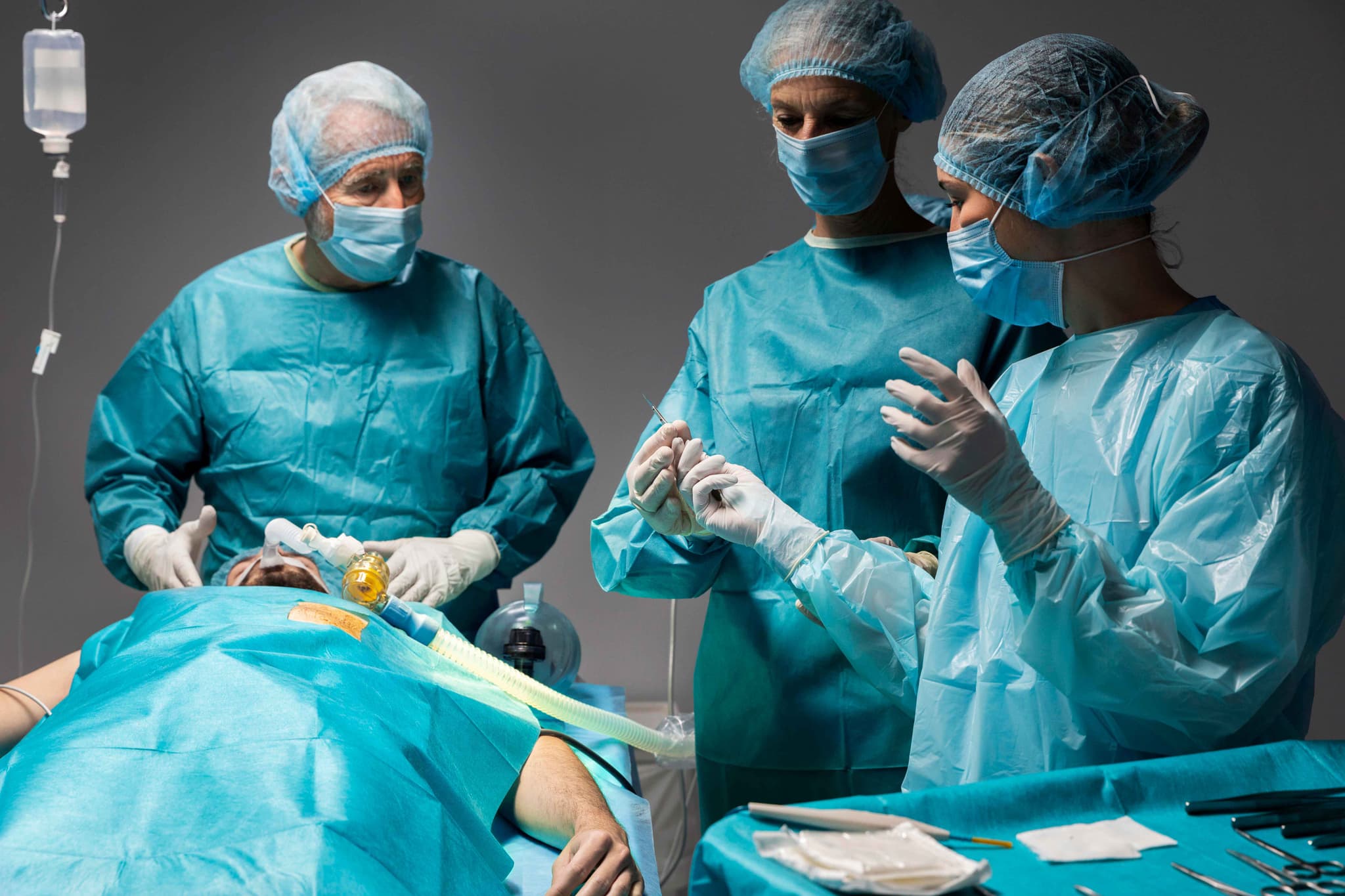

  • Regular Monitoring: Periodic imaging ensures the valve remains seated and functional.


  • Immediate Relief: Most patients report a dramatic reduction in symptoms right away.


Testicular Cancer Surgery

Testicular cancer surgery is the primary treatment for most stages of the disease. It serves two critical purposes: to physically remove the tumor and to provide a high-quality tissue sample for precise staging and molecular diagnosis. Because testicular cancer is highly treatable, surgery often represents the first and most important step toward a complete cure.


  • Palpable Mass: The discovery of a painless lump, hardness, or swelling in the scrotum.


  • Elevated Tumor Markers: High levels of Alpha-fetoprotein (AFP), Beta-HCG, or LDH found during blood testing.


  • Suspicious Ultrasound: Imaging that identifies a solid mass within the testicle that is not consistent with a benign cyst.


  • Staging and Diagnosis: When a definitive tissue sample is required to differentiate between seminoma and non-seminoma cell types.


  • Metastatic Spread: If imaging shows the cancer has moved to the retroperitoneal lymph nodes at the back of the abdomen.


  • Radical Inguinal Orchiectomy: This is almost always the first surgical step. It is an outpatient procedure performed under general or spinal anesthesia and typically takes 30 to 60 minutes.


  • The Incision: Unlike other scrotal surgeries, the incision is made in the groin (inguinal area). This specific approach prevents cancer cells from potentially spreading into the scrotal lymph nodes, protecting the integrity of the lymphatic system.


  • Removal: The entire affected testicle and the spermatic cord—which contains blood vessels and the primary lymph drainage pathway—are removed through this opening.


  • Prosthesis (Optional): If desired, a saline-filled silicone implant can be inserted during the same surgery to maintain a natural aesthetic appearance.


  • Closure: Internal layers are meticulously stitched, and the skin is typically closed with dissolvable sutures or surgical glue for a seamless recovery.


  • Retroperitoneal Lymph Node Dissection (RPLND): This may be required if imaging shows the cancer has spread to the lymph nodes at the back of the abdomen.


  • Robotic or Open Approach: This can be performed as an open surgery (midline incision) or as a minimally invasive robotic/laparoscopic procedure, depending on the complexity and location of the nodes.


  • Goal: To remove specific lymph nodes to prevent further spread and to determine if follow-up chemotherapy is necessary.


  • Scrotal Ultrasound: To confirm the presence of a solid mass and evaluate the health of the opposite testicle.


  • Sperm Banking: It is highly recommended to bank sperm before surgery or further treatment to ensure future fertility options are preserved.


  • Tumor Marker Blood Tests: Drawing blood for AFP, HCG, and LDH levels to establish a biochemical baseline.


  • Imaging (CT Scan): A scan of the chest, abdomen, and pelvis to determine if the cancer has spread beyond the primary site.


  • Fasting: Adhering to "nothing by mouth" instructions for 8 hours prior to your scheduled anesthesia.


  • Comprehensive Metabolic Panel: To check kidney and liver function before the administration of anesthesia.


  • Complete Blood Count (CBC): A routine check of your red and white blood cells and clotting factors.


  • Chest X-ray: To ensure the lungs are clear and the cancer has not affected the thoracic region.


  • ECG: A standard heart check to confirm cardiovascular stability for the procedure.


  • Hospital Stay: Most orchiectomy patients go home the same day. Patients undergoing RPLND typically stay in the hospital for 2 to 4 days for monitoring.


  • Initial Symptoms: Expect bruising, swelling, and mild soreness in the groin and scrotum for 1 to 2 weeks. Supportive underwear or a jockstrap is often recommended for comfort.


  • Activity Restrictions: No heavy lifting (over 5 kg) or strenuous exercise for 2 to 4 weeks. Most men return to light work or school within one week.


  • Hormones and Fertility: Since the remaining testicle usually produces sufficient testosterone and sperm, most men maintain a normal sex drive and fertility.


  • Long-term Surveillance: Regular follow-up appointments, blood tests, and scans are mandatory for several years to ensure continued remission.


  • Curative Potential: Testicular cancer is one of the most curable forms of cancer, with surgery often providing a complete resolution for early-stage cases.


  • Precise Staging: Obtaining the entire tumor allows pathologists to identify the exact cell type, which is vital for tailoring successful follow-up care.


  • Fertility Preservation: Modern surgical techniques and the recommendation of sperm banking ensure that your long-term family planning goals are protected.


  • Minimally Invasive RPLND: Robotic-assisted techniques allow for the removal of lymph nodes with smaller incisions, less pain, and a much faster return to normal activity.


  • Aesthetic Restoration: The availability of high-quality saline implants ensures that the physical changes from surgery do not impact your self-confidence or body image.


Testicular Sperm Extraction (TESE)

Testicular Sperm Extraction (TESE) is a specialized surgical procedure designed to retrieve viable sperm directly from the testicular tissue. It serves as the primary solution for men diagnosed with Azoospermia (zero sperm count in the ejaculate), whether caused by a physical blockage or a production deficiency. By utilizing advanced microsurgical techniques, TESE allows men who were previously considered infertile to achieve biological fatherhood through assisted reproduction.


  • Diagnosis of Obstructive Azoospermia caused by a blockage in the reproductive tract or a previous vasectomy.


  • Diagnosis of Non-Obstructive Azoospermia, where the testes produce very low levels of sperm that do not reach the ejaculate.


  • History of failed percutaneous needle aspirations (PESA/TESA) where a more direct tissue sample is required.


  • Presence of retrograde ejaculation that has not responded to less invasive collection methods.


  • Genetic conditions, such as Klinefelter syndrome, that impact standard sperm production.


  • Situations where a high-quality, direct tissue sample is needed to maximize ICSI fertilization success.


  • Congenital Absence of the Vas Deferens (CAVD), often associated with cystic fibrosis genes.


  • Post-infectious scarring or trauma that has obstructed the natural delivery of sperm.


  • Hormonal imbalances leading to severely diminished sperm maturation.


  • Idiopathic Non-Obstructive Azoospermia requiring the precision of a microsurgical approach.


  • Revision procedures following an unsuccessful primary sperm retrieval attempt.


  • The procedure is performed in an outpatient surgical suite under local or general anesthesia.


  • A small, precise incision is made in the scrotum to allow access to the testicular tissue.


  • In conventional cases, small samples of tissue are removed from various zones of the testicle.


  • In microsurgical cases (Micro-TESE), a high-powered operating microscope is used to identify healthy, dilated tubules.


  • An on-site embryologist immediately examines the tissue samples under a microscope to confirm the presence of motile sperm.


  • The retrieved sperm is then either prepared for immediate use in an ICSI cycle or cryopreserved for future use.


  • Micro-TESE (Microsurgical TESE)The gold standard for complex cases, using up to 25x magnification to find sperm-producing areas while sparing healthy tissue.


  • Advanced CryopreservationSophisticated "slow-freezing" or vitrification techniques that ensure the highest survival rates for retrieved testicular sperm.


  • On-Site Embryological MappingReal-time tissue assessment during surgery, which reduces the time the tissue spends outside the body and improves viability.


  • Robotic-Assisted MicrosurgeryThe use of robotic precision to stabilize the surgical field and enhance the accuracy of tubule identification.


  • Proteomic MarkersEmerging diagnostic tools that help predict which areas of the testis are most likely to contain mature sperm before the incision is made.


  • Miniaturized Surgical InstrumentationMicro-forceps and specialized needles designed to minimize post-operative swelling and accelerate healing.


  • Comprehensive hormonal profile testing (FSH, LH, Testosterone) to evaluate the status of sperm production.


  • Genetic screening, including Y-chromosome microdeletion and Karyotype testing.


  • Coordination with the IVF lab to synchronize the retrieval with the partner's egg retrieval if a "fresh" transfer is planned.


  • Physical examination and scrotal ultrasound to map the internal anatomy and identify any varicoceles.


  • Pre-surgical counseling to discuss the probability of sperm retrieval based on individual clinical markers.


  • Scrotal Ultrasound to evaluate testicular volume and blood flow.


  • Semen Analysis (repeated) to confirm the persistent absence of sperm in the ejaculate.


  • Detailed Blood Panels for infectious diseases as required by ART safety standards.


  • Cardiac and general health clearance for patients undergoing general anesthesia.


  • Inhibin B testing, which can serve as a biological marker for the presence of active sperm-producing tissue.


  • Offers a near 100% success rate for sperm retrieval in cases of Obstructive Azoospermia.


  • Provides a breakthrough solution for Non-Obstructive cases, with sperm found in a significant number of patients using Micro-TESE.


  • Enables the use of Intracytoplasmic Sperm Injection (ICSI), requiring only a few healthy sperm to achieve fertilization.


  • Minimizes the risk of testicular damage compared to older, more aggressive biopsy techniques.


  • Allows for the banking of sperm, reducing the need for the male partner to undergo repeated surgeries.


  • Most patients return home within a few hours of the procedure and can resume desk work in 2-3 days.


  • Mild swelling and bruising are managed with cold compresses and supportive garments for the first 48 hours.


  • Full physical activity and heavy lifting are typically restricted for approximately one week.


  • Follow-up appointments include an assessment of the incision site and a discussion of the embryology results.


  • The clinical team provides ongoing coordination for the subsequent IVF or ICSI phases of treatment.


  • Transition to the IVF/ICSI phase with the confidence that viable genetic material has been secured.


  • Successful biological parenthood for men who were previously told they had no reproductive options.


  • Potential for future children through the use of cryopreserved testicular tissue.


  • Continued monitoring of hormonal health, particularly if a significant amount of tissue was removed.


  • Psychological resolution and empowerment through the successful navigation of male-factor infertility.


Tetralogy of Fallot Repair

Tetralogy of Fallot (ToF) Repair is a major open-heart surgery performed to correct a combination of four specific heart defects present at birth. The goal of the procedure is to restore normal blood flow to the lungs and ensure that oxygen-rich blood is pumped effectively to the rest of the body. Most infants undergo this definitive correction within their first year of life, typically between 3 to 6 months of age, to prevent long-term damage to the heart muscle and lungs.


  • Cyanosis ("Blue Baby" Syndrome): When a newborn has noticeably blue or purple-tinted skin, lips, or nails due to low oxygen levels in the blood.


  • "Tet" Spells: Sudden episodes of profound cyanosis and shortness of breath, often triggered by crying or feeding, which are medical emergencies.


  • Failure to Thrive: When a baby is not gaining weight or growing at a normal rate because the heart is working too hard to circulate oxygen.


  • Heart Murmur: The discovery of a loud, harsh heart murmur during a newborn exam, which often indicates turbulent blood flow through a narrowed pulmonary valve.


  • Low Oxygen Saturation: If pulse oximetry readings consistently show oxygen levels below the normal range, indicating an intracardiac shunt.


  • Complete Intracardiac Repair: The definitive surgical correction involving patching the VSD and widening the pulmonary outflow tract in a single operation.


  • Blalock-Thomas-Taussig (BTT) Shunt: A temporary "palliative" procedure where a small synthetic tube is sewn between a major artery and the pulmonary artery to increase blood flow to the lungs in very small or weak infants.


  • Transannular Patching: A specialized technique used when the pulmonary valve ring is too small, involving a patch that extends across the valve to significantly enlarge the opening.


  • Pulmonary Valve Sparing Repair: A method that focuses on preserving the patient's own pulmonary valve to prevent "leaking" later in life.


  • Monocusp Valve Reconstruction: Using a piece of the patient's own tissue (pericardium) to create a temporary valve leaf to help regulate blood flow immediately after surgery.


  • Surgical Access: Under general anesthesia, a midline incision is made through the breastbone (median sternotomy) to provide the surgeon with direct access to the heart.


  • Cardiopulmonary Bypass: The child is connected to a heart-lung machine, which takes over the job of circulating and oxygenating the blood so the surgeon can work on a still heart.


  • VSD Patching: The surgeon identifies the large hole between the lower chambers (the Ventricular Septal Defect) and sews a synthetic patch—usually made of Dacron or the patient’s own pericardium—to close it.


  • Relieving Obstruction: Thickened muscle bundles in the right ventricle that block the path to the lungs are carefully cut away.


  • Pulmonary Valve Widening: If the pulmonary valve is narrowed, the surgeon opens it or uses a patch to enlarge the pathway (the pulmonary outflow tract) to ensure easy blood flow to the lungs.


  • Weaning from Bypass: Once the repairs are complete, the heart is restarted, and the heart-lung machine is gradually removed as the heart takes over its new, corrected circulation.


  • Echocardiogram (Echo): A detailed ultrasound of the heart is mandatory to map the exact size of the VSD and the degree of pulmonary narrowing.


  • Cardiac Catheterization: Occasionally performed to measure the pressures inside the heart chambers and check for any additional abnormal blood vessels.


  • Nutritional Optimization: Many infants are placed on high-calorie formulas or fortified breast milk to ensure they are strong enough for the major surgery.


  • Infection Screening: Ensuring the baby has no signs of a cold, fever, or respiratory infection, which could delay the procedure.


  • Fasting (NPO): Infants must stop feeding several hours before the surgery according to strict hospital guidelines to ensure safety during anesthesia.


  • Chest X-ray: To evaluate the size and shape of the heart (often appearing "boot-shaped" in ToF) and the blood flow patterns in the lungs.


  • Electrocardiogram (EKG): To record the heart's electrical activity and establish a baseline before the VSD patch is placed near the heart’s conduction system.


  • Complete Blood Count (CBC): To check for polycythemia (an abnormally high red blood cell count), which is the body's way of compensating for low oxygen.


  • Cross-match Blood Work: To ensure that appropriately typed blood is available in the operating room for a potential transfusion.


  • ICU Recovery: Patients usually spend 2 to 4 days in the Pediatric Cardiac ICU for intensive monitoring of heart rhythm, blood pressure, and oxygen levels.


  • Hospital Stay: The typical total stay is 7 to 10 days, depending on how quickly the child transitions back to normal feeding and breathing on their own.


  • Wound Care: The chest incision is closed with dissolvable stitches under the skin; parents are taught how to keep the site clean and dry during the first weeks at home.


  • Activity: Most children recover quickly and are back to their normal baseline activity within a few weeks, though "tummy time" may be restricted to protect the breastbone.


  • Lifelong Follow-up: Regular visits with a Congenital Heart Specialist are mandatory, as some patients may need a pulmonary valve replacement 20–30 years later.


  • Normal Oxygen Levels: Immediately corrects the "blueness" and allows the child to have normal energy levels and pink skin and lips.


  • Restores Growth: Once the heart is working efficiently, most children experience a "catch-up" period of rapid growth and weight gain.


  • Protects the Heart Muscle: Closing the VSD and relieving the pressure on the right ventricle prevents the heart from becoming dangerously thickened or weak.


  • High Success Rate: With modern surgical techniques, the survival rate for this complex repair is excellent, typically exceeding 95%.


  • Full Active Life: Most children who undergo ToF repair grow up to lead completely normal lives, participating in school, sports, and all regular childhood activities.


Thigh Lift Surgery
Thigh Lift Surgery

A Thigh Lift, or thighplasty, is a surgical procedure in 2026 designed to remove excess skin and fat from the thigh area. It is a highly effective solution for individuals dealing with skin laxity following significant weight loss or natural aging, where the skin has lost the elasticity required to respond to exercise alone.


This procedure is ideal for patients seeking a smoother, firmer lower body contour. Key indications include:


  • Significant Skin Sagging: "Crepey" or loose skin that hangs from the inner or outer thighs.


  • Post-Weight Loss: Redundant tissue remaining after major weight reduction that causes physical discomfort or chafing.


  • Lower Body Disproportion: Thighs that appear out of proportion with the rest of the toned lower body.


  • Persistent Fat & Skin: Localized fat deposits combined with loose skin that create "ripples" or folds.


  • Limited Mobility: Excess skin that interferes with walking, exercise, or finding comfortable clothing.


  • Inner (Medial) Thigh Lift: The most common technique, focusing on the upper-inner thigh with incisions hidden in the groin crease.


  • Vertical Thigh Lift: Addresses significant skin laxity extending toward the knee; requires a vertical incision along the inner thigh.


  • Outer (Lateral) Thigh Lift: Targets the outside of the thighs and "saddlebag" areas, often extending the incision toward the hip.


  • Spiral Thigh Lift: A comprehensive 360-degree approach for patients with massive weight loss, addressing the front, back, inner, and outer thigh.


  • Lipo-Thighplasty: A 2026 standard combining thorough liposuction with skin excision to ensure a more sculpted and defined result.


  • Surgical Access: Incisions are strategically placed in the groin fold or along the inner thigh, depending on the volume of tissue to be removed.


  • Fat Contouring: Liposuction is utilized to thin the fatty layer and shape the underlying contours of the leg.


  • Tissue Tightening: A wedge of skin and fat is removed, and the remaining tissue is pulled upward and secured to deep supportive structures.


  • Skin Smoothing: The skin is redraped over the new contour to eliminate sagging and dimples.


  • Closure: The surgeon uses multi-layered suturing to minimize tension on the skin, and compression bandages are applied immediately.


  • Fasting: Patients must fast for 8–12 hours before the 2 to 4-hour surgery.


  • Medical Clearances: Standard blood tests and an ECG are required to ensure the patient is fit for general anesthesia.


  • Weight Stability: Candidates should be at a stable weight for at least 6 months to ensure long-lasting results.


  • Hygiene Protocol: Patients may be prescribed an antibacterial wash to use for several days prior, especially around the groin area.


  • Basic Blood Panel: To evaluate hemoglobin levels and ensure optimal clotting function.


  • ECG: Performed to monitor heart health during the procedure.


  • Physical Assessment: To determine the degree of skin laxity and calculate the necessary incision length for effective correction.


  • Nicotine Screening: Because blood flow is critical for healing in the thigh area, many 2026 surgeons require a nicotine-free test.


  • Hospital Stay: Usually performed as an outpatient procedure, though a 1-night stay may be recommended for more extensive "Spiral" lifts.


  • Initial Milestones: Mobility is limited for the first week; patients must walk slightly hunched to avoid tension on groin incisions.


  • Compression Therapy: Medical-grade compression garments must be worn 24/7 for the first 3 to 6 weeks to support the tissue.


  • Activity Timeline: Most return to light desk work by week 3; full physical activity and high-impact leg workouts are typically resumed by week 8.


  • Smoother Silhouette: Effectively eliminates the "rippled" appearance of loose skin for a firmer look.


  • Reduced Chafing: Removing excess inner-thigh skin significantly reduces skin irritation and discomfort during movement.


  • Better Clothing Fit: Allows for a more comfortable and confident fit in swimwear, shorts, and fitted trousers.


  • Permanent Tissue Removal: Once the excess skin is surgically removed, the results are permanent as long as the patient maintains a stable weight.


Thoracentesis
Thoracentesis

Thoracentesis is a minimally invasive medical procedure designed to remove excess fluid or air from the pleural space—the thin, lubricated gap between the lungs and the chest wall. While this space normally contains only a small amount of fluid to facilitate smooth breathing, various diseases can cause a "pleural effusion," where fluid builds up and compresses the lung. In 2026, thoracentesis is the essential first-line intervention to both identify the cause of this buildup and provide immediate respiratory relief.


  • Diagnostic Utility: Extracting a fluid sample to investigate the root cause of an effusion, helping clinicians differentiate between infection (pneumonia/TB), malignancy (cancer), or autoimmune issues.


  • Therapeutic Relief: Removing large volumes of fluid (often 1 liter or more) to relieve chest pressure and allow the lung to re-expand.


  • Congestive Heart Failure (CHF): Managing fluid buildup that occurs in both lungs due to heart dysfunction.


  • Pneumonia & Infection: Draining "parapneumonic" effusions to prevent the formation of scar tissue.


  • Cirrhosis Management: Addressing hepatic hydrothorax, where liver dysfunction causes fluid migration into the chest.


  • Pulmonary Embolism: Investigating and relieving fluid reactions caused by blood clots in the lung.


  • Preparation: Patients are assessed for bleeding risks; fasting is generally not required, but vital signs are stabilized beforehand.


  • Ultrasound Guidance: The 2026 standard of care involves real-time bedside ultrasound to identify the safest fluid pocket and avoid the diaphragm.


  • Positioning: The patient typically sits upright on the edge of the bed, leaning forward onto a table to pool fluid at the base of the chest.


  • Local Anesthesia: A fine needle numbs the skin and the sensitive pleura (chest lining) to ensure the patient feels only pressure.


  • Fluid Extraction: A "catheter-over-needle" device is inserted; once in place, the needle is retracted, leaving a soft tube to drain fluid safely into a vacuum bottle.


  • Completion: The catheter is withdrawn and a small adhesive bandage is applied. Because the entry point is minimal, no stitches are required.


  • Indwelling Pleural Catheters (IPC)Small, permanent tubes that allow patients with chronic effusions to drain fluid safely at home, avoiding repeat hospital visits.


  • Digital Pleural ManometrySystems that monitor internal chest pressure in real-time during drainage to prevent lung injury from excessive suction.


  • Point-of-Care Fluid AnalyzersHandheld bedside devices that provide pH, glucose, and chemistry results within seconds of extraction for instant treatment decisions.


  • Smart-Needle TechnologyNeedles equipped with acoustic or visual sensors that alert the clinician the moment the fluid pocket is reached.


  • Bio-Synthetic Pleural SealsInjectable sealants that can be used at the end of the procedure to prevent fluid leaks in patients with fragile tissue.


  • AI-Assisted Effusion MappingImaging software that calculates the exact volume of fluid present and identifies the optimal entry point for maximum drainage.


  • Pneumothorax (Collapsed Lung): A rare risk if air enters the pleural space; most cases are small and resolve with rest.


  • Re-expansion Pulmonary Edema: A serious but rare condition occurring if more than 1.5 liters are removed too quickly; 2026 pressure-monitoring minimizes this risk.


  • The "Re-expansion Cough": A common, healthy sign during the procedure as the lung inflates and rubs against the chest wall.


  • Minor Side Effects: Potential for localized soreness or a persistent cough for 24 hours as the lung adjusts to its new volume.


  • Recovery Timeline: Most patients return to normal light activities within 24 hours after a brief observation period and a follow-up chest X-ray.


  • Rapid Symptom Reversal: Provides nearly instant relief from the "suffocating" sensation of shortness of breath.


  • Precise Diagnostic Data: Utilizing "Light’s Criteria" to analyze protein and LDH levels for a definitive diagnosis.


  • Avoidance of Surgery: Replaces the need for invasive chest tubes or surgical incisions in the majority of patients.


  • Prevention of Long-term Damage: Early drainage prevents "trapped lung," where scar tissue permanently limits breathing capacity.


  • Immediate restoration of comfortable breathing and significantly improved oxygen levels.


  • A clear roadmap for treating the underlying disease based on laboratory fluid analysis.


  • Reduced hospital stay durations through efficient, bedside management of fluid issues.


  • Empowerment through the use of home-drainage options for those with chronic conditions.


Thoracoabdominal Aneurysm Repair

Thoracoabdominal Aortic Aneurysm (TAAA) Repair is one of the most extensive and technically demanding operations in vascular surgery. It involves repairing an aneurysm that spans both the thorax (chest) and the abdomen, affecting the critical segment of the aorta that supplies blood to the spinal cord, kidneys, liver, and intestines. Because this surgery involves the "vital zone" of the aorta, it requires sophisticated organ protection strategies to prevent permanent damage to these life-sustaining systems.


  • Critical Aneurysm Size: When the diameter of the thoracoabdominal aorta exceeds 5.5–6.0 cm, where the risk of rupture outweighs the risks of surgery.


  • Rapid Expansion: If serial CT scans show the aneurysm is growing by more than 0.5 cm within a six-month period.


  • Symptomatic Aneurysms: For patients experiencing new-onset back, chest, or abdominal pain, which may indicate an impending rupture.


  • Connective Tissue Disorders: Patients with Marfan Syndrome or Loeys-Dietz Syndrome often require earlier intervention due to a higher risk of aortic dissection.


  • Acute Aortic Dissection: When a tear in the aortic wall extends from the chest into the abdomen, compromising blood flow to the kidneys or gut.


  • Open Surgical Repair: The traditional "gold standard" involving a large incision and direct replacement of the aorta with a synthetic Dacron graft.


  • Fenestrated Endovascular Repair (FEVAR): A minimally invasive approach using a custom stent-graft with "windows" precisely aligned to the renal and visceral arteries.


  • Branched Endovascular Repair (BEVAR): Utilizing a stent-graft with small internal or external "cuffs" that connect to the branch arteries via smaller covered stents.


  • Hybrid Repair: A combination of "de-branching" surgery (moving the organ arteries) followed by a standard endovascular stent-graft.


  • Left Heart Bypass: A specialized circulation technique used during open surgery to maintain blood flow to the lower body while the aorta is clamped.


  • Surgical Access: Under general anesthesia, a large thoracoabdominal incision is made, extending from the side of the chest, across the ribs, and down into the abdomen.


  • Organ Protection Setup: Surgeons place a spinal drain (CSF drainage) to protect the spinal cord and prepare chilled fluid (cold perfusion) for the kidneys.


  • Aortic Clamping: The aorta is clamped above and below the diseased segment. Distal perfusion or bypass is often started to protect the lower organs and legs.


  • Graft Interposition: The aneurysm is opened, and a large synthetic fabric tube (Dacron) is sewn into the healthy parts of the aorta.


  • Visceral Re-attachment: The most critical step; the surgeon meticulously re-sews the individual arteries for the liver, stomach, gut, and kidneys into the side of the new graft.


  • Restoring Circulation: Clamps are gradually removed, and the surgeon confirms that all vital organs are receiving robust blood flow before closing the chest and abdomen.


  • High-Resolution CT Angiography: Mandatory 3D mapping of the entire aorta to identify the exact location of the renal, celiac, and mesenteric arteries.


  • Cardiovascular Optimization: Extensive heart and lung testing (PFTs and Stress Echo) to ensure the patient can survive the significant physiological stress of the procedure.


  • CSF Drain Placement: For open repairs, a small catheter is placed in the lower back the morning of surgery to regulate spinal fluid pressure and prevent paralysis.


  • Nutritional Loading: High-protein supplementation is often started weeks before surgery to assist with the massive metabolic demands of recovery.


  • Fasting (NPO): No food or drink for at least 8–12 hours prior to the procedure to ensure safety under general anesthesia.


  • CT Angiogram (CTA): The primary tool for Crawford Classification and determining if the patient is a candidate for endovascular (stent) options.


  • Pulmonary Function Test (PFT): To evaluate the risk of respiratory failure, as the chest incision and lung deflation significantly impact breathing.


  • Carotid Ultrasound: To ensure there are no major blockages in the neck arteries that could lead to a stroke during the period of aortic clamping.


  • Creatinine & GFR: Blood tests to establish a baseline for kidney function, which is at high risk during this specific surgery.


  • Hospital Stay: Usually 10 to 14 days, with the first 3–5 days spent in the Intensive Care Unit (ICU) for high-level neurological and organ monitoring.


  • Post-Op Drains: Patients wake up with several temporary tubes (chest tube, abdominal drain, and spinal drain) that are removed as the body stabilizes.


  • Pain Management: Due to the large incision, an epidural or specialized nerve block is typically used for the first week, followed by oral medications.


  • Physical Rehabilitation: Walking is required within 48 hours to prevent blood clots, but it takes 6 to 12 weeks to regain basic daily strength.


  • Long-term Energy: It is common for patients to feel fatigued for 6 months to a year as the body recovers from such a large-scale reconstruction.


  • Permanent Fixation: In open surgery, the graft is sewn directly to healthy tissue, providing a highly durable, lifelong solution for the aneurysm.


  • Prevention of Catastrophic Rupture: Successfully treating a TAAA eliminates the high risk of sudden death associated with a burst thoracoabdominal aorta.


  • Comprehensive Treatment: Unlike smaller repairs, TAAA surgery addresses the entire "vital zone" of the aorta in a single, definitive operation.


  • Improved Survival in High-Risk Patients: For those with suitable anatomy, modern endovascular (FEVAR/BEVAR) options offer a life-saving alternative without a large incision.


  • Restores Systemic Stability: Eliminates the "ticking time bomb" of a large aneurysm, allowing patients to return to a normal lifestyle after the recovery period.


Thymectomy
Thymectomy

Thymectomy is the surgical removal of the thymus gland, located in the upper chest directly behind the breastbone (sternum). This procedure is primarily performed to treat Myasthenia Gravis (MG), an autoimmune disorder, or to remove tumors of the thymus known as thymomas. While the thymus is critical for immune development in childhood, it often shrinks and becomes less active in adults, allowing for its safe removal when medically necessary.


  • Myasthenia Gravis (MG): For patients with generalized MG, removal of the thymus often improves muscle weakness, reduces the need for heavy medications, and can lead to long-term remission.


  • Thymoma: The discovery of a tumor within the thymus gland, which requires removal to prevent the growth or spread of potentially cancerous cells.


  • Thymic Carcinoma: A more aggressive form of thymic cancer that necessitates a complete surgical resection of the gland and surrounding tissue.


  • Thymic Hyperplasia: When the thymus gland is abnormally enlarged and contributing to autoimmune symptoms.


  • Ocular Myasthenia: In specific cases where eye-related muscle weakness does not respond to standard medical therapies.


  • Robotic-Assisted Thymectomy: A modern, minimally invasive approach that uses robotic arms for extreme precision in the tight space between the heart and the breastbone.


  • Video-Assisted Thoracoscopic Surgery (VATS): A minimally invasive technique using 3 small incisions on the side of the chest and a camera to visualize and remove the gland.


  • Transsternal (Open) Thymectomy: The traditional method where the surgeon splits the breastbone (sternum) to provide a wide, direct view of the entire mediastinum.


  • Transcervical Thymectomy: A less common approach where the gland is removed through a small incision in the lower neck, typically used for non-cancerous cases.


  • Extended Thymectomy: A more thorough removal that includes the thymus and all surrounding fat in the chest to ensure no microscopic thymic tissue remains.


  • Surgical Access: Depending on the method, the surgeon either splits the sternum or makes small "keyhole" incisions between the ribs to reach the thymus.


  • Gland Isolation: The surgeon carefully separates the thymus from the pericardium (the sac around the heart) and the large blood vessels in the chest.


  • Nerve Identification: Critical care is taken to identify and protect the phrenic nerves, which run along both sides of the thymus and control the diaphragm for breathing.


  • Vessel Ligation: The small veins and arteries supplying the thymus are sealed and cut using specialized surgical clips or energy devices.


  • Complete Resection: The entire gland is removed, often along with the surrounding fatty tissue, to ensure a complete treatment for MG or cancer.


  • Chest Tube Placement: A temporary drainage tube is often placed in the chest cavity to remove any air or fluid and ensure the lungs re-expand properly after surgery.


  • Diagnostic Imaging: A CT scan or MRI of the chest is mandatory to visualize the gland’s size and its relationship to the heart, lungs, and major vessels.


  • Medical Optimization: For MG patients, symptoms must be strictly controlled with medications like pyridostigmine or treatments like plasmapheresis to prevent a post-operative breathing crisis.


  • Pulmonary Evaluation: Breathing tests (spirometry) to ensure the respiratory muscles are strong enough to handle the recovery period.


  • Smoking Cessation: Stopping smoking at least 4 weeks prior to surgery is essential to reduce the risk of pneumonia and support wound healing.


  • Fasting (NPO): No food or drink for 8–12 hours before the procedure to ensure safety under general anesthesia.


  • Chest CT with Contrast: The primary test used to map the anatomy of the thymus and check for any signs of tumor invasion into nearby structures.


  • Acetylcholine Receptor (AChR) Antibody Test: A blood test used to confirm the diagnosis of Myasthenia Gravis and monitor the severity of the autoimmune response.


  • Electrocardiogram (EKG): To ensure heart health before undergoing a procedure that occurs in close proximity to the heart and great vessels.


  • Basic Metabolic Panel: Routine blood work to check electrolyte levels and kidney function before general anesthesia.


  • Hospital Stay: Patients who undergo minimally invasive surgery typically stay 1 to 2 days, while open surgery patients may require 3 to 5 days for the breastbone to stabilize.


  • Pain Management: Significant chest wall soreness is expected; patients are managed with oral medications and occasionally nerve blocks for the first few days.


  • Respiratory Care: Using an incentive spirometer and performing deep breathing exercises every hour is critical to prevent lung collapse and infection.


  • Activity Restrictions: If the sternum was split, heavy lifting and driving are restricted for 4 to 6 weeks to allow the bone to heal (similar to a broken arm).


  • Long-Term Monitoring: Improvement in MG symptoms is not immediate and can take 6 months to 2 years; cancer patients will require regular CT scans to check for recurrence.


  • High Remission Rates: For many MG patients, surgery offers the best chance at achieving a medication-free life or significantly reducing symptom severity.


  • Prevents Cancer Spread: Early removal of a thymoma prevents the tumor from growing into the lungs, heart, or lining of the chest.


  • Minimally Invasive Options: Modern robotic and VATS techniques allow for a much faster recovery and less scarring than traditional open chest surgery.


  • Stabilizes Immune Function: By removing the source of abnormal antibodies in MG, the surgery helps the body return to a more balanced immune state.


  • Curative for Thymoma: Complete surgical resection remains the most effective cure for localized tumors of the thymus gland.


Thyroid Cancer Treatment

Thyroid cancer treatment is highly successful, with a cure rate exceeding 90% for the most common types. Unlike many other cancers, it often relies on a combination of surgery and radioactive isotopes rather than traditional chemotherapy. Modern protocols are increasingly conservative, with "active surveillance" or partial surgery being used for small, low-risk tumors to preserve natural hormone function.


  • Painless Lump: A noticeable nodule or swelling in the front of the neck, often near the Adam's apple.


  • Voice Changes: Increasing hoarseness or breathiness that does not resolve within a few weeks.


  • Dysphagia: Difficulty swallowing or a persistent "lump in the throat" sensation.


  • Persistent Cough: A chronic cough that is not caused by a cold or respiratory infection.


  • Neck Pain: Pain that starts in the front of the neck and sometimes radiates up toward the ears.


  • Family History: If you have a known genetic predisposition, such as the RET gene mutation (common in Medullary Thyroid Cancer).


  • Hemithyroidectomy (Lobectomy): Removal of only one of the two thyroid lobes. This is a common preference for small, low-risk tumors to avoid lifelong medication.


  • Total Thyroidectomy: Removal of the entire gland; the standard for larger tumors or high-risk variants like Papillary or Follicular cancer.


  • Neck Dissection: If the cancer has reached the lymph nodes, the surgeon removes them during the same operation to prevent further spread.


  • Robotic/Endoscopic Thyroidectomy: Minimally invasive techniques that can sometimes be performed through the armpit or mouth to avoid a visible neck scar.


  • Targeted Internal Radiation: Used after surgery to destroy any remaining microscopic thyroid cells or cancer that has spread elsewhere.


  • How it Works: Since thyroid cells specifically absorb iodine, patients swallow a pill (I-131) that kills those cells specifically, sparing the rest of the body.


  • Preparation: Patients follow a low-iodine diet for 1–2 weeks and receive Thyrogen injections to make any remaining cancer cells "hungry" for the radioactive dose.


  • Isolation Protocols: Because you temporarily become a radiation source, you must follow strict isolation (usually 3–5 days) to protect family members and pets.


  • Diagnostic Mapping: Ultrasound and Fine Needle Aspiration (FNA) are used to confirm the cancer type and map the tumor's size.


  • Anesthesia: Surgery is performed under general anesthesia, typically lasting 2 to 4 hours.


  • Nerve Monitoring: Surgeons use specialized equipment to monitor the laryngeal nerves during surgery to protect your voice.


  • Hormone Replacement: Following a total thyroidectomy, you will start a daily dose of Levothyroxine (T4) to replace the missing hormones.


  • Suppression Therapy: Doctors prescribe a hormone dose to keep TSH (Thyroid Stimulating Hormone) levels very low, which helps prevent any dormant cancer cells from being stimulated to grow.


  • Voice Assessment: A baseline check of your vocal cord function is often conducted by an ENT specialist.


  • Calcium Management: Your surgeon may check your parathyroid function, as these tiny glands (which control calcium) sit right behind the thyroid.


  • Medication Review: Stopping any blood thinners or supplements that could increase bleeding risk during the neck surgery.


  • Fasting (NPO): Standard instructions starting at midnight before the operation to ensure safety during anesthesia.


  • Low-Iodine Planning: If RAI is scheduled, start familiarizing yourself with iodine-free recipes (avoiding iodized salt, dairy, and seafood).


  • Neck Ultrasound: The primary tool for determining the exact size of the tumor and whether lymph nodes look suspicious.


  • Fine Needle Aspiration (FNA): A biopsy where a thin needle collects cells to determine if the tumor is Papillary, Follicular, or Medullary.


  • Thyroid Function Tests (TFTs): Blood tests to measure T3, T4, and TSH levels before the gland is altered.


  • CT/MRI Scan: Occasionally used for advanced cases to see if the tumor is invading the esophagus or windpipe.


  • Molecular Testing: Biopsies are often sent for mutation testing (like BRAF or TERT) to predict how aggressive the cancer might be.


  • Lifelong Medication: If the entire thyroid was removed, you will take a small pill every morning on an empty stomach for the rest of your life.


  • Tumor Marker (Tg) Monitoring: You will have regular Thyroglobulin (Tg) blood tests. Since only thyroid tissue makes this protein, a rising level acts as an early warning system.


  • Periodic Scans: Neck ultrasounds every 6–12 months to ensure the "bed" of the thyroid remains clear of any recurrence.


  • Calcium Supplements: Some patients may need temporary calcium and Vitamin D if the parathyroid glands were "stunned" during surgery.


  • Energy Management: It can take a few months to find your perfect hormone dose; communicate any fatigue or heart palpitations to your doctor.


  • Exceptionally High Cure Rate: Most common thyroid cancers have a 10-year survival rate near 95–98%.


  • Targeted Radiation: RAI therapy provides a way to treat metastatic disease with much less toxicity than standard chemotherapy.


  • Preservation of Function: Current protocols allow many patients to keep half their thyroid, potentially avoiding the need for lifelong medication.


  • Minimal Disruption: Most patients return to work and normal activity within 2 weeks of surgery.


  • Precision Monitoring: The Thyroglobulin test provides one of the most accurate early detection systems in all of oncology.


Thyroidectomy (Non-Cancerous)

Non-cancerous thyroidectomy is a surgical procedure to remove all or part of the thyroid gland to treat benign conditions such as a large goitre, symptomatic nodules, or an overactive thyroid (hyperthyroidism). The primary goals are to relieve physical symptoms—like difficulty breathing or swallowing—and to normalize hormone production when medications are ineffective.


  • Symptomatic Goitre: When an enlarged thyroid compresses the trachea (windpipe) or esophagus, causing shortness of breath or difficulty swallowing.


  • Large Benign Nodules: Growths, typically 4 cm or larger, that are visible as a lump in the neck or cause physical discomfort.


  • Hyperthyroidism: Conditions like Graves' disease or toxic multinodular goitre where the gland produces excess hormone and other treatments (like radioactive iodine) are not preferred or feasible.


  • Cosmetic Concerns: Large, visible goitres that the patient finds unsightly or that cause significant self-consciousness.


  • Suspicious Growths: When a biopsy is inconclusive but the risk of future problems warrants the removal of the affected lobe.


  • Anesthesia: The surgery is performed under general anesthesia and typically takes between 1 and 2 hours.


  • Incision: The surgeon makes a small horizontal incision in the lower neck, often placed within a natural skin crease to minimise scarring and ensure a discreet cosmetic result.


  • Surgical Types:

    Hemithyroidectomy (Lobectomy): Removal of only one lobe (half) of the thyroid. This often preserves enough function that lifelong hormone medication may not be needed.

    Total Thyroidectomy: Removal of the entire gland. This is a definitive cure for multinodular goitre and hyperthyroidism.


  • Nerve Monitoring: Surgeons often use specialized equipment during the procedure to identify and protect the nerves that control the vocal cords.


  • Parathyroid Preservation: Great care is taken to identify and save the tiny parathyroid glands, which sit behind the thyroid and regulate the body's calcium levels.


  • Ultrasound of the Neck: To provide a detailed map of the thyroid size and the exact location of any nodules.


  • Thyroid Function Tests: Blood tests (TSH, T3, T4) to determine if the gland is overactive or underactive before surgery.


  • Vocal Cord Assessment: A baseline check of vocal cord movement, often done via a quick endoscopic exam, to ensure the nerves are functioning correctly.


  • Medication Audit: You may need to stop taking certain blood thinners or supplements 7–10 days prior to the procedure.


  • Fasting: Adhering to strict "nothing by mouth" instructions for the hours preceding your general anesthesia.


  • Fine Needle Aspiration (FNA): A biopsy performed before surgery to confirm that the nodules being removed are indeed benign.


  • Calcium Level Check: To establish a baseline for your calcium levels, which helps in monitoring parathyroid function after surgery.


  • Chest X-ray or CT Scan: In cases of very large goitres, imaging may be used to see how far the thyroid extends into the chest (substernal goitre).


  • Electrocardiogram (EKG): A standard heart check to ensure you are healthy enough for the administration of anesthesia.


  • Hospital Stay: Most patients stay for one night for observation, though some partial removals may be discharged the same day.


  • Hormone Replacement: If the entire gland is removed, you will require lifelong daily thyroid hormone medication (e.g., levothyroxine) to replace what the gland used to produce.


  • Initial Symptoms: You may experience a mild sore throat, neck stiffness, or temporary voice hoarseness for a few days after the procedure.


  • Calcium Monitoring: You may be asked to take temporary calcium supplements if the parathyroid glands experience "stunning" during surgery, which can cause tingling in the fingers or lips.


  • Activity Restrictions: Light activities can resume within a day, but you must avoid strenuous exercise and heavy lifting for 10 to 14 days to prevent internal bleeding.


  • Permanent Resolution: For patients with hyperthyroidism or large goitres, surgery provides an immediate and definitive cure for their symptoms.


  • Relieves Pressure: Removing an enlarged gland instantly clears the airway and esophagus, restoring the ability to breathe and swallow comfortably.


  • Minimal Cosmetic Impact: Using modern surgical techniques and skin-crease incisions, the resulting scar is typically very thin and fades significantly over time.


  • High Safety Standards: When performed by a specialist, the risk of serious complications is extremely low, making it a reliable option for long-term health.


  • Personalized Approach: By choosing between a partial or total removal, the surgeon can tailor the procedure to your specific needs while maximizing your remaining thyroid function.


TMVI/TMVR (Transcatheter Mitral Valve Replacement)

TMVI (Transcatheter Mitral Valve Implantation) and TMVR (Transcatheter Mitral Valve Replacement) are minimally invasive procedures used to replace a diseased mitral valve without the need for traditional open-heart surgery. These procedures are typically reserved for high-risk patients with severe Mitral Regurgitation (a leaking valve) or Mitral Stenosis (a narrowed valve) who may not tolerate a standard sternotomy.


  • Severe Mitral Regurgitation: When the mitral valve does not close tightly, causing blood to flow backward into the lungs.


  • Mitral Stenosis: When the valve leaflets become thick or stiff, restricting blood flow from the left atrium to the left ventricle.


  • High Surgical Risk: For patients whose age or underlying health conditions (like lung or kidney disease) make traditional surgery too dangerous.


  • Failed Previous Valve: A "Valve-in-Valve" procedure for patients whose previously implanted surgical biological valve has begun to wear out.


  • Functional Mitral Disease: When heart failure has caused the heart to enlarge, pulling the mitral valve leaflets apart and causing a massive leak.


  • 3D Guidance: The surgical team uses a combination of real-time X-ray (fluoroscopy) and Transesophageal Echocardiography (TEE) to see the heart in three dimensions.


  • Access Routes: * Transseptal: The most common approach; a catheter is guided from the groin vein, through the wall of the heart (septum), and into the mitral position.

    Transapical: A small incision is made between the ribs to access the valve directly through the tip (apex) of the heart.


  • Valve Positioning: A collapsed artificial valve—constructed from biological tissue on a metal frame—is steered precisely into the center of the diseased native valve.


  • Deployment: The new valve is expanded, either by a balloon or a self-expanding mechanism. This pushes the old valve leaflets aside and anchors the new valve firmly in place.


  • Leak Check: Before finalizing the placement, the team checks for "paravalvular leaks" to ensure blood cannot escape around the edges of the new device.


  • Cardiac CT Scan: A specialized high-resolution scan is mandatory to measure the "neo-LVOT"—ensuring the new valve frame won't block the heart's main exit path.


  • Transesophageal Echocardiogram (TEE): An ultrasound probe passed down the esophagus to provide the clearest possible images of the valve structure.


  • Heart Team Evaluation: A collaborative review by interventional cardiologists and cardiac surgeons to confirm this is the safest treatment path.


  • Dental Clearance: To minimize the risk of bacteria entering the bloodstream and infecting the new heart valve (endocarditis).


  • Fasting (NPO): No food or drink for at least 8 hours prior to the procedure, as it is performed under general anesthesia.


  • 3D Cardiac CT: Essential for sizing the valve and mapping the internal dimensions of the left ventricle.


  • Diagnostic Catheterization: To check for blockages in the coronary arteries that might need treatment at the same time.


  • Blood Panels: To assess kidney function and ensure the blood's clotting ability is within a safe range for the procedure.


  • Lung Function Tests: To evaluate the patient's overall respiratory health for anesthesia planning.


  • Hospital Stay: Usually 2 to 5 days, which is significantly shorter than the recovery for open-heart surgery.


  • Medication Adherence: Patients must take anticoagulants (blood thinners) for at least 3 to 6 months—and often indefinitely—to prevent clots from forming on the metal frame.


  • Immediate Improvement: Most patients notice a dramatic reduction in shortness of breath and fatigue almost immediately after the procedure.


  • Activity Restrictions: Heavy lifting and strenuous exercise are restricted for 2 to 4 weeks while the access site in the groin or chest heals.


  • Long-Term Follow-up: Regular echocardiograms are required (at 30 days, 6 months, and annually) to ensure the valve remains functional and secure.


  • No Sternotomy: Avoids the need to open the chest bone, resulting in significantly less pain and a lower risk of wound infection.


  • Faster Mobilization: Patients are usually up and walking within a day of the procedure.


  • Effective Symptom Relief: Successfully stops the "back-pressure" on the lungs, allowing for better breathing and increased energy levels.


  • High Success Rate: Modern devices are highly effective at reducing or eliminating mitral leaks, even in the most complex heart geometries.


Tongue Resection (Cancer)

Tongue Resection, clinically termed a glossectomy, is the surgical removal of all or part of the tongue to treat oral cancer. The primary goal is to excise the malignant tumor with a 1–2 cm "clear margin" of healthy tissue to prevent recurrence. Advanced microvascular reconstruction is now the standard for maintaining speech and swallowing functions after a resection.


  • Squamous Cell Carcinoma (SCC): The most common form of tongue cancer, often appearing as a persistent ulcer or growth on the lateral (side) border.


  • Deep Invasion: When a tumor has grown into the underlying intrinsic muscles of the tongue.


  • Leukoplakia with Dysplasia: When precancerous white patches show high-grade changes that are likely to become invasive.


  • Recurrent Disease: When cancer returns in a previously treated area of the mouth.


  • Base of Tongue Tumors: When the malignancy is located at the very back of the tongue, near the throat.


  • Partial Glossectomy: Removal of a small portion of the tongue. Usually, the remaining tissue is sewn together, and speech and swallowing remain near normal.


  • Hemiglossectomy: Removal of one full side of the tongue. This typically requires reconstruction using tissue from another part of the body to maintain volume and mobility.


  • Total Glossectomy: Removal of the entire tongue. This is a life-altering procedure reserved for advanced cancers and requires extensive microvascular reconstruction.


  • Base of Tongue Resection: A specialized procedure for tumors at the back of the tongue, often performed robotically (TORS) to avoid large external incisions.


  • Compartmental Resection: Removing the tumor along with the entire anatomical compartment of muscles to ensure no microscopic cells remain.


  • Anesthesia: Performed under general anesthesia, often with a "nasotracheal" tube to provide the surgeon with a clear view of the oral cavity.


  • Neck Dissection: A concurrent procedure where lymph nodes are removed from the neck to check for microscopic cancer spread.


  • Resection with Margins: The surgeon uses specialized tools to cut 1–2 cm away from the visible tumor to ensure a "pathologically clear" margin.


  • Microvascular Reconstruction (Free Flap): For larger defects, tissue (skin, fat, or muscle) is taken from the forearm or thigh, and its blood vessels are sewn to vessels in the neck using a microscope.


  • Tracheostomy: A temporary breathing hole is made in the neck because postoperative swelling can block the airway; it is usually removed after 5–10 days.


  • Feeding Tube Placement: Since the patient cannot swallow while the sutures heal, a temporary NG (nose-to-stomach) or PEG tube provides nutrition for 1–2 weeks.


  • Speech and Swallow Baseline: Meeting with a specialist to assess current function and plan for intensive rehabilitation after surgery.


  • Dental Evaluation: Removing any decayed teeth that might cause infection during healing or interfere with future radiation therapy.


  • Allen’s Test: If a forearm flap is planned, this test ensures the hand has a sufficient secondary blood supply.


  • Nutritional Optimization: Starting high-protein supplements to ensure the body has the resources to heal complex microvascular connections.


  • Imaging Correlation: Reviewing 3D CT or MRI scans to map the tumor's depth and its proximity to the lingual artery and nerve.


  • Contrast-Enhanced MRI: The "gold standard" for determining the exact depth of invasion (DOI) into the tongue muscle.


  • PET-CT Scan: To rule out any spread to the lungs or distant lymph nodes before committing to a major reconstructive procedure.


  • Biopsy Verification: Confirming the histological grade of the cancer to determine the necessary extent of the neck dissection.


  • Doppler Ultrasound: To map the blood vessels in the donor site (arm or leg) to ensure they are suitable for a "free flap" transfer.


  • Coagulation Profile: To ensure blood clots properly at the resection site but remains fluid enough for microscopic vascular connections.


  • Hospital Stay: Typically 7 to 14 days, with the first few days spent in a specialized unit for frequent "flap checks" to ensure blood flow.


  • Flap Failure: A rare but critical risk where the microscopic blood vessel connection clots, requiring immediate emergency re-operation.


  • Aspiration Risk: If the new tongue cannot protect the airway during swallowing, food or saliva may enter the lungs, potentially causing pneumonia.


  • Fistula: An abnormal leak of saliva from the mouth into the neck tissues, which usually requires specialized wound care to heal.


  • Sensory Changes: Permanent numbness in the resected area or a loss of taste is common, though the other side of the tongue often compensates.


  • Microvascular Precision: Modern "free flap" techniques allow surgeons to rebuild a tongue that can still move, speak, and push food to the back of the throat.


  • Comprehensive Staging: Performing a neck dissection during the same surgery ensures that any microscopic spread is caught and treated early.


  • Robotic (TORS) Advancements: For base-of-tongue cancers, robotic surgery allows for removal through the mouth, avoiding the need to "split" the jawbone.


  • Intensive Rehabilitation: Standardized speech and swallow therapy significantly improves quality of life, helping patients return to a normal diet.


  • Multidisciplinary Success: When surgery is followed by modern adjuvant radiation, local control rates for tongue cancer are at an all-time high.


Tonsillectomy
Tonsillectomy

A tonsillectomy is the surgical removal of the two oval-shaped pads of tissue at the back of the throat, known as the tonsils. While historically considered a childhood procedure, it is now frequently performed on adults to treat chronic infections, breathing obstructions, or persistent dental and throat issues.


  • Chronic Tonsillitis: If you experience recurrent, severe sore throats—typically defined as 7 episodes in one year or 5 episodes per year for two consecutive years.


  • Sleep Apnea: When enlarged tonsils physically block the airway during sleep, causing heavy snoring, gasping, or dangerous pauses in breathing.


  • Persistent Tonsil Stones (Tonsilloliths): When debris becomes trapped in the tonsil crypts, causing chronic bad breath and localized pain that does not respond to cleaning.


  • Peritonsillar Abscess: Following a severe infection where a collection of pus forms behind the tonsil, often making it difficult to swallow or open the mouth.


  • Asymmetric Tonsils: If one tonsil is significantly larger than the other, surgery may be recommended to rule out underlying pathology.


  • Anesthesia: The surgery is an outpatient procedure performed under general anesthesia and typically takes between 20 to 45 minutes.


  • Method: The surgeon accesses and removes the tonsils entirely through the mouth. There are no external incisions or visible scars.


  • Surgical Techniques:

    Cold Knife Dissection: The tonsils are precisely removed using a scalpel, a traditional and highly effective method.

    Electrocautery: Thermal energy (heat) is used to remove the tissue while simultaneously sealing blood vessels to minimize bleeding.

    Coblation (Radiofrequency): This advanced technique uses low-temperature energy to dissolve the tissue, which often results in less post-operative pain for the patient.


  • Closure: The surgical sites are usually left to heal naturally as "scabs" form over the area; stitches are rarely required.


  • Medical History Review: Discussing any history of bleeding disorders or adverse reactions to anesthesia.


  • Medication Audit: You must strictly avoid aspirin, ibuprofen, and certain herbal supplements for at least two weeks before surgery to reduce the risk of bleeding.


  • Infection Management: Ensuring you do not have an active, acute tonsillitis infection on the day of the procedure.


  • Fasting: Following "nothing by mouth" instructions for the hours preceding your general anesthesia.


  • Transportation: Arranging for a ride home and a caregiver to stay with you for the first 24 hours, especially for adult patients.


  • Polysomnography (Sleep Study): Often required if the primary reason for surgery is suspected obstructive sleep apnea.


  • Blood Clotting Profile: A standard panel to ensure your blood coagulates properly, which is vital for a safe recovery.


  • Throat Culture: To identify specific bacteria if the surgery is being performed during a period of recurrent infection.


  • Physical Exam: A thorough inspection of the throat and neck to assess the size and position of the tonsils.


  • Healing Timeline: Full recovery and the return to a normal diet typically take 10 to 14 days. Recovery is generally more intense for adults than for children.


  • Pain Management: Severe throat pain is common and often radiates to the ears. Staying on a strict, around-the-clock schedule of prescribed medication is vital for comfort.


  • Hydration: This is the most important part of recovery. Drinking plenty of cool fluids prevents the surgical "scabs" from becoming dry, which can lead to premature falling off and bleeding.


  • Dietary Transition: Start with soft, cool foods (ice cream, jelly, pudding). You must strictly avoid "scratchy," spicy, or acidic foods (chips, citrus, toast) for a full 2 weeks.


  • Activity Restrictions: Most patients return to work or school after 10 days. However, you must avoid heavy lifting or vigorous exercise for 14 days to prevent post-operative bleeding.


  • Eliminates Chronic Pain: For those with recurrent tonsillitis, removing the source of infection provides a permanent end to the cycle of illness and antibiotic use.


  • Restores Restful Sleep: By clearing the airway, the procedure can immediately resolve snoring and significantly improve oxygen levels during sleep.


  • Improves Oral Health: Removing tonsil crypts eliminates the site where tonsil stones form, resolving chronic halitosis (bad breath).


  • Rapid Surgical Process: As a short, outpatient procedure, patients can begin their recovery in the comfort of their own home on the same day.


  • Long-Term Health: Once the tonsils are removed, they do not grow back, providing a lifelong solution to the mechanical and infectious issues they caused.


Total Hip Replacement (THR)

Total Hip Replacement (THR), also known as Total Hip Arthroplasty, is a major surgical procedure where a damaged or diseased hip joint is replaced with an artificial joint (prosthesis). It is most commonly performed to treat advanced osteoarthritis, rheumatoid arthritis, or hip fractures.


  • Hip pain that keeps you awake at night or limits daily activities like walking or bending.


  • Stiffness in the hip that limits the ability to move or lift the leg.


  • Inadequate pain relief from anti-inflammatory drugs, physical therapy, or walking supports.


  • Advanced joint damage or "bone-on-bone" contact visible on X-ray imaging.


  • Difficulty performing simple tasks such as putting on shoes and socks.


  • Posterior Approach (Back): The traditional method providing excellent visibility; involves a slightly higher risk of post-operative dislocation.


  • Anterior Approach (Front): A technique that parts the muscles rather than cutting them, often leading to less initial pain and a faster recovery.


  • Lateral Approach (Side): A balanced approach providing stable access to the joint, though it may cause temporary muscle irritation.


  • Cemented Fixation: Using specialized bone glue to secure the prosthesis, often used for older patients with thinner bone.


  • Press-fit (Cementless) Fixation: Featuring a porous metal surface that allows natural bone to grow into the implant over time.


  • Femoral Head Removal: The surgeon removes the damaged "ball" of the thigh bone to prepare for the new prosthesis.


  • Acetabular Preparation: The "socket" in the pelvic bone is hollowed out to fit the new artificial cup.


  • Cup and Liner Placement: A metal cup is pressed or screwed into the socket, and a plastic, ceramic, or metal liner is snapped inside.


  • Stem Insertion: A metal stem is inserted into the hollow center of the femur to provide a stable foundation.


  • Ball Attachment: A metal or ceramic ball is attached to the top of the stem to complete the new "ball-and-socket" joint.


  • Comprehensive evaluation including X-rays to measure the exact "cup" and "ball" sizes for the implants.


  • "Pre-hab" exercises to strengthen the gluteal muscles, which are critical for supporting the new joint.


  • Medical clearance from specialists for patients with existing heart or lung conditions.


  • Fasting (NPO) and stopping specific medications, such as blood thinners, as directed by the surgical team.


  • Hip X-rays: The primary tool used for surgical templating and assessing the severity of joint degradation.


  • Blood Panels: To ensure the patient is fit for surgery and to check for markers of systemic health.


  • Electrocardiogram (ECG): To evaluate heart function before the administration of spinal or general anesthesia.


  • Physical Assessment: To check current leg length and range of motion for post-operative comparison.


  • Patients are typically required to stand and walk with a walker within 4 to 6 hours of surgery to prevent blood clots.


  • Hospital stays are generally 1 to 2 days, with some healthy patients eligible for same-day discharge.


  • Strict "hip precautions" are followed for 6–12 weeks, such as avoiding bending the hip past 90 degrees or crossing legs.


  • Mandatory use of blood thinners (Aspirin or Xarelto) for 3–6 weeks to prevent Deep Vein Thrombosis (DVT).


  • Most patients return to low-impact activities like walking, swimming, and cycling after the initial healing phase.


  • Over 95% of patients report a total loss of hip pain and a significant increase in mobility.


  • Provides a highly durable solution, with modern implants expected to last 20 to 25 years.


  • Restores the ability to perform daily tasks that were previously impossible due to joint stiffness.


  • Corrects physical deformities and helps normalize gait and leg alignment.


Total Knee Replacement (TKR)

Total Knee Replacement (TKR), also known as Total Knee Arthroplasty, is a major surgical procedure to resurface a damaged, arthritic, or diseased knee joint with artificial components (prostheses). It is most commonly performed for end-stage osteoarthritis where conservative treatments have failed.


  • Severe knee pain or stiffness that limits everyday activities, such as walking or climbing stairs.


  • Moderate or severe knee pain while resting, either day or night.


  • Chronic knee inflammation and swelling that does not improve with rest or medications.


  • Knee deformity, such as a bowing in or out of the knee (knock-knees or bowlegs).


  • Failure to substantially improve with other treatments such as anti-inflammatory medications, cortisone injections, or physical therapy.


  • Standard TKR: The traditional surgical approach involving an 8- to 10-inch incision to resurface the entire joint.


  • Robotic-Assisted TKR: Utilizing advanced systems for ultra-precise bone cuts and ligament balancing to achieve a more "natural" joint feel.


  • Cemented Fixation: Using specialized bone cement (polymethylmethacrylate) to secure the metal components to the bone.


  • Cementless (Press-fit) Fixation: Relying on new bone growing into the surface of the implant, typically preferred for younger or more active patients.


  • Patellar Resurfacing: A specific technique where the undersurface of the kneecap is replaced with a plastic button.


  • Bone Preparation: Damaged cartilage and a small amount of underlying bone are removed from the ends of the femur and tibia.


  • Implant Positioning: A metal femoral shell and a metal tibial plate are precisely fixed to the prepared bone surfaces.


  • Spacer Insertion: A medical-grade plastic (polyethylene) insert is placed between the metal components to ensure a smooth gliding surface.


  • Ligament Balancing: The surgeon adjusts the surrounding ligaments to ensure the knee joint moves with proper tension and stability.


  • Closure: The incision is closed with sutures or surgical staples, and a sterile dressing is applied to the front of the knee.


  • Comprehensive medical evaluation, including weight-bearing X-rays and blood work.


  • Pre-habilitation exercises focused on strengthening the quadriceps and hamstrings to speed up recovery.


  • Cardiac clearance for patients with a history of heart conditions to ensure safety under anesthesia.


  • Fasting (NPO) and stopping certain medications, such as blood thinners, several days prior to surgery.


  • Weight-Bearing X-rays: The primary imaging used to assess the extent of joint damage and bone alignment.


  • MRI Scan: Occasionally performed to provide a more detailed view of the soft tissues and bone condition.


  • Electrocardiogram (ECG): To evaluate heart rhythm and function before administering anesthesia.


  • Blood Panels: To check for anemia, infection risk, and to ensure proper kidney and liver function.


  • Patients typically stand and take a few steps with a walker within 4 to 6 hours of surgery to prevent blood clots.


  • Hospital stays range from same-day discharge to 3 days, followed by 6–12 weeks of intensive physical therapy.


  • Achievement of 0° extension (straight leg) and at least 120° flexion (bend) is the primary goal of rehabilitation.


  • Use of blood thinners for 3–6 weeks is required to prevent Deep Vein Thrombosis (DVT).


  • High-impact sports like running are generally discouraged, but walking, swimming, and cycling are highly recommended.


  • Significant pain relief and improved joint mobility in over 90% of patients.


  • Correction of knee deformities and restoration of proper leg alignment.


  • High durability, with modern implants lasting 15 to 20 years in the vast majority of cases.


  • Substantial improvement in the ability to perform daily tasks and overall quality of life.


Total Shoulder Replacement

Shoulder replacement surgery, or shoulder arthroplasty, is a specialized procedure to replace the damaged "ball and socket" joint of the shoulder with high-performance artificial components. This procedure increasingly utilizes "Mixed Reality" navigation and Reverse Total Shoulder Replacement. By utilizing 3D-printed guides and digital mapping, this surgery restores pain-free motion and function for patients with advanced arthritis or complex rotator cuff failures.


  • Chronic Shoulder Pain: Persistent pain that interferes with basic daily tasks like reaching into a cabinet, washing your hair, or getting dressed.


  • Severe Joint Stiffness: A loss of range of motion that prevents you from lifting your arm sideways or reaching behind your back.


  • Resting Pain: Shoulder pain that persists even while you are sitting or lying down and frequently interrupts your sleep.


  • Mechanical Symptoms: A noticeable "grinding," "clicking," or "popping" sensation within the joint during arm movement.


  • Functional Weakness: Significant weakness in the arm that makes it difficult to lift even light objects or perform overhead activities.


  • Treatment Failure: Inadequate relief from conservative measures such as physical therapy, cortisone injections, or anti-inflammatory medications.


  • Advanced Osteoarthritis: The "wear and tear" of the joint causing a total loss of the shoulder's protective cartilage.


  • Rotator Cuff Tear Arthropathy: A specific type of arthritis where a long-term, massive tendon tear leads to the destruction of the joint surface.


  • Complex Fractures: Severe proximal humerus (upper arm) fractures that cannot be reliably repaired with standard plates and screws.


  • Avascular Necrosis (Osteonecrosis): A condition affecting the blood supply to the bone of the humeral head, causing it to collapse.


  • Failed Prior Surgeries: Previous shoulder repairs or older replacements that have loosened or worn out, requiring a complex revision.


  • Anatomic Total Shoulder Replacement: Replaces the joint while maintaining the natural "ball-on-top, socket-on-bottom" anatomy; ideal for patients with healthy, intact rotator cuffs.


  • Reverse Total Shoulder Replacement: Switches the position of the ball and socket to allow the deltoid muscle to lift the arm when the rotator cuff is missing or damaged.


  • Hemiarthroplasty: A partial replacement where only the "ball" (humeral head) of the joint is replaced, often used in specific trauma or fracture cases.


  • Stemless Shoulder Replacement: A bone-preserving technique that uses a smaller, bone-sparing anchor for the humeral head rather than a long stem inside the arm bone.


  • Outpatient Shoulder Arthroplasty: A modern protocol allowing healthy candidates to return home the same day as their procedure through advanced pain management.


[Image comparing an anatomic shoulder replacement vs. a reverse shoulder replacement]


  • Digital Mapping: A pre-operative CT scan is converted into a 3D digital model to plan the exact size and placement of the implants.


  • Mixed Reality (MR) Navigation: During surgery, the surgeon may use a headset to project a holographic "GPS" map onto the patient's bone for extreme precision.


  • Humeral Preparation: The damaged "ball" (humeral head) is removed and replaced with a polished metal component.


  • Glenoid Resurfacing: The "socket" (glenoid) is cleaned of arthritis and fitted with a high-durability, medical-grade plastic liner.


  • Alignment Verification: 3D-printed "Patient-Specific Instrumentation" (PSI) guides are often used to ensure the components are aligned perfectly with the patient's unique anatomy.


  • Soft Tissue Balancing: The surgeon meticulously adjusts the tension of the surrounding muscles and ligaments to ensure the new joint is stable and mobile.


  • "Pre-hab" Exercises: Strengthening the muscles around the scapula (shoulder blade) and forearm to assist with recovery.


  • One-Arm Practice: Practice performing daily tasks, such as eating or using a phone, with only your non-operated arm.


  • Home Modification: Set up a "recovery station" with easy-access clothing, pump-style soap, and pre-prepared meals.


  • Wardrobe Adjustments: Secure loose-fitting shirts or front-buttoning clothes that can easily accommodate a post-operative sling and bulky dressing.


  • Support System: Arrange for a support person to assist with household chores, pet care, and driving for the first 4 to 6 weeks.


  • High-Resolution CT Scan: Essential for 3D reconstruction and the creation of surgical navigation plans and custom guides.


  • Shoulder MRI: Used to evaluate the health and integrity of the rotator cuff tendons, which determines the type of replacement needed.


  • X-rays (Multiple Views): Standard imaging to assess the degree of bone loss, joint deformity, and the "bone-on-bone" status.


  • General Health Screening: Complete Blood Count (CBC) and Metabolic Panel to ensure the body is ready for the procedure.


  • Cardiac Clearance: An EKG and physical exam to confirm the heart is fit for the chosen anesthesia (general or regional nerve blocks).


  • Sling Protection: The arm is kept in a protective sling for 4 to 6 weeks to protect the healing soft tissues and allow the implant to stabilize.


  • Passive Motion Therapy: Physical therapy usually begins within days, focusing on "passive" movements where a therapist or your other arm moves the operated limb.


  • Active Strengthening: Strengthening exercises are introduced gradually, typically around the 3-month mark, once the bone has successfully integrated with the implant.


  • Swelling Management: Utilizing specialized ice machines and sleeping in a semi-upright position (such as a recliner) to manage early post-operative discomfort.


  • Functional Milestone: While initial recovery is fast, most patients achieve their maximum strength and range of motion within 6 to 12 months.


  • High Success Rate: Boasts a success rate exceeding 90% for significant, long-term pain relief and improved quality of life.


  • Navigation Accuracy: Uses advanced technology to eliminate the guesswork in "blind" socket placement, reducing the risk of early implant failure.


  • Restored Function: Enables patients with previously "inoperable" conditions to regain the ability to reach overhead and perform daily activities independently.


  • Implant Longevity: Utilizes advanced materials designed to resist wear for 15 to 20 years or more in most patients.


  • Active Lifestyle: Successfully restores the ability to participate in low-impact activities such as swimming, golf, doubles tennis, and yoga.


Trabeculectomy Surgery

Trabeculectomy is a specialized surgical procedure used to treat glaucoma by creating a new drainage pathway to lower the internal pressure of the eye (IOP). It is typically recommended when eye drops or laser treatments are no longer effective at preventing progressive optic nerve damage and vision loss.


  • Uncontrolled Glaucoma: When your intraocular pressure remains high despite the maximum use of eye drops or oral medications.


  • Progressive Vision Loss: If visual field tests show that your peripheral vision is continuing to deteriorate.


  • Optic Nerve Damage: When clinical examinations show worsening "cupping" or thinning of the optic nerve fibers.


  • Inadequate Laser Results: If previous procedures like Selective Laser Trabeculoplasty (SLT) have failed to maintain a safe pressure level.


  • Advanced Disease: In cases of severe glaucoma where a very low "target pressure" is required to preserve the remaining sight.


  • Anesthesia: The surgery is usually performed as an outpatient procedure under local anesthesia and takes about 45 to 60 minutes.


  • Creating the Flap: The surgeon creates a microscopic "trapdoor" (flap) in the sclera—the white part of the eye—usually hidden under the upper eyelid.


  • Removing Tissue: A tiny piece of the eye's blocked drainage meshwork is removed from under the flap to create a new opening.


  • The "Bleb": The flap is loosely stitched back in place, allowing fluid (aqueous humor) to bypass the blocked natural drains and flow into a small reservoir called a Filtering Bleb.


  • Fluid Absorption: The fluid in the bleb is naturally reabsorbed by the surrounding blood vessels, effectively lowering the pressure inside the eye.


  • Anti-Scarring Medication: Medications like Mitomycin-C (MMC) are applied during surgery to prevent the new drainage hole from scarring shut.


  • Pressure Mapping: Recording several pressure readings to establish the baseline and determine the "target pressure" needed for safety.


  • Medication Audit: Reviewing current glaucoma drops; some may need to be stopped or adjusted before surgery to reduce inflammation.


  • Infection Screen: Ensuring the eyelids and tear ducts are healthy and free of infection before the procedure.


  • Transportation: Arranging for a ride home, as the eye will be patched and vision will be temporarily blurry.


  • Anesthesia Discussion: Confirming the type of sedation or local numbing that will be used for your comfort.


  • Visual Field Test: To document the current extent of peripheral vision loss and provide a baseline for post-operative monitoring.


  • Optical Coherence Tomography (OCT): To measure the thickness of the retinal nerve fiber layer around the optic nerve.


  • Gonioscopy: A specialized exam using a mirrored lens to view the drainage angle and plan the surgical entry point.


  • Pachymetry: Measuring corneal thickness, which can influence how eye pressure readings are interpreted.


  • Initial Vision: Vision is usually blurry for the first 2 to 4 weeks as the eye pressure stabilizes and the internal fluid levels adjust.


  • Frequent Check-ups: Close monitoring is required in the first few weeks to allow the surgeon to adjust stitches or manage the flow of fluid.


  • Medication Regimen: Patients must strictly use prescribed antibiotic and steroid eye drops for several weeks to prevent infection and control inflammation.


  • Activity Restrictions: Avoid heavy lifting, bending over, or strenuous exercise for about one month to prevent dangerous pressure spikes.


  • Long-Term Monitoring: Because there is a permanent "hole" in the eye, patients must watch for signs of Blebitis (infection of the bleb), such as sudden redness or pain.


  • Significant Pressure Reduction: It is one of the most powerful tools available for achieving the very low pressures needed in advanced glaucoma.


  • Protects Remaining Sight: By reaching the target pressure, the procedure stops the ongoing "mechanical" damage to the optic nerve.


  • Outpatient Experience: Allows for major internal eye reconstruction with minimal downtime and a return to home on the same day.


  • Customizable Flow: The use of adjustable or "removable" sutures allows the surgeon to fine-tune the eye pressure in the office after the surgery.


  • Long-Lasting Results: When the bleb heals correctly and remains functional, it can provide years of stable pressure control without the need for additional drops.


Tracheostomy
Tracheostomy

A tracheostomy is a specialized surgical procedure to create a functional opening (stoma) in the front of the neck directly into the trachea (windpipe). A tracheostomy tube is inserted into this opening to provide an alternative airway for breathing. This procedure is typically performed when the upper airway is obstructed or when a patient requires long-term mechanical ventilation to support lung function.


  • Acute Airway Obstruction: Due to tumors, severe facial trauma, vocal cord paralysis, or life-threatening swelling from allergic reactions.


  • Long-term Ventilation: For patients who cannot be "weaned" off a breathing machine (ventilator) through a standard tube in the mouth or nose.


  • Inability to Clear Secretions: To assist in suctioning thick mucus from the lungs in patients with weak cough reflexes, often seen in neuromuscular diseases.


  • Emergency Airway Access: When traditional intubation through the mouth is impossible due to physical blockages or extensive injury.


  • Bypassing Upper Airway Narrowing: To provide a stable airway for patients with chronic conditions like subglottic stenosis or laryngeal cancer.


  • Anesthesia: The procedure is usually performed under general anesthesia in an operating room, though it can be done under local anesthesia at the bedside in emergency situations. It typically takes 20 to 45 minutes.


  • Incision: A precise horizontal or vertical cut is made in the lower neck, positioned between the thyroid cartilage and the sternum.


  • Access: The surgeon carefully moves aside the neck muscles and the thyroid gland to expose the underlying tracheal rings.


  • Tracheotomy: A small, controlled hole is created in the trachea.


  • Tube Insertion: A specialized tracheostomy tube is inserted into the opening. This tube often features an inflatable "cuff" that creates a seal to ensure air from a ventilator reaches the lungs.


  • Securing: The tube is held in place by a secure neck strap or temporary sutures to prevent accidental dislodgement.


  • Neck Anatomy Assessment: Evaluating the physical structure of the neck to identify the best placement for the incision, especially in patients with a "short" neck or enlarged thyroid.


  • Coagulation Profile: A standard blood test to ensure the patient's blood clots correctly, minimizing the risk of internal bleeding.


  • Imaging (Optional): In complex cases, a CT scan or ultrasound of the neck may be used to map the blood vessels and thyroid position.


  • Consent and Communication: Discussing the temporary loss of voice and the specialized care required for the stoma after surgery.


  • Fasting: Adhering to strict "nothing by mouth" instructions if the procedure is a planned surgery under general anesthesia.


  • Arterial Blood Gas (ABG): To measure oxygen and carbon dioxide levels in the blood, establishing a baseline for respiratory function.


  • Chest X-ray: To evaluate the current state of the lungs and the position of any existing breathing tubes.


  • Bronchoscopy: Using a thin camera to inspect the internal airway and confirm the level of obstruction.


  • Electrocardiogram (EKG): To ensure cardiac stability prior to the administration of anesthesia.


  • Hospital Stay: Most patients remain in the hospital for several days to weeks to receive specialized nursing care and learn how to manage the stoma.


  • Communication: Initially, patients cannot speak because air exits through the tube instead of the vocal cords. As healing progresses, specialized speaking valves (such as a Passy-Muir valve) can be used.


  • Suctioning and Cleaning: The tube must be suctioned regularly to keep it clear of mucus. The "inner cannula" of the tube is also removed and cleaned daily.


  • Humidification: Because the nose (which naturally warms and moistens air) is bypassed, patients must breathe humidified air to prevent the windpipe from drying or becoming irritated.


  • Stoma Care: The skin around the tube must be kept clean and dry to prevent irritation and infection.


  • Emergency Awareness: Patients and caregivers are trained to recognize signs of a "mucus plug," which can block the tube and requires immediate clearing.


  • Stable Long-term Airway: Provides a much more comfortable and secure breathing path than a tube through the mouth for patients requiring weeks or months of support.


  • Facilitates Oral Care: Unlike oral intubation, a tracheostomy allows for better mouth hygiene and, eventually, the possibility of eating by mouth.


  • Easier Weaning: A tracheostomy reduces the "work of breathing," making it easier for patients to gradually transition off a ventilator.


  • Improved Patient Comfort: Patients with a tracheostomy often require less sedation and are able to be more mobile and interactive during their recovery.


  • Direct Access for Suctioning: Allows for immediate removal of secretions from the lower airway, significantly reducing the risk of pneumonia in vulnerable patients.a


Transurethral Incision of the Prostate (TUIP

Transurethral Incision of the Prostate (TUIP) is a specialized surgical treatment for men with urinary symptoms caused by a moderately enlarged prostate (usually less than 30 grams) or a narrowing of the bladder neck. Unlike TURP or Laser surgery, no tissue is removed; instead, the "tight" area is widened to allow for better flow.


  • Small to Moderately Enlarged Prostate: Specifically indicated for prostates under 30 grams where the blockage is at the bladder neck.


  • Bladder Neck Obstruction: When the primary cause of urinary symptoms is a narrowing of the opening between the bladder and the urethra.


  • Preservation of Fertility: For men who wish to minimize the risk of retrograde ejaculation (dry orgasm) often associated with other prostate surgeries.


  • High-Risk Patients: For those who may not tolerate longer surgical procedures, as TUIP is significantly faster than TURP.


  • Failure of Medical Management: When medications like alpha-blockers are no longer providing sufficient relief for urinary flow.


  • Cystoscope Access: A thin, lighted scope is inserted through the tip of the penis into the urethra, requiring no external incisions.


  • Electric Knife Incision: The use of a specialized wire or knife to make one or two small, deep cuts (grooves) in the bladder neck.


  • Laser Incision: A modern alternative using a laser fiber to precisely cut the prostate and bladder neck tissue.


  • Channel Widening: Unlike "shaving" tissue, the mechanism relies on making a structural cut that allows the bladder neck to "spring open."


  • Minimal Tissue Trauma: A technique that avoids the removal of prostate mass, leading to significantly less internal wounding.


  • Anesthesia: Performed under Spinal Anesthesia (numbing from the waist down) or General Anesthesia for patient comfort.


  • Insertion: The surgeon guides the cystoscope through the urethra until the junction of the bladder and prostate is visualized.


  • Creating Grooves: The surgeon makes precise incisions through the prostate and the muscle of the bladder neck.


  • Widening: By cutting the tight muscle ring, the urethral channel is widened, immediately reducing the resistance to urine flow.


  • Catheterization: A Foley catheter is placed at the end of the 20–30 minute procedure to assist with initial healing and drainage.


  • Prostate Sizing: A Transrectal Ultrasound (TRUS) is essential to confirm the prostate is small enough (under 30g) for this technique.


  • Urodynamic Study: A test to confirm that the blockage is at the bladder neck and not caused by a weak bladder muscle.


  • Medication Review: You must stop blood thinners (like Aspirin or Warfarin) 5–7 days prior to surgery to prevent bleeding.


  • Fasting: Maintaining a "nil per oral" status for 6–8 hours before the procedure for anesthesia safety.


  • Antibiotic Prophylaxis: A dose of antibiotics is given intravenously just before surgery to prevent urinary tract infections.


  • Uroflowmetry: To measure the speed and force of the urine stream to establish a baseline for post-operative comparison.


  • Post-Void Residual (PVR): An ultrasound to measure how much urine is left in the bladder after peeing.


  • Urine Culture: To ensure the urinary tract is sterile before the procedure; any infection must be treated first.


  • Basic Metabolic Panel: Checking kidney function (Creatinine) and electrolytes to ensure surgical fitness.


  • Coagulation Profile: Testing the blood's ability to clot (PT/INR) to ensure safe healing of the internal incisions.


  • Hospital Stay: Often performed as a Daycare (Same-Day) procedure, or a maximum stay of 24 hours.


  • Catheter Removal: The Foley catheter is typically removed within 24 to 48 hours after the surgery.


  • Hydration Therapy: Drinking 2–3 litres of water daily is essential to flush the urinary tract as the "grooves" heal.


  • Activity Restrictions: Most patients can return to light work within 2–3 days but should avoid heavy lifting for 2 weeks.


  • Urinary Sensations: It is normal to feel a temporary urgency or stinging for the first few days post-surgery.


  • Fertility Preservation: Most men maintain normal ejaculation after TUIP, as the risk of retrograde ejaculation is much lower than with TURP.


  • Rapid Recovery: Due to the minimal tissue trauma, patients experience a much faster return to normal activities than with traditional surgery.


  • High Safety Profile: With very little bleeding and a short operative time, TUIP is an excellent option for patients with minor health concerns.


  • Functional Success: Effectively treats the root cause of bladder neck obstruction, providing a forceful urine stream immediately.


  • No External Scars: The procedure is entirely internal, leaving no visible marks and requiring no wound care on the skin.


  • Preservation of Sexual Health: Offers the best chance of maintaining normal sexual function and fertility compared to other surgical BPH treatments.


Tricuspid Valve Repair

Tricuspid Valve Repair is a surgical or minimally invasive procedure to fix a leaking (regurgitation) or narrowed (stenosis) tricuspid valve, which sits between the right atrium and right ventricle. Repair is increasingly preferred over valve replacement because it preserves the heart's natural anatomy and avoids the need for lifelong, heavy-duty blood thinners. It is a vital intervention for maintaining proper blood flow from the body into the lungs.


  • Secondary (Functional) Regurgitation: When the valve leaks because the right side of the heart has stretched (common in patients with left-sided heart disease).


  • Concomitant Repair: When you are already undergoing surgery for a mitral or aortic valve; repairing the tricuspid valve at the same time prevents future heart failure.


  • Severe Right-Sided Symptoms: Such as significant swelling in the legs, abdominal bloating, or unexplained fatigue.


  • Direct Valve Damage: Caused by infection (endocarditis), rheumatic fever, or blunt chest trauma.


  • Pulmonary Hypertension: When high pressure in the lungs forces the tricuspid valve to leak, requiring a surgical "tightening" of the valve base.


  • Annuloplasty (The Ring): The "gold standard" where a cloth-covered medical ring is sewn around the base of the valve to pull the leaflets together for a tight seal.


  • Leaflet Repair: Techniques like "bicuspidization" (tucking a leaflet) or patching holes with a piece of the heart's own sac (pericardium).


  • Neochords: Attaching artificial GORE-TEX strings to support drooping or "flail" leaflets that no longer close properly.


  • Edge-to-Edge Repair (TriClip): A leading-edge, minimally invasive option where a clip is guided through a leg vein to "pin" leaking leaflets together.


  • Minimally Invasive Surgery: Performing the repair through a small incision between the ribs (thoracotomy) rather than opening the breastbone.


  • Access: Performed via a midline incision (sternotomy) or a minimally invasive side incision.


  • Bypass: The patient is connected to a heart-lung machine, which takes over the work of the heart and lungs during the repair.


  • Inspection: The surgeon opens the right atrium to inspect the valve leaflets and the supporting "annulus" ring.


  • Implantation: The annuloplasty ring or neochords are meticulously sewn into place to restore the valve's shape.


  • Testing: Saline is injected into the ventricle to confirm the valve is leak-proof before the heart is closed and restarted.


  • Fasting: Required for 8–12 hours before surgery, as it is performed under general anesthesia.


  • Extensive Blood Tests: Including liver and kidney function panels, as these organs are often affected by tricuspid issues.


  • Dental Check-up: To ensure no oral bacteria could cause a post-surgical heart infection.


  • Medication Adjustment: Specifically regarding blood thinners, as directed by your surgical team.


  • Sanitization: Shaving and antiseptic cleaning of the chest and any potential graft sites.


  • Echocardiogram (TTE/TEE): The primary tool used to grade the severity of the leak and measure the size of the heart chambers.


  • Cardiac Catheterization: To check the pressures in the heart and lungs (pulmonary hypertension) and look for coronary artery blockages.


  • Cardiac MRI: To get a high-definition 3D view of the right ventricle's function and volume.


  • Liver Function Tests: To see if the "back-pressure" from the leaky valve has caused liver congestion.


  • Chest X-ray: To evaluate the size of the heart silhouette and the condition of the lungs.


  • Hospital Stay: Usually lasts 5 to 7 days, with the first 24–48 hours spent in the ICU for close monitoring.


  • Initial Recovery: Most patients are encouraged to sit up and begin walking within 24 hours of surgery.


  • Sternal Precautions: If a sternotomy was performed, no lifting over 3 kg for 6 to 8 weeks to allow the bone to heal.


  • Medication: Most patients take a mild blood thinner (like aspirin) for 3–6 months; lifelong Warfarin is typically not required for a repair.


  • Follow-up: Regular echocardiograms will be scheduled to ensure the repair remains stable and the heart size is shrinking back to normal.


  • High Durability: Over 90% of repairs are successful and significantly reduce leakage for many years.


  • Prevents Heart Failure: Directly reduces the risk of right-sided heart failure and associated liver congestion.


  • Improved Energy: Patients often notice a dramatic reduction in swelling and a significant increase in exercise capacity.


  • Preserves Heart Function: Keeping your natural valve (rather than a replacement) helps the right ventricle maintain its strength.


  • High Success Rates: Elective repairs in specialized centers have low complication rates (1% to 3%) and excellent long-term survival.


Tubal Recanalization

Tubal recanalization is a medical procedure used to reopen or reconnect the fallopian tubes to restore fertility. It is most commonly performed to reverse a previous tubal ligation (sterilization) or to clear blockages caused by infection, scarring, or debris. This procedure offers a path to natural conception by restoring the continuous pathway required for an egg to meet sperm.


  • Reversal of Tubal Ligation: If you previously had your "tubes tied" and now wish to restore natural fertility.


  • Proximal Tubal Occlusion: When the portion of the tube closest to the uterus is blocked by mucus plugs or minor scarring.


  • Secondary Infertility: If you have successfully conceived in the past but now face blockages due to pelvic inflammatory disease (PID) or endometriosis.


  • Desire for Natural Conception: For patients who prefer natural pregnancy over assisted reproductive technologies like IVF.


  • Post-Infection Blockage: When a previous pelvic infection has left debris or light adhesions within the tubal canal.


  • Non-Surgical (Fluoroscopic) Recanalization: An interventional radiologist uses X-ray guidance to pass a fine catheter through the cervix into the tubes to clear "plugs" without incisions.


  • Laparoscopic Tubal Anastomosis: A minimally invasive "keyhole" surgery where a surgeon uses micro-instruments to reconnect the severed ends of the tubes.


  • Hysteroscopic Cannulation: A small camera is inserted through the vagina and cervix to clear blockages specifically located at the opening of the tubes.


  • Open Microsurgical Repair: Performed through a traditional "bikini cut" incision, typically reserved for complex cases where laparoscopy is not feasible.


  • Anesthesia: Depending on the method, the procedure can be performed under local anesthesia (non-surgical), regional, or general anesthesia (surgical).


  • Duration: Non-surgical methods typically take about 30 minutes, while surgical reconnection can take between 1 to 3 hours.


  • Access: The surgeon or radiologist accesses the tubes either through the natural opening of the cervix or via small abdominal incisions.


  • Clearing or Joining: The blockage is either physically cleared with a catheter or the scarred ends of the tube are trimmed and precisely sutured together.


  • Dye Test (Chromotubation): A colored dye is often injected through the tubes during the procedure to confirm they are completely open and functional.


  • Closure: For surgical cases, small incisions are closed with dissolvable stitches or surgical glue.


  • Hysterosalpingogram (HSG): A specialized X-ray used to map the exact location of the blockage and assess the health of the remaining tubal segments.


  • Semen Analysis: It is often mandatory for the partner to undergo testing to ensure there are no male fertility factors before proceeding with surgery.


  • Laparoscopic Review: In some cases, a diagnostic laparoscopy is done first to ensure there is enough healthy tube (at least 4–5 cm) for a successful repair.


  • Fasting: Following "nothing by mouth" instructions for 8 hours if the procedure involves sedation or general anesthesia.


  • Medication Audit: Stopping blood thinners or aspirin 7–10 days prior to the procedure to minimize surgical risks.


  • Pelvic Ultrasound: To check for other fertility-related issues such as fibroids or ovarian cysts.


  • Ovarian Reserve Testing: Blood tests (such as AMH) to ensure the patient has a healthy egg supply, particularly for those over age 35.


  • Infection Screening: Testing for Chlamydia or Gonorrhea to ensure no active infection is present that could cause immediate re-scarring.


  • ECG: A standard heart check to confirm safety for the chosen level of anesthesia.


  • Hospital Stay: Most procedures are performed on an outpatient basis, allowing you to return home the same day.


  • Immediate Recovery: Most women can resume light daily activities within a few days to two weeks, depending on the surgical approach.


  • Conception Timeline: It may take several months to a year to conceive naturally; doctors often recommend waiting one to two menstrual cycles before trying.


  • Monitoring for Ectopic Pregnancy: Because there is a higher risk (5% to 15%) of a tubal pregnancy after repair, any positive pregnancy test must be followed by an early ultrasound.


  • Follow-up Imaging: A repeat HSG may be performed 3–6 months later to confirm the tubes remain open (patent).


  • Restores Natural Fertility: Allows for multiple future pregnancies without the need for repeated medical interventions or hormonal stimulation.


  • Technically Advanced Microsurgery: The use of high-magnification laparoscopy or robotic platforms ensures the most precise reconnection of delicate tissues.


  • Non-Invasive Options: Fluoroscopic techniques offer a highly effective way to clear blockages without the need for surgery or general anesthesia.


  • High Success Rates: For ideal candidates (under 35 with sufficient tubal length), the chances of successful pregnancy are significantly improved.


  • Cost-Effective Long Term: For many couples, a one-time successful recanalization is more affordable than multiple rounds of IVF.


Turbinate Reduction
Turbinate Reduction

Turbinate reduction (or turbinoplasty) is a specialized surgical procedure performed to shrink enlarged bony and soft tissue structures inside the nose. These structures, known as turbinates, are responsible for cleansing, warming, and humidifying the air you breathe. When they become chronically swollen—often due to allergies or irritants—they can severely block nasal airflow.


  • Chronic Nasal Congestion: If you experience a persistent "stuffy" feeling that does not improve with steroid sprays or antihistamines.


  • Difficulty Breathing Through the Nose: When enlarged tissue physically obstructs the airway, forcing you to breathe through your mouth.


  • Disrupted Sleep: If nasal blockages contribute to heavy snoring or interfere with CPAP therapy for sleep apnea.


  • Persistent Post-Nasal Drip: When swollen turbinates lead to excessive mucus production and a constant "dripping" sensation in the throat.


  • Failed Medical Management: When you have exhausted non-surgical options like nasal rinses, allergy shots, or decongestants.


  • Anesthesia: The procedure is typically performed as an outpatient surgery under either local or general anesthesia and takes approximately 15 to 30 minutes.


  • Surgical Techniques:

    Radiofrequency Ablation (RFA): A needle-like probe uses controlled heat energy to shrink the soft tissue beneath the surface. This is the least invasive method.

    Coblation: Similar to RFA, but utilizes lower temperatures to dissolve excess tissue while preserving the surrounding area.

    Microdebrider Submucosal Resection: A tiny, rotating device removes a small amount of bone or deep tissue through a microscopic incision, keeping the outer lining (mucosa) intact.

    Partial Resection: A small portion of the turbinate bone and tissue is physically trimmed away to create a wider airway.


  • Access: All work is performed entirely through the nostrils; there are no external incisions or visible scars.


  • Completion: Dissolvable packing or light gauze may be placed in the nose to control minor bleeding and support the tissues as they heal.


  • Nasal Endoscopy: A diagnostic check to confirm that the obstruction is caused by turbinate hypertrophy rather than polyps or a deviated septum.


  • Medication Audit: You must stop taking blood-thinning medications, including aspirin and certain herbal supplements, at least one week before surgery.


  • Allergy Assessment: Identifying underlying triggers to ensure long-term success, as unmanaged allergies can cause tissue to regrow over time.


  • Fasting: Following strict "nothing by mouth" instructions for the hours preceding your anesthesia.


  • Transportation: Arranging for a ride home, as you will feel congested and may be drowsy from the sedation or anesthesia.


  • Acoustic Rhinometry: To measure the cross-sectional area of the nasal cavity and identify the narrowest points of resistance.


  • Rhinomanometry: A functional test that evaluates the pressure and flow of air during active breathing through the nose.


  • Decongestant Challenge: Applying a temporary spray to see how much the tissue is capable of shrinking, which helps predict the surgical outcome.


  • CT Scan (Optional): Usually only required if the surgeon is planning to address the sinuses or a deviated septum during the same session.


  • Immediate Symptoms: You will feel very "stuffy" for the first 1 to 2 weeks due to internal swelling and natural crusting during the healing phase.


  • Mandatory Nasal Rinses: Using saline nasal sprays or neti pots (4–6 times daily) is essential to wash away crusts and prevent infection.


  • Crucial Rule: You must not blow your nose for at least 7 to 10 days post-surgery to prevent a sudden nosebleed.


  • Activity Restrictions: Most people return to work within 2 to 3 days, but you must avoid heavy lifting or intense exercise for at least 2 weeks.


  • Full Recovery: While breathing improves as swelling subsides, the final stabilized result is typically achieved 3 to 6 weeks after the procedure.


  • Permanent Airway Opening: Provides a long-term structural solution for patients who have become dependent on temporary nasal sprays.


  • Preserves Nasal Function: Modern "submucosal" techniques shrink the bulk of the turbinate while leaving the protective lining healthy and functional.


  • Minimally Invasive: Most methods involve zero external cutting and a very rapid return to daily routines with minimal discomfort.


  • Improved Sleep Quality: Clearing the nasal passage often leads to significantly reduced snoring and better oxygen intake during rest.


  • High Success Rates: When combined with proper allergy management, turbinate reduction offers a highly predictable and transformative improvement in breathing.


TURP (Transurethral Resection of Prostate)

Transurethral Resection of the Prostate (TURP) is a surgical treatment used to treat urinary problems caused by an enlarged prostate (Benign Prostatic Hyperplasia or BPH). It is often called the "Gold Standard" because it is highly effective and requires no external incisions.


  • Moderate to Severe BPH Symptoms: When urinary frequency, urgency, or a weak stream significantly impact your quality of life.


  • Incomplete Bladder Emptying: If you consistently feel that your bladder is not empty after urinating, which can lead to infections.


  • Recurrent Urinary Tract Infections: When an enlarged prostate causes stagnant urine that leads to frequent UTIs.


  • Bladder Stones or Kidney Damage: When the obstruction is severe enough to cause secondary complications in the urinary system.


  • Failure of Medication: If alpha-blockers or 5-alpha reductase inhibitors are no longer providing sufficient relief.


  • Monopolar TURP: The traditional method using a wire loop and an electric current with glycine irrigation fluid.


  • Bipolar TURP: A modern advancement using saline irrigation, which significantly reduces the risk of "TURP Syndrome" and allows for safer treatment of larger prostates.


  • Resectoscope Access: A thin, lighted tube is inserted through the tip of the penis into the urethra, requiring no external cuts or stitches.


  • Wire Loop Resection: An electric current is passed through a loop to precisely "shave" away excess tissue blocking the urine flow.


  • Continuous Irrigation: Sterile fluid is pumped through the scope during surgery to wash away blood and tissue fragments.


  • Anesthesia: Performed under Spinal Anesthesia (numbing from the waist down) or General Anesthesia to ensure the patient is completely comfortable.


  • Insertion: The surgeon guides the resectoscope through the urethra until it reaches the prostate gland.


  • Tissue Removal: The obstructing lobes of the prostate are shaved into small chips using the electrified wire loop.


  • Fragment Flushing: The shaved tissue pieces are gathered and flushed out of the bladder at the conclusion of the surgery.


  • Catheterization: A three-way Foley catheter is inserted to allow for continuous bladder irrigation immediately following the procedure.


  • Medical Evaluation: Includes a Uroflowmetry test to measure urine speed and an ultrasound to determine the exact prostate size.


  • Medication Adjustment: You must stop blood thinners (like aspirin or warfarin) 5–7 days before surgery to prevent internal bleeding.


  • Fasting: Maintaining a "nil per oral" status for 6–8 hours before the procedure for anesthesia safety.


  • Antibiotic Prophylaxis: A preventative dose of antibiotics is given intravenously just before surgery to minimize infection risks.


  • PSA Testing: A blood test to screen for prostate-specific antigen levels prior to surgical intervention.


  • Urine Routine & Culture: To ensure there is no active infection before entering the urinary tract.


  • Prostate Ultrasound (TRUS): To map the dimensions of the prostate and plan the volume of tissue to be resected.


  • Cystoscopy: Occasionally performed beforehand to visualize the narrowness of the urethra and the shape of the prostate.


  • Blood Coagulation Profile: Testing PT/INR and Platelet counts to ensure safe surgical healing.


  • Basic Metabolic Panel: Checking kidney function (Creatinine) and electrolytes, especially important for managing irrigation fluid balance.


  • Hospital Stay: Most patients stay for 1 to 2 days until the urine is clear and the catheter can be safely removed.


  • Bladder Irrigation: While in the hospital, a sterile fluid "washes" the bladder through the catheter to prevent blood clots.


  • Hydration Therapy: Drinking at least 2–3 litres of water daily at home is essential to flush the healing surgical site.


  • Activity Restrictions: Avoid heavy lifting (over 5 kg) or vigorous exercise for 4–6 weeks to prevent secondary bleeding.


  • Sexual Activity: Avoid sexual intercourse for 4 weeks to allow the internal area to seal completely.


  • Urination Changes: It is normal to feel a temporary burning sensation or urgency for a few weeks as the raw prostatic bed heals.


  • Immediate Symptom Relief: Most patients experience a significantly stronger urine stream and better bladder emptying almost immediately after recovery.


  • No External Scarring: Because the surgery is entirely internal, there are no visible scars or wound care requirements on the skin.


  • Long-Term Durability: TURP results typically last for 15 years or more, often providing a permanent solution for BPH symptoms.


  • Bipolar Safety: Modern Bipolar technology allows surgeons to treat patients with heart conditions or larger prostates more safely than ever before.


  • Diagnostic Benefit: The shaved tissue is always sent for biopsy to confirm the absence of any hidden cancerous cells.


Tympanoplasty (Eardrum Repair)

Tympanoplasty is a specialized surgical procedure performed to repair a perforated (torn) eardrum or to reconstruct the tiny bones (ossicles) of the middle ear. The primary goals are to prevent recurrent ear infections and to improve hearing by restoring the natural vibration of the eardrum and sound conduction through the middle ear.


  • Chronic Perforations: When a hole in the eardrum fails to heal on its own after 3 to 6 months, leaving the middle ear exposed.


  • Recurrent Ear Infections: If you experience frequent bouts of chronic otitis media caused by water or bacteria entering through the perforation.


  • Conductive Hearing Loss: When a ruptured eardrum or damaged middle ear bones prevent sound from reaching the inner ear effectively.


  • Cholesteatoma: If a skin cyst begins to grow behind the eardrum, requiring removal and subsequent reconstruction of the ear structure.


  • Water Sensitivity: When you must constantly protect your ear from any moisture to avoid immediate pain or infection.


  • Anesthesia: The surgery is typically performed as an outpatient procedure under general or local anesthesia and takes between 1 and 2 hours.


  • Surgical Approach: The surgeon accesses the eardrum through a precise incision made either inside the ear canal (transcanal) or behind the ear (post-auricular).


  • Grafting: A small piece of the patient's own tissue—usually fascia (connective tissue from a muscle) or tragus cartilage (from the outer ear)—is harvested to act as a permanent "patch" for the hole.


  • Placement: The graft is carefully tucked over or under the perforation and supported by dissolvable packing material (gel foam) to keep it in place during the initial healing phase.


  • Ossiculoplasty (If Needed): If the middle ear bones are damaged, the surgeon may repair them using synthetic implants or the patient's own bone to restore sound conduction.


  • Closure: Any external incisions are closed with fine sutures, and the ear canal is protected with a sterile dressing.


  • Audiometry (Hearing Test): A comprehensive baseline test to document the degree of hearing loss before the reconstruction.


  • Infection Clearance: Ensuring the ear is "dry" and free of active infection for several weeks leading up to the surgery.


  • Imaging: In complex cases involving the middle ear bones, a CT scan of the temporal bone may be used to map the internal anatomy.


  • Fasting: Following strict "nothing by mouth" instructions if general anesthesia is planned.


  • Transportation: Arranging for a ride home, as you may feel dizzy or "off-balance" immediately following the procedure.


  • Otoscopy: A high-magnification view of the eardrum to determine the size and location of the perforation.


  • Tympanometry: To assess the pressure and mobility of the eardrum and the status of the middle ear space.


  • Speech Discrimination Test: To evaluate how well you can understand words, which helps predict the potential for hearing improvement.


  • Microscopic Clearance: Cleaning the ear canal of any debris or wax to provide the surgeon with a clear surgical field.


  • Initial Recovery: You may feel dizzy or have a sense of "fullness" in the ear for a few days due to the internal packing material.


  • Water Protection: It is critical to keep the ear bone-dry for at least 4 to 6 weeks. Use a cotton ball coated in petroleum jelly during showers to prevent any moisture entry.


  • Pressure Restrictions: Avoid blowing your nose, flying, or strenuous lifting for 2 to 4 weeks, as internal pressure can dislodge the delicate graft.


  • Healing Timeline: The internal packing dissolves or is removed after 2 to 3 weeks. A follow-up hearing test is usually performed 6 to 12 weeks later to confirm success.


  • Sensation Changes: Some patients notice a temporary metallic taste on one side of the tongue if a small nerve near the eardrum is stretched during surgery.


  • High Success Rates: Modern grafting techniques result in successful eardrum closure in approximately 85% to 90% of cases.


  • Restores Natural Barrier: Successfully sealing the eardrum prevents bacteria from entering the middle ear, ending the cycle of chronic infections.


  • Improves Quality of Life: Restoring hearing and eliminating the need for strict water precautions allows for a return to swimming and other daily activities.


  • Prevents Bone Damage: Closing the perforation protects the delicate ossicles from erosion caused by chronic inflammation.


  • Permanent Repair: Using the patient's own tissue (fascia or cartilage) provides a highly biocompatible and durable repair that lasts a lifetime.


Tympanoplasty Surgery

Tympanostomy, commonly known as ear tube placement, is a surgical procedure where a tiny hollow cylinder is inserted into the eardrum (tympanic membrane). This procedure is the most frequent surgery performed on children but is also used for adults to treat persistent middle ear issues. By creating a reliable path for ventilation and drainage, tympanostomy effectively prevents the buildup of fluid, restores hearing, and significantly reduces the frequency of painful ear infections.


  • Recurrent acute otitis media (typically 3 infections in 6 months or 4 in a year).


  • Chronic Otitis Media with Effusion (fluid that persists for more than 3 months).


  • Conductive hearing loss caused by the presence of trapped fluid behind the eardrum.


  • Significant speech or language delays in children linked to poor hearing.


  • Severe eardrum retraction caused by negative pressure in the middle ear.


  • Chronic Eustachian tube dysfunction that has not responded to medical management.


  • Cleft palate or Down syndrome, where ear anatomy is more susceptible to fluid buildup.


  • Barotrauma in adults, often caused by rapid air pressure changes (flying or diving).


  • Prior ear surgeries or existing eardrum perforations that require careful tube selection.


  • Chronic allergies or sinus issues that exacerbate middle ear inflammation.


  • Cases where standard tubes have repeatedly fallen out too early or stayed in too long.


  • The surgeon uses a high-powered operating microscope or endoscope for maximum precision.


  • A tiny incision (myringotomy) is made in the eardrum to access the middle ear.


  • Any trapped fluid or "glue" behind the eardrum is gently suctioned out.


  • A small tube (made of silicone, fluoroplastic, or metal) is inserted into the incision.


  • The procedure is an outpatient surgery, typically taking between 8 to 15 minutes.


  • Children usually receive brief general anesthesia via mask, while adults may receive local anesthesia.


  • Bio-Compatible "Smart" TubesAdvanced materials that resist bacterial biofilm formation, significantly reducing the risk of post-operative ear discharge.


  • In-Office Pediatric Tube PlacementNewer delivery systems that allow for tube placement in some children without the need for general anesthesia.


  • Laser-Assisted MyringotomyThe use of precision lasers to create the incision, which can sometimes provide temporary ventilation without a tube.


  • Long-Acting "T-Tubes"Specially shaped tubes designed to remain in the eardrum for several years for patients with chronic long-term issues.


  • Endoscopic Visual ConfirmationHigh-definition endoscopes that allow surgeons to view the middle ear space more comprehensively than traditional microscopes.


  • Automated Tube Delivery SystemsAll-in-one devices that perform the incision and tube placement in a single, rapid step for increased safety.


  • Audiology (hearing) test to establish the baseline level of hearing loss.


  • Fasting (NPO) instructions for children undergoing general anesthesia to ensure safety.


  • A brief physical exam to ensure the patient is free of an active, high-fever infection.


  • Discussion with the surgeon regarding the choice between short-term and long-term tubes.


  • Coordination of a 1-to-2-hour hospital stay for the procedure and initial recovery.


  • Tympanometry: A test to measure the movement of the eardrum and confirm the presence of fluid.


  • Audiogram: A comprehensive hearing test to determine the degree of conductive hearing loss.


  • Pneumatic Otoscopy: A visual exam to assess eardrum mobility under gentle air pressure.


  • Standard Pre-Anesthetic Screening: For pediatric patients to ensure fitness for brief sedation.


  • Nasopharyngeal Exam: In some adults to rule out other causes of Eustachian tube blockage.


  • Immediate Hearing Restoration: Hearing often returns to normal levels as soon as the fluid is drained.


  • Infection Prevention: Allows the middle ear to "breathe," preventing the stagnant environment where bacteria grow.


  • Pain Reduction: Eliminates the painful pressure buildup associated with ear infections and fluid.


  • Improved Development: Restored hearing allows children to reach speech and language milestones more effectively.


  • Non-Invasive Nature: The eardrum heals naturally around the tube and usually pushes it out on its own.


  • Most patients go home within 1 to 2 hours after the procedure and resume normal activity the next day.


  • Ear drops are often prescribed for a few days to prevent the tube from clogging and reduce inflammation.


  • Post-operative hearing is usually checked within 4 to 6 weeks to confirm success.


  • Most tubes fall out naturally within 6 to 18 months as the eardrum heals.


  • Regular check-ups every 6 months are recommended until the tubes have successfully extruded.


  • Significant reduction in the need for systemic antibiotics and emergency clinic visits.


  • Improved academic and social performance in children due to clear, consistent hearing.


  • Easy management of "swimmer's ear" or discharge using targeted antibiotic ear drops.


  • Peace of mind for parents as the frequency of painful, sleepless nights from earaches decreases.


  • Potential for a "permanent" fix for middle ear issues as the child's ear anatomy matures.


Umbilical Cord Blood Transplant (UCBT)

Umbilical Cord Blood Transplant (UCBT) is a specialized form of allogeneic stem cell transplantation that utilizes hematopoietic stem cells harvested from the umbilical cord and placenta following a healthy birth. This treatment is a vital alternative for patients who lack a perfectly matched adult donor. Because cord blood cells are immunologically "naïve," they do not require the same stringent HLA (Human Leukocyte Antigen) matching as bone marrow, making this a life-saving option for a diverse range of patients.


  • Diagnosis of high-risk Leukemia or Lymphoma requiring an urgent transplant where no adult match is available.


  • Patients from diverse ethnic backgrounds who face statistical challenges finding a 10/10 match in adult registries.


  • Presence of inherited metabolic disorders or bone marrow failure syndromes in pediatric patients.


  • Need for a rapid transplant for an aggressive disease, as frozen cord units are available for immediate shipment.


  • History of failed adult donor searches or cases where a "mismatched" transplant is the only remaining option.


  • Pediatric cases of Thalassemia or Sickle Cell Anemia where a sibling donor is not available.


  • Acute Myeloid Leukemia (AML) and Acute Lymphoblastic Leukemia (ALL) in both children and adults.


  • Inborn errors of metabolism, such as Hurler Syndrome or Adrenoleukodystrophy.


  • Primary immunodeficiency disorders where a new immune system must be established.


  • Aplastic Anemia and other conditions where the marrow fails to produce blood cells.


  • Cases requiring "Double Cord" transplants to provide an adequate cell dose for adult recipients.


  • A search is conducted through public cord blood banks to find units with the best HLA match and highest cell count.


  • The patient undergoes intensive "Conditioning" (chemotherapy or radiation) to clear the existing marrow.


  • The selected cord blood unit is thawed at the bedside using specialized automated systems to preserve cell viability.


  • The stem cells are infused into the patient’s bloodstream via a central venous catheter in a non-surgical procedure.


  • The patient is monitored in a sterile, HEPA-filtered environment while the "naïve" cells begin to mature.


  • Engraftment occurs as the new cells migrate to the bone marrow and begin producing healthy red cells, white cells, and platelets.


  • Ex-Vivo Cell ExpansionAdvanced laboratory techniques that "grow" the number of stem cells in a unit before infusion, significantly speeding up recovery.


  • Double Cord Blood TransplantationThe simultaneous use of two cord blood units to ensure a sufficient cell dose for larger adult patients.


  • Automated Thawing TechnologyPrecision devices that use dry-heat or controlled water baths to ensure maximum cell recovery from a frozen state.


  • Enhanced Homing AgentsThe use of specialized proteins that help cord blood cells find and "home" to the bone marrow faster after infusion.


  • Selective T-Cell ModulationLaboratory methods designed to reduce the risk of rejection while maintaining the body's ability to fight infection.


  • Real-Time Genetic ProfilingUsing high-resolution sequencing to ensure the donor unit has the highest possible genetic compatibility with the recipient.


  • Comprehensive search of international cord blood registries to identify units with optimal Total Nucleated Cell (TNC) counts.


  • Pre-transplant conditioning to suppress the recipient's immune system, ensuring it does not reject the "new" cord cells.


  • Placement of a multi-lumen central venous catheter for infusions, medications, and frequent blood sampling.


  • Nutritional optimization and protective isolation to prepare for the 3-to-4-week engraftment period.


  • Coordination with an expert transplant team specializing in the unique kinetics of cord blood recovery.


  • HLA typing (Class I and II) to determine the degree of compatibility between the patient and the cord unit.


  • Total Nucleated Cell (TNC) and CD34+ count verification to ensure the unit is "dose-heavy" enough for the patient's weight.


  • Comprehensive viral screening of the cord unit (CMV, HIV, Hepatitis) by the supplying blood bank.


  • Organ function assessments, including Echocardiograms and Pulmonary Function Tests (PFTs).


  • Cross-matching to identify any donor-specific antibodies that could interfere with the graft.


  • Flexible Matching: UCBT allows for successful outcomes even with a 4/6 or 5/6 match, which is critical for ethnic minorities.


  • Lower GVHD Risk: Cord blood is associated with a significantly lower risk of severe, chronic Graft-versus-Host Disease.


  • Immediate Availability: Units are pre-screened and frozen, meaning they can be delivered to the clinic within days.


  • Non-Invasive: There is zero risk to the donor (mother or baby), as the blood is collected after the cord is cut.


  • Potency: Cord blood cells are more proliferative and have a higher "rebuilding" potential than older adult cells.


  • The "Engraftment" phase for cord blood typically takes 18 to 25 days, slightly longer than traditional bone marrow.


  • Patients are monitored 24/7 for signs of "Engraftment Syndrome" or early infections.


  • Supportive care, including growth factor injections, is used to stimulate the new cells.


  • Regular blood counts track the gradual rise of the new immune system.


  • Long-term follow-up ensures the new marrow is producing a stable and healthy blood supply.


  • Potential for a complete cure from aggressive leukemias and inherited genetic disorders.


  • A personalized re-vaccination schedule to establish immunity as the new system matures.


  • Return to an active lifestyle with a significantly lower risk of long-term "chronic" transplant complications.


  • Ongoing monitoring of hematopoietic health through the transplant center’s wellness program.


  • Peace of mind knowing a life-saving match was found despite the absence of an adult donor.


Undescended Testis Surgery

Orchidopexy (also known as orchiopexy) is a specialized surgical procedure used to move an undescended testicle from the abdomen or groin into the scrotum. This treatment is essential for preserving fertility, enabling early detection of potential health issues, and ensuring proper physical development.


  • Non-Palpable Testis: When a testicle cannot be felt in the scrotum during a routine physical exam by a pediatrician.


  • Ectopic Testis: When the testicle has strayed from the normal path of descent and is located in an unusual position.


  • Retractile Testis (Persistent): When a testicle frequently moves out of the scrotum and stays in the groin, making it difficult to bring down.


  • Associated Hernia: When an undescended testicle is accompanied by an inguinal hernia that requires simultaneous repair.


  • Optimal Timing: To achieve the best long-term outcomes, surgery is typically recommended between 6 and 12 months of age.


  • Anesthesia: The procedure is performed under general anesthesia and typically takes 45 to 90 minutes.


  • Inguinal Orchidopexy: For a palpable testis, an incision is made in the groin to identify the testis and the spermatic cord.


  • Mobilization: The surgeon carefully clears surrounding tissue or a hernia sac to ensure the cord is long enough to reach the scrotum without tension.


  • Scrotal Pouch (Dartos Pouch): A second small incision is made in the scrotum to create a pocket where the testis is securely positioned.


  • Laparoscopic Approach: For a testis high in the abdomen, a camera is inserted through the navel to guide the relocation.


  • Fowler-Stephens Procedure: In complex cases with short vessels, this may be done in stages to allow secondary blood vessels to provide enough length for the testis to reach the scrotum.


  • Specialist Evaluation: A pediatric urologist performs a physical exam to determine if the testis is palpable or requires laparoscopic exploration.


  • Imaging Workup: While not always required, an ultrasound or MRI may be used to help locate a non-palpable testis.


  • Fasting: Patients must follow strict "nothing by mouth" (NPO) instructions for several hours before surgery to ensure safety during anesthesia.


  • Health Screen: Ensuring the child is free of respiratory infections or fever on the day of the procedure.


  • Physical Assessment: The primary diagnostic tool used to grade the position and mobility of the testicle.


  • Diagnostic Laparoscopy: Often the most definitive way to locate a testis that cannot be felt during a physical exam.


  • Ultrasound: Used to visualize structures in the inguinal canal or abdomen if the diagnosis is unclear.


  • Hormonal Testing: Occasionally recommended if neither testicle can be felt, to confirm the presence of testicular tissue.


  • Immediate Recovery: Most patients are able to go home the same day once they are awake and taking fluids.


  • Wound Care: Incisions are usually closed with absorbable sutures and covered with surgical glue; sponge baths are recommended for the first 2–3 days.


  • Pain Management: Discomfort is typically managed with paracetamol or ibuprofen; a local anesthetic block is often used during surgery for extended relief.


  • Activity Restrictions: Children must avoid "straddle" toys (bicycles, rocking horses) and contact sports for 2 to 4 weeks to prevent the testis from retracting.


  • Long-Term Monitoring: Follow-up visits at 6 weeks and 6–12 months ensure the testis remains in the correct position with healthy blood flow.


  • Fertility Preservation: Moving the testis to the cooler environment of the scrotum is vital for future sperm production.


  • Hernia Repair: Allows for the simultaneous correction of any associated inguinal hernia.


  • Reduced Risk: Early surgery significantly lowers the long-term risk of testicular torsion or injury.


  • Improved Screening: Placing the testis in the scrotum allows for easy physical exams and early detection of any future irregularities.


  • High Success Rates: Modern techniques provide excellent functional and aesthetic results with minimal recovery time.


Upper Endoscopy & Colonoscopy

Upper Endoscopy and Colonoscopy are the primary diagnostic tools used to visualize and treat disorders of the digestive tract. While both utilize a high-definition camera at the tip of a flexible tube (an endoscope), they target different regions of the gastrointestinal system and serve distinct medical purposes. Beyond mere visualization, these procedures allow for immediate interventions, such as taking biopsies, treating ulcers, and removing precancerous polyps, often preventing the need for more invasive surgery.


  • Upper Endoscopy (EGD): Advised for persistent heartburn (GERD), difficulty swallowing, unexplained upper abdominal pain, or chronic nausea.


  • Colonoscopy: Recommended for routine colorectal cancer screening (standard starting age is 45), investigating rectal bleeding, or chronic changes in bowel habits.


  • Anemia Investigation: When blood tests suggest internal bleeding that could be coming from either the upper or lower GI tract.


  • IBD Monitoring: To assess the health of the intestinal lining in patients with Crohn’s disease or Ulcerative Colitis.


  • Unexplained Weight Loss: To rule out malabsorption issues (like Celiac disease) or internal malignancies.


  • Follow-up Care: To monitor the healing of previously diagnosed ulcers or the recurrence of polyps.


  • Barrett’s Esophagus: Requiring high-resolution EGD to monitor for precancerous changes in the esophagus.


  • Large Polyps: Cases requiring specialized "Endoscopic Mucosal Resection" (EMR) to remove growths without surgery.


  • Strictures: Narrowing of the esophagus or colon that may require "Dilation" (stretching) during the procedure.


  • Active GI Bleeding: Emergency cases where the endoscope is used to clip or cauterize a bleeding vessel.


  • Celiac Disease: Requiring precise biopsies of the duodenum to confirm a diagnosis.


  • Upper Endoscopy (EGD): A thin, flexible tube is passed through the mouth into the esophagus, stomach, and duodenum while the patient is under light to moderate sedation.


  • Colonoscopy: The scope is inserted through the rectum to examine the entire length of the large intestine (colon).


  • AI-Assisted Detection: Modern screenings often utilize artificial intelligence software that highlights flat or small polyps in real-time on the monitor.


  • Biopsy and Polypectomy: If an abnormality is found, specialized tools are passed through the scope to take tissue samples or remove polyps entirely.


  • Insufflation: Air or carbon dioxide is used to gently expand the tract, providing a clear and detailed view of the mucosal lining.


  • Duration: An EGD typically takes 10–15 minutes, while a colonoscopy takes 30–45 minutes.


  • AI-Enhanced Polyp DetectionSophisticated algorithms that act as a "second set of eyes," helping physicians spot precancerous lesions with significantly higher accuracy.


  • Disposable High-Definition ScopesThe use of single-use, high-resolution endoscopes in specific cases to eliminate any risk of cross-contamination.


  • Carbon Dioxide (CO2) InsufflationReplacing room air with CO2, which is absorbed by the body much faster, significantly reducing post-procedure bloating and gas.


  • Pill-Cam (Capsule Endoscopy)A swallowable camera used to visualize the "middle" part of the small intestine that traditional scopes cannot reach.


  • Water-Exchange ColonoscopyA technique using water instead of air to navigate the colon, which can lead to a more comfortable experience and higher polyp detection rates.


  • Advanced Hemostatic ClipsNext-generation tools used during the procedure to instantly stop internal bleeding or close small tears in the intestinal wall.


  • EGD Preparation: Requires strict fasting (NPO) for 6 to 8 hours to ensure the stomach is completely empty.


  • Colonoscopy Preparation: Involves a "clear liquid diet" the day before and the consumption of a laxative solution to clear the colon.


  • Medication Review: Discussion with the doctor regarding blood thinners or diabetes medications that may need adjustment.


  • Transportation: Because both procedures involve sedation, patients must arrange for a driver to take them home.


  • Hydration: Maintaining fluid intake during the prep phase (for colonoscopy) to prevent electrolyte imbalances.


  • Urease Test (CLOtest): Performed during an EGD to check for H. pylori bacteria, a common cause of ulcers.


  • Histopathology: Detailed lab analysis of biopsies taken during the procedure to check for cancer or inflammation.


  • Adenoma Detection Rate (ADR): A quality metric used to ensure the physician is performing a thorough screening.


  • Terminal Ileum Evaluation: Checking the very end of the small intestine during a colonoscopy to look for signs of Crohn's disease.


  • Retroflexion: A maneuver where the scope is turned 180 degrees to view the "blind spots" behind folds in the colon or stomach.


  • Cancer Prevention: Colonoscopy is one of the few screenings that can actually prevent cancer by removing polyps before they turn malignant.


  • Immediate Intervention: Diagnosis and treatment (like stopping a bleed or removing a growth) often happen in the same session.


  • High Accuracy: Provides a direct, high-definition view of the tissue that X-rays or CT scans cannot match.


  • Minimally Invasive: Offers a way to treat many GI issues without the need for traditional incisions or long hospital stays.


  • Peace of Mind: Provides definitive answers to chronic symptoms, allowing for targeted and effective medical therapy.


  • Patients move to a recovery area for 1–2 hours until the effects of the sedation wear off.


  • Minor "gas pain" or bloating is common after a colonoscopy; walking helps the body expel the air used during the test.


  • A mild sore throat may occur after an EGD; this typically resolves within 24 hours.


  • Most patients can resume a normal diet immediately, unless specific instructions are given following a large polyp removal.


  • Results from visual findings are usually shared immediately, while biopsy results may take a few days.


  • Clearer insight into digestive health and a definitive plan for managing symptoms like acid reflux or IBD.


  • Protection against colorectal cancer for several years, depending on the findings and the patient's risk profile.


  • Successful removal of symptomatic polyps or the successful treatment of gastric ulcers.


  • Enhanced quality of life through the management of chronic GI conditions.


  • Empowerment to make dietary or lifestyle changes based on the direct visual evidence of the digestive tract’s health.


URS (Ureteroscopy)
URS (Ureteroscopy)

URS (Ureteroscopy) is a minimally invasive surgical procedure used to diagnose and treat issues in the urinary tract, most commonly kidney stones located in the ureter or kidney. Because the procedure utilizes the body's natural openings, it requires no external incisions or surgical cuts. This advanced endoscopic approach allows urologists to reach and treat stones that are too large or too high to pass on their own, often providing immediate relief from renal colic.


  • Obstructing Ureteral Stones: When a stone is stuck in the ureter, causing severe pain, nausea, or potential kidney damage.


  • Large Kidney Stones: For stones located within the kidney that are unlikely to pass naturally or are causing chronic discomfort.


  • Failed Shockwave Therapy: If previous non-invasive treatments (like ESWL) have failed to break the stone into small enough pieces.


  • Diagnostic Necessity: To investigate the cause of blood in the urine (hematuria) or to biopsy suspicious lesions within the ureter or renal pelvis.


  • Bilateral Stones: When stones are present in both ureters, URS can sometimes address both sides in a single surgical session.


  • Access: A urologist inserts a thin, flexible, or rigid lighted telescope called a ureteroscope through the urethra and bladder, guiding it carefully up into the ureter or kidney.


  • Anesthesia: The surgery is typically performed under general anesthesia and usually takes between 30 minutes to 2 hours, depending on the size and number of stones.


  • Visualization: A sterile saline solution is used to gently expand the bladder and ureter, providing a clear 3D view of the stones and the urinary tract lining.


  • Treatment:

    Small Stones: These are captured and removed whole using a specialized tiny wire basket device.

    Larger Stones: These are fragmented into tiny, dust-like pieces using a high-precision Holmium laser beam.


  • Stone Extraction: Once fragmented, the pieces are either extracted with the basket or left to pass naturally and painlessly in the urine.


  • Stent Placement: Frequently, a small temporary tube called a ureteral stent (JJ stent) is placed in the ureter at the end of the procedure to ensure proper urine drainage and to manage internal swelling.


  • Imaging (CT or KUB): High-resolution scans to determine the exact size, density, and location of the stones.


  • Urine Culture: To ensure there is no active urinary tract infection (UTI) before the instruments are introduced.


  • Medication Audit: You may be asked to stop taking blood thinners (like aspirin or warfarin) several days before the procedure to minimize bleeding.


  • Fasting: Following "nothing by mouth" instructions for 8 hours prior to your scheduled anesthesia.


  • Hydration: Your doctor may encourage increased fluid intake in the days leading up to the procedure to help flush the urinary system.


  • Urinalysis: To check for signs of infection, blood, or crystals in the urine.


  • Blood Panels: A routine check of your blood count, electrolytes, and kidney function (creatinine and BUN levels).


  • ECG: A standard heart check to confirm cardiovascular stability for the duration of the procedure.


  • Coagulation Profile: To ensure your blood clots normally, which is essential for a safe endoscopic procedure.


  • Recovery Timeline: URS is often an outpatient procedure, allowing most patients to go home the same day. Most can resume light activities within 2 to 3 days, with a full recovery typically taking one week.


  • Initial Symptoms: For the first 24–48 hours, it is normal to experience mild pelvic pain, pinkish or reddish blood in the urine, and a frequent urge to urinate.


  • Critical Hydration: It is essential to drink 2–3 liters of water daily to flush out any remaining stone fragments and residual blood.


  • Stent Removal: If a stent was placed, it is typically removed in a quick, separate outpatient procedure 4 to 14 days after the surgery.


  • Activity Restrictions: Avoid heavy lifting and strenuous exercise for at least one week to allow the ureter to heal and reduce the risk of bleeding.


  • Immediate Stone Clearance: Unlike medications, URS offers the fastest way to physically remove an obstructing stone and stop the associated pain.


  • No Surgical Scars: By using the body's natural pathways, there is zero impact on your physical appearance and no wound care is required.


  • High Success Rate: Modern laser technology can break even the hardest stones (such as calcium oxalate monohydrate) that other treatments cannot touch.


  • Protects Kidney Function: Rapidly removing an obstruction prevents the backup of urine (hydronephrosis), which can lead to permanent kidney scarring or infection.


  • Precision Mapping: The high-definition cameras on modern ureteroscopes allow for a thorough inspection of the entire upper urinary tract, ensuring no small stones are left behind.


Uterine Cancer Treatment

Uterine cancer (also known as womb cancer) is primarily divided into endometrial cancer, which starts in the uterine lining, and the rarer, more aggressive uterine sarcoma, which starts in the muscle or connective tissue. Treatment protocols are highly individualized based on molecular testing, with a strong emphasis on minimally invasive surgery and targeted immunotherapies for advanced cases.


  • Abnormal Bleeding: Any vaginal bleeding, spotting, or discharge after menopause is the most significant warning sign.


  • Irregular Periods: Unusually heavy bleeding or bleeding between periods in those who have not reached menopause.


  • Pelvic Pain: Persistent pain or pressure in the pelvic region that does not resolve.


  • Urinary Changes: Difficulty or pain during urination, or the presence of a persistent pelvic mass.


  • Dyspareunia: Pain or discomfort experienced during sexual intercourse.


  • Systemic Signs: Unintentional weight loss or persistent fatigue associated with pelvic symptoms.


  • Total Hysterectomy: The most common surgery, involving the removal of the entire uterus and cervix; often performed robotically.


  • Bilateral Salpingo-Oophorectomy (BSO): Removal of both ovaries and fallopian tubes to prevent recurrence, as ovaries produce estrogen that can fuel tumor growth.


  • Sentinel Lymph Node (SLN) Mapping: A precise technique using fluorescent dye to identify and remove only the first few "gatekeeper" lymph nodes.


  • Lymphadenectomy: More extensive removal of pelvic and para-aortic lymph nodes if cancer spread is suspected.


  • Radical Hysterectomy: Required if cancer has reached the cervix; includes removal of the uterus, cervix, parametrium, and upper vagina.


  • Vaginal Brachytherapy (Internal): A radioactive source is placed inside a cylinder and inserted into the vagina for short, highly localized sessions.


  • External Beam Radiation (EBRT): A machine directs X-rays at the pelvic area, typically scheduled daily for 4 to 6 weeks.


  • IMRT: A specialized radiation therapy that shapes beams to the tumor, sparing the bladder and bowel from unnecessary exposure.


  • Proton Therapy: Used in specific high-risk cases to further reduce the "exit dose" of radiation to surrounding healthy tissue.


  • Chemotherapy: IV drug combinations like Carboplatin and Paclitaxel used for high-grade or metastatic disease.


  • Hormone Therapy: Uses progestins to block estrogen receptors, often used for low-grade tumors in patients wishing to preserve fertility.


  • Immunotherapy: Drugs like Pembrolizumab or Dostarlimab that help the immune system attack cancer, especially in specific genetic profiles.


  • Targeted Therapy: Medications such as Lenvatinib that block the blood supply to tumors, often paired with immunotherapy for a dual attack.


  • Molecular Profiling: Testing the tumor biopsy for specific markers to determine if immunotherapy will be more effective than chemo.


  • Imaging Workup: Completing an MRI or CT scan to check the depth of "myometrial invasion" (how deep the cancer has grown into the muscle).


  • Physical Optimization: Engaging in light activity to improve cardiovascular health before the abdominal procedure.


  • Bowel Prep: Following specific liquid diets or bowel cleansing instructions if required by the surgical team.


  • Fertility Discussion: For younger patients, discussing hormonal sparing options or egg freezing before a hysterectomy.


  • Endometrial Biopsy: To confirm the type and grade of the cancer (Endometrioid vs. Serous vs. Sarcoma).


  • Transvaginal Ultrasound: To measure the thickness of the uterine lining and check the condition of the ovaries.


  • Chest X-ray or CT: To ensure the cancer has not migrated to the lungs or upper abdomen.


  • CA-125 Blood Test: While not always definitive, it can help track treatment response in certain advanced types.


  • Complete Blood Count (CBC): To check for anemia, which is common in patients experiencing heavy vaginal bleeding.


  • Menopause Management: If ovaries were removed, you may experience hot flashes; non-hormonal management strategies are often prioritized.


  • Lymphedema Vigilance: Monitoring for swelling in the legs if pelvic lymph nodes were removed; early physical therapy is key.


  • Vaginal Health: Using specialized moisturizers or dilators if radiation therapy caused narrowing or dryness of the vaginal canal.


  • Surveillance Schedule: Regular pelvic exams and scans every 3–6 months for the first 2 years to ensure the surgical site remains clear.


  • Support Systems: Connecting with survivorship programs to manage the emotional impact of a hysterectomy and changes in body image.


  • High Cure Rates: Most Stage I endometrial cancers have a 5-year survival rate exceeding 90%.


  • Fertility Sparing: Modern protocols may allow progestin-only therapy for very early cases in young women who wish to preserve fertility.


  • Precision Mapping: Sentinel node mapping reduces the risk of permanent leg swelling (lymphedema) by over 50%.


  • Targeted Success: Immunotherapy has significantly improved survival times for patients with specific genetic markers.


  • Rapid Recovery: Minimally invasive robotic surgery often allows patients to return home within 24–48 hours.


Uvulopalatopharyngoplasty (UPPP)

Uvulopalatopharyngoplasty (UPPP) is a surgical procedure used to treat Obstructive Sleep Apnea (OSA) and severe snoring. It involves reshaping the back of the throat by removing or tightening excess tissue to widen the airway and reduce vibrations that cause snoring.


  • Severe Snoring: When the vibration of excess throat tissue causes disruptive snoring that impacts sleep quality.


  • Obstructive Sleep Apnea (OSA): If you have been diagnosed with OSA and the primary blockage is located at the level of the soft palate.


  • Failed Non-Surgical Treatment: When CPAP therapy or oral appliances have been unsuccessful or are not tolerated.


  • Airway Crowding: If large tonsils or an elongated uvula are significantly obstructing the back of the throat.


  • Moderate-to-Severe Apnea: For patients seeking a surgical reduction in the number of apnea events experienced per hour.


  • Anesthesia: The surgery is performed under general anesthesia and typically takes between 45 to 90 minutes.


  • Tissue Removal: The surgeon removes the uvula (the small tissue hanging at the back of the throat) and portions of the soft palate.


  • Tonsillectomy: If the tonsils are still present, they are almost always removed during UPPP to further expand the airway.


  • Repositioning: The remaining tissues and muscles at the side of the throat are pulled tight and sutured to increase the diameter of the airway.


  • Surgical Techniques:

    Traditional Scalpel: Precise manual removal of excess tissue.

    Laser (LAUP): Using laser energy to vaporize or trim the palate.

    Coblation: Utilizing radiofrequency energy to dissolve tissue, which may reduce thermal damage to surrounding areas.


  • Sleep Study: A mandatory polysomnography to confirm the severity of OSA and identify the site of obstruction.


  • Nasal Examination: To ensure the nasal passages are clear, as UPPP is more effective when nasal breathing is optimal.


  • Medication Audit: You must stop taking aspirin, ibuprofen, or certain herbal supplements for 7–10 days prior to surgery to minimize bleeding.


  • Fasting: Following strict "nothing by mouth" instructions for the hours preceding your general anesthesia.


  • Home Recovery Setup: Preparing a "cold and soft" diet and arranging for a support person to assist during the initial recovery period.


  • Polysomnography (Sleep Study): To determine the Apnea-Hypopnea Index (AHI) and categorize the severity of the condition.


  • Drug-Induced Sleep Endoscopy (DISE): A brief procedure to visualize exactly where the throat collapses during sleep.


  • Electrocardiogram (EKG): A standard heart check to ensure you are healthy enough for general anesthesia.


  • Blood Clotting Panel: Ensuring your blood's ability to clot is optimal for a safe recovery.


  • Pain Management: Throat pain is severe and often radiates to the ears; a strict schedule of strong pain medication is required for the first 7 to 10 days.


  • Dietary Restrictions: Start with a "cold and soft" diet (ice cream, jelly, cold soup) and avoid spicy, acidic, or "scratchy" foods for at least 14 days.


  • Hydration: Constant sipping of water is vital to keep the surgical area moist and prevent painful scabbing.


  • Activity Limits: Most patients return to work after 2 weeks, but heavy lifting and vigorous exercise are restricted for 21 days to prevent bleeding.


  • Healing Symptoms: A temporary change where voice may sound more "nasal" or fluids may go up into the nose while swallowing is common during initial healing.


  • Airway Expansion: Directly prevents the throat from collapsing during sleep, reducing or eliminating apnea events.


  • Significant Snoring Relief: By removing the vibrating palate and uvula, the intensity and frequency of snoring are significantly lowered.


  • Permanent Tissue Reshaping: Provides a long-term structural change to the airway that does not require the use of nightly masks or devices.


  • Targeted Solution: Most effective when the primary blockage is identified at the palate level rather than the base of the tongue.


  • Improved Quality of Life: Successful reduction of apnea leads to increased daytime energy, improved focus, and better overall cardiovascular health.


Vaginal Hysterectomy (Open/Laparoscopic/Robotic)

A vaginal hysterectomy is a surgical procedure to remove the uterus through the vaginal canal. Unlike an abdominal hysterectomy, this approach requires no external incisions on the abdomen, which typically results in a shorter hospital stay, lower costs, and a significantly faster recovery. It is a preferred method for treating various non-cancerous gynecological conditions.


  • Uterine Fibroids: Benign growths in the uterine wall that cause heavy menstrual bleeding, pelvic pressure, or persistent pain.


  • Uterine Prolapse: When the pelvic floor muscles and ligaments weaken, causing the uterus to slip down into or even out of the vaginal canal.


  • Adenomyosis: A condition where the uterine lining grows into the muscular wall of the uterus, causing severe cramping and heavy periods.


  • Endometriosis: When tissue similar to the uterine lining grows outside the uterus, leading to chronic pain and scarring.


  • Abnormal Uterine Bleeding: When heavy or irregular bleeding cannot be managed with medication or less invasive procedures.



  • Traditional Vaginal Hysterectomy: The entire procedure is performed through an incision inside the vagina. This is the least invasive method and leaves no visible scars.


  • Laparoscopically Assisted Vaginal Hysterectomy (LAVH): A thin camera (laparoscope) and micro-instruments are inserted through 3–4 tiny "keyhole" incisions in the belly to detach the upper uterus. The uterus is then removed through the vagina.


  • Robotic-Assisted Hysterectomy: Similar to the laparoscopic approach, but the surgeon uses a robotic console for superior 3D visualization and enhanced precision, which is ideal for complex cases like extensive endometriosis.


  • Vaginal Vault Creation: After the uterus is removed, the surgeon sews the top of the vagina closed, creating what is known as a "vaginal cuff."


  • Anesthesia: The surgery is performed under general anesthesia or regional anesthesia (spinal/epidural) and typically takes 1 to 2 hours.


  • Access: The surgeon makes an incision inside the vagina to reach the uterus.


  • Detachment: Using specialized tools, the surgeon clamps and cuts the blood vessels and ligaments that support the uterus.


  • Removal: The uterus (and sometimes the fallopian tubes or ovaries) is withdrawn through the vaginal opening.


  • Closure: The internal incisions are closed with dissolvable stitches. Because there are no abdominal cuts in the traditional approach, there is no external scarring.


  • Pelvic Examination: To assess the size of the uterus and ensure it can be safely removed through the vaginal canal.


  • Fasting: Adhering to strict "nothing by mouth" instructions for at least 8 hours prior to your general anesthesia.


  • Medication Audit: You may need to stop taking blood thinners, aspirin, or certain herbal supplements 7–10 days before the procedure.


  • Bowel Prep: In some cases, your surgeon may recommend a mild laxative or a specific diet the day before surgery.


  • Smoking Cessation: Stopping smoking at least 4 weeks before surgery is vital to promote healthy tissue healing and reduce the risk of infection.


  • Pelvic Ultrasound: To map the size and location of fibroids and check the health of the ovaries.


  • Endometrial Biopsy: To rule out any cancerous or precancerous cells within the uterine lining.


  • Pap Smear: To ensure there are no cervical abnormalities before the uterus and cervix are removed.


  • Blood Panels: Checking hemoglobin levels and blood type to prepare for the rare possibility of a transfusion.


  • ECG: A standard heart check to ensure you are healthy enough for the administration of anesthesia.


  • Hospital Stay: Most patients are discharged the same day or after one night of observation.


  • Physical Activity: Walking is encouraged immediately to prevent blood clots, but you must avoid heavy lifting (over 5 kg) and strenuous exercise for 4 to 6 weeks.


  • Vaginal Health: You must not use tampons or have sexual intercourse for 6 to 8 weeks to allow the vaginal cuff to heal completely.


  • Hormonal Changes: If the ovaries are left intact, you will not enter menopause prematurely, though you will no longer have periods. If ovaries are removed, menopause begins immediately.


  • Follow-up Care: A post-operative checkup is typically scheduled for 2 to 6 weeks after surgery to ensure the internal stitches are dissolving correctly.


  • Faster Recovery: Patients generally return to normal activities much sooner than those undergoing traditional abdominal surgery.


  • No Visible Scarring: Because the entry point is internal, there are no cosmetic changes to the abdomen.


  • Reduced Complication Rates: Vaginal approaches are associated with lower risks of wound infection and less post-operative pain.


  • Cost-Efficient: Shorter hospital stays and quicker operating times often result in lower overall medical costs.


  • High Patient Satisfaction: Most women report a significant improvement in quality of life once the symptoms of fibroids or prolapse are resolved.


Vaginal Repair Surgery

Vaginal repair surgery, clinically known as Colporrhaphy, is a procedure used to reinforce and strengthen the vaginal walls when they have become weakened or stretched. This is most commonly performed to treat pelvic organ prolapse, such as a Cystocele (bladder bulging into the vagina) or a Rectocele (rectum bulging into the vagina), restoring the pelvic organs to their correct anatomical positions.


  • Physical Bulge: Feeling or seeing a lump at or poking out of the vaginal opening, especially after long periods of standing or straining.


  • Pelvic Pressure: A constant "heavy" or dragging sensation in the lower pelvis that may improve when lying down.


  • Bladder Dysfunction: Difficulty emptying the bladder completely, a frequent urge to urinate, or recurrent urinary tract infections (UTIs).


  • Bowel Issues: Difficulty having a bowel movement or the need to "splint" (pressing on the vaginal wall with a finger) to assist a bowel movement.


  • Childbirth Injury: If the perineum (the area between the vagina and anus) was severely torn or stretched during delivery, causing functional or cosmetic concerns.


  • Anterior Repair: Focuses on the front wall of the vagina to support and lift a prolapsed bladder.


  • Posterior Repair: Focuses on the back wall of the vagina to support a prolapsed rectum.


  • Perineorrhaphy: Often performed alongside a posterior repair to strengthen the perineum and the muscles around the vaginal opening.


  • Enterocele Repair: A specialized repair for the top of the vaginal wall if the small intestine is bulging into the vaginal space.


  • Access: This is a "scarless" surgery performed entirely through the vaginal opening. There are no abdominal incisions or external scars.


  • Anesthesia: The surgery is typically performed under general or spinal anesthesia and takes about 30 to 60 minutes.


  • The Procedure: The surgeon makes a precise incision in the vaginal lining to reach the underlying supportive tissue (fascia).


  • Reinforcement: The shifted organ (bladder or rectum) is moved back into its proper place, and the surgeon uses permanent or long-lasting dissolvable stitches to tighten and "pleat" the weakened fascia.


  • Trimming: Any excess or overstretched vaginal skin is trimmed away to ensure a firm, supportive wall before the incision is closed with dissolvable sutures.


  • Pelvic Floor Exam: A detailed assessment to determine which compartments of the vagina require reinforcement.


  • Urodynamic Studies: To check how well the bladder is functioning and ensure the repair won't cause new urinary leakage.


  • Bowel Management: Starting a high-fiber diet or mild stool softeners a few days before surgery to ensure a "soft" first bowel movement post-op.


  • Smoking Cessation: Stopping smoking at least 6 weeks prior is vital, as chronic coughing puts immense pressure on the new stitches and can cause the repair to fail.


  • Fasting: Following "nothing by mouth" instructions for 8 hours prior to your scheduled anesthesia.


  • Post-Void Residual (PVR) Scan: A simple ultrasound to measure how much urine stays in the bladder after you try to empty it.


  • Pelvic Ultrasound: To rule out other issues like uterine fibroids or ovarian cysts that might be contributing to pelvic pressure.


  • Cystoscopy: A quick look inside the bladder to ensure the lining is healthy before the anterior wall is repaired.


  • ECG: A routine heart check to confirm you are healthy enough for the duration of the surgery.


  • Hospital Stay: Most patients stay in the hospital for one night to ensure they can urinate comfortably and that pain is well-controlled.


  • Immediate Symptoms: It is normal to experience mild vaginal bleeding and a "watery" discharge for 2 to 4 weeks as the internal stitches dissolve.


  • The "6-Week Rules": To prevent the stitches from tearing and ensure the repair holds for the long term, you must strictly avoid:

    Heavy Lifting: Nothing heavier than 2kg (roughly a bag of sugar).

    Straining: Stool softeners are essential to prevent constipation and abdominal pressure.

    Sexual Activity: No intercourse or use of tampons while the vaginal lining heals.

    High-Impact Exercise: No running, jumping, or heavy core training.


  • Pelvic Floor Physiotherapy: Many patients are referred to a specialist therapist after 6 weeks to learn how to properly strengthen the muscles that support the new repair.


  • Restores Quality of Life: Eliminates the physical discomfort and the "bulge" sensation, allowing for a more active and comfortable lifestyle.


  • Incision-Free Technology: Performing the surgery through the vagina avoids the risks and recovery time associated with abdominal surgery.


  • Functional Restoration: Significantly improves bladder and bowel control by returning the organs to their natural anatomical positions.


  • Long-Lasting Support: The use of specialized, high-strength sutures ensures the internal "scaffolding" of the vagina is rebuilt to last.


  • Combined Approaches: Surgeons can often address multiple types of prolapse (bladder, rectum, and perineum) in a single, short surgical session.


Vaginoplasty (Vaginal Tightening)

Vaginoplasty, commonly referred to as vaginal tightening, is a surgical procedure in 2026 designed to tighten the vaginal canal and the surrounding pelvic floor muscles. It is most frequently sought by individuals who have experienced vaginal relaxation or laxity due to childbirth, aging, or significant weight loss.


This procedure is ideal for those looking to restore the structural integrity of the pelvic region. Key indications include:


  • Vaginal Laxity: A feeling of "looseness" or relaxation in the vaginal vault.


  • Muscle Separation: Weakened pelvic floor muscles that no longer provide adequate support.


  • Childbirth-Related Changes: Stretching or tearing of the vaginal tissues following one or more vaginal deliveries.


  • Pelvic Heaviness: A sensation of pressure or heaviness in the pelvic area due to tissue laxity.


  • Perineal Scarring: Visible or uncomfortable scarring from previous episiotomies or tears that require repair.


  • Traditional Surgical Vaginoplasty: The gold standard for significant laxity; involves the permanent structural repair and tightening of the pelvic muscles.


  • Perineoplasty: Often performed in conjunction with vaginoplasty to repair the perineum (the area between the vagina and anus) and restore its aesthetic and functional integrity.


  • Energy-Based Treatments: Utilizing laser or radiofrequency technology in 2026 for very mild cases of laxity or to improve tissue hydration.


  • Pelvic Floor Reconstruction: A more extensive approach for cases involving pelvic organ prolapse alongside vaginal relaxation.


  • Labiaplasty Integration: Frequently combined with other feminine rejuvenation procedures to address both internal and external concerns simultaneously.


  • Surgical Access: The surgeon works through the vaginal opening, meaning there are typically no external scars.


  • Tissue Removal: Excess vaginal lining (mucosa) is carefully measured and removed from the back of the vaginal canal.


  • Muscle Tightening: Strong, dissolvable sutures are used to pull the separated or weakened pelvic muscles closer together, narrowing the canal.


  • Perineal Repair: If needed, the perineal body is reconstructed to provide better support and a more youthful appearance to the vaginal opening.


  • Closure: The internal incisions are closed with fine, absorbable sutures that do not require manual removal.


  • Medical Clearances: A standard blood panel and physical exam are required to ensure the patient is fit for anesthesia.


  • Fasting: Patients must fast for 8–12 hours before the 1 to 2-hour procedure.


  • Gynecological Review: A recent clear Pap smear and an exam to rule out active infections are typically mandatory.


  • Nicotine Cessation: Stopping smoking several weeks before and after surgery is vital for the healing of delicate mucosal tissues.


  • Pelvic Floor Assessment: To determine the degree of muscle separation and ensure a surgical tightening is the appropriate solution.


  • Basic Blood Panel: To evaluate hemoglobin levels and clotting function.


  • ECG: Performed for patients over a certain age or with specific health histories to monitor heart health during anesthesia.


  • Urinalysis: To ensure there are no underlying urinary tract infections (UTIs) prior to the procedure.


  • Initial Days: Expect localized swelling, soreness, and minor spotting. Prolonged sitting should be avoided for the first few days.


  • Hygiene Protocol: Strict hygiene, including gentle rinsing or sitz baths, is required for the first 10 days to prevent infection.


  • Activity Timeline: Most patients return to light desk work within 2 weeks. Heavy lifting, squatting, and strenuous exercise are prohibited for 6 weeks.


  • Healing Window: Sexual intercourse and the use of tampons are strictly prohibited until the 6-to-8-week mark, following a clearance exam by the surgeon.


  • Restored Muscle Tone: Improves the strength and control of the pelvic floor muscles.


  • Enhanced Structural Integrity: Corrects the "gaping" or loose sensation associated with vaginal relaxation.


  • Long-Lasting Results: Provides a permanent structural repair that remains effective for many years, provided no subsequent vaginal births occur.


  • Improved Quality of Life: Resolves physical discomfort and the feeling of pelvic heaviness, contributing to better overall wellbeing.


VATS (Video-Assisted Thoracoscopic Surgery)

Video-Assisted Thoracoscopic Surgery (VATS) is a minimally invasive surgical technique used to diagnose and treat conditions within the chest (thorax). Instead of a large open incision (thoracotomy), the surgeon utilizes a small camera called a thoracoscope and specialized long-handled instruments inserted through several "keyhole" incisions. This modern approach allows for complex thoracic procedures to be performed with significantly less trauma to the chest wall, leading to faster recovery times and reduced postoperative pain.


  • Lung Cancer Diagnosis: When a suspicious nodule or mass is found on a CT scan and requires a precise tissue biopsy for staging.


  • Early-Stage Lung Cancer Treatment: For the removal of a lung lobe (lobectomy) or a smaller segment (wedge resection) when the tumor is localized.


  • Recurrent Collapsed Lung (Pneumothorax): To repair leaks on the lung surface and perform pleurodesis to prevent the lung from collapsing again.


  • Pleural Effusion: To drain persistent fluid buildup around the lungs and biopsy the chest lining to find the underlying cause.


  • Mediastinal Tumors: For the removal of the thymus gland (thymectomy) or other growths located in the center of the chest.


  • Hyperhidrosis: To perform a sympathectomy, which involves cutting specific nerves to treat excessive hand sweating.


  • VATS Lobectomy: The most common major VATS procedure, involving the removal of an entire lobe of the lung through small incisions.


  • VATS Wedge Resection: Removing a small, triangle-shaped slice of the lung to excise a localized tumor or perform a biopsy.


  • VATS Pleurodesis: A procedure where the lung is intentionally adhered to the chest wall to prevent fluid or air from accumulating in the pleural space.


  • VATS Decortication: Using thoracoscopic tools to "peel" a restrictive layer of infected or fibrous tissue off the lung surface.


  • VATS Sympathectomy: A specialized nerve-interruption procedure performed through the chest to treat severe sweating or certain vascular conditions.


  • Uniportal VATS: An advanced variation where the entire surgery is performed through a single small incision rather than three.


  • Double-Lumen Intubation: Under general anesthesia, a specialized breathing tube is used to deflate the lung on the operative side, providing the surgeon with a clear space to work.


  • Keyhole Access: The surgeon makes 2 to 3 small incisions (approximately 1–3 cm each) between the ribs, avoiding the need to spread or cut the ribs themselves.


  • High-Definition Visualization: The thoracoscope is inserted, transmitting magnified, high-definition images of the lungs and pleura to a video monitor in the operating room.


  • Instrument Navigation: Using specialized long-handled surgical tools, the surgeon performs the dissection, suturing, or stapling required for the specific procedure.


  • Specimen Removal: If a piece of tissue or a lobe is removed, it is placed in a small surgical bag and pulled through one of the keyhole incisions.


  • Chest Tube Placement: At the end of the procedure, a temporary drainage tube is placed through one of the incisions to help the lung re-expand and drain any residual fluid.


[Image showing the internal view of a lung via a thoracoscope during VATS]


  • Diagnostic Mapping: Reviewing recent CT scans or PET scans to precisely locate the area of interest within the chest.


  • Pulmonary Function Test (PFT): Mandatory testing to ensure the patient's breathing capacity is sufficient for surgery and temporary lung deflation.


  • Cardiac Clearance: Ensuring the heart is healthy enough for general anesthesia, often involving an EKG or stress test.


  • Medication Management: Patients must stop blood-thinning medications several days before the procedure as directed by their surgical team.


  • Fasting (NPO): No food or drink for 8–12 hours prior to the procedure to ensure patient safety during anesthesia.


  • Chest X-ray and CT Scan: To provide a visual roadmap of the lungs, ribs, and major blood vessels before the incisions are made.


  • Complete Blood Count (CBC): To check for signs of infection or anemia that could affect surgical outcomes.


  • Coagulation Profile: To confirm the blood's ability to clot properly, minimizing the risk of bleeding during the minimally invasive dissection.


  • Basic Metabolic Panel: To assess kidney function and electrolyte balance before receiving anesthesia.


  • Hospital Stay: Patients typically remain in the hospital for 2–4 days, which is significantly shorter than the stay required for traditional open surgery.


  • Chest Tube Removal: The drainage tube is usually removed within 24–72 hours once the surgeon confirms the lung is fully expanded and there are no air leaks.


  • Pain Management: Postoperative discomfort is generally well-managed with oral medications and occasionally a local nerve block near the incision sites.


  • Incentive Spirometry: Regular use of a breathing device is required to help the lungs re-expand and prevent postoperative pneumonia.


  • Activity Resumption: Most patients can return to light daily activities and work within 2 to 4 weeks, though heavy lifting should be avoided for a month.


  • Significantly Less Pain: Because the ribs are not spread with a metal retractor, there is far less trauma to the chest wall and intercostal nerves.


  • Reduced Risk of Infection: Smaller incisions result in a lower rate of wound complications and less overall stress on the immune system.


  • Faster Return to Normalcy: Patients experience a much quicker recovery of their physical strength and lung function compared to open thoracotomy.


  • Minimal Scarring: The "keyhole" incisions heal with very small, often barely visible scars compared to the large incision of traditional surgery.


  • Shorter Hospitalization: Most patients return to the comfort of their own homes days sooner, reducing the risk of hospital-acquired complications.


Ventral Hernia Repair

A Ventral Hernia Repair is a surgical procedure to fix a hole or weakness in the abdominal wall muscles through which fat or organs (such as the intestine) bulge. A "ventral" hernia specifically refers to any hernia occurring on the front (anterior) of the abdomen, excluding the groin area.


  • A visible bulge on the abdomen that may disappear when lying down or appear when straining.


  • Pain or discomfort at the hernia site, especially when lifting or coughing.


  • Nausea or vomiting, which may indicate that the bowel is trapped (incarcerated).


  • A bulge that becomes hard, red, or purple, signifying a potential medical emergency.


  • Significant epigastric or umbilical discomfort that interferes with daily physical activities.


  • Open Repair: A traditional method where an incision is made directly over the hernia to push the bulge back and close the muscle.


  • Laparoscopic Repair: A minimally invasive approach using "keyhole" incisions and CO2 gas to repair the defect from inside the abdominal cavity.


  • Robotic-Assisted Repair: Utilizing advanced technology to perform complex muscle rearrangements (like TAR) through small incisions.


  • Suture (Primary) Repair: Simply stitching the muscle together, typically reserved only for very small holes (less than 1–2 cm).


  • Mesh Reinforcement: Using a synthetic or biologic screen to provide a "tension-free" bridge across the weakened muscle wall.


  • Abdominal Contents Reduction: The surgeon carefully returns the protruding fat or organs to their proper place inside the abdomen.


  • Pneumoperitoneum: In laparoscopic or robotic cases, the abdomen is inflated with gas to provide a clear view and workspace.


  • Mesh Placement: A permanent synthetic mesh is secured on top of, between, or under the muscle layers to act as a scaffold.


  • TAR (Transversus Abdominis Release): A complex robotic or open technique used to close very large gaps by rearranging the abdominal muscle layers.


  • Closure: The incisions are closed with sutures or surgical glue, and the reinforced wall begins the process of growing into the mesh.


  • Optimization of health factors, including quitting smoking and stabilizing blood sugar for diabetic patients.


  • Weight management, as a BMI over 35 can significantly increase the risk of the hernia returning.


  • Fasting (NPO) for a specified period before the administration of general anesthesia.


  • Discussion with the surgeon regarding the specific type of ventral hernia (epigastric, umbilical, or incisional).


  • Physical Examination: To classify the hernia and check for "reducible" versus "incarcerated" tissue.


  • CT Scan: The primary diagnostic tool used to measure the exact size of the muscle defect and assess the involvement of bowel loops.


  • Blood Panels: To ensure the patient is fit for general anesthesia and to check for signs of inflammation.


  • Medical Clearance: Evaluation of heart and lung health, particularly for older patients or those undergoing complex robotic repairs.


  • Small or simple repairs are often same-day procedures, while complex repairs may require a 3–5 day hospital stay.


  • Patients must wear an abdominal binder (compression belt) for 4–6 weeks to support the repair and reduce swelling.


  • Strict activity restrictions: no heavy lifting (>5 kg) for at least 6–8 weeks.


  • Avoidance of core-heavy exercises like planks or crunches until cleared by the surgical team.


  • Close monitoring for seromas (fluid pockets) or chronic pain at the mesh fixation site.


  • Reduces the recurrence rate from approximately 30–40% (with stitches alone) down to 5–10% with mesh.


  • Prevents life-threatening emergencies such as bowel strangulation where blood supply is cut off.


  • Restores the strength and appearance of the abdominal wall.


  • Effectively relieves chronic pain and discomfort associated with the protrusion of abdominal contents.


Ventricular Septal Rupture Repair

Ventricular Septal Rupture (VSR) Repair is a high-stakes, emergency surgical procedure to fix a hole in the septum (the wall dividing the left and right ventricles). This rupture is a rare but catastrophic complication of a massive heart attack, occurring when a lack of blood flow causes heart muscle to die and physically tear. Surgical intervention remains the "gold standard," as the condition is almost always fatal without mechanical closure.


  • Acute Heart Failure: When the septum tears, oxygen-rich blood surges into the right side of the heart, causing the heart to lose its ability to pump to the rest of the body.


  • Pulmonary Flooding: Sudden, excessive blood flow into the lungs leads to rapid fluid buildup (edema) and severe breathing difficulty.


  • Cardiogenic Shock: If blood pressure drops dangerously low and organs begin to fail due to the massive "shunt" of blood within the heart.


  • Post-Infarction Complication: Typically occurs within the first 24 hours or 3–5 days following a major heart attack.


  • High-Risk Stabilization: If a patient is currently on life support (ECMO) or a balloon pump (IABP) specifically to bridge them to a definitive surgical repair.


  • Infarct Exclusion: The modern standard where a large synthetic patch is "wallpapered" over the hole and anchored to healthy, firm heart muscle away from the fragile tear.


  • Triple Patch Technique: A newer method using three layers of bovine pericardium and surgical glue to ensure a leak-proof seal and minimize the risk of the hole reopening.


  • Extended Sandwich Patch: Using two large Dacron patches to "sandwich" the septum from both the left and right sides, often used for complex or posterior ruptures.


  • Hybrid Repair: A two-stage approach where surgery is followed by a transcatheter "plug" if a small residual leak (shunt) remains after the initial operation.


  • Concomitant CABG: Since a blocked artery caused the rupture, surgeons almost always perform a heart bypass during the same procedure to protect the remaining muscle.


  • Access: A midline incision is made through the breastbone (sternotomy) for the most direct access to the complex rupture site.


  • Bypass: The patient is connected to a heart-lung machine; the heart is stopped to allow the surgeon to operate on the delicate, damaged tissue.


  • Ventriculotomy: The surgeon opens the scarred area of the left ventricle (the chamber with the highest pressure) to inspect the tear.


  • Debridement: Any "mushy" or dead tissue at the edges of the hole is cleared away to reach firmer muscle that can hold sutures.


  • Patching & Gluing: The synthetic or tissue patch is meticulously secured. Specialized surgical glues are often used to reinforce the suture lines on fragile tissue.


  • Restarting: The heart is carefully restarted, and a transesophageal echo (TEE) is performed immediately to check for any residual leaks.


[Image showing a synthetic patch being sutured over a ventricular septal defect]


  • Emergency Stabilization: Hemodynamic stabilization is the priority; many patients receive an Intra-aortic Balloon Pump (IABP) to reduce the heart's workload.


  • Fasting: Required, though most patients are already under emergency care and receiving fluids intravenously.


  • Blood Cross-matching: Extensive cross-matching is performed, as these surgeries carry a high risk of bleeding and often require blood transfusions.


  • Tissue Friability Review: Surgeons may delay surgery for 3–7 days if the patient is stable enough to let the heart muscle toughen, which increases suture success.


  • Emergency Consent: Consent is often obtained from family members, as the patient is typically too ill or sedated to provide it themselves.


  • Echocardiogram (TTE/TEE): The essential test to confirm the location and size of the rupture and quantify the "shunt" volume.


  • Coronary Angiogram: Necessary to identify the blocked artery that caused the heart attack and plan the necessary bypass grafts.


  • Cardiac CT Scan: Sometimes used to assess the anatomy of the rupture, especially if it is in a difficult-to-reach posterior location.


  • Swan-Ganz Catheterization: To measure the pressures in the lungs and the degree of oxygen-rich blood mixing in the right side of the heart.


  • Blood Gas Analysis: To monitor how well the lungs are coping with the sudden influx of extra blood.


  • ICU Stay: Patients typically require 3 to 7 days in the ICU on a ventilator with multiple medications to support blood pressure.


  • Hospital Stay: Total recovery in the hospital usually lasts 2 to 3 weeks due to the severity of the initial heart attack.


  • Long-term Management: Lifelong heart failure medications (such as Beta-blockers and ARNI therapy) are essential to help the heart recover.


  • Residual Shunt Monitoring: 10–20% of cases may have a tiny remaining leak; these are monitored via regular echocardiograms and only repaired if they cause symptoms.


  • Rehabilitation: A slow, medically supervised cardiac rehab program is vital to rebuild strength after such a massive physiological trauma.


  • Life-Saving Intervention: Without surgery, the mortality rate is nearly 90% within weeks; repair offers the only realistic chance for survival.


  • Stops Pulmonary Flooding: Immediately halts the surge of blood into the lungs, allowing for easier breathing and recovery from edema.


  • Restores Systemic Pressure: By closing the hole, the heart can once again send oxygenated blood to the brain, kidneys, and liver.


  • Improved Outcomes: While high-risk, 30-day survival rates in specialized cardiac centers have improved significantly for stable patients.


  • Future Heart Health: For those who survive the initial recovery, long-term heart function can improve significantly with proper care.


Vertebral Artery Stenting

Vertebral artery stenting is a minimally invasive endovascular procedure used to open narrowed vertebral arteries, which provide critical blood supply to the brainstem and the back of the brain. It is primarily performed to reduce the risk of a vertebrobasilar stroke in patients who have already experienced symptoms like vertigo or minor strokes despite medical treatment. By placing a small mesh tube within the vessel, the procedure restores healthy blood flow to the brain.


  • Symptomatic Narrowing: If you have 50% or greater narrowing of the vertebral artery and continue to experience TIAs (mini-strokes) or minor strokes.


  • Persistent Vertigo: Recurrent dizziness or balance issues caused by "vertebrobasilar insufficiency" that does not improve with medication.


  • Failed Medical Therapy: For patients who have recurrent neurological symptoms despite taking blood thinners and high-dose cholesterol medications.


  • High-Risk Surgical Anatomy: Because traditional open surgery on these deep arteries is highly complex, stenting is the preferred surgical alternative for most patients.


  • Posterior Circulation Stroke: If a previous stroke has been traced back to a blockage in the vertebral artery system.


  • Anaesthesia: The procedure is performed under local anaesthesia with conscious sedation or general anaesthesia, taking about 1 to 2 hours.


  • Access: A small incision is made in the groin (femoral artery) or the wrist (radial artery) to insert a thin, flexible catheter.


  • Guidance: Using real-time X-ray (fluoroscopy), the specialist guides a wire and catheter through the vascular system to the narrowed section of the vertebral artery.


  • Stent Placement: A small, specialized mesh tube (stent) is guided through the catheter and positioned exactly at the site of the blockage.


  • Expansion: The stent is expanded, pushing against the artery walls to flatten the plaque and keeping the vessel held open to restore full blood flow.


  • Completion: The catheter is removed, and the small access site in the groin or wrist is closed with a pressure device or a small stitch.


[Image showing a catheter-guided stent placement in the neck]


  • Diagnostic Angiography: A detailed mapping of your arteries to determine the exact location and degree of the narrowing.


  • Blood Thinning Protocol: You will likely be started on aspirin and clopidogrel (Plavix) several days before the procedure to prevent clots.


  • Kidney Function Tests: To ensure your kidneys can safely process the contrast dye used during the X-ray guidance.


  • Fasting: Following "nothing by mouth" instructions for 6–8 hours prior to your scheduled procedure.


  • Medication Audit: Reviewing all current supplements and medications, especially any that affect blood clotting.


  • CT Angiogram (CTA) or MRA: High-resolution 3D imaging used to visualize the blood vessels in the neck and brain.


  • Doppler Ultrasound: A non-invasive test to measure the speed and direction of blood flow through the vertebral arteries.


  • Neurological Exam: A baseline assessment of your strength, balance, and coordination.


  • ECG: A routine heart check to confirm cardiovascular stability for the duration of the procedure.


  • Hospital Stay: Most patients stay in the hospital overnight for close neurological observation and are discharged the following day.


  • Antiplatelet Therapy: This is the most critical part of aftercare; you must take Dual Antiplatelet Therapy (DAPT), typically aspirin and clopidogrel, for 1 to 6 months to prevent clots.


  • Activity Restrictions: Avoid heavy lifting and strenuous exercise for about 5 to 7 days to allow the artery access site (groin or wrist) to heal.


  • Long-term Monitoring: Regular Doppler ultrasound or CT scans are performed at 3, 6, and 12 months to ensure the stent remains open and free of new plaque.


  • Lifestyle Management: Continued management of blood pressure and cholesterol is essential to prevent "restenosis" (narrowing again).


  • Minimally Invasive: Avoids the need for large neck incisions, leading to less pain and a significantly faster recovery than open surgery.


  • Stroke Prevention: Successfully opening the artery provides a durable defense against life-threatening strokes in the back of the brain.


  • Immediate Flow Restoration: Patients often experience an immediate improvement in blood supply to the brainstem and cerebellum.


  • High Success in the Neck: Stenting the portion of the artery in the neck (extracranial) is considered very safe with low complication rates.


  • Advanced Imaging Guidance: The use of high-tech fluoroscopy allows for sub-millimeter precision when placing the stent within the vessel.


Vertebral Artery Stenting

Vertebral artery stenting is a minimally invasive endovascular procedure used to open narrowed vertebral arteries, which provide critical blood supply to the brainstem and the back of the brain. It is primarily performed to reduce the risk of a vertebrobasilar stroke in patients who have already experienced symptoms like vertigo or minor strokes despite medical treatment. By placing a small mesh tube within the vessel, the procedure restores healthy blood flow to the brain.


  • Symptomatic Narrowing: If you have 50% or greater narrowing of the vertebral artery and continue to experience TIAs (mini-strokes) or minor strokes.


  • Persistent Vertigo: Recurrent dizziness or balance issues caused by "vertebrobasilar insufficiency" that does not improve with medication.


  • Failed Medical Therapy: For patients who have recurrent neurological symptoms despite taking blood thinners and high-dose cholesterol medications.


  • High-Risk Surgical Anatomy: Because traditional open surgery on these deep arteries is highly complex, stenting is the preferred surgical alternative for most patients.


  • Posterior Circulation Stroke: If a previous stroke has been traced back to a blockage in the vertebral artery system.


  • Anaesthesia: The procedure is performed under local anaesthesia with conscious sedation or general anaesthesia, taking about 1 to 2 hours.


  • Access: A small incision is made in the groin (femoral artery) or the wrist (radial artery) to insert a thin, flexible catheter.


  • Guidance: Using real-time X-ray (fluoroscopy), the specialist guides a wire and catheter through the vascular system to the narrowed section of the vertebral artery.


  • Stent Placement: A small, specialized mesh tube (stent) is guided through the catheter and positioned exactly at the site of the blockage.


  • Expansion: The stent is expanded, pushing against the artery walls to flatten the plaque and keeping the vessel held open to restore full blood flow.


  • Completion: The catheter is removed, and the small access site in the groin or wrist is closed with a pressure device or a small stitch.


[Image showing a catheter-guided stent placement in the neck]


  • Diagnostic Angiography: A detailed mapping of your arteries to determine the exact location and degree of the narrowing.


  • Blood Thinning Protocol: You will likely be started on aspirin and clopidogrel (Plavix) several days before the procedure to prevent clots.


  • Kidney Function Tests: To ensure your kidneys can safely process the contrast dye used during the X-ray guidance.


  • Fasting: Following "nothing by mouth" instructions for 6–8 hours prior to your scheduled procedure.


  • Medication Audit: Reviewing all current supplements and medications, especially any that affect blood clotting.


  • CT Angiogram (CTA) or MRA: High-resolution 3D imaging used to visualize the blood vessels in the neck and brain.


  • Doppler Ultrasound: A non-invasive test to measure the speed and direction of blood flow through the vertebral arteries.


  • Neurological Exam: A baseline assessment of your strength, balance, and coordination.


  • ECG: A routine heart check to confirm cardiovascular stability for the duration of the procedure.


  • Hospital Stay: Most patients stay in the hospital overnight for close neurological observation and are discharged the following day.


  • Antiplatelet Therapy: This is the most critical part of aftercare; you must take Dual Antiplatelet Therapy (DAPT), typically aspirin and clopidogrel, for 1 to 6 months to prevent clots.


  • Activity Restrictions: Avoid heavy lifting and strenuous exercise for about 5 to 7 days to allow the artery access site (groin or wrist) to heal.


  • Long-term Monitoring: Regular Doppler ultrasound or CT scans are performed at 3, 6, and 12 months to ensure the stent remains open and free of new plaque.


  • Lifestyle Management: Continued management of blood pressure and cholesterol is essential to prevent "restenosis" (narrowing again).


  • Minimally Invasive: Avoids the need for large neck incisions, leading to less pain and a significantly faster recovery than open surgery.


  • Stroke Prevention: Successfully opening the artery provides a durable defense against life-threatening strokes in the back of the brain.


  • Immediate Flow Restoration: Patients often experience an immediate improvement in blood supply to the brainstem and cerebellum.


  • High Success in the Neck: Stenting the portion of the artery in the neck (extracranial) is considered very safe with low complication rates.


  • Advanced Imaging Guidance: The use of high-tech fluoroscopy allows for sub-millimeter precision when placing the stent within the vessel.


Vertebroplasty / Kyphoplasty

Vertebroplasty and kyphoplasty are minimally invasive image-guided procedures used primarily to treat painful vertebral compression fractures. These fractures are most commonly caused by osteoporosis, but can also result from spinal tumors or trauma. Left untreated, these fractures can lead to chronic pain, height loss, and a hunched posture known as kyphosis.


  • Persistent Pain: Severe back pain caused by a vertebral compression fracture that does not respond to conservative management.


  • Limited Mobility: Difficulty performing daily activities or walking due to spinal instability and pain.


  • Height Loss: Noticeable decrease in stature or the development of a hunched back (kyphosis) following a fracture.


  • Osteoporosis Complications: Fractures occurring in patients with low bone density who require immediate stabilization.


  • Spinal Tumors: Compression fractures resulting from certain types of cancer or benign spinal lesions.


  • Trauma Impact: Acute fractures caused by a fall or injury that compromise the structural integrity of the spine.


  • Vertebroplasty: A procedure where a thin needle is guided via X-ray into the fractured vertebra to inject medical-grade bone cement directly for stabilization.


  • Kyphoplasty: A technique where a small balloon is inflated inside the vertebra to create a cavity and help restore lost height before injecting cement.


  • Synthetic Patching: Use of specialized bone cement (PMMA) to act as an internal cast and seal the fracture.


  • Device Occlusion: Deployment of balloons or needles to stabilize the bone without the need for major open surgery.


  • Diagnostic Synchronization: Utilization of X-ray (fluoroscopy) to guide the needle or balloon precisely into the fractured level.


  • Cavity Creation: In kyphoplasty cases, a balloon is expanded to create space and lift the compressed bone.


  • Cement Deployment: Medical-grade bone cement is injected into the fracture or the newly formed space to seal it permanently.


  • Monitoring: Real-time imaging ensures the cement is perfectly positioned and contained within the vertebra before finishing.


  • Short Procedure Time: These treatments typically take 30 to 60 minutes per vertebral level.


  • Fluoroscopic Guidance: Real-time X-ray mapping to ensure robotic-like precision during needle placement.


  • Balloon Inflation Systems: Advanced technology used in kyphoplasty to specifically target height restoration in collapsed vertebrae.


  • High-Viscosity Cements: Modern materials designed to reduce the risk of leakage and provide immediate structural support.


  • Minimally Invasive Access: Use of small puncture sites rather than traditional incisions, leading to faster healing and less scarring.


  • MRI or CT Scan: Detailed 3D mapping to confirm the age, location, and severity of the compression fracture.


  • Bone Density Test (DEXA): To evaluate the underlying health of the skeleton and the risk of future fractures.


  • Physical Examination: Assessment of localized tenderness and neurological function.


  • X-Ray Imaging: To determine the degree of vertebral collapse and spinal alignment.


  • Rapid Pain Relief: Approximately 70–90% of patients report significant improvement, often within 24 to 48 hours.


  • Improved Mobility: Restores the ability to walk and perform daily routines on the same day as the procedure.


  • Internal Stability: The hardened cement prevents the painful movement of bone fragments.


  • Reduced Mortality: Helps prevent complications related to prolonged immobility and bed rest.


  • Long-Term Cure: Provides a permanent stabilization of the fractured bone with high technical success rates.


  • Short Hospital Stay: Often performed as an outpatient procedure, allowing patients to return home the same day.


  • Activity Restrictions: Strenuous exertion and heavy lifting should be avoided for a few weeks to ensure proper healing.


  • Bone Health Management: Regular follow-ups often include bone-strengthening medications and nutritional supplements like Calcium and Vitamin D.


  • Immediate Improvement: Patients typically experience a swift return to light activity and significant reduction in chronic pain.


Vesicoureteral Reflux Correction

Vesicoureteral reflux (VUR) correction refers to the medical and surgical procedures used to stop urine from flowing backward from the bladder into the ureters or kidneys. While mild cases often resolve on their own as a child grows, correction is typically recommended for moderate-to-severe reflux, recurrent infections, or signs of kidney damage. These interventions aim to protect the kidneys from scarring and long-term dysfunction.


  • High-Grade Reflux: Grades 4 and 5 are significantly less likely to resolve spontaneously as the child ages.


  • Breakthrough Infections: Frequent or severe urinary tract infections (UTIs) that occur despite the use of preventative antibiotics.


  • Kidney Damage: Clinical evidence of new or progressive kidney scarring or thinning of the kidney tissue.


  • Persistent Reflux: Cases that do not show signs of improvement beyond ages 3 to 5.


  • Bowel and Bladder Dysfunction (BBD): When chronic constipation or irregular voiding habits interfere with the natural resolution of the reflux.


  • Endoscopic Injection: A urologist inserts a small telescope (cystoscope) into the bladder and injects a bulking agent (such as Deflux) around the ureteral opening to strengthen the natural valve.


  • Open Ureteral Reimplantation: Through a lower abdominal incision, the surgeon manually repositions the ureter into the bladder wall to restore the one-way flap-valve mechanism.


  • Robotic-Assisted Surgery: Using small incisions and robotic arms, surgeons perform the same reimplantation as open surgery with enhanced precision.


  • Cystoscopy: Real-time imaging of the bladder interior is used during minimally invasive procedures to ensure the bulking agent creates a proper "mound."


  • Ureteral Tailoring: In cases where the ureter is severely dilated (megaureter), the surgeon may narrow the tube before reattaching it to the bladder.


  • Medical Evaluation: A pediatric urologist evaluates the child's history of infections and reviews previous imaging to determine the reflux grade.


  • Urinalysis: Ensuring the urine is sterile and free of infection before proceeding with any surgical or endoscopic intervention.


  • Bowel Management: Treating constipation before surgery is critical, as a full rectum can put pressure on the bladder and affect surgical outcomes.


  • Fasting: Following strict "nothing by mouth" (NPO) instructions for several hours before the procedure to ensure anesthesia safety.


  • Voiding Cystourethrogram (VCUG): The primary test used to diagnose and grade the severity of the reflux (Grades 1 through 5).


  • Renal Ultrasound: To monitor the size of the kidneys and check for signs of swelling (hydronephrosis) or scarring.


  • DMSA Scan: A specialized nuclear medicine scan used to detect permanent kidney scarring or determine how much each kidney is functioning.


  • Urodynamics: Occasionally performed if there is a suspicion that high bladder pressure is causing the reflux.


  • Recovery Time: Endoscopic injections are typically outpatient procedures; open or robotic surgery may require a 1 to 2-night hospital stay.


  • Hydration: Encouraging plenty of fluids to help flush the bladder and prevent post-operative discomfort.


  • Activity Restrictions: Most children can return to normal play within a few days after endoscopic treatment, or 2 to 3 weeks following major surgery.


  • Follow-up Imaging: A repeat VCUG or ultrasound is usually performed several months later to confirm the reflux has been successfully corrected.


  • Voiding Schedule: Maintaining a regular bathroom schedule (every 2–3 hours) helps maintain low bladder pressure and supports long-term success.


  • Protects Kidney Health: Effectively stops the backflow of bacteria-laden urine, preventing life-long kidney scarring.


  • High Success Rates: Surgical reimplantation is the "gold standard" with success rates between 95% and 98%.


  • Minimally Invasive Options: Endoscopic injections offer a quick, incision-free alternative with a high success rate for moderate reflux.


  • Eliminates Antibiotic Dependence: Successful correction often allows children to stop daily preventative antibiotic therapy.


  • Functional Restoration: Rebuilds the natural flap-valve mechanism that should have developed at birth, providing a permanent solution.


Viscosupplementation

Viscosupplementation is a medical procedure used to manage the symptoms of osteoarthritis (OA) by injecting a gel-like substance called hyaluronic acid (HA) directly into a joint capsule. In healthy joints, synovial fluid contains high concentrations of HA, providing the lubrication and shock absorption necessary for smooth movement. In arthritic joints, this fluid becomes thin and less effective; viscosupplementation aims to replenish these properties to reduce pain and improve mobility.


The primary goal of the procedure is to restore the "viscoelastic" environment of the joint, moving beyond simple pain masking to functional mechanical support.


  • Lubrication: Acts as a supplemental "joint grease," reducing the direct friction between bones where cartilage has worn thin.


  • Shock Absorption: Enhances the joint’s ability to distribute load and protect the bone surfaces during weight-bearing activities.


  • Biological Stimulation: Clinical evidence suggests that external HA injections may stimulate the joint’s lining (synovium) to produce more of its own natural hyaluronic acid.


  • Anti-Inflammatory Effect: Provides a mild protective coating over pain receptors within the joint, helping to dampen chronic inflammatory signals.


  • Pre-Injection Aspiration: If the joint is currently swollen (effusion), the specialist will often first remove the excess inflammatory fluid to create space for the medication and improve its efficacy.


  • Imaging Guidance: To ensure the thick HA gel is placed exactly within the joint space rather than surrounding fat or muscle, clinicians utilize ultrasound or fluoroscopy (X-ray) guidance.


  • Injection Protocols: Depending on the molecular weight and formulation of the brand used, the treatment may consist of a single high-volume dose or a series of 3 to 5 injections administered one week apart.


  • Precision Placement: Real-time imaging is particularly critical for "deep" joints like the hip or shoulder to ensure maximum patient safety and treatment success.


  • Cross-Linked FormulationsAdvanced chemical engineering that "links" HA molecules together, making the gel more resistant to breaking down and extending pain relief for longer durations.


  • Hybrid InjectionsCombining hyaluronic acid with a low dose of corticosteroid in a single syringe to provide immediate anti-inflammatory relief followed by long-term lubrication.


  • Bio-Sourced vs. Synthetic HAThe shift toward non-animal stabilized hyaluronic acid (NASHA), which carries a lower risk of allergic reactions compared to older formulations derived from avian sources.


  • AI-Driven Candidate SelectionUsing imaging software to analyze the "joint gap" and predict which patients are most likely to respond to viscosupplementation versus those who require surgery.


  • Molecular Weight OptimizationCustomizing the thickness (viscosity) of the injection based on the specific joint being treated—using "heavier" gels for the weight-bearing knee and "lighter" gels for the thumb or wrist.


  • Optimal Candidates: This therapy is most effective for patients with Grade II to III (moderate) osteoarthritis who have not found sufficient relief from weight-loss, exercise, or oral anti-inflammatories.


  • The Relief Timeline: Unlike steroid shots, pain relief from HA is not immediate. It typically begins to peak at 8 to 12 weeks and can provide a "therapeutic window" of relief lasting 3 to 6 months.


  • Post-Procedure Care: Patients are advised to avoid strenuous, high-impact activities (such as running or heavy lifting) for 48 hours following the injection to prevent the gel from being "squeezed" out of the joint space.


  • Common Side Effects: Localized warmth, mild swelling, or a "fullness" sensation in the joint are normal and usually resolve within two days.


  • Non-Systemic Relief: Provides a localized solution that avoids the stomach, kidney, and heart risks associated with long-term use of oral NSAIDs (like ibuprofen).


  • Delays Joint Replacement: Successfully managing symptoms with viscosupplementation can often postpone the need for invasive total joint surgery for several years.


  • Natural Composition: Uses a substance that is already naturally occurring in the human body, leading to a high safety profile and minimal drug-to-drug interactions.


  • Improved Physical Therapy: By reducing mechanical friction, it allows patients to perform the strengthening exercises necessary to stabilize the joint long-term.


  • A noticeable reduction in the "grinding" or "catching" sensations often felt in arthritic joints.


  • Improved ability to perform daily tasks, such as climbing stairs or walking longer distances, with significantly less discomfort.


  • Integration into a comprehensive "Joint Wellness" plan that includes weight management and low-impact exercise.


  • The security of a minimally invasive, office-based treatment that keeps you active and mobile.


Vitrectomy
Vitrectomy

Vitrectomy is a major eye surgery that involves the removal and replacement of the vitreous humor—the clear, jelly-like substance in the center of the eyeball. Retina specialists utilize this procedure to treat vision-threatening conditions and to gain direct access to the back of the eye for complex repairs.


  • Retinal Detachment: To repair the retina by removing the pulling force (traction) of the vitreous on the retinal tissue.


  • Diabetic Retinopathy: If you have persistent bleeding (vitreous hemorrhage) or scar tissue that is pulling on or distorting your vision.


  • Macular Hole or Pucker: To treat these conditions by peeling fine, microscopic membranes off the center of the retina (the macula).


  • Eye Trauma: In cases of severe injury to remove blood, debris, or foreign objects from the center of the eye.


  • Endophthalmitis: To manage and clear severe internal eye infections that do not respond to medication injections alone.


  • Anesthesia: Performed as an outpatient procedure under either local or general anesthesia, depending on the complexity of the case.


  • Micro-Incisions: The surgeon makes tiny, sutureless incisions in the white part of the eye (sclera).


  • Gel Removal: A specialized micro-cutting tool called a vitrector uses suction to safely remove the vitreous gel.


  • Internal Repair: Depending on the condition, the surgeon may perform Membrane Peeling with fine forceps or Laser Retinopexy to seal retinal tears.


  • Filling (Tamponade): The eye is filled with a substitute—such as sterile saline, a gas bubble, or silicone oil—to maintain its shape and hold the retina in place during healing.


  • Duration: The surgical process typically takes between 1 to 2 hours.


  • Comprehensive Examination: A detailed eye exam to determine the exact extent of retinal damage or vitreous clouding.


  • Positioning Education: Discussion of post-operative requirements, especially the potential need for strict face-down positioning.


  • Travel Planning: Patients receiving a gas bubble must plan to avoid flying or traveling to high altitudes until the bubble is absorbed.


  • Cataract Discussion: Reviewing the high likelihood of developing a cataract post-surgery if the natural lens is still present.


  • Fasting: Following clinical instructions regarding food and medication adjustments for anesthesia safety.


  • Optical Coherence Tomography (OCT): To provide high-resolution, cross-sectional images of the macula and retinal layers.


  • B-Scan Ultrasound: Used to visualize the back of the eye if the vitreous is too cloudy (due to blood or infection) for a standard exam.


  • Fundus Photography: To document the current state of the retina and provide a baseline for tracking progress.


  • Pressure Tests: Measuring intraocular pressure to ensure the eye is stable before making surgical incisions.


  • Strict Positioning: If a gas or oil bubble was used, you may need to maintain a face-down or side-facing position for 1 to 2 weeks.


  • Travel Restrictions: You must avoid flying or diving until the gas bubble is fully absorbed, which can take 3 to 8 weeks.


  • Medication Regimen: Using prescribed antibiotic and anti-inflammatory eye drops to prevent infection and manage pressure.


  • Vision Recovery: Expect vision to be blurry initially; gradual improvement typically occurs over 4 to 6 weeks as the eye heals.


  • Monitoring: Watching for rare complications such as sudden pain, increased redness, or a "curtain" falling over your vision.


  • Direct Access: Provides the only way to perform complex repairs on the retina and macula from the inside of the eye.


  • Clears the Visual Path: Instantly removes blood, debris, or clouded gel that prevents light from reaching the retina.


  • Prevents Blindness: Successfully reattaches the retina in over 90% of cases, preserving sight that would otherwise be lost.


  • Restores Sharpness: By removing membranes that cause puckering, it can significantly improve central vision for reading and detail work.


  • Definitive Infection Control: Physically removes the source of infection in cases of endophthalmitis, allowing for more effective treatment.


Vocal Cord Surgery
Vocal Cord Surgery

Vocal cord surgery (laryngeal surgery) encompasses a range of specialized procedures to treat conditions affecting the voice box (larynx). These surgeries aim to restore voice quality, improve breathing, or protect the airway by addressing structural abnormalities, growths, or nerve issues within the delicate vocal folds.


  • Benign Growths: For persistent nodules, polyps, or cysts that cause chronic hoarseness and do not respond to voice therapy.


  • Vocal Cord Paralysis: When one or both vocal folds do not move correctly, leading to a breathy voice, difficulty projecting, or frequent choking on liquids.


  • Spasmodic Dysphonia: If neurological spasms cause the voice to sound "tight" or "strangled," requiring surgical intervention or specialized injections.


  • Laryngeal Cancer: For the removal of malignant tumors or precancerous lesions (dysplasia) while attempting to preserve as much vocal function as possible.


  • Airway Stenosis: When scarring or narrowing of the larynx makes it difficult to breathe, necessitating widening procedures.



  • Anesthesia: Most vocal cord surgeries are performed under general anesthesia as outpatient procedures, typically lasting between 30 and 90 minutes.


  • Surgical Approaches:

    Endoscopic (Microlaryngeal): The most common approach, performed entirely through the mouth using a hollow tube (laryngoscope) and a high-powered microscope. No external incisions are made.

    Laser Surgery: A CO2 or KTP laser is used to precisely vaporize lesions or seal blood vessels with minimal bleeding.

    Framework Surgery (Thyroplasty): An external incision is made in the neck to adjust the position of the vocal cord, often by placing a small implant to help a paralyzed cord close more effectively.

    Injection Laryngoplasty: "Filler" materials (like collagen or hydroxyapatite) are injected into a weakened vocal cord to add bulk and improve closure.


  • Precision: Surgeons use micro-instruments to operate on the "lamina propria," the microscopic layers of the vocal fold that are essential for vibration.


  • Videostroboscopy: A high-speed camera test that uses synchronized light to view the vocal folds vibrating in slow motion to identify the exact source of the voice issue.


  • Reflux Management: You may be prescribed anti-reflux medication (PPIs) before surgery to ensure the throat is not inflamed by stomach acid.


  • Smoking Cessation: It is mandatory to stop smoking several weeks before surgery, as tobacco smoke causes severe inflammation and permanent scarring of the vocal folds.


  • Vocal Rest Planning: Preparing for a period of absolute silence following the procedure to allow the surgical site to heal without friction.


  • Fasting: Following strict "nothing by mouth" instructions for the hours preceding your general anesthesia.


  • Acoustic Analysis: A recording of your voice to measure pitch, volume stability, and "shimmer," providing a baseline for post-operative comparison.


  • Laryngeal Electromyography (LEMG): Testing the electrical activity in the laryngeal muscles to determine if a voice issue is caused by nerve damage.


  • Aerodynamic Testing: Measuring the airflow and pressure required to produce sound, which helps assess how efficiently the vocal cords are closing.


  • Biopsy: Taking a small tissue sample if there is any suspicion of malignancy or unusual inflammatory disease.


  • Strict Voice Rest: The most vital part of recovery. You may be required to remain completely silent (no speaking, whispering, or throat clearing) for 3 to 7 days.


  • Hydration: Drinking significant amounts of water and using a humidifier is necessary to keep the healing vocal membranes lubricated.


  • Dietary Adjustments: Avoiding spicy foods, caffeine, and alcohol for 2 weeks to prevent acid reflux from irritating the healing tissue.


  • Voice Therapy: Almost all patients participate in post-operative therapy with a Speech-Language Pathologist (SLP) to learn healthy vocal habits and prevent recurrence.


  • Activity Restrictions: Avoid heavy lifting or "straining" for 1 to 2 weeks, as these actions put significant pressure on the larynx.


  • Restores Communication: Successfully removing a growth or correcting paralysis can return a patient’s ability to speak clearly and confidently.


  • Protects the Airway: Correcting vocal cord position helps prevent "aspiration," where food or liquid accidentally enters the lungs.


  • Microscopic Accuracy: Modern microsurgical tools allow for the removal of lesions as small as 1mm while sparing the surrounding healthy tissue.


  • No Visible Scarring: For endoscopic procedures, there are no external cuts, leading to a faster cosmetic and physical recovery.


  • Tailored Solutions: Whether the issue is a mechanical growth or a nerve problem, modern laryngology offers specific, highly successful interventions for each condition.


VSD Device Closure
VSD Device Closure

VSD (Ventricular Septal Defect) device closure is a minimally invasive, non-surgical procedure used to seal a "hole in the heart" between the two lower chambers (ventricles). Unlike traditional open-heart surgery, this procedure is performed entirely through a catheter, resulting in no chest scars and a significantly faster recovery. This advanced technique allows for the permanent repair of the heart's internal wall without the need for a heart-lung bypass machine.


  • Muscular VSDs: This is the primary treatment for holes located in the muscular portion of the ventricular septum.


  • Symptom Management: For children or adults experiencing poor weight gain, frequent lung infections, or persistent shortness of breath.


  • Heart Protection: To prevent the left side of the heart from overworking, which can lead to an enlarged heart (cardiomegaly).


  • Pulmonary Hypertension Prevention: To reduce the risk of developing dangerously high blood pressure in the lung arteries.


  • Heart Failure Prevention: Correcting the defect before it leads to more serious long-term cardiac complications.


  • Access: A small incision is made in the groin to access the femoral vein or artery. No large incisions are made on the chest.


  • Anesthesia: The procedure is performed in a specialized Cardiac Catheterization Lab (Cath Lab) under general anesthesia or heavy sedation, typically taking 1 to 2 hours.


  • Guidance: A thin, flexible tube (catheter) is threaded through the blood vessels into the heart, guided by real-time X-ray (Fluoroscopy) and detailed ultrasound (Transesophageal Echo).


  • Measurement: The specialist measures the exact size and location of the hole to select a custom-sized Nitinol mesh device.


  • Deployment: A folded, umbrella-like device is pushed through the catheter. Once it reaches the hole, it is carefully unfolded to "sandwich" the defect from both sides.


  • Verification: Once the device is securely in place and the hole is confirmed to be sealed, the catheter is removed and the small puncture in the groin is closed.


  • Echocardiogram: A detailed ultrasound of the heart to map the VSD's size and its proximity to the heart's valves.


  • Transesophageal Echo (TEE): A specialized ultrasound performed through the esophagus for high-resolution images of the defect.


  • Dental Clearance: Ensuring there are no active dental infections, which could increase the risk of heart infection (endocarditis) after the device is placed.


  • Fasting: Following "nothing by mouth" instructions for 8 hours prior to the procedure.


  • Medication Audit: You may be asked to adjust or stop certain medications, particularly blood thinners, a few days before the procedure.


  • Chest X-ray: To evaluate the current size of the heart and check for any fluid in the lungs.


  • Electrocardiogram (ECG): A baseline check of the heart's electrical system to identify any pre-existing arrhythmias.


  • Blood Panels: A routine check of your blood count, electrolytes, and kidney function.


  • Cardiac MRI or CT: Occasionally used to provide a 3D model of the heart for complex or multiple VSDs.


  • Hospital Stay: Most patients stay for one night for observation and are discharged the next day.


  • Medication: You will typically take blood-thinning medication (usually Aspirin) for 6 months to prevent clots from forming on the device while the heart lining grows over it.


  • Activity Restrictions: Most patients can return to school or light work within 3 to 5 days. You should avoid strenuous exercise and heavy lifting for at least 2 weeks.


  • Dental Care Precautions: For the first 6 months post-procedure, you must take preventive antibiotics before any dental work to prevent heart infections.


  • Long-term Integration: Over 3–6 months, the heart's natural lining (endocardium) grows completely over the device, making it a permanent and seamless part of your heart.


  • Scar-Free Recovery: By avoiding a sternotomy (opening the chest), patients experience much less pain and have no permanent surgical scars.


  • Rapid Return to Normalcy: Recovery is measured in days rather than the months required for open-heart surgery.


  • High Success Rates: Device closure is a highly reliable method for sealing muscular VSDs with a very low risk of the hole reopening.


  • Protects Electrical System: Advanced imaging ensures the device is positioned to minimize pressure on the heart's natural "wiring."


  • Permanent Solution: The Nitinol mesh is designed to last a lifetime, providing a durable repair that grows with the patient.


VT Ablation
VT Ablation

Ventricular Tachycardia (VT) Ablation is a specialized procedure used to treat life-threatening fast heartbeats originating in the heart's lower chambers (ventricles). The procedure aims to destroy specific heart tissue causing electrical "short circuits," which are often triggered by scar tissue from a previous heart attack or other structural heart diseases. It is frequently used to reduce the frequency of painful life-saving shocks in patients with an Implantable Cardioverter-Defibrillator (ICD).


  • Recurrent VT episodes that are not well-controlled by anti-arrhythmic medications.


  • Frequent ICD shocks, where ablation is needed to reduce the "burden" of the device firing.


  • "VT Storm," a life-threatening condition where multiple episodes of VT occur within a 24-hour period.


  • Structural heart disease, such as a history of heart attack (Ischemic Cardiomyopathy) or heart enlargement.


  • Patients who cannot tolerate the side effects of potent medications like Amiodarone.


  • Endocardial Ablation: The standard approach where catheters are guided through the veins or arteries to the inside surface of the heart.


  • Epicardial Ablation: Used if the VT source is on the outside of the heart; a needle is inserted through the chest wall into the sac surrounding the heart (pericardium).


  • 3D Electroanatomical Mapping: Creating a high-resolution digital model of the heart to identify scar tissue and pinpoint the arrhythmia's origin.


  • Radiofrequency (RF) Energy: The most common tool, using high-frequency electrical current to heat and neutralize abnormal tissue.


  • Cryoablation: Using extreme cold to create the necessary scar tissue, occasionally preferred for specific anatomical locations.


  • Access: Small, flexible catheters are inserted into blood vessels, usually in the groin, and guided to the heart using X-ray (fluoroscopy) and ultrasound.


  • Mapping: Doctors use a mapping system to create a digital model of the heart, identifying the exact origin of the arrhythmia or the boundaries of scar tissue.


  • Ablation: Once the target is identified, the doctor applies heat or cold energy to create a small, precise scar that blocks faulty electrical signals.


  • Epicardial Access (If Needed): If the circuit is on the heart's outer surface, a puncture is made beneath the breastbone to reach the pericardium.


  • Verification: The clinical team attempts to re-trigger the VT; if the rhythm remains stable, the pathways are successfully blocked.


  • Fasting for at least 8 hours before the procedure, as it is performed under general anesthesia or deep sedation.


  • Blood tests to evaluate kidney function and blood clotting status (PT/INR).


  • Adjusting heart medications: Some drugs may be stopped a few days early to make the VT easier to "map" during the study.


  • Discussing any history of allergies to contrast dye, iodine, or local anesthetics.


  • Arranging for a hospital stay of 1 to 2 nights and a support person for the recovery period.


  • 12-Lead ECG: To record the baseline heart rhythm and identify the specific "morphology" of the VT.


  • Cardiac MRI or CT Scan: To visualize the exact location and depth of scar tissue from previous heart damage.


  • Echocardiogram: To evaluate the heart's pumping strength (Ejection Fraction) and check for blood clots in the chambers.


  • Electrophysiology (EP) Study: The diagnostic portion of the procedure used to induce and analyze the arrhythmia.


  • Intracardiac Echocardiography (ICE): Used during the procedure to provide real-time ultrasound imaging from inside the heart.


  • Immediate Care: You must lie flat for 6 hours immediately after the procedure to prevent bleeding at the groin puncture site.


  • Hospital Stay: Usually requires 1 to 2 nights for close monitoring of the heart rhythm and entry sites.


  • Healing Phase: It may take up to 3 months for the heart to fully heal and for the full benefits of the procedure to manifest.


  • Activity: Avoid heavy lifting (more than 4.5 kg) and strenuous exercise for at least one week.


  • Device Management: Patients with ICDs will continue to have their devices monitored to ensure the frequency of VT episodes has decreased.


  • Significantly reduces the frequency of painful ICD shocks, improving overall quality of life.


  • Can be a life-saving intervention for patients experiencing an "electrical storm."


  • Improves heart efficiency by maintaining a steady, normal rhythm (Sinus Rhythm).


  • Reduces the need for high-dose anti-arrhythmic medications and their associated side effects.


  • Decreases the number of emergency room visits and hospitalizations related to ventricular arrhythmias.


Whipple Surgery (Pancreatic Cancer)

The Whipple procedure, or pancreaticoduodenectomy, is one of the most complex and demanding abdominal surgeries. It is primarily performed to treat tumors in the head of the pancreas, the bile duct, or the duodenum (the first part of the small intestine). Many of these procedures are now performed using robotic-assisted platforms to improve precision and shorten recovery times for this intricate "re-plumbing" of the digestive tract.


  • Pancreatic Head Tumors: When a malignancy is localized in the widest part of the pancreas (the head).


  • Bile Duct Cancer: For tumors located in the distal (lower) portion of the bile duct.


  • Duodenal Cancer: When cancer is found in the first section of the small intestine.


  • Ampullary Cancer: For tumors at the "Ampulla of Vater," where the bile and pancreatic ducts join.


  • Localized Management: When imaging confirms the tumor has not yet encased major arteries, making it surgically resectable.


  • Pancreas Head: The surgeon removes the right, widest part of the pancreas where the tumor is located.


  • Duodenum: The first 25–30 cm of the small intestine is removed to ensure clear margins.


  • Biliary System: The gallbladder and the common bile duct are removed as they are physically attached to the pancreatic head.


  • Stomach (Variable): In a "classic" Whipple, the lower portion of the stomach is removed. In a "pylorus-preserving" Whipple, the entire stomach and its exit valve are kept intact.


  • Lymph Nodes: Surrounding nodes are excised to check for cancer spread and ensure the most accurate staging.


  • Pancreaticojejunostomy: The remaining tail and body of the pancreas are attached to the small intestine so digestive enzymes can reach food.


  • Hepaticojejunostomy: The remaining bile duct is reconnected to the small intestine to allow bile from the liver to drain properly.


  • Gastrojejunostomy: The stomach (or remaining duodenum) is attached to the small intestine so food can pass through the digestive system.


  • Vascular Reconstruction: Specialized surgeons can often replace or repair nearby veins if the tumor has minimally invaded them.


  • Anesthesia: The operation is performed under general anesthesia and typically lasts between 4 to 12 hours depending on complexity.


  • Surgical Approach: Can be performed via a traditional "open" incision or through minimally invasive robotic-assisted surgery.


  • Margin Assessment: Real-time pathology (frozen sections) is often used during the surgery to ensure all edges of the removed tissue are cancer-free.


  • Drain Placement: Small tubes (drains) are placed near the new connections to monitor for fluid leaks during the first few days of recovery.


  • Feeding Tube: In some cases, a temporary feeding tube is placed to ensure nutrition while the new stomach-to-intestine connection heals.


  • Biliary Decompression: If you have severe jaundice, a stent may be placed in the bile duct a few weeks before surgery to allow the liver to recover.


  • Pre-habilitation: Engaging in a guided walking and breathing exercise program to improve heart and lung stamina before the long surgery.


  • Nutritional Loading: Following a high-protein diet to prevent muscle wasting and ensure the body has the resources to heal complex internal sutures.
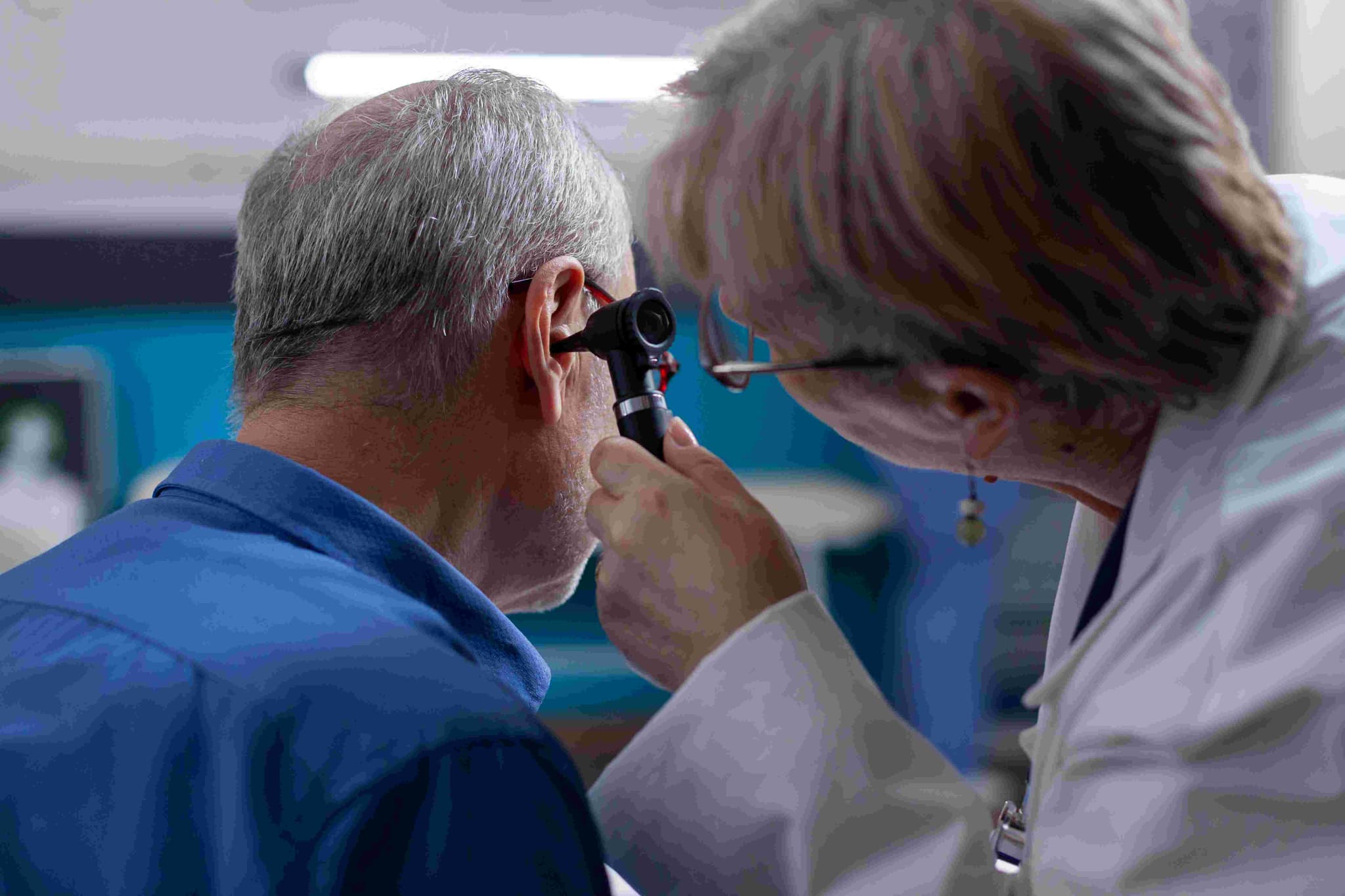

  • Medication Audit: Pausing blood thinners or certain herbal supplements that can increase bleeding risks during the extensive resection.


  • Cardiac Clearance: A thorough heart evaluation to ensure you can safely tolerate several hours of general anesthesia.


  • Multi-Phase CT (Pancreas Protocol): A specialized scan to see exactly how the tumor sits against the mesenteric veins and arteries.


  • Endoscopic Ultrasound (EUS): Used to take a biopsy and look at the tumor's proximity to the "re-plumbing" site.


  • CA 19-9 Marker: A blood test to establish a baseline for monitoring the cancer's response to surgery and future treatments.


  • Chest CT: To confirm the lungs are clear of any metastatic activity before proceeding with the abdominal resection.


  • Complete Metabolic Panel: Assessing liver and kidney function to ensure the body can process the medications used during and after surgery.


  • Hospital Stay: Usually 7 to 14 days in a specialized surgical unit to monitor the stability of the new connections.


  • Pancreatic Fistula: The most serious common risk, where pancreatic juice leaks from a connection; this requires careful drain management.


  • Delayed Gastric Emptying (DGE): The stomach may temporarily lose its ability to push food into the intestine, causing nausea for 7–10 days.


  • Enzyme Replacement (PERT): Many patients require daily pancreatic enzyme supplements for life to help digest fats and proteins.


  • New-Onset Diabetes: If a significant portion of the pancreas was removed, you may need insulin or oral meds to manage blood sugar.


  • Significantly Higher Survival: For pancreatic cancer, the 5-year survival rate after a successful Whipple is 20–25%, much higher than without surgery.


  • Potential for Cure: It remains the only treatment that offers a definitive chance to completely remove a localized pancreatic tumor.


  • Pain Relief: Removing a tumor that is pressing on the celiac plexus (nerves) can significantly reduce chronic abdominal and back pain.


  • Robotic Precision: Modern robotic techniques have reduced the incidence of post-operative infections and shortened hospital stays.


  • Multidisciplinary Success: When paired with modern chemotherapy, the Whipple procedure provides the strongest foundation for long-term remission.


Wrist / Ankle Fracture Surgery

Wrist and ankle fractures that require surgery are almost always treated using ORIF. This involves making an incision to manually realign the bones (reduction) and securing them with metal hardware (fixation) to ensure they heal in the correct anatomical position.


  • Displaced Fractures: The bone fragments have moved so far out of place that they cannot be held together by a cast alone.


  • Intra-articular Involvement: The break extends into the joint surface (the wrist or the ankle mortise), where even minor misalignment can cause permanent loss of motion.


  • Unstable Twisting Injuries: Ankle fractures involving multiple "malleoli" (the bony bumps on the sides) or torn ligaments (syndesmosis).


  • Open Fractures: Injuries where the bone has pierced the skin, requiring immediate surgical cleaning and stabilization.


  • Falling on an Outstretched Hand (FOOSH): A common cause of Colles' fractures in the wrist that often require a volar locking plate.


  • Volar Locking Plate: A titanium plate contoured specifically for the palm side of the wrist, providing rigid support for distal radius fractures.
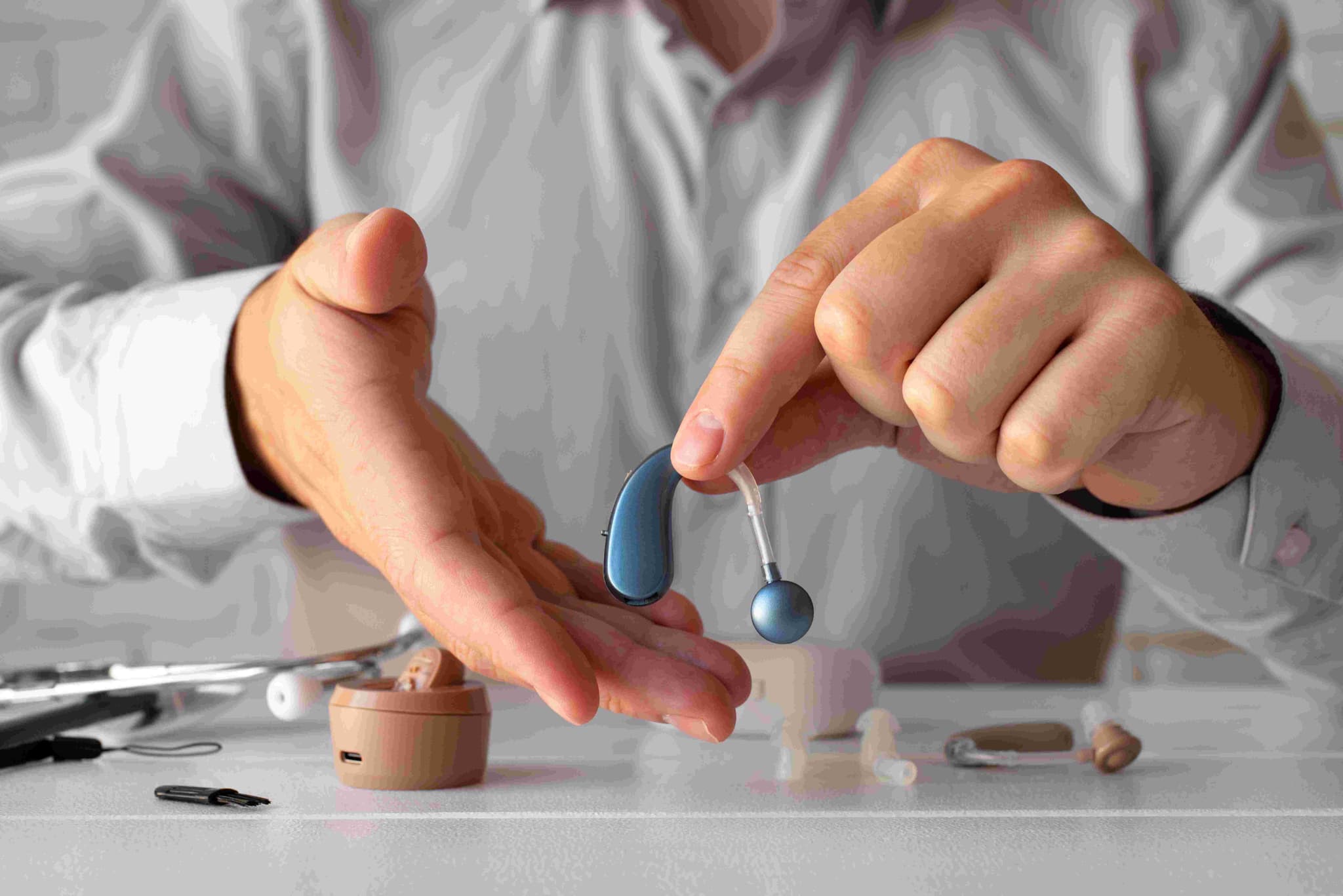

  • Lateral Malleolar Plating: A narrow plate used to bridge and stabilize a fracture of the fibula (outer ankle).


  • Medial Malleolar Screws: Two long, parallel screws typically used to fix the inner ankle bone (tibia).


  • Syndesmotic "Tight-Rope": A high-strength cord used instead of a screw to stabilize the connection between the tibia and fibula while allowing for natural micro-movements.


  • Fragment-Specific Fixation: Using tiny, individual plates or pins for complex breaks involving multiple small bone pieces.
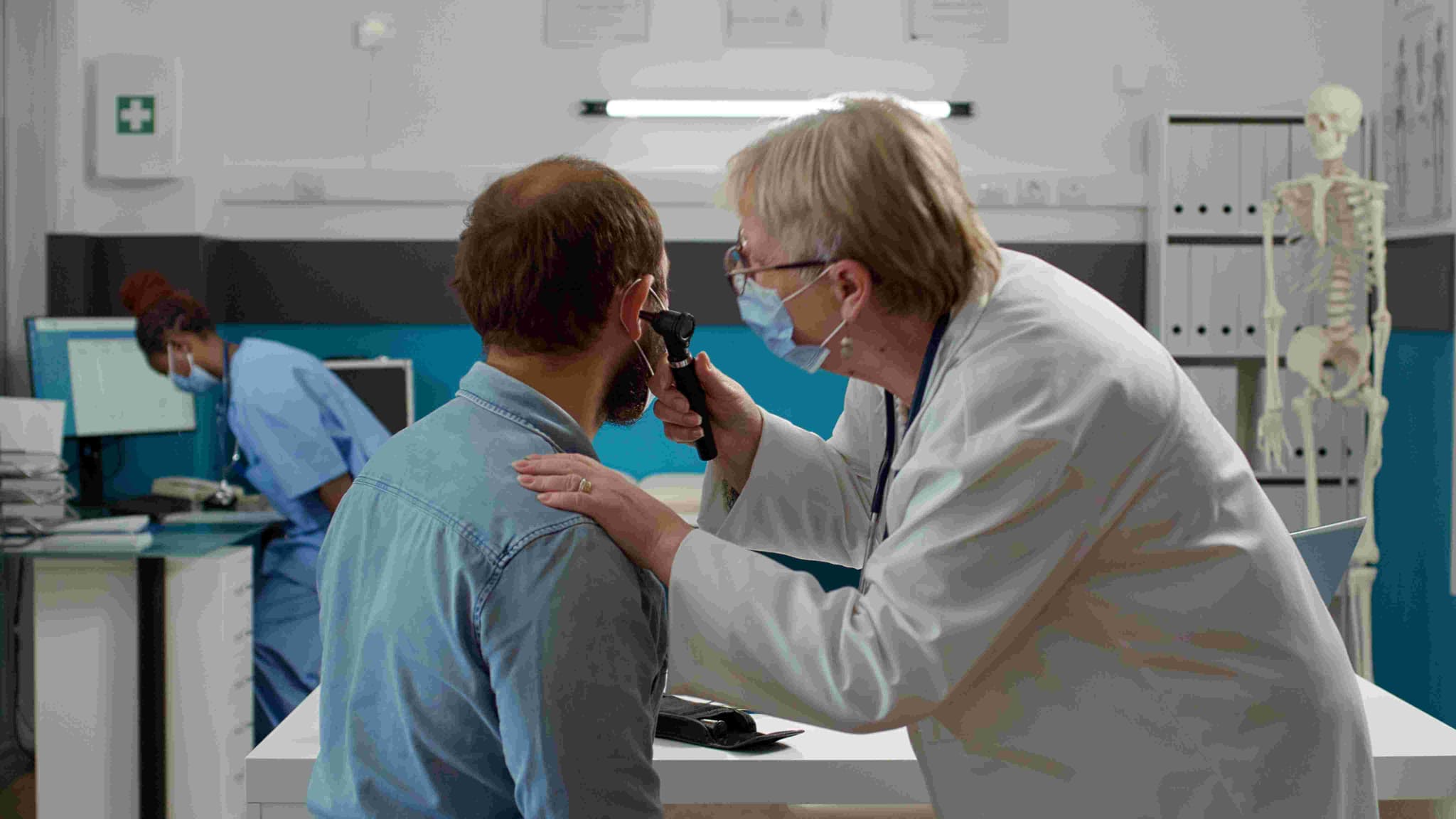


  • Incision and Exposure: The surgeon makes a 3–5 cm incision (on the palm side for the wrist or the sides for the ankle) to access the broken bone.


  • Manual Reduction: Using specialized tools, the surgeon maneuvers the bone fragments back into their anatomically correct position, restoring "radial tilt" in the wrist or the "ankle mortise" hinge.


  • Hardware Application: A metal plate is laid across the break and secured with specialized screws that "lock" into the plate for maximum stability.


  • Fluoroscopic Guidance: Real-time X-rays are used during the surgery to verify that the screws are the correct length and the joint surfaces are perfectly smooth.


  • Wound Closure: The skin is closed with stitches or staples. Because ankle skin is thin, surgeons take extra care to ensure a tension-free closure to prevent wound breakdown.



  • Diagnostic confirmation through high-resolution X-rays and occasionally a CT scan to map complex fragment patterns.


  • Fasting (NPO) for at least 8 hours prior to the surgery.


  • For ankle surgery, a delay of 7–10 days may be necessary if the skin is too swollen or blistered to close safely.


  • Coordination of a regional nerve block (at the collarbone for the wrist or behind the knee for the ankle) to manage pain for the first 24 hours.


  • X-ray Series: AP, lateral, and oblique views to determine the "length" and "tilt" of the fracture.


  • CT Scan: Often used for "pilon" ankle fractures or complex wrist breaks to see exactly how much of the joint surface is involved.


  • Physical Exam: Checking for "tenting" of the skin (where bone pushes against skin) and assessing nerve function in the fingers or toes.


  • Blood Panels: Routine testing to ensure the patient is a healthy candidate for anesthesia.


  • These are typically outpatient procedures, though complex ankle repairs may require an overnight stay for elevation.


  • Wrist Recovery: A heavy splint is worn for 10–14 days. Early finger wiggling is encouraged within 24 hours, but lifting is restricted to "coffee cup" weight for 6–8 weeks.


  • Ankle Recovery: Strict Non-Weight-Bearing (NWB) is required for 6 to 8 weeks. Patients must keep the foot "toes above nose" for the first week to manage extreme swelling.


  • Physical therapy is essential to regain forearm rotation (wrist) or the "hinge" movement (ankle) once the initial splint is removed.


  • In the ankle, about 20–30% of patients choose to have hardware removed a year later if the plates "catch" on boots or feel uncomfortable under the skin.


  • Restores the perfect alignment of the joint surface, which is the most effective way to prevent rapid-onset arthritis.


  • Allows for much earlier movement of the fingers and toes compared to a traditional long-arm or long-leg cast.


  • Provides the internal stability needed to ensure the bone heals at its original length, preventing permanent deformity.


  • Significantly improves the chances of regaining full range of motion and returning to previous activity levels.


May we help you?

Enter digits only (6-15 digits). We'll add your country code.